
BMW 635CSi buyer's guide
BMW 635CSi -- the model's own buyer's guide: variants, values and what to check.
Years listed: 1979-1989 · Series: E24
Overview and history
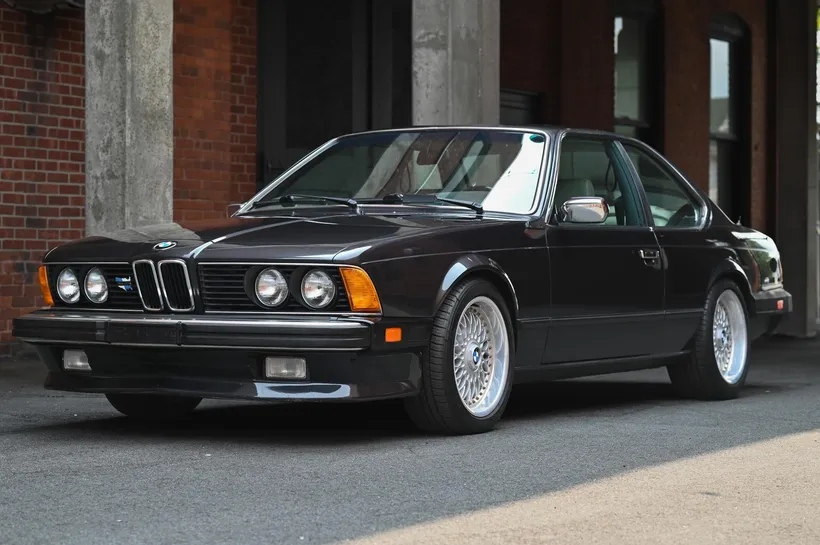
The BMW 635CSi is the definitive version of the E24 6 Series: the big M30 straight six in the big shark-nosed coupe, built from 1978 to 1989 and sold in the United States from the 1985 model year to the end of production. It was never the fastest car BMW made — the M635CSi and its American sister, the M6, held that title — and it was never the cheapest. It was the flagship for people who wanted to cross a state, or a continent, at speed, in a cabin trimmed like a boardroom, and arrive unbothered: long bonnet, lazy torque, deep seats, gearing that makes motorway speed feel like a fast idle. Buy one expecting a sports car and you will be disappointed. Buy one expecting the best long-distance coupe BMW built in the 1980s and you are shopping in exactly the right place.
The 635CSi arrived in Europe in 1978, two years into E24 production, as the new top of the range above the 633CSi. Its engine was the largest development of the M30 six yet fitted to the coupe: 3,453 cc in its earliest form, an engine insiders call the M90, rated at 218 hp in European trim — a genuine 140 mph car, and the flagship until the M car arrived in 1983. American buyers had to wait: the United States got the 633CSi through 1984, and the 635CSi only reached the American range for 1985, in catalyst form with lower compression and noticeably less power on paper — though the torque, the gearing and the character survived the crossing intact.
That split personality is the single most important thing to understand about this model, because "635CSi" names at least four meaningfully different cars: the early European car, high-compression and sharp; the later European car, on the revised E28-based chassis from May 1982; the American catalyst car of 1985 to 1987, softer on paper, usually automatic, and the car most American buyers will actually find; and the final American car of 1988 and 1989, with the higher-compression engine, the neater world bumpers and the strongest specification BMW ever gave the standard coupe. The badge is the same. The buying decision is not, and most of this guide is about telling those cars apart and pricing the differences honestly.
The six 635CSi cars we currently track illustrate the American end of that story: all six are for sale, all are United States cars from the 1984 to 1986 span of the listings, three automatic and three manual, spread from California and Texas to Florida, New Jersey, Connecticut and Virginia. That even split is worth noticing, because manuals are the minority in the wider American market and the cars buyers compete hardest for. What those listings cannot tell you is the thing that decides every 635CSi purchase: the state of the shell. These bodies rust structurally, the panels are expensive, and the difference between a good 635CSi and a liability is almost never visible in a listing photograph. Read the rust section before you read any advert twice.
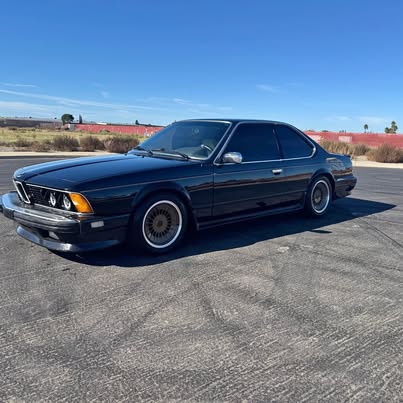
The models
Every 635CSi is the same basic proposition — two-door coupe, M30 six of roughly three and a half litres, rear-wheel drive — but market, year and gearbox change the car enough that the roster below should be your first tool. Outputs are period figures: European cars in DIN horsepower, American cars in SAE net, and the two scales flatter the European cars slightly beyond the real gap. Production for the badge is the commonly published factory total of 45,724 cars; BMW published no clean split by market and gearbox, so any seller quoting an exact tiny figure for an ordinary variant is guessing or selling.
| Model | Years | Engine | Output | Built | Character |
|---|---|---|---|---|---|
| 635CSi (Europe, early) | 1978–1982 | 3,453 cc M30 (M90), L-Jetronic | 218 hp | part of 45,724 total | The sharp original; E12-based chassis, high compression, mostly manual |
| 635CSi (Europe, later) | 1982–1989 | 3,430 cc M30B34, Motronic | 218 hp non-cat, 211 hp cat | part of 45,724 total | E28-based chassis, the developed European car |
| 635CSi (USA) | 1985–1987 | 3,430 cc M30B34, catalyst Motronic | 182–185 hp | part of 45,724 total | The volume American car; relaxed tune, mostly automatic |
| 635CSi L6 (USA) | 1987 only | 3,430 cc M30B34, catalyst Motronic | 182 hp | part of 45,724 total | One-year luxury trim; leather everywhere, automatic only |
| 635CSi (USA, final) | 1988–1989 | 3,430 cc M30B35, Motronic 1.3 | 208 hp | part of 45,724 total | The most developed standard E24; world bumpers, higher compression |
The early European car (1978–82). The M90-engined original is the purist's 635CSi: the biggest-bore M30, no catalyst, and the earlier E12-derived chassis underneath. Most were manual. These cars are now genuinely scarce in America, arriving as personal imports, and they carry two traps. A grey-import car may have been federalised with varying degrees of care, and its paperwork matters as much as its panels. And the early chassis shares its front suspension and steering architecture with the E12 5 Series, not the E28 — the changeover in May 1982 means you order by build date and VIN, never by model year alone.
The later European car (1982–89). From May 1982 the 635CSi sits on the E28-based chassis — better suspension, better steering, better electrics — and the engine becomes the 3,430 cc M30B34 under Bosch Motronic management. Non-catalyst cars kept the full 218 hp; catalyst cars are quoted at 211 hp. In Europe these cars overlapped the M635CSi and still sold, which tells you what buyers valued: nearly the performance, none of the twin-cam running costs. A documented later European manual is one of the most satisfying cars in this guide and one of the hardest to find in the United States.
The American car (1985–87). This is the 635CSi most readers of this guide will buy. The catalyst B34 gives 182 to 185 hp depending on year and source, runs lower compression, and was specified by most first owners with the ZF four-speed automatic, air conditioning and leather. Judge it as intended: not a dulled European car but a deliberate American grand tourer, with torque and gearing matched to long distances. The manual version is the same car with the involvement turned up, and the market prices the difference accordingly.
The L6 (1987). For one year BMW of North America sold the 635CSi in a luxury trim called L6: the standard catalyst drivetrain, automatic only, with leather extended over the seats, door panels, headlining and dashboard. It is not faster and was not meant to be. Its specific trap is in the interior section below: all that leather was stretched over surfaces that move with heat, and the L6 dashboard and headliner shrink, warp and pull at the seams in a way the standard cars never do. A perfect L6 cabin is a delight. A tired one is the most expensive interior in the range to put right.
The final American car (1988–89). The last two model years brought the M30B35: higher compression, a revised head and Motronic 1.3 management, and 208 hp — closing most of the gap to the European cars while keeping the catalyst. The divisive impact bumpers disappeared in favour of the slimmer world bumpers, and the car feels a generation more modern than a 1985 example. These are the most sought-after standard cars in America and the ones where a premium is easiest to justify — provided the shell earns it, because a rusty 1989 car is worth less than a sound 1985 car every day of the week.
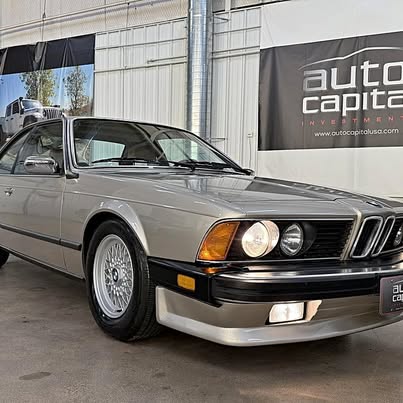
The M6 question. Every 635CSi buyer eventually asks whether to stretch to the M6, the American M635CSi with the 256 hp S38 twin-cam engine. They are different purchases, not trim levels: the M6's engine is a specialist-maintenance proposition whose deferred bills arrive in a different currency from anything in this guide, while the M30 is one of the most durable engines BMW ever made. Cross-shop them — but budget them separately.
Engines and gearboxes
The M30 in 635CSi form: M90, B34 and B35
All three engines under a 635CSi bonnet are the same fundamental machine: the BMW M30, a cast-iron-block, aluminium-head straight six with a single chain-driven overhead camshaft, two valves per cylinder, a seven-main-bearing crank and a production life stretching from 1968 into the 1990s. It is one of the great durable engines, and its reputation is earned — but it is not one engine. The 635CSi used three distinct versions, and parts, gaskets, pistons and management components differ between them in ways that punish anyone who orders by badge alone. Work from the engine number stamped on the block, not from the boot lid.
The earliest cars carry the 3,453 cc version known as the M90: a bore and stroke combination unique to this application, high compression, Bosch L-Jetronic injection and 218 hp. It is the keenest of the three and the one with the thinnest parts shelf, built for a few years in one model line. From 1982 the European car and, from 1985, the American car use the M30B34 at 3,430 cc. The European non-catalyst B34 matches the old car's 218 hp; the American catalyst B34 runs markedly lower compression and gives 182 to 185 hp, trading the top end for clean, fat, low-speed torque. The final American cars carry the M30B35 — still 3,430 cc in spite of the name, but with higher compression, a reworked head with larger ports, and Bosch Motronic 1.3 management, good for 208 hp. The B35 is the pick of the three for American buyers: most of the European car's pace, and the most modern management of the run.
What they share matters more than what separates them. All three are long-lived bottom ends wrapped around one known weakness at the top: the cylinder head and its oiling. The camshaft is fed by an oil spray bar mounted above it, and the hollow feed bolts that supply that bar are a documented M30 failure point — they loosen with age and heat cycling, oil delivery to the cam lobes falls away, and the lobes and rocker pads wear in a pattern that shows first as a top-end tick and a car that will not hold its valve clearances between services. A seller who tells you the clearances "keep opening up" is describing cam wear until proved otherwise. The check is cheap and visual: rocker cover off, look at the lobe surfaces for scoring and stepped wear, and confirm the spray bar bolts are tight. Cam and rocker renewal is a head-on job in the region of $900–1,800 if the head itself is sound.
Valve clearances are set by eccentric adjusters on the rocker arms, checked cold, at roughly every 15,000 miles — the Inspection services in the car's original schedule. This is the engine's great diagnostic gift: a continuous history file will show clearance checks the way other cars show oil changes, and an engine that has not had them will be noisy at the top and wearing its cam at an accelerated rate. Budget $250–450 for a clearance service at an independent specialist, and treat a freshly quiet top end on a car with no paperwork as a question, not an answer — clearances can be closed up for a sale on a worn cam, and the wear is still there.
Injection and engine management: L-Jetronic and Motronic
The fuel system divides the range in two. Early European cars use Bosch L-Jetronic: an airflow-metered system with a separate control unit and a cold-start injector, robust and understood by any good Bosch specialist. Its faults are the honest faults of age — perished intake boots and vacuum hoses leaking unmetered air, a worn airflow meter track giving a hesitation at one throttle opening, tired injectors dribbling rather than atomising. An L-Jetronic car that idles unevenly and hunts is almost always leaking air somewhere between the meter and the head; smoke-test the intake before letting anyone sell you parts.
Everything else — later European cars and every American 635CSi — runs Bosch Motronic, combining ignition and injection in one control unit and, on American cars, closed-loop fuelling through an oxygen sensor. Motronic's core is famously reliable; its sensors are not immortal. The two flywheel sensors — speed and reference, reading from the bellhousing on most versions — heat-age until the car develops the classic Motronic party trick: it runs perfectly until hot, then cuts out or refuses a hot restart, then starts again when cool as if nothing happened. Sellers describe this as character or blame the fuel pump. The sensors are inexpensive, in the region of $60–120 each, and the labour is access, not complexity — but the diagnosis is the value, because a car that "sometimes won't restart hot" is priced as a mystery and fixed for the price of a sensor. The idle control valve gums up and gives a wandering idle; it usually responds to cleaning. The airflow meter, throttle switch and coolant temperature sensor each produce mixture faults that mimic bigger problems, and all are testable with a multimeter. Fault-find the sensors before condemning the control unit, because the control unit is very rarely the fault.
Fuel delivery is a two-pump system on later cars: a lift pump in the tank feeding the main high-pressure pump. When the in-tank pump dies the main pump works harder, runs noisier and can starve the engine at high demand or in hot weather, producing a hesitation that gets blamed on the injection. Treat a loud main pump as a dying lift pump until proved otherwise. Fuel hoses in the engine bay are a safety item, full stop: the short high-pressure sections above a hot engine perish from the inside and announce themselves only as a smell. Any fuel smell in the bay ends the viewing until the hose is replaced. Renewing the full set of bay fuel hoses is a $150–350 job and belongs in every new owner's first month regardless.
Cooling: the system the engine's life depends on
The M30's one genuinely expensive failure mode is overheating, and it is a cooling-system failure, not an engine failure. The long aluminium head on the iron block tolerates no abuse: run hot, the head warps and can crack, typically around the exhaust side, and the first symptom the next owner meets is a head gasket that will not stay fixed because the head underneath it is no longer flat or sound. A head gasket job done properly — head off, checked for flatness and cracks, skimmed only within limits, new bolts, and the cause of the overheating found and fixed — runs $1,500–3,000 at a specialist. A cracked head needing a sound replacement moves the bill up from there and converts a cheap car into an expensive one in a single afternoon.
So judge the cooling system as the engine's life insurance and price its condition into the car. Radiator cores silt; the viscous fan coupling loses its drive with age and freewheels exactly when the car is stationary in traffic on a hot day; the thermostat, water pump and hoses all have a service life that expired years ago on any car without receipts. The tests are in the inspection section: top hose pressurising only as the engine warms, temperature gauge stable in traffic and under load, no cold patches across the radiator core. A car with a recent radiator, pump, coupling and hoses documented is worth a real premium, because that file is the difference between an engine with a future and an engine with a past. A full preventive cooling refresh is typically $900–1,800 fitted, and it is the best money a new 635CSi owner can spend.
Gearboxes: Getrag manuals and the ZF 4HP22
The manual gearbox is a Getrag five-speed: the 265 in earlier production and the 260 in later cars, both overdrive-top units with a deserved reputation for strength. What wears is not the gearset but the second-gear synchromesh, the shift linkage bushes and, eventually, the bearings. Test second gear both ways — up from first and down from third, cold, because a synchro that is merely tired when warm is usually baulking by the second cold change. A sloppy, vague lever is linkage bushes, a cheap parts bill that transforms the car when done; do not let a seller price a linkage problem as a gearbox problem, or hide a synchro problem behind a linkage story. A gearbox rebuild for synchros and bearings is a $1,800–3,200 proposition, so the cold second-gear test is worth real money. Clutches are conventional; a clutch job runs $900–1,500 fitted. The propshaft's flexible coupling — the guibo — and its centre bearing perish with age and give a driveline thump on take-up; renewal, typically $300–600 fitted, makes an old car feel five years younger.
Most American cars carry the ZF 4HP22 four-speed automatic, with electronically controlled EH versions in later production offering switchable sport and economy programmes. In health it suits the car completely. The tests are the classic automatic tests and they are unforgiving. Fluid red to light brown and not burnt-smelling. Changes firm but not violent, with no flare — revs rising without drive — between ratios. Kickdown prompt. Reverse engaging without a long pause, cold and hot, because delayed reverse is the 4HP22's classic first symptom of internal wear. A box that flares or delays is a rebuild, typically $2,500–4,500 fitted, and that figure comes off the car's value in your negotiation on the spot. A box that merely shifts harshly may have a cheaper fluid, cable or valve-body cause, but you cannot establish that at the kerbside, so you price the worst credible case. And on a forty-year-old car there is no such thing as lifetime fluid: if nobody knows when it was last changed, a fluid and filter change is part of your first service — and what drains out will tell you more about the gearbox than the seller can.
Problem areas
Rust: the map
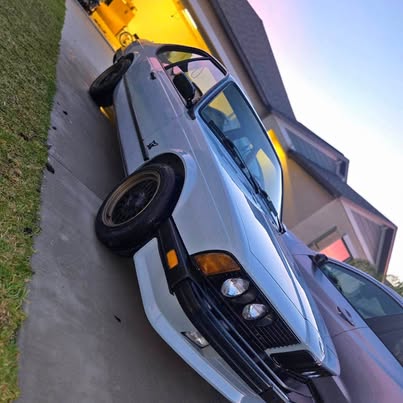
Rust is the 635CSi. Not the engine, not the gearbox, not the electrics — the shell decides whether a given car is a classic you own or a restoration you fund, because the E24 body is complex, its pressings are large, its repair panels are limited, and the structure and the cosmetics rot in many of the same places. A mechanically tired car on a sound shell is a rolling project you can improve as you drive it. A gleaming car with rotten sills, arches and floors is a parts car in a good coat, and no engine history changes that. Work the map in this order, and do not let a seller hurry you past any point on it.
Front wings. The E24 front wing is a big, expensive panel, and it rusts from the inside out in two places: at the rear lower edge behind the front wheel, where everything the tyre throws up collects against the wing, the sill end and the inner structure, and along the top edge and around the headlamp and indicator apertures. Bubbling at the rear of the wing, just ahead of the door shut, is the most common rust tell on the whole car, and it always understates what is behind the panel — the bubble is the last stage of a process that started inside the seam. Press gently, look from inside the wheel arch with a torch, and check the wing's originality: factory wings carry factory spot welds and sealer patterns, and a replacement fitted after rot or accident damage rarely matches both. A replaced wing is not a verdict. A replaced wing over a rotten inner wing and sill end is the whole story of the car, told in one panel. Sound used wings and repair work here are priced per car, but wing replacement with paint is comfortably a four-figure job per side by the time the inner structure has been dealt with honestly.
Sills. The sills are structural, they carry the factory jacking points, and they rot at those points, at the front where they meet the wing and inner arch, and at the rear where they run into the rear wheel arch. They are also the panel most often repaired cosmetically — a fresh outer skin welded or, worse, filler-shaped over rot that continues inside the box section. Learn the two reads. From a distance, a sill line should be straight and even; a sill that bulges, sags or runs wavy under fresh black stone-chip is a sill with something to hide. At close quarters, the sill-jack test in the inspection section settles what looking cannot. Fresh underseal on a car being sold is a question, not an answer: nobody re-coats a sound sill the week before a sale for the buyer's benefit. If the seller cannot show photographs of what is under the coating, price the car as if the worst sill you cannot see is the worst sill on the car, because statistically it is.
Rear arches, boot and rear panel. The rear wheel arch lips trap mud against the inner arch and rot outward through the lip, and the magnet test along the lip — a magnet wrapped in cloth weakening or letting go — is the quickest filler detector you own. The boot is the car's diagnostic room. Lift the carpet, take the spare wheel out, and read the floor, the well, the inner wings and the rear panel behind the lamps. Water arrives past the perished boot seal, past the rear lamp gaskets, and down the sunroof drain tubes that exit in this area, and it sits in the well and rots the floor from the top down while road water works from underneath. Surface rust from a leak that has been fixed is a manageable weekend. A floor that is holed, soft around the well, or patched with fibreglass is welding, and the rear panel and lamp apertures are slow, fiddly metalwork that costs like it. The fuel tank lives in this environment: tanks rust under their straps where debris holds moisture, and on cars that have sat, from the inside as well. A weeping tank ends the viewing until it is priced — tank renewal with straps and hoses typically runs $700–1,400.
Floors, screen surrounds and the sunroof tray. Water past the windscreen seal and scuttle drains, and water overflowing a blocked sunroof tray, ends up in the front footwells, where thick sound-deadening holds it against the floor pan like a sponge. Lift the carpets on every viewing: a dry-looking carpet over wet sound-deadening is a leak of long standing, and floor perforation follows. Check the screen corners for bubbling in the surround — rust here is a screen-out repair, and the surround belongs on the serious list, not the cosmetic one. Door bottoms rot from blocked drain slots; run a fingertip along each door's lower edge for bubbling, then check the drains are clear. None of these areas kills a car alone. Together they are the car's autobiography, and a car that has lived dry reads completely differently from one that has lived wet.
Suspension, steering and brakes
The chassis divides at May 1982 with the rest of the E24 range: early cars use E12-derived front struts, steering and rear suspension, later cars the E28-derived hardware. Components do not all interchange across that line, and a car built near the changeover deserves parts ordered by VIN and build date only. A seller who says the suspension "has all been done" should be able to say with what, because a mixture of early and late parts fitted by guesswork produces handling faults that are miserable to diagnose.
At the front, the MacPherson strut layout hangs on control arms and thrust arms whose bushes are now decades old. The signature fault is a shimmy under light braking from motorway speed — the worn thrust arm bushes let the wheel move fore and aft under brake load, and the movement arrives through the steering as a shake in a particular speed band. It is routinely blamed on warped discs, and discs do warp and judder, but the character differs: a bush shimmy comes and goes with speed and load and can be felt through the whole car, while a disc fault pulses through the pedal in time with wheel rotation. The remedy, either way, is to stop replacing one bush at a time. Renewing the arms, bushes, links, track rods and top mounts as a system, with a proper alignment afterwards, typically runs $1,200–2,500 in parts and labour and transforms a vague car into the car BMW designed. Half-done front ends pay for alignment again and again and never quite arrive.
At the rear, the semi-trailing arm suspension wears its subframe mounts and the small pitman arms — the dog bones — that control toe, giving a rear end that steers itself on throttle changes, a clunk over bumps and uneven rear tyre wear. Perished mounts let the axle move enough to change the car's line mid-corner, which on a powerful coupe is a safety item dressed as a refinement item. Dampers are frequently the ones the car was born with; a corner that bounces twice on the push test is telling you the truth. None of this is ruinous individually, but the honest budget for a tired chassis is a four-figure one, and it belongs in the purchase arithmetic alongside the welding, not discovered after it.
Brakes are conventional discs with a vacuum servo, strong when maintained and entirely age-limited now: calipers seize on cars that sit, flexible hoses perish internally and act as one-way valves that hold a brake on, and the handbrake shoes live inside the rear disc hat where nobody looks. A full hydraulic refresh runs $800–1,800 with labour and is the standard first-year bill on a dormant car. Wheels carry the model's specific trap: metric TRX fitment. Many cars were delivered on Michelin TRX tyres on 390 mm metric wheels that accept nothing else; TRX tyres survive only as specialist classic production, at high prices. Most cars have been converted to inch-sized wheels, which opens modern tyre choice. Neither is automatically wrong, but know which you are buying, because elderly TRX rubber carries an immediate tyre bill of $600–1,200 for a set, or a wheel conversion bill, before the car can be driven hard. Whatever the wheels, read the date codes: tyres older than seven to ten years are a replacement set regardless of tread.
Interior and trim
The 635CSi cabin is half the reason to buy the car — deep front seats, on many cars the excellent optional sport seats, a dashboard angled toward the driver, leather on American cars as a matter of course. It is also where tired cars hide their second-largest bills, because trim was model-specific and the big pieces are no longer cheap or plentiful used.
Start with the seats. Leather dries, splits along the seams and cracks across the bolsters, worst on the driver's entry bolster and on the tops of the rear seats where sun through the rear screen cooks them. Under the covering, the padding collapses until you are sitting on the frame's shape rather than the seat's. Sit in the driver's seat on every viewing and judge the cabin from there, because it is the seat that prices the retrim: a single seat re-covered in matching leather is a $600–1,200 job done properly, and a full retrim runs well into five figures — which is why a genuinely good original cabin is worth a premium you can calculate.
The L6 deserves its own warning. Its leather-covered dashboard and headlining were its glory in 1987 and are its liability now: leather shrinks as it dries, and on the L6 it shrinks across large, shaped, glued surfaces, pulling away at the windscreen base and opening the seams. Putting an L6 cabin right is specialist trim work at specialist prices, and good used L6 pieces in the right colour are among the scarcest trim parts in the E24 world. On a standard car the vinyl dashboard still cracks across the top in heat-belt cars — the Texas and Florida cars in our current listings are exactly the cars to check.
The rest of the cabin fails in ordinary, budgetable ways: window regulators tire, seat motors and switches dirty their contacts, the headlining sags as its foam backing turns to dust. None of it strands you, all of it adds up, and the honest way to price a cabin is piece by piece at the viewing, not as a vague deduction for "tired interior" afterwards.
Electrics, air conditioning and the systems that strand you
The 635CSi's electrics are pre-network and therefore traceable with a wiring diagram and a multimeter, which is the good news. The known fiddle is the instrument cluster: the service interval board inside it carries rechargeable batteries that leak with age, corroding the board and producing a cluster of apparently unrelated faults — dead or erratic gauges, warning lights with minds of their own, service lights that never reset. A cluster showing several simultaneous oddities is one board to repair, typically a few hundred dollars at a specialist, not five separate faults. Beyond the cluster, the on-board computer, check control panel, seizing electric aerials, heater blower motors that wear to a single speed or silence, and wiring that breaks inside the door hinge gaiters account for most of the rest. Test every electrical item individually, including the ones you do not care about: the pattern of what works is diagnostic information, and a seller who says everything "just needs a fuse" is selling you the fault-finding along with the car.
Air conditioning is close to essential in an American 635CSi — the cabin is a glasshouse and cooks without it — and most cars were specified with it. The original systems ran R12; survivors have mostly been converted to R134a with thoroughness ranging from a proper conversion — compressor, receiver-drier, seals, flush — to a gas swap and a prayer. Cold air at the vent on a mild day proves almost nothing: test at idle and at cruise in the warmest conditions you can get, and ask what was replaced at conversion. A system needing a compressor, condenser, drier and labour is a $1,200–2,500 repair, and a system that "just needs a regas" needs its leak found first, because the gas went somewhere. The heater valve can also fail toward permanent heat, which a summer viewing reveals in the first mile and a winter viewing can hide. Run the cabin from full cold to full hot and back on every test drive.
How to inspect one
Inspect a 635CSi cold, in daylight, on level ground, with a torch, a magnet wrapped in cloth, and at least an hour. A warm engine, a wet car, a dark building and a seller in a hurry are the four conditions under which bad examples get bought. Work in this order, cross-referring to the problem areas — each step below is priced by a section above.
- Paperwork and identity first. Match the VIN on the title to the plate and the stamping on the car, decode the build date, and confirm the engine is the type the badge claims — M90, B34 or B35 — from the engine number, not the seller's description. The May 1982 chassis changeover and the 1988 engine change both hide inside innocent-looking model years, and specification is value on this model. Read the service file for continuity rather than thickness: valve clearance entries and cooling invoices are the lines that predict an M30's future.
- Cold start, done by you. Turn the key from fully cold. Listen for top-end clatter and how quickly it fades, watch for blue smoke (valve stem seals if it clears, worse if it does not) and white vapour that does not clear (a cooling-system conversation), and note how the idle settles. Check the top hose as the engine warms: pressure within the first minutes from cold means combustion gas in the coolant until proved otherwise. An engine warmed up before you arrived has had its most honest thirty seconds removed; note it, and come back another day if the car otherwise stacks up.
- Walk the rust map in order. Front wing rears and tops, sill lines, door bottoms, rear arch lips, screen corners, sunroof aperture, bonnet front edge and boot lid edge, in raking light. Run the cloth-wrapped magnet over the arch lips, wing rears and sills: where it weakens or lets go, there is filler, and filler on this car is a question about what is underneath, not a finish defect. Check panel gaps for the tight-one-side, wide-the-other pattern of a replaced wing or an old accident.
- The sill-jack test. With the seller's permission, support the car at each factory sill jacking point in turn — or better, get it on a lift — and watch and listen for the sill compressing, cracking or the jack point pushing upward into the box section. A sound sill takes the corner silently. Then read the underside properly: sill inners, floors, subframe mounts, inner arches, brake and fuel lines, and every patch of fresh underseal, treated as a marker for where to look hardest. If the underside cannot be seen at all, price the car as an unknown-body car or walk away. On this model, that is not caution; it is arithmetic.
- Empty the boot completely. Spare wheel out, carpet up. Read the well, the floor, the inner wings, the rear lamp panel and the seal channel for holes, patches, fibreglass and water staining. Check the fuel tank's visible surface and straps, smell for fuel, and look at the battery tray for acid damage. The boot is where a 635CSi confesses its water history.
- Inside, lift what lifts. Pull the front carpets back and press the sound-deadening: a wet sponge under a dry carpet is a leak of long standing, and the floor pan is paying for it. Sit in the driver's seat and judge the cabin from there. Test the sunroof through its full travel, every window, the seat adjustments, mirrors and locks, and look at the headlining and — on an L6 — the leather dash top, where shrinkage shows first at the windscreen base.
- The engine bay circuit. Coolant colour and level, oil level and condition, and a smell of the oil filler cap for fuel or mayonnaise. Radiator core for staining and, once warm, cold patches. Hoses for crust at the joints and cracking. The viscous fan coupling for resistance. Every fuel hose for weeping or smell — a fuel smell ends the drive until it is fixed. Brake and power steering fluid levels and colour. An engine bay steam-cleaned for the sale, over an engine with no history, is a seller answering a question you did not ask.
- Drive it for thirty minutes, not five. Town, a fast road, and a hill under load if you can find one. Watch the temperature gauge in traffic and under load — it should settle and stay. Feel for the front-end shimmy in its speed band under light braking, and for rear-end movement on throttle changes. On a manual, test second gear up and down, cold and hot. On an automatic, note every change for flare or violence, test kickdown, and test reverse engagement at the end of the drive while everything is hot, because delayed hot reverse is the 4HP22's confession.
- Heat, cold and electrics on the move. Run the heater from full cold to full hot and back, the blower on every speed, and the air conditioning at idle and at cruise. Work every window, the washers and lights. Note any cluster oddities as a group — several at once points back to the service interval board batteries, and is one repair, not five.
- Brakes and steering, properly. From speed, in a safe place: firm, straight stops with no pull, and a pedal pulse judged by character — pedal-timed pulsing is discs, speed-band shake through the car is bushes, and the distinction is worth money. Steering lock to lock at parking speed for pump groan and notchiness, a tight circle each way for differential and bearing noises, and a handbrake that holds on a slope.
- Wheels, tyres and stance. Establish the wheel fitment by the sidewall: metric TRX or inch conversion, and whether the spare matches. Read every tyre's date code regardless of tread. Check ride height side to side, read the tread wear for the alignment and bush story, and bounce each corner — twice means the damper is done.
- Price the car you inspected, not the car in the advert. List every fault by system, price the structural items first — welding, head work, gearbox rebuild, cooling refresh, brakes, air conditioning, cabin — then add the recommissioning service every undocumented car needs. If the structural total exceeds the gap between this car and a known good car for sale, buy the known good car. That arithmetic, done cold at the kerbside, is the difference between owning a 635CSi and funding one.

Values
Read the market block printed beneath this guide — the current listings and recorded sales for the model — through the structure of this market, because the 635CSi spread is wide and the badge explains very little of it. This is a condition market first, a specification market second and a mileage market a distant third. Two cars of the same year and similar mileage can sit at opposite ends of the range because one has a sound, original shell, a continuous file and a manual gearbox, and the other has filler in its arches, a gap in its history and an automatic that flares into top. The shell sets the price band; the specification moves a car within it; the history decides where in the band it lands.
The premium structure is consistent enough to plan around. Manual gearboxes carry a durable premium over automatics, not because the automatic is a worse car to tour in — it is arguably the better one — but because manuals are the minority of survivors and the buyers who want involvement outnumber the supply. The final 1988 and 1989 cars carry their own premium for the stronger B35 engine and the world bumpers, one of the more rational premiums in the market, because those cars genuinely are better. Early European cars, where they appear in America with clean import paperwork, attract a following of their own. The L6 premium is the softest of the lot: it rests entirely on the condition of that leather interior, and a tired L6 cabin converts the premium into a discount faster than any other feature on the car. Colour moves individual cars — red sells — but colour never rescues condition.
The asking-versus-achieved gap follows the usual classic pattern with one local twist. Sellers price from the best comparable they can find — usually a final-year manual with a file — and buyers pay for the car actually in front of them. Cars that sit unsold for months are almost always priced as the car they resemble in photographs rather than the car the inspection reveals. Auction results sort the market honestly: documented, sound-shell cars find their level quickly, and shiny cars with thin files are bid as projects whatever the reserve says. Compare any car against the specification and condition of the cars that actually sold, not against the highest number on the page.
The project-versus-driver gap is the widest and most honest feature of this market. A project car with structural rust is worth its engine, gearbox, trim and parts value plus whatever a buyer with a welder assigns to the shell, because the route from there to a driver — welding, paint, recommissioning, and a finished car that still carries a repaired-shell history — is long and fully priced by everyone who has walked it. A driver-quality car with a sound shell, working air conditioning and a recent cooling and brake refresh can be used the day it is bought, and the market pays a multiple of project money for exactly that readiness. The trap is the middle car: fresh paint over an unexamined underside, sold at driver money. The inspection routine exists to keep you out of that middle, and any resistance to the boot-emptying, carpet-lifting and lift inspection tells you which side of the gap the seller believes the car is on.
Parts and ownership
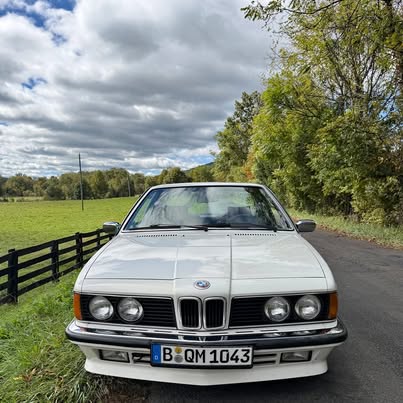
The 635CSi is a supportable classic with a flagship's bills in specific places, and the ownership pattern that suits it is steady preventive spending by an owner who uses the car, rather than rescue spending after years of storage. The M30's service rhythm is old-fashioned: quality oil and filters, valve clearances at their interval, brake fluid and coolant on schedule, and a rolling programme of rubber renewal — hoses, bushes, mounts and seals — because on a car of this age it is rubber's calendar age, not mileage, that does most of the wearing out. Cars used regularly and driven far enough to dry themselves out stay healthier than cars that sit for months; if your use will be occasional, store the car dry, keep the battery on a maintainer, and exercise it on real journeys rather than starting and idling it, which does more harm than good.
Parts supply is good where it matters most. The M30 was built in huge numbers across the 5, 6 and 7 Series, so mechanical and service parts — engine internals, gaskets, cooling components, brake parts, suspension wear items for the later cars — are widely available, though the cheapest pattern bushes and mounts are a false economy on a car whose steering feel depends on them. Early E12-based chassis parts take more hunting. Fuel and injection components for both L-Jetronic and Motronic cars remain obtainable at sensible prices. The constraints are the ones this guide keeps returning to: body panels, where new front wings are expensive where they exist at all and good used panels are drying up, and trim, where correct seat coverings, uncracked dashboards and L6 leather pieces command strong money. Both say the same thing — the shell and cabin you buy are the ones you will live with, so buy them as if they were permanent, because they nearly are.
Running costs beyond maintenance are moderate for what the car is. Fuel consumption is period heavy — the teens around town and the low twenties on a touring run — and agreed-value classic insurance is usually reasonable when the valuation is realistic and evidenced. Tyres are a day-one budget line if the car sits on TRX wheels or out-of-date rubber. Keep the sunroof drains, scuttle drains and boot seal channel clear as routine service, because on this model drainage is rust prevention, and keep every invoice: on a 635CSi the history file is a measurable component of resale value. Budget honestly for the first year of an undocumented car — catching up deferred maintenance on a runner is a real four-figure commitment — and the car will repay the discipline every time you point it at a long road.
Which one to buy
- The all-rounder: a 1988–89 American 635CSi. The B35 engine, Motronic 1.3, world bumpers and the most developed chassis, in the market with the deepest supply. Automatic or manual, this is the car to recommend to a buyer who wants to tour, arrive and enjoy.
- The value buy: a sound-shell 1985–87 automatic. The volume American car, bought at average money after a full inspection, with the cooling refresh, brake work and first service priced in. Driven as the relaxed grand tourer it was designed to be, it delivers most of the 635CSi experience for the least entry cost — and its value rests on the shell you verified, not on a specification premium.
- The enthusiast pick: a manual car, any market. The Getrag five-speed turns the same coupe into a driver's car, and in America manuals are the minority worth hunting. An earlier European manual with verified engine identity and clean import paperwork is the connoisseur's version of the same choice.
- The luxury buy: a 1987 L6 with a perfect cabin. One year only, leather everywhere, automatic only — buy it for the interior and judge it by the interior, because the dash and headlining condition is the whole car. A shrunken L6 cabin is the most expensive trim bill in the range wearing a premium price tag.
- The one to avoid: any 635CSi with structural sill, arch or screen-surround rust sold at driver money on the strength of fresh paint, a warmed engine and a five-minute drive. Also avoid an undocumented engine swap sold as original, and a dormant car priced as a runner.
The overriding rule: buy the soundest shell with the most continuous history you can afford, in the specification you will actually enjoy — on a 635CSi, the engine can almost always be fixed, the gearbox can always be rebuilt, and the shell is the car.
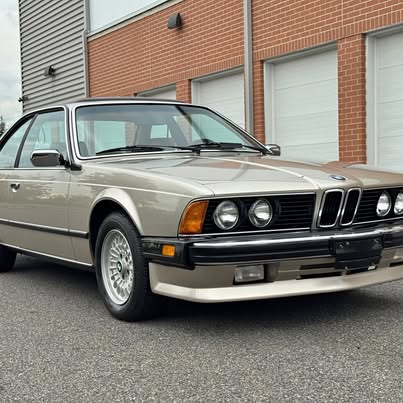
See the 202 635CSi cars currently listed.
For sale now
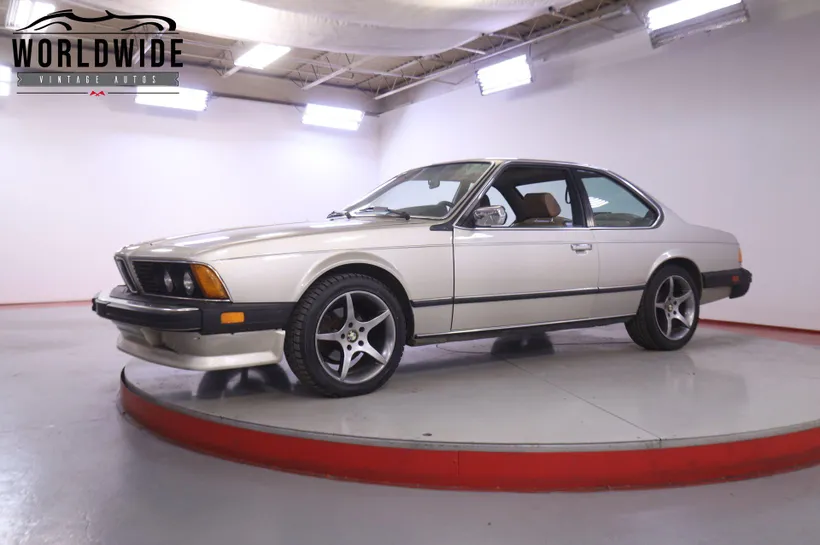 $14,900
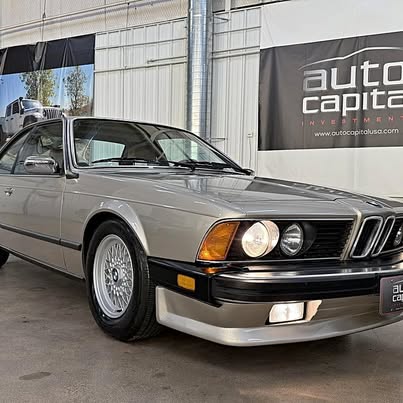 $29,990
Expand
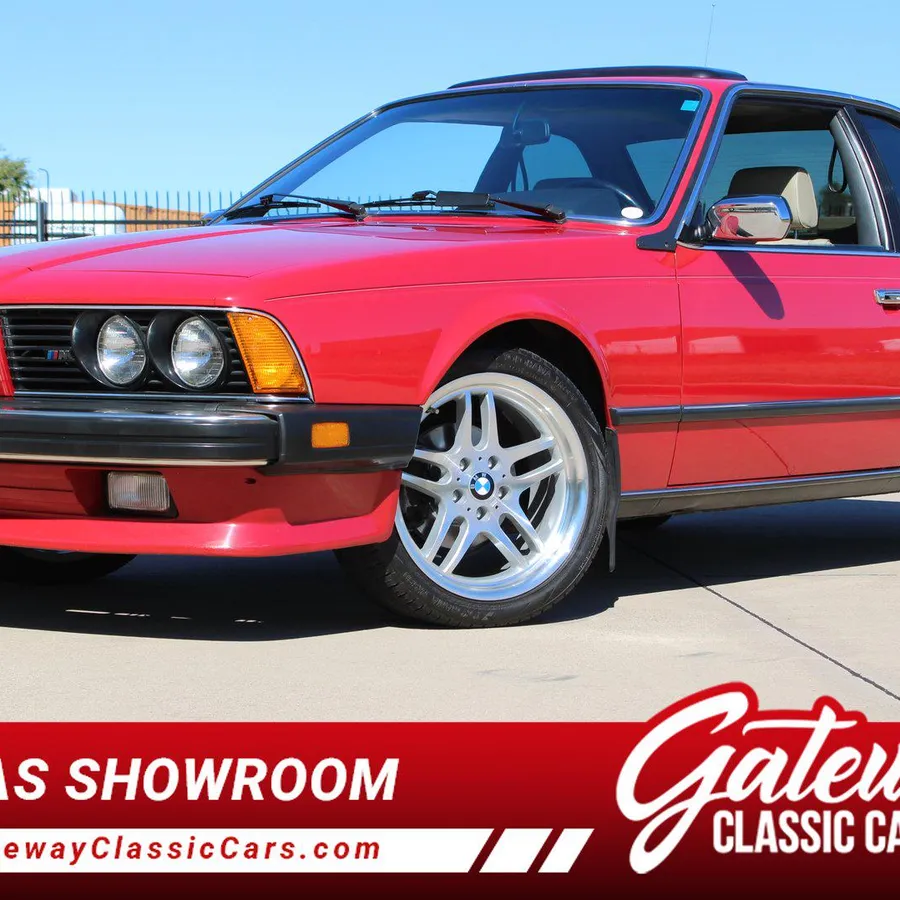 $38,000
 $48,000
What they sell for: 635CSi sale prices.