
Chevrolet C6 buyer's guide
Chevrolet C6 (2005–2013) — Corvette, Corvette Coupe, Corvette Convertible, Z06, Grand Sport, ZR1: what's listed, and what they sell for.
Years: 2005–2013 · Models: Corvette, Corvette Coupe, Corvette Convertible, Z06, Grand Sport, ZR1
Overview and history
The C6 is the sixth generation of the Chevrolet Corvette, built from the 2005 to the 2013 model years at Bowling Green, Kentucky — and it is the generation that turned the Corvette from a fast American car into a genuinely world-class one. It replaced the C5 in the autumn of 2004, and the headline change was the one traditionalists had resisted since 1963: the pop-up headlamps were gone, replaced by fixed exposed lamps. Underneath, the C6 kept the C5's proven architecture — a hydroformed steel frame, composite body panels, a rear-mounted transaxle joined to the engine by a torque tube, and independent suspension on transverse composite leaf springs — and refined almost every part of it. The wheelbase grew by 1.2 inches while the body shrank slightly, the interior was redesigned with better materials and push-button starting, and the new LS2 V8 gave even the base car 400 hp.
The range then climbed in steps no previous Corvette generation had attempted. The Z06 returned for 2006 with a 7.0-litre, 505 hp engine in an aluminium frame. The base engine grew to the 430 hp LS3 for 2008, along with a much-improved manual gearbox and steering. For 2009 the ZR1 arrived with a supercharged 638 hp LS9, carbon-ceramic brakes and a carbon-fibre roof — at the time the fastest, most powerful production car General Motors had ever built. The Grand Sport followed for 2010, putting the wide Z06 body and brakes under the standard LS3, and the run closed in 2013 with the 427 Convertible, which put the Z06's 7.0-litre engine in an open car. Total C6 production was roughly 215,000 cars over nine model years.
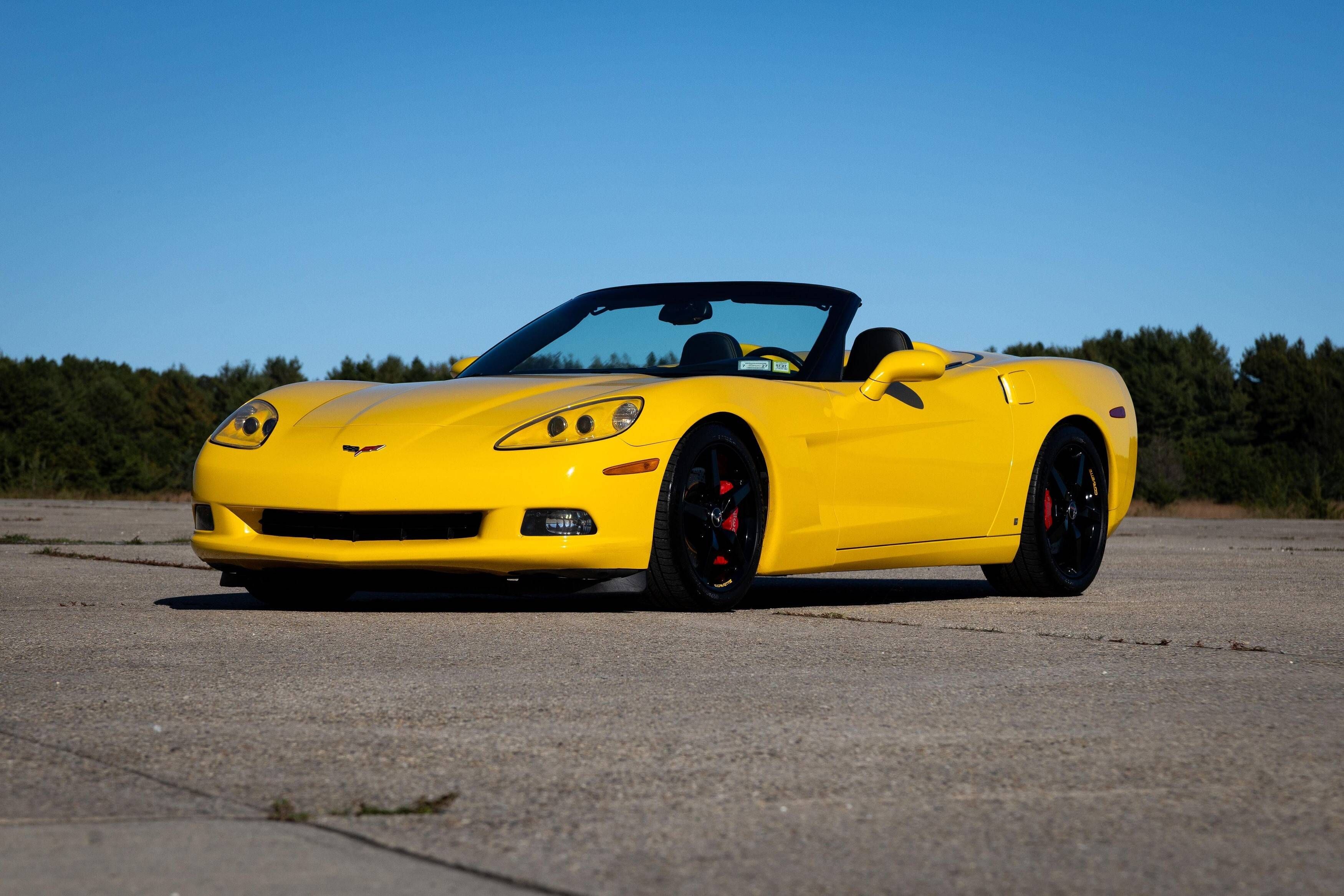
We currently track 12 C6s on Classic Listings, 11 of them for sale, and the sample is typical of the market: mostly early base coupes and convertibles from dealers, in the launch colours — Millennium and Velocity Yellow, Magnetic Red, Machine Silver, Le Mans Blue. That is where the volume of this market sits. The Z06, Grand Sport and ZR1 trade in smaller numbers and through different channels, which is worth remembering when you compare asking prices across the range.
These are now 12-to-21-year-old cars, and their buying logic is simple to state and hard to follow: the mechanical core — the LS engines, the rear transaxle, the frame — is exceptionally tough, parts are plentiful and cheap by sports-car standards, and almost nothing on a C6 is unobtainable. What separates a good one from a money pit is not the odometer but the accumulation of age-related failures the previous owner either fixed or deferred: the crankshaft pulley, the fuel system, the electrics, the convertible top, the tyres. This guide works through all of it, variant by variant.
The models
Every C6 is a two-seat, front-engined, rear-drive car with a composite body, but the range spans a wider spread of performance and price than any other Corvette generation. There are two body styles for the base car — the coupe, which is really a targa with a lift-off roof panel and a big glass hatch, and a true soft-top convertible — plus the fixed-roof wide-body cars built around the Z06. Badges alone do not settle which model you are looking at: wide rear fenders, a front-fender vent shape and the VIN tell the truth, and the sections below give you the checks.
| Model | Years | Engine | Output | Built | Character |
|---|---|---|---|---|---|
| Coupe / Convertible (LS2) | 2005–2007 | 6.0 V8 (LS2) | 400 hp | part of about 160,000 base cars | The entry point; 400 hp, the cheapest C6 to buy |
| Coupe / Convertible (LS3) | 2008–2013 | 6.2 V8 (LS3) | 430 hp (436 with NPP exhaust) | part of about 160,000 base cars | The better base car — stronger engine, better gearbox and steering |
| Z06 | 2006–2013 | 7.0 V8 (LS7) | 505 hp | about 26,000 | Aluminium frame, dry sump, manual only; the track car |
| Grand Sport | 2010–2013 | 6.2 V8 (LS3) | 430 hp (436 with NPP) | about 21,000 | Z06 looks, brakes and width with the base engine; coupe and convertible |
| ZR1 | 2009–2013 | 6.2 V8 supercharged (LS9) | 638 hp | 4,684 | Carbon-ceramic brakes, carbon roof; the collector flagship |
| 427 Convertible | 2013 | 7.0 V8 (LS7) | 505 hp | 2,552 | One-year special: the LS7 in an open car, manual only |
The base cars. The coupe and convertible are mechanically identical and account for the great majority of C6s built. The coupe's roof panel lifts off and stows in the hatch, so a coupe is an open car of sorts on a sunny day; the convertible's power soft top (manual on early base-trim cars) folds under a hard tonneau and leaves a small separate trunk. The important split in the base range is not the body but the year: 2005–07 cars have the LS2 and, if automatic, either the old four-speed (2005) or the six-speed paddle-shift (2006 on); 2008-on cars get the LS3, the improved TR6060 manual and retuned steering, and are worth a premium for it. The Z51 performance package — shorter gearing on manual cars, bigger brakes with drilled rotors, oil and transmission coolers, firmer suspension — is the option to look for on a base car, and it is common. Magnetic Ride Control (RPO F55) was the alternative suspension choice; the two were mutually exclusive until the Grand Sport era.

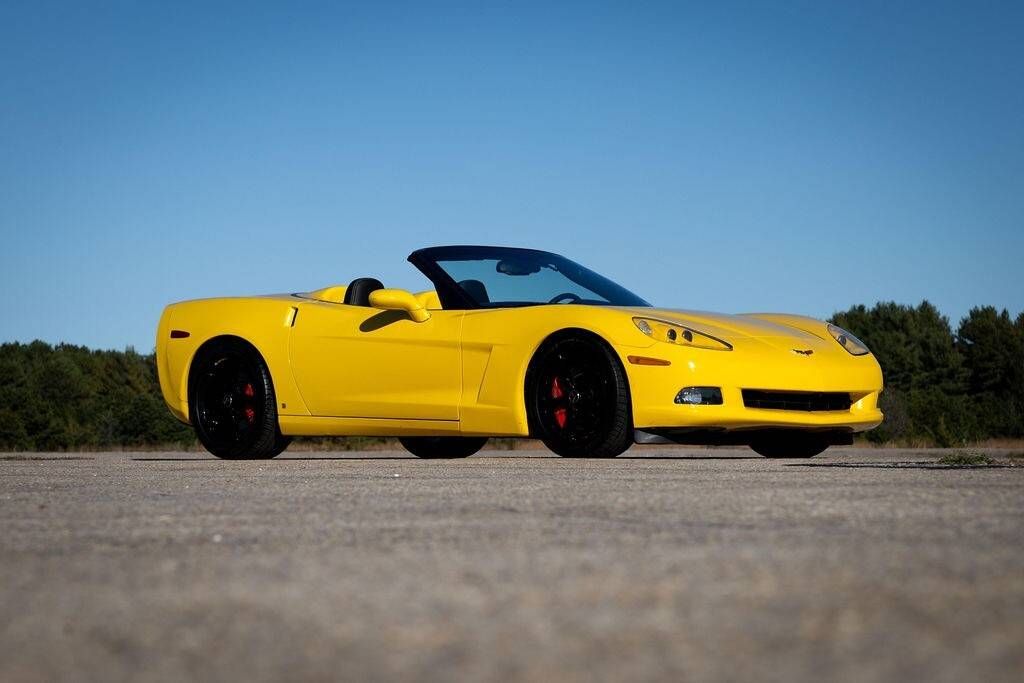
The Z06 (2006–13). A different car under the skin: an aluminium frame instead of steel, magnesium engine cradle and roof structure, carbon-fibre front fenders and floor panels, a fixed roof, and the hand-built 7.0-litre LS7 with a dry-sump oil system. It is manual-gearbox only, about 140 lb lighter than a base coupe despite being wider, and it was the fastest naturally aspirated Corvette ever made. The wide body is the instant tell — flared front and rear fenders, a tall vent behind the front wheel carrying a Z06 badge, a small scoop in the leading edge of the hood panel ahead of the windshield, and 275/35ZR18 front and 325/30ZR19 rear tyres. Carbon Edition (2011) and Centennial Edition (2012) packages dress the same mechanical package; neither changes what you inspect.
The Grand Sport (2010–13). Chevrolet took the Z06's wide body, brakes and dry-sump arrangement (manual coupes only for the dry sump) and fitted the standard LS3, in both coupe and convertible form, with automatic available. It replaced the Z51 package in the range. For road use it is arguably the sweet spot of the whole generation — all of the presence and most of the chassis, with the cheaper, hardier engine — and the market rates it accordingly. The tells are the Z06-width body with a distinctive front-fender vent carrying three horizontal strakes and a Grand Sport badge, and chrome or painted five-spoke wheels unique to the model.
The ZR1 (2009–13). The flagship: a supercharged LS9, carbon-ceramic Brembo brakes, standard Magnetic Ride, and carbon fibre for the roof, roof bow, hood, front fenders, splitter and rockers — the polycarbonate window in the hood showing the intercooler cover is the famous party piece. Every ZR1 is a fixed-roof coupe with a manual gearbox. Production was low — 4,684 cars in five years — and values live in a different bracket from everything else here. Identity is everything at this money: the VIN's eighth character is E for the LS9, the engine was hand-built at GM's Wixom Performance Build Center, and a build plate on the engine names the builder. A ZR1 that cannot document what it is should be priced as a story, not a car.
The 427 Convertible (2013). A one-year send-off: the LS7 and the Z06's driveline in a convertible body, manual only, 2,552 built. It is not a Z06 with the roof cut off — it uses the steel frame — and it is already collectible. Everything in the LS7 section below applies to it in full, valve guides included.

Engines and gearboxes
All C6 engines are versions of GM's LS small-block: aluminium block and heads, pushrods, two valves per cylinder, hydraulic roller lifters, coil-near-plug ignition and sequential fuel injection. It is one of the most durable performance-engine families ever made, and the basic health checks are the same on all of them: a cold start with no rattle or smoke, a hot idle with no ticking that rises with revs, steady oil pressure, and an oil filler cap and dipstick free of emulsion or fuel smell. What differs between the four engines is the detail — and on one of them, a single known defect that prices the car.
The LS2 (2005–07 base cars)
The 6.0-litre LS2 makes 400 hp and 400 lb-ft, with a 10.9:1 compression ratio, cathedral-port 243-casting heads and a 90 mm throttle body. It is a simple, understressed engine that routinely passes 150,000 miles on oil changes alone. Its known weaknesses are shared with the LS3 and covered in Problem areas: the harmonic balancer whose rubber isolator fails, oil weeps from the front and rear covers and the oil-pan gasket, and — on cars that sit — lifters that tick at a cold start and quieten as the oil arrives, which is a varnish symptom rather than a death sentence. A persistent hot tick is different: read it as a lifter or pushrod problem and price accordingly. The LS2 also has no oil cooler on most cars, so sustained track use cooks the oil; for road use it is irrelevant. Check the coolant: the system uses Dex-Cool, and cars topped up with mixed coolants or run low will show it as sludge in the surge tank.
The LS3 (2008–13 base and Grand Sport)
The 6.2-litre LS3 is the pick of the range for most buyers: 430 hp (436 hp with the optional NPP dual-mode exhaust, which is worth having for the sound alone), 424 lb-ft, rectangular-port heads derived from the L92 truck engine, a stronger block casting and a better intake manifold than the LS2. Grand Sport coupes with the manual gearbox got a hand-assembled LS3 with a forged crankshaft and the Z06-style dry-sump system, built at Wixom alongside the LS7 and LS9 — a nice provenance detail that costs nothing to verify, because the dry-sump car has its oil tank in the engine bay where a wet-sump car has a battery-side void and a conventional dipstick arrangement. The LS3 shares the LS2's balancer and gasket issues and adds nothing serious of its own. Oil consumption on a healthy LS3 is minimal; a car using a quart every 1,000 miles has worn rings, tired valve seals or a PCV problem, and each of those is a negotiation, not a surprise, if you check the dipstick history with the owner.
The LS7 (Z06 and 427 Convertible)
The 7.0-litre — 427 cubic inches — LS7 is a racing engine in a road car: 505 hp at 6,300 rpm, 470 lb-ft, a 7,000 rpm redline, titanium connecting rods and intake valves, sodium-filled exhaust valves, CNC-ported heads, a forged crank and a dry-sump system holding 8 quarts of oil (10.5 from mid-2009, identifiable by the larger tank). It is also the one C6 engine with a defect that can destroy it. The valve guides in the LS7's heads wear — exhaust guides especially, and not only on high-mileage cars — letting the valve stem wobble in the guide until the valve head fatigues and drops into the cylinder. The result is a wrecked engine, and the argument about cause (guide concentricity in the original machining is the leading explanation) matters less than the test: a specialist measures stem-to-guide clearance with the rocker covers off, the so-called wiggle test, and a car with documented replacement heads or reworked guides from a known shop has had the problem retired. Budget roughly $2,500–4,500 for head removal, new guides and reassembly if it has not been done, and treat an undocumented high-mileage LS7 as carrying that bill in escrow. Do not let anyone tell you the absence of noise settles it — worn guides are silent until the valve drops. When you test-drive a Z06, also check the dry-sump oil level correctly: the engine must be warm, shut off, and the level read five to twenty minutes later; a reading taken cold or immediately will send you chasing a problem that does not exist.
The LS9 (ZR1)
The LS9 is an LS3-based 6.2 with forged internals, a 9.1:1 compression ratio and an Eaton TVS R2300 supercharger — 2.3 litres, four-lobe rotors — with a liquid-to-air intercooler integrated into the intake, making 638 hp and 604 lb-ft. Like the LS7 it is dry-sumped and hand-built. Its service needs are the base engine's plus the supercharger's: the blower is sealed and generally durable, but listen for rattle from the drive coupling at idle (a worn isolator coupling is a known, moderate-cost job), check the intercooler circuit's coolant level, and confirm the carbon-ceramic brakes have life — those are in Problem areas, because a set of rotors and pads is the single most expensive service item on any C6. The LS9 does not share the LS7's guide problem; its premium is about rarity and condition, not a known defect.
Gearboxes and driveline
Three gearboxes cover the range. The six-speed manual is a Tremec T56 in 2005–07 cars and the stronger, slicker TR6060 from 2008 — the later box has improved synchros and shift feel, and the difference is obvious within one drive. Z51 manual cars (and the Grand Sport) use the MZ6 gearset with shorter ratios in the lower gears; the Z06 and ZR1 have their own taller-geared units matched to their engines. All manuals are heavy-clutched, slightly notchy when cold and effectively unbreakable in road use; judge them on second-gear synchro behaviour on a fast downshift and on clutch take-up, which should be progressive, not grabby or high. The clutch slave cylinder lives inside the bellhousing, so any hydraulic failure is a gearbox-out job — a soft pedal or black, contaminated fluid in the clutch reservoir (it shares the brake master cylinder's story on these cars: the fluid darkens with clutch dust) is worth a price conversation, and owners who syringe-and-refill the reservoir regularly are the ones who avoid the bill. The 1-to-4 skip-shift solenoid (CAGS) forces economy shifts at light throttle on manual cars; most have been disabled, and its presence or absence tells you about the previous owner's habits, not the car's health.
The automatics split by year. The 2005 car uses the 4L65E four-speed — a tough, old-fashioned box that suits the car's torque but dates the driving experience and is one reason 2005s are the cheapest C6s. From 2006 the six-speed 6L80 with steering-wheel paddles replaced it; shifts should be clean and prompt, with no flare on the 2–3 change and no shudder on light-throttle lock-up. The gearbox sits at the rear as a transaxle, driven through an aluminium torque tube with rubber couplers at each end; the couplers age and crack, and the tube's bearings wear, producing a driveline rumble or vibration under load that owners misdiagnose as a wheel bearing for months. The differential is a Getrag unit with a limited-slip on all cars; a groan or chatter on tight low-speed turns means the clutch packs want the correct fluid and friction modifier, or are worn — and note that the 2005 differential case is weaker than the 2006-on design, so a 2005 that has been drag-raced deserves a careful look underneath for case cracks and weeping.
Problem areas
The C6's reputation for cheap speed is earned, but every car in the range is now old enough that a predictable set of age failures has emerged. None of them is exotic, most are shared across the range, and a seller's file either shows them done or leaves them for you. In the listings we have photo-checked in detail so far — a small sample of three cars — none showed rust, smoke, fluid leaks or visible damage in its photo set; treat that as the listing-photo view, not an inspection result, because almost everything in this section is invisible in photographs and has to be tested on the car.
Engine ancillaries: the balancer, the oil and the cooling
The harmonic balancer is the C6's signature failure. The crankshaft pulley on the LS2 and LS3 (and it is worth checking on every LS engine here) is a two-piece design bonded with a rubber isolator ring. The rubber degrades with heat and age, the outer ring begins to walk and wobble, and the symptoms arrive in order: a chirp or squeal from the belt that comes and goes, visible wobble of the pulley face at idle, the belt riding off-line, and in the end the ring migrating backwards into the front timing cover and oil seal, which adds an oil leak to the noise. The distinguishing test takes thirty seconds: draw a chalk or paint line across the pulley face, run the engine, and if the line no longer lines up — or you can simply see the outer ring oscillating while the bolt head runs true — the balancer is done. Replacement with a quality aftermarket or revised GM pulley, a new bolt and a front seal runs roughly $600–1,200 fitted, and pinning the new pulley to the crank is cheap insurance on any car that may be supercharged later. A wobbling balancer on the viewing is not a walk-away; it is a priced-in job. A balancer that has already eaten the timing cover is a bigger one.
Oil leaks on high-mileage LS engines come from the usual places — valve covers, oil-pan gasket, front and rear covers, and the oil-pressure sender at the back of the intake, which can also fail electrically and peg or zero the gauge. The rear main seal weeps rather than pours. None of these is structural money, but a dry engine bay is evidence of care and a wet one is a list. Cooling is the other ancillary system to interrogate: the C6 breathes from underneath, scooping air through the front air dam and up through the condenser and radiator, so the gap between the two packs with leaves, bags and road grit until the car runs hot in traffic while staying cool on the highway — that specific pattern is debris until proved otherwise, and the fix is a cleaning, not a radiator. Electric fans that do not cut in, a low-speed fan failure and tired surge-tank caps complete the usual list. A car that holds a steady temperature in a ten-minute idle after a hard drive has passed the real test.
The LS7's valve guides, and the ZR1's brakes
Two model-specific items deserve their own space because each can cost more than everything else in this section combined. The LS7 valve-guide wear described in the Engines section is the single most important check on a Z06 or 427 Convertible: documented head work by a recognised shop transforms the car's risk profile, and its absence on a 60,000-mile car should move the price by roughly the cost of the job ($2,500–4,500) whether or not you do it immediately. There is no reliable roadside test — the wiggle test needs the rocker covers off and a dial gauge or a practised hand — so this is a paperwork verdict: invoices, or a pre-purchase inspection at a Corvette specialist with the check named in writing.
On the ZR1, the carbon-ceramic Brembo brakes last a very long time on the road but are ruinous to replace: a full set of rotors and pads runs well into five figures at dealer prices, and rotor condition is judged by weight and surface inspection, not by eye. Track use consumes them. Any ZR1 purchase without a brake-condition report from someone who knows the system is a gamble at exactly the wrong end of the car. The same caution, scaled down, applies to the Z06's and Grand Sport's big steel brakes — cheap by comparison, but a full set of rotors, pads and fluid is still a four-figure day.
Fuel system: saddle tanks, senders and the smell of petrol
The C6 carries its fuel in two saddle tanks straddling the driveline, joined by a crossover pipe, with the pump in the left tank and a jet pump feeding from the right. Three failures follow from that layout. First, the fuel-level senders foul with sulphur deposits and the gauge reads erratically or drops to empty with a Service Fuel System message; a bottle of the correct fuel-system cleaner with Techron concentrate sometimes restores them, and it is the right first move before anyone quotes you sender replacement — which, because the tanks drop only after the rear drivetrain comes down, is a $1,500–2,500 labour event. Second, on 2011–13 cars the fuel pump module's outlet elbow can crack and weep fuel at the top of the left tank; GM covered it under a special coverage programme, and the symptom is a petrol smell around the left rear of a car that shows no drip. Third, any C6 with a fuel smell needs the source found before purchase, not after: possibilities range from the pump-module elbow to the crossover seals to a filler-neck issue, and the cheap ones and the expensive ones smell identical from the driver's seat. An erratic gauge alone is a nuisance; a smell is a hold on the deal until it is diagnosed.
Electrics: column locks, dead batteries and modules
The C6 is an electronic car — keyless entry and push-button start on every example — and its electrical faults are the ones owners talk about most. The 2005 manual-gearbox car is the special case: its electronic steering column lock can fail and immobilise the car, and the same year's shutdown logic required the car to be parked in reverse to power down fully, which is the root of the famous Dead Battery Syndrome on early cars — a car shut down in neutral or first could keep modules awake and flatten the battery overnight. Later cars deleted the lock and the reverse-shutdown requirement. On any C6, a battery that repeatedly dies is a diagnosis, not a consumable: the usual causes are a genuinely tired battery (these cars are hard on them), a parasitic draw from a module that will not sleep, or charging problems, and the distinguishing test is a current-draw measurement after the car has gone to sleep, which any competent shop can do in an hour.
Fob and access faults — a car that does not recognise its fob, doors that will not open on the touch pads — are usually fob batteries, failed door touch pads (a cheap part in the door handle) or the RCDLR receiver and its antennas, in that order of cost. The glovebox fob slot rescues a dead-fob car and is worth knowing about on the viewing itself. HVAC control heads lose their display brightness as the solder joints and backlighting age — a dim or flickering climate display is common, repairable by specialists, and a useful tell that the car has seen heat cycles. The EBCM (electronic brake control module) develops cracked solder joints that bring Service Active Handling, Service ABS and traction-control warnings, typically with code C1214 stored; rebuilt modules and repair services exist and cost a few hundred dollars against a four-figure new part. Water in the passenger footwell — from a blocked air-conditioning evaporator drain or cowl leaks — reaches the body control module and fuse block that live there, so damp carpet on the passenger side is an electrical inspection, not a valet issue. Finally, the TPMS sensors in each wheel have batteries that die at ten to fifteen years: a TPMS warning on a car of this age usually means sensors at end of life, a few hundred dollars a set fitted, and a fair deduction.
Chassis, steering and tyres
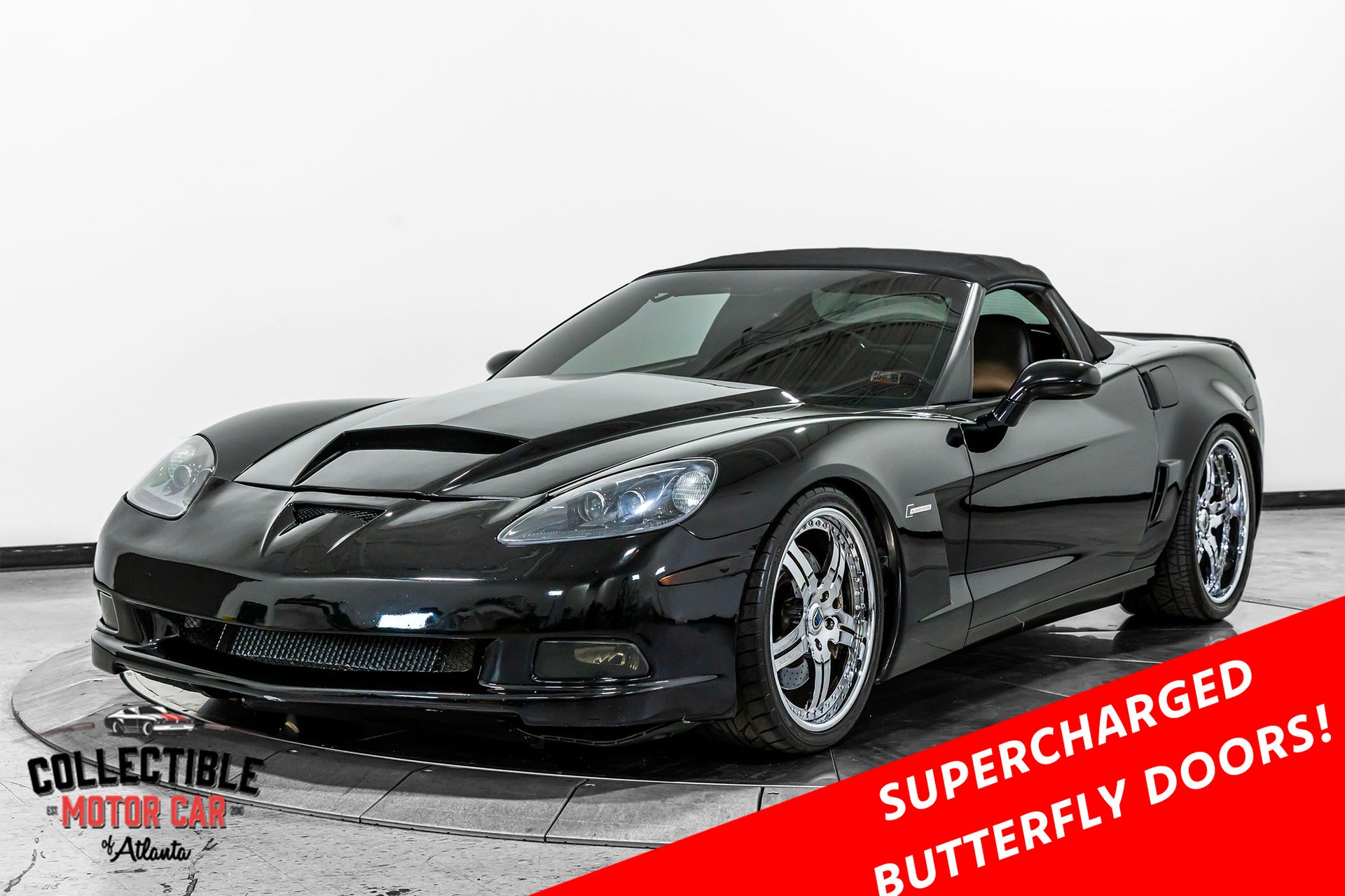
The suspension is double wishbones at both ends on transverse composite leaf springs — light, durable, and adjustable for ride height on its stock bolts, which is why so many C6s sit lower than factory: check the ride height against spec before assuming worn parts. Sway-bar end links are the classic C6 noise: a light clunk over small bumps at low speed, cured with a set of links for modest money. Wheel bearings are sealed hub units that also carry the ABS sensors; a humming that changes with steering load is the test, and a failed unit is a bolt-on replacement. Steering racks weep from the seals and power-steering pumps whine when low or tired; check the fluid and look at the rack boots. F55 Magnetic Ride dampers are excellent when alive and expensive when dead — a set runs into thousands — and cars are often converted to conventional dampers with simulators to fool the system; ask which is fitted, because a converted car is worth less than a working F55 car and a dead F55 car is worth less than either. Tyres are a budget item disguised as a detail: the staggered sizes (245/40ZR18 front, 285/35ZR19 rear on base cars; 325/30ZR19 rears on the wide-body cars) mean a full set of quality rubber runs roughly $1,200–1,800, the original-fit Goodyear run-flats are widely disliked for noise and ride, and many cars sit on tyres that are old rather than worn — read the date codes, because a low-mileage C6 on decade-old rubber needs a set before it needs anything else. Alignment matters too: the factory settings wear front inner shoulders, and uneven wear across a tyre tells you the car has not been aligned or has bent something.
Body, roof and interior
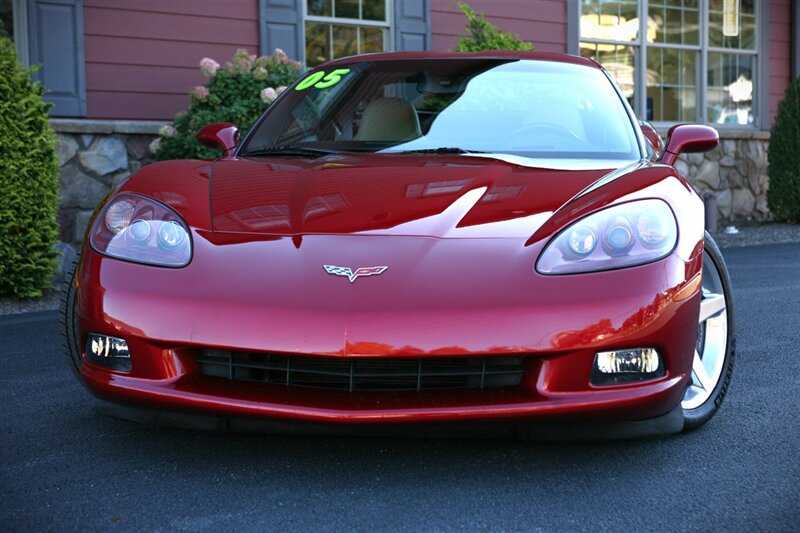
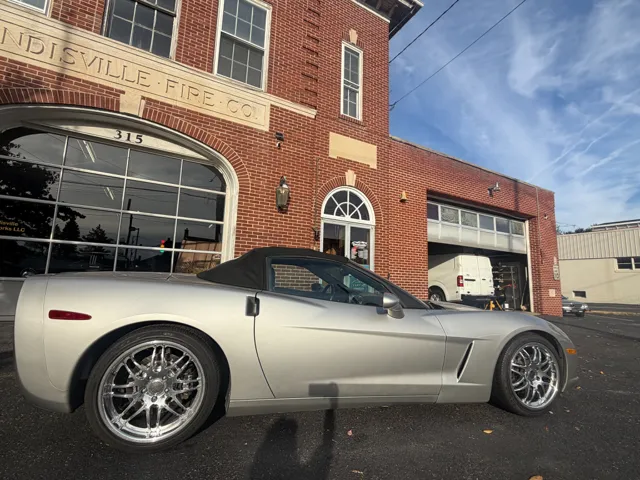
The composite panels do not rust, which moves the body inspection from corrosion to damage and fit: look for cracked SMC around the wheel arches and under the nose, stress cracks at the panel edges, mismatched paint texture between panels (the factory finish has a consistent orange-peel), and overspray on the weatherstrips. The steel frame underneath can corrode in salt-belt cars — the car is not rust-proof just because the skin is plastic — so a lift inspection still matters, particularly at the frame rails, the radiator support and the jacking points, where careless lifting without pucks also cracks the rocker panels. Headlamp lenses craze and yellow with UV exposure — the dead-on photograph in the Engines section shows a clear pair; the figure below shows the usual reality — and while polishing buys time, replacement lenses and resealing are the durable fix, at a few hundred dollars per side done properly.

Roofs split by type. The coupe's targa panel creaks as its seals and pins age; revised latch hardware from 2008-on cars and fresh seals quieten most of it, and the optional transparent polycarbonate panel was subject to a delamination recall on early cars — check the edges for separation. The Z06's fixed roof was recalled on early cars for the roof panel separating from its frame; verify the recall was done. On convertibles, work the power top through two full cycles: it should fold evenly without straining, the rear glass should be firmly bonded to the fabric (separation at the glass edge is the common failure and means a top replacement, roughly $1,500–2,500 fitted), and the headliner and tonneau should sit flat. Water leaks on any C6 show at the A-pillars, the hatch or trunk seals and the cowl; damp carpets send you back to the electrics section, because the BCM lives in the passenger footwell.
Inside, the wear items are the driver's seat bolster and foam (the seat also develops a rocking motion as the track bushings wear — a known, cheap-ish fix), peeling soft-touch buttons on high-mileage cars, and on the later 4LT leather-dash cars, a dashboard covering that can shrink and lift at the defroster edge, which is a dashboard-out job to put right. The head-up display, where fitted, should be bright and level; the navigation unit is dated and its discs are old, which is a talking point, not a defect. Automatic cars have one specific trap: the shifter cable's plastic bushing perishes and the cable detaches, leaving the car stuck in whatever gear it was in — a cheap part and a fiddly fix, and a car that has had it done is a car whose owner kept up.
How to inspect one
Allow an hour, bring a torch, a paint-depth gauge if you have one, and a code reader — a C6 will tell you a great deal about itself through its stored codes. Insist on a cold start, and if the car is a Z06 or ZR1, budget for a specialist pre-purchase inspection on top of your own pass: the two big-ticket checks on those cars need a lift, a gauge or both.

- Paperwork and identity first. Match the VIN on the title to the plate at the base of the windshield and the labels in the door jambs. Decode the eighth character: U is the LS2, W the LS3, E the LS9, and the Z06's LS7 cars carry their own engine code and a build sequence that checks against Z06 registers. Look for the service history, and on a Z06, look specifically for head work; on a ZR1, for brake reports. A recall check against the VIN covers the roof, column-lock and fuel-pump items named in this guide.
- Cold start. From stone cold, the engine should fire immediately on the button, idle evenly and show no smoke. A puff of blue at start-up after sitting is valve seals; continuous smoke is worse. Listen for lifter tick that does not fade within a minute, and for supercharger coupling rattle on a ZR1.
- The balancer test. With the engine idling, watch the crankshaft pulley from the side: the outer ring should run dead true. Wobble, a chirp from the belt area, or a chalk line drawn across the pulley face that no longer aligns after running settles it — the job from the Problem areas section is now part of the price.
- Under the car. On a lift, check the frame rails and radiator support for corrosion and impact damage, the rocker panels for jacking cracks, the differential for weeps and (on a 2005) case cracks, the torque-tube area for signs of disturbance, and the front air dam, which is a consumable and should be present. Look at the oil pan and rear cover for leaks while you are there.
- Fuel system questions. Ask directly about gauge behaviour and any fuel smell, then check for yourself: cycle the ignition and watch the gauge sweep, and smell around the left rear wheel arch after the drive. On a 2011–13 car, ask whether the fuel-pump module coverage work has been done. An erratic gauge is a deduction; an unexplained smell is a pause.
- Electrics sweep. Work everything: both fobs, door touch pads, windows, mirrors, HUD, navigation, climate display brightness, heated seats, and the hatch or trunk release. Read the codes. Service Active Handling or ABS warnings point at the EBCM and wheel-speed sensors described above; a TPMS warning on a car this age is usually dying sensors. Check the passenger footwell carpet for damp while you are in the cabin.
- The Z06/ZR1 extras. On an LS7 car, ask for the head invoices by name — which shop, which guides, when — and treat "the previous owner did it" without paper as not done. On a ZR1, ask who last assessed the carbon-ceramic rotors and what they recorded. These two answers move the value of the car more than anything else on this list.
- Roof and seals. Coupe: lift the targa panel out and refit it, checking the seals and latch action, and look for delamination at the edges of a transparent panel. Convertible: run the power top through two full cycles, watch for even folding, check the rear glass bond all the way round, and inspect the headliner. Then hose the A-pillars and hatch or trunk seals if the seller allows, or at least look for water tracks and tide lines.
- The test drive. Fifteen minutes, mixed roads. A manual should take a fast 3–2 downshift without baulking; an automatic should shift cleanly with no flare or lock-up shudder. The skip-shift forcing a 1–4 change at light throttle on a manual is correct behaviour if it has not been disabled. Listen at low speed over broken surfaces for end-link clunk, and on tight full-lock turns for differential chatter.
- Heat and load. After the drive, let the car idle for ten minutes and watch the temperature: steady is right, creeping in traffic points at the clogged radiator pack or a fan fault from the cooling section. Check that both fans cycle, that the air conditioning blows cold, and re-check the balancer and belt area while it is hot.
- Tyres, brakes and stance. Read all four tyre date codes and measure the tread across each tyre — inner-shoulder wear at the front is alignment, feathering is neglect. Stand back and check the ride height corner to corner; a car lowered on its stock bolts is fine if it is even and documented. Brake hard once from speed: straight, no judder, no pull.
- Interior last. Sit in the driver's seat and rock: movement in the seat itself is the track-bushing wear from the interior section. Check the bolster, the dash top (especially the leather dash on 4LT cars), the soft-touch buttons and the seat foam. A tidy, unworn cabin on a C6 is a reliable proxy for how the whole car has been kept.
Values
The market block beneath this guide carries the current numbers — what is listed now and what recorded sales have achieved — and this section is about how to read them, because the C6 market is really five markets wearing one badge.
The first split is by variant, and it is wide. Base coupes and convertibles are plentiful, were built in six figures, and trade as used sports cars: condition, mileage and gearbox decide, and two otherwise identical cars can sit far apart because one has a documented history and fresh tyres and the other has neither. Grand Sports carry a real premium over base cars of the same year and miles — the wide body is what buyers want — and they hold it. Z06s sit above that, but with a condition attached: a Z06 with documented valve-guide work is worth more than a lower-mileage car without it, because the market has learned to price the risk, and an undocumented car will be discounted by roughly the cost of the fix whether the seller accepts it or not. ZR1s are collector cars now, priced on provenance, originality and brake condition rather than mileage alone. The 427 Convertible behaves like a ZR1 in miniature: one year, low production, bought by people who know exactly what it is.
Within the base market, the year matters more than buyers expect. The 2005 car is the value end — first year, four-speed automatic where fitted, the column-lock and shutdown quirks — and it is discounted accordingly. The 2008 step (LS3, TR6060, better steering) is worth real money and the market pays it. Manual-gearbox cars generally command a premium over automatics in the base range, convertibles are seasonal — strongest in spring, softest in late autumn — and colour moves individual cars more than it moves the market: the launch yellows and reds are plentiful, while the later blues, oranges and the one-year colours find buyers faster.
Mileage works differently here than on European sports cars. The LS drivetrain is long-lived, so the market is comparatively relaxed about miles on a maintained car and comparatively ruthless about neglect on a low-mile one: a 90,000-mile car with invoices beats a 30,000-mile car that has sat for a decade on original tyres and fluids, and the asking prices do not always reflect that — which is where the opportunity is. Modifications cut the other way. A supercharged or wide-bodied base car, however much the build cost, narrows its own market to buyers who wanted exactly that build, and it will usually be advertised for a long time before it meets one. Stock, documented and unmodified is the liquid end of every C6 variant.
Finally, the asking-versus-achieved gap. Dealer asking prices for base cars sit noticeably above what private sales and auctions achieve for the same specification, because dealers are pricing in preparation, warranty and patience. Auction results are the honest floor for a quick sale; a private seller asking dealer money for an unprepared car is telling you the car will still be there in a month. Read the recorded sales for the variant, not the generation: a ZR1 result tells you nothing about a 2005 convertible, and a headline base-coupe figure tells you nothing about a Z06 with its heads done.
Parts and ownership
The C6 is one of the easiest modern classics to keep. GM built roughly 215,000 of them, the LS engine family powers millions of trucks and performance cars, and the aftermarket is the largest in the hobby — which means most mechanical parts are available new, from several suppliers, at prices that embarrass European marques.
Easy: everything service-related — filters, plugs, coils, belts, water pumps, alternators, starters — plus brake discs and pads for the base and Grand Sport cars, suspension wear parts (end links, hub units, control-arm bushes), clutch kits, radiators and fans, and the common failure parts named in this guide: balancers, door touch pads, TPMS sensors, shifter-cable bushings, rebuilt EBCMs. Order today, fit this weekend.
Harder and dearer: Z06 and ZR1 specifics — LS7 cylinder-head work ($2,500–4,500 for the guide fix), carbon-ceramic brake rotors and pads for the ZR1 (five figures a set at dealer prices), F55 magnetic dampers (a set runs into thousands, which is why conversions exist), convertible tops fitted ($1,500–2,500), leather dashboard recovering on 4LT cars, headlamp assemblies and lenses in good order, and body panels in the right colour. The fuel-system labour is the other wallet item: anything inside the saddle tanks means the rear drivetrain comes down, so a sender or pump job is $1,500–2,500 even though the parts are ordinary.
Running costs. Budget honestly for tyres first: a set of quality tyres in the staggered sizes runs roughly $1,200–1,800, and the wide-body cars' 325-section rears are the expensive end. A clutch replacement is a gearbox-out job at roughly $1,800–2,800 fitted; an automatic service and a differential fluid change are ordinary money and worth doing on any new purchase with unknown history. Fuel consumption is better than the performance suggests — the tall gearing means motorway cruising in the mid-to-high twenties mpg is realistic in a manual car — and insurance is generally kind, because the demographic that owns these cars treats them gently. The first-year catch-up on a deferred car — tyres, fluids, balancer, a set of end links, TPMS sensors, an alignment — realistically runs $2,500–5,000 before you improve anything, and that figure, not the purchase price, is the one to plan around. Buy a car in current use over a stored one: the C6's electronics, seals and fuel system all prefer exercise.
Which one to buy
- The all-rounder: 2008–13 LS3 coupe, manual. The stronger engine, the better gearbox and steering, the targa roof for open-air days and a hatch for luggage. If you want one C6 to drive everywhere, this is it.
- The value buy: 2005–06 base car. The cheapest route into the generation, with the same shape and most of the performance. Buy on condition, price in the balancer and a set of tyres, and on a 2005 manual, ask the column-lock question before you fall for the car.
- The road car with presence: Grand Sport. Z06 width, brakes and stance with the LS3's running costs, in coupe or convertible. The automatic convertible is the relaxed cruiser of the range; the manual coupe with the dry-sump engine is the connoisseur's pick.
- The track car: Z06. Nothing this side of a ZR1 is faster, and nothing in the range needs its paperwork read more carefully. Buy the car with the head work documented, or buy the discount that pays for it — those are the only two ways to own one happily.
- The collector car: ZR1. Buy provenance, originality and a brake report, in that order. A correct, documented ZR1 is the blue-chip C6; a storied one is an expensive coupe.
- The one-year special: 427 Convertible. The LS7, a manual gearbox and no roof, built for a single year. All the Z06 checks apply, plus the convertible ones — and good ones rarely reach the open market for long.
And the rule that overrides all of the above: buy the car with the history file, the fresh tyres and the deferred jobs already done, in the variant you can live with. C6 mechanicals are tough and parts are cheap, but the bill for catching up someone else's neglect is remarkably consistent from car to car — it is the purchase price, not the model badge, that decides whether a C6 is a bargain.
Listed now
On Classic Listings today: 3 cars are listed here; 3 for sale and 0 marked sold; average asking price $64,965; asking range $27,900 to $117,000.
See the 3 C6 cars currently listed.
The market — recorded sales
Recorded-sale figures: 1 recorded sale · median $109,995 · range $109,995 to $109,995 (Nov 2024 – Nov 2026)
Based on 1 recorded sales — too few for a benchmark value.
| Date | Car | Sale price | Source |
|---|---|---|---|
| Nov 19, 2026 | 2005 Corvette | $109,995 | Dealer |
Dates are the sale date where the source states one; otherwise the date the sale was recorded here.
For sale now
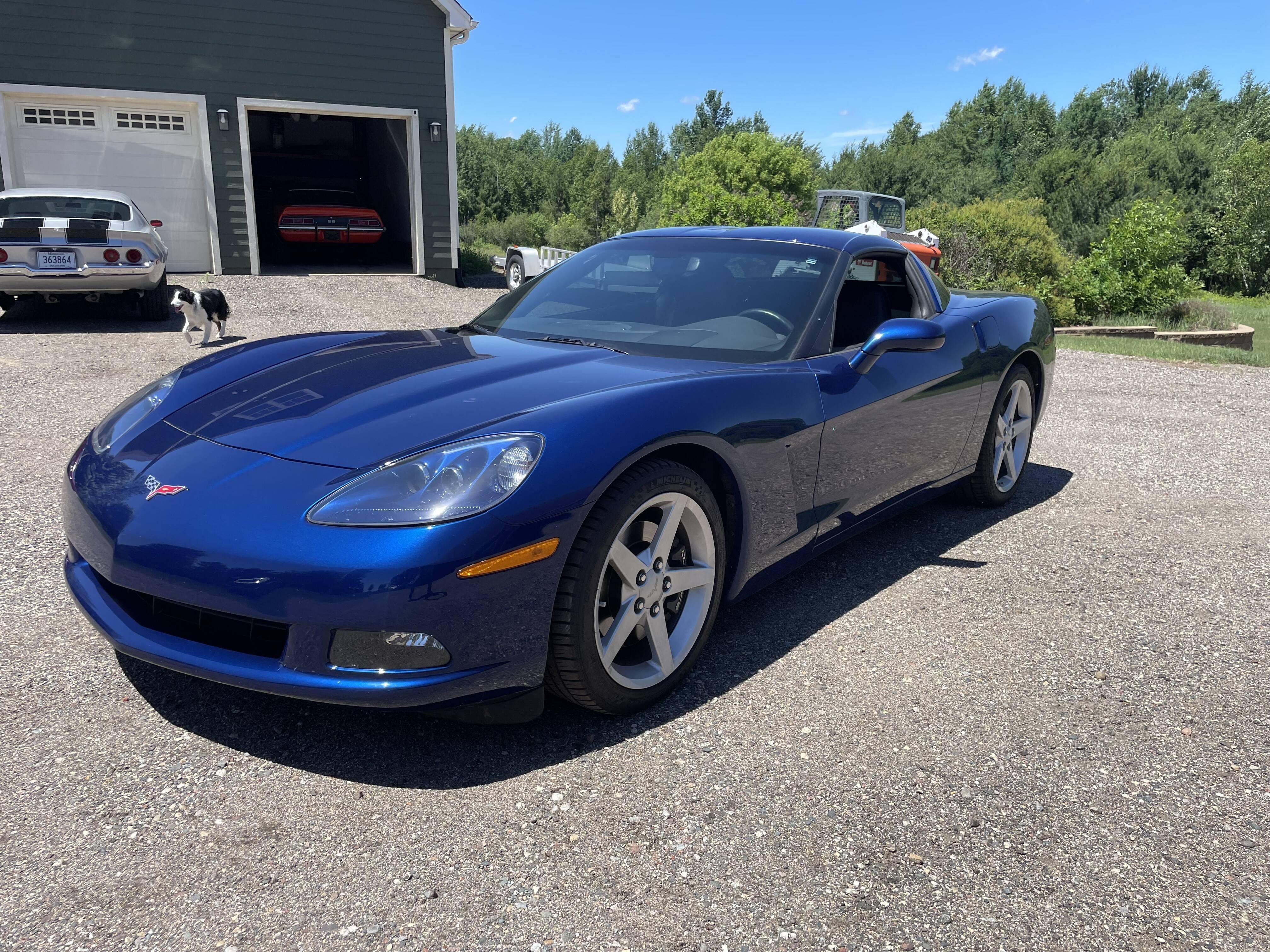 $27,900 · 46% below typical
Expand
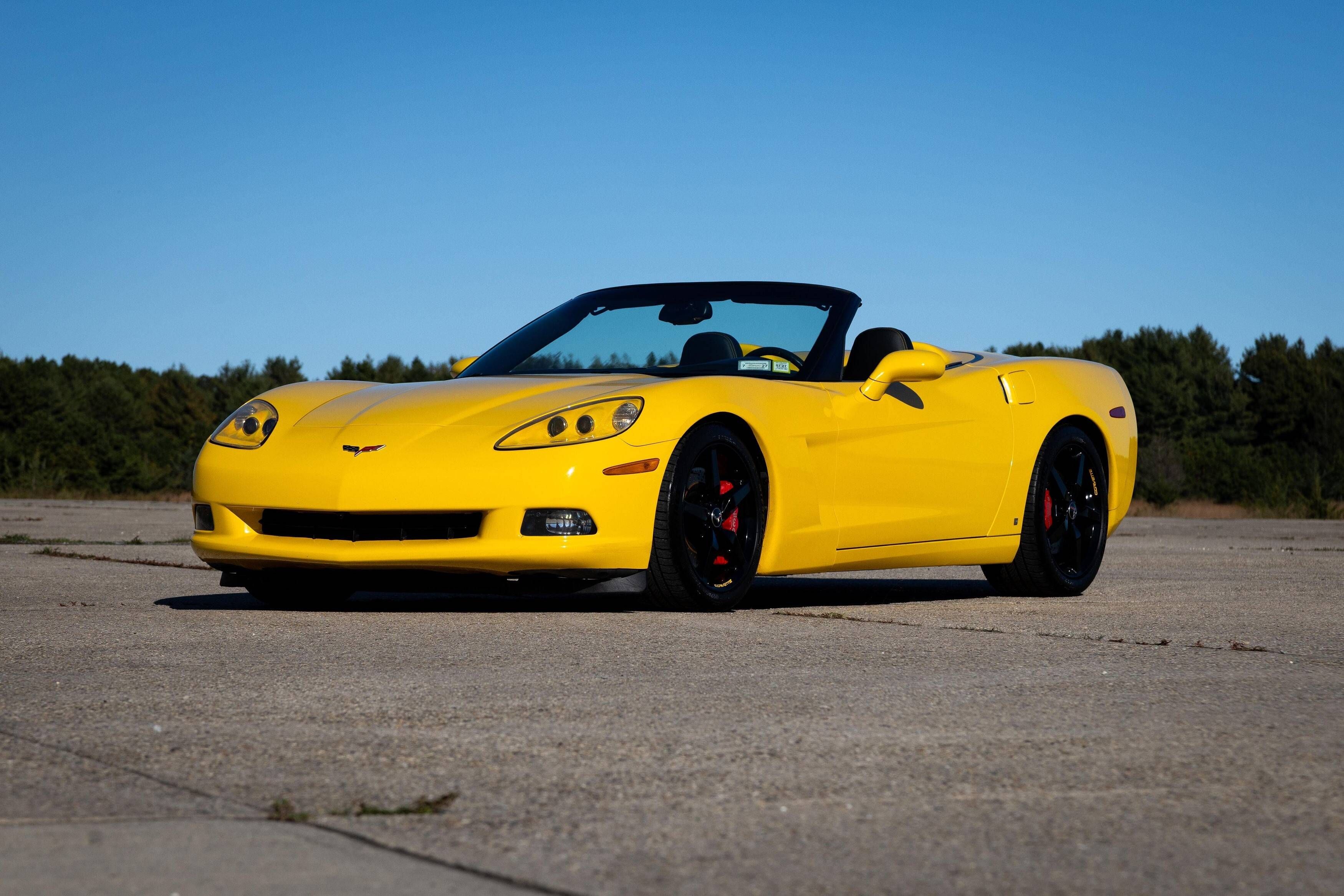 $49,995 · 3% below typical
Expand
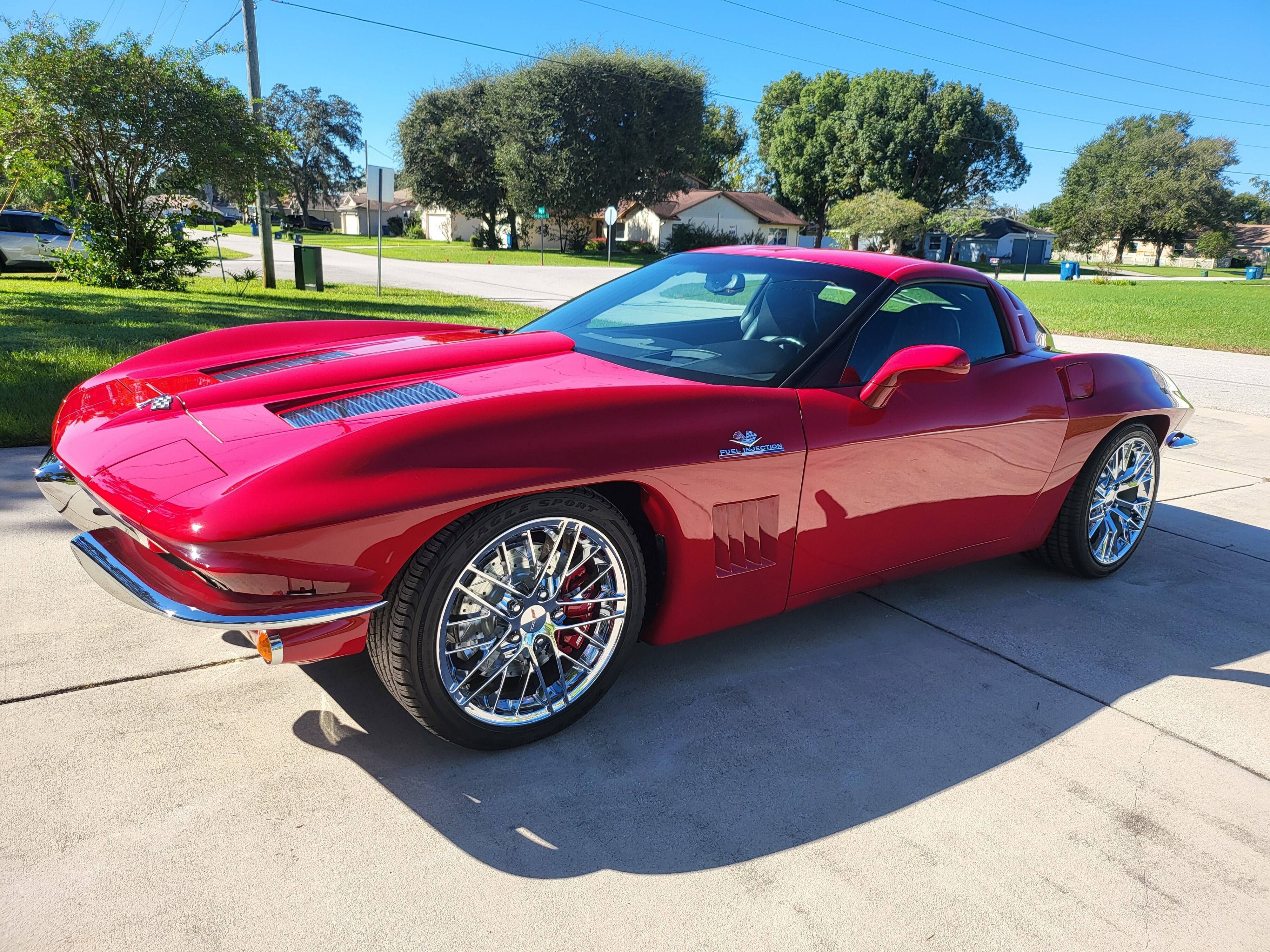 $117,000 · 128% above typical