
Mazda B-Series buyer's guide
Mazda B-Series (1986–2001) — B-Series, B2200, B2300, B2500, B2600, B3000, B4000: what's listed, and what they sell for.
Years: 1986–2001 · Models: B-Series, B2200, B2300, B2500, B2600, B3000, B4000
Overview and history
The Mazda B-Series is two different trucks wearing one name, and understanding which one you are looking at is the whole game. From its American launch in 1971 until 1993, the B-Series was a genuine Mazda: designed in Japan, built in Hiroshima, with Mazda engines, Mazda gearboxes and a character all its own. From 1994 until the nameplate ended in the United States after 2009, it was a Ford Ranger wearing Mazda badges — built by Ford in St. Paul, Minnesota, and Edison, New Jersey, with Ford engines and Ford running gear, sold through Mazda dealers with a longer warranty and slightly different trim. Both trucks are honest, useful, simple pickups. They share almost no parts, no failure modes and no buying logic. This guide covers both, and keeps them separate wherever it matters.
The B-name itself goes back further: Mazda had built B-series light trucks in Japan since the early 1960s, and the truck that reached America for 1971 was the B1600, a neat 1.6-litre conventional pickup in the mould of the Datsun and Toyota minitrucks then colonising the West Coast. The second generation, from 1977, added the B1800, B2000 and a B2200 diesel. The third generation, sold here for the 1986 to 1993 model years, is the Mazda-built truck you will actually meet in today's listings: the B2200 with Mazda's own 2.2-litre four, and the B2600 and fuel-injected B2600i with a 2.6, including a proper part-time four-wheel-drive version. These were the last Japanese-built B-Series trucks America got, and survivors — especially unrusted western and southern trucks — are now bought deliberately, by people who want the small, light, carburettor-simple pickup the modern market no longer sells.
One early car deserves its own sentence, because sellers trade on its legend. From 1974 to 1977 Mazda sold the Rotary Engine Pickup — the REPU — the only rotary-powered pickup ever offered by a manufacturer, with the 13B twin-rotor from the RX-4 under a wide-arched, flared body. It was quick, thirsty, characterful and a commercial shrug, and a genuine REPU is now the one truly collectible B-Series. It is also the one most often faked or blurred: rotary swaps into later B2200s exist — you will meet them in listings described exactly that way — and a swap is a project to be judged on its workmanship, not a REPU at any price. The badge, the wide factory arches and the paperwork settle it; the engine alone does not.
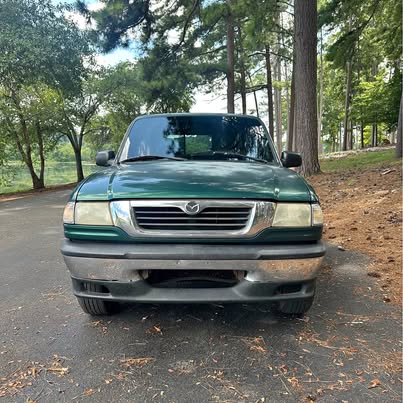
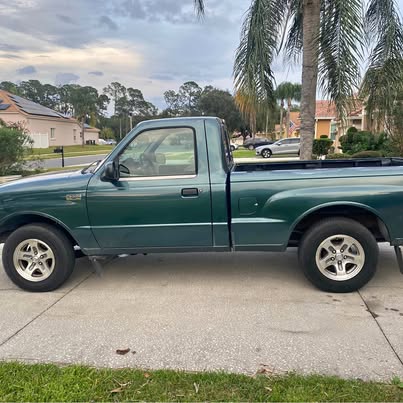
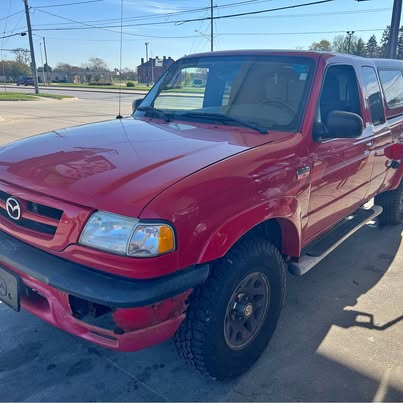
The Ford-built era needs no apology, and this guide makes none. The 1994 redesign was not a Mazda decision so much as an industry one: import tariffs, a strong yen and the economics of the compact-truck market made a Hiroshima-built pickup uncompetitive, while Ford — which then held a controlling stake in Mazda — had the best-selling compact truck in America rolling down lines with capacity to share. So the B-Series became a Ranger variant: same ladder frame, same cabs and beds, same Lima fours and Cologne and Vulcan V6s, differing in grille, lamps, wheels, badges, trim names and warranty terms. Mazda called its extended cab the Cab Plus where Ford said SuperCab, and its raised two-wheel-drive sport package Dual Sport where Ford said Edge. The range ran B2300, B2500, B3000 and B4000, the number approximating engine litres. The V6s faded first — after 2007 the American range was effectively the four-cylinder B2300 alone — and the line ended quietly after 2009, a few years before the Ranger itself followed.
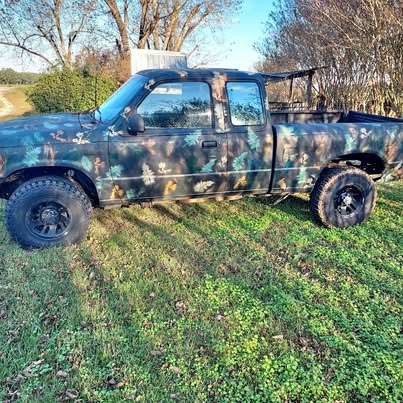
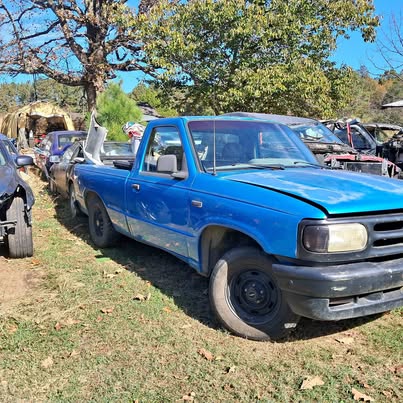
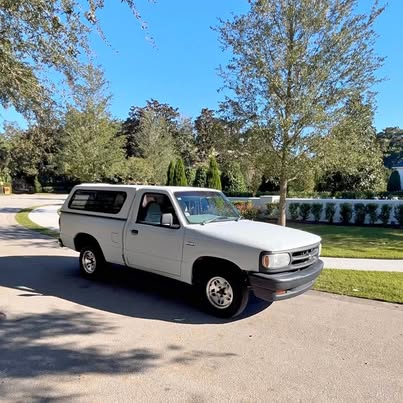
Why does a working pickup belong in a classic guide at all? For the same reason its Ford twin does: these trucks were bought to be used, and most were used up. Fleets, parts stores, gardeners, teenagers and tradespeople ran them until the frame hangers rotted, the automatic tired or the head gasket let go, and then they were scrapped without ceremony. What survives divides sharply. At one end sit the Mazda-built trucks and the best Ford-built 4x4s, increasingly kept, restored and shown. At the other sits a deep pool of cheap, tired work trucks — which is exactly what our own listings show: the B-Series pool on this site is drawn from Marketplace sellers, concentrated in Florida, the Carolinas and Georgia, split almost evenly between manuals and automatics, in the work-truck colours of white, black and red. That pool is the real market for most buyers: not concours trucks, but honest small pickups at the age where condition is everything and the badge on the tailgate tells you which rulebook to inspect by.
That is the thread through everything that follows. A Mazda-built B2200 fails like an old Japanese truck: carburettor and emissions tangle, tired hydraulics in the clutch circuit, rust in the bed seams and cab corners. A Ford-built B4000 fails like an old Ranger: timing-chain cassettes on the late 4.0, spring hangers eaten through at the back of the frame, a Mazda-built manual gearbox — the one genuine Mazda component in the Ford truck, and a good one — run dry through shrunken plugs. Mileage decides little on either truck. The frame, the service history and the previous owner's honesty decide almost everything.
The models
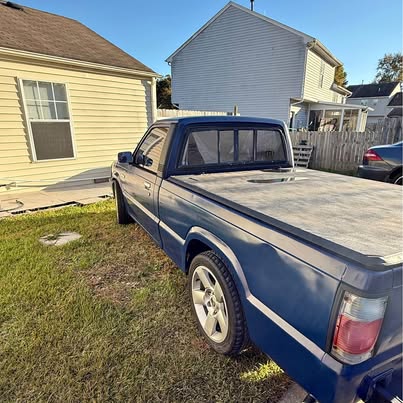
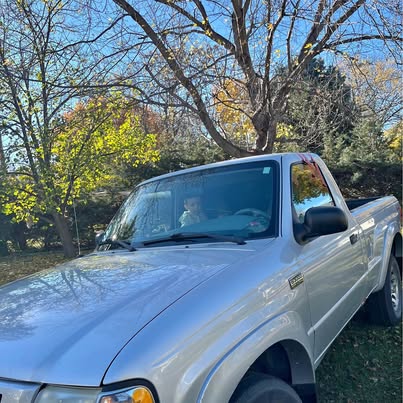
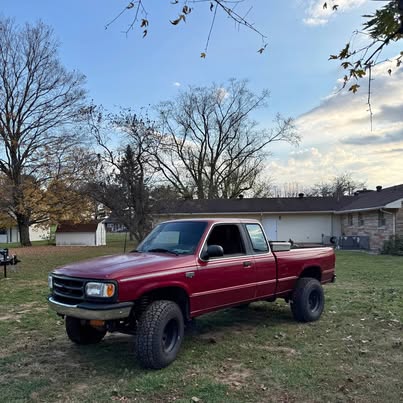
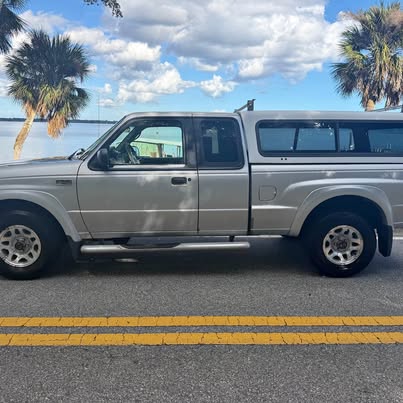
Every B-Series is the same basic recipe — a steel ladder frame, a front engine driving the rear wheels or all four, leaf springs at the back and a separate steel bed — varied by generation, cab, engine and drive. Regular cabs dominate the early trucks; the extended cab (Cab Plus on Ford-built trucks, and offered on the later Mazda-built trucks as well) adds a pair of small jump seats suited to children, tools and short hops rather than adults on journeys. Beds are six feet on most trucks, with a seven-foot long bed on some earlier and regular-cab cars. Trim climbs from vinyl-seated work spec through the plusher SE and LE grades, with the Dual Sport package adding raised suspension, larger tyres and flares to two-wheel-drive Ford-built trucks in the 2000s. Two-wheel drive outsells four-wheel drive across the whole story, and on the Ford-built trucks the four-cylinder outsells the V6s in the cheap end of the market where most surviving trucks now trade.
| Model | Years | Engine | Output | Built | Character |
|---|---|---|---|---|---|
| B1600 | 1971–1977 | 1.6 four (Mazda NA) | about 70 hp | Not published separately | The original US B-Series; simple, scarce, mostly a West Coast survivor story |
| Rotary Pickup (REPU) | 1974–1977 | 1.3 twin-rotor (13B) | 110 hp | about 15,000 for the US | The only factory rotary pickup ever sold; the collector flagship |
| B2000 | 1979–1986 | 2.0 four (Mazda FE) | 75–77 hp | Not published separately | The second-generation workhorse; SE-5 sport trim is the one to find |
| B2200 | 1986–1993 | 2.2 four (Mazda F2) | 85 hp | Not published separately | The core Mazda-built truck; carburettor first, injection late |
| B2600 and B2600i | 1987–1993 | 2.6 four (Mitsubishi G54B, then Mazda G6) | 102–121 hp | Not published separately | The big four; the injected 4x4 B2600i is the Mazda-built pick |
| B2300 | 1994–2009 | 2.3 four (Ford Lima, then Duratec) | 98–143 hp | Not published separately | The volume Ford-built truck; two unrelated engines share the badge |
| B2500 | 1998–2001 | 2.5 four (Ford Lima) | 119 hp | Not published separately | The stroked Lima stopgap; torquier than a B2300, rarer, same checks |
| B3000 | 1994–2007 | 3.0 V6 (Ford Vulcan) | 147–154 hp | Not published separately | The easy-going V6; Dual Sport dress on many survivors |
| B4000 | 1994–2009 | 4.0 V6 (Ford Cologne OHV, then SOHC) | 160 hp, then 207 hp | Not published separately | The strongest B-Series; the late SOHC demands a timing-chain history |
(Mazda published production by model line rather than by individual B-Series variant, so apart from the REPU's small and well-documented American run, no honest per-model build figures exist; treat any seller quoting an exact production number for a B2300 or B4000 trim combination with suspicion. Outputs are period factory ratings and vary slightly by year and tune.)
The early trucks (1971–85). The B1600 and B2000 generations are thin on the ground now — working trucks from an era when a Japanese minitruck was disposable — and they are bought as period pieces rather than transport. Specification barely matters; survival does. A straight, unrotted early truck in any trim is a find, and the REPU stands apart from all of them: verify one as you would any limited-production special, by its factory wide arches, its badging and its paperwork, because a standard truck with a rotary swap is worth a fraction of the real thing.
The Mazda-built trucks (1986–93). This is the generation most classic buyers mean by B-Series. The B2200 is the centre of it: a light, tidy, square-styled truck with the F2 2.2, a five-speed manual in most survivors, and a driving feel closer to a period Japanese saloon than to any American pickup. The B2600 added the larger engine and, crucially, the option of four-wheel drive; the 1989-on B2600i, with Mazda's own fuel-injected G6 engine in place of the earlier Mitsubishi unit, is the most capable and most usable of all the Hiroshima trucks. Cab Plus extended cabs exist in this generation and are worth seeking for the extra space behind the seats, though rear passengers remain an emergency concept.
The Ford-built fours (1994–2009). The B2300 is the default cheap B-Series, and it is really two trucks: the 1994–97 and 1998–2001 cars use Ford's Lima four (the 2.5-litre version badged B2500 from 1998), while the 2001-on car uses the unrelated all-alloy Duratec. All are simple, economical and slow in the way period four-cylinder trucks are slow; the Duratec is the quickest and cleanest of them. Judge these trucks as Rangers with a different grille, because that is what they are — every Ranger check in the Ford literature applies unchanged.
The Ford-built V6s (1994–2009). The B3000's 3.0 Vulcan is the relaxed choice: unstressed, torquey enough, and paired with the Dual Sport package on a large share of survivors, which buys you the tall stance without the transfer case. The B4000 is the flagship: the pushrod 4.0 to 2000, the overhead-cam 4.0 from 2001, four-wheel drive on many cars, and the only B-Series with genuine towing and off-road pace. It is also the only one whose engine can present you with a four-figure timing-chain bill, which is why the models section and the problem areas both keep returning to it.
Trims and traps. SE and LE denote trim, not engines — read the engine from the badge number, and the drive from underneath the truck, never from the seller's description. Dual Sport is a trim and suspension package on a two-wheel-drive truck; it is not a 4x4, and it should never be priced as one. Cab Plus means extended cab. And on any Ford-built truck, remember that the Ranger twin widens your market enormously: a buyer who insists on the Mazda badge pays for scarcity of listings, not scarcity of truck.
Engines and gearboxes
The Mazda fours: F2 2.2 and the two 2.6s
The Mazda-built trucks run Mazda-family fours, and the B2200's F2 is the one you will meet most often. It is a 2.2-litre overhead-cam eight-valve four, belt-driven, making 85 hp, and in most American cars it breathes through a feedback carburettor tangled in the vacuum hoses and solenoids that late-1980s emissions law demanded. Late in the run, fuel injection replaced the carburettor on some cars and simplified life considerably. The F2 itself is a durable, unstressed engine — a non-interference design, so a snapped timing belt strands you rather than destroying valves — and its manners are sweet when the fuel system is right: easy starting, a clean idle and enough torque to move a light truck without drama. Its hydraulic lash adjusters tick when the oil is old, thin or low, and that tick is your first diagnostic: a top-end rattle that fades as fresh oil circulates is adjusters asking for a service; a rattle that stays, deepens or comes from lower in the engine is a different and worse conversation. Head gaskets let go on overheated cars, as on any alloy-head engine of the era, so the temperature gauge's story and the state of the radiator matter more than the odometer.
The carburettor is where B2200 ownership is won or lost, and the mechanism deserves stating plainly. The feedback system meters fuel against signals from an oxygen sensor through an engine computer and a thicket of vacuum switching valves; when every hose is supple and every solenoid works, it runs cleanly. Thirty years on, the hoses perish, the solenoids stick and previous owners delete, plug and reroute things they did not understand — and the result is the classic cheap B2200: a truck that hunts at idle, stumbles off it, or runs rich enough to soot its plugs. None of that condemns the engine. Price the diagnosis honestly — vacuum leaks and perished hoses first, the computer and its solenoids second, the carburettor itself last — and be wary of any seller who has fitted a simple aftermarket carburettor and calls the emissions tangle solved; on an injected late car, none of this applies, which is precisely why injected B2200s are worth seeking.
The B2600 came in two instalments that share a badge and little else. The 1987–88 car uses Mitsubishi's 2.6-litre G54B Astron four — a big, torquey engine with balance shafts and chain drive, known across many 1980s applications for cylinder-head cracking when overheated and for the complexity of its chain runs. From 1989 the B2600i uses Mazda's own 2.6, the G6: fuel-injected, chain-driven, 121 hp, and the strongest engine Mazda fitted to the American B-Series. A B2600i should start instantly, idle evenly and pull its notably heavier 4x4 hardware without strain. On either 2.6, cooling history is destiny: a truck that has boiled is a truck whose head you should price into the offer.
The Ford fours: Lima 2.3 and 2.5, then Duratec 2.3
The Ford-built B2300 and B2500 use Ford's Lima four, named for the Ohio plant that built it and shared with a generation of compact Fords. In 1994–97 B2300 form it makes around 98 to 112 hp depending on year, with a distributorless ignition system and — the sight that confuses every first-time buyer — two spark plugs per cylinder, eight plug leads on a four-cylinder engine. For 1998 the engine was stroked to 2.5 litres and about 119 hp and the truck became the B2500; the Lima retired after 2001. It is a belt-driven overhead-cam engine and, like the Mazda F2, a non-interference design in this tune: the timing belt, due roughly every 60,000 miles, is an inconvenience when it snaps rather than a catastrophe, and a belt, tensioner and water-pump-while-you-are-there job at a shop runs roughly $350 to $650 in parts and labour. What actually ails old Limas is the edges: oil leaks from cam and crank seals, a cracked exhaust manifold on hard-worked trucks, tired coil packs on the dual-plug cars giving a misfire that migrates between cylinders, and cooling systems scaled by years of plain water. Judge a Lima on smoothness, smoke and leaks, never on speed it never had.
From 2001 the B2300's engine changed completely under an unchanged badge: the all-alloy, double-overhead-cam, chain-driven Duratec 2.3, shared with the Focus and Mazda's own car lines, making 135 hp at first and 143 hp in later tune. It is the best four ever fitted to a B-Series — quicker, cleaner, more economical — and it asks only for clean oil, a healthy cooling system and respect for its coil-on-plug ignition. The chain is a life-of-engine item in normal service; a rattle from the front cover of a high-mileage Duratec points to guides and tensioner wear and is a $700 to $1,400 repair conversation, not a belt-price one. Do not let a seller blur the two 2.3s: Lima and Duratec share a capacity and a badge and nothing else — not a gasket, not a filter, not a service part.
The Ford V6s: Vulcan 3.0 and Cologne 4.0
The B3000's 3.0 is Ford's Vulcan: a pushrod V6 of about 147 to 154 hp depending on year, unstressed, torquey and famously long-lived when its cooling system is respected. Its signature fault is small and diagnostic: the camshaft synchroniser, which drives the oil pump and reports cam position from the back of the engine, wears its bushings and begins to chirp or squeak at idle, a bird-like noise owners chase through the belt drive for weeks. A chirping Vulcan is not yet a dying Vulcan, but the synchroniser also turns the oil pump, so the noise is a repair appointment — a synchroniser replacement is roughly $300 to $600 in parts and labour — not a quirk to live with. Beyond that, expect the usual pushrod-engine ageing: gasket weeps, tired water pumps, and intolerance of overheating.
The B4000's 4.0 is Ford's Cologne V6, and it too is two engines under one badge. To 2000 it is a pushrod overhead-valve engine of 160 hp: simple, torquey and about as robust as truck engines get. From 2001 it is the overhead-cam version, 207 hp, stronger everywhere and smoother — with the one serious liability in the entire B-Series range. The SOHC engine drives its camshafts with a chain arrangement that includes a cassette at the back of the engine, against the firewall, and when the plastic guides and tensioners wear — listen for a rattle on cold start, worst in the first seconds, sometimes described as a death rattle — the rear cassette cannot be reached with the engine in the truck. An engine-out timing-chain service is a $1,800 to $3,200 repair at a shop, which is why a documented chain history is worth a real premium on a 2001-on B4000 and why a rattling one must be priced as a truck that already needs the job. Buy the pushrod car for simplicity or the SOHC car with paperwork; buy a rattling SOHC car only at project money.
Gearboxes and driven axles
Gearboxes carry the range's nicest irony. The Mazda-built trucks use Mazda five-speed manuals and a four-speed automatic that few American buyers chose. The Ford-built trucks use Ford automatics — and a manual gearbox designed by Mazda: the M5OD-R1, a five-speed that sits behind most manual Rangers and B-Series alike, with the heavier-duty R1HD behind the overhead-cam 4.0. The M5OD is a good gearbox with one famous trap, detailed in the problem areas: it must never be allowed to run low on fluid. Ford automatics divide by era and engine: the earlier A4LD family and its electronic descendants, the 4R44E and 4R55E, and the five-speed 5R55E behind later 4.0s. All of them live or die on fluid history; a service with filter is roughly $200 to $400 and is the cheapest insurance on any automatic truck. Four-wheel-drive cars — B2600i on the Mazda side, B3000 and B4000 on the Ford side — use part-time transfer cases with low range (the Borg Warner 1354 on Ford-built trucks, manual or electric shift depending on year and trim), and they are bought for use, so engage everything on the test drive: a transfer case that will not select low range, or front hubs that will not engage, is a repair bill the seller is handing you. Rear axles are Ford's 7.5-inch unit behind fours and most V6s and the stronger 8.8-inch behind many 4.0 cars; both are durable, and a whine under load or a clunk on take-up points to wear or a tired limited-slip rather than imminent failure.
Problem areas
Everything in this section follows one organising fact: a B-Series is a body and a frame that were expected to work for a living, maintained generously in the first half of their lives and then, as values fell, run on a budget or parked. The mechanicals on both the Mazda-built and Ford-built trucks are fundamentally tough. What kills these trucks is rust in specific, predictable places, deferred maintenance on specific, predictable systems, and — on two engines — one expensive wear item each. Work through the truck in that order: frame first, then the generation-specific machinery, then everything else.
Rust, frame and bed: the map
On a pickup, rust is not a bodywork question; it is a structure question, because the frame is the truck. Examine it in this order, from the back, because on Ford-built trucks the rear half of the frame is where the story is always worst.
Rear frame, spring hangers and shackles. The single most important check on any 1994-on B-Series. The rear frame rails, the leaf-spring hangers riveted to them and the shackles at the back of the springs live in the spray of the rear wheels, trap mud against the rail, and rot from the inside out. A hanger can look painted and sound from outside and be tissue at the bolt holes; prod hard with a screwdriver (with the seller's permission), look for flaking scale inside the rail, and check where the crossmembers meet the rails. Hanger and shackle replacement with a repair kit is roughly $400 to $900 a side in parts and labour when the rail behind it is sound; a rail that is perforated around the hanger is fabrication work, priced per truck, and on a cheap B2300 it exceeds the truck's value. The Mazda-built trucks rust their frames too, generally less catastrophically, but the same discipline applies: rear rails, spring mounts and the crossmember under the bed, in that order.
The bed. Beds rot where water sits: the floor seams, the front panel where leaves and dirt pack against the cab, the wheel arches from inside, and the mounting points where the bed meets the frame. Lift any bed liner — a drop-in plastic liner on an old truck is a curtain, not a feature, and what it hides is the point of lifting it. Surface rust on a working bed floor is honest wear; perforation at the seams and mounts is a panel conversation, and a bed swapped from another truck announces itself in mismatched paint inside the bed walls. On Mazda-built trucks add the bed side seams and the tailgate's bottom edge, which hold water and bubble early.
Cab and mounts. Cab corners, rocker panels, door bottoms and the floor pans over the frame rails follow the same water logic as any period truck. The check that matters most is the cab mounts: perished or collapsed mount rubbers let the cab sit down and skew, which shows as uneven cab-to-bed alignment when you sight down the truck's flank — read that alignment on every viewing, because a truck that has hauled overloaded or been shunted shows it there before anywhere else. Floor rust under the mats, fed by leaking windshield seals and heater boxes, is the usual companion finding. None of this is exotic welding, but it adds up panel by panel, and a truck needing cab corners, rockers and floors has consumed the budget that should have bought a better truck.
The smaller traps. Fuel-tank straps and the frame web behind the tank, brake lines along the left rail (a line that bursts under a hard stop is the classic old-truck failure, and a full line set in modern material is roughly $300 to $700 fitted), the radiator core support on Ford-built trucks, and the battery tray and inner wing beneath it on both. And read any fresh underseal as the W108-generation lesson applies to trucks twice over: a uniform coat of new black stone-chip blown over the rear frame the week before a sale is a cover-up until the seller proves otherwise, because nobody re-underseals a sound frame for your benefit.
The Mazda-built trucks: carburettors, cooling and tired hydraulics
The Hiroshima trucks fail in Japanese period ways, and almost all of them are diagnosable on a driveway.
The feedback carburettor tangle (B2200). Covered as a mechanism in the engines section; as a buying matter, the symptoms are a hunting or lumpy idle, a flat spot pulling away, rich running and sooty plugs, and a bird's nest of cracked, plugged or rerouted vacuum hoses under the hood. The trap is the previous owner's cure: deleted solenoids, a disconnected computer, an aftermarket carburettor fitted to escape the system entirely. Such a truck may run acceptably and still be unsellable in an emissions-testing state and unfixable to standard without reinstating what was removed. Budget roughly $500 to $1,200 for a specialist to go through the system properly — hoses, solenoids, carburettor rebuild — and treat a clean, unmolested engine bay as worth money in itself. Injected late cars skip this entire paragraph; that is their premium, and it is earned.
Cooling and head gaskets. Both the F2 and the two 2.6s punish overheating, the Mitsubishi-engined B2600 most of all, with its head's known appetite for cracking when boiled. On any Mazda-built truck, look for the evidence of a cooling system run on water: rusty coolant, a swollen top hose, a radiator with solder bloom at the tanks, a temperature gauge the seller waves away. A compression or leak-down test is cheap certainty on a 2.6. A head-gasket job at a shop runs roughly $900 to $1,600; a cracked G54B head turns that into a parts hunt.
Clutch hydraulics and the rest. The hydraulic clutch's master and slave cylinders age together and fail as a spongy pedal and a bite point on the floor — a $200 to $450 parts-and-labour job for the pair, and a classic reason a sound truck is advertised cheap with a vague gearbox complaint. Manual gearboxes themselves are durable; automatics in this generation are rare and should be judged on fluid colour and change quality alone. Front suspension is conventional double wishbones on the two-wheel-drive trucks and torsion bars on the 4x4s; worn ball joints and idler arms give vague steering and inside-edge tyre wear, all of it cheap parts and ordinary labour. Brake hydraulics after years of sitting — seized calipers, perished hoses, a tired master cylinder — are the standard recommissioning list on either generation, roughly $600 to $1,500 for a full refresh with labour.
The Ford-built trucks: chains, gearboxes and the automatic question
The 4.0 SOHC timing chains (2001-on B4000). The expensive one, and the test is your ears in the first ten seconds of a cold start. Insist the engine is stone cold when you arrive. A worn rear cassette announces itself as a rattle or clatter from the back of the engine that fades as oil pressure builds — and sellers know it, which is why so many late B4000s are mysteriously warm when you get there. A warm engine on arrival, on this model specifically, is a reason to reschedule, not to proceed. The repair, as the engines section sets out, is an engine-out job at $1,800 to $3,200; there is no cheap version of it, and a truck rattling at project money is only a bargain if the rest of it — frame, cab, bed — is genuinely excellent.
The M5OD manual's three plugs. The Mazda-designed five-speed behind most manual Ford-built trucks has a design quirk every buyer must check: three rubber plugs on the top cover of the gearbox, around the shifter housing, shrink and perish with age and heat. They leak slowly, invisibly, from the top — no puddle drama, just a gearbox quietly running itself dry over thousands of miles until the bearings and synchros, starved of the automatic transmission fluid this box runs on, begin to whine and then to fail. On any manual truck, check the gearbox fluid level and look for fluid misting around the top of the case; a whine in the indirect gears on a truck with no visible leak is this fault until proven otherwise. The plugs cost almost nothing and are replaced with metal freeze plugs by everyone who knows; a gearbox run dry long enough to damage bearings is a $900 to $1,800 rebuild conversation. This one check, which takes five minutes, is the highest-value five minutes in this guide.
Automatics. The A4LD family and its electronic descendants are adequate gearboxes with a single commandment: cool, clean fluid. Heat is the enemy, towing without an auxiliary cooler is the accelerant, and a service history with fluid changes is the difference between a box that shifts crisply at high mileage and one that flares between gears, delays engaging reverse, or hunts at cruise. Test all of it on the drive: engagement from park should be prompt, changes firm rather than slurred, and reverse immediate. A rebuild at a transmission shop runs roughly $2,200 to $3,800, which on a cheap truck is the whole value of the vehicle — so an automatic with burnt-smelling, brown fluid and a flare is a walk-away at any price above scrap.
Vulcan synchroniser, Lima edges, Duratec chains. The smaller engine items from the engines section, collected as checks: a chirp at idle on a B3000 is the 3.0's camshaft synchroniser asking for its $300 to $600 replacement before it becomes an oil-pump conversation; a misfire that moves cylinders on a dual-plug B2300 is coil packs and leads, not the engine; a front-cover rattle on a high-mileage Duratec B2300 is chain guides at $700 to $1,400. None of these kills a deal. All of them belong in the offer.
Suspension, steering, brakes, interior and electrics
Ford-built trucks divide at 1998 underneath as well as in the showroom. The 1994–97 cars keep the twin I-beam front suspension (twin traction beam on 4x4s): rugged, alignment-sensitive, and prone to vague steering and saw-toothed front tyres when the radius-arm and pivot bushings perish — a bushing refresh is roughly $400 to $900 in parts and labour and transforms the truck. The 1998-on two-wheel-drive cars use double wishbones with coil springs and rack-and-pinion steering, and the 4x4 and Dual Sport cars use torsion bars; on these, ball joints are the wear item — the uppers especially — and a dry, creaking front end over bumps is joints asking before they fail, at roughly $500 to $1,100 for a full front-end refresh with alignment. Rear leaf springs sag and occasionally crack a leaf on trucks that have hauled heavy; sight the truck from behind for a list, and count the leaves against each other.
Interiors on both generations are vinyl, cloth and hard plastic in descending order of durability, and they tell the truth about the truck's life. A Mazda-built truck's dash cracks in the sun; a Ford-built truck's seat bolsters wear through on the driver's entry side and its headliner sags. Neither is expensive in the way a period Mercedes interior is expensive — used trim, seat covers and a headliner repair are all modest money — but a wrecked interior signals a wrecked maintenance culture, and the correlation with the state of the frame and fluids is strong enough to use as a screen. Electrics are simple on both generations and fail at connections: earth points, alternator brushes, starter solenoids. On Ford-built trucks add two period Ford items — the blend-door actuator behind the dash, whose failure leaves you with heat or cold but not both, and heater cores, whose replacement is a dashboard-out job at roughly $700 to $1,200 in labour-weighted cost on a part that costs very little. Test the heater and the air conditioning on every viewing, whatever the weather, for exactly that reason.
How to inspect one
Allow an hour, bring a torch, a screwdriver for prodding (with the seller's permission), a cloth-wrapped magnet and a friend to work the pedals and steering while you watch. On any truck that passes you, pay for a lift inspection before money changes hands — on a B-Series the rear frame repays the fee more reliably than on almost any other vehicle in this programme.
- Start with the identity, not the truck. Read the VIN's first characters before anything else: JM1 means a Mazda-built truck from Hiroshima (1993 and earlier), 4F4 means a Ford-built truck from an American Ford plant (1994 on). Match the VIN to the title and the door-jamb label, then match the badge to the engine you are actually looking at — Lima fours carry eight plug leads, a Dual Sport badge does not mean four-wheel drive, and a rotary engine in a B2200 means a swap, not a REPU, whatever the seller calls it.
- Cold start, and listen first. Insist the engine is stone cold on arrival — on a 2001-on B4000 this is the timing-chain test from the problem areas, and a warm engine is a reason to reschedule. Any B-Series should start promptly and settle; note blue smoke (valve seals or worse), a fading top-end tick on a Mazda F2 (lash adjusters asking for oil service), and a chirp at idle on a B3000 (the Vulcan synchroniser).
- The frame, from the back. Torch along both rear rails, prod the spring hangers and shackles hard, check the crossmember junctions and the frame web behind the fuel tank. Perforation around a hanger is the walk-away line on a Ford-built truck; the same discipline, slightly softened, applies to the Mazda-built frame. Read the underseal as you go: patchy and honest is factory, a fresh uniform black coat over the rear frame is a question, not an answer.
- Bed and cab alignment. Lift any bed liner and check the floor seams, front panel and mounts. Sight down both flanks for cab-to-bed alignment and a level bed; check cab corners, rockers and door bottoms with the magnet, and lift the cab mats for floor rust and water tracks.
- Under the hood, generation by generation. On a Mazda-built truck, read the vacuum-hose thicket: cracked, plugged or rerouted hoses and deleted solenoids price the carburettor conversation, and a tidy unmolested bay is worth money. On any truck, check coolant colour, oil state, and every fluid you can reach — including, on a manual Ford-built truck, the gearbox fluid level and any misting around the top of the M5OD case, the three-plug check from the problem areas.
- The cooling story. Look for rusty coolant, swollen hoses, solder bloom on radiator tanks and a fan clutch that freewheels when hot. On a B2600 of either engine, and on any truck with a waved-away temperature gauge, budget for a compression test before you commit.
- Clutch, gears and transfer case. A Mazda-built truck's clutch should bite mid-pedal; a bite on the floor is hydraulics, priced as such. Drive the manual through every gear for synchromesh and whine. On an automatic, demand prompt engagement, firm changes and immediate reverse. On a 4x4, engage four-wheel drive high and low and confirm the front axle pulls — on the seller's ground or not at all.
- Steering and suspension. Rock each front wheel for play. On a twin-beam truck, vague steering and saw-toothed tyres price the bushing refresh; on a 1998-on truck, dry creaking over bumps prices ball joints. Sight the truck from behind for a list, and bounce each corner for dead dampers.
- The test drive. Fifteen minutes minimum, including a highway stretch. A four-cylinder truck working hard at speed is doing its job; what you are listening for is hesitation and flat spots (fuel system on a Mazda-built car, ignition on a Lima), driveline clunks on take-up, axle whine under load, and brake pull or judder under a hard stop from speed — it should stop straight, with the pedal firm.
- Heat, cold and electrics. Whatever the weather, run the heater through its range and the air conditioning if fitted — a Ford-built truck stuck on one temperature is the blend door, and a dead heater core is dashboard-out money. Work the windows, lights, wipers, washers and horn; a truck where everything works has usually been maintained, which is the best sign there is.
- Stance and load. Stand back and read the stance: level is right, a sagging rear is springs or hangers, a list is a spring or mount. If the seller allows, put real weight in the bed and watch how it settles and recovers — a working truck should look unembarrassed by work.
- Paperwork and price discipline last. Service history on these trucks is rarely a stamped book; it is a folder of parts receipts, and it is worth more than mileage claims. A documented timing-chain service on an SOHC B4000, a documented belt on a Lima or F2, and receipts for frame-hanger work all move the price legitimately. Absent paperwork, price the jobs in — the problem areas give you the figures to do it with.
Values
The market block beneath this guide carries the current numbers — what is listed now, and what recorded sales have achieved — and it is refreshed at every build, so this section deliberately teaches you how to read that market rather than repeating figures that would stale. The B-Series divides into three markets that barely touch each other, and the first skill is knowing which one a given truck is actually in.
The largest market is the working-truck market: the deep pool of Ford-built fours and tired V6s, traded locally, often through Marketplace, bought as transport and priced against each other and against their Ranger twins. In this market the Mazda badge earns no premium at all — if anything the Ranger's deeper listing pool makes the Ford easier to sell on — and condition is the entire price: a clean-frame, cold-starting, documented truck stands at the top of the pool, a perforated-hanger truck at the bottom is worth its parts, and the spread between those two trucks is wider than the spread between any two models in the range. Asking prices in this pool are optimistic in the usual way, and achieved prices follow the frame inspection, not the listing photographs.
The second market is the Mazda-built market, and it behaves differently. Clean 1986 to 1993 trucks — above all injected B2600i 4x4s and unmolested, unrusted B2200s — have crossed from work-truck pricing into enthusiast pricing, where originality, an intact emissions system, a straight bed and a dry-climate history carry real premiums, and where a rotary-swapped truck is priced as the project it is rather than as the rarity it imitates. The REPU stands alone above this market as a genuine limited-production collectible, valued on provenance and correctness in the way this guide's identity checks describe.
The third market is the capability market for the best Ford-built V6s: pushrod B4000 4x4s with sound frames, and overhead-cam B4000s with a documented timing-chain service, bought by people who want the last of the small, simple 4x4 pickups. Here the premium attaches to paperwork — the chain invoice is quite literally worth money at resale — and the discount for a rattling, undocumented SOHC truck should be at least the cost of the engine-out job, because the market will apply the same discount to you.
Across all three markets, the project-versus-driver gap is the defining shape of B-Series money. A project truck is not a cheap driver; between the two sit a frame decision, a fuel system, a set of brake hydraulics and usually one engine-specific job, and the honest arithmetic almost always favours buying the driver. Negotiate from the inspection, not from the asking price: hangers, chains, carburettor systems and clutch hydraulics all carry the costed figures given in this guide, and a seller who has done those jobs can show you the receipts. The trucks that break the pattern — the one-owner, garaged, receipted survivors — are worth stretching for in every market, because the next buyer will stretch too.
Parts and ownership
The B-Series is one of the best-supported cheap classics you can own, for a structural reason: both of its lives were high-volume. The Ford-built trucks share their mechanical catalogue with the Ranger, one of the best-selling compact trucks in American history, and the Mazda-built trucks share theirs with a global Mazda parts ecosystem that served these trucks on every continent.
Easy: service items for every engine — filters, plugs, belts, hoses — brake discs, pads, calipers and hydraulics, suspension wear parts including ball joints, bushings and spring-hanger repair kits, clutch hydraulics, water pumps, radiators, exhaust systems in standard form, glass, seals and most trim clips and small parts. The Ford-built truck is effectively a Ranger at the parts counter; say Ranger of the same year and engine and the catalogue opens. Order today, fit this weekend, at prices close to modern-car money.
Harder and dearer: correct feedback-carburettor components and emissions solenoids for the B2200, where good used and remaining new-old-stock carry the supply; Mitsubishi G54B cylinder heads in uncracked condition; the SOHC 4.0 timing-chain cassette service, which is labour rather than parts money; Mazda-built body panels and beds in rust-free condition, which are now genuinely scarce in the salt belt; REPU-specific panels and trim, which are specialist and priced accordingly; and uncracked dashboards and clean interior trim for the Mazda-built trucks. None of it is unobtainable. Some of it requires patience and a willingness to buy from the dry states.
Running costs. A sorted B-Series of either life is a realistic regular-use classic: fuel economy in the low-to-mid twenties for a four-cylinder two-wheel-drive truck driven gently, servicing any competent independent shop can handle, and insurance in line with other vehicles of the value. The budget line that catches new owners is the first year — catching up deferred maintenance on a running truck honestly costs in the low thousands before you improve anything, and recommissioning a truck that has sat for years costs more, because a sitting truck needs its fuel system cleaned end to end, every brake component inspected, its cooling system flushed and its tyres replaced regardless of tread. Buy a truck in regular use over one that has been asleep, even at a higher price — on a B-Series, use is maintenance.
Which one to buy
- The all-rounder: B2600i 4x4 (1989–93). The best Mazda-built truck — injected, capable, characterful — and the one rising fastest out of work-truck money. Buy the driest, straightest one you can find and keep its cooling system perfect.
- The value buy: B2200 (1986–93). The classic minitruck experience for the least money, provided the carburettor system is intact or already sorted by someone competent. An injected late car is the quiet bargain of the whole range.
- The daily driver: B2300 Duratec (2001–09). The quickest, cleanest, most economical B-Series, with chain drive and modern manners. The least classic-feeling truck here and the easiest to live with by a wide margin.
- The workhorse: B3000 Dual Sport. The relaxed Vulcan V6, the tall stance and the full Ranger parts book. Check the synchroniser chirp, then use it for everything.
- The capability pick: B4000 4x4. Pushrod cars for simplicity, overhead-cam cars only with a documented timing-chain history. The strongest B-Series ever sold, and the one whose paperwork matters most.
- The collector car: Rotary Engine Pickup (1974–77). The only factory rotary pickup in history. Verify it ruthlessly — arches, badges, paperwork — because swaps wear its clothes.
And the rule that overrides all of the above: buy the frame, not the badge, the mileage or the paint. Engines, gearboxes, carburettors and clutch hydraulics are all fixable at prices you can plan for, and this guide has priced them. A perforated rear frame costs more to put right than a cheap truck will ever be worth — and it is the one thing about a B-Series that no amount of money makes original again.
Listed now
On Classic Listings today: 36 cars are listed here; 8 for sale and 1 marked sold; average asking price $6,550; asking range $1,500 to $17,000; sold cars average $1,000.
See the 36 B-Series cars currently listed.
The market — recorded sales
Recorded-sale figures: 1 recorded sale · median $1,000 · range $1,000 to $1,000 (Nov 2024 – Nov 2026)
Based on 1 recorded sales — too few for a benchmark value.
| Date | Car | Sale price | Source |
|---|---|---|---|
| Nov 12, 2026 | 1995 Mazda MAZDA B-Series Cab Plus B4000 SE Pickup 2D 6 ft | $1,000 |
Dates are the sale date where the source states one; otherwise the date the sale was recorded here.
For sale now
 $4,800
Expand
 $17,000
Expand
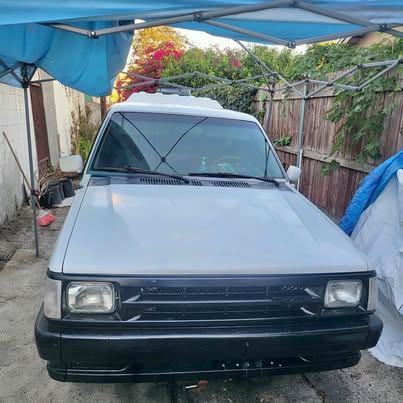 $1,500
Expand
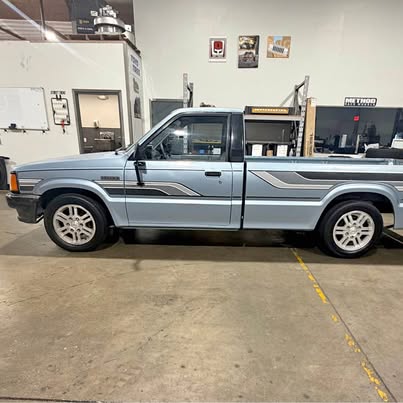 $4,500
Expand
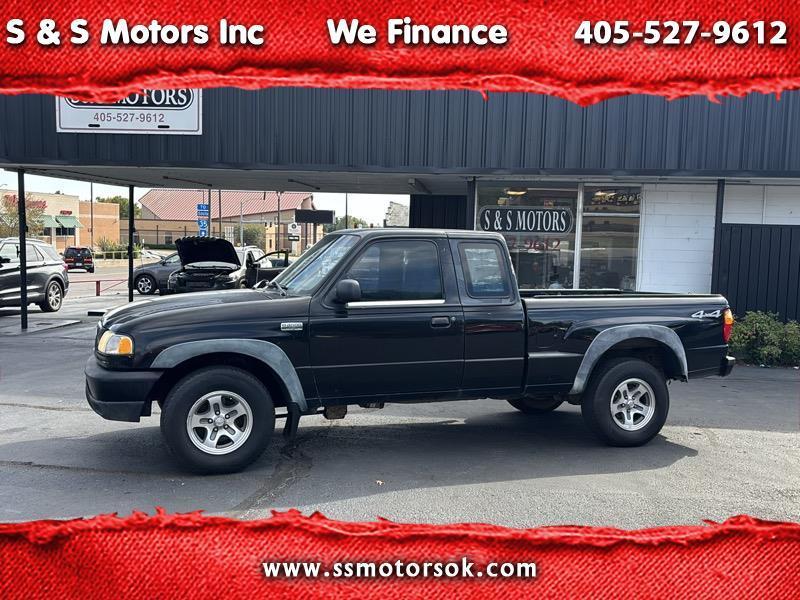
Expand
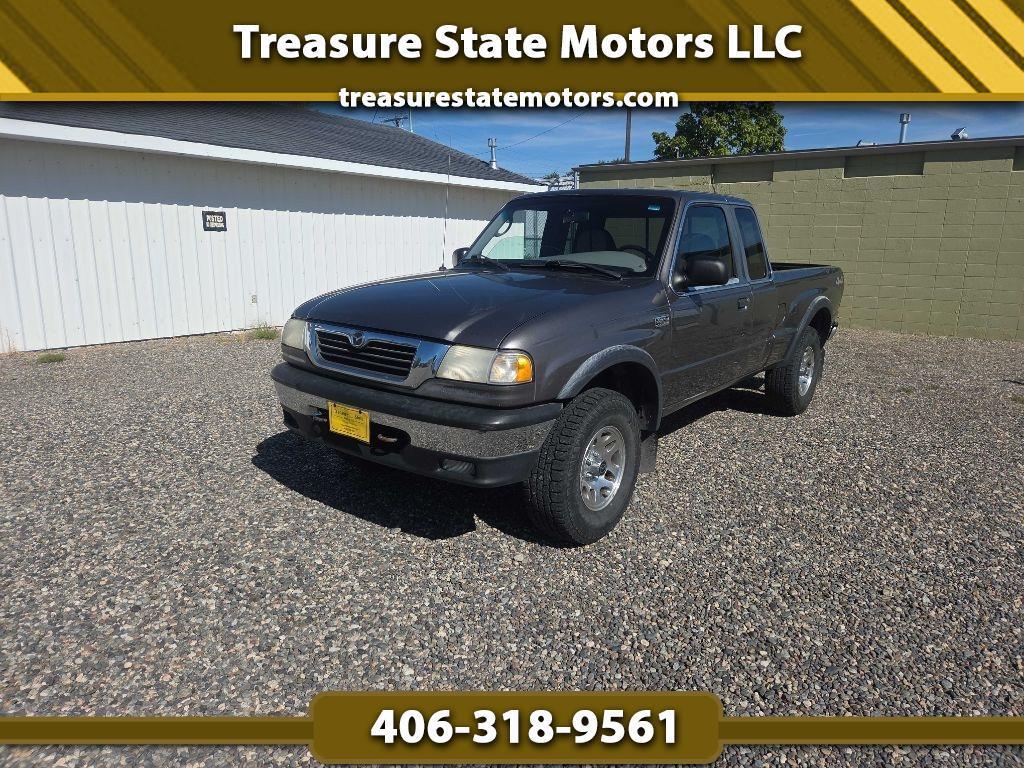
Expand
 $1,500
Expand
 $10,000