
Nash metropolitan buyer's guide
Nash metropolitan -- the model's own buyer's guide: variants, values and what to check.
Years listed: 1954-1959 · Series: Metropolitan
Overview and history
The Metropolitan is the car that proved an American idea could be built in England, sold in America, and still make sense — provided you understood what it was and what it never tried to be. It is not a sports car, and it is not a scaled-down Nash Rambler, though it borrows the Rambler's styling language. It is a single-purpose economy car: two doors, an 85-inch wheelbase, room for two adults in comfort and two more in discomfort, a small overhead-valve four, a three-speed manual gearbox, and unit construction with no separate chassis. Everything follows from Nash-Kelvinator president George Mason's late-1940s decision: that post-war America would want a second car — a commuter, a runabout, a shopping car — smaller and cheaper to run than the standard Detroit sedan, and that Nash should be ready before its rivals believed him.
Mason was right and early. The Metropolitan arrived for the 1954 model year, half a decade before the Big Three answered with the Falcon, Corvair and Valiant, and before Beetle sales forced everyone to take small cars seriously. You are not buying a response to the compact-car wars; you are buying the experiment that preceded them, built by a British factory because no American plant could build it at the price Nash needed. The design was American: William J. Flajole, an independent designer working for Nash, developed the NXI concept from 1950 and then the near-production NKI. Pinin Farina helped refine early proposals, but the production shape is Flajole's team and Nash styling — the car's interest is industrial, not exotic.
Manufacture governs parts, identity and rust, so get it straight. Bodies were built by Fisher & Ludlow in Birmingham, England; final assembly was by Austin at Longbridge, which also supplied the mechanical package — engine, gearbox, axle and running gear are Austin practice, related first to the A40 and then to the BMC B-series world of the A50 and MGA. Cars were shipped to the United States and Canada for sale through Nash dealers and, after the 1954 merger that created American Motors (AMC), through Hudson dealers too, wearing Hudson badges with almost no mechanical difference. From 1958, with the Nash and Hudson marques wound down, the car was sold simply as the Metropolitan, an AMC model in its own right. A small number were sold in Britain from 1957 as the Austin Metropolitan, but most survivors are left-hand-drive North American cars that crossed the Atlantic new.
In period, testers praised the finish, the economy — high 30s to low 40s miles per gallon in gentle use — and a cabin that felt like a proper car rather than a cyclecar. They criticised, fairly, the performance: even the later 1500 needs time to reach highway speed, and crosswinds move a light, tall-sided car around. None of that has changed. Buy one expecting a miniature freeway cruiser and you will be disappointed within ten miles; buy one for local work, shows and sheer social effect — few cars start more conversations per mile — and it still delivers what Mason promised.
That social effect is now a large part of the value, and it carries the model's central danger. Icon cars get cosmetic restorations: bright paint over tired structure, new seat covers over collapsed frames, detailed engine bays over worn engines — because the photograph sells the car, and the photograph does not show the inner sills. A Metropolitan has no chassis to save it. Its charm is worthless if the shell is soft, and excellent if the shell is sound, because almost everything bolted to the shell can be rebuilt with Austin parts and ordinary skills.
The Classic Listings pool behind this guide is small, so read it that way. When the brief was compiled, the store carried 12 Metropolitans in total — 9 listed for sale and 3 recorded as sold — spanning the 1954 to 1960 model years in the listings, with 1956 the most common single year in that small sample. That is one store's snapshot, not a survival census. The photo-examination sample supplied with the brief was a single car, far too small to support any incidence claim about rust, smoke, leaks or damage across the model — so this guide makes none. The guidance below comes from the model's documented construction and the wider Austin/BMC record; the inspection section shows you how to establish the truth car by car.
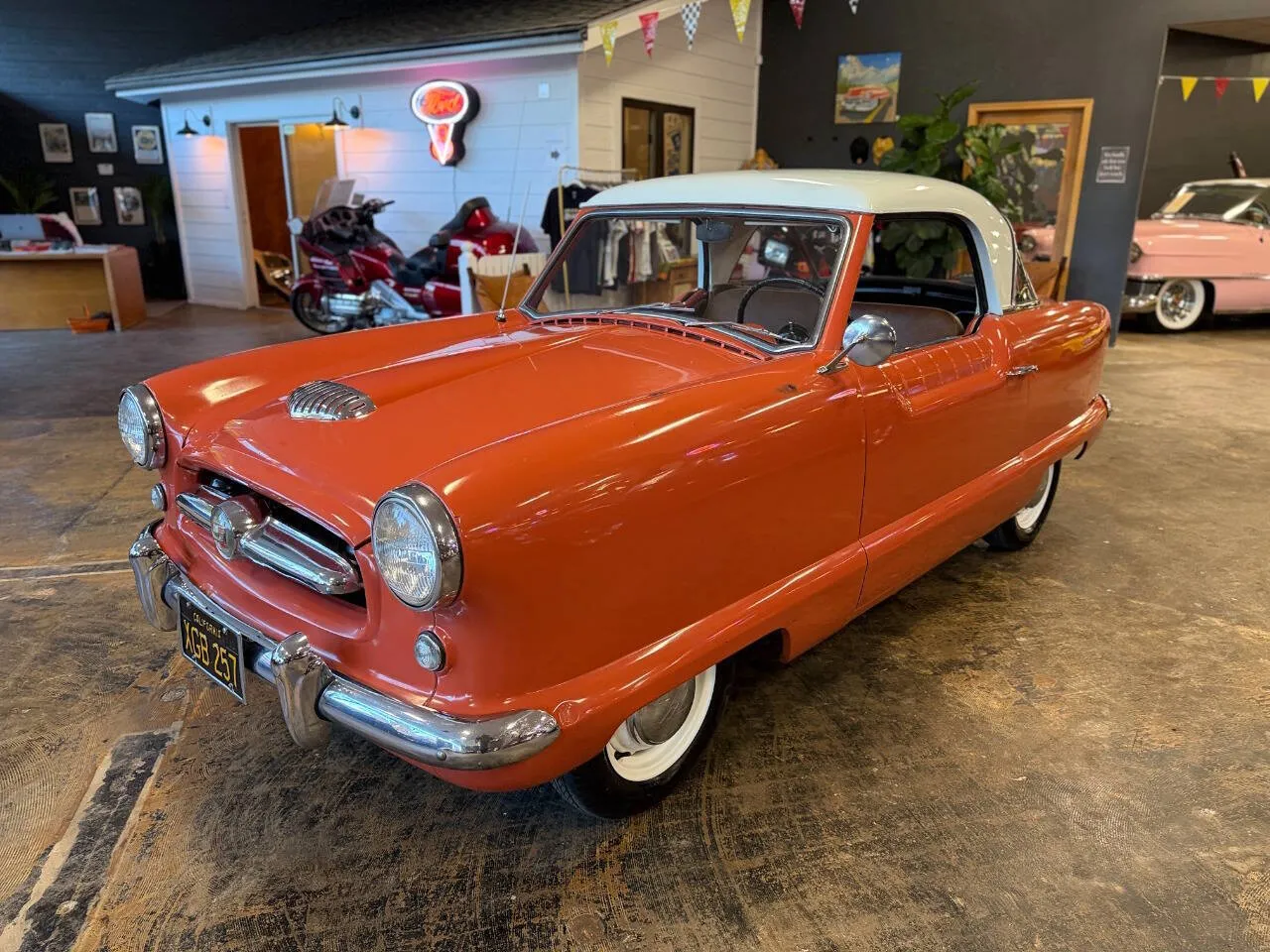
The models
| Model | Years | Engine | Output | Built | Character |
|---|---|---|---|---|---|
| NKI Custom / Series I Hardtop & Convertible | 1954–early 1955 | Austin 1,200 cc OHV four | 42 bhp | Part of c. 95,000 total | The original: charming, slowest, simplest trim |
| Series II Hardtop & Convertible | 1955 | Austin 1,200 cc OHV four, higher compression | 42 bhp | Part of c. 95,000 total | Detail improvements, same basic performance |
| Series III 1500 Hardtop & Convertible | Late 1955–1958 | BMC B-series 1,489 cc OHV four | 52 bhp | Part of c. 95,000 total | The transformation: usable torque, two-tone era |
| Series IV 1500 Hardtop & Convertible | 1959–1961 (sold into 1962) | BMC B-series 1,489 cc OHV four | 52–55 bhp | Part of c. 95,000 total | Opening boot lid, the most practical Metropolitan |
Series I — the NKI Custom, 1954 to early 1955. The launch car is the purest and most limited: 1,200 cc engine, single Zenith carburettor, three-speed column change, performance gentle even by 1954 standards, a top speed in the low 70s mph when new and acceleration that requires planning. Trim is plain, two-tone paint was not yet the defining feature it became, and there is no external access to the luggage compartment — the boot is reached from inside, behind the rear seat. A sound Series I is historically the most interesting Metropolitan and the right car for a collector who values correctness; it is the wrong car for regular 55 mph road work or hilly country. Early cars are also the ones most often retro-fitted with the later 1500 engine, which improves driving and, if undisclosed, muddies value. An early shell with a declared, well-fitted B-series is a usable compromise; an early car sold as "all original" with a B-series under the bonnet is a misdescription, and the engine number settles it.
Series II — 1955. A running-change car: the same 1,200 cc engine with raised compression and detail refinements, output still quoted at 42 bhp, the driving experience essentially Series I. That awkward middle can work in your favour — no premium for being first, no 1500 usability — so a sound Series II can be the least expensive route into a correct early Metropolitan, provided "least expensive" does not mean "needs everything." Early Metropolitan-specific trim is harder to replace than later trim, and any saving evaporates if the shell needs welding. Buy on structure, and treat the year as the least important thing about the car.
Series III — the 1500, from late 1955, the 1956 model year car. The Metropolitan most buyers should look at, and the one that defines the model in the wild. The BMC B-series of 1,489 cc, in single-carburettor tune giving a quoted 52 bhp, brings substantially better torque than the 1200. Ten extra horsepower sounds trivial; in a car weighing roughly 1,800 lb it is the difference between nursing every grade and holding your own on ordinary roads at 45–55 mph. With the engine came the look: a revised grille and the famous two-tone schemes with a contrasting side flash. The Series III still has no opening boot lid, its chief practical failing. What it has is the right engine and the classic image, in the largest numbers of any series — which is why parts knowledge and club experience concentrate here.
Series IV — 1959 to end of production. Identify it by the tell: an external boot lid, finally, with a lock. Other changes — a one-piece rear window replacing the earlier three-piece arrangement on the Hardtop, opening vent windows, detail trim revisions — matter less than the lid, which is the first thing to verify on any car advertised as 1959 or later. If there is no boot lid, it is not a Series IV, whatever the title says. The B-series continued, period outputs quoted between 52 and 55 bhp depending on source; the difference is not one you can feel. Production wound down in spring 1961 as AMC concentrated on the Rambler American, which inherited the Metropolitan's mission with American manufacture and more room. Leftover cars sold into 1962, so a "1962 Metropolitan" is a Series IV titled or first sold in 1962, not a fifth series.
Hardtop versus Convertible. The choice is lifestyle first, but it has mechanical consequences. The Hardtop is stiffer, quieter, drier and cheaper to put right. The Convertible is the image car — top down, two-tone paint, the full pastel postcard — and carries a market premium for that image in every series. It also carries obligations: a top frame that must fold without binding, a header rail that rusts, a well behind the seat that collects water, and scuttle shake that tells you the shell works harder without a roof. A Convertible with a tired shell feels noticeably looser than a Hardtop in the same condition, and one photographed only with its top down, never raised and latched, is a car whose seller may be avoiding a subject. Insist on raising it yourself. Neither style is rare enough to override condition; the question is always which individual car has the soundest shell.
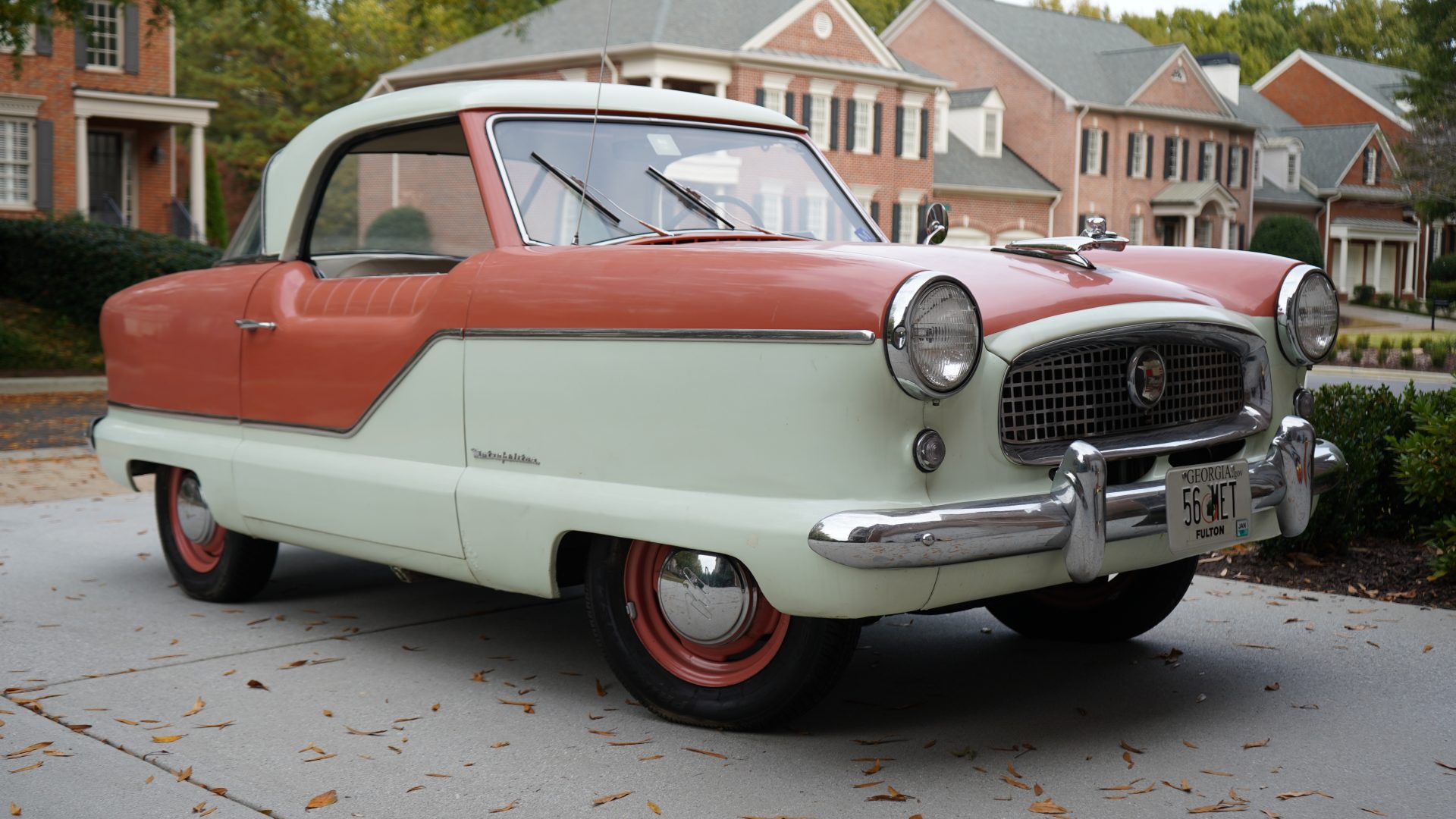
Engines and gearboxes
Both engines are conventional British overhead-valve fours: cast-iron block and head, pushrods, a single carburettor in Metropolitan tune, nothing exotic. That conventionality is the car's great ownership advantage. What there is, after seventy years, is wear in predictable places and a history of well-meaning substitutions. Always try to see a Metropolitan start from cold; a seller who has "just warmed her up for you" has taken away your best diagnostic ten minutes.
The 1,200 cc Austin engine — Series I and II
The launch engine is the Austin 1,200 cc overhead-valve four from the A40 family, the unit that preceded the B-series in BMC's range. In Metropolitan tune it is quoted at 42 bhp, with a single Zenith downdraught carburettor, contact-breaker ignition and a dynamo. The character is low-rev torque rather than power, and it runs contentedly on modern unleaded in ordinary use — the valve seats are not the crisis some sellers claim — provided timing and mixture are set for the fuel in the tank.
Understand its limits before judging its condition. A healthy 1200 still feels slow: it cruises at 50 mph on the level, labours on grades, and requires the gearbox in a way a modern driver finds startling. Do not condemn a sound engine for being a 1200, and do not let a seller excuse a sick 1500 by saying "they're all slow." A flickering oil-pressure light at hot idle that clears with a few hundred revs is the classic warning of bearing and oil-pump wear, and it means wear, not a faulty sender, until a mechanical gauge proves otherwise. Blue smoke on start-up that clears within a minute points to valve-guide wear; blue smoke under load points to rings and bores; black smoke and a rich idle point to carburettor and ignition, which are cheap, before anything internal, which is not. Work in that order — ignition, carburation, compression — and you will not rebuild an engine that needed points and a needle valve.
Compression testing is decisive and quick, because access is good. Expect evenness more than a magic number: four cylinders within about 10 per cent of each other, warm, throttle open, is healthy. One cylinder down that recovers with a spoonful of oil down the plug hole is rings; one that does not recover is valves or a head gasket. A gasket failing to a waterway gives pressurised hoses, bubbles in the header tank and mayonnaise under the filler cap — but short runs in cold weather produce harmless condensation mayonnaise with a perfect gasket, so the distinguishing test is a cooling-system pressure test and a chemical block test, not a glance at the cap. A compression and leak-down session is typically $100–250 in diagnostic labour, against a full rebuild at $3,500–6,500 depending on machining and ancillary work. That ratio is the argument for testing every car, including the pretty ones.
The 1200's specific weaknesses are age weaknesses. The Zenith wears its throttle-spindle bores oval, admitting air no idle adjustment can compensate, giving a hunting idle and a flat spot just off idle that owners blame on timing. The test is physical: engine off, grip the spindle ends and feel for side play. Significant play means a re-bushed or replacement carburettor, $300–700 done properly, against $40 wasted on a gasket kit that cannot fix worn bores. The mechanical fuel pump's diaphragm hardens and its valves tire, giving starvation on long climbs that vanishes on the level. Many cars now carry an electric pump; a well-installed one with correct low pressure (these carburettors want roughly 2.5–3.5 psi, no more) is sensible, while a high-pressure pump forcing fuel past the needle valve is a fire risk wearing an upgrade's clothes. Perished fuel hose is near-universal on unrestored cars: replacing all flexible fuel lines is $100–300 and belongs on every new owner's first-week list.
The 1,489 cc BMC B-series — Series III and IV
The 1500 is the engine that made the Metropolitan, and one of the best-supported small engines in the classic world. The BMC B-series, designed by Austin and built at Longbridge, powered the Austin A50, the Morris Oxford and, in twin-carburettor tune, the MGA 1500, and in developed forms went on to the MGB. In the Metropolitan it is deliberately detuned: a single Zenith, a mild camshaft, a quoted 52 bhp (some later sources quote up to 55 bhp; treat the difference as brochure weather). It shares its pushrod, cast-iron architecture, three-bearing crankshaft in this early form, and service procedures with the wider family — a mechanic who knows an MGA or early MGB already knows your engine, and gaskets, bearings, pistons and pumps are catalogue parts, not archaeology.
That kinship creates the model's favourite trap. The B-series was built in 1,500, 1,600 and 1,800 cc forms and fitted to dozens of cars, so engines get swapped. A Metropolitan with an MGB 1800 engine, or an 1800 block wearing Metropolitan ancillaries, turns up regularly, as does the reverse pitch in which a tired 1500 is described as "uprated." A well-done 1800 conversion makes a quicker car some buyers prefer — but it is a conversion, it changes originality and value, and it must be declared and priced as one. The engine number, casting details and carburation fitted settle what is in the bay. Photograph the number, check it against club and registry knowledge, and treat a ground-off number, or a seller who will not let you look, as a stop sign. Twin carburettors likewise mean MGA or aftermarket influence: the factory car was single-carburettor, and a twin-carb set-up without matched needles and linkage is often slower in the real world than the Zenith it replaced.
In service the B-series in this tune is understressed and long-lived, and its failure modes are the family's familiar ones. Oil leaks come first: the rear main bearing uses a scroll-type seal rather than a modern lip seal, and a B-series that does not mark its territory slightly is either recently rebuilt or out of oil. A few drops after a run from the bellhousing drain hole is scroll-seal behaviour, normal within limits; a steady drip, a slipping clutch from oil contamination, or oil thrown across the bay points to crankcase pressurisation from worn rings, a blocked breather, or a failed front seal — each with a different bill. A breather clean costs almost nothing; a clutch replacement runs $800–1,500; a rebuild to cure blow-by is the $3,500–6,500 already quoted. The diagnostic path — clean the breather, check compression, then decide — saves owners from buying the wrong cure in the wrong order. Valve-gear wear shows as top-end rattle that a clearance adjustment (a routine service item, set cold to the manual's figures) will not silence, indicating worn rocker shafts and bushes; a reconditioned rocker assembly is $250–600 fitted. Timing-chain rattle on start-up that fades as pressure builds is a chain asking politely; the same rattle sustained hot is asking firmly, and the job runs $600–1,200. Bottom-end knock under load, worst hot, is bearings, and no additive cures it: budget the rebuild or walk away.
Carburation and ignition follow the 1200's pattern — same spindle-wear test, same low fuel pressure — plus heat. A car that restarts poorly when hot, after a fuel stop, is usually suffering fuel vaporisation or a tired coil rather than anything internal. The tests are cheap: a fat blue spark from a plug lead held to the head during the hot no-start condemns the fuel side; a weak orange spark or none condemns the coil and points. Carry a spare coil, points and condenser in the boot, and you have insured against the three most common roadside stops the model knows. Electronic ignition conversions are popular and genuinely useful on a car in regular use; judge them by whether the car starts and runs cleanly.

Gearboxes
Every production Metropolitan left Longbridge with the same basic transmission: a three-speed manual with synchromesh on second and top, none on first, operated by a column lever — the famous "three on the tree." Memorise that, because listings for this model do sometimes describe an automatic: any Metropolitan advertised as one is either misdescribed by a seller copying a template or, far less commonly, a car with a non-factory conversion that must be investigated as a conversion, with its own engineering and value consequences. If the car in front of you genuinely has an automatic fitted, stop and take specialist advice before valuing it as a Metropolitan at all.
The column change's feel is a report on its linkage bushes. A good linkage is light and, while vague by modern standards, positive. A worn one is a lottery in which second and reverse take turns hiding, and the cure is bushes, pins and adjustment — $200–500 at a specialist — not a gearbox rebuild. Test methodically: every gear from rest, second-to-top and top-to-second changes on the move, reverse from standstill after a pause in neutral with the clutch fully down. First is unsynchronised, so selecting it while rolling crunches even in a perfect car; select first at rest. A crunch into second or top on a properly timed change is synchromesh wear inside the box: $1,200–2,500 for a gearbox-out overhaul by a BMC-competent shop, plus the clutch you would be unwise not to renew while access is free ($300–500 in parts within that labour). Whine that changes with road speed rather than engine speed points beyond the box to the propeller shaft and rear axle; the Austin live axle's pinion bearings announce wear with whine on the overrun, and its half-shaft seals with oil on the rear brake backplates — a safety item, because oil on rear linings destroys rear braking whether the pedal feels firm or not. Pull a rear drum on any car with backplate oil: seals and bearings are $300–700 a side done properly, and contaminated shoes are replaced, never cleaned and reused.
The clutch is a conventional single dry plate. It should bite progressively mid-travel — at the floor suggests wear or maladjustment, at the very top a worn plate — hold on a steep hill in top at full throttle without revs flaring, and release cleanly enough for first and reverse to engage at rest without a graunch after the pause. Judder on take-up is commonly oil contamination from the rear scroll seal, a perished powertrain mounting, or a distorted plate, in ascending cost and in that diagnostic order. Perished mounts also explain a gear lever that moves under power and a linkage that will not stay adjusted; renewing the full mounting set runs $200–450 and is among the highest-value jobs on any newly bought car.
Problem areas
Rust: the map — unit body, sills, floors and wings
The Metropolitan has no chassis. The pressed-steel unit body built by Fisher & Ludlow is the structure: floor, sills, bulkheads, inner wings and roof or scuttle all share the loads, and rust in any structural member is the car getting weaker, not a cosmetic blemish.
Start with the sills, structural and perfectly placed to rot. Each sill is a box section under a door, collecting road spray at its unprotected ends, condensation inside the box in damp storage, and cabin water that has leaked past screens and door seals. It rusts from the inside out, so the outer sill you can see is the last part to perforate: a sill can ring brightly to a knuckle and still be tissue-thin at its inner face and floor joint. The distinguishing test is the sill-jack test: jack at the proper sill jacking point, one side at a time, with the door open, and watch the door gap as the weight comes on. A sound sill takes the load silently with the gap unchanged. A rotten sill creaks, flexes, or lets the gap close at the top — and that door will then be reluctant to open or shut until the car is back on its wheels. Follow with a magnet along the outer sill (filler does not hold a magnet as steel does) and a thumb-press along the floor-to-sill seam inside with the carpets lifted; carpets a seller will not let you lift are an answer in themselves. Proper sill replacement — cutting out the box, repairing the inner sill and floor edge it reveals, letting in new metal — runs $1,000–2,500 a side, and almost always reveals floor work that adds to the bill.
Floors rust where water sits, and water sits where seals have failed, so floor rust is a symptom to trace as well as a hole to price. The front footwells go first, fed by windscreen-seal leaks; the area under the rear seat and around the rear spring hangers follows — and the hanger region is structural in the fullest sense, because the rear leaf springs hang from the shell and a hanger tearing out of a rotten floor can fail under load on the road. Get the car on a lift or stands for a creeper inspection if the seller allows; if they will not, price the car as though the underside is guilty until proven innocent. Push a blunt screwdriver, with permission, at the hanger mountings, floor seams and outriggers: sound metal resists, rotten metal flakes and admits the tool. Localised floor repairs run $500–1,500 a side welded properly; a car needing both floors, both sills and hanger work is a $4,000–8,000 welding programme before paint, and the honest comparison then is with the price of the sound car you passed over.
Working upward: front wings rust behind the front wheels where mud packs against the inner wing, at their lower trailing edges, and around the headlamp bowls. Door bottoms rust because the drain holes block and the door becomes a tank; bubbling along a door's lower skin with its drains sealed by underseal means its frame is going from inside. Open the door, crouch, and look at the bottom seam and drain holes directly — photographs never show this angle, which is precisely why you must. Bubbling at the corners of the windscreen or rear-screen aperture means water has sat under the seal against the flange; the screen must come out to repair it properly ($800–1,800 for aperture repair and refitting with a new seal, before paint blending), and a suggestion that it will "polish out" is entertainment, not advice. On Series IV cars add the boot aperture and boot floor, which rot quietly under a mat when the lid seal tires; on Convertibles, the header rail, top well and scuttle corners. A full professional repaint after structural repair runs $5,000–12,000; hold that figure in mind whenever a car is described as "just needing paint," because on this model paint is never the whole sentence.
Suspension, steering and brakes
The running gear is Austin practice: independent front suspension by coil springs and wishbones, a steering box (not a rack), a live rear axle on semi-elliptic leaf springs, and hydraulic drum brakes all round with a single-circuit master cylinder in original specification. Every element is simple, every element is old, and wear comes on gradually enough for owners to stop noticing — so judge the car against how it should feel, not how the seller says it has always felt.
Front wear concentrates in the kingpins and bushes, wishbone bushes, swivel pins and wheel bearings. The kingpin system depends on regular greasing — period schedules specified chassis lubrication at intervals of roughly every 1,000 to 3,000 miles for cars of this type, and a Metropolitan whose nipples are dry or painted over has not been maintained on schedule. The test is definitive: jack the front wheel clear, grip it top and bottom, and rock. Play that disappears when a helper presses the brake pedal is wheel-bearing play; play that remains is kingpin and bush wear, visible at the kingpin itself with a torch. Side-to-side grip tests the track-rod ends. A kingpin and bush overhaul runs $600–1,200 a side including reaming the new bushes to size — a specialist operation, not a driveway swap — while wheel bearings are $150–300 a side. Do not let anyone sell you an alignment as the cure for kingpin play; alignment on worn pivots is money spent measuring a moving target.
Brakes are the non-negotiable system. Drums all round, properly maintained, stop a light Metropolitan adequately for its performance; drums with ovality, contaminated linings, seized cylinders or perished hoses do not — and the single-circuit hydraulics mean one burst hose or failed cylinder loses the whole hydraulic system, leaving the handbrake. Pedal first: firm, and staying firm under sustained pressure, is the baseline; a pedal creeping down under a steady foot is a master cylinder bypassing internally or a leak somewhere, and either is a stop-and-fix, not a negotiating nuance. Pull at least one front and one rear drum, or pay for a pre-purchase inspection that does. Look for linings with material remaining and no contamination, drums without deep scoring, wheel cylinders dry under their dust boots — peel the boot edge back, because fluid inside means the cylinder is already leaking even if the brakes still work — and hoses without cracks or bulges. A full overhaul with new cylinders, shoes, hoses and master cylinder runs $800–1,600 in parts and labour; a dual-circuit conversion is a safety upgrade worth a small premium when done properly. The handbrake must hold the car on a slope in both directions — on a single-circuit car it is also your emergency brake — and one at the top of its travel holding nothing is usually stretched cables and worn rear shoes, $200–450 to put right before the drive home, not after.
Electrics: Lucas system, charging, instruments and lights
The electrical system is period Lucas: 12-volt, a dynamo with a separate control box (voltage regulator), contact-breaker ignition, minimal fusing by modern standards, and earth returns depending on clean connections to a body that may have been painted and repaired several times since new. Polarity needs a direct check on any individual car: British practice of the era included positive-earth installations, and cars have been converted in both directions across seventy years. Do not assume from the badge or year. Look at which battery terminal is strapped to the body, photograph it, and make sure any conversion was done completely — coil connections swapped, ammeter reading correctly, polarity-sensitive equipment accounted for. A half-converted car generates faults that mimic component failures until someone checks the basics.
Charging faults follow a classic pattern. A healthy dynamo system shows the warning light out by fast idle; charging only at high revs suspects brushes and commutator; overcharging that boils the battery suspects the control box; a light glowing at cruise suspects connections and the belt before components. The distinguishing instrument is a voltmeter across the battery: roughly 13.5–14.5 volts at fast idle on a charged battery is healthy, less at idle is normal (a dynamo barely charges at idle, which is why town cars went flat in period), and wild excursions with revs are not. A dynamo rebuild runs $250–500, a control box $75–200 plus setting up, and an alternator conversion $300–600 fitted. Wiring is the deeper risk: original looms chafe at bulkhead pass-throughs, harden in engine-bay heat, and accumulate previous owners' splices. A replacement loom plus fitting runs $600–1,400, and a car with a sound, unmolested loom is worth real money over one with a bird's nest behind the dashboard, because electrical diagnosis at $100–150 an hour is the fastest bill in classic ownership.
Instruments and lights are where small faults tell big stories. A fuel gauge reading full forever or empty forever is usually the tank sender or its earth, not the gauge — ground the sender wire briefly and watch the gauge sweep to prove gauge and wiring in seconds. A temperature gauge that never rises suggests a missing thermostat as often as a faulty sender: owners remove thermostats to mask overheating, and a car that runs implausibly cool and drinks fuel is confessing to it. Test by feeling the top hose from a cold start — it should stay cool until the thermostat opens, then warm suddenly. One headlamp dimmer than the other is an earth, always an earth, until proven otherwise. A pre-purchase hour working every switch, lamp, gauge and the horn routinely finds $300–800 of small work sellers did not know about and buyers invariably discover in the first month.
Interior, top, trim and weather sealing
Seats are sat in rather than looked at, and photographs cannot report them. Sit in both front seats — the car is effectively a two-seater with a rear bench for children and parcels — and bounce. Collapsed foams present as a seat that looks plump and sits like a hammock; re-trimming properly with new foam and webbing is $400–900 a seat, against $150 for a cover thrown over the collapse. Check the adjusters move and lock; a driver's seat that slides under braking is a safety defect, not a quirk. Door cards warp from the same water that rots door bottoms, and a card bowed away at its lower edge points at blocked door drains and tired window seals. Window winders fail toward stiffness from dried grease; a window needing two hands is an afternoon and $100–250, and small figures accumulate — a car needing every small thing is a $2,000–3,500 interior recommission wearing a "tidy interior" description.
The Convertible top is an interior and exterior system at once, inspected raised, latched and hosed. The frame must fold and rise without binding, the header must latch evenly, the fabric must be free of tears at the fold points and around the rear window, and the assembly must keep a hose test out of the cabin for a reasonable interval. A new top fitted properly runs $1,200–2,500 depending on material and frame work, and a top shown only down in every listing photograph should be assumed to need that money until you have raised it yourself. On Hardtops, the headlining and screen seals are the equivalent spend: a sagging headlining is $400–800 at a trimmer, and perished screen seals are the leak source that rots the floors in the rust section, so seal condition is a structural budget item in cosmetic disguise. Rubber seal sets through the Metropolitan specialists run $300–700 plus fitting — the cheapest rust prevention you will ever buy.
Brightwork closes the section because it closes every sale photograph. Bumpers, grille surrounds, hubcaps and side-flash trim are the model's jewellery, and re-chroming is genuinely expensive: bumpers to show standard can run $800–1,600 a pair, a grille surround $300–600, and small pieces add up with surprising speed. Inventory it piece by piece, price anything missing as both a purchase and a search — good used Metropolitan trim trades within the club scene — and never accept "the trim is all in the boot" without opening the boot and laying it out. Trim that does not exist cannot be in the boot, and the time to learn that is before the money moves.
How to inspect one
Inspect in this order, and do not let a seller rearrange it: faults that end the purchase first, faults that adjust the price last. A seller who will not allow an hour, a cold start, carpets lifted and a proper road test is selling a different car from the one you think you are inspecting.
- Paperwork and identity first. Match the chassis number on the data plate to the title, photograph both, and note the engine number for the engines section checks. Confirm the badging matches the year claimed, and confirm the Series IV tells on any car claimed as 1959 or later: opening boot lid, one-piece rear window, vent windows. An unexplained mismatch is a price and provenance problem to settle now, not at resale.
- Cold start, standing outside the car. The engine must be stone cold; feel the top hose and manifold. Watch the exhaust: blue smoke that clears is valve guides, blue that persists is rings, white vapour persisting after warm-up is coolant, as set out in the engines section. Listen for timing-chain rattle outlasting the first seconds and for bottom-end knock. Note the oil-pressure and charging lights.
- The sill-jack test, both sides. Exactly as described in Rust: the map — jack at each sill jacking point with the door open, watch the door gap, listen for creaks, then check the door still opens and closes freely under load. Add the magnet sweep along both sills and the lower doors and wings. Any side that flexes, creaks or traps its door ends the inspection at that car's asking level; you are now pricing a welding programme or walking away.
- Floors, hangers and underside. Carpets up inside; torch and mirror underneath; blunt-screwdriver pressure, with permission, at the floor seams, spring hangers and outriggers from the rust section. Check the boot floor on a Series IV and the top well on a Convertible. Treat fresh underseal presented without before-photographs as concealment until proven protection.
- Wings, doors, screens and apertures. Door bottoms and drain holes from below, front wings behind the wheels, headlamp bowls, screen corners for bubbling. Open and close every panel twice; gaps that change between closings are hinges and structure talking. On a Convertible, raise the top yourself, latch it, and check the header rail and frame operation from the interior and trim section.
- Engine bay, warm now. Filler cap off for crankcase breathing — a steady chuff of vapour under pressure is blow-by — then settle the mayonnaise question with hoses, header tank and, if in doubt, the block test from the engines section. Check the carburettor throttle spindle for side play, identify the fuel-pump type and hose condition, and test for the thermostat's presence by the top-hose method if the car runs suspiciously cool.
- Oil, coolant and leaks, quantified. Dip the oil and read level and colour. Coolant should be coolant, not rusty water. Classify every leak by source and rate using the engines section's logic — scroll-seal weep versus pressurised blow-by at the back, front seal versus water pump at the front — and check the rear brake backplates for axle-seal oil.
- Front suspension and steering, wheel by wheel. The rock test from the suspension section: top-and-bottom grip with and without a helper on the brake pedal to separate bearing play from kingpin play, then side-to-side for linkage joints. Steering free play at the rim, centre versus lock. Note damper behaviour with a firm push on each corner.
- Brakes before the road. Pedal firm and staying firm under sustained pressure, as in the brakes section. Handbrake holding on the steepest slope available, both ways. If the seller permits, one front and one rear drum off; if not, commission a pre-purchase inspection that includes it, and treat refusal as information. Check every visible flexible hose.
- Every electrical item, without exception. From the electrics section: charging voltage across the battery at fast idle, all lamps including brake lights, indicators, wipers, heater fan, horn, every gauge through its range, and the fuel-gauge sender test if the reading looks implausible. Note the battery polarity. Dead circuits in ones and twos are normal; a pattern of them is a loom bill.
- The road test — at least twenty minutes, mixed roads. Include a hill start (clutch hold and judder, from the gearboxes section), full-throttle work in top on a grade, second-to-top and top-to-second changes, first selected only at rest, reverse after the pause. Note synchromesh behaviour, linkage precision, whine following road speed versus engine speed, wander at straight-ahead, pull under braking, and rear-end wriggle under power. Check indicated speed against GPS at three speeds.
- Hot restart and idle, back at base. Switch off, wait five minutes — the fuel-stop interval — and restart. The hot-start behaviour from the engines section, coil versus vaporisation, shows now or not at all. Idle hot for five more minutes and watch temperature in still air, the oil light at idle, and the charging light. A car well-behaved only while moving has spent its cooling and charging margins.
- Interior as a sitter, not a viewer. Both front seats sat in and bounced, adjusters moved and locked, windows wound fully both ways, every latch and handle worked. On early cars, operate the interior boot access and inspect the compartment you will actually use. Price collapsed seats and tired tops from the interior section's figures, not from the photographs.
- The second look underneath, hot. Leaks declare themselves after a run that they hide cold. A final creeper pass over the backplates, bellhousing drain and sill undersides, and a final door-gap check with the car settled on its wheels. Then — only then — talk about paint and colour. You are buying structure, mechanical health and completeness; the pastel two-tone is the reward for getting those three right, never a substitute for them.

Values
Read the market block that follows this guide on Classic Listings before reading anything into this section, because that block — the cars listed now and the recorded sales the site has gathered — is where the current numbers live, refreshed as listings change. This section deliberately contains no figures of its own. Its job is the durable part: how Metropolitan values are structured, what moves a given car within that structure, and how to avoid the two classic errors — paying a condition premium for a cosmetic car, and dismissing a sound car for cosmetic faults that are cheap relative to structure. It also explains the persistent gap between asking and achieved prices on character cars of this kind — private asking prices are often anchored to the best car a seller has seen advertised rather than to cars that have actually sold, while dealer prices carry preparation and premises — and why the recorded-sales evidence in the market block, read alongside how long comparable listings have lingered, is the honest guide to what the market clears at.
The first structural fact is the condition spread, and on this model it is wide: wider than the spread between series, wider than the spread between body styles, wider than almost any distinction a listing headline can make. Value is set, in descending order, by the soundness of the shell, the health of the engine and brakes, completeness, and only then by series, badges and paint. When two cars are offered at similar money and one is a glamorous series with a soft shell while the other is plainer with a hard, original underside, the market correctly rewards the second car once both have been inspected properly. Learn to price the underside and you have learned most of Metropolitan valuation.
Variant premiums exist, but they are modest and specific. The Convertible carries a premium over the equivalent Hardtop in the same series and condition, bought entirely with image and open-air charm and partly returned in higher top, seal and scuttle obligations — pay it gladly if open motoring is your purpose, decline it without regret if it is not, because the Hardtop is the better car in weather, stiffness and quiet. The Series IV carries a smaller premium for practicality, repaid every time you load the boot without folding the rear seat. Early Series I cars attract collector interest out of proportion to their usability, real but narrow and dependent entirely on correctness — an early car with its original small engine and honest trim has a story a converted car cannot claim. A declared, well-engineered larger B-series conversion can make a car more saleable to a driver and less valuable to a collector, simultaneously: there are two markets, and a wise buyer knows which one a given car belongs in.
The project-versus-driver gap is where the most money is lost on this model. A driving, sound Metropolitan and a non-running project in faded paint can look, in listing thumbnails, like the same car at two prices. In reality they are separated by the recommissioning arithmetic scattered through this guide — brakes, suspension, welding, electrics, tyres aged out even with tread remaining, fuel and cooling systems — and that arithmetic, summed honestly, routinely exceeds the apparent saving, before paint is mentioned. Projects make sense for exactly two buyers: the skilled home restorer whose labour is the hobby itself, and the buyer seeking a specific specification worth restoring at a loss for love. For everyone else: buy the best shell you can find, already driving, and improve it in use. The related trap is the freshly painted car with no record of the work beneath the paint: on a Metropolitan the preparation is the structure. A documented restoration with photographs of bare metal and sill sections open supports a premium; undocumented shine supports a question, asked with the magnet and the jack.
Parts and ownership
Metropolitan ownership divides into two worlds, and knowing which world a part lives in tells you its price, availability and strategy before you pick up a catalogue. The first world is Austin and BMC: engine, gearbox, axle, brakes, suspension, bearings, seals, gaskets, carburettor and ignition parts. It is well stocked, competitively priced, and served by specialists supporting the A40, A50, MGA and early MGB families with which your car shares its mechanical DNA. The second world is Metropolitan-specific: body panels and repair sections, trim, badges, interior patterns, top components, glass and unique brightwork. It is smaller, club-centred and patchier — much exists, some is reproduced, some trades only as good used stock — and it rewards membership, patience, and buying spares when you see them rather than when you need them.
The good news is genuinely good. A B-series engine can be rebuilt from catalogues: pistons, rings, bearings, timing gear, pumps, gasket sets and valve gear are routine orders, and the same is broadly true of the 1200's Austin internals through the A40 specialists. Zenith rebuild kits, ignition consumables, clutch kits, brake shoes, cylinders and hoses, kingpin kits, bushes, dampers and springs all sit within the British-classic supply chain at merciful prices. A full service in parts is a $150–300 exercise if you do the labour, and even the engine rebuild at $3,500–6,500 is mostly machining and labour rather than unobtainable components — a designed consequence of Mason buying Austin's running gear off the shelf.
The Metropolitan-specific world requires a different posture. The Metropolitan Owners Club and the model's dedicated specialists are not optional extras; they are the supply chain. Repair panels for the known rot areas (sill and floor sections, wing repair pieces) have been produced in small batches and surface through specialists and club channels; availability comes and goes with batch production, so a panel you need is bought when offered, not when the welder is booked. Glass is obtainable, with the Series IV one-piece rear window and the earlier three-piece arrangements differing — order by what your car has, verified, not by year alone. Interior trim is a trimmer's art: correct-pattern seat covers and door cards are made by specialists holding the patterns, at the per-seat figures quoted in the problem areas, and original-pattern material availability varies by colour — a genuine argument for preserving sound original trim. Convertible tops are available in correct patterns; frames and header components are used-stock and club-network items. Badges reproduce intermittently and trade briskly when they do, so a car complete in its badges holds a small, real advantage.
Three disciplines separate happy owners from frustrated ones. The first is lubrication: engine oil and filter at least every 3,000 miles or annually, gearbox and axle oils on schedule rather than for life, and the chassis grease points — kingpins above all — greased at short period intervals, because front-suspension longevity is quite literally in the grease gun. The second is use. The third is tyres: a set in the model's modest sizes runs $400–800 fitted, and any tyre over seven to ten years old is replaced on age regardless of tread, because grip and carcass integrity have gone even though the tread pattern has not. Check date codes on any car you buy; old tyres are the most common hidden cost on low-mileage classics.
Which one to buy
- The all-rounder: a Series III 1500 Hardtop, honestly described and structurally sound. The right engine, the classic two-tone image, the stiffest and driest shell, the deepest pool of knowledge and parts experience. If you buy one Metropolitan to use, show and keep, buy this car.
- The value buy: a Series II or late Series I Hardtop in sound, unfashionable condition. The early cars, without the 1500's demand behind them, can be the least expensive route into a correct Metropolitan — provided the saving is condition you can see, not welding you cannot. Drive one before you commit; the 1200's pace is a taste not everyone acquires.
- The image car: a Series III or IV Convertible in a period two-tone combination, with a top you have raised, latched and hose-tested yourself. You are buying the postcard, and the postcard is real. Pay the convertible premium only for a car whose scuttle, header rail and top well pass the rust inspection, because the premium buys nothing once the shell is soft.
- The practical classic: a Series IV 1500, Hardtop or Convertible. The opening boot lid, one-piece rear window and vent windows make it the easiest Metropolitan to live with, tour in and load. If your use includes weekends away and actual luggage, this is your car, and its modest premium is the best-repaid money in the range.
The overriding rule: buy the shell, then the brakes and engine, then the completeness — and let the series, the badges, the colour and the shine argue only among cars that have already passed on those three. A Metropolitan is its unit body; everything else can be rebuilt, replaced or re-trimmed with Austin parts and ordinary money, but a rotten shell must be welded back into a car before any of that spending means anything at all.
See the 7 metropolitan cars currently listed.
For sale now
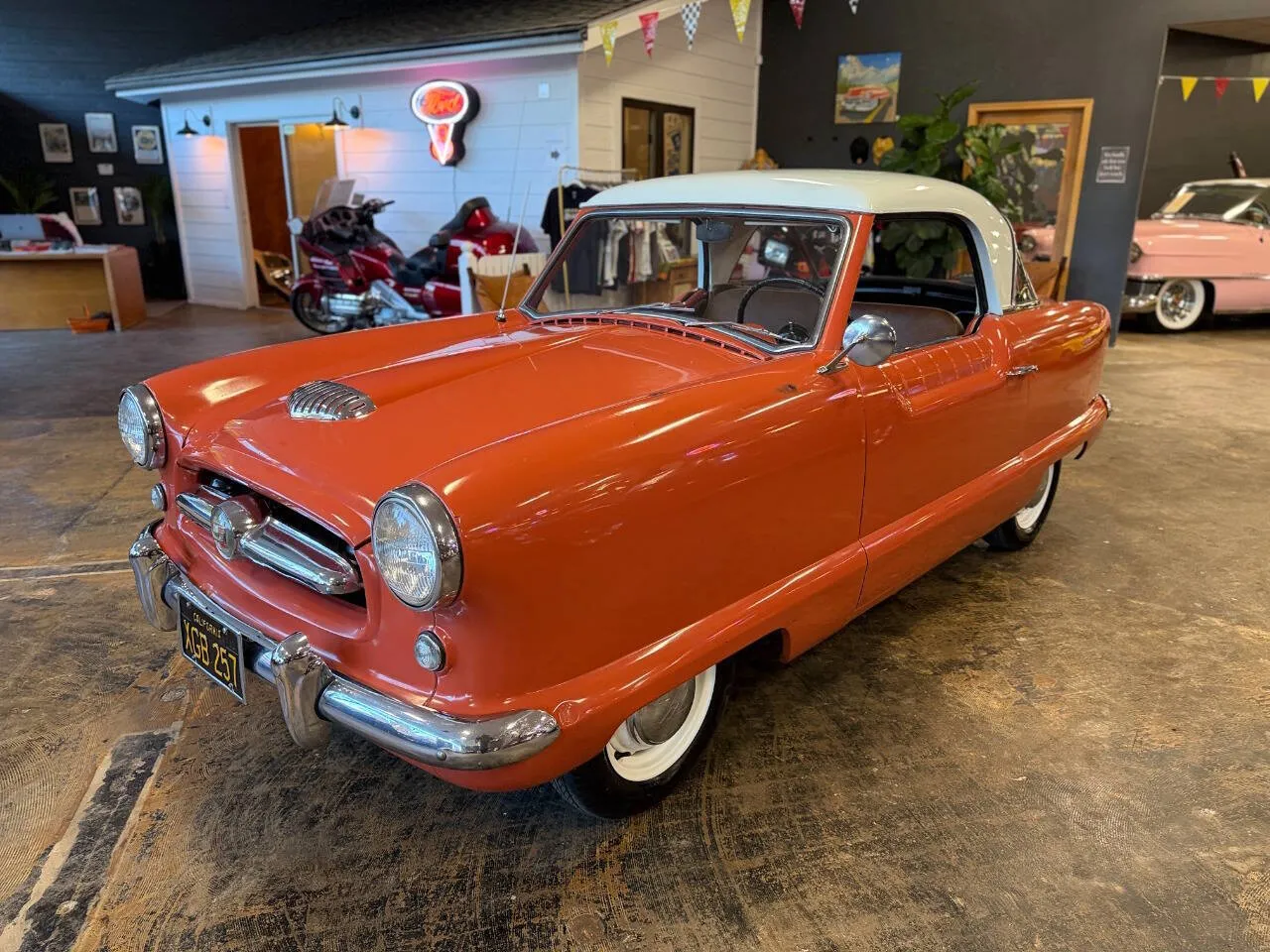 $11,900 · 9% below typical
Expand
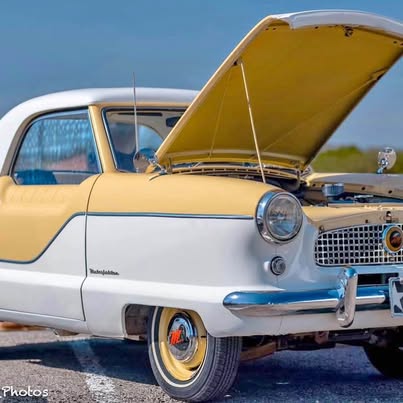 $10,000
Expand
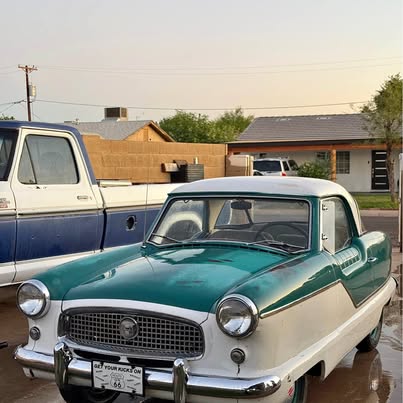 $9,500
Expand
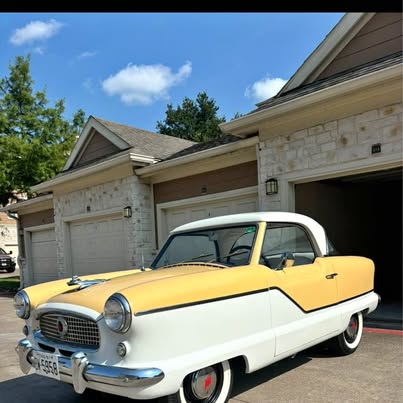 $10,000 · 23% below typical
Expand
What they sell for: metropolitan sale prices.