
Porsche G Series/930 911 Cabriolet buyer's guide
Porsche G Series/930 911 Cabriolet -- the model's own buyer's guide: variants, values and what to check.
Years listed: 1967-1983 · Series: 911
Overview and history
The 911 SC is the car that saved the air-cooled 911 by making it dependable. Porsche launched it for the 1978 model year as the single mainstream 911 — one model, one engine, coupé or Targa — replacing the bewildering spread of 2.7-litre cars that had carried the range through the mid-1970s and given it a reputation for fragility it did not entirely deserve. SC stands for Super Carrera, and the name was the least important part of the package. What mattered was underneath: a 3.0-litre flat-six built on the aluminium crankcase of the 911 Turbo, an engine deliberately over-engineered for the power it was asked to make, in a body shell that had been fully galvanised since 1976. The result was a 911 that could be used every day, in all weathers, for very large mileages, without the engine consuming itself — and forty-odd years later, that is still the SC's whole case. It is not the fastest air-cooled 911, nor the rarest, nor the prettiest to collectors. It is the one engineers and mechanics recommend to people who actually intend to drive.
The context matters. Through the mid-1970s Porsche management genuinely believed the 911 was finished: the 928 was developed as its successor, and the 911 was expected to fade away by the early 1980s. The SC was conceived as a consolidated, rationalised 911 that would see the model out gracefully. Instead it sold strongly, proved exceptionally durable, and when Peter Schutz took over in 1981 the decision was reversed: the 911 would continue, and the SC's replacement, the 3.2 Carrera of 1984, was a development of the SC rather than a farewell. Every air-cooled 911 that followed descends from the template the SC set: the Turbo-derived bottom end, the galvanised shell, the emphasis on torque and usability over peak power.
Production ran from the autumn of 1977 to 1983, roughly 59,000 cars in all, and the range stayed admirably simple: one engine size, three body styles by the end, a short options list. The Targa was there from the start. The Cabriolet arrived only for the final year, 1983 — the first open 911 since the 356 — which makes it a small, self-contained chapter of 911 history in its own right. The United States was the SC's biggest market, which is why so many cars you will look at are US deliveries: our own current listings hold five SCs as this guide is written, split between 1978 and 1983 cars, four from Facebook Marketplace and one from Bring a Trailer. Five cars is far too small a sample to read a market from — the market section below explains how to read the wider one — but the year split is a fair miniature of what you will find anywhere: early cars and final-year cars dominate the adverts.
What defines an SC to drive is torque and honesty. The 3.0 makes its power low and in the middle of the range rather than at the top, the steering is unassisted and full of information, the gearbox demands technique, and the whole car weighs not much over 1,100 kg in early form. Within the air-cooled world the SC remains the value entry point to a car with the Turbo's engine architecture and none of the Turbo's appetite for money. Buy the right one and it will outlast you. Buy the wrong one — broken head studs, tired chain tensioners, a gearbox full of worn synchromesh — and you will learn that "reliable Porsche" is a property of individual cars, not of the badge.

The models
The SC range is the simplest in 911 history, and that simplicity is a buying advantage: there are no obscure sub-variants to misidentify, no engine options to confuse, and almost nothing for a seller to invent. Every SC ever built has the same basic specification — a 3.0-litre, air-cooled flat-six with Bosch K-Jetronic fuel injection, a five-speed 915 transaxle, and a fully galvanised steel body in the narrow, unflared G-series shell. What varies is the body style, the model year, the market the car was built for, and a handful of special editions. Learn those four axes and you know the whole range.
| Model | Years | Engine | Output | Built | Character |
|---|---|---|---|---|---|
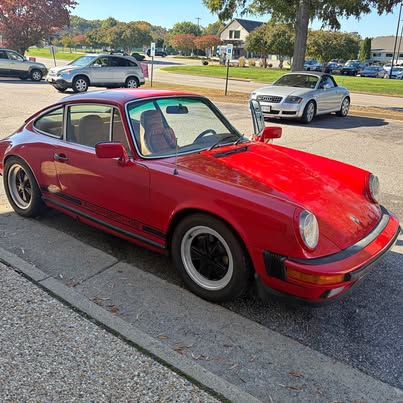
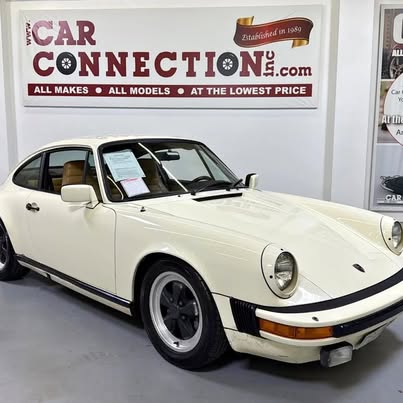
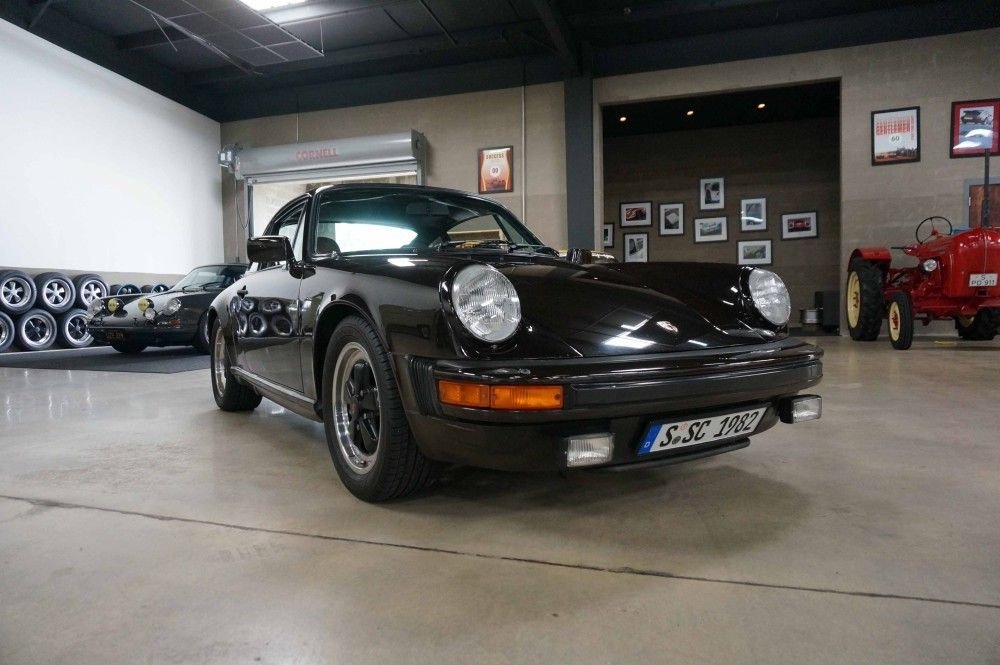
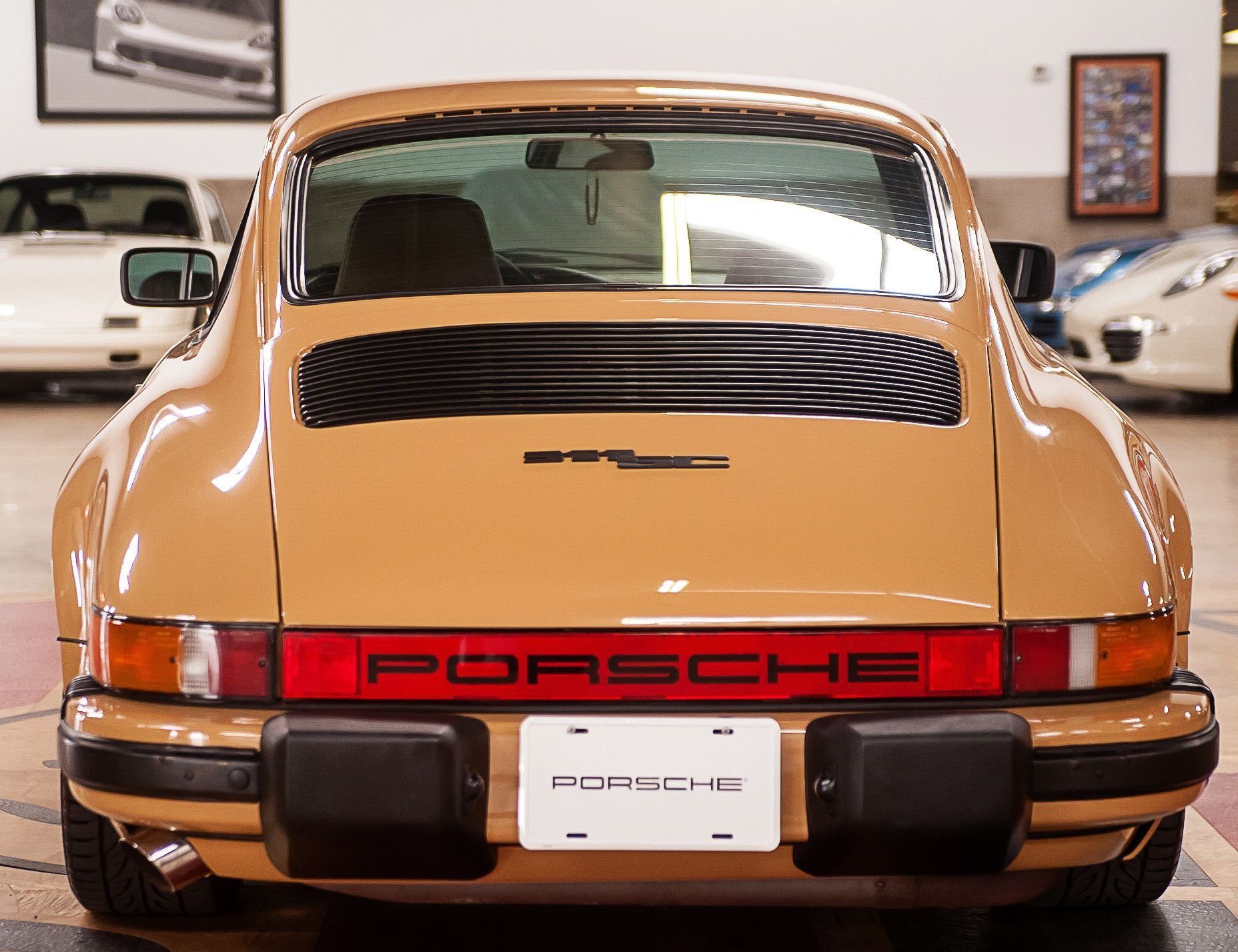
| 911 SC Coupé | 1978–1983 | 3.0 flat-six, K-Jetronic | 180–204 hp | The bulk of about 59,000 SCs | The default SC; stiffest shell, the driver's pick |
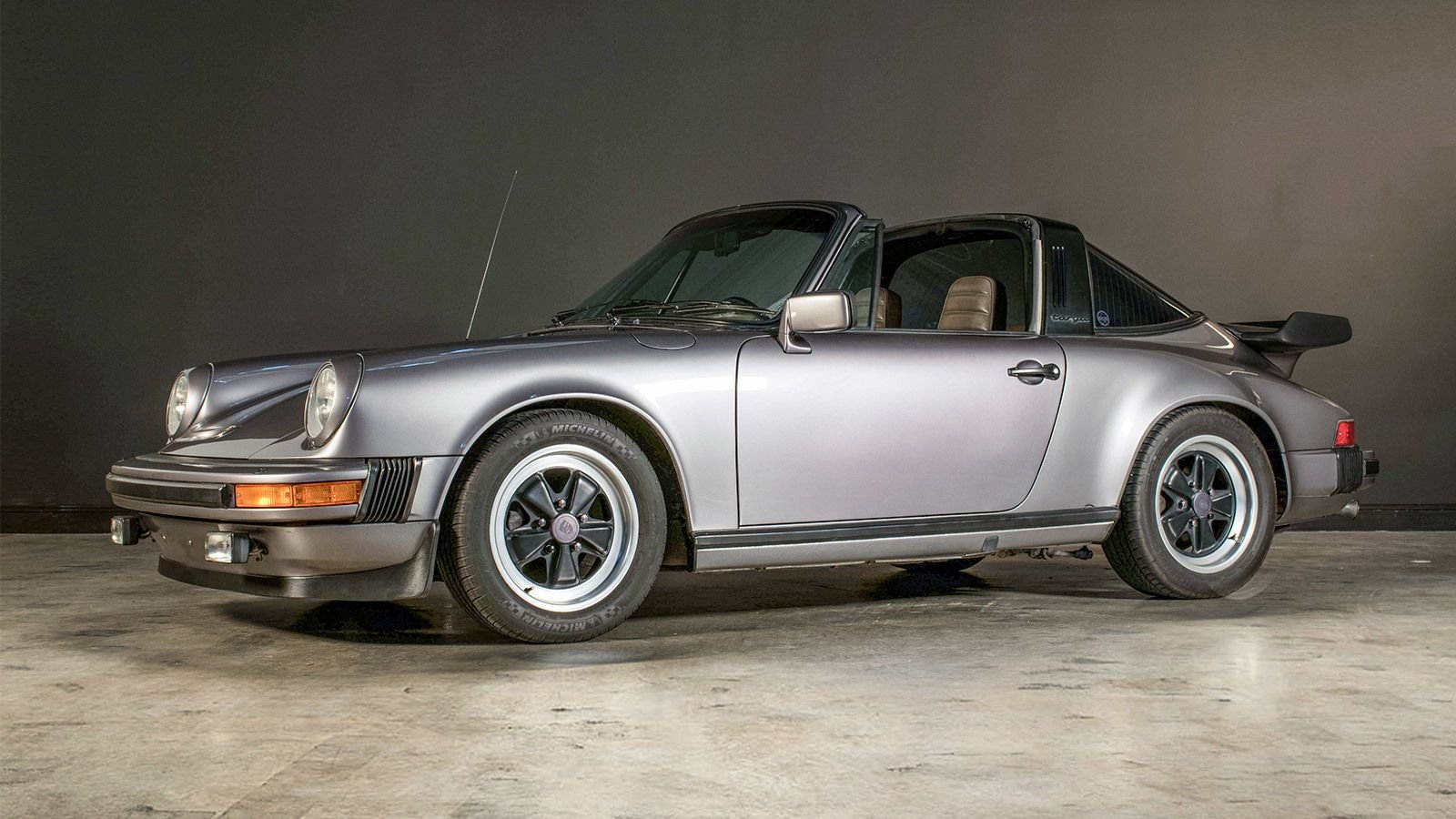
| 911 SC Targa | 1978–1983 | 3.0 flat-six, K-Jetronic | 180–204 hp | A substantial minority of production | Open-air 911 with the roll bar; check the roof seals |
| 911 SC Cabriolet | 1983 only | 3.0 flat-six, K-Jetronic | 180–204 hp | 4,096 | First 911 cabriolet since the 356; one year only |
| 911 SC Weissach Edition | 1980 (US) | 3.0 flat-six, K-Jetronic | 180 hp | 400 | US coupé special: paint, wheels and trim, no extra power |
(Outputs are period figures and vary by market and year: European cars rose from 180 hp in 1978–79 to 188 hp for 1980 and 204 hp for 1981–83, while US cars, running lower compression and emissions equipment, sat at the lower end of the range throughout. Treat any single horsepower figure a seller quotes as a question about which market and which year his car is, not as a fact about SCs in general.)
The coupé is the car most buyers end up with and the one to recommend without hesitation. It is the lightest and stiffest shell, it has no roof seals to leak and no Targa bar to whistle, and it is the version the car's reputation was built on. Everything in this guide applies to the coupé first; the open cars add checks rather than changing verdicts.
The Targa shares the coupé's mechanicals entirely and differs in the roof: a removable panel over the front seats, a fixed roll-over bar, and a large rear window — glass by this era, not the early soft window. Targas are bought for the open-air experience with a safety structure, and they deliver it, but the roof system is a set of seals, latches and a folding frame that are now more than forty years old. A Targa that leaks is not a defective car, it is an unmaintained one — the seals are available and the adjustment is documented — but price the work in, and read the interior for the water damage a leaking roof leaves behind: lifted carpet, rust at the floor edges, a musty smell that no valet removes. Targa shells also flex more than coupés, which shows up as scuttle shake on poor roads rather than as any structural danger.
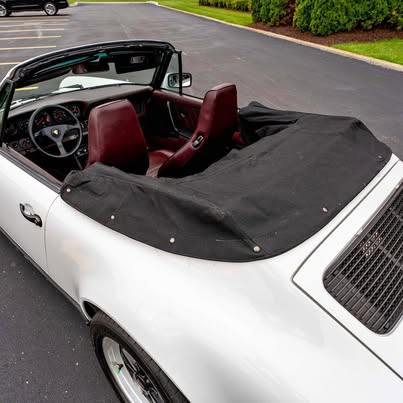
The Cabriolet exists for one year only, 1983, and that is its entire significance: Porsche had not built a full convertible 911 since the 356 era, the engineering work for the 3.2 Carrera's cabriolet was done on this car, and 4,096 were built. The hood is manually operated on most cars and the mechanism is simple; the checks are the hood fabric and rear window, the frame pivots, and — as with the Targa — the interior evidence of water. Because it is a one-year, first-of-the-line car, the Cabriolet carries a premium over an equivalent coupé that has more to do with the story than the driving. Decide whether the story is worth money to you before you pay it.
The Weissach Edition of 1980 is the special edition you will actually meet in the United States: 400 coupés, half in black metallic and half in platinum metallic, with colour-matched Fuchs wheels, a front chin spoiler and a whale-tail rear spoiler, and a burgundy-and-beige interior. It is a cosmetic package — the engine is the standard US 3.0 — so its value over a plain 1980 coupé is exactly the value of originality: the paint code, the wheels and the trim all present and correct. A Weissach missing its distinguishing parts is a 1980 coupé with a story, and should be priced as one.
Years and markets matter more than badges. The meaningful divisions inside the SC run are these. Early cars (1978–79) are the lightest and simplest, with the cleanest specification; US cars of these years carry an air pump and, in most states, no catalytic converter, and they make their power with an 8.5:1 compression ratio. From 1980, US cars gained a catalytic converter and Lambda control of the injection, and from 1981 the European engine jumped to 204 hp with a 9.8:1 compression ratio while US cars continued at a lower output — which is why a European-delivery 1982 SC is a genuinely quicker car than a US 1982, and why the market prices grey-import European cars on their merits rather than as curiosities. None of this makes one version "the one to have" in the abstract: a well-kept US car beats a tired European car every time. But when a seller claims his car is a desirable specification, the VIN and the engine type number are how you check — the engine type is stamped on the crankcase to the right of the fan, and the factory's Certificate of Authenticity or Kardex record settles original engine, gearbox and equipment for any car. Matching numbers matter in this market; verify them rather than assuming them.

Engines and gearboxes
The 3.0 flat-six: a Turbo bottom end at half the stress
The SC's engine — internal type 930, sharing its designation with the Turbo it derives from — is the heart of the car's reputation, and the derivation is literal. The crankcase is the Turbo's aluminium casting, not the magnesium case of the 2.7-litre cars that preceded it, and that one decision removed the earlier engine's worst failure mode: magnesium cases pulled their cylinder head studs out of the threads as they aged and heat-cycled, an engine-out, machine-shop repair. The aluminium case holds its studs. The crankshaft, too, comes from the Turbo programme, running in a case with larger bearings than the 2.7 ever had, and the whole bottom end was designed for the Turbo's 300-plus horsepower in 3.3 form while the SC asks it for 180 to 204. Understressed is the correct word, and it is why SC engines routinely cover 200,000 miles and more without a bottom-end rebuild when the oil has been changed.
The top end is conventional air-cooled Porsche: single overhead camshaft per bank, chain drive, two valves per cylinder, and cylinders in individual finned barrels — Nikasil-coated in most SCs, some on Alusil, a distinction that matters at rebuild time because the two want different pistons and machine work. Displacement is 2,994 cc from a 95 mm bore and 70.4 mm stroke. Output stepped up over the run: the early engines are the softest, the 1981–83 European engine — type 930/10, 9.8:1, 204 hp — is the strongest, and the US engines traded some of that for emissions compliance, with an air pump on 1978–79 cars and a catalytic converter with Lambda feedback from 1980. All share the character the figures suggest: modest power at the top end, a thick slab of torque in the middle, and a willingness to pull from 2,500 rpm the peakier earlier 911 engines never managed. In a car this light, that is plenty.
Cooling is by the engine-driven fan, and its belt and the alternator it shares a shaft with are service items, not trivia: a slipping or thrown fan belt is an overheating event in an engine with no water to boil and no temperature gauge that reads coolant, so the belt's condition and tension are part of every inspection below. The oil system is a dry sump with a tank in the right rear fender and a gauge on the dashboard that reads the tank level only at idle, on level ground, at full operating temperature — a gauge every new owner misreads once, usually by checking the level cold and overfilling, after which the engine burns the excess and smokes, and the owner concludes the rings have gone. The dipstick in the tank, read hot and idling, is the truth. Oil pressure on a healthy engine is strong — the rule of thumb is roughly 1 bar per 1,000 rpm when hot, up to the relief pressure — and an engine that cannot make pressure hot at speed is an engine with wear in the bottom end, whatever the seller says about gauges.
What wears, in the order it usually presents: valve guides, gradually, showing as oil consumption and a puff of smoke on start-up after sitting — some start-up smoke is normal on a flat engine that has stood, because oil seeps past the rings into the cylinders lying flat; smoke that continues under way is not. Timing chains stretch and their tensioners tire, covered in the problem areas because the failure is sudden rather than gradual. Head studs break — again, a problem-area subject of its own. And the engine leaks oil, from a list of known places — the oil return tubes, the camshaft housings, the thermostat and pressure-sender area at the back of the engine (the infamous "triangle of death" that drips onto the exhaust and smells far worse than it is), and the crankshaft seals — most of which are cheap in parts and expensive only in access. A completely dry air-cooled 911 engine is either freshly detailed or freshly rebuilt; a light misting is honest; drips on the exhaust are a fire risk and a negotiation point, not a lifestyle choice.
K-Jetronic: the injection that runs the car
Every SC uses Bosch K-Jetronic — CIS, continuous injection system — a mechanical-hydraulic injection system with no electronics of consequence (the later US cars add a Lambda sensor and a small control unit that trims the mixture, but the base system is mechanical). Fuel is sprayed continuously from injectors that are simple spring-loaded nozzles; metering is done by an airflow sensor plate in the intake whose movement, through a lever, positions a plunger in the fuel distributor, and system pressure does the rest. It is a system that rewards understanding and punishes guessing, and since it controls starting, idling, cruising and full power alike, most "engine problems" on an SC are K-Jetronic problems wearing a disguise.
The components that matter, and what each one's failure feels like. The warm-up regulator (control pressure regulator) sets the control pressure that leans the mixture as the engine warms; when its bi-metallic element or its heating circuit fails, the car is rich when warm or lean when cold — poor hot running and a sooty idle, or a cold engine that will not take throttle. It is testable with a pressure gauge set made for the purpose, and pressures — system pressure around 4.5–5.2 bar, control pressure varying with temperature roughly between 1 and 3.7 bar cold-to-warm — are the language the whole system speaks: a specialist diagnoses CIS with gauges, not by swapping parts. The fuel accumulator holds pressure after shutdown; when its diaphragm fails, the car starts instantly cold and cranks endlessly hot, because the fuel in the lines has vapourised — the classic SC hot-start complaint, and one of the cheapest cures in this guide. The cold-start valve and its thermo-time switch add the extra fuel for cold starts; failure means long cold cranking. The auxiliary air regulator is the fast-idle device; stuck shut, the cold engine stalls at the first junction, stuck open, the warm idle sits at 1,800 rpm and no adjustment of the idle screw will bring it down — check it before letting anyone sell you an idle "adjustment". The airflow sensor plate must sit at exactly the right rest height and move freely; a backfire can bend or displace it, which is also why the airbox matters, below. And the injectors themselves dribble and clog with age and old fuel, giving an uneven idle that a flow test identifies cylinder by cylinder.
The single most important CIS accessory is one Porsche did not fit: the pop-off valve in the airbox. A K-Jetronic backfire — a lean pop on a cold start, usually — sends a pressure wave into the plastic airbox, and the airbox, which is also a structural part of the intake and expensive to replace, can crack or blow apart. The aftermarket pop-off valve is a spring-loaded flap installed in the airbox lid that vents the pressure harmlessly. It costs little, fitting is a careful hour, and its presence on a car tells you a previous owner understood the system; its absence is not a walk-away, but fitting one is the first job on any SC you buy. The airbox itself, if cracked, gives unmetered air, a lean mixture and running problems that imitate everything else in this section — smoke-test or careful inspection finds it.
None of this should frighten you. CIS parts are largely available, the system holds a tune for years once set, and a car that starts instantly hot and cold, idles evenly and pulls cleanly has a healthy system by definition — those three observations are the test, and the inspection section builds them into the viewing in order.
The 915 gearbox, and what else turns the wheels
Every SC has the 915 five-speed manual transaxle — there was no automatic SC, and any car described as one is misdescribed. The 915 is a Porsche design with a reputation in two parts: its synchromesh, which is a deliberate, positive mechanism that rewards a measured hand and punishes being hurried, and its external linkage, whose bushes wear until the change becomes a guessing game that owners blame on the gearbox itself. The distinction is worth money. A 915 with worn linkage bushes — a kit of small plastic and bronze bushes for modest money, fitted in an afternoon — feels vague and obstructive; the same gearbox with fresh bushes and correct adjustment is precise. A 915 with worn synchromesh, by contrast, crunches into second (and first, and third) no matter how carefully you shift, barks on downchanges, and needs a rebuild: the synchro rings, sliders and dog teeth are the wear parts, and a specialist rebuild is a four-figure job priced in the problem areas. Test for the second, budget for the first, and never let a seller tell you "they all crunch" — they do not.
The gearing suits the engine: long-legged in fifth, with the torque to pull it. The clutch is cable-operated and heavy by modern standards; the original rubber-centred clutch disc is a known failure — the rubber hub tears with age and heat, leaving you with a juddering take-up and eventually no drive — and the standard fix, a spring-centred disc, has been fitted to most cars by now; ask, and feel for judder on the drive. The transaxle shares its life with the driveshafts and their CV joints, which click on lock when worn, and with the rear wheel bearings. Final drive and gearbox share one oil, and its level and condition are a viewing check: a 915 run low on oil wears its ring and pinion, and that whine is a rebuild, not an adjustment.
Suspension and steering are as the 911 had settled by the late 1970s: MacPherson struts and torsion bars at the front, semi-trailing arms and torsion bars at the rear, and unassisted rack-and-pinion steering. Ride height is set by indexing the torsion bars, and corner-weighting is a real adjustment that transforms a car that has sagged unevenly — a specialist alignment and corner-balance is among the best money you can spend on any SC. Dampers tire, bushes perish, and steering play lives more often in the track-rod ends than the rack — the "turbo tie rods" upgrade sharpens the steering noticeably. Brakes are discs all round, mostly vacuum-assisted, simple and cheap in parts; the handbrake is a drum inside the rear disc, so a weak handbrake is its own small job, not a caliper verdict.
Problem areas
The SC's problem list is short, specific and well understood, which is precisely what makes the car recommendable: there are no mysteries here, only checks. Almost everything below can be verified on a viewing or a pre-purchase inspection, and the two big-ticket items — broken head studs and failed chain tensioners — announce themselves to anyone who knows to look. Work through this section before you view a car and you will know more about its condition than most sellers do.
Head studs: the SC's signature failure
Each cylinder head is held down by steel studs screwed into the crankcase, and on the SC the lower row of studs — the ones on the exhaust side, living in the hottest, wettest environment under the engine — were made from Dilavar, a high-expansion alloy steel chosen so the studs would grow with the aluminium cylinders as they heated. The material choice worked thermally and failed chemically: Dilavar studs corrode, the corrosion pits the surface, and a pitted stud eventually snaps, usually at the case end, usually silently. A snapped stud lets the head lift microscopically under combustion pressure. The early symptoms are subtle — a faint chuffing or ticking from one cylinder on a cold start, an oil weep at the base of one barrel, a slight loss of compression — and the late symptom is a head joint that has been leaking long enough to erode the sealing surfaces, at which point a top-end job becomes a machining job.
Understand what this is and is not. It is not the magnesium-case pulled-stud disaster of the 2.7 cars: the SC's studs break rather than pull, the case threads survive, and the repair — while expensive — is defined and finite. It is also not universal: many SCs are still on their original studs at forty years old, and plenty have had the job done already, which is why the paperwork question "have the head studs been replaced, and with what?" is one of the most valuable questions in this guide. The accepted replacement is a quality steel stud — several specialists supply them — fitted as a full set while the engine is apart. The cost is not the studs; it is the labour of a top-end rebuild to reach them, realistically a job in the region of $8,000–15,000 done properly with the machining, gaskets and "while you're in there" work the job always gathers, and more if the engine is tired enough to justify going further. That figure is why a documented stud replacement is worth a real premium, and why an undiagnosed car must be checked before money moves.
The check itself is definitive and belongs on any pre-purchase inspection: the lower valve covers come off, and each lower head nut is checked for torque and each stud for integrity — a broken stud reveals itself as a nut that turns with the stud, or a stud end found lying in the valve cover, which happens often enough that experienced inspectors look for it first. A compression test and, better, a leakdown test complete the picture: a cylinder leaking past the head joint on leakdown, heard at the barrel base, is a stud problem until proved otherwise. Do not accept a seller's "the studs are fine" without one of these two evidences. Do not walk away from a car with a broken stud either, if the price reflects the repair — walk away from a car where the seller denies the possibility and refuses the check.
Timing chain tensioners: the sudden failure
The two camshaft chains are kept taut by hydraulic-mechanical tensioners fed with engine oil pressure, and the original SC tensioners can fail — the internal spring and plunger arrangement collapses — at which point the chain runs slack. A slack chain rattles, unmistakably, a harsh mechanical clatter from the chain housings at the back of the engine, worst at start-up and idle. Left running, a slack chain can jump a tooth, and jumped timing on an interference engine means valves meeting pistons and a bill that dwarfs everything else in this guide. This is the one SC failure that is sudden, and the one with a universally accepted prevention: the pressure-fed tensioner kit from the 3.2 Carrera, which replaces the sealed units with tensioners fed by a dedicated oil line from the camshaft oil feed. The kit is a known quantity — parts and fitting in the region of $1,200–2,500 at a specialist — and it has been fitted to a large proportion of surviving SCs.
So the viewing drill is simple. Ask whether the Carrera tensioner update is fitted, and verify it visually: the updated tensioners have an external oil feed line running to the chain housing covers, a small pipe you can see and photograph, while original tensioners have plain covers with no feed. A car with the update and a receipt has had its most dangerous failure designed out. A car without it is not a bad car — it is a car with a known, priced job outstanding, and the job goes in the offer. And on any test drive, treat a chain rattle as a stop-the-engine event: if you hear it, the viewing is over until the cause is known, because the difference between a tensioner and a rebuild is measured in seconds of running. While the chain housings are in mind: chains themselves stretch and the plastic ramps that guide them wear, both addressed when the engine is apart for studs, and a full top-end invoice that lists tensioners, ramps and studs together is the single most reassuring document an SC can carry.
Rust: the galvanised body, and where it still goes
Porsche began galvanising the 911 shell in the early 1970s and made the whole body from zinc-coated steel from 1976, so the SC is the first 911 you can buy without rust as the default assumption. That statement is true and insufficient. Galvanising delays corrosion enormously; it does not repeal it, and an SC is now more than forty years old. Where the zinc layer is damaged, where water and mud sit undisturbed, and where later repairs used uncoated steel, these cars rust in a known set of places — and because the market believes SCs do not rust, sellers photograph them less forensically than earlier cars and buyers look less hard. Look hard.
Work through the map in this order. The front suspension pan and battery area. The battery sits in the front trunk, and acid, spilled and vented over decades, attacks the pan beneath it; the front suspension mounts to the same structure. Lift the battery and the trunk carpet and look — perforation here is structural, and a proper repair is a panel replacement in the region of $1,500–3,500 fitted and painted, more if the suspension pickups are involved. The kidney bowls and rear inner wings. Behind the rear wheels, ahead of the engine, the inner-wing "kidney bowl" sections trap mud thrown up by the tyres and rot from inside; they are hard to see without a torch and a mirror, which is why they survive neglected — prod them from inside the engine bay's rear corners and from under the car. The door jambs and B-post area, around the door striker, where water runs down inside the post; bubbling at the base of the B-post or around the latch is a known SC tell. The jack points and sill ends, where the factory jack and road grit do their work; the sills themselves are usually sound, the ends are not. The windshield and rear window surrounds, where perished seals let water sit against the flange — lift a corner of the seal if the seller allows, and treat rust staining below the corners of either screen as evidence. The headlamp bowls in the front wings, which hold water and mud behind the lamp. The front trunk floor and the fuel tank's underside, and the tank itself, which rusts from the inside with old fuel and condensation. And on Targas and Cabriolets, the floors, which carry the evidence of every year the roof seals leaked.
The test discipline is the same as on any old car — magnet, torch, prod with permission, and a lift if the car passes the first look — but calibrate your verdicts to the galvanising: surface blemishes and localised bubbles on an SC are usually local, and the shell that looks sound usually is. What you are hunting is the exception: the car whose one rotten kidney bowl or front pan turns a cosmetic purchase into a welding project. Rust repair on these cars is skilled work on coated steel, and it is priced accordingly; the good news is that you are normally pricing one area, not a shell.
Running gear: gearbox, clutch and the honest wear items
The 915's wear pattern was introduced above; here is the buyer's version. Synchromesh wear shows first on second gear — the change most often hurried — as a crunch that technique cannot avoid, then on first when engaging from rest, then on third. Distinguish it from linkage wear with one observation: linkage wear gives a vague, wandering gate with all gears equally hard to find; synchro wear gives a precise gate and a crunch on specific gears. The first is a bush kit and adjustment, a few hundred dollars in parts and an afternoon. The second is a gearbox rebuild, realistically $4,000–7,500 at a specialist depending on how many sliders, dog teeth and bearings it needs — and while the gearbox is out, the clutch is inspected, because the labour overlaps. The rubber-centred clutch disc, if still fitted, fails by tearing its hub; the symptoms are judder and a rattling at idle that stops with the clutch pressed, and the replacement spring-centred disc is the permanent cure, a clutch job running roughly $1,800–3,000 fitted with the engine and gearbox removed together, as they are on a 911. Rear CV joints click under load on lock when worn; front wheel bearings rumble; both are ordinary, priced jobs. Dampers tire and bushes perish on a forty-year-old car regardless of mileage — a full suspension refresh with bushes, dampers and a proper alignment and corner-weight is a $2,500–5,000 programme that transforms the car, and a car that has had it recently, with invoices, drives noticeably better than one that has not. Judge the car you are shown against that standard, and budget the difference.
Interior, trim and electrics
The SC cabin is durable vinyl, leather where specified, and carpet, all of it simpler than the later cars' and all of it available — at a price. The seats are the big item: the foam and the horsehair-substitute padding collapse with age, the vinyl cracks at the bolsters, leather dries and splits, and a professional retrim of a pair of seats runs into four figures per seat in leather, with the correct materials costing more than generic ones. Sport seats, where fitted, are desirable and worth verifying as original. The dashboard top cracks in the sun on US cars that lived in hot states — look at the beige and white cars in southern listings with this in mind — and a correct replacement dash is expensive; a cracked dash covered by a carpet mat is a price conversation. Door cards warp with water, headlinings sag, and the Targa roof itself is a retrim item: a tired Targa top recovered properly costs real money, so judge the one on the car, not the idea of one.
Electrics are the SC's friendliest system: simple wiring, and a fuse board in the front trunk whose ceramic fuses corrode at their contacts — a dead circuit on an SC is a cleaned fuse contact more often than a failed component. The alternator, starter and CDI ignition are all known quantities. The heating system deserves its own sentence: heat exchangers around the exhaust feed warm air through flapper boxes controlled by levers between the seats, and when the exchangers rust through, exhaust can enter the cabin air — a car that smells of exhaust with the heat on has a safety fault, not a quirk, and exchangers are a $1,000–2,500 pair fitted depending on type. Test the heat on every viewing, whatever the weather. Air conditioning, fitted to many US cars, was marginal when new and is usually inoperative now; treat working air as a bonus and never pay a premium for the badge on the console.
How to inspect one
Allow two hours for a private viewing and budget for a specialist pre-purchase inspection on a lift before money changes hands — on an SC the PPI is not a formality, because the two decisive checks (head studs and the underside) cannot be done properly in a driveway. Bring a torch, a magnet in a cloth, a tyre gauge, and this list. Insist on a cold engine when you arrive; a warmed-up car hides the cold-start behaviour that tells you the most.
- Paperwork and identity first. Match the VIN on the title to the stamping in the front trunk and the door-jamb sticker. Read the engine type number on the crankcase to the right of the fan and check it is a 930-series SC engine of the right market and year for the car. Ask for the Certificate of Authenticity or Kardex details, the service book, and invoices — and ask the two priced questions directly: have the head studs been replaced, and is the Carrera chain-tensioner update fitted? The answers, with paper, move the value of the car by thousands in either direction.
- Cold start. From fully cold, the car should start promptly, settle to a fast idle, and step down as it warms. Long cranking cold points at the cold-start circuit or fuel pressure; a lean pop or backfire on start points at mixture and the airbox — and reminds you to ask whether a pop-off valve is fitted, as the engines section describes.
- Hot restart. Drive or run the car to full temperature, switch off, wait ten minutes, and restart. Endless hot cranking is the fuel accumulator or residual-pressure fault from the engines section — cheap parts, but let the seller's car demonstrate it before you own it.
- Listen at the back. At idle, warm, walk around the engine. A harsh rattle from the chain housings is the tensioner warning from the problem areas — stop the inspection and the engine until it is explained. A faint chuffing or ticking at one cylinder, worst cold, is the head-stud tell; note which side, and let the PPI confirm it.
- Oil, read correctly. With the engine hot and idling on level ground, check the dipstick in the oil tank — never cold, never switched off. Read the pressure gauge at speed on the drive: roughly 1 bar per 1,000 rpm hot is the healthy pattern. Then look under the engine for leaks, and specifically for drips reaching the heat exchangers, which turn a weep into a smell and a fire risk.
- The stud check (PPI). Have the inspector remove the lower valve covers and check every lower head stud for integrity and torque, and run a leakdown test. This is the check the head-stud section exists to demand: it converts the car's biggest unknown into a fact, and it is the difference between buying an SC and buying an SC plus a top-end rebuild.
- Underneath on the lift. Work the rust map from the problem areas in order: front pan and battery area (lift the battery in the trunk above it too), kidney bowls, B-post bases and door jambs, jack points and sill ends, window surrounds, headlamp bowls, trunk floor and tank. Prod with permission. A fresh, uniform coat of underseal over everything is a question, not an answer.
- Gearbox, tested properly. Drive every gear. Note whether the gate is vague (linkage bushes — cheap) or specific gears crunch (synchromesh — a rebuild, priced in the problem areas). Try a measured downchange into second and into first at low speed. "They all do that" is not an acceptable verdict; a good 915 does not crunch.
- Clutch and take-up. Feel for judder pulling away (the rubber-centred disc announcing itself), check the bite point, and listen for a rattle at idle that stops when the pedal goes down. Budget the clutch with the gearbox if either is tired — the labour is shared.
- The full drive. Twenty minutes minimum, including a fast road. The car should pull cleanly from 2,500 rpm, cruise without hunting or surging (CIS mixture faults), and stop straight and hard — the brakes are simple and strong, so pulling or judder is a fault to price, not a characteristic. Note oil pressure and temperature behaviour throughout.
- Heat, on, in summer too. Run the heater fully hot and smell the air: exhaust smell means heat-exchanger trouble, a safety item from the problem areas. Work the flapper levers or the automatic control, the fresh-air blower, and every electrical consumer — windows, wipers, washers, lights, indicators, horn. Dead circuits start at the fuse board contacts.
- Roof and interior, last. On a Targa, remove and refit the roof, check the seals and latches, and read the carpets for water history; on a Cabriolet, run the hood through its travel. Sit in both seats and feel for collapsed padding. Check the dash top for cracks and the door cards for warp. A sound original interior is the hardest part of an SC to recreate, so weight it as the problem areas advise.
- Stance and shut lines. Stand back and look down each flank: even ride height (torsion bars settle unevenly, and correction is an alignment-shop job, not a spring purchase), straight panels, consistent gaps. On a galvanised car, ripples and misfit mean accident history, and the magnet over the wings and door bottoms tells you how much of the panel is still steel.
Values
The SC market is the most liquid of the air-cooled 911 markets, and liquidity is your friend: these cars trade constantly, at dealers, at auction and privately, so the market's verdict on any individual car is discoverable in a way it never is for rare models. Read the computed market block beneath this guide — the current listings and recorded sales for the model — with the following in mind, because with the SC the spread within the model is wider than the spread between most models.
Condition is the first driver, and it is mechanical condition more than cosmetic. The SC's value structure is unusual in that the two documented mechanical jobs — head studs and chain tensioners — function almost as a currency: a car with both done, with invoices, sells to the whole market including the cautious buyers, while an undocumented car sells only to optimists, and the price gap between the two is roughly the cost of the work plus a risk premium. A car with a recent top-end rebuild, a gearbox invoice and a suspension refresh is not "the same car but dearer"; it is a different proposition, and the market prices it as one. Conversely, the cheapest SCs on sale are cheap for one of a short list of reasons — studs unknown, tensioners original, gearbox crunching, a tired interior, or a story in the paperwork — and the discount rarely covers the cure with anything left over for your trouble.
Body style and year move the price next. The Cabriolet carries its one-year, first-of-the-line premium; the Targa generally trades at a small discount to an equivalent coupé, which makes it the value route to an SC if you want open air; and within the coupés, the market pays for the ends of the run — the light, simple early cars and the final-year cars — and for European-delivery examples of the 204 hp years, whose extra power is real and verifiable from the engine type number. Special editions follow the rule given in the models section: a Weissach is worth its premium only complete and correct. Colour matters at the margins — the period browns, beiges and whites that fill our own small current sample (two white cars and a beige among the five listed as this guide is written) trade on condition, while the always-fashionable colours find buyers faster — but no colour rescues a car with the wrong mechanical paperwork.
Asking prices and achieved prices diverge in the usual way, with one SC-specific twist: because the inspection points are so well defined, informed buyers negotiate from the PPI, and sellers of genuinely sorted cars know it and hold their prices. Expect the negotiation on an undocumented car to be conducted in the language of this guide — studs, tensioners, synchromesh — and a car that passes a PPI cleanly to sell close to its asking figure, because the next buyer will pay it. The project-versus-driver gap is correspondingly honest: a project car is priced as a shell, an engine of unknown stud condition and a gearbox of unknown synchromesh, which is to say at a discount deep enough to make strong men check the numbers twice. Cross-shopping, the market compares the SC with the 3.2 Carrera above it and the mid-1970s 2.7 cars below: it sits between them in price as in development, and it is the only one of the three whose engine bottom end nobody worries about.
Parts and ownership
The SC is one of the best-supported classic cars in existence. Porsche built the G-series in huge numbers, the factory's Classic division supplies a wide and growing range of parts for it, the car shares its architecture with the 3.2 Carrera that followed, and the specialist ecosystem — engine builders, gearbox specialists, CIS experts, trimmers working in the correct materials — is deep on both sides of the Atlantic. There is no SC part you cannot find; there are only parts whose price makes you sit down.
Easy and reasonable: service items, filters, brake discs, pads and calipers, dampers, suspension bushes, ignition service parts, clutch kits, CV joints, wheel bearings, window and door seals, Targa and Cabriolet weatherstripping, and the CIS service parts — accumulators, filters, warm-up regulators rebuilt or exchanged. Most of it is order-today, fit-this-week, at prices a modern car would not embarrass.
Dear or specialist: engine work is the headline — a top-end rebuild in the region of $8,000–15,000 as the problem areas describe, a full rebuild well beyond that, and gearbox rebuilds at $4,000–7,500 — not because parts are unavailable but because the labour is skilled and the "while it's apart" list is long. Correct interior materials, sport-seat retrims and dashboard tops are expensive. Heat exchangers vary enormously by type. A quality repaint on a galvanised shell starts where quality repaints start everywhere, in five figures for a proper job — which is why, as with every car in this programme, you buy the body and the paperwork and fix the mechanics, not the other way round.
Running an SC is a realistic proposition in a way running many classics is not. The cars were built as daily transport and remain so: fuel consumption in the low-to-mid twenties on a run, a 3,000–5,000-mile service rhythm with valve clearances checked as part of it, and an annual budget that — once the deferred-maintenance mountain is climbed — settles to ordinary classic-car money. The first year is the expensive one, as it is with every old car: catching up a neglected SC honestly costs several thousand before you improve anything, and a car that has sat for years needs its fuel system cleaned end to end (modern fuel attacks old rubber and leaves varnish in tanks and distributors), its brakes gone through, and every fluid and belt renewed. The owner's disciplines are few and specific: keep the fan belt sound, check the oil hot at idle as the engines section teaches, use the car regularly — CIS and air-cooled engines alike deteriorate standing still — and keep the paperwork, because on an SC the file is quite literally money. Insurance and club support are straightforward, the knowledge base (factory manuals, the specialist press, thirty years of forum archaeology) is unmatched, and a competent independent Porsche specialist is findable in any major city — which cannot be said for most of the SC's contemporaries.
Which one to buy
- The all-rounder: SC Coupé, any year, documented. The default purchase and the right answer for most people: the stiffest shell, no roof complications, and the deepest market to buy from and sell into. A mid-run car with studs and tensioners done is the sweet spot of the whole range.
- The driver's pick: 1981–83 European-delivery coupé. The 204 hp engine in the fully developed shell, verifiable from the engine type number. You will pay for it; it is worth paying for, once, in a car whose paperwork supports the claim.
- The value buy: SC Targa. The same mechanicals at a small discount to the coupé, with open air included. Buy it on seals and interior dryness, and it is the cheapest honest route into an air-cooled 911 that needs nothing structural.
- The collector's car: 1983 SC Cabriolet. One year only, the first 911 cabriolet of the modern era, and a premium that buys the story. Complete, original cars only — the premium evaporates with incorrect parts.
- The period charmer: 1978–79 coupé. The lightest, simplest SCs, with the early specification and the least equipment. Charm is not a substitute for the stud and tensioner checks; an early car with both done is a delight, and one without is a project with good stories.
- The special edition, conditionally: Weissach Edition. Worth its premium only with the paint, wheels, spoilers and trim all present and provably original. Otherwise it is a 1980 US coupé, and should be bought as one — which is no insult.
And the rule that overrides all of the above: buy the car with the paperwork — head studs done, tensioners updated, gearbox quiet — in the body style you can live with. On an SC, condition is not a matter of shine; it is a matter of three specific, checkable, expensive jobs, and the car that has had them done is worth more than any year, colour or edition badge. The cheap SC with those bills outstanding is the most expensive car in this guide.
See the 29 G Series/930 911 Cabriolet cars currently listed.
For sale now
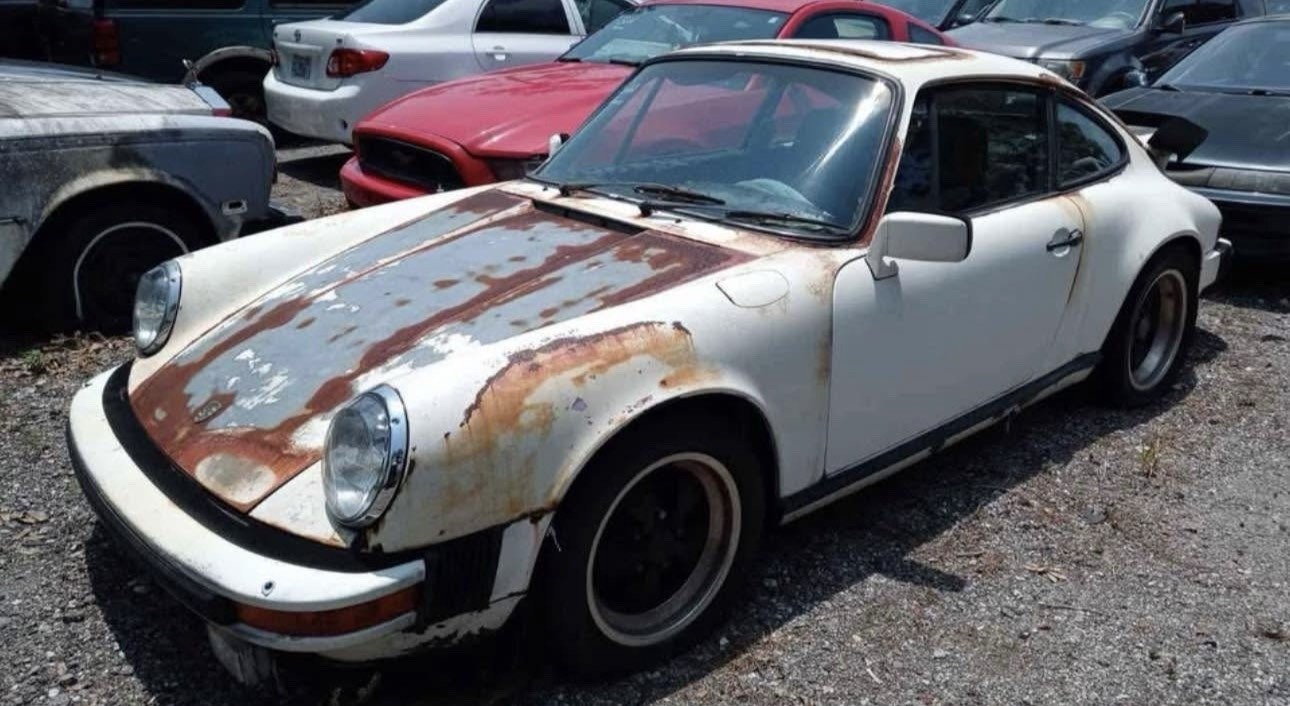 $45,000
Expand
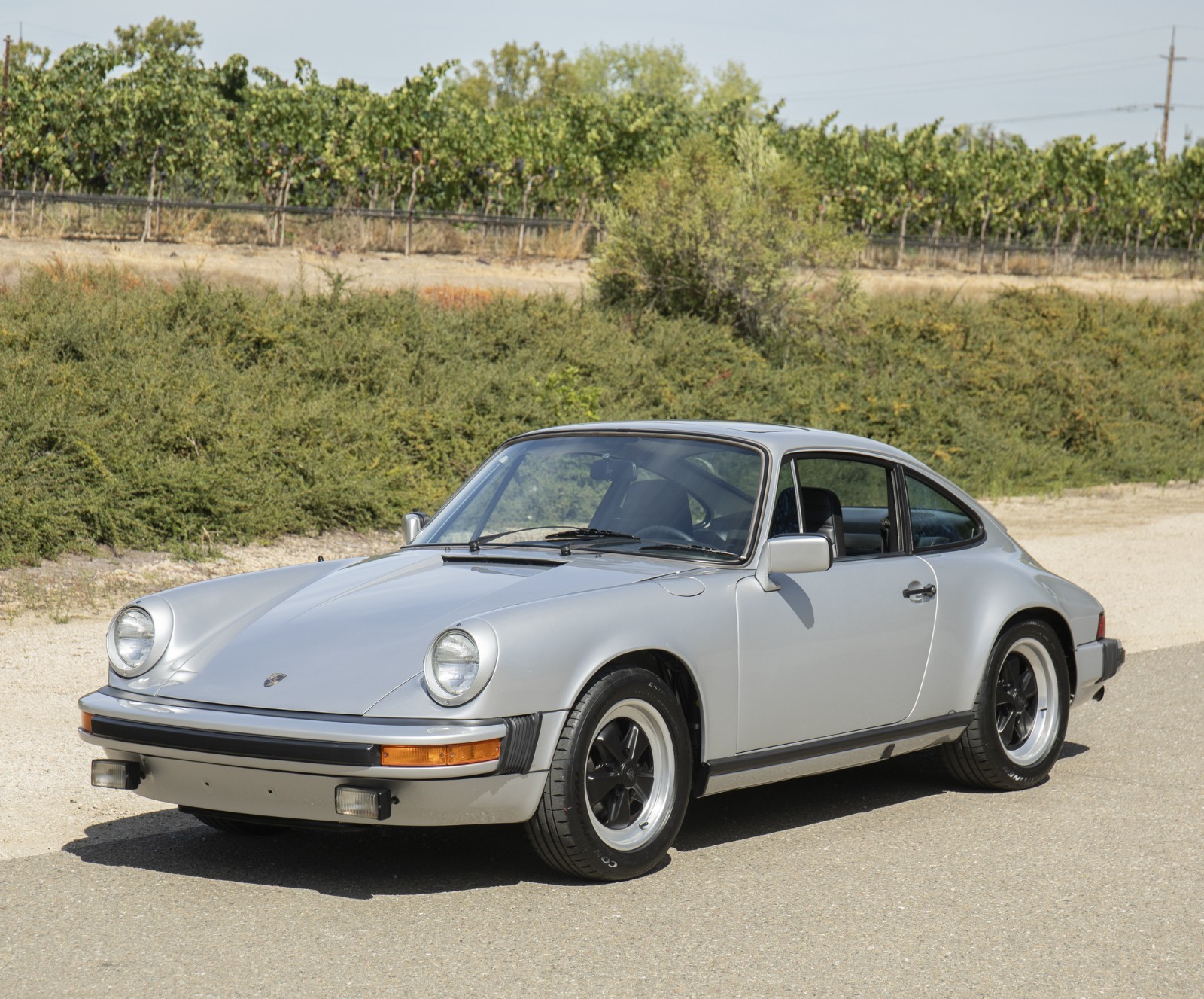 $115,995
Expand
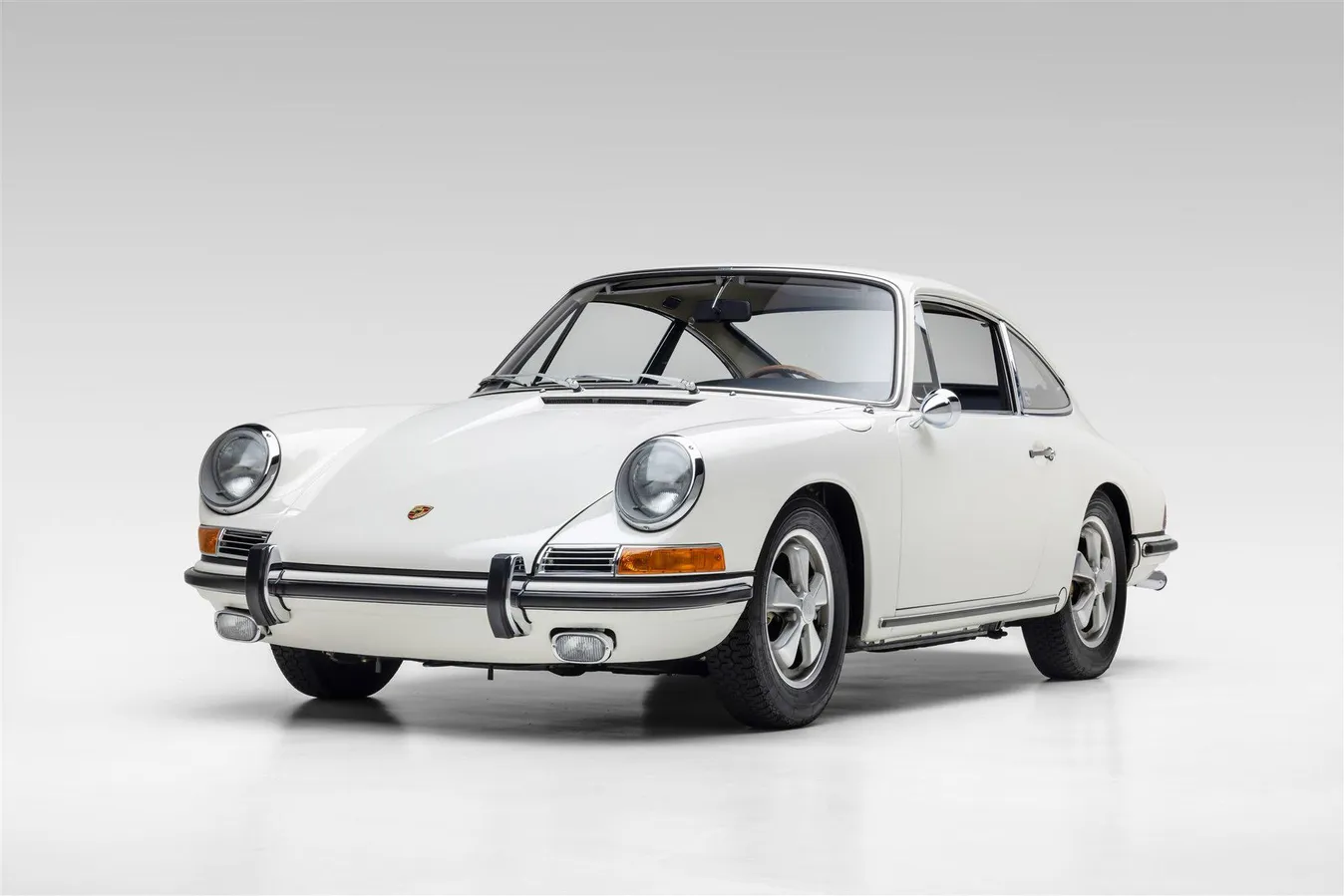 $21,250
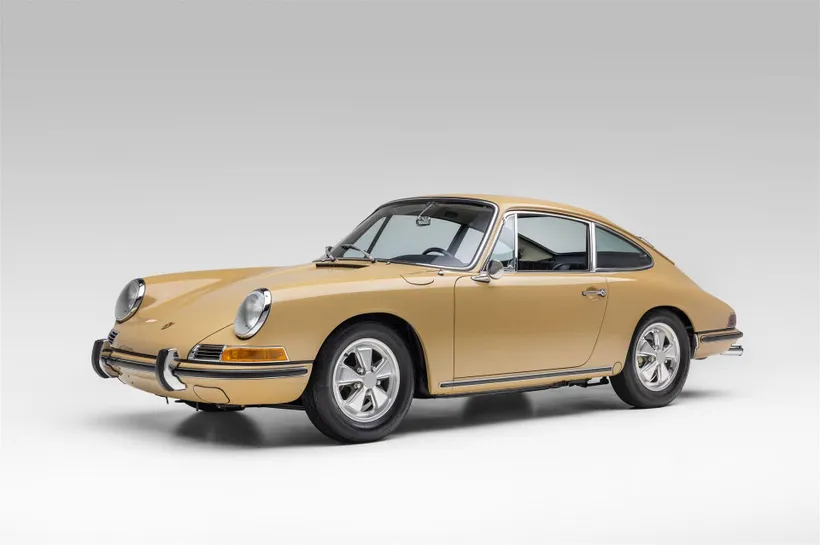 $21,250
Expand
Expand
Expand
What they sell for: G Series/930 911 Cabriolet sale prices.