
Porsche 912 buyer's guide
Porsche 912 -- the model's own buyer's guide: variants, values and what to check.
Years listed: 1965-1975 · Series: 912
Overview and history
You buy a Porsche 912 for balance, not for bragging rights. The car gives you the early 911 shell, interior and body-and-trim running costs, but replaces the six-cylinder engine with a lighter four that changes how the car steers, sounds and costs to repair. Every disappointment with a 912 comes from expecting a cheap 911; every good ownership story comes from wanting exactly what it is — a light, simple, beautifully balanced Porsche that rewards momentum.
Porsche introduces the 912 in April 1965, a few months after the 911, to solve a commercial problem. The 356 is ending production and the new 911 costs far more than the 356 ever did, so Porsche needs an entry-level car to keep 356 buyers in the family, especially in the United States, already its most important export market. The solution: take the 911 body and chassis, fit the final development of the 356 engine, price the result between the outgoing 356 and the 911, and call it the 912.
The engine is the known quantity: the 1.6-litre Type 616 flat-four from the 356C and 356SC, detuned slightly for its new home. Everything around it is new — monocoque shell, MacPherson-strut front suspension, semi-trailing-arm rear suspension, rack-and-pinion steering and four-wheel disc brakes. A 912 is not a 356 in a new dress; it is a thoroughly modern car for 1965, and it drives like one.
In its first years the 912 outsells the 911 and becomes the volume Porsche in the United States. That matters to you now: Porsche builds just over 32,000 across the 1965 to 1969 run, so you have a real choice and a deep market — but because the 912 starts life as the cheaper car, a large share live harder lives than contemporary 911s, maintained to a budget and restored later, if at all. Mediocre cars are common; genuinely good ones take hunting.
Production runs in two phases. The short-wheelbase cars, 1965 to 1968, share the 2,211 mm wheelbase of the early 911. For 1969 Porsche lengthens it to 2,268 mm by moving the rear wheels back in longer trailing arms — the shell does not grow — and the 912 gains flared rear arches. Collectors call the early cars SWB and the 1969 cars LWB; the longer wheelbase calms the car at the limit and slightly softens turn-in, but condition separates individual cars far more than wheelbase does. The Targa arrives for 1967 with the 911's roll-bar roof system and, on the earliest cars, a soft plastic rear window, replaced during 1968 by a fixed glass window most surviving cars have. The 912 leaves the range at the end of 1969, replaced in spirit by the mid-engined 914.
It is not quite the end. For 1976 only, and for North America only, Porsche revives the concept as the 912E: the impact-bumper G-series 911 shell fitted with a 2.0-litre fuel-injected flat-four derived from the Volkswagen Type 4 engine — a one-year stopgap below the 911 while the 924 is not yet ready for America, built in just 2,099 examples. The 912E shares a name and a concept with the 912 and almost nothing else. Treat it as a separate model that happens to share a badge. A 1976 car is never a late 912; a 1968 car is never an early 912E. Parts, values and buying checks differ, and this guide keeps them separate throughout.
Two myths need correcting, because both distort prices. The first says the 912 is a Volkswagen in a Porsche suit. It is not: the 1965–1969 engine is a Porsche design developed through the 356 programme, sharing a distant ancestor with the Volkswagen flat-four and almost no interchangeable substance with a contemporary Beetle engine. The 912E engine genuinely does come from the Volkswagen Type 4 programme — a different engine in a different car — and projecting its origins backwards onto the 616 is simply wrong. The second myth says the 912 handles better than the 911, full stop. The truth is narrower: the four weighs substantially less than the six, so a 912 turns in more cleanly and feels more neutral at road speeds; on fast, open roads the 911's power answers in ways the 912 cannot. Buy for the use you actually have.
A note on the cars listed here. The pool behind this guide is small — six cars tracked at the time of writing, five offered for sale and one recorded sold, all 1965–1969 cars, with 1968 the most common year — so treat any pattern in it with suspicion. This guide uses those listings as examples of how cars present, not as statistics.
The models
You shop for a 912 by answering three questions in order: which generation (short-wheelbase 1965–1968, long-wheelbase 1969, or the separate 912E of 1976), which body (coupé or Targa), and which specification — gearbox, original or replacement engine, US or European delivery, and the state of trim that is cheap to ignore in an advert and expensive to put right in your garage.
The early cars, 1965 and 1966, are the purest expression of the idea and the most demanding to own well: simpler trim, green-faced instruments (fitted through 1967) and a lightness of specification that suits the car. Factory record-keeping around the 1965 transition from 356 production is the least tidy of the run, so if you buy an early car you buy the paperwork as much as the metal: a Certificate of Authenticity or Kardex copy matching chassis, engine and gearbox numbers is worth real money, because the market pays for proof.
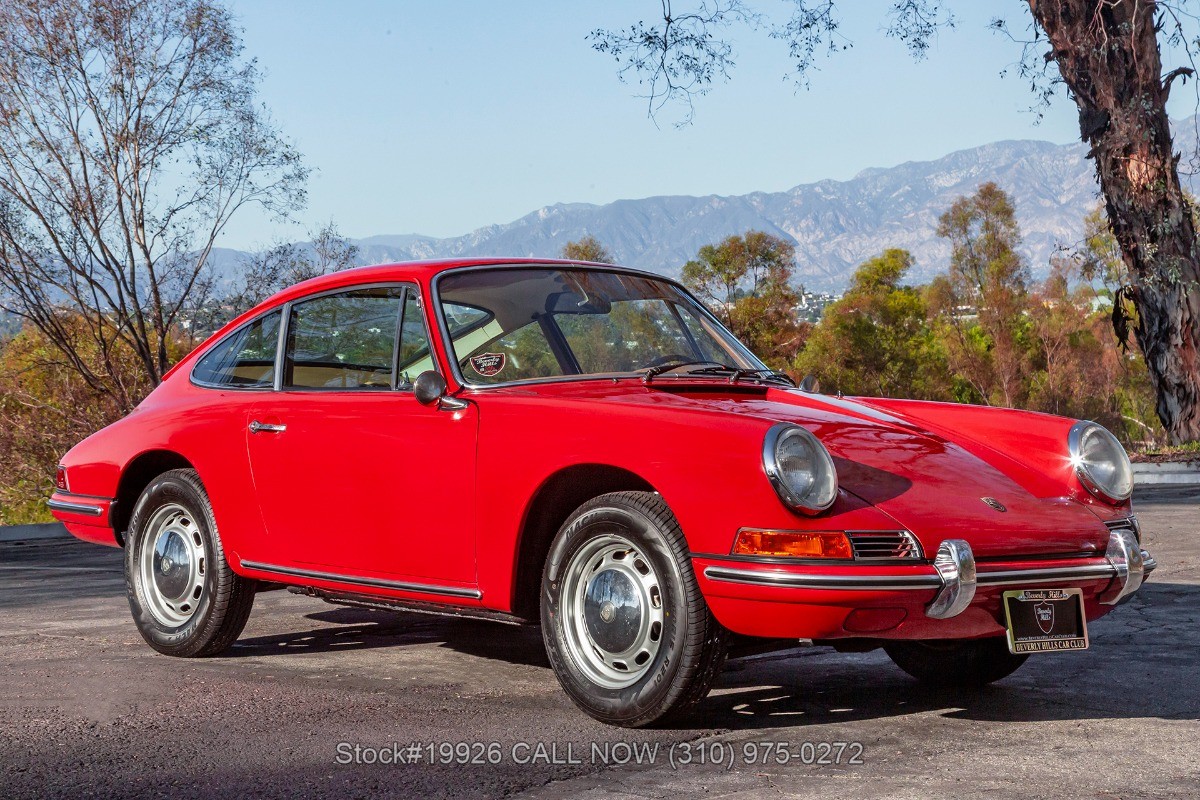
For 1967 the range settles: the Targa joins the coupé and specification improves in step with the 911. The car you are most likely to find in good order today is a 1967 or 1968 coupé — developed specification, short-wheelbase character, and the years of largest 912 sales. The 1968 year brings US-specific changes (emissions equipment, revised handles and trim, side markers), so American and European cars differ more than the badge suggests. Neither is preferable as a rule: a European car usually carries less emissions hardware, a US car the fuller history. Judge the individual car.
The 1969 long-wheelbase cars close the original run: longer trailing arms, the small rear-arch flares that identify a 1969 car from across a car park, and the most developed specification of the model. Built for one year only, they are less numerous than the 1967–1968 cars, and a sound 1969 coupé is arguably the easiest 912 to live with — same parts situation as any other year, calmest handling of the run.
The 912E stands apart, and you evaluate it on its own terms. It wears the impact-bumper G-series shell, and under the rear lid sits the 2.0-litre Type 923 flat-four with Bosch L-Jetronic injection — an engine with Volkswagen Type 4 architecture, also supplied in related form for the 914 2.0. It comes only as a coupé and only for North America, most with the emissions equipment and thermal reactors American rules of 1976 demand. It is rarer than any single year of the original 912, quieter, torquier and more modern in feel, and it shares body and trim parts with the mid-1970s 911, not the 1960s 912. Decide which car you want before you cross-shop the badge.
Trim needs a word of its own, because adverts describe it loosely. Porsche sells the 912 with a simpler specification than the 911: a three-gauge cluster on early cars where the 911 has five, plainer seat materials and a shorter options list. Over fifty years owners swap interiors between cars, so the interior in front of you is evidence about previous owners, not proof of factory specification. Wheels likewise: most cars leave the factory on steel, with chromed steel and Fuchs alloys as options or retrofits, and a car on Fuchs is not a higher-specification car — just a car whose wheels someone chose. Price the car on shell, engine and records.
One variant does not exist, and you need to know that before a seller invents it: Porsche never builds a 912S, a 912 Carrera or any factory performance version. The engine stays at one output for the whole 1965–1969 run, so any badge claiming a special variant describes an owner's modifications, priced as a modified standard car. There is likewise no factory 912 cabriolet. Open cars are Targas; a full convertible is a conversion, whoever performed it.
| Model | Years | Engine | Output | Built | Character |
|---|---|---|---|---|---|
| 912 coupé (SWB) | 1965–1968 | 1.6-litre Type 616 flat-four | 90 hp (DIN) | The bulk of ~32,000 total 912 production; coupés far outnumber Targas | The original formula: lightest, simplest, green-gauge early cars to developed 1968 specification |
| 912 Targa (SWB) | 1967–1968 | 1.6-litre Type 616 flat-four | 90 hp (DIN) | A minority of production; a few thousand across the whole run | Open-air driving with roll-bar structure; early soft-window cars rarest, glass-window cars more usable |
| 912 coupé (LWB) | 1969 | 1.6-litre Type 616 flat-four | 90 hp (DIN) | One model year only; smaller numbers than 1967–1968 | The final development: longer wheelbase, flared rear arches, calmest handling of the original run |
| 912 Targa (LWB) | 1969 | 1.6-litre Type 616 flat-four | 90 hp (DIN) | One model year only; scarce | Rarest regular-production original 912 body-and-year combination; check Targa seals and structure with extra care |
| 912E coupé | 1976 | 2.0-litre Type 923 flat-four, L-Jetronic injection | 86 hp (SAE net) | 2,099 | A separate model sharing the name: G-series shell, torquey injected four, North America only |
Read the production column honestly. Porsche's totals are well established in aggregate — just over 32,000 cars for 1965–1969 and exactly 2,099 for the 912E — but the split between coupé and Targa and between years is recorded inconsistently across sources, and any seller quoting a suspiciously precise rarity figure for a mainstream 1967 coupé is decorating, not informing. The genuinely scarce combinations are the 1969 Targa and the early soft-window Targa. Everything else is a production car built in thousands: condition and originality set the value, not manufactured rarity.
Engine originality decides value more than any option. A matching-numbers car, verifiable against a Certificate of Authenticity or Kardex copy, carries a premium that grows as the cars age, because so many engines were swapped or replaced with 356 or industrial units when the cars were cheap. A non-matching engine does not make a car bad; it makes it cheaper, and it must be priced as cheaper. The trap runs the other way too: restamped cases exist. If the number's font, depth or alignment looks wrong, or the case shows grinding marks around the number boss, walk away from the premium, not necessarily from the car.
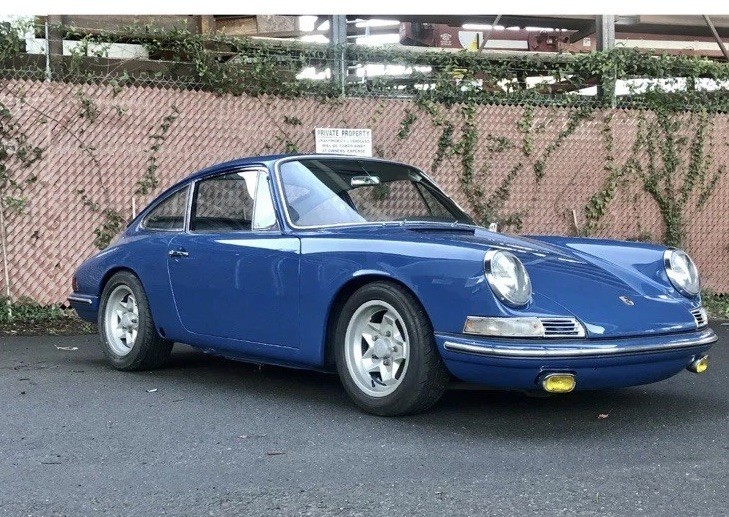
The pool listed here illustrates the identity problem in miniature. Among a handful of listings you find a car advertised as rebuilt to 1.8 litres — a common, legitimate modification you price as a modification, with questions about who did the work — and a 1966 car advertised openly with a flat-six engine fitted. That second car is the lesson. A 912 shell with a 911 engine is not a variant and not a 912 in any sense a buyer of this guide wants: it loses the weight distribution that defines the model, and it can never be a matching-numbers car again unless the original engine survives with it. Some buyers want exactly that hybrid; if you want a 912, you do not. Check the engine before you fall for the shell, every time.

Engines and gearboxes
The 912 uses two engine families across its two lives, and they share nothing except layout: four cylinders, horizontally opposed, air-cooled, mounted behind the rear axle. The 1965–1969 cars use the Porsche Type 616 pushrod engine. The 1976 912E uses the Type 923, a flat-four of Volkswagen Type 4 architecture with electronic fuel injection. Learn each on its own terms. Knowledge does not transfer between them, and parts suppliers who list both will cheerfully sell you the wrong thing if you order by the badge alone.
The Type 616 flat-four (1965–1969)
The 616 is the final form of the engine Porsche develops through the 356 programme, and in the 912 it appears as a 1,582 cc unit — 82.5 mm bore by 74 mm stroke — with cast-iron cylinders, aluminium heads, a central camshaft operating the valves through pushrods and rockers, and twin downdraught carburettors. Porsche detunes it slightly from 356SC form to 90 hp (DIN) at 5,800 rpm, trading peak output for flexibility and durability; torque peaks at around 122 Nm at 3,500 rpm. The figures sound modest and feel different on the road, because the car weighs roughly 970 kg. You learn to keep the engine in its working band between 3,000 and 5,500 rpm, where it rewards a driver who plans overtakes rather than improvising them.
Most 912s carry twin Solex 40 PII-4 carburettors, split-shaft downdraught units that suit the engine when tight and cause half the running complaints in the model when worn. A minority use Zenith or Weber carburettors. The engine sparks from a Bosch distributor with single points and cools by a fan blowing air over finned cylinders inside a sheet-metal shroud — the tinware — whose completeness matters more than its shine. Missing tinware is not a cosmetic fault on an air-cooled engine; it is a cooling fault, and on a 616 it cooks the rear cylinders first.
The engine number is your identity check, performed on every car without exception. On the 616 it is stamped on a boss on the crankcase, visible with the lid open and a torch in your hand. A 912 engine carries a 616-family number; a 356 engine carries its own sequences; a Volkswagen or industrial case gives itself away once you know the formats exist. You need three habits, not memorised sequences: photograph the number, compare it with the seller's paperwork, and treat any mismatch, restamp or refusal as a pricing fact. A seller who calls a wrong engine "basically the same" is telling you the car is worth less than the asking price. Believe the numbers.
In service, the 616 asks for the disciplines of its era. Valve clearances are set with feeler gauges at regular intervals — the engine tells you when they close up by going quiet and losing performance, which is why an unusually quiet pushrod Porsche engine is a warning, not a virtue. Oil does cooling work as well as lubrication work, and most versions have no full-flow oil filter in the modern sense, only a bypass filter and strainer, so clean oil and short intervals are the whole filtration strategy. Points and timing need periodic attention. All of it is skipped on neglected cars, and the difference between a 616 that has lived on schedule and one that has not is the difference between an engine that runs sweetly for years and one that needs a rebuild you did not budget for. A full specialist rebuild, with machining and new pistons and cylinders, sits in the region of $12,000–$20,000. That figure is the most important number in 912 ownership; keep it in mind through every negotiation.
The Type 923 flat-four in the 912E (1976)
The 912E engine starts life on the other side of the group. Its architecture is the Type 4 unit — 1,971 cc, 94 mm bore by 71 mm stroke, pushrod overhead valves, aluminium case — developed for the Volkswagen 411 and 412, used by Porsche in the 914, and built for the 912E in a specific Type 923 form producing 86 hp (SAE net) at 4,900 rpm with noticeably stronger low-speed torque than the 616. Where the 616 is a Porsche engine with distant Volkswagen ancestry, the 923 is a Volkswagen-programme engine built to Porsche's application, and you maintain it with that parts ecosystem in mind: much of its service material overlaps with the 914 2.0 and the late Type 4 world, which is good news for prices and availability.
The defining system is the fuel injection: Bosch L-Jetronic, an airflow-metered electronic system a generation ahead of anything on the original 912. An airflow sensor flap meters incoming air, a control unit meters fuel through solenoid injectors, and temperature sensors, a throttle switch, an auxiliary air regulator and a cold-start injector manage starting and warm-up. When it works it works beautifully — clean starting, steady idle, honest economy — and when it fails, it defeats carburettor-era intuition. The great enemy is not electronics, which rarely fail, but air: any leak downstream of the airflow meter admits unmetered air, and the engine runs lean, idles badly and hunts while the owner replaces electronic parts that were never faulty. Cracked intake boots, perished vacuum hoses and leaking injector seals cause most 912E running problems; methodically replacing forty-year-old rubber cures most of the rest.
American 912Es also carry the emissions equipment of their moment, including air injection and, on many cars, thermal reactors in place of conventional exhaust manifolds — devices that cook their surroundings and stress cylinder heads over decades. Many cars have had reactors replaced with conventional heat exchangers or headers where local rules allow. Ask what is fitted and what your state's inspection demands; never assume a 1976 car that runs well registers easily. The 923 itself is durable, and a rebuild generally costs less than a 616 rebuild — in the region of $8,000–$14,000 at a specialist — because the parts base is wider and cheaper. The catch is expertise: fewer shops know the L-Jetronic installation in this specific car every year, and yours needs the patience to diagnose air leaks before electronics.
Do not let anyone sell you a 912E as a car with "the 914 engine, so parts are everywhere," or as "the 911 engine with two cylinders missing." The 923 has its own engine-number sequences and specific parts — injection installation, tin, exhaust and ancillaries differ from the 914 application — and its value depends on those parts being present and correct. An L-Jetronic system replaced by twin carburettors is the 912E equivalent of a swapped engine in an early car: the car may run well, but it has lost the system that defines the model, and you price it accordingly.
Gearboxes
The original 912 uses Porsche's Type 901-family manual gearbox, a transaxle mounted ahead of the engine in the classic layout, with final drive and gearbox in one casing. A four-speed unit is standard and a five-speed is the option you want: its closer ratios suit the engine's narrow working band, keep the car in its torque on hills and make cruising less frantic. Both are fully synchronised; the five-speed uses a dog-leg first gear — first sits down and to the left, out of the main H-pattern — a layout you learn in an afternoon and then defend for life. Most surviving cars have the five-speed. A four-speed car is not a car to reject; it is a car to price with a small discount and to test with extra attention to how hard the engine works at your cruising speed.
Gearbox health shows itself in three places. The synchromesh, especially on second, wears with age: a graunch on a brisk upchange into second that disappears when you slow the change is classic worn synchromesh — livable for years and expensive to cure, because gearbox work means engine and gearbox out together. The linkage wears at its bushes — lever, tunnel rod and the coupler behind the rear seats — and worn linkage feels like gearbox failure: vague, obstructive, prone to finding the wrong slot. A bush kit costs $50–$150 in parts and an afternoon's labour transforms the car. Always drive before you condemn the box. The clutch is a conventional cable-operated dry plate, judged on bite point, judder and slip under load; replacement is an engine-out job at $1,200–$2,000, and the natural moment to do the rear main seal and linkage bushes too.
The 912E uses a Type 923-family gearbox related to the 911's 915 transaxle, with a conventional H-pattern five-speed layout. Its common faults are the 915 family's: worn synchromesh on first and second, a worn operating sleeve, and selection problems tracing to linkage and mounts rather than internals. Refresh linkage and mounts before you budget a rebuild; a specialist overhaul of either family's box sits at $3,500–$6,000, plus removal and refitting. Automatic gearboxes do not exist in this story — Porsche offers Sportomatic on the 911 but not as a regular 912 fitment — so any automatic 912 is a conversion story to hear in full, in writing, before you pay.
One final drivetrain point: the rear driveshafts use constant-velocity joints that click or knock under load when neglected, and their rubber boots split with age. Boots and joints cost a few hundred dollars per side fitted — but a seller who has ignored a split boot for years has told you how the rest of the car has been kept.

Problem areas
Every 912 problem belongs to one of four systems: the shell, the engine, the running gear, or the trim and electrics. The shell decides whether a car is worth saving at all; the engine decides what it costs you in the first two years; the running gear decides whether it drives like a Porsche or like a memory of one. Take the systems in that order, and never let a strong showing in a later system talk you out of a failure in an earlier one. A sweet engine in a rotten shell is the most expensive car in this guide.
Rust: the map
The 912 shell is the 911 shell, built from steel with no meaningful factory rust protection by modern standards, and it rusts in a map so consistent that you can check the stations in order around any car. Learn the map once and you can assess a car in fifteen minutes; miss it and you buy rust you cannot see under paint you paid a premium for.
Start at the front. The front suspension pan — the panel carrying the front torsion bars and steering rack, under the front luggage compartment — is the most structural rust point on the car. Water sits in the compartment, the battery leaks acid onto the pan beside it, and the panel rots from inside out around the suspension pick-up points. A failed pan is not cosmetic: the car cannot be aligned properly on one, and replacement means cutting, jigging and welding at $2,500–$5,000 done properly. Prod the pan around every mounting and treat seller resistance to this check as your answer. The battery tray rots first and cheapest, and it is your early warning: a tray dissolving into flakes tells you the pan below it has been bathing in acid.
Move to the sills. The outer sills are visible and often repaired; the inner longitudinal members — giving the shell its stiffness and carrying the jacking points — are what matter. The classic test is the sill-jack test: jack the car at its own jacking point and watch the door gaps. A sound car lifts as one piece with unchanged gaps; a rotten car flexes, the gap changes, and sometimes the jack point simply folds. Door bottoms, lower front wings and rear quarters trap mud and rot from inside, and bubbles there mean perforation behind them, not surface blemish. Budget $1,500–$3,500 per side for proper sill work with paint — "proper" meaning cut back to sound metal, not plated over rot.
The rear has its own stations: the torsion-bar tube structure (structural, like the front pan), the engine bay's rear corners and the parcel shelf under the rear window, which collect water from failed window seals. Floor pans are usually better than the edges where they meet the sills — exactly where you should look. On Targas, add the roll-bar structure, roof landing surfaces and floors, because a Targa that has leaked for a decade rots from inside while presenting clean outer paint. Lift every carpet you are allowed to lift, on any car: wet underfelt and tide marks mean water has been getting in for years, from window seals, door membranes, Targa seals or a perforated panel you have not found yet.
Rust economics close the subject. Paint is the most expensive cosmetic work on the car — a proper bare-metal repaint in the region of $15,000–$30,000 — and rust repair only makes sense done before paint, in metal, once. A genuinely sound, original shell is therefore worth a substantial premium over a shinier car with a repaired one, and a car needing pans, sills and quarters at once is a restoration project whatever its paint looks like. Price it as one.
The 616 engine: wear, leaks and carburettors
Start the 616 from cold — insist on cold; a pre-warmed car hides starting and idle behaviour — and listen before you touch anything. A healthy engine settles to a busy, even idle with a light mechanical rustle. A deep knock following engine speed points to bottom-end wear, main or big-end bearings, and means a rebuild: no additive cures it. A slapping rattle on cold start that fades as oil pressure builds suggests worn rocker gear, valve-train wear and piston slap, in roughly that order of cost. Blue smoke on start-up that clears points to valve guides and seals; blue smoke under acceleration points to rings and bores; blue smoke on the overrun, trailing throttle downhill, points back to guides. Each pattern is a different invoice, which is why you test all three conditions on the road, not in the driveway.
Oil leaks are the model's folklore and mostly harmless. Pushrod-tube seals, rocker covers and oil cooler seals all weep with age, and a light misting across a used 616's underside is normal life, curable at the next service for a few hundred dollars. Separate three exceptions: leaks that lose volume, leaks reaching the exhaust, and crankshaft-seal leaks that contaminate the clutch. Ask how much oil the car uses, in numbers, and distrust "it uses none" from an engine with no rebuild history. A litre every 1,000 miles on an original engine is honest wear; a litre every 300 miles is a rebuild conversation. Oil pressure tells the rest — low hot-idle pressure on an engine that also knocks is the whole diagnosis in one glance.
The Solex 40 PII-4 carburettors cause more misdiagnosis than any other component on the car. Their failure mode is mechanical wear, not dirt: the throttle shafts wear their bores, admit air the metering never intended, and the engine develops an uneven idle, a flat spot just off idle and a mixture that cannot be set consistently. Adjusting, cleaning and rejetting repair none of it, so the car acquires a reputation for temperament that belongs entirely to two worn shafts. The distinguishing test is physical: with the engine off, grip each throttle shaft and feel for lateral play; idling, spray carburettor cleaner at the shaft ends — a change in idle speed confirms the air leak. The cure is a specialist rebuild with rebushed shafts, at $1,200–$2,000 for the pair, after which the same carburettors idle like metronomes. Budget for it on any car without a documented rebuild, and do not pay a premium for a Weber conversion unless it is documented and properly set up.
Heat is the slow killer. Cooling depends on fan, tinware and engine-bay seals as one system: perished seals let hot air recirculate into the fan intake, missing tinware lets cooling air escape before it crosses the cylinders, and a slipping belt reduces airflow everywhere. The rear cylinders suffer first — dropped valve seats and cracked heads, the expensive end of chronic overheating, both presenting as compression loss on one cylinder that a leak-down test separates cleanly: air at the exhaust means an exhaust valve or seat, at the intake an intake valve, at the oil filler rings. A compression test and, on any car you are serious about, a leak-down test with the figures written down is the cheapest certainty in this guide. Pay $200–$350 for a proper pre-purchase inspection with both tests before you commit to a five-figure car.
The supporting cast is conventional. The generator and regulator charge adequately when healthy and dim the lights at idle when not; alternator conversions are common, practical and value-neutral. Perished fuel lines on any fifty-year-old car are a fire risk you renew on principle in the first month, for under $200 in parts. Exhaust heat exchangers — the jacketed manifolds supplying cabin heat — rust from inside, and a perforated exchanger can admit exhaust gas into the heating system. If the cabin smells of exhaust with the heat on, that is not character; it is a carbon-monoxide path, and exchanger replacement in the region of $800–$1,800 for the pair is a safety job, not a cosmetic one.
The 912E: injection, emissions and the Type 4 bottom end
The 912E's problem list is shorter and stranger. The 923's bottom end is strong, with a durability reputation earned across the 914 and Volkswagen applications; its wear pattern is familiar — oil consumption rising with bore and ring wear, guides wearing, pushrod-tube and case seals leaking with age. Head temperature is the Type 4's lifelong concern, and chronic overheating from missing tinware or cooling fins packed with oily debris shows up as dropped valve seats, diagnosed by compression and leak-down testing exactly as on the 616.
The injection system dominates the 912E ownership experience, and its problems divide into air, fuel and electricity. Air problems are the intake leaks already described — split boots, perished hoses, leaking injector seals, a sticking airflow-meter flap — signed by uneven idle, hunting, stalling at junctions and plugs reading lean. Fuel problems are pressure and delivery: a tired pump, clogged filter, failing regulator or injectors fouled by stale fuel; the test is a pressure gauge on the rail and a volume test at the pump, against manual figures, not impressions. Electrical problems are connections before components: the control unit itself is robust, but harness connectors, grounds, the dual relay and the cylinder-head temperature sensor fail by corrosion and fatigue in a hot, vibrating bay. A no-start 912E is a relay, a ground or a sensor far more often than a control unit — and a seller who replaced the control unit to cure one probably replaced the wrong part.
Emissions hardware is the 912E's unique ownership question. Thermal reactors, where still fitted, crack with age and heat, are expensive to replace like-for-like and stress the heads they bolt to. Air-injection pumps seize; recirculation plumbing blocks and leaks. What you may legally do about any of this depends entirely on where you register the car, and rules in emissions-testing states are far stricter for a 1976 car than for a 1968 car. Establish the car's status against your state's rules before purchase. A 912E that is a delight in one state is an unregistrable project in another, and no discount fully cures that.
Suspension, steering, brakes and wheels
The running gear is shared with the contemporary 911 and wears like it. Front bushes perish and ball joints wear; steering-rack play shows as a dead zone at the straight-ahead. At the rear, semi-trailing-arm bushes collapse with age and let the rear wheels steer themselves under power and over bumps — the vague, wandering rear end owners blame on the engine's position is, nine times in ten, worn bushes and tired dampers, curable for $1,500–$3,000 in a full bush, damper and alignment programme that transforms the car. A recent, documented suspension refresh is worth a real premium: the work is invisible in photographs and unmistakable from the driver's seat.
Brakes are four-wheel discs with a firm pedal needing a committed push by modern standards — correct behaviour, not a fault. Faults are the usual aged ones: calipers seizing on cars that sit, flexible hoses perishing internally, discs lipped and scored, a weak handbrake. A full overhaul — calipers rebuilt, discs, pads, hoses and fluid — sits at $1,500–$2,500 and is first-month work on any car without recent documentation. Original steel wheels crack around the bolt holes on hard-used cars; incorrect offsets from later fitments spoil steering feel; and tyres older than seven years are landfill whatever their tread says. Read the date codes, and budget $800–$1,400 for a correct set of quality tyres in the original sizes.
Interior, trim and electrics
Trim is where 912 budgets quietly bleed, because every item is affordable and the total is not. Seat covers, door cards, carpets, headlining, dashboard top and seals for every opening panel are all reproduced, and a full retrim to a good standard runs $5,000–$10,000. Dashboard tops crack in sun-state cars; instruments fail individually, at $300–$600 each to rebuild properly. Targa roofs need $800–$2,000 of seals, latches and headlining work to become weatherproof, and a Targa that leaks in the seller's demonstration leaks worse in your first winter. List what the car in front of you needs, item by item, and total it before you negotiate.
Electrics on the original cars are simple, and their faults are the faults of age: corroded fuse contacts, earth straps adding resistance until lights dim and gauges lie, tired generator brushes and regulators, and fifty years of owners' additions wired in with enthusiasm rather than diagrams. Intermittent electrics are almost never a failed component; they are a failed connection, cured by methodically cleaning and remaking contacts, not by buying parts. The 912E adds injection wiring to the same ageing base. On either car a tidy, unmolested loom is a genuine asset; a loom full of taped splices and mystery relays is a winter of evenings, priced accordingly.


How to inspect one
Inspect in this order and do not let the seller rearrange it: the order runs from faults that kill a purchase to faults that merely price it, so you can walk away in the first ten minutes instead of discovering the fatal flaw after an hour of falling in love. Bring a torch, a magnet wrapped in cloth, a screwdriver for prodding where you have permission, and a friend to work lights, pedals and steering while you watch. Photograph every number and every fault.
- Start with identity, before condition. Read the chassis number from the stamped plate and the body, read the engine number from the case boss described in the engines section, and compare both with the title, the registration and any Certificate of Authenticity or Kardex copy. A six-cylinder engine in a 912, a restamped case, a number belonging to another model family — each ends the inspection as a 912 purchase, whatever else the car may be. Photograph all the numbers.
- Walk the rust map from the front. Open the front luggage compartment, lift the carpet and spare wheel, and examine the battery tray and suspension pan around every mounting point. Prod with the screwdriver where the seller allows it. A dissolving tray is a warning; a patched, bubbled or perforated pan is a $2,500–$5,000 negotiation or a walk-away — the rust section's first station, for a reason.
- Do the sill-jack test. Jack the car at one jacking point, correctly placed, and watch the door gaps and the door's opening and closing as the car lifts. Flex, gap change or a folding jack point condemns the longitudinal structure beneath the pretty outer sill. Repeat on the other side. A seller who refuses this test has performed it for you.
- Complete the rust map. Door bottoms, lower front wings, rear quarters, the rear torsion-bar area, floor edges, engine-bay rear corners and the parcel shelf. Lift the interior carpets and look for wet underfelt. On a Targa, examine roll-bar base, roof landing surfaces and floors with double care. Use the magnet on wings, quarters and door bottoms: it slides off filler and sticks to steel, and thick filler over the rust stations is how mediocre cars are sold as good ones.
- Start the engine from cold and listen in order. Cold starting behaviour, idle quality, then the specific sounds from the problem-areas section: bottom-end knock, valve-train rattle, exhaust blows. Watch for blue smoke at start-up. Note oil pressure at cold idle and remember it for the hot test later. An engine the seller has pre-warmed fails this step automatically; reschedule or discount accordingly.
- Test the carburettors or the injection where the car stands. On a 616 car, feel each Solex throttle shaft for lateral play and watch the idle's steadiness over two full minutes. On a 912E, look at the intake boots and vacuum hoses before you listen to anything, and note hunting, stalling or hesitation as the air-leak signature it usually is. Check for fuel smells and perished fuel lines in either bay, and check that tinware and bay seals are complete.
- Read the oil and the underside together. Oil level and condition, filler-cap residue, then underneath: pushrod tubes, rocker covers, crankcase seams, gearbox casing, driveshaft boots. Separate folklore weeping from volume loss, and look for oil reaching the exhaust or clutch area. Ask the oil-consumption question and write the answer down.
- Drive the car for at least twenty minutes, to full temperature. Use every gear: a brisk change into second tests the synchromesh, a high-gear pull from low speed tests clutch slip, a trailing-throttle descent tests for overrun smoke. Accelerate hard once and watch the mirror for smoke under load. Note hot oil pressure at speed and at idle — the pair of figures, cold and hot, is your engine-health summary.
- Test the running gear on the same drive. Steering play, self-centring, rear-end wander under power and over bumps, damper float, brake pull, pedal firmness and handbrake hold on a slope. Then bounce each corner and inspect tyres for date codes and uneven wear. Rear wander plus old tyres plus tired dampers is a known bill, not a mystery.
- Work every electrical item and every seal. Lights, indicators, horn, wipers, gauges, heater fan and output — with the heat on, smell for exhaust, the heat-exchanger test from the problem-areas section. On a Targa, hose the roof or inspect after rain if you can; on any car, check windows, locks and the fit of every opening panel.
- Audit the interior and trim against a price list you write yourself. Seats, dashboard top, headlining, carpets, door cards, brightwork, seals. Cost each fault using the problem-areas ranges, and total the list before you speak about price. Trim faults do not kill purchases; unbudgeted trim faults kill enjoyment.
- Close with the paperwork, read properly. Service history, rebuild invoices naming the specialist and parts used, title status, and build-record evidence for matching numbers. A documented rebuild by a known specialist is the strongest value signal a 912 carries after a sound shell; a thick file of oil-change receipts on an engine that knocks is decoration. Match the paper to the car you have just inspected, and pay for the overlap.
If you take one part of this checklist to a specialist, take steps 2, 3, 5 and 8 — shell structure and engine health — and commission compression and leak-down tests at the same visit. Everything else you can verify with your own eyes, ears and hands, and you should.
Values
The build of this page appends the current market figures beneath this guide — the cars listed now and the recorded sales — and those are the numbers to negotiate from. This section teaches you how to read them, because a 912's price is never explained by year and model alone, and the spread between the cheapest and dearest car wearing the same badge is wider than in almost any comparable Porsche market.
Condition drives the spread, in a specific order. The shell comes first: an original, rust-free shell is the scarcest commodity in the 912 world, because the cars were cheap for so long that few were protected. A documented shell-and-paint restoration comes second; a car with repaired rust of unknown depth comes a distant third, the market pricing the uncertainty, not the repair. After the shell come matching numbers and a documented engine, then mechanical freshness, then trim, colour and options. When two cars differ in price and you cannot see why, the answer is almost always in the first two tiers — in evidence you have to ask for, not appearance you can see.
Variant premiums are real but modest. The 1969 long-wheelbase cars attract driving buyers and hold their money well; early cars, especially documented 1965s, attract collectors of the model's origins. Glass-window Targas carry a premium over coupés in sunny markets and none in wet ones; soft-window Targas carry a rarity premium you pay only if rarity itself is what you are buying. The 912E trades in its own smaller market — genuine rarity, a thinner buyer pool, slower price movement — so a cheap 912E is not automatically a bargain against a dearer 912. Compare a 912E with other 912Es and with the mid-1970s 911s it actually competes against.
Asking and achieved prices part company in this market more than most: the 912 spent decades as the affordable classic Porsche, and many sellers still price from memory of the best advertised car they ever saw rather than from evidence. Auction results — the recorded-sales block below this guide — are the corrective. Match each sale to your candidate by generation, body, numbers-matching status and documented condition, not just by year. A project and a restored car of the same year are different goods sharing a badge, and the gap between them is the cost of the restoration, minus a discount for risk and waiting. When a project's asking price plus the specialist cost of the work exceeds the achieved price of a finished car, the project is overpriced, however charming it is.
Negotiation reality, finally. The best cars sell quickly at close to asking; mediocre cars — patched shells, tired engines, optimistic descriptions — sit for months, and time is your leverage. Your inspection notes are your second lever: a priced list of real faults, each with its specialist cost, moves a negotiation further than any general claim that the car "needs work." And keep the rebuild figure in the room: on any car without a documented rebuild, the gap between asking price and your offer should visibly relate to what a 616 rebuild costs — the five-figure job priced in the engines section above — because one of you pays for the next rebuild eventually.
Parts and ownership
You keep a 912 on the road with a parts ecosystem better than the car's age suggests, because it shares its shell and running gear with the early 911 and its engine with the 356 — both intensively supported. Panels, suspension and brake parts, seals, trim and glass are reproduced by multiple suppliers, and specialist retailers list most service items for same-week delivery. Be careful at the boundary: a part listed for "early 911/912" fits both cars as a shell or chassis part, and fits neither car's engine as an engine part. Order engine parts by the 616 designation and engine number, never by the badge alone.
The 616's service parts — points, plugs, filters, gaskets, seals, clutch components — are inexpensive and everywhere. The expensive parts wear slowly and break suddenly: pistons and cylinders, heads, carburettor rebuilds, heat exchangers and the crankshaft-and-bearing set at a rebuild's heart. None is unobtainable, and all reward buying from established specialists, because the 356/912 world remembers poor-quality engine internals. The 912E inverts some of this: Type 4 service parts are cheap through the 914 and Volkswagen channels, injection components are the scarce layer — airflow meters, correct injectors and intake rubber are worth sourcing carefully — and G-series body and trim parts come from the mid-1970s 911 supply chain, strong but priced at 911 levels.
Running costs sit in three bands. Routine servicing on a 616 car — oil, valve clearances, points and timing, plugs, filters, brake fluid — is a few hundred dollars a year in parts yourself, or $600–$1,200 at a specialist, at roughly 3,000-mile or annual intervals. The 912E asks for less frequent attention, its injection needing no routine adjustment when healthy. The second band is rolling renewal — tyres, brakes, bushes, dampers, seals, hoses — arriving in $500–$3,000 instalments across the years. The third band is capital work: shell, paint, engine and gearbox rebuilds, each itemised in the problem-areas section. Budget the first band precisely, the second annually and the third before you buy, and a 912 is a financially predictable car.
Ownership itself is the model's reward. The car is small, light and simple enough to understand completely, supported by factory documentation, specialist literature and active registers. You can do most routine work yourself with hand tools and a manual — the pushrod four is among the most approachable engines Porsche ever built. For the 1976 912E, factor your state's emissions regime into the ownership plan, not just the purchase plan, because the test comes round every year or two for the life of the car.
Storage and use pattern matter more than mileage. A 912 driven regularly on journeys long enough to reach full temperature ages slowly; a car stored badly and never warmed through corrodes its exhaust from inside, fouls its carburettors or injectors, seizes its brakes and perishes its seals in the dark. Ask how a low-mileage car's miles were accumulated — and when the history shows a long sleep, put the recommissioning invoice (brakes, fuel system, tyres, seals, fluids; $3,000–$6,000 done completely) in your purchase arithmetic.
Which one to buy
- The all-rounder: a 1967 or 1968 coupé with the five-speed gearbox and a documented history. You get the developed short-wheelbase car, the widest choice on the market and the deepest parts and knowledge support. Buy the best shell you can find in these years and you own the 912 the market understands best.
- The driver's pick: a 1969 long-wheelbase coupé. You trade a little of the early car's nervous sparkle for calmer handling and the most developed specification of the original run. If your roads are fast and your journeys long, this is your car.
- The purist's car: a documented 1965 or 1966 coupé. You buy the model's first form, with its simplicity and green-gauge charm, and accept the least tidy factory records as the price of purity. Paperwork is not optional at this end of the range; it is the purchase.
- The open-air buy: a glass-window Targa, 1968 or 1969. You get the roof-off experience with the usable rear window, paid for with a line-by-line audit of seals, latches, roll-bar structure and floors. A soft-window Targa is a collector's car; buy it for that reason or not at all.
- The value buy: a sound four-speed car, or a non-matching-numbers car with a healthy, documented replacement engine. You give up a collectible attribute the driving experience never uses, and pay materially less for the same roads — the rational purchase in this guide, provided the discount is real and the shell is sound.
- The separate decision: the 912E. You buy it because you want the G-series car with the injected four — its torque, quietness and rarity — and you have confirmed your state's emissions rules welcome it. You do not buy it as a cheaper substitute for a 1960s car, because it is not one.
- The car to leave: any car, of any year, whose shell fails the pan and sill tests, and any car whose engine numbers do not survive step 1 of the inspection. Projects have their buyers and their prices. A rotten or misidentified car at a good car's price has neither.
The overriding rule: buy the shell first, the engine's paperwork second and everything else third — a sound, honest 912 with a tired interior is a good car at the right price, and a beautiful 912 with a rotten pan or a story for an engine is not a car at any price until the price admits what it is.
See the 16 912 cars currently listed.
For sale now
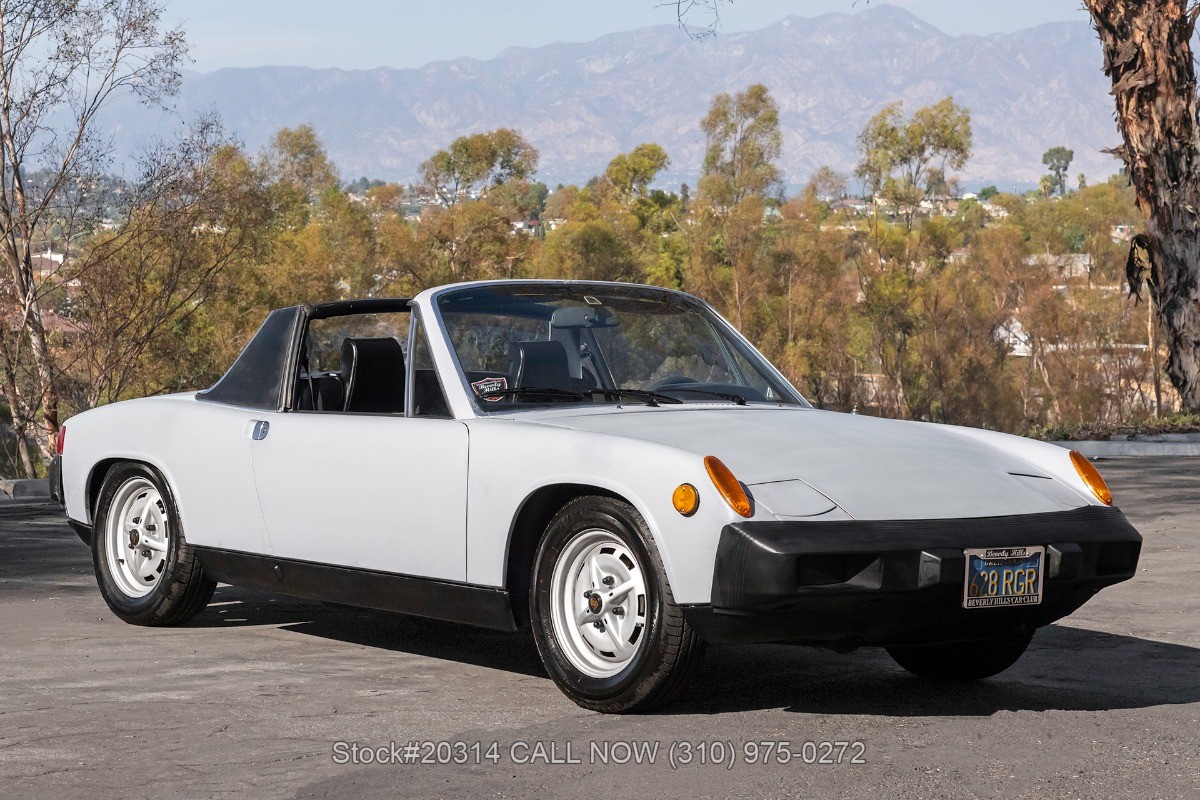 $18,750
Expand
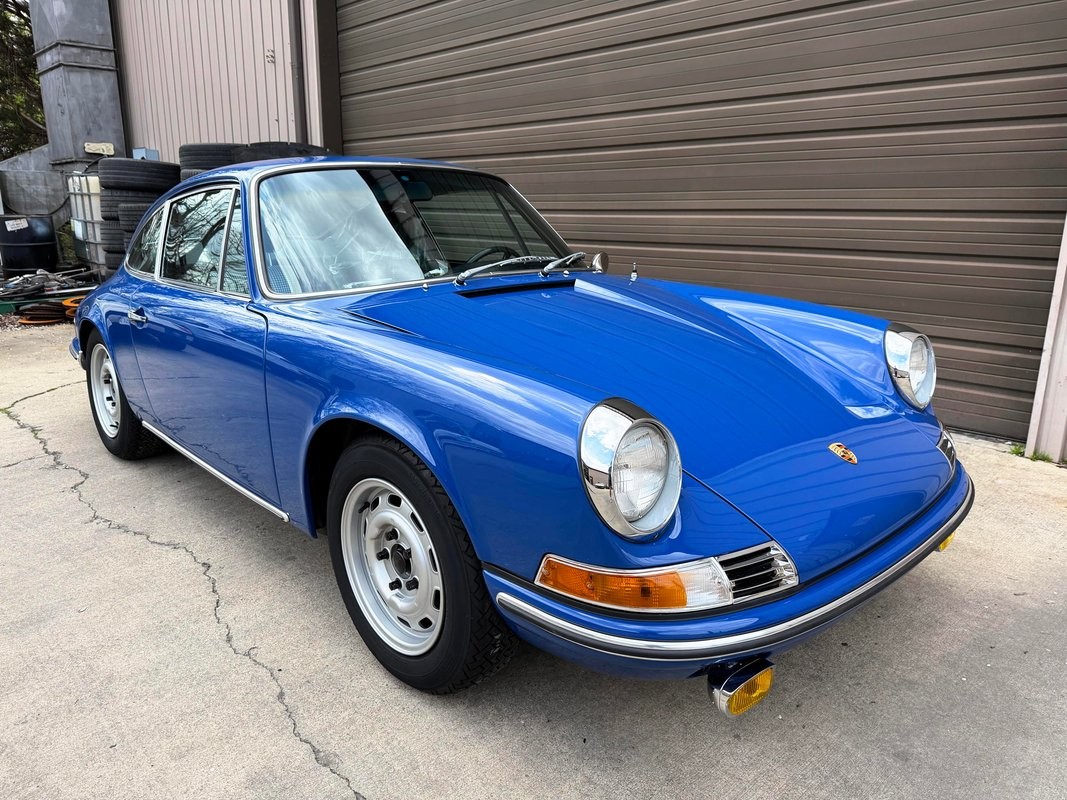 Current bid $29,382
Expand
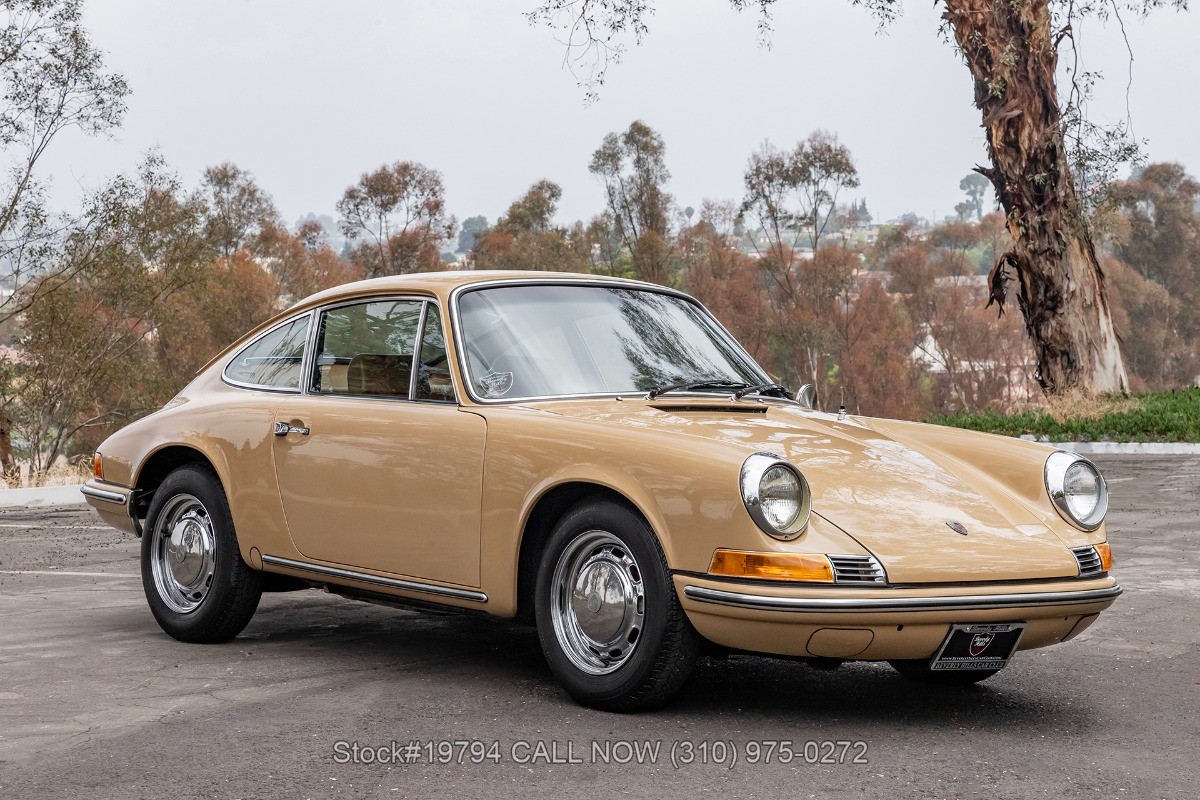 $79,950
Expand
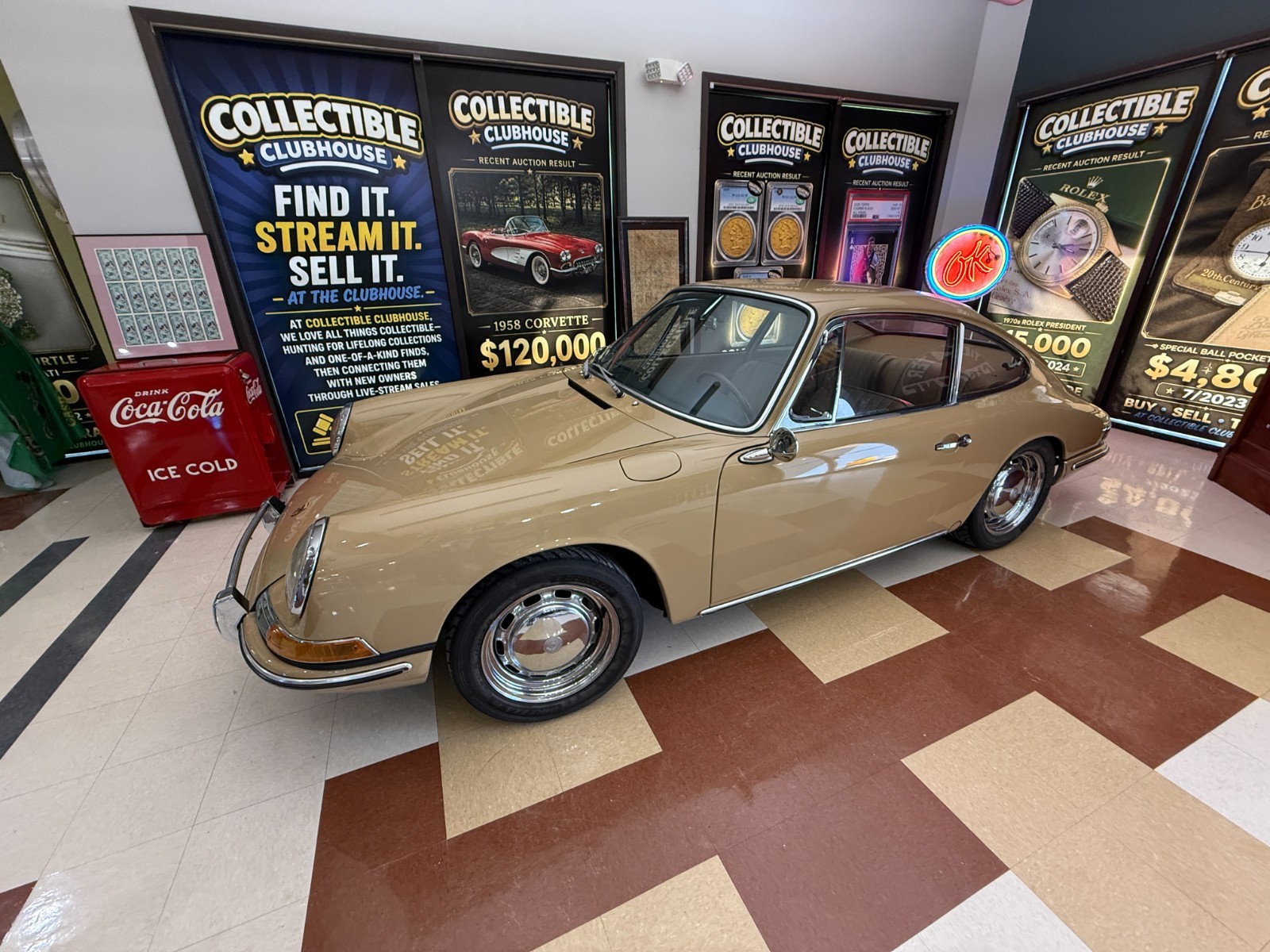 $140,000
Expand
 $57,500
Expand
 $67,500
Expand
 $69,999
Expand
What they sell for: 912 sale prices.