
Rolls-Royce Silver Spirit buyer's guide
Rolls-Royce Silver Spirit -- the model's own buyer's guide: variants, values and what to check.
Years listed: 1982-1991 · Series: Silver Spirit
Overview and history
The Silver Spirit is the Rolls-Royce that the market decided was ordinary — and that decision, more than any mechanical fact, is what this guide exists to correct in your head before you go and look at one. Launched in October 1980, the Spirit (factory code SZ) replaced the Silver Shadow II and the long-wheelbase Silver Wraith II, cars that had carried Crewe through the 1970s. It kept almost everything that mattered about them — the 6.75-litre V8, the GM automatic gearbox, the Citroën-derived high-pressure hydraulics — and wrapped it in a new, larger, more formal body styled under Fritz Feller: more glass, a lower waistline, big rectangular headlamps, and a boot and rear compartment usefully roomier than the Shadow's. Underneath it is a development of the Shadow rather than a clean sheet, which is precisely why it behaves the way it does today: the strengths and the failure modes are both inherited, and both are well understood.
The Spirit was the standard-wheelbase saloon. Alongside it sat the Silver Spur, the same car on a longer wheelbase with its extra length in the rear compartment, and the Bentley Mulsanne, mechanically identical under a different grille. Production of the first series — what specialists call the Spirit I or Series 1 — ran from 1980 to 1989, after which the Spirit II (1989–93) and Spirit III (1994–95) carried the SZ shape, with progressively more electronics, to the end of the line. This guide is about the 1980–89 Spirit itself; the later cars appear where their changes illuminate the original, above all the arrival of electronically controlled Active Ride at the end of the run.
These were among the most expensive saloons in the world when new, bought by people and companies who maintained them by the book. Then values fell — far, and for a long time — and a Spirit became a car that could be bought for used-family-car money by owners who could not, or would not, fund used-Rolls-Royce maintenance. That gap between purchase price and running cost is the whole story of the model today. The V8 is fundamentally tough and the structure is strong; what kills these cars is deferred hydraulic maintenance, neglected rust in a small number of known places, and interiors left to dry out. A sorted Spirit is a genuinely usable, deeply comfortable classic. A neglected one is the most expensive cheap car you will ever own, and the difference is almost entirely knowable before you buy — which is what the rest of this guide is for.
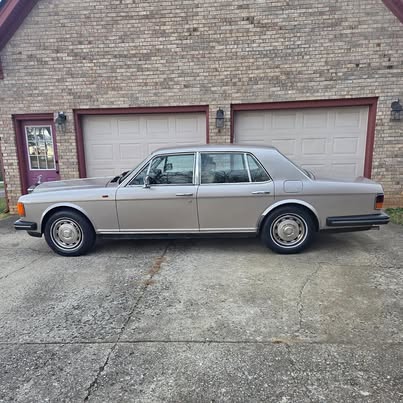
Our own pool for the model is small and worth stating plainly: of the 4 Silver Spirits currently listed on this site, all 4 are early cars from 1982 to 1985, all 4 are automatics, and all 4 come through Facebook Marketplace sellers, one each in Pennsylvania, Kentucky, New Jersey and Virginia. That is a fair snapshot of where the model trades now — early Series 1 cars, privately sold, at the affordable end of the range — but with a sample of 4 it tells you about availability, not about the whole 1980–89 production, and the sections below are written for the full run.
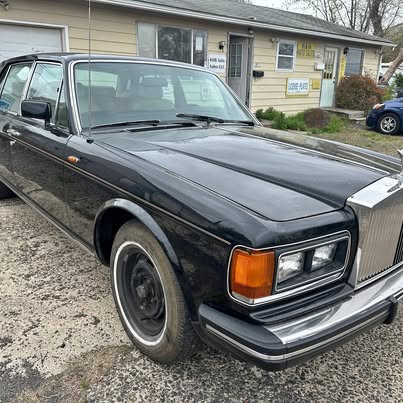
The models
Every Silver Spirit is a four-door saloon powered by the same 6.75-litre V8 and driving through a three-speed automatic; there was no manual option and no engine choice to agonise over. What varies across the family is wheelbase, trim, market specification and model year — and those differences matter more to price and desirability than anything on the badge. Rolls-Royce, in period, famously declined to publish a power figure, quoting output only as "adequate" (in North America, "sufficient"); the output column below respects that rather than inventing a number the factory never gave.
| Model | Years | Engine | Output | Built | Character |
|---|---|---|---|---|---|
| Silver Spirit I | 1980–1989 | 6.75 V8 (L410) | Not published | about 8,100 | The standard car; the core of the market |
| Silver Spur I | 1980–1989 | 6.75 V8 (L410) | Not published | about 6,200 | Long wheelbase; rear legroom, Everflex roof on many |
| Bentley Mulsanne | 1980–1987 | 6.75 V8 (L410) | Not published | about 4,800 | The same car, Bentley grille and badges |
| Silver Spirit II | 1989–1993 | 6.75 V8 (L410) | Not published | about 1,100 | Active Ride arrives; more electronics |
| Silver Spirit III | 1994–1995 | 6.75 V8 (L410I) | Not published | about 200 | Final SZ saloon; rarest, most developed |
(Production figures are the commonly cited factory totals, rounded; treat the last digit of any Rolls-Royce production number from this era as approximate. Spirit II and III are included for family position — they are covered in depth by their own context in the sections below, and the buying advice in this guide is aimed at the 1980–89 cars.)
Silver Spirit I (1980–89). The standard-wheelbase car and the subject of this guide. Early cars (roughly 1980–82) are the simplest: less emissions equipment on European cars, plainer electronics, and — on US-market cars — the full federal emissions package and impact bumpers. Through the decade Crewe layered in equipment rather than changing the car: improved air conditioning, better sound insulation, revised interior trim, anti-lock brakes arriving on later cars, and a steady thickening of the electrical specification. There is no single "best year" in the Mercedes sense; condition and hydraulic history outweigh model year every time. What does change with year is complexity — a 1988 car has more electrical systems to fail than a 1981 car, and more of them are expensive.
Silver Spur I (1980–89). The long-wheelbase sister: the wheelbase grows by about 4 inches (100 mm) and every bit of it is in the rear doors and rear legroom. Spurs were the chauffeur and owner-with-passengers car, typically more lavishly trimmed, very often with an Everflex (vinyl) roof covering, a division on a few, and rear-seat extras the Spirit rarely got. Mechanically a Spur is a Spirit — same engine, same hydraulics, same rust map, same bills — so everything in the problem-areas section applies word for word. Spurs tend to have led formal, garaged lives and then very neglected ones; there is less middle ground than with Spirits. Note for identity: our pool of 4 cars includes a grey 1984 car listed under a combined "Silver Spur / Silver Spirit" description in Palisades Park, NJ — the two models are confused in listings constantly, so check the rear door length and the chassis plate rather than trusting any seller's title line, on any SZ car.
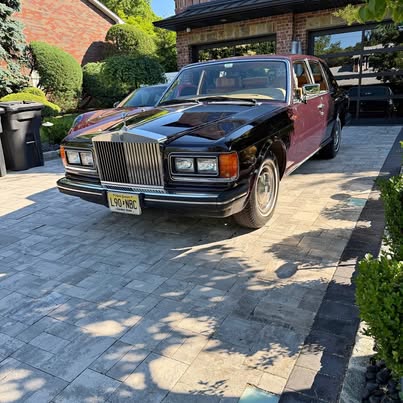
Bentley Mulsanne (1980–87). The same SZ saloon sold as a Bentley, with the Bentley grille, badges and typically slightly plainer trim, replaced by the Mulsanne S for 1988. It is not a Rolls-Royce and has its own guide, but it matters here for two reasons: its existence explains shared parts and shared specialists, and a Mulsanne is sometimes the better buy of the identical car because the Bentley badge of this era carries less heat than the Spirit of Ecstasy. Do not let a seller price a Spirit off Mulsanne rarity or vice versa; they are one engineering programme.
Spirit II and III (1989–95), as context. The Spirit II kept the SZ body and engine and changed the chassis underneath the skin: Active Ride — electronically controlled dampers with automatic ride-height and stiffness management — became standard, along with a further step up in electronic systems. The Spirit III (1994–95) was the final development, with a revised engine installation and the tidiest specification of the line, built in small numbers before the Silver Seraph replaced the whole family for 1998. Buyers cross-shopping the generations should understand the trade: the later cars ride and handle noticeably better and are rarer, but every added electronic system is now a 30-year-old electronic system, and the hydraulic discipline described below does not relax — it intensifies.
Engines and gearboxes
The L410 6.75-litre V8
There is only one engine, and it is a good one. The L410 is a 6,750 cc all-alloy, overhead-valve (pushrod) V8 with a five-bearing crankshaft and hydraulic tappets, descended directly from the L410 family Rolls-Royce introduced in 1959 and refined continuously ever since. In the Spirit it runs a low compression ratio, turns slowly, and is tuned for silence and torque rather than output — which is why the factory felt able to shrug at a power figure. Period estimates cluster around 200 hp, but treat any precise number a seller quotes as folklore; what you can verify is how the individual engine behaves, and that is covered below.
On US-market cars the engine breathes through the federal emissions package of the era — catalytic converters, exhaust-gas recirculation and an air-injection pump on many cars — and fuel metering on Spirits is by Bosch K-Jetronic continuous mechanical injection (CIS), the system most export cars carried from the start of SZ production. K-Jetronic has no electronics to speak of: a fuel distributor meters petrol in proportion to airflow, a warm-up regulator richens the mixture when cold, and a fuel accumulator holds pressure after switch-off to prevent vapour lock on a hot restart. When it is right, a Spirit starts instantly, hot or cold, and idles at a murmur. When it is wrong, the symptoms are specific and diagnosable, and they are almost never the engine itself:
- Hard hot starting is the classic K-Jetronic complaint and usually means lost residual pressure — a tired fuel accumulator, a leaking check valve at the pump, or injector dribble — so the fuel vapourises in the lines while the car sits hot. It is a fuel-system job measured in hundreds of dollars, not an engine rebuild.
- Rich running and a sooty, hunting idle when warm point first at the warm-up regulator (its internal heater and diaphragm age) and at a control pressure out of specification. The test is a pressure gauge on the system, in the hands of someone who knows CIS — control and system pressures have factory figures and settle arguments that guesswork cannot.
- A car that has sat for years will have varnish in the tank and distributor and perished rubber throughout the fuel system. Budget for a full fuel-system recommission — tank clean, pumps, filter, accumulator, hoses — before condemning anything downstream; modern ethanol-blended fuel is unkind to 1980s CIS components left wet and idle.
The engine's own failure modes are mostly about neglect rather than design. The alloy block and heads punish skipped coolant changes: corrosion builds in the waterways, radiators silt up, and an engine that runs hot in traffic is telling you about its past, not its character. A healthy L410 holds temperature steadily and shows strong, steady oil pressure. Hydraulic tappets that clatter for a few seconds at a cold start and then quieten are normal oil drain-down; tappets that stay noisy, or a bottom-end rumble under load, are wear, and on this engine wear usually means the oil was not changed — walk the history file before you walk the car. Oil leaks are endemic and mostly honest: rocker-cover gaskets, sump and front-cover seepage and a damp rear main seal are the usual list. They are untidy rather than fatal, but price the resealing, because access on a dressed SZ engine bay is labour, and labour is the currency this car trades in. Head gaskets do fail on neglected, overheated cars; oil in the coolant or coolant loss with no visible leak on an L410 is an engine-out-level conversation and should end a purchase negotiation unless the price already reflects it.
One myth to bury early: the Spirit is not "a Chevy engine" or any other bought-in unit, a claim you will meet in listings because the gearbox is General Motors. The V8 is Rolls-Royce's own, designed in Crewe and built there; only the transmission came from GM. The distinction matters because engine parts come from the Rolls-Royce and Bentley specialist network, at that network's prices — not from a Chevrolet counter.
Keeping an L410 sweet is unglamorous work, and the service book is where you read whether it has been done. These engines want regular oil and filter changes — the hydraulic tappets and the big, slow-turning bottom end both depend on clean oil, and a car whose oil arrives black and thin on the dipstick has been telling its previous owner something he chose not to hear. Coolant discipline matters even more on an all-alloy engine: antifreeze carries the corrosion inhibitors that protect the block and heads from within, it exhausts with age whether the car is driven or not, and a Spirit whose coolant is rusty water is a Spirit whose waterways are corroding. Hoses, belts and the viscous fan coupling are age items on every car now, cheap individually and tedious collectively, and a perished top hose or a seized fan coupling is how a sound engine gets cooked in traffic. None of this is Rolls-Royce exotica — it is ordinary preventive maintenance on an engine built to very high standards — but it has to have been done at Rolls-Royce intervals by someone who understood the car, which is why the stamped book and the specialist invoices, once again, are worth more than any single mechanical test you can perform at a kerbside.
Gearboxes: the GM Turbo Hydra-Matic 400
Every Spirit and Spur of this generation drives through General Motors' three-speed Turbo Hydra-Matic 400 (TH400), bought in by Rolls-Royce, adapted to Crewe's requirements and mated to the L410 for the whole of the Spirit I run. It is one of the strongest automatic gearboxes ever made, it suits the car's torque and its unhurried character perfectly, and it is the cheapest major component on the car to put right — the one place where GM parentage genuinely saves you money, because TH400 knowledge and parts exist in every transmission shop in America.
Judge it the way you judge any TH400. It should engage drive and reverse promptly and without a thump, change up smoothly under light throttle and firmly under hard throttle, and kick down decisively when the pedal is floored — kickdown on these cars is electrically switched, and a car that never kicks down usually has a failed switch or its wiring, not a dying box. Slipping or flaring between changes, a long delay engaging reverse on a cold morning, or dark, burnt-smelling fluid on the dipstick are the wear signs; check the fluid on every viewing, because its colour and smell are the cheapest gearbox inspection there is. A full TH400 rebuild at a competent general transmission shop is a known, bounded job — broadly $1,500–3,000 fitted depending on region and what else is renewed while it is out — which is less than a major hydraulic overhaul on this car. Do not let a seller price a Spirit as though the gearbox were exotic, and do not let a slipping box frighten you off an otherwise sound car the way a hydraulic bill should.
The standing cautions are about sitting, not driving. A Spirit that has stood for years will weep from the gearbox's seals and the selector shaft, and the vacuum modulator and its hose perish and upset shift quality in ways that mimic internal wear; both are cheap parts. The propshaft and final drive are Rolls-Royce and durable, but listen for a whine from the rear on a light throttle and check the differential for leaks at the pinion seal. There is no manual gearbox to hunt for and no overdrive to test: if a listing claims either, the listing is wrong, and that tells you something about the rest of its claims.
Problem areas
Everything else in this guide is subordinate to this section, and this section is subordinate to one system. A Silver Spirit's engine will forgive a decade of indifference and its gearbox can be rebuilt by any good transmission shop. Its high-pressure hydraulic system will not forgive, cannot be improvised, and touches the two things you cannot compromise on — the brakes and the rear suspension. Read the hydraulics first, read them twice, and let what you find there set the price of every car you view.
The hydraulic system: brakes and self-levelling
The Spirit inherits, from the Silver Shadow via Citroën practice, a high-pressure hydraulic system unlike anything else in a British car of the period. Two engine-driven pumps pressurise mineral oil — LHM fluid, the green oil shared with Citroën practice, and emphatically not conventional brake fluid and not automatic transmission fluid — to pressures in the region of 2,500 psi. That pressure is stored in accumulator spheres (gas-charged spheres, exactly as on a Citroën, with a diaphragm separating nitrogen from the oil) and does two jobs. It powers the brakes: both circuits of the dual-circuit braking system are pressure-fed from the accumulators, with brake distribution valves apportioning effort, so the pedal operates valves rather than pushing a master cylinder in the familiar way. And it works the self-levelling rear suspension: height-control valves sense the rear ride height and feed pressure to hydraulic rams at the rear springs to restore level under load. The front suspension is conventional coil springs; the self-levelling is rear only, a point sellers routinely get wrong.
The reservoirs sit under the bonnet with sight glasses, the fluid should be clean and green, and the system warns you through two brake-pressure warning lamps on the dash. Understand those lamps: they light when accumulator pressure in their circuit falls too low. A lamp that glows at start-up and goes out as pressure builds is normal. A lamp that flickers at idle, comes on when you brake repeatedly, or stays on is the system telling you it is losing its stored pressure — and that is a stop-and-investigate symptom, not a quirk.
The accumulators are the central wear item, and their failure mode is slow, invisible and total. The nitrogen charge behind each sphere's diaphragm escapes gradually with age. As it does, the sphere stores less and less pressurised oil, until the pumps are effectively running the brakes directly and running constantly to do it. The symptoms, in the order you will meet them: the pumps begin to click or chatter frequently at idle as they top up a system that cannot hold a reserve; the brake-pressure warning lamps flicker when the brakes are used several times in succession; the pedal feel changes; and the rear self-levelling grows lazy or erratic, because it shares the same shrinking pressure reserve. Eventually a lamp stays lit and the reserve is gone. The field test is simple and belongs in every inspection (it is step 3 of the checklist below): with the engine off and the system fully pressurised, pump the brake pedal and count the applications before the warning lamps come on and the pedal character changes. A healthy system gives you a generous count — dozens of applications. A car whose lamps light after a handful of presses has dead or dying accumulators, whatever the seller says about a recent "hydraulic service." Recharging or replacing spheres is not ruinous in itself — budget a few hundred dollars per sphere fitted, and there is more than one in the system — but dead accumulators are a diagnostic, not just a part: they tell you the system has been run for a long time on its pumps, which wears the pumps, and that nobody competent has serviced the hydraulics in years, which means everything else in this subsection is suspect too.
The pumps themselves wear, leak at their seals, and lose output; a pump that cannot keep the lamps out at idle with good accumulators fitted is a rebuild or replacement, and pump work plus accumulator work plus a system flush is where the oft-quoted "hydraulic overhaul" figure comes from — realistically $3,000–8,000 at a specialist depending on how much of the system needs doing, and the single most common four-figure bill in Spirit ownership. Height-control valves stick and leak: the rear of the car sits down overnight and pumps up on starting (tolerable if it rises promptly and levels, a leak if it takes minutes), or — the worse failure — stays jacked up and rides harshly because a valve will not release pressure. Rear rams weep and then leak visibly; look for mineral oil at the rear suspension and in the boot-side trim. High-pressure pipework and flexible hoses corrode and perish, and a burst high-pressure line does not drip politely — it sprays oil and takes a brake circuit's pressure with it, which is why hose condition is a safety inspection, not a cosmetic one.
And the catastrophe that sits behind all of it: wrong fluid. The SZ system is built for LHM mineral oil, and its seals are specified for it. A well-meaning owner or a general garage topping up with conventional DOT brake fluid — or, worse, a system "converted" with ATF — swells and destroys seals throughout the pumps, valves, calipers and rams, converting a serviceable system into a full strip-and-reseal of every hydraulic component on the car. Ask what fluid is in the reservoirs, look at its colour, and ask who has serviced the hydraulics and with what. Any answer that is vague on this point devalues the car by the cost of the overhaul above, because you will be the one who finds out. (The earlier Silver Shadow used a different, castor-based fluid, RR363; the Spirit's mineral-oil system is one of its genuine improvements — but the two fluids and their seals must never be mixed across systems or substituted for each other.)
The brakes proper — discs, pads and calipers — are conventional hardware worked by unconventional pressure. Calipers seize on cars that sit, pads are straightforward, and discs wear and lip like any heavy car's; a Spirit is a heavy car (well over two tons) and uses its brakes accordingly. Budget $1,000–2,500 for a full brake refresh with hydraulics-adjacent labour at a specialist if a standing car needs calipers, hoses and discs together. The handbrake is a separate mechanical system and is often weak or seized from disuse — test it on a slope, and price it as its own job.
Steering and the rest of the chassis are comparatively benign. Power steering is a conventional pump-and-rack arrangement (the SZ moved to rack-and-pinion steering from the Shadow's recirculating ball), and its failures are leaks, worn rack bushes and tired pumps rather than exotica. Front suspension wear shows as knocks, uneven tyre wear and vague straight-ahead feel; dampers tire with age and mileage. On Spirit I cars the damping is fixed and conventional — the electronically managed Active Ride dampers arrive only with the Spirit II at the end of the decade — so a Series 1 car that rides badly needs ordinary chassis work, not an electronics diagnosis. Tyres deserve a sentence of their own: these are heavy cars that are often run on old rubber. Check the date codes, not the tread; a Spirit on decade-old tyres is unsafe at speed and is telling you, again, how it has been kept.
Living with the system, once it is right, is a matter of rhythm rather than heroics. The fluid and its filters are service items with intervals, the accumulator test from the inspection section is worth repeating annually — it takes three minutes and catches sphere decay years before a warning lamp does — and the height-control system wants to be exercised, which a car in regular use does automatically and a car in storage does not. This is the mechanical root of the advice repeated throughout this guide: a Spirit that is driven gently and often is a healthier machine than one that sits, because sitting is what seizes calipers, sticks height valves, drains spheres' usefulness and lets every seal in a 2,500-psi system dry and harden. When you budget for a car, budget for the system as a system: spheres, pumps, valves, hoses and fluid are one interdependent circuit, and replacing the one failed component in a circuit full of tired ones buys you a season, not a solution. Specialists who know SZ hydraulics will tell you the same thing and will usually quote the work as a package; a general garage quoting one corner of it cheaply is not saving you money, it is scheduling your next visit.
Rust: the map
The SZ shell is strong, heavily protected by the standards of 1980, and built from thick steel — and it is now more than forty years old, so rust is a question of degree and location, not of existence. The good news is that the Spirit's rust map is short, known and checkable. Work through it in this order:
Sills. The most important structural check on the car. The sills are deep, boxed and structural, they carry the jacking points, and they collect road dirt and water inside until they rot from within — paint bubbles on the outer sill are a late symptom, not an early one. Press and prod along the full length of both sills, examine the jacking points themselves, and be suspicious of fresh underseal, fresh paint low on the car, or new sill covers fitted for sale. Proper sill repair on a Spirit — cutting out, fabricating or fitting repair sections, welding and refinishing — runs roughly $1,500–3,500 per side at a specialist, because the car's size and trim make nothing about it quick. Rotten sills on a cheap Spirit can exceed the car's purchase price on their own; this is the check that walks you away.
Rear wheelarches and the rear wings. The arch lips trap mud against the fold and perforate from inside; run a fingertip around the inside of each arch lip and look for bubbling at the lip's edge and blistering low on the rear wing behind the wheel. Front wings corrode in the corresponding places — behind the front wheels and around the headlamp surrounds — and at the wing tops on neglected cars. Arch and wing repairs are panel work and paint, priced per side, and they add up across four corners.
Subframe and suspension mounts. The front subframe and the rear suspension's mounting points are structural in the way that matters at inspection: corrosion around the mountings of the rear trailing arms and the subframe attachment points is fabrication work, assessed per car, and is the underside finding most likely to make a car uneconomic. This is why the inspection section insists on a lift: none of it can be judged from a kerbside crouch, and sellers' photographs almost never include the underside. Read any coating under there as you would on any old car — old, patchy, honestly worn protection is reassuring; a fresh, uniform coat of black over everything, applied for the sale, is a question.
Floors, boot floor and the small traps. Lift the carpets: water enters past ageing windscreen and rear-window seals and sits under the Wilton carpets and their underfelt, where it works on the floor pans unseen. In the boot, lift the spare wheel and check the well and the boot floor corners. Door bottoms fill with water when their drain slots block — feel along the bottom edge of every door for bubbling and check the drains are clear. The battery tray area and the bulkhead around it suffer acid damage exactly as on any car of the era, invisibly, under the battery. None of these alone kills a car; together they describe how it has lived, and floors or boot panels that have actually perforated move the car from "driver" money to "project" money in one look.
Interior and trim
The cabin is half the reason to buy a Spirit and, after the hydraulics, the second place the money hides. The materials are the real thing: Connolly hide on the seats and trim, Wilton wool carpet underfoot, and burr walnut veneer on the dashboard, door cappings and picnic tables. All three age in specific, assessable ways.
Leather survives magnificently if it has been fed, and cracks, splits and dries to cardboard if it has not — hide food is cheap, and forty years of owners either did it or did not. Judge from the driver's seat, which wears first at the entry bolster and cushion; check the rear seat too, because on chauffeur-used Spurs it can be the worn one. Surface cracking and colour loss are a reconnollising job (clean, feed, recolour) at a few hundred dollars per seat done well. Split seams, torn panels and leather gone hard and shrunken are a retrim, and a proper Connolly-grade retrim of a Spirit interior runs well into five figures — which is why a supple, original interior is worth a premium you can calculate, and why "the interior just needs a clean" should be verified by sitting in it, pressing the leather, and smelling for the damp that means the seals have been leaking onto it.
Wood fails as lacquer first: the veneer itself is durable, but its lacquer crazes, clouds and lifts with heat and sun, starting on the dashboard top and the door cappings. Refinishing the full set is specialist work, broadly $1,500–3,500 depending on how much veneer has lifted with the lacquer; mismatched colour between pieces means one piece has already been done, and veneer sanded through at an edge cannot be un-sanded. Headlinings sag as their foam backing dies, and replacing one properly means trim-shop labour. Carpets hold water and rot from underneath; damp carpets are a leak report, not a cleaning task, and they connect directly to the floor check in the rust section. Seat mechanisms, picnic tables, and the little chrome and switchgear details are individually small and collectively expensive; a car with everything present and working has been kept whole, and that wholeness is itself evidence.
Electrics and air conditioning
An SZ car's electrical system is early-1980s British flagship practice at scale: a great deal of equipment — electric seats, windows, mirrors, central locking, cruise control, automatic climate control, a sophisticated-for-its-day sound system — wired generously and now four decades old. The failure pattern is age, not design: connections corrode, earths deteriorate, window regulators slow and strain their motors, seat motors and switches fail one function at a time, and the alternator and starter motor reach the end of ordinary service lives. None of this is exotic, all of it is labour, and a car on which everything works — every window at full speed, every seat direction, locks, cruise, lights, gauges — is a car that has been used and maintained, which remains the best single predictor of a good Spirit.
Two systems deserve specific tests. The automatic air conditioning is a complex servo-controlled system, and a Spirit without working air conditioning in an American summer is a car you will not use; a silent system can mean anything from a discharged system and a seized compressor to failed control electronics, with bills from a few hundred dollars to several thousand. Test it on every viewing, in both heating and cooling, whatever the weather outside. And the warning lamps — above all the two brake-pressure lamps from the hydraulics section — must all light with the ignition and extinguish correctly. A missing or disabled brake-pressure bulb on a car whose seller praises its hydraulics is one of the oldest tricks in this market; check the lamps prove out before you check anything else electrical.
How to inspect one
Allow two hours, not one — this is a big, complicated car — and bring a torch, a cloth-wrapped magnet, and a friend to work the brake pedal while you watch the warning lamps. Insist on a cold start and on access to a lift afterwards if the car passes you; on a Spirit, a paid pre-purchase inspection by a marque specialist is not a luxury, it is the cheapest hydraulic test you will ever buy.
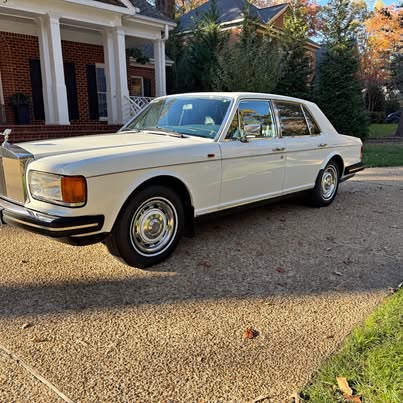
- Paperwork and identity first. Match the chassis number on the car's plate to the title, and establish which model you are actually looking at — Spirit or Spur — from the rear door length and the chassis record, not the listing title, because the two are confused constantly (one of the 4 cars in our current pool is listed under both names). Then read the history file with the hydraulics in mind: invoices naming accumulator spheres, pumps, height-control valves and LHM fluid changes are the documents that price this car. A thick file of oil changes and no hydraulic invoices is not a maintained car; it is a maintained engine in an unmaintained car.
- Warning lamps prove out. Turn the ignition on before starting. Every warning lamp must light — above all both brake-pressure lamps — and extinguish as the engine starts and pressure builds. A brake-pressure lamp that never lights is a removed bulb until proven otherwise, and on this car that is a seller telling you something.
- The accumulator test. With the engine run long enough for both brake-pressure lamps to be out, switch off. Pump the brake pedal steadily and count the applications before the warning lamps light and the pedal character changes. Dozens of applications: the spheres hold their charge. A handful: the accumulators are dead, the pumps have been carrying the system, and the hydraulic overhaul range from the problem-areas section goes into your offer arithmetic. This one test, which takes three minutes, is the highest-value check on the car.
- Cold start and engine manners. From cold, the L410 should start promptly and settle to a near-silent idle. Listen for tappet clatter that does not fade, watch for smoke (blue on the overrun later suggests valve-stem seals; smoke under load is rings), and check the temperature gauge's behaviour as it warms. Smell the oil on the dipstick and read its level and colour; then look at the coolant — oil in the coolant on this engine ends the viewing unless the price already says so.
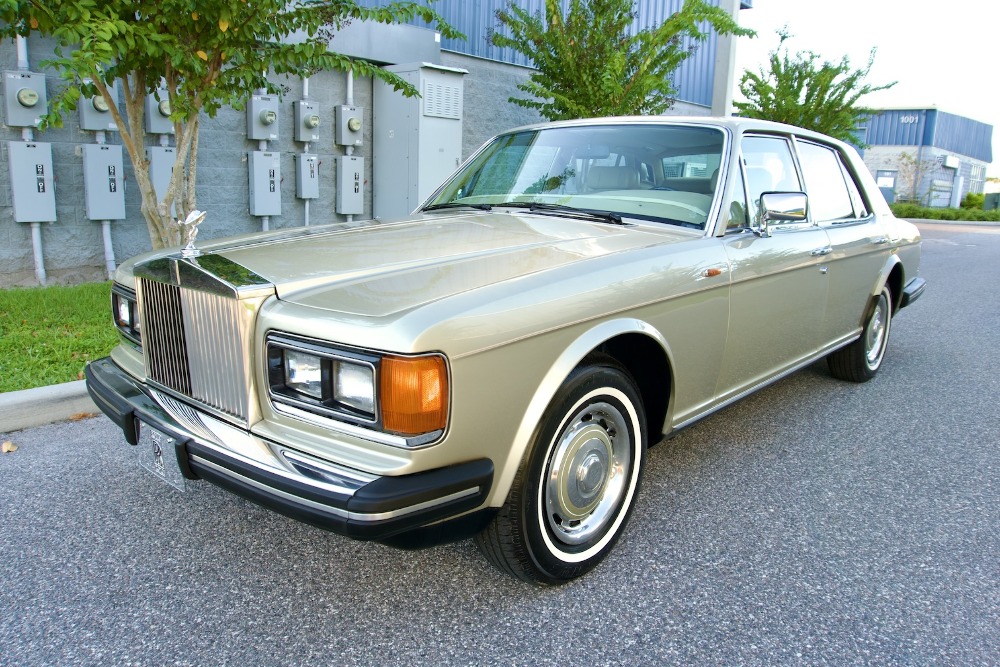
- Stance and self-levelling. Stand back and look at the car level, as in the photograph above. Start the engine and watch the rear: a car that sat down overnight should rise promptly to level and stay there. Load the boot with weight — your friend will do — drive a short distance, and confirm it re-levels. A rear end that never rises, rises in minutes rather than moments, or stays jacked high and rides harshly is a height-control valve or ram bill, per the hydraulics section.
- Reservoirs and fluid. Under the bonnet, check the hydraulic reservoirs: fluid clean and green, levels correct in the sight glasses, no milky or reddish contamination. Ask directly what fluid the system has been fed and who services it. Any hesitation here re-opens step 3's arithmetic — wrong fluid is a full-system reseal, not a top-up.
- Under the car. On a lift, work the rust map from the problem-areas section in order: both sills along their full length including the jacking points, rear arch lips, front and rear subframe and trailing-arm mounts, floor seams. Prod, do not just look, and read the underseal's honesty as you go. Perforation in sills or mounts is structural money — $1,500–3,500 a side for sills before paint — and decides whether you continue.
- Boot, floors and doors. Lift the spare wheel and check the well; lift the carpets in all four footwells and feel for damp underfelt; run a fingertip along every door bottom and check the drain slots. Damp inside a "dry-stored" Spirit means seals, and seals mean the floor check matters twice.
- The test drive. Twenty minutes minimum, including a stretch at highway speed and some low-speed manoeuvring. The TH400 should engage promptly, change smoothly, and kick down when floored — no kickdown is usually the switch, slipping or flaring is the box. Brake firmly and repeatedly from speed: the car should stop straight and strong, the pedal should feel consistent, and neither brake-pressure lamp should flicker under repeated applications — if one does, step 3 has just been confirmed on the road. Listen for differential whine on a light throttle and for front-end knocks over bumps.
- Air conditioning and heat. Whatever the weather, run the climate system through full cold and full hot. Cold air, hot air, and fan speeds that all work are worth money; silence is a diagnosis you will pay a specialist to make, with a range from a few hundred dollars to several thousand.
- Every electrical function, one by one. Windows (all, at speed), seats (every direction, both front seats), mirrors, central locking, cruise control, wipers and washers, all lights, all gauges. Make a written list of the dead — on this car the list is a price negotiation, because each item is small parts and large labour.
- Interior last, and weight it heavily. Sit in every seat. Press the leather for suppleness, look for split seams at the driver's bolster, read the wood's lacquer piece by piece for crazing and mismatched colour, check the headlining has not dropped, and lift a carpet corner for damp. A supple, complete, original cabin is the hardest thing on a Spirit to recreate at any sane price — after the hydraulics and the sills, it is what you are really buying.
Values
The figures that matter for this model are computed from this site's own listings and recorded sales, and they sit below this guide — the listed-now summary and the market block are refreshed every time the site rebuilds, so use them rather than any number quoted elsewhere. What follows is how to read them.
The Silver Spirit market is a condition market wearing a badge. The spread between the cheapest Spirit and the dearest is enormous — wider, proportionally, than for almost any other car in this programme — and it is set almost entirely by three things you have already read about: hydraulic history, structural rust, and the interior. Specification barely moves the needle. A standard Spirit with a documented hydraulic overhaul, sound sills and a supple cabin is worth more than a highly-optioned car without those things, every time, and the listings that look like bargains are almost always priced off one of those three defects whether the seller names it or not.
Within the family, the Spur's extra length and trim usually carry a modest premium over an equivalent Spirit, and the later Spirit II — rarer, and with Active Ride — sits above both, though its electronics narrow the pool of buyers as much as its ride broadens it. Early Series 1 cars like the 1982–85 examples that make up all 4 cars in our current pool are the affordable end of the range and the most numerous, which cuts both ways: plenty of choice, and plenty of neglected cars to choose from.
Two cautions apply to every figure. These are asking prices, not achieved prices, and Spirits are a model where the gap yawns: sellers anchor on what the car cost new or what they have spent, and the auction record — where Spirits trade regularly — is the corrective. And the sample sizes are small, so one exceptional or desperate listing moves a median violently; read the range and the individual cars, not the headline. The project-versus-driver gap is the defining shape of this market: a running, driving project Spirit can sit at a small fraction of a sorted car's money while needing more than the difference spent on it. The cheap Spirit is not the entry point to the model. The honestly priced, documented one is.
Parts and ownership
The Spirit sits in an unusual and mostly favourable parts position: it was built in large numbers by Rolls-Royce standards — roughly eight thousand Spirits and six thousand Spurs in the first series alone — it shares its mechanical core with the Bentley Mulsanne and the later SZ cars, and it is served by one of the best-organised classic-car parts networks there is. The factory's own classic operation and a deep bench of independent specialists in Britain and the United States stock or remake almost everything. What the network does not do is charge ordinary-car prices: the parts are available, and the labour to fit them to a large, densely assembled motor car is the real cost of ownership.
Easy: service items, filters, plugs, brake pads and discs, TH400 gearbox parts and rebuild kits (genuinely inexpensive, from any GM transmission source), tyres in the standard size, batteries, exhaust components in standard form, and the regular hydraulic consumables — LHM fluid, filters and seals — provided you buy them from the Rolls-Royce and Bentley specialist trade and not by improvising equivalents.
Harder and dearer: accumulator spheres and hydraulic pumps (available, but the labour around them is the bill), height-control valves and rear rams, K-Jetronic fuel distributors and warm-up regulators (rebuildable by CIS specialists; budget accordingly), air-conditioning control components, burr walnut sets in crack-free lacquer, Connolly-grade leather and a correct retrim, Everflex roof material and its fitting on Spurs, and brightwork in good order. A quality repaint on a car this size starts where it starts on any large flagship — well into five figures done properly — which is why this guide's recurring advice is to buy the body and the interior and budget for the mechanics.
Running costs. Be honest with yourself about the shape of them. A sorted Spirit is a realistic regular-use classic — fuel consumption in the low-to-mid teens mpg, effortless long-distance comfort, and mechanicals that a good specialist can keep on top of with annual servicing. But the standing budget is Rolls-Royce-shaped even when nothing is broken: specialist labour rates, hydraulic fluid and filter changes on schedule, leather feeding, and the steady renewal of forty-year-old rubber and electrics. The first year is the expensive one on any neglected car — catching up deferred hydraulics, brakes and recommissioning on a car that has sat honestly runs $5,000–10,000 at a specialist before you improve anything, and a full hydraulic overhaul plus sills can double it. Cars that have sat need the fuel system cleaned end to end, every brake and hydraulic hose assessed as a safety item, and all fluids changed — including verifying, before the engine turns, that the hydraulic reservoirs hold LHM and nothing else. Buy a car in regular use, with a specialist's invoices, over a dormant one at any discount the seller is likely to offer. The discount is never big enough.
Which one to buy
- The all-rounder: a mid-run Silver Spirit I (about 1984–88) with a documented hydraulic overhaul. The settled specification, the deepest choice of cars, and — if the spheres, pumps and valves carry recent specialist invoices — the cheapest Rolls-Royce ownership there is. This is the default buy.
- The value buy: the honest early car (1980–83). The simplest SZ specification and the lowest prices in the range; the 1982–85 cars that dominate current listings are exactly this. The value is real only when the sills and accumulators pass their tests — an early car that fails them is not value, it is a project wearing a price tag.
- The rear-seat car: Silver Spur I. If your passengers matter, the Spur's extra legroom, plusher trim and typically formal, garaged early life make it the one to have — at a modest premium over the Spirit, and with identical running costs and identical checks. Verify it is a Spur (rear doors, chassis record) before paying the premium.
- The step up: Silver Spirit II. Active Ride transforms how the SZ rides and handles, and production was far smaller. Buy it for the chassis and the rarity, with your eyes open: more electronics, the same hydraulic discipline, and a thinner pool of buyers when you sell.
- The collector car: Silver Spirit III. The final and rarest SZ saloon, the most developed specification of the line, built in very small numbers. Originality and documentation move its price as much as condition; verify both ruthlessly.
And the rule that overrides all of the above: buy the hydraulic history and the sills, in that order, and let the badge, the year and the colour fall where they may. An engine can be serviced, a gearbox rebuilt by any good shop, an interior fed back to life — but a Spirit with dead accumulators, tired pumps, the wrong fluid in its past and rust in its sills will cost more to put right than a documented car costs to buy, and it will do it one four-figure invoice at a time. There is no such thing as a cheap Silver Spirit that stays cheap; there are only Spirits whose bills have already been paid by someone else, and those are the ones to buy.
See the 6 Silver Spirit cars currently listed.
For sale now
Expand
 $13,900
Expand
Expand
$11,000Expand
What they sell for: Silver Spirit sale prices.