
Volkswagen Westfalia buyer's guide
Volkswagen Westfalia -- the model's own buyer's guide: variants, values and what to check.
Years listed: 1970-1979 · Series: Type 2
Overview and history
A Westfalia is not a Volkswagen model in the way a Beetle or a Golf is a model. It is a conversion — a Volkswagen Transporter, supplied by the factory as a van, a Kombi or a Microbus, and then fitted out as a camper by Westfalia-Werke at Rheda-Wiedenbrück in West Germany. That distinction is the whole guide. The mechanical car underneath follows ordinary Volkswagen Type 2 and Vanagon history, with ordinary Volkswagen engines, gearboxes and rust. The value, the usability and most of the ways a purchase can go wrong live in the conversion on top of it: the lifting roof, the furniture, the bed, the cooker, the fridge, the water and propane systems, and the paper and plaques that prove Westfalia — and not a previous owner with a jigsaw — did the work.
Westfalia had been building trailers and caravan equipment since long before the Transporter existed, and it began converting Volkswagen buses for camping in the early 1950s, within a year or two of the Type 2's launch. The early conversions were removable camping boxes rather than integrated campers: furniture units that could be lifted out so the bus could go back to work on Monday. Through the split-window years the conversion became a proper product line, ordered through Volkswagen dealers and identified by Westfalia's own SO — Sonderausführung, special equipment — numbers. By the bay-window era the Westfalia Camper — marketed in the United States as the Volkswagen Campmobile — was the factory camper: the one you ordered from the VW catalogue, not an aftermarket conversion done by a local firm after delivery.
That factory status matters for three reasons. First, the conversion was engineered as a system: the roof aperture was cut and reinforced to a pattern, the furniture was built to fit the shell's pressings, the wiring and propane installation followed a repeatable layout, and the finished vehicle carried Westfalia identification as well as Volkswagen identification. Second, because it was a catalogue product built in real numbers across three Transporter generations, parts knowledge, reproduction canvas and a deep owner community exist at all. Third, precisely because the name carries a premium, it has been copied for fifty years — owners converted panel vans at home, dealers fitted interiors from other makers, furniture migrated from van to van. A genuine, complete, documented Westfalia and a bus with camping furniture in it can look similar in a listing photograph and be very different purchases. Separating the two is a recurring theme of this guide.
Scope this guide plainly, because the name covers a long run. The Westfalia story spans the split-window Type 2 (T1) of the 1950s and 1960s, the bay-window Type 2 (T2) built from 1968 to 1979, and the Vanagon — the T3 — built from 1980 to 1991. The conversion changed fundamentally at each step: roofs, layouts, beds, appliances and mechanicals are all era-specific, and almost nothing from a Vanagon interior fits a bay, or vice versa. Later EuroVan conversions are outside the pool and the period covered here.
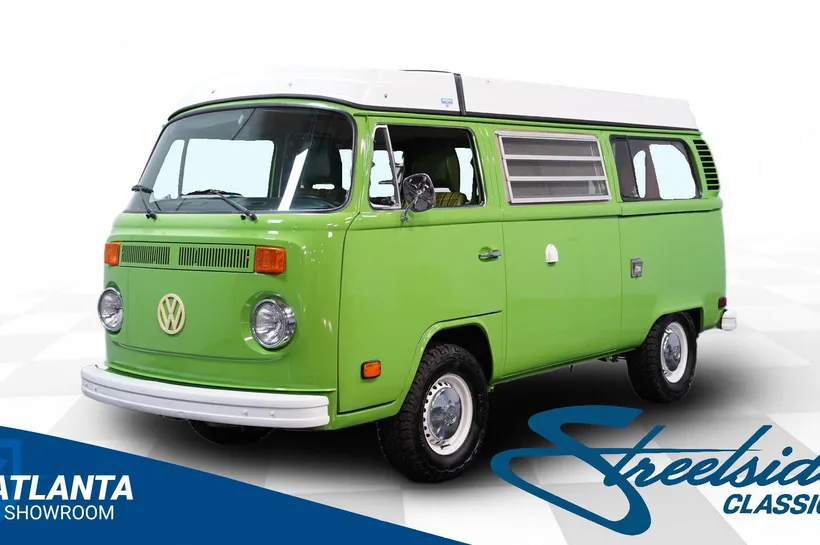
The Classic Listings pool behind this guide is narrow, and you should read it as such. It contains just 4 Westfalias at the time of writing, all 4 of them for sale and none recorded sold, and all 4 are bay-window Type 2s from the very end of that run — 2 from 1977 and 2 from 1978. In that sample of 4, 3 are manual and 1 is automatic, 2 are orange and 2 are green, and all 4 reached the site via Facebook Marketplace, listed in New Jersey (2 cars), California (1) and West Virginia (1). That is a truthful picture of where late bay Westfalias surface in the American market today — private sellers, online marketplaces, driver-grade cars — but it is not a census of Westfalias. There are no split-window cars and no Vanagons in the current pool of 4, so nothing in the market block below this guide should be read as speaking for those eras. The historical and mechanical sections of this guide cover all three eras because buyers cross-shop them constantly; the pool evidence covers the late bay only, and it is cited that way throughout.
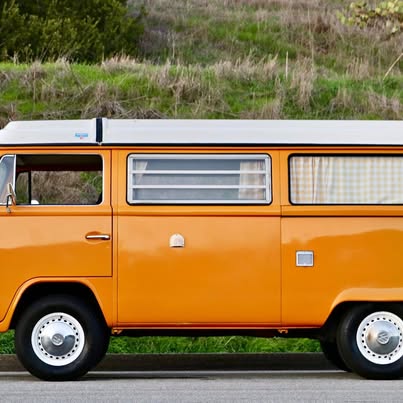
What you are buying, in any era, is two vehicles in one. The Volkswagen half wants the inspection you would give any Transporter: structural rust, an engine that has not been overheated, a gearbox that selects cleanly, brakes and steering that have been maintained rather than merely made to pass. The Westfalia half wants a different inspection, closer to surveying a small boat: does the roof lift and seal, is the canvas sound, does the bed fold flat and latch, does the fridge cool on each power source, does the propane system hold pressure and shut off, is the furniture original and complete, and has water — from the roof aperture, the windows or the sink plumbing — been rotting the floor from inside? Cars fail on the second list far more often than sellers expect, and the failures are expensive precisely because they are camper-specific: there is no cheap substitute for a correct roof mechanism or a complete original interior.
The good news is that a Westfalia, properly sorted, is one of the most usable classics ever made: a car, a van and a place to sleep in one footprint that fits a normal parking space. That usability is why values have held through several cycles of fashion, and why the market punishes incompleteness so firmly — a Westfalia missing its canvas, its table, its cooker or its upper bunk is diminished at the thing it exists to do. Buy completeness and evidence first, cosmetics second, and the rest of this guide is the detail of how.
The models
There is no single Westfalia model line to tabulate the way you would a sedan range. There are three base vehicles, a sequence of Westfalia equipment packages identified by SO numbers and, in North America, by Campmobile marketing names, and within each era a small number of interior layouts. The table below is therefore organised by era and conversion rather than by badge — because there is effectively only one badge — and the production column is stated honestly: Westfalia conversion totals by individual package were not published in a form a buyer can rely on, and any guide that gives you a precise build figure for an SO42 or a Berlin-layout bay is inventing it. Volkswagen's Transporter production totals are known in the millions; the Westfalia subset is not cleanly separable from them in period records.
| Model | Years | Engine | Output | Built | Character |
|---|---|---|---|---|---|
| Split-window Westfalia (T1, incl. SO42) | 1951–1967 | 1.2–1.5 Type 1 flat-four | 34–53 hp | Not separately published | The original; removable-box origins, then fixed interiors, small pop-top |
| Early bay Westfalia / Campmobile (T2) | 1968–1973 | 1.6 Type 1, then 1.7 Type 4 | 47–66 hp | Not separately published | The classic Campmobile; smaller roof, simpler furniture |
| Late bay Westfalia / Campmobile (T2) | 1974–1979 | 1.8–2.0 Type 4 flat-four | 68–70 hp | Not separately published | Full-width lifting roof and upper bunk; Berlin and Helsinki layouts in period literature |
| Vanagon Westfalia Camper (T3, air-cooled) | 1980–1983 | 2.0 Type 4 flat-four | 67 hp | Not separately published | The bigger, safer shell with the early engine; a transitional car |
| Vanagon Westfalia Camper (T3, Wasserboxer) | 1983–1991 | 1.9, then 2.1 Wasserboxer | 83 hp, then 95 hp | Not separately published | The modern Westfalia; full camper and Weekender versions |
| Vanagon Westfalia Syncro (T3) | 1986–1991 | 2.1 Wasserboxer | 95 hp | Not separately published | Viscous-coupled all-wheel drive; context here, the expedition premium car |
(Outputs are period figures and vary slightly by market and emissions specification; North American cars from the mid-1970s onward are rated net and run lower compression and emissions equipment their European sisters lack. Treat any single horsepower figure for a specific car as a prompt to check its engine code, not as a promise.)
The split-window cars (to 1967). The earliest conversions are furniture kits as much as campers — a wardrobe unit, a folding table, a bed made from the rear seat and cushions. The best-known package is the SO42, built in the mid-1960s, with a fixed interior and, on many cars, a small central pop-top that lifts for headroom rather than to house a bed. The SO44 designation belongs to the same late split-window period and is encountered far less often in North America. Do not let a seller use the SO numbers loosely: they are specific equipment codes, they appear in the vehicle's evidence, and a car described as an SO42 should be able to show why. Split-window Westfalias are collector cars first and campers second — slow by any modern measure, roofs that give standing room rather than a second bedroom, correct early furniture genuinely scarce. Verify one harder than any other era: the premium for a genuine early Westfalia over a converted Microbus is the largest in this guide, and the one most often claimed without evidence.
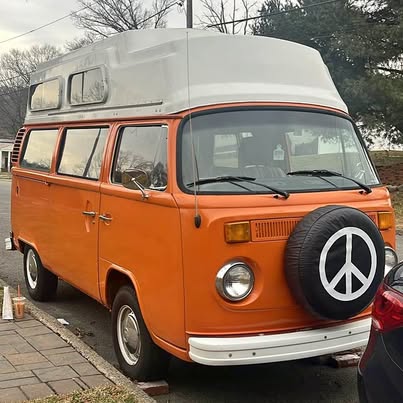
The bay-window cars (1968–1979). This is the Westfalia most buyers picture, and the era the pool behind this guide represents: all 4 cars in that pool are Type 2s, 2 from 1977 and 2 from 1978. The early bay kept a relatively compact lifting roof and a straightforward interior — a rock-and-roll rear bed, a sink and storage unit, a fold-out table, and on US Campmobiles a specification trimmed for the American market. From 1974 the conversion grew up: the roof became a large, full-length lifting section housing a fold-out upper bunk, which turned the camper from a two-berth with standing room into a genuine family proposition sleeping four at a pinch. Period layout names you will meet in listings and literature include Berlin and Helsinki, describing the arrangement of kitchen unit, wardrobe and bed; the names are useful shorthand among specialists but they are claimed loosely in adverts, so judge the furniture in front of you, not the label. Late bays — 1976 to 1979, the years of the pool cars — are the most developed of the line: the 2.0-litre Type 4 engine, the strongest bay gearbox, and on many US cars factory options including an auxiliary gasoline heater and, rarely, automatic transmission. In the pool of 4, that rarity shows in miniature: 3 cars are manual and only 1 is automatic.
The Vanagon cars (1980–1991). The T3 shell is wider, stronger, far better in a crash, and drives like a car of its decade, with proper front suspension and rack-and-pinion steering in place of the bay's beam axle and steering box. The conversion followed in a bigger box: a rear-hinged lifting roof with a proper upper double bed, a full kitchen unit along the left side on the full Camper — sink, two-burner hob, absorption fridge, storage — a rock-and-roll rear bed below, and a swivelling front passenger seat on most specifications. Alongside it, Volkswagen sold the Weekender package in North America: roof and beds without the kitchen block, lighter and preferred by buyers who cook outside. A Weekender is not an incomplete Camper — check the build evidence before calling any Vanagon missing its kitchen. The Syncro, from 1986, adds a viscous-coupled all-wheel-drive system developed with Steyr-Daimler-Puch, drive going to the front wheels as the rears slip. Syncro Westfalias are the expedition cars of the range, carry a substantial premium, and add a whole driveline to inspect; they are covered here as context and where their systems differ.
What the badge does not tell you. Three traps recur in every era. First, "Westfalia" in a listing title may mean no more than that a Westfalia roof or interior has been fitted to a bus that left the factory as something else — never worth genuine-conversion money without evidence. Second, interiors migrate: a bay wearing Vanagon seats, a Camper whose kitchen was replaced with homemade units in a 1990s refurbishment. Migration is not automatically a defect — it is a pricing fact, to be disclosed and priced, not discovered. Third, North American Campmobile specifications differ from European ones in furniture detail, appliances and electrics (110-volt hookup in place of 230-volt), so a later import can carry a confusing mixture. The evidence that settles all three is the subject of the inspection sections: Volkswagen's chassis number and M-code evidence for the base vehicle, and Westfalia's own identification — a plate or sticker carrying the conversion serial, its location varying by era — for the conversion. A genuine car can normally produce both. A car that can produce neither is a camper bus, and should be paid for as one.
Engines and gearboxes
Every Westfalia engine sits at the back, drives the rear wheels (or, in the Syncro, all four), and began life as a Volkswagen Transporter engine with no camper-specific internal changes. What the conversion changes is the engine's life: a Westfalia is the heaviest version of its base vehicle, it is driven loaded, it is driven on holidays at sustained speed in summer heat, and it spends long periods standing still between trips. Judge every engine in that light. A specification that survives happily in a Beetle or an empty panel van can be marginal in a loaded camper, and the service history that matters is the history of an engine that has worked for a living.
The Type 1 upright engine: split-window and early bay cars
The early cars use Volkswagen's familiar air-cooled flat-four in its upright form — so called for its upright cooling fan — growing from 1.2 litres in the earliest Transporters through 1.5 to the 1.6 that powered early bays. In a split-window bus these engines produce between roughly 34 and 53 hp depending on year, and in the early bay the 1.6 gives under 50 hp in North American tune. Nobody buys these cars for performance, and the engines are not the point: they are simple, they are understood by every air-cooled mechanic alive, and parts for them are the cheapest and most available in this entire guide. Their limits are thermal and structural. The design cools its oil and its cylinder heads with the same airflow, the number-three cylinder runs hottest because the oil cooler sits in its cooling airstream on early engines, and sustained full-throttle running in a heavy camper on a hot day is exactly the duty cycle the design tolerates least. Valve clearances close up if neglected — on an air-cooled Volkswagen a tight exhaust valve is a burnt valve and then a dropped valve seat waiting to happen — and the six-thousand-mile discipline of oil, valves and ignition points that these engines were designed around is not optional nostalgia, it is the maintenance the engineering assumes.
On a viewing, a healthy Type 1 starts readily, ticks over evenly once warm, and pulls without a flat spot. Oil leaks are endemic and, within reason, cosmetic — but end-float is not. With the engine off, pull and push the crankshaft pulley: perceptible fore-and-aft movement means the thrust bearing and its case saddle are worn, and that is a rebuild conversation, not a service item. Check that the engine tinware — the pressed-steel shrouding that ducts cooling air around the cylinders — is complete, and that the engine-bay seal is present all round. Missing tinware and seals are how these engines die: hot air recirculates into the cooling fan, head temperatures climb, and the seller's "runs a bit hot on hills" becomes your dropped valve seat. The thermostat and its linkage, often removed by mechanics who thought they were helping, belong in place.
The Type 4 engine: late bays and early Vanagons
From 1972 the bay gained the engine that defines the late Westfalia: the Type 4 flat-four, designed for the 411/412 cars and built in 1.7, 1.8 and — from 1976, standard in the late US Campmobile — 2.0-litre forms. It is stronger than the Type 1 in every structural respect: an aluminium alloy crankcase where the Type 1 uses magnesium alloy, a sturdier crankshaft, better cooling, hydraulic lifters on the late US 2.0 (a rattling top end that quiets as it warms is usually a lifter bleeding down, not damage), and enough torque to move a loaded camper at highway speed without constant gearchanging. The 2.0 in North American tune makes about 70 hp; what matters is torque arriving low in the rev range, which is why the late bay is the first Westfalia that feels adequate rather than charming on a modern interstate.
Fuel delivery divides the Type 4s. European and early US cars use twin Solex carburettors, sensitive to worn throttle spindles and perished linkage, so a Type 4 that idles roughly may need carburettor attention rather than engine work. US cars from 1975 adopted Bosch L-Jetronic injection — Volkswagen called it AFC, air-flow controlled. L-Jetronic is fundamentally reliable and widely misunderstood: its failure modes are overwhelmingly air leaks and grounds, not electronics. The large rubber intake boot splits with age, every vacuum hose downstream of the airflow meter admits unmetered air, and the result is a lean, stumbling engine owners misdiagnose as a dying computer — the computer itself rarely fails. Work through the intake tract hose by hose before anyone sells you a control unit, and check fuel pressure, because a tired pump moves the whole system off specification. Injector seals harden and leak air; the auxiliary air regulator sticks; the head-temperature sensor drifts. All of it is diagnosable with a gauge, a multimeter and a manual — which is why a fuel-injected Type 4 with documented system work is worth more than one with a shiny engine and no invoices.
The Type 4 carried into the first Vanagons (1980–1983) essentially unchanged as a 2.0, by then the only engine in the early North American T3. In the heavier, wider Vanagon it works harder still, and the same checks apply with extra weight on cooling: the Vanagon's engine bay and airflow differ from the bay's, the tinware and seals matter just as much, and an early Vanagon that has been run with missing seals will show it in oil temperature and tired heads. Valve seats are the Type 4's known deep-engine weakness across both applications — seats can loosen in the head, particularly after overheating — and a car with an unexplained misfire, low compression on one cylinder or a history of running hot wants a compression and leak-down test before money moves. Budget reality: a quality Type 4 rebuild, done by a specialist with the heads properly addressed, runs roughly $5,000–9,000 depending on specification and region, which is why the engine's documented condition prices a late bay more than its paint does.
The Wasserboxer: Vanagon cars from 1983
Midway through 1983 Volkswagen replaced the air-cooled engine in the Vanagon with the Wasserboxer — Wasser, water: a water-cooled flat-four that keeps the air-cooled engine's architecture, its pushrods and much of its bottom end, and wraps it in water jackets and a full liquid cooling system with a front-mounted radiator and long coolant pipes running the length of the van. The 1.9-litre version makes about 83 hp; the 2.1 that followed for 1986 makes about 95 hp, with more torque, a revised engine-management system (Digifant, where the 1.9 uses Digijet) and detail changes throughout. On the road the Wasserboxer is the making of the Vanagon Westfalia: quieter, stronger, properly heated in winter by a real coolant heater, and able to hold highway speed loaded in a way no air-cooled Westfalia manages without effort.
Its weaknesses are cooling-system weaknesses. The classic failure is coolant weeping from the head-to-case water jacket seals — look for dried coolant crust at the base of the heads and drips on a cold morning — and a repair means heads off, seals renewed and the sealing surfaces checked for pitting. The system itself is large and famously difficult to bleed: the radiator sits at the front, lower than the engine at the back, and air pockets after any work cause local overheating the gauge may not report honestly. A Wasserboxer with a documented cooling overhaul — pipes, pump, thermostat, hoses, plastic fittings renewed — is a known quantity; one with no cooling history is a budget line waiting. The long coolant pipes, steel on early cars and plastic later, corrode or split at their ends, under the van where sellers' photographs never go. On the 2.1, verify oil pressure with a gauge: the dynamic warning system's buzzer is widely distrusted and often disabled after false alarms, and a genuine low-pressure engine at hot idle is a worn bottom end whatever the buzzer says.
Exhaust systems on Wasserboxers are elaborate, expensive and rot from the inside; a blowing manifold joint on these engines can mean sheared studs and a heads-off repair, so listen cold, when leaks are loudest. Fuel injection faults follow the L-Jetronic lesson in Digijet/Digifant form: grounds, vacuum leaks, a worn airflow-meter track and tired oxygen-sensor wiring explain most running faults, and the control unit explains very few. The "Vanagon syndrome" of period literature — a bucking, cutting-out complaint on later cars at steady cruise — was traced to signal noise in the airflow-meter circuit and addressed by a factory harness fix; a car that still does it wants diagnosis, not acceptance as character.
Gearboxes, and the Syncro driveline
Most Westfalias are four-speed manuals. Split-window and early bay transaxles are robust, slow-shifting by design, and judged on second-gear synchromesh, whine under load, and whether the lever's famously long throw is standard vagueness or worn linkage bushes — a cheap kit and an afternoon, not a rebuild. The late bay's 091 gearbox, paired with the 2.0, is the strongest of the air-cooled boxes; Vanagon manuals continue the pattern, a notchy change usually being bushes, adjustment and old oil rather than internal wear. Budget $2,500–4,500 for a specialist rebuild if the worst proves true, and treat a car that jumps out of gear under load as carrying that bill until proven otherwise.
Automatics are the minority choice in every era — in the pool of 4 behind this guide, just 1 car is automatic against 3 manuals — and they divide opinion wrongly. The three-speed automatic offered in late bays and Vanagons is a strong, simple unit, well suited to a camper's life: it holds gears on grades, it removes the clutch from mountain driving, and in period it was the choice of buyers who towed. Its enemies are heat and neglect. The automatic section and the final drive share a housing but not their fluids, and the seals between them fail with age, letting ATF and gear oil migrate into each other — check both fluids, and treat cross-contamination as a rebuild-level finding. A cooler, fluid changes on schedule and clean, red, unburnt ATF are the signs of a cared-for car. Changes should be firm and unhurried; flaring, delayed engagement of drive or reverse, or fluid that smells burnt prices the rebuild in. Manual-versus-automatic is not a value hierarchy in a Westfalia the way it can be in a sports car: buy the condition, not the lever.
The Syncro driveline adds a front differential, a propshaft and the viscous coupling that decides how much drive the front axle receives. The coupling is a sealed unit that ages: gone stiff, it makes the van bind and scrub in tight turns — test with full-lock circles; gone slack, it gives you a two-wheel-drive van at four-wheel-drive money. The system also wants matching tyres of equal wear, because a coupling interprets a size difference as permanent wheel slip and works itself to death compensating. None of this is a reason to avoid a Syncro; all of it is a reason one costs more to buy well and to keep.
Problem areas
A Westfalia has every problem its base Transporter has, plus a second vehicle's worth of problems its base Transporter never dreamed of. Work in that order — shell first, conversion second — because the conversion problems, however annoying, are nearly all fixable at predictable cost, while a rotten shell quietly reprices the entire car. Almost everything in this section is drawn from the pattern of cars that come to market season after season: deferred maintenance, water ingress left to work, and camper equipment that has not been operated, let alone serviced, in a decade.
Rust: the map
Rust on a Type 2 or a Vanagon follows water, gravity and road salt, and the map is well established. Learn it once and you can read any car in twenty minutes.
The front. On bays, the lower windshield surround and the panel below it rot where water sits behind the seal; the front panel itself dents rather than rusts, but its lower edge and the deformation panel behind the bumper go, and the cab floor and inner steps dissolve where wet boots and leaking window seals feed them. The front axle beam rots at its ends and around its mounts — structural, and a lift check, not a kerbside guess. On Vanagons the equivalent traps are the lower windshield frame, the front panel seams, and above all the seam rust that defines the T3: the horizontal body seams, particularly the left-side seam behind the kitchen unit on full Campers, blister from inside as the factory seam sealer fails and water wicks into the joint. Vanagon seam rust is not a paint defect. It is the joint itself corroding, it returns after cosmetic repair, and the only durable fix cuts back to sound metal — price it as panel work, roughly $1,500–4,000 a side done properly depending on extent, and treat fresh paint along a seam line on a car with no invoices as a question the seller has to answer.
Sills, arches and the underside. Both generations rot their sills and wheel arches, front and rear, and both hide it well: arches bubble at the lip where the inner and outer skins meet, sills rot from inside behind underseal and trim, and the jacking points and outriggers that carry the van on its own jack are the honest test — metal that will not take the jack will not take your money either. Battery trays rot under the battery, invisibly, on bays in the engine bay and on Vanagons under the seats and in the rear; lift the battery or at least rock it and read the staining below. Floor pans go where water collects: under cab mats, under the camper's rear floor covering, and — Westfalia-specifically — under and around the sink unit, where a decade of small plumbing leaks rots a floor that looks perfect from underneath because the underseal is still holding the shape of the metal that has gone. Prod the floor around every water fitting from inside, not just outside.
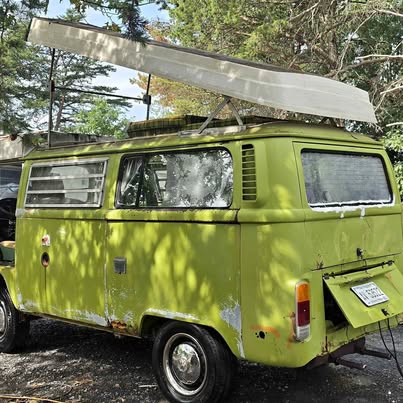
The roof aperture. This is the Westfalia's own rust trap, and it is the one generalist Transporter guides underplay. To fit a lifting roof, Westfalia cut a large aperture in the strongest part of the shell and framed it; the frame, the aperture edges and the surrounding roof skin then spend fifty years at the exact place where roof seals age, canvas channels collect water, and condensation from cooking and sleeping settles night after night. Seam rust around the aperture — bubbling along the roof opening's edges, staining below it inside, soft metal where the lifting mechanism mounts — ranges from local repair to a structural conversation, because the aperture frame is part of how the converted shell keeps its stiffness. On a bay, also check the roof skin itself and the gutters above the side windows; on a Vanagon, check the aperture corners and the area under the roof's front luggage rack where fitted, which traps leaves and water against the skin. Any seller who will not raise the roof for inspection has closed this entire section to you, and that is an answer in itself.
Doors and closures. Sliding doors rot at the lower skin and wear their tracks and rollers until the door drops and will not latch flush — a door that does not seal is a water inlet aimed at the interior. Rear hatches and engine lids go at their lower edges. A car needing sills, arches, a sliding-door repair and seam work is a restoration project wearing a driver's clothes.
The roof, canvas and lift mechanisms
The lifting roof is the conversion's defining component, and its condition separates the price classes more cleanly than mileage ever will.
The roof shell. Bay and Vanagon roofs are fibreglass, and they craze, crack at stress points around hinges and latches, and suffer amateur repairs in bathroom sealant. Look from a step ladder, not from the ground: cracks radiating from mounting points and sagging between supports tell you the roof has been flexing or leaking or both. Check the closed fit from every side — a roof that sits high at one corner, or whose seals do not compress evenly, is reporting hinge wear, a distorted shell or bent mechanism parts. All diagnosable, none free.
The mechanism. Bay roofs lift on a scissor or linkage mechanism with assistance springs or struts depending on year; Vanagon roofs are hinged at the rear and lift at the front on an H-bar mechanism with gas struts on later cars. In both cases the test is functional and unforgiving: one person of ordinary strength should be able to raise and lower the roof smoothly, the mechanism should hold the roof at full height without sagging or drifting, the latches should engage positively, and nothing should creak, bind or drop the last few inches. Worn pivot bushes, tired struts and bent linkage are the usual findings — struts and bushes are service money, roughly $150–500 in parts depending on system — while a mechanism that has torn its mountings out of the aperture frame is the rust section's problem arriving by another door. Operate the roof yourself, twice. A seller who raises it for you, quickly, once, is stage-managing the one demonstration this car cannot afford to have staged.
The canvas. The bellows canvas is a consumable with a long life, not a lifetime part. Age hardens it, mildew colonises it where a roof was closed wet — and roofs are always eventually closed wet — windows yellow and split at their folds, zips fail, and the attaching beading pulls out of its channels. Inspect it raised, from inside, in daylight: light coming through anywhere but the windows is a hole, and seams open where stitching has rotted in a way that only shows under tension. Replacement canvas runs roughly $400–800 in parts, and fitting is a full day of careful labour — $800–1,800 all-in at a shop — so a torn, mildewed canvas is a four-figure negotiation point, not a shrug. A new canvas on an otherwise original car is not a demerit; it is maintenance done. Ask when, and by whom.
Seals and water. The roof-to-body seal, the canvas channel and the aperture drainage are a system: water that gets past the seal should be a nuisance, not a flood, and the interior headlining, the upper bunk boards and the trim around the aperture record every failure in staining and swollen board. Read those records. Water-stained bunk boards and a musty smell on a warm day mean the roof has leaked, recently or for years, and the floor and seams below have been receiving the overflow. The smell test is real: a Westfalia interior that smells of mildew when you open the sliding door on a sunny day has water somewhere in its structure or its upholstery, and finding it is now your job unless the seller finds it first.
Furniture, beds and interior
Westfalia furniture was built properly — early interiors in real wood-faced plywood, later ones in laminated board with plastic edging — and it survives remarkably well when dry. Its enemies are water, modification and incompleteness, in that order.
Originality and completeness. Learn the correct layout for the car's era and package before you view, then inventory the car against it: wardrobe, kitchen unit, bed, tables (front and rear are separate items, and the front one is the one that goes missing), jump seat where fitted, stool, curtains, and the small fittings — table legs, brackets, latches, the sink cover that doubles as worktop — that walk away over fifty years. Completeness drives value out of proportion to the items' individual worth, because correct replacements are hunted second-hand, piece by piece, and some pieces effectively do not exist outside a breaking van. A car missing its tables, stool and original cooker is not "mostly complete"; it is incomplete in the way the next buyer will also price.
The bed mechanisms. The rock-and-roll bed — the rear seat that folds flat into a double bed — is a steel mechanism under constant load, and it wears at its pivots and latches. Fold it and rebuild it yourself: it should move without forcing, lie flat without a step between the seat base and the rear cushion over the engine deck, and latch positively as a seat, because that latch is a safety item for anyone riding on it. A bed that sits crooked points to a bent frame or worn hinges; a mismatch in cushion height points to replaced foam or a wrong rear cushion, common where an interior has been partially retrimmed. Upstairs, the upper bunk boards or bed base must be present, sound and dry — they are plywood, they live directly under the roof canvas, and they record leaks as swelling and delamination.
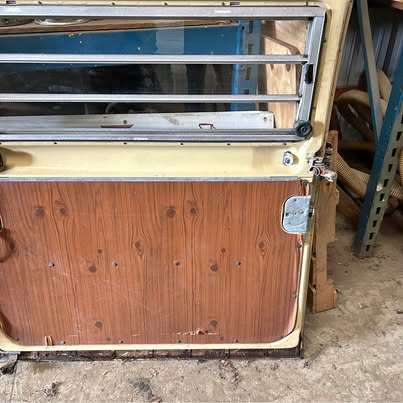
Materials and retrimming. Original fabrics — the plaids of the bay era, the tweeds of the Vanagon — are part of a car's evidence and appeal, and reproduction fabric exists for the common patterns at real money. A retrim in generic vinyl reprices the car as a user rather than a survivor, and a bad retrim over collapsed foam is worse than honest worn originality. Sit on everything and check foam at the cushion edges, where collapse starts. Laminate that has lifted and plywood swollen black at its lower edges mark units that have stood in water; the kitchen unit's base and the wardrobe's bottom edge are where to look, with a torch, at floor level.
Camper systems: propane, refrigeration, water and electrics
This is the section no ordinary car inspection covers, and it is where an unexamined Westfalia keeps its most consequential surprises. Treat every system as unproven until you have seen it work.
Propane. US campers carry a frame-mounted propane tank feeding the hob and, on equipped cars, the fridge and a heater. The tank, valve, regulator and copper lines are fifty-year-old pressure equipment on the oldest cars here, and they are inspected like it. Corrosion on the tank shell, perished hoses and amateur additions — extra tees, hardware-store fittings, a portable cylinder lashed in a cupboard — are stop-and-fix findings, not quirks. The functional checks are non-negotiable: the valve opens and shuts off completely, each appliance lights and holds a flame, flames burn blue and even, and a soapy-water test at every accessible joint shows no bubbles under pressure. A propane shop's inspection — typically under $150 — belongs in the first month of ownership of any car whose system history is a shrug. Never sleep in a camper whose propane system you have not verified; that is the most important sentence in this section.
The fridge. Westfalia fitted absorption refrigerators — Dometic units, badged Electrolux on earlier cars — that cool without a compressor, running on 12 volts, mains hookup (110-volt in North America) and propane. Absorption cooling is slow and widely misjudged: the honest test is time — on mains power a working unit should be plainly cold at the fins within a couple of hours. Test each source separately, because each fails separately: the 12-volt element only maintains temperature while driving, the mains element dies quietly, and the propane burner — a tiny jet and flue at the back — clogs with rust and debris and is the usual reason a fridge "works on electric but not on gas." A fridge that works on nothing, with an ammonia smell or yellow staining at the rear, has a failed sealed system: replacement money, roughly $800–1,500 fitted for a modern unit. A seller who has never run the fridge is telling you it does not work, in the only language available to him.
Water. The fresh-water system is a tank, an electric pump on later cars or a hand pump on earlier ones, a faucet over the sink, and a drain. Its failures are leaks and contamination. Fill it, run it, then look underneath and inside the cabinets with a torch for the drips that rot floors — the floor check in the rust section and the water check here are the same check from two directions. A pump that runs but delivers nothing has usually split a hose; a dripping faucet has been rotting its own cabinet for years. Budget a strip, clean and hose renewal — a few hundred dollars in parts — on any car without recent system use, and never drink from a system you have not sanitised.
Hookup and leisure electrics. The hookup inlet, breaker and sockets, the leisure battery where fitted, the split-charge arrangement and the charger on later Vanagons form a small electrical system of their own, usually modified by decades of owners adding stereos and inverters. Test the hookup on a real supply: sockets live, breaker trips and resets, leisure battery charging on hookup and on the engine. Read the wiring as history — neat, fused, documented additions are ownership; a nest of unfused taps off the battery is a fire risk and a rewiring bill. The auxiliary gasoline heater fitted to some air-cooled cars (Eberspächer units) is a specialist item: powerful and desirable, but a heater that has not run in years is recommissioned by a specialist, roughly $500–1,200, not by turning the knob hopefully on a cold night.
Ventilation and safety equipment. Finally, the items nobody lists: the roof vent where fitted, and the window seals and sliding-window channels that decide whether the interior stays dry at highway speed in rain; and the presence — almost always absent on a newly bought car — of a working carbon-monoxide alarm and a serviced fire extinguisher. Fit both in your first week. They cost less than a tank of fuel.
How to inspect one
Allow two hours — you are inspecting a car and a caravan — and bring a torch, a magnet in cloth, a step ladder for the roof, and a friend to work the systems while you watch underneath. Insist on a cold engine and a closed roof when you arrive.
- Paperwork and identity first. Match the Volkswagen chassis number to the title. Then find the Westfalia identification — the conversion plate or sticker carrying its serial, its location varying by era — and any M-code or build evidence for the base vehicle. A genuine conversion can normally evidence both halves; the traps in the models section are settled here, before emotion gets a vote.
- Cold start and engine basics. An injected Type 4 or Wasserboxer should start promptly and settle; an air-cooled car should not smoke blue beyond a first puff. Check the dipstick, look for end-float at the crank pulley on Type 1 and Type 4 cars, and confirm the tinware and engine-bay seals are complete — the cooling checks from the engines section, done in two minutes.
- Underneath, on a lift if at all possible. Sills, jacking points, outriggers, front beam on a bay, seams and coolant pipes on a Vanagon, the floor around the sink unit from both sides. Perforation in structure ends the viewing or reprices it as a project — the rust map in the problem areas is your route.
- The roof, operated by you. Raise and lower it twice. Watch the mechanism for binding and sag, read the aperture frame for rust, then stand inside in daylight and read the canvas against the light, seam by seam, exactly as the roof section describes.
- Water's paper trail. Headlining and bunk boards around the aperture, the kitchen unit's base, the wardrobe's bottom edge, the floor under every water fitting. Staining, swelling and mildew smell are one story told in three places.
- Beds and furniture inventory. Fold the rock-and-roll bed flat and rebuild it; check it latches as a seat. Lay out the upper bunk. Then inventory against the correct layout for the era: tables, legs, stool, wardrobe, kitchen unit, curtains — completeness is money, as the interior section explains.
- Propane, with respect. Read the tank and regulator by eye, reject amateur fittings on sight, light every burner, and soapy-water every accessible joint under pressure. Any failure here is a specialist visit before the first night slept in the van, full stop.
- The fridge, given time. Switch it on mains power at the start of the viewing so it has the whole inspection to prove itself; test the propane burner separately. Cold fins by the end is a pass; ammonia smell or yellow staining at the rear is a failed sealed unit.
- Water and electrics. Fill the tank, run the pump, then hunt the drips inside the cabinets and underneath. Plug in the hookup if you can; test sockets, breaker, leisure battery charging on hookup and on the engine.
- The test drive, loaded with questions. Fifteen minutes minimum, including a highway stretch and a hill. A late bay should hold speed without strain; a Wasserboxer should pull cleanly and show stable temperature. Listen for gearbox whine, test synchromesh, feel for the automatic's flare or delay, and on a Syncro finish with full-lock circles feeling for viscous-coupling bind.
- Heat, cooling and stance. Let it idle hot after the drive. Air-cooled cars: oil pressure and no new rattles. Wasserboxers: gauge stable, no coolant smell, no drips at the head seals as it cools. Stand back and read the stance — a camper should sit level and even, side to side.
- Price the findings, not the dream. List what you found by system — shell, roof, canvas, interior completeness, propane, fridge — with the job costs from the problem sections beside each line. That list, not the listing photographs, is the car you are actually buying.
Values
The figures that matter for this model are computed from this site's own listings and recorded sales, and they sit below this guide — the listed-now summary and the market block are refreshed every time the site rebuilds, so use them rather than any number quoted elsewhere. Read them knowing the current pool behind this guide is just 4 cars, all late bay-window Type 2s from 1977 and 1978, so the block speaks for that corner of the Westfalia world and not for split-window cars or Vanagons at all.
What drives Westfalia value, in order, is completeness, conversion authenticity, shell condition and era — not the sequence sellers advertise. A complete, genuine, documented late bay with a sound roof aperture is worth more than a shinier car missing its tables and wearing a homemade interior. Era sets the broad bands: split-window cars trade as collector cars, where originality evidence moves the price most; Vanagons trade as usable modern classics, where mechanical and cooling-system history does the pricing, Syncro campers carrying their own premium; late bays sit between, priced on condition spread more than specification.
Within any era the spread between cheapest and dearest is wide, and it is a condition spread, not a mileage spread. The cheap cars share the same biography — rust, a tired interior, dead camper systems — and each is a known bill from the problem sections, so a cheap Westfalia is usually a deferred-payment Westfalia. Asking prices habitually run ahead of achieved prices; the recorded-sales evidence below is the corrective, and where the sample is a handful of cars, read the range and the individual stories, not a median. A project must be priced as the finished car minus every bill in the problem sections, minus the time — if the arithmetic does not work at the asking price, it is not a bargain, it is a subscription.
Parts and ownership
Ownership divides cleanly into the Volkswagen half, which is among the best-supported classic propositions there is, and the Westfalia half, which is supported by a committed specialist trade rather than by any factory programme.
Easy: everything the base Transporter shares with the wider air-cooled and Vanagon world — service items, brake parts, suspension and steering wear parts, engine consumables for Type 1, Type 4 and Wasserboxer alike, exhausts in standard form, glass and most rubber seals. The production volumes were enormous, the club and specialist scene is global, and a competent independent air-cooled or Vanagon specialist exists within reach of most buyers.
Harder and dearer: Westfalia-specific items. Replacement roof canvas is reproduced for bay and Vanagon and is the good news; correct roof mechanism parts, latches and trim are hunted second-hand. Original furniture is not reproduced as complete units — a missing wardrobe or kitchen unit is sourced from a breaking van or built by a specialist trimmer at joinery prices. Period upholstery fabrics are reproduced for the common patterns; the uncommon ones are not. Absorption fridges are serviced by a shrinking number of specialists, and propane tanks and valves belong to propane professionals, not the classic-car trade. Budget roughly $400–800 for canvas in parts, $800–1,500 for a fridge replacement fitted, and treat any single missing major furniture unit as a $500–2,000 hunt depending on era — split-window pieces at the top of that range and beyond, when they appear at all.
Running costs. A sorted Westfalia is a realistic regular-use classic: fuel consumption in the high teens to low twenties mpg depending on era, ordinary classic insurance, servicing any good specialist can schedule. The honest budget line is the first year: recommissioning camper systems that have slept for a decade — propane inspection, fridge service, water renewal, canvas and seals — alongside deferred base-vehicle maintenance realistically runs $2,000–5,000 before you improve anything. Buy a car in current use, whose systems the seller can demonstrate working, over a prettier sleeper every time: in a Westfalia, use is maintenance.
Which one to buy
- The all-rounder: late bay Campmobile, 1976–1979. The 2.0 Type 4, the full-width lifting roof and upper bunk, the deepest pool of cars and knowledge. This is the Westfalia most buyers should buy — and the era the 4 cars in the current pool, from 1977 and 1978, represent.
- The modern driver: Vanagon Wasserboxer Camper, 1986–1991. The 2.1 engine, real heating, car-like driving, the best kitchen of the range. Buy the cooling-system history as much as the van.
- The value buy: Vanagon Weekender. The roof and beds without the kitchen block — lighter, simpler, cheaper to buy and to keep, and not an incomplete Camper.
- The collector car: split-window Westfalia, SO42 above all. Buy evidence first, charm second.
- The expedition car: Vanagon Syncro Camper. Genuine capability, genuine premium. Test the viscous coupling and budget Syncro costs.
- The project to avoid at any price: any era with a rotten roof aperture, an unverifiable conversion and a dead interior. Each alone is a bill; together they exceed the finished car's value.
And the rule that overrides all of the above: buy the most complete, best-evidenced genuine Westfalia you can find, on the soundest shell — completeness and proof are the value in this market, and they are the two things money cannot easily add later.
See the 7 Westfalia cars currently listed.
For sale now
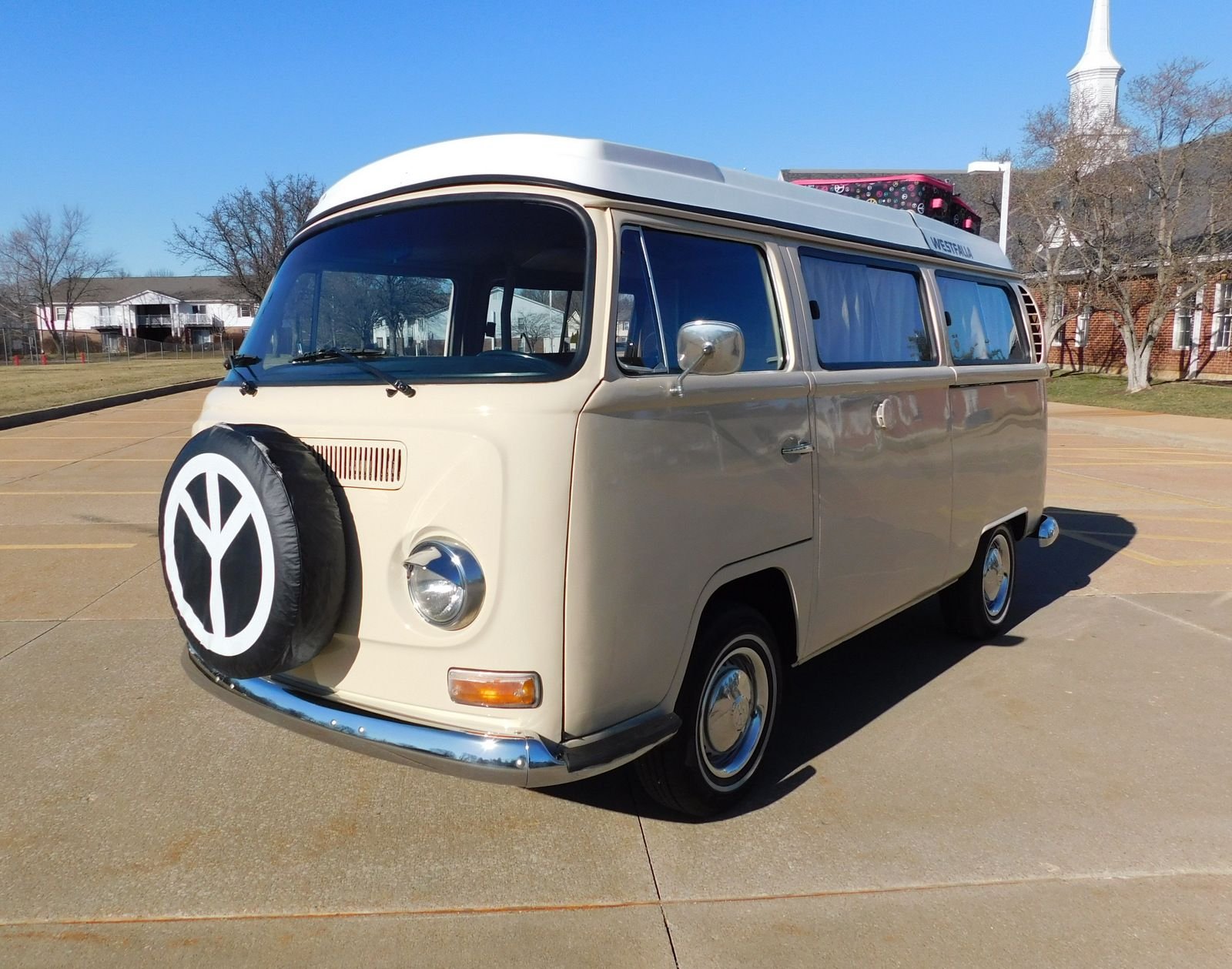 $26,895
Expand
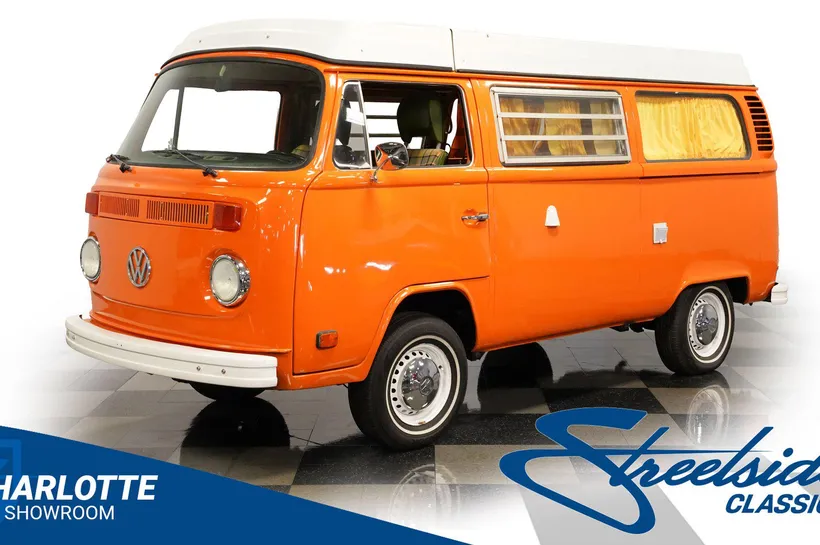 $22,995
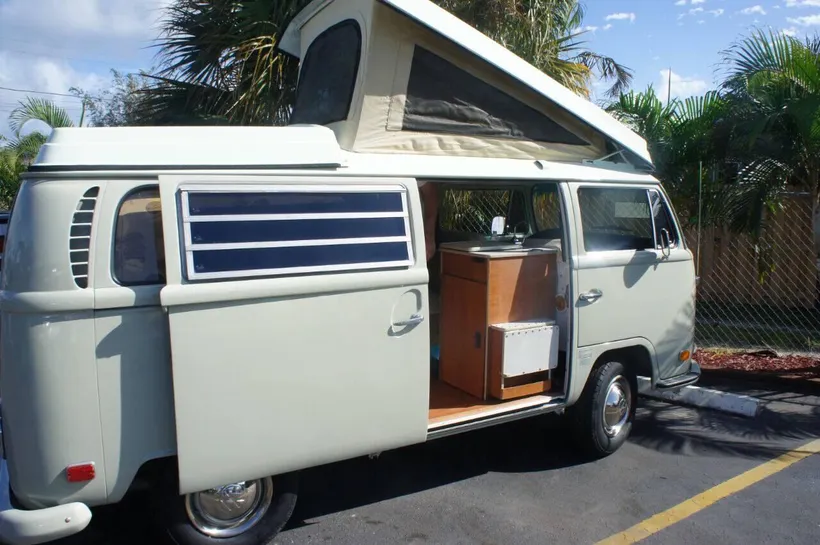 $21,250
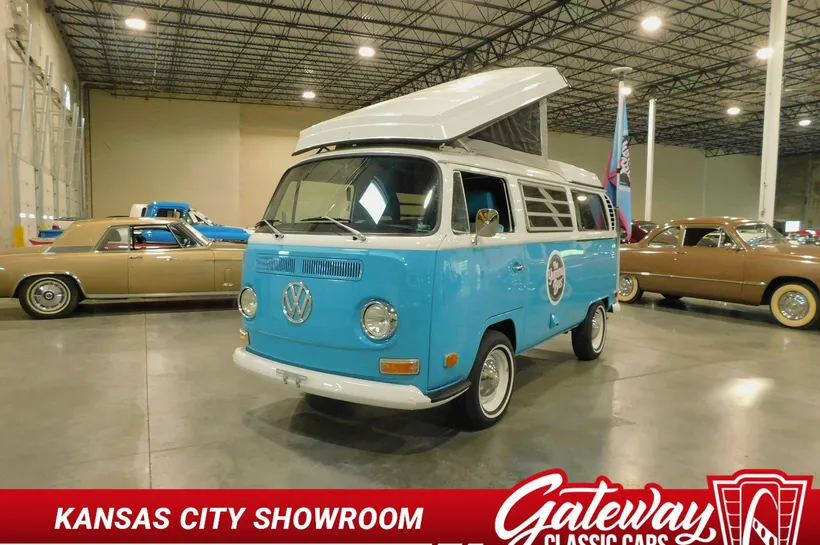 $40,000
 $30,495
What they sell for: Westfalia sale prices.