
BMW Z3 Roadster buyer's guide
BMW Z3 Roadster -- the model's own buyer's guide: variants, values and what to check.
Years listed: 1995-2000 · Series: E36
Overview
The BMW Z3 Roadster is a model of the BMW E36 range, listed here in examples from 1995 to 2000. This guide covers the model on its own: the variants and years that actually appear for sale, what the listings record about specification and mileage, what to check, how to inspect one, and what the model sells for.
In the site's taxonomy the E36 range runs from 1992 to 1999; the Z3 Roadster sits within it alongside 318i, 318is, 318ti, 320i, 323i, 323is, 325i and 325is. Use the series guide for the range as a whole and this guide for the model's own market.
59 BMW Z3 Roadster cars have been gathered here: 2 for sale and 54 marked sold. Every figure below is computed from those listings and refreshes with the collection.
The variants in the listings
The model's years break down as follows in the listings -- where the market is, and what each year typically asks.
| Year | Listed | For sale | Median asking |
|---|---|---|---|
| 1995 | 2 | 0 | |
| 1996 | 5 | 0 | |
| 1997 | 15 | 1 | $9,450 |
| 1998 | 13 | 0 | |
| 1999 | 8 | 0 | |
| 2000 | 16 | 1 | $10,500 |
Body styles recorded for the model are Roadster (31), Coupe (9), Convertible (7) and Sedan (3).
Engines, gearboxes and equipment -- as listed
The listings themselves are the honest source here: for the BMW Z3 Roadster, gearboxes recorded are 5-Speed (47, 80%), 4-Speed (10, 17%) and Manual (1, 2%); body styles are Roadster (31), Coupe (9), Convertible (7) and Sedan (3); the colours most often listed are Alpine White (7), Arctic Silver Metallic (6), Black (4), Topaz Blue Metallic (4) and Dark Green (3). Listings record equipment as sellers describe it, and descriptions vary in care -- so treat these figures as the shape of the market rather than a specification sheet, and confirm the exact equipment of any individual car with the seller and the vehicle itself before you rely on it.
Mileage tells the same story. Of the 59 cars here, 59 record a mileage; the median recorded figure is 76,800 miles, running from 9,300 to 223,700. At this age the number on the odometer is a claim, not a fact: it is only worth something when the paperwork supports it, and a well-kept higher-mileage example is usually a better buy than a low-mileage one with no history. Buy the condition and the documents, not the number.
Problem areas -- what to verify
- Identity: 1 of the 59 listings here (2%) record no VIN or frame number. On any individual car, compare the number on the vehicle with the title and paperwork before anything else -- a mismatch ends the conversation.
- Equipment: {} of {} listings do not record the transmission. Confirm the exact specification of the car you are buying -- listings are written by sellers, and errors happen.
- Title and paperwork: confirm the title is clean, in the seller's name, and matches the VIN and data plates.
- Structure first: on a car of this age, rust and accident repair decide value more than anything mechanical. Sills, floors, jacking points and the underside need eyes and a torch, not photographs -- almost everything else can be fixed with money; structure is the expensive exception.
- Engine: a cold start, listened to; oil pressure, smoke and top-end noise are the tells. A car that 'just needs a battery' has not been heard running -- price it that way.
- Gearbox: every gear, up and down, hot and cold; flaring, delayed engagement or noise is a rebuild conversation, priced before you agree a figure.
- Electrics and trim: every switch and gauge working, and the interior complete -- trim and brightwork for older cars can cost more to replace than mechanical parts.
- Storage history: long-parked cars need fuel-system, brake, seal and tyre work however clean they look in photographs.
How to inspect one
- Paperwork before metal: title, registration, service records and any inspection history. Check the identity numbers against the vehicle itself, in person.
- See it cold. Arrange to arrive before the engine is started; a warm engine hides starting, smoke and noise faults that a cold one announces.
- Work the photographs against the vehicle: every panel, badge and detail you saw in the listing, checked on the day. What the listing did not show -- the underside, the hidden corners -- is where your time goes.
- Structure and underside with a torch: the areas the problem list above names, pressed and prodded, not just looked at.
- Start it and listen; then drive or ride it long enough for everything to reach full temperature. Most faults in older machines appear hot, not cold.
- Every control, switch, light and gauge, worked one by one. Make a written list of what does not work -- it is your negotiating document.
- Price the faults before you discuss the price: parts and labour for each item on your list, set against the market figures in the Values section of this guide.
- If the car is far away, pay for an independent inspection by a marque specialist. On any purchase of this age, it is the cheapest money in the whole transaction.
Values
On Classic Listings today: 59 cars have been gathered here; 2 for sale and 54 marked sold; a median asking price of $9,975; an average of $9,975; a range from $9,450 to $10,500. Asking prices are the sellers' opening positions, not sale prices -- treat the median as the centre of the market you are shopping in, and judge any single car against the examples either side of it.
54 cars in the collection are marked sold, averaging $10,318 where a price was recorded. Sold figures here are the recorded asking or sale figures carried by the listings themselves; where the two differ, the gap is usually condition and paperwork, which is why the inspection sections of this guide matter more than any single number.
The spread in one view: the lowest-priced example listed now is 1997 328i at $9,450 (San Rafael, CA) -- and the highest is 2000 BMW 328i supercharged at $10,500 (King of Prussia, PA). A spread that wide is normal for cars of this age: the cheap end usually buys a project or a car with questions to answer, and the top end buys condition, history and specification. Neither extreme prices the typical car -- the median does.
Parts and ownership
Supply is the practical side of ownership. The 59 cars gathered here arrived through Cars & Bids (57), Facebook (1) and Hemmings (1): BMW Z3 Roadster. A model that keeps appearing for sale is a model with an active market -- comparables when you buy, buyers when you sell, and a living pool of knowledge and used parts around it.
Geography helps too: listings here are concentrated in PA (6), CA (6), WA (5), AZ (5) and GA (5) -- buying near home keeps inspection and transport costs down, and a local example you can see in person is worth more than a cheaper one you cannot.
Before you buy, confirm the ownership basics for the exact model and year: that wearing parts are obtainable, that a specialist within reach knows the model, and what the known service jobs cost at local rates. None of that is in the listings -- it is a phone call to a marque specialist or owners' club, and it is worth making before the purchase, not after. Budget for the first service and the storage-history jobs in the checklist above on top of the purchase price, whatever car you choose.
Which one to buy
Buy the best-documented, structurally soundest BMW Z3 Roadster you can find and let the checklist set the price. In a market this size, the right example at the median is a better purchase than a cheap one with questions, and patience is a real strategy: new examples arrive here continuously.
See the 59 Z3 Roadster cars currently listed.
For sale now
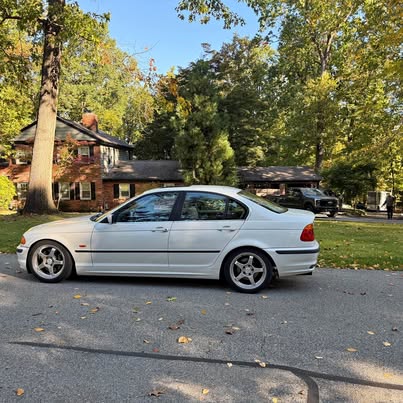 $10,500
Expand
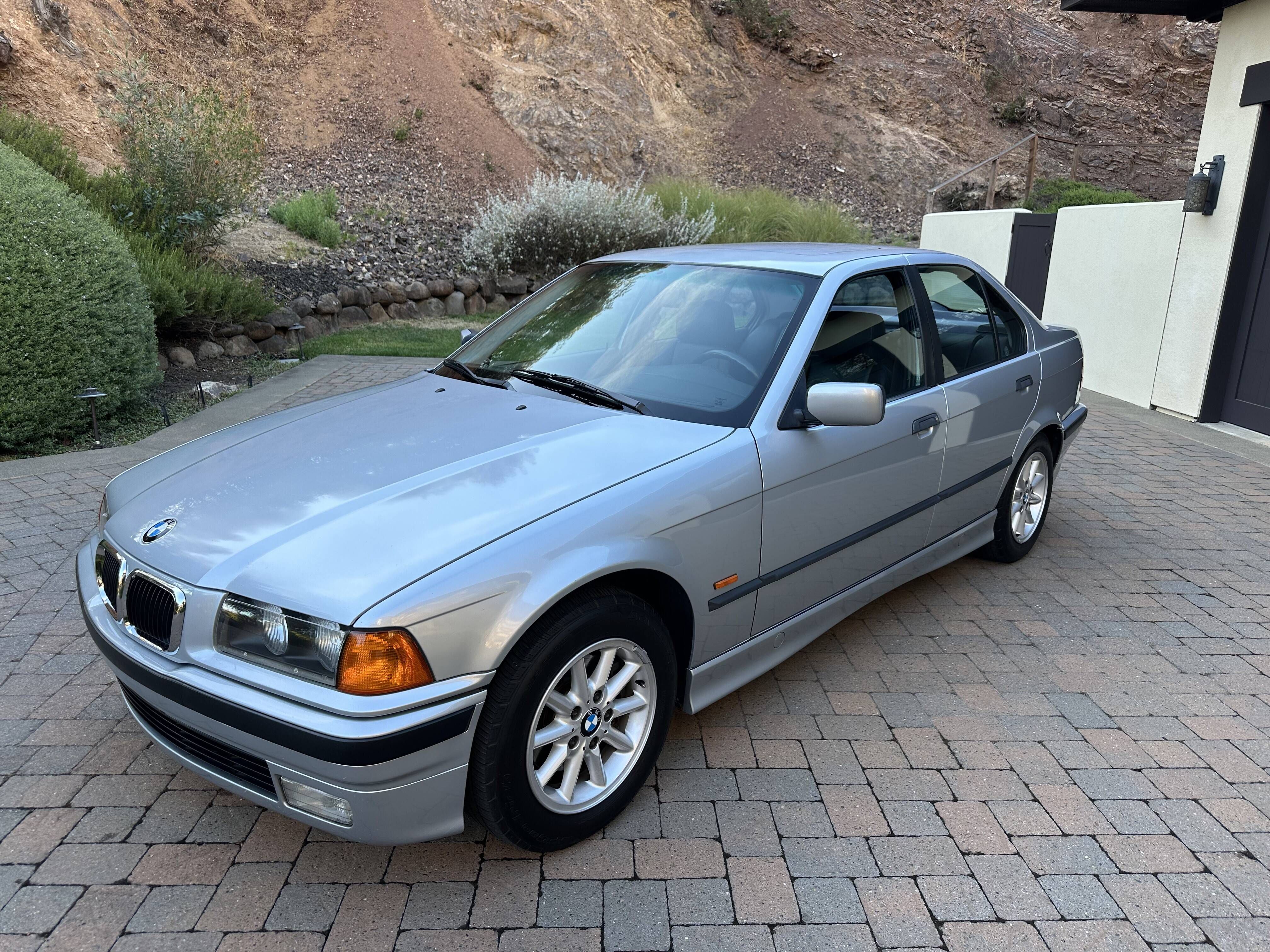 $9,450
What they sell for: Z3 Roadster sale prices.