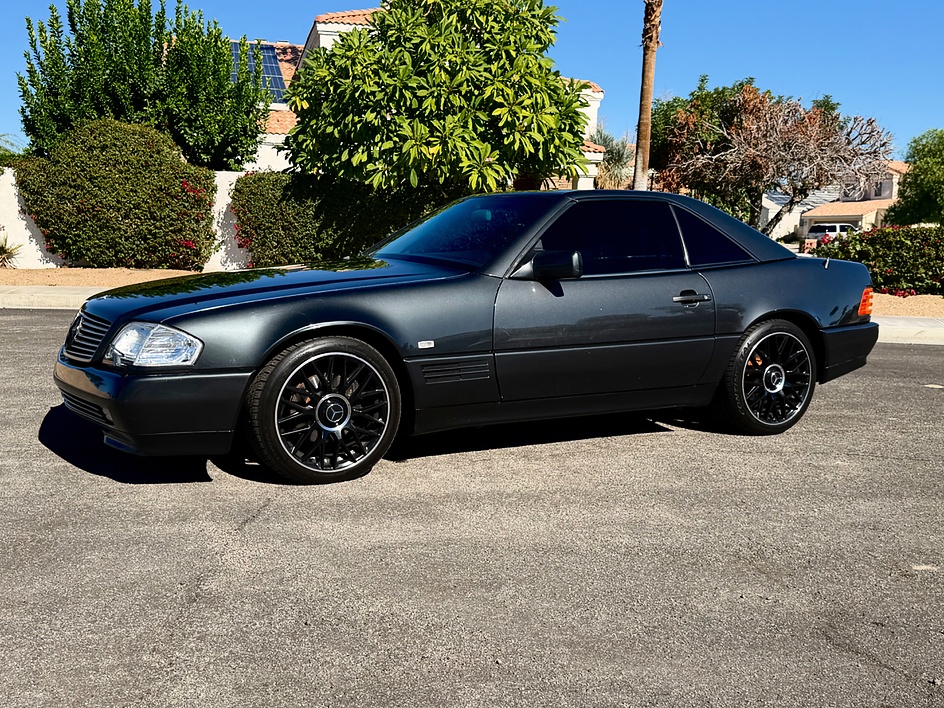
Mercedes-Benz R129 buyer's guide
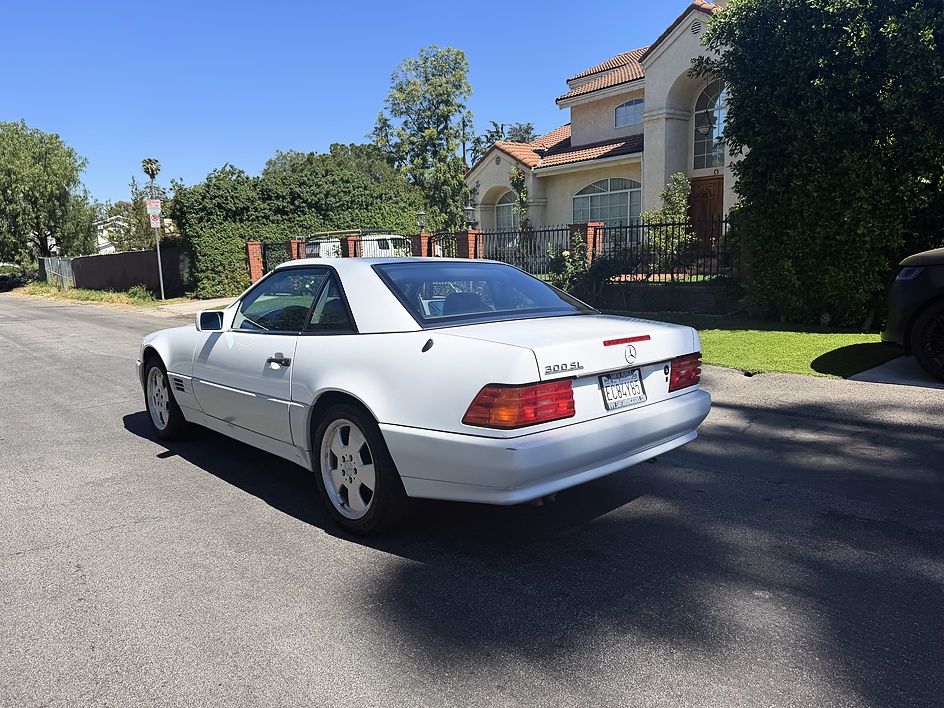
Mercedes-Benz R129 (1990–2002) — 300SL, 500SL, SL320, SL500, SL600, SL280, 320SL, SL55 AMG, SL, R129 SL: what's listed, and what they sell for.
Years: 1990–2002 · Models: 300SL, 500SL, SL320, SL500, SL600, SL280, 320SL, SL55 AMG, SL, R129 SL
Overview and history
The R129 is the SL that dragged Mercedes-Benz into the modern age. Shown at the Geneva motor show in March 1989 and on sale in the United States as a 1990 model, it replaced the R107, a car that had been in production for eighteen years and felt it. Where the R107 was a handsome 1960s design kept alive by bumpers and emissions equipment, the R129 was a clean-sheet car: Bruno Sacco's smooth, wedge-profiled body, a fully automatic electrohydraulic soft top at a time when rivals still made you wrestle with latches, an automatic roll-over bar hidden behind the seats that fired up in a fraction of a second if the car sensed it was going over, and seat belts built into the seats themselves.
Underneath it was just as serious. The front suspension used MacPherson struts, the rear a five-link layout adapted from the 190E and W124, and the structure was engineered to a standard that embarrassed cars built twenty years later. This was the last SL designed entirely before the DaimlerChrysler merger, under the old cost-no-object regime, and owners who call the R129 the last over-engineered Mercedes are not simply being nostalgic. Panel fits, switchgear feel and the sheer mass of the doors all tell the same story.
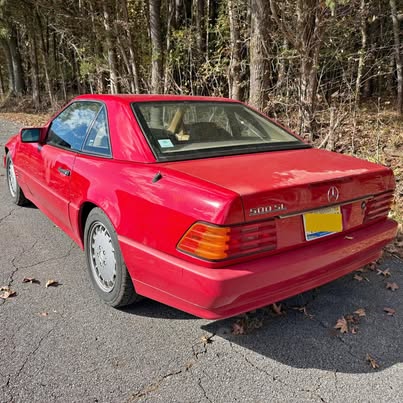
Production ran at Bremen from 1989 to July 2001, with US sales continuing into the 2002 model year as the R230 arrived. Daimler's own retrospective count is 204,940 cars — a big number for a flagship roadster, and the reason a buyer today is spoiled for choice. The range always had the same shape: straight-sixes at the bottom (300SL, later SL320), the 5.0-litre V8 as the heart of the range (500SL, renamed SL500 in 1994), and from 1993 a 6.0-litre V12 flagship (600SL, then SL600). Europe also got an SL280 the US never saw, and AMG built small numbers of very special cars on the side. Every R129 is a two-seat roadster with a folding soft top and a removable hardtop supplied from new — there was no coupe and no factory four-seater, whatever a seller with rear seat cushions from the aftermarket tells you.
Two facelifts divide the run. The first, for the 1996 model year, brought body-coloured lower cladding, revised bumpers and lights, side airbags and the option of a panoramic glass hardtop. The second, for 1999, brought new engines (a V6 for the SL320 in Europe, a lighter three-valve V8 for the SL500 everywhere), restyled mirrors and door handles, and the oval side vent. Under the skin the bigger dividing line is electrical: cars built roughly between 1991 and 1996 carry engine wiring looms whose insulation was designed to biodegrade, and that single fact does more to sort good R129s from cheap ones than mileage ever will. The problem areas section deals with it in full.
The R129's life since has followed the classic flagship curve. It depreciated hard — a car that cost as much as a house in some markets became, by the 2010s, one of the cheapest ways into a V8 or V12 Mercedes — and a generation of owners ran them on budgets the car was never designed for. The R129 tolerates neglect better than most exotics but bills you for it later, in hydraulics, wiring and deferred services rather than in rust or blown engines. That is the shape of the market you are buying in: mechanically tough cars whose value is set by how much of the 1990s technology still works, and by whether the expensive catch-up jobs have already been done by somebody else.
The models
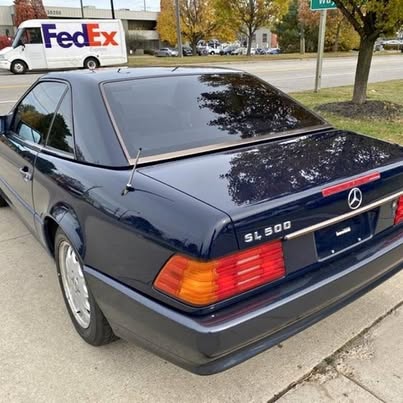
The badge logic is simple once you know the 1994 flip: before it, the number came first (300SL, 500SL, 600SL); after it, the letters did (SL320, SL500, SL600). The engine under the badge changed more often than the badge did, so the table below is the map — and the chassis code in the VIN is the ground truth. An R129 VIN begins WDB129 followed by three digits: 060 is a 300SL, 063 an M104-engined SL320, 067 an M119-engined 500SL or SL500, 068 the later M113 SL500, and 076 the SL600. Check it before you pay for a badge.
| Model | Years | Engine | Output | Built | Character |
|---|---|---|---|---|---|
| 300SL | 1990–1993 | 3.0 six (M103), KE-Jetronic | 188 hp | part of 204,940 total | The simple one; manual gearbox exists |
| 300SL-24 | 1990–1993 | 3.0 six (M104), 24-valve | 228 hp | part of 204,940 total | Revvy six, Europe-weighted, rare in the US |
| SL280 | 1994–2002 | 2.8 six (M104), later 2.8 V6 (M112) | 193 hp, later 204 hp | V6 version just 1,704 | Europe only; the entry car, never sold in the US |
| SL320 | 1994–1998 | 3.2 six (M104), HFM injection | 228 hp | part of 204,940 total | The sweet six; smooth, adequate, cheaper to run |
| SL320 | 1998–2002 | 3.2 V6 (M112) | 221 hp | part of 204,940 total | Europe only in this form; US dropped the six in 1997 |
| 500SL | 1990–1993 | 5.0 V8 (M119) | 322 hp | M119 cars total 79,827 | The launch flagship; the full-strength V8 |
| SL500 | 1994–1998 | 5.0 V8 (M119) | 315 hp | M119 cars total 79,827 | The core of the US market |
| SL500 | 1999–2002 | 5.0 V8 (M113), three-valve | 302 hp | part of 204,940 total | Lighter, torquier low down, simpler top end |
| 600SL / SL600 | 1993–2002 | 6.0 V12 (M120) | 389 hp | just over 11,000 | The flagship; effortless, complex, heavy |
| SL60 AMG | 1993–1998 | 6.0 V8 (M119, AMG) | 376 hp | a few hundred at most | Europe only; the AMG V8 most buyers can find |
| SL55 AMG | 1998–2001 | 5.4 V8 (M113, AMG) | 347 hp | 65 | Vanishingly rare; a footnote car |
| SL73 AMG | 1997–2001 | 7.3 V12 (M120, AMG) | 518 hp | about 85 | The Zonda-engined unicorn; special order only |
(Outputs are US-market SAE figures where the model was sold in the US. Mercedes published the 204,940 total and the 79,827 figure for all M119 cars combined; per-model splits for the volume cars were not published in the same form, so the table does not invent them.)
The sixes. The 300SL (1990–93) uses the single-cam M103, the simplest engine ever fitted to an R129, and it is the only model where a five-speed manual gearbox is anything other than a rumour — a small number of early US cars have it, and Europe saw more. It is not fast, but it is honest and cheap to keep. The 300SL-24 swapped in the four-valve M104 and is a keener thing, though US supply is thin. The SL320 that followed in 1994 is the six to buy: the 3.2-litre M104 makes the same 228 hp with more torque, better economy and HFM electronic injection. America dropped the six after 1997 — slow sales against the V8 — while Europe continued with a V6 SL320 to the end.
The V8. The 500SL was the car the R129 was launched around, and the M119 V8 — four cams, 32 valves, variable intake timing — is one of the great Mercedes engines: strong, smooth and famously durable. Cars from 1990 to 1992 make 322 hp; the renamed SL500 settled at 315 hp and ran to 1998. For 1999 the SL500 switched to the M113, a lighter all-alloy three-valve V8 making 302 hp. On paper that looks like a downgrade, and collectors price it that way; on the road the M113 car is barely slower, feels torquier at ordinary speeds and has a simpler top end. Drive both before you let the spec sheet decide. The V12. The 600SL arrived for 1993 and became the SL600 a year later. The M120 is essentially two M104 sixes on a common crankcase, and it moves this heavy car with an ease the V8 cannot match, in near silence. It also doubles many of the V8's service bills, adds its own (two throttle actuators, two control units, adaptive damping as standard) and makes the car noticeably nose-heavier. Just over 11,000 were built — outsold roughly ten to one by the SL500 in the same years — genuinely uncommon without being unobtainable.
The AMG cars and special editions. AMG was an independent tuner for most of the R129's life, so its cars were conversions, built in small numbers and documented unevenly — treat every claimed AMG car as a research project and demand paperwork. The SL60 (6.0-litre M119) is the one you might actually find; the SL55, SL70 and SL73 are effectively unbuyable. The special edition US buyers will meet is the 2002 Silver Arrow: 1,450 SL500s and 100 SL600s in silver over black-and-silver leather, built to close the run. It is a trim package, not a mechanical upgrade — pay a modest premium for a good one, not a fortune.
Engines and gearboxes
The sixes: M103, M104 and M112
The M103 in the 300SL is a single-overhead-cam 3.0-litre with two valves per cylinder and Bosch KE-Jetronic continuous fuel injection — 1980s technology, and all the better for it in a car you intend to keep. It makes 188 hp and pulls the SL along adequately rather than quickly. Its known habits are a head gasket that eventually weeps oil at the back of the head, valve stem seals that harden and let it burn oil on start-up after sitting (a puff of blue on a cold start that clears is seals; smoke that stays is not), and hydraulic lifters that stay quiet only with regular oil changes. The KE-Jetronic itself — a mechanical airflow plate metering fuel, trimmed by an electrohydraulic actuator — is robust, but its rubber intake boot splits with age and gives an unmetered-air lean running fault that gets misdiagnosed as everything else first. A sorted M103 car is the cheapest R129 to own, full stop.
The M104 is the six most buyers will meet, in three forms: the 3.0-litre 24-valve in the 300SL-24 (KE-Jetronic, 228 hp), the 3.2 in the SL320 (HFM electronic injection, 228 hp with a fatter torque curve), and the 2.8 in the European SL280. It is a lovely engine — smooth, keen to rev, strong well past 200,000 miles — with two signature faults. The first is the head gasket: M104s leak oil externally from the right-rear corner of the head gasket, and from the U-shaped seal where the front timing cover meets the head. An oil weep down the back of the block on a six is almost never the rear main seal sellers blame; it is the gasket, and a proper replacement job runs $1,200–2,000 in parts and labour. The second is the throttle actuator and its wiring, covered in the problem areas section, because on 1990s cars the wiring is the fault, not the part it is attached to. Cam adjuster solenoids leak and the viscous fan coupling ages — ordinary, and cheap. Buy an M104 on condition and history, not mileage.
From 1998, Europe's SL320 (and the SL280) switched to the M112 V6: all-alloy, three valves and two plugs per cylinder, 221 hp in 3.2 form. It is lighter than the M104 and torquier at low revs, though less characterful at the top end. Its known items are harmonic balancer pulleys whose rubber ring can delaminate on early engines (inspect for wobble and cracking; replacement is a few hundred dollars and ignoring it can cost a front cover), oil consumption via the breather covers on the valve covers (a reseal job, not a rebuild), and crank position sensors that fail hot and leave you waiting for the engine to cool before it restarts. The US never got the V6 R129, so American buyers meet the M112 only in grey-import cars.
The V8s: M119 and M113
The M119 is the engine the R129 deserves its reputation for. Fitted to the 500SL from launch and the SL500 to 1998, it is an all-alloy 5.0-litre with four camshafts, 32 valves and variable intake valve timing, built in three management generations that matter when you buy parts: KE-Jetronic cars (1990–92, engine code 119.960), LH-Jetronic cars (1993–95, 119.972), and ME-Motronic cars (1996–98, 119.982). Output was 322 hp in the first group and 315 hp thereafter — a paperwork difference you cannot feel. A healthy M119 starts instantly, idles at a rock-steady 600-odd rpm, and pulls hard and cleanly to 6,000 rpm with a hard-edged note no later Mercedes V8 has matched.
Its service points are specific. The timing chain is a duplex chain and long-lived, but the plastic chain guide rails age and embrittle; a rattle from the front of the engine on a cold start that lasts more than a second or two is guides asking for attention, and a full chain, guides and tensioner job runs $1,800–3,000 at a specialist — cheap insurance against a skipped chain. The camshaft oil feed tubes are the famous small fault: each cam is fed by small tubes clipped over it, originally plastic, which go brittle, pop out of their fittings and starve one lobe set of oil, announced by a ticking from one valve cover that rises with revs. Metal replacement tubes exist and a set fitted is a few hundred dollars; the tick is the test, and it is in the inspection checklist. The two distributor caps and rotors at the front of each head collect moisture and ozone cracking and cause a warm misfire that owners chase through plugs and leads for months; caps and rotors are service items, a few hundred dollars for both sides, and green corrosion inside a cap is the diagnosis. Power steering pumps leak from the front seal, and the belt tensioner wears and chirps. None of it is exotic. A documented M119 with chain guides done and quiet cams is as close to a fit-and-forget classic V8 as exists.
The M113 in the 1999–2002 SL500 is a different philosophy: a lighter all-alloy block, one cam per bank, three valves and twin plugs per cylinder, 302 hp and more torque at lower revs than the M119. It gives up the M119's top-end appetite and gains simplicity — no distributors, no cam oiler tubes, coil packs on the plugs. Its faults are the M112's faults (it is the same family): crank position sensor failures when hot, harmonic balancer inspection on early cars, breather cover reseals, and engine mounts that collapse and put a tremor through the car at idle — mounts are a wear item on every R129 V8, a $600–1,000 job fitted, and fresh ones transform the car. Sixteen spark plugs make a plug change a longer afternoon than you expect. Neither V8 is the wrong answer; the M119 is the enthusiast's engine, the M113 the lower-effort ownership proposition, and the market prices the earlier engine higher for character rather than cost.
The V12: M120, and the AMG engines
The M120 is a 6.0-litre, 48-valve V12 making 389 hp, and mechanically it is best understood as two M104 sixes sharing a crankcase: two throttle actuators, two air mass sensors, two engine control units. It is silky in a way the V8 is not — the car surges rather than accelerates — and it is every bit as durable as the six it is based on, provided it has been serviced. Access is the tax: the engine fills the bay, so jobs that are an hour on a six can be three on the twelve. Throttle actuator wiring fails exactly as it does on the sixes and V8, twice. Ignition control units on early cars are expensive when they fail — $1,000–2,000 for a tested used or rebuilt unit — and are often condemned when the real fault is the wiring feeding them. Cooling is marginal in traffic on a neglected car: radiator, viscous coupling and auxiliary fans must all be right, because an overheated V12 is a very expensive sentence. Buy a V12 on its service file or not at all.
The AMG engines are variations on these themes. The SL60's 6.0-litre M119 is a bored and stroked 5.0 making 376 hp; it shares the standard car's service points and adds AMG prices where components are AMG-specific. The SL73's 7.3-litre version of the V12 (518 hp) is the largest engine Mercedes put in a production car, later made famous by Pagani, and its service story is the M120's at higher stakes and near-zero parts availability. These cars belong to collectors who already know the specialists.
Gearboxes
Almost every R129 you will ever see is an automatic, and there are two. The early cars use the 722.3 four-speed (722.4 in some six-cylinder applications), a fully hydraulic gearbox with vacuum modulation: no electronics, adjustable shift feel, and a well-earned reputation for strength. It starts in second gear unless you floor it or select the lower range — correct behaviour, not slip. Its wear points are a delayed or flaring engagement of reverse (a tired reverse piston seal, and the classic early warning of a rebuild), harsh or hanging shifts from a perished vacuum modulator or split vacuum line, and leaks from the front pump seal and pan. A full rebuild at a specialist runs $2,800–4,500; a modulator or vacuum fault is a fraction of that, so diagnose before you budget for the worst. Fluid and filter changes every 30,000 miles or so keep these boxes alive indefinitely, and black, burnt fluid is the car's servicing story on one dipstick.
The later cars — V8s and V12s from the 1996 model year, sixes following — use the 722.6 five-speed, electronically controlled, with a lock-up torque converter. It is smoother and better on fuel, and Mercedes initially sold it as sealed for life, which was nonsense: it wants fluid and filter services like any other box. The electrical connector at the front of the box leaks fluid into its plug, which then wicks up the loom into the control unit — a $30 connector sleeve prevents it, and a car with oily residue at that plug needs the sleeve and a loom check before anything else. The conductor plate inside the valve body is the common electrical failure, giving limp mode and stored codes; it is a sump-off job, a few hundred dollars in parts. On the test drive, both boxes should engage drive and reverse promptly, shift firmly and kick down without hesitation. A manual R129 — five speeds, offered on the sixes in Europe and on a handful of early US 300SLs — drives better than its rarity suggests, but check clutch weight and second-gear synchromesh, and know that you may wait a long time to sell it.
Problem areas
The R129 inverts the usual classic-car hierarchy. On most cars of its age, rust and worn-out engines decide value; on the R129 the shell is galvanised and tough and the engines are understressed, so value is decided by systems: the wiring looms, the hydraulic roof, the adaptive suspension where fitted, and the long tail of 1990s electronics. None of these is a reason to avoid the car. All of them are reasons to buy the car whose previous owner already paid for them — every item here is a negotiation lever if it is present, and a reason to pay a premium if it is documented as done.
The biodegradable wiring: the R129's defining fault
In the early 1990s Mercedes switched to wiring insulation designed to break down in the environment — a virtue in a landfill and a disaster in a hot engine bay. On cars built roughly from 1991 to 1996, worst in 1993–95, the insulation on the engine wiring harness crumbles off the conductors, leaving bare wires that touch each other and the fault-finding begins: random misfires, phantom fault codes, a car that runs perfectly cold and stumbles hot, faults that move around between visits to the workshop. The same insulation was used inside the throttle actuator (the electronic throttle body, called the ETA), in the lower harness to the starter and alternator, and on the V12 in duplicate.
Learn to test for it rather than guess. Find an accessible section of the engine harness — the runs to the injectors, the mass airflow sensor or the coolant temperature sensor are typical — and flex the insulation gently between finger and thumb. Good insulation is supple and unbroken. Failed insulation cracks like the shell of a boiled egg and shows bright copper through the cracks; on a bad car you will find sections where the coloured covering has simply fallen away. Do the same at the ETA connector, because the actuator's internal wires fail the same way and produce the classic symptoms: ASR light on, limp-home mode, a throttle that will not respond beyond a fixed opening. Sellers blame the actuator; specialists test the wiring first, because the actuator is usually the wiring.
The fixes are known and finite. A replacement upper engine harness — now made with proper insulation — runs roughly $700–1,200 for the part depending on engine, and fitting is a driveway-capable job of a few hours, so budget $1,000–1,800 all-in at a shop. Replacement harnesses carry a date label; a car advertised as re-harnessed should have that label and ideally the invoice, and the date should be well after the car's build date. An ETA rebuild by one of the specialist rebuilders runs $600–1,000 exchange. The lower starter harness is cheaper and often forgotten. The buying rule is absolute: a 1993–95 car on its original harness is a car with a four-figure bill already scheduled, however sweetly it runs on the day — and a car with a documented new harness is worth paying up for, because the job will not need doing again. Cars from 1996 onward and the pre-1991 cars are far less affected, which is one reason the market quietly prefers the bookend years.
The hydraulic top, the roll bar and the hardtop
Every R129 has an electrohydraulic soft top: a canvas roof and a system of hydraulic cylinders, latches and microswitches that raises or lowers the whole assembly in about thirty seconds at the push of one button. It was the party trick of 1989 and it is the R129's biggest ownership item today, because the system uses more than ten hydraulic cylinders — front locks at the windshield header, main lift cylinders, bow and tonneau cylinders among them — and every one seals with rubber that is now a quarter-century old. They fail in sequence: one weeps, the system loses fluid and pressure, the next weakest follows. The fluid lives in a reservoir at the pump, hidden under the spare wheel in the trunk, and it is the first thing to check: low fluid means a leak somewhere, full stop. The tell-tales are hydraulic oil mist on the headliner above the windshield (front lock cylinders), drips inside the trunk side panels, and a top that moves slowly, stalls mid-cycle or leaves the red switch lamp flashing with a warning chime.
The economics are friendlier than the reputation. The established fix is to have the full set of cylinders rebuilt by a specialist rebuilder with modern seals — a few hundred dollars per pair, roughly $600–1,200 in parts exchange for the whole set — putting a complete, done-for-good top overhaul at $1,500–3,000 all-in rather than the five-figure horror stories attached to replacing cylinders one by one at dealer prices. What you must not do is buy a car with a dead top on the promise that it is just a fuse: cycle the top fully, twice, on any viewing, and treat any refusal as a price conversation. The canvas lasts well if the car was garaged; the plastic rear windows on early cars yellow and crack at the folds and cost a few hundred dollars to have replaced by a trim shop, while a full new canvas fitted runs $1,800–3,500. Frame bows bend if the top has been forced, and a top that does not sit evenly on the header is telling you so.
The automatic roll bar is part of the same hydraulic family: it should rise and fall smoothly from its switch on the console, and a bar that pops up over speed bumps or refuses to deploy on command has a sensor or hydraulic fault to find. Test it. The removable hardtop is the third element: check it is present (many have been separated from their cars), that its headliner is not sagging, that the rear window demister works, and that the car comes with its hardtop storage cover and, ideally, a stand. The optional panoramic glass hardtop from 1996 is heavy, desirable and worth a premium. A car missing its hardtop is worth materially less, because replacements ship badly and match worse.
Suspension, steering and brakes: ADS and the ordinary wear
The standard car rides on steel springs and conventional dampers and asks only for the usual: front struts and rear shocks wear, ball joints and control arm bushings perish, and the steering — a recirculating-ball box, not a rack — develops centre play that adjustment will take up once, but not twice; a box at the end of its adjustment is an exchange unit. The rear multi-link axle has five links per side, each bushed, and a car that feels loose at the rear on lift-off usually wants a link kit and an alignment rather than anything structural; budget $800–1,500 for a proper rear link refresh with alignment.
The complication is ADS, the Adaptive Damping System, fitted as an option on V8s and standard on US SL600s. ADS uses hydraulic struts fed from an engine-driven pump, with gas-filled accumulator spheres setting the springing. When it works it is superb: the car rides softly, firms itself in corners and self-levels. When it fails it fails in layers. Spheres lose their gas charge over roughly a decade and the ride turns harsh and bouncy — they are wear items, a few hundred dollars each, and a car on original spheres needs them. Struts weep and are expensive individually, the height sensor linkage seizes and gives a car that sits high, low or lopsided, and the pump adds leak points. An ADS warning light means the system has defaulted to firm — judge the ride yourself, because a light plus a supple ride is often a sensor, while a light plus a pogo-stick ride is spheres and money. None of this is a reason to avoid an ADS car; it is a reason ADS cars must be bought on evidence, not enthusiasm.
Brakes are big, simple and effective, with ASR traction control on most cars and stability control on later ones. The famous fault where the car drops into limp mode with the ASR light lit is, nine times out of ten, the throttle actuator wiring from the harness section, not the brake hydraulics. Brake hoses age like any car's and calipers seize on cars that sit; a car that has been standing wants a full hydraulic refresh — hoses, fluid, caliper rebuilds as needed, $800–1,800 — before it wants anything cosmetic.
Rust and body: better than you fear, specific where it bites
The R129 shell was substantially galvanised and the structure is stiff and heavily built, so the perforation sagas of the W108 era do not apply. Rust on an R129 is a localised, climate-and-care story, and a car from the dry Southwest is usually as clean underneath as it looks. The places to check, in order: the bottoms of the front fenders behind the front wheels, where road grit strips protection and mud packs against the inner panel; the jacking points and sill ends, which suffer on cars lifted carelessly or lived in salt states; the spare wheel well and trunk floor corners, where a leaking seal lets water sit; the battery tray area in the trunk (the battery lives on the right side, and acid plus a blocked drain corrodes quietly under it); and the front subframe on high-mile northern cars. Surface rust on suspension arms is cosmetic and normal. What you are hunting is perforation at the jack points and fender bottoms and any sign of accident repair: filler in the big flat panels shows in ripples down the flank in raking light, and panel gaps should be tight and even — accident damage is easy to spot if you look along the car rather than at it.
Accident history matters more than rust on this model for a second reason: the doors carry the seat belts and side-impact structure and the windshield frame is part of the roll-over protection, so a hard front hit can bend the front subframe in ways no alignment will fully dial out. Take paint meter readings or ask for them; original R129 paint is thin and consistent, and a panel reading double the others has been painted, which is a question, not a verdict.
Interior, climate and electrics
The cabin ages gracefully on a garaged car — but it has specific bills. The seat covers wear at the driver's outer bolster, and the cushions sag; a retrim in correct leather is a four-figure job per seat done properly, so weigh a worn driver's seat honestly. Seat heaters fail at the element, the pneumatic lumbar options deflate as their pumps and bladders age, and memory motors add small failures that are tedious rather than dear. The centre console wood cracks around the shifter; correct replacement veneer is available but not cheap, and a cracked console is a common and visible deduction.
Climate control is the interior's big-ticket item. The system is vacuum-operated behind the dash, with a push-button control unit, and its faults divide into cheap and one expensive. Cheap: the mono valve (the heater control valve) whose diaphragm fails and gives uncontrollable heat or none, a $100-class part; vacuum pods whose diaphragms perish and send air to the wrong vents, tedious but DIY-able; and blower regulators that fail to a single speed. Expensive: the air conditioning evaporator, which lives deep in the dashboard and, when it leaks — and on a 30-year-old car it is a when, not an if, if it is original — requires the dashboard out to replace, a job whose labour alone runs into four figures and whose all-in cost lands at $2,500–4,000 with the evaporator and receiver-drier. On any viewing, run the air conditioning for ten minutes, check for genuinely cold air at the centre vents and ask directly whether the evaporator has ever been done. A car with a documented evaporator is worth a premium over an identical car without, in warm states especially.
The rest of the electrics are period Mercedes: the instrument cluster's capacitors age and give flickering or dead gauges (a cluster rebuild is a known, few-hundred-dollar service), displays fade, window switches wear, and the infrared locking on later cars can immobilise a car whose owner has lost the correct key — make sure every key supplied actually starts the car, because replacement keys for late cars are a dealer-order item with a wait. The Bose audio on US cars is good when working and awkward to repair piecemeal. None of these items should kill a purchase. Added together on a neglected car, they are exactly why the cheapest R129 is so often the most expensive one.
How to inspect one
Allow two hours, not one: an R129 hides its bills in systems, and systems take time to cycle, warm up and confess. Bring a torch, a paint depth gauge if you have one, and a friend to watch the car from outside on the test drive. Cold engine, top down and up, hardtop on and off if the seller will allow it — the full repertoire, in this order.
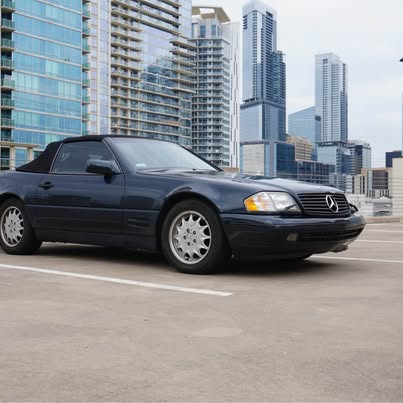
- Paperwork and identity first. Match the VIN on the title to the plate and the stamping. Read the chassis code out of the VIN — 129.067 for an M119 SL500, 129.068 for an M113 car, 129.076 for the SL600 — and confirm the badge agrees. Ask for the service file and go straight to the big four: engine harness, top cylinders, evaporator, timing chain guides on an M119. Invoices for any of them change what you should offer.
- Cold start, bonnet up. The engine should start instantly and settle. Listen at the front for timing chain rattle on an M119 that lasts beyond a second or two, and at each valve cover for the ticking of a popped cam oiler tube. Blue smoke on start-up that clears is valve stem seals on a six; smoke that persists is a different conversation. Watch the oil pressure gauge — it should sit high cold and hold at least a healthy reading at a hot idle later in the inspection.
- The top, twice. With the engine running, cycle the soft top fully down and fully up, twice, without interruption. It should complete each cycle in about thirty seconds, latch at the header without a bang, and leave no flashing red lamp or chime. A stall, a groan, a one-sided latch or a chime means hydraulics or microswitches, and you are now pricing the cylinder overhaul from the problem areas section into the car.
- The harness flex test. On any 1991–96 car, flex the engine harness insulation at the injectors, the air mass sensor and the throttle actuator connector between finger and thumb. Supple and whole is a pass. Cracking, flaking or visible copper is a fail that no test drive overrules — budget the harness job or walk to the next car, because this one fault mimics every other.
- Roll bar and hardtop. Raise and lower the roll bar from the console switch; it should move smoothly and lock. Then fit and remove the hardtop with the seller: the latches should pull it down evenly and the headliner should be tight. Confirm the hardtop exists at all before you discuss price — and if there is a panoramic glass roof, check its seals and its weight with your own arms, because you will be the one lifting it.
- Trunk and hydraulics. Lift the spare wheel and find the hydraulic pump reservoir: low fluid is a leak, and the leak is in a cylinder or line. Check the well and floor corners for rust and water staining, look under the battery on the right side for acid damage, and confirm the spare, jack and tool kit are present.
- Underneath and jacking points. Torch along the sills, the jacking points, the front fender bottoms behind the wheels and the front subframe. You are looking for perforation and for fresh underseal applied over trouble. An R129 should be substantially cleaner here than an older Mercedes — if it is not, the car has lived hard or lived in salt, and the price should say so.
- Suspension and ADS. Bounce each corner: the car should settle in one movement. On an ADS car, check the dash for the ADS lamp, then judge the ride on the drive — supple and level is spheres alive, harsh and bouncy is spheres due. Look for weeping at the hydraulic struts and check the car sits level side to side and front to rear at rest.
- The test drive, long and mixed. Twenty minutes minimum: town, a rough surface, and a highway stretch. The automatic should engage promptly, shift firmly and kick down cleanly. The steering should be light, direct for a recirculating-ball box, and free of centre wander. Brake hard from speed twice — straight, no judder, no pull. Listen for rear-end looseness over bumps, which is links and bushings, and for wind noise at the header seal, which is top adjustment and seals.
- Limp mode is a diagnosis, not a mystery. If the ASR or stability light is lit, or the throttle feels capped, do not accept character as an explanation: on a 1990s car that is throttle actuator wiring or the actuator itself until proven otherwise, and it prices like the harness job, because it usually is the harness job.
- Air conditioning, full duration. Run the climate system for a full ten minutes at idle and on the move. Centre vent air should be properly cold and stay cold; heat should be controllable, not all-or-nothing (a failed mono valve gives heat you cannot turn down). Ask the evaporator question directly and write the answer into your notes either way.
- Interior electrics sweep. Work everything: both seats in every direction including memory and heaters, windows, mirrors, every gauge, and the spare keys — each key in the ignition, each one starting the car. Every dead item is small; the count of dead items is the car's maintenance autobiography.
- Oil, fluids and the dipstick story. Engine oil clean and at level, transmission fluid pink-red and not burnt on the 722.3's dipstick, coolant the correct colour and the header tank free of oil. A car whose fluids are all fresh and correct has been kept by someone like the owner you want to buy from.
- Finish with stance and flanks. Park the car, stand back, and look down each side in raking light for ripples, then at the car square-on for level stance. Photograph it from the side. The R129's long flat panels and tight gaps show repairs and sagging suspension more honestly than almost any other car — trust the photograph over your enthusiasm.
Values
The build below this guide carries the live market for the R129 — what is listed now and what recorded sales have achieved — and that block, refreshed at every build, is where the numbers live. This section is about how to read them, because the R129 market is one of the widest and most condition-driven in the modern classic world, and a single median figure for the model tells you almost nothing useful.
Start with the spread. At any given moment the market holds, side by side, neglected cars that run and drive but need the harness, the top hydraulics and a decade of servicing caught up, and cherished low-mileage cars with every one of those jobs documented as done. The gap between those two cars is not a few per cent; it is a multiple, and it is rational, because the catch-up bill on the neglected car, done properly at a specialist, can approach or exceed the entire asking price of the cheap car itself. When you compare two listings, you are not comparing two prices. You are comparing one price plus an unknown repair account against another price with the account already settled. The documented car is almost always the cheaper purchase over the first two years, whatever the listings say.
Variant premiums follow a clear logic. The V12 carries a premium over the V8, but a smaller one than its original price gap and rarity would suggest, because the market prices its running costs as honestly as its performance — a good SL600 is a strong buy precisely because fear keeps its price near the V8's. Within the V8s, the M119 cars (1990–98) carry a premium over the later M113 cars that is about character rather than pace, and the bookend years attract their own followers: launch-year 500SLs for their full-strength engine, and the final cars, especially the Silver Arrow editions, for end-of-line status. The sixes sit below the V8s, with the SL320 the most wanted of them; a manual 300SL is rare enough that the right buyer pays for the gearbox, but the market is thin when you come to sell. Colour and specification move individual cars more than the market: strong period colours, a panoramic hardtop and full specification lift a car within its condition class, but no colour rescues a car with a dead top and a crumbling harness.
Asking prices and achieved prices part company most at the top of the market, where optimistic sellers price a good car as if it were an exceptional one and wait. Auction results are the honest cross-check: they show the condition premium being paid in full for documented, low-mileage, late or early cars, and they show project cars finding their level quickly and without sentiment. The negotiation reality is that R129 sellers of mid-market cars usually have room to move when you arrive with the inspection findings priced — the harness quote, the cylinder overhaul, the evaporator question — because the next buyer will find the same things. Buy the car, not the discount: the correct target is the best-documented car in the variant you want, bought at a fair price for its condition class, and the market block below will tell you what that class is trading at this month.
Parts and ownership
The R129 is one of the best-supported modern classics Mercedes ever made, for a simple reason: over 200,000 were built, the factory's Classic programme still lists a deep catalogue for the car, and a generation of specialists has grown up around the model's known systems. The right mental model is that mechanical parts are easy, system rebuilds are a known cottage industry, and trim and model-specific electronics are where patience and money go.
Easy: service items for every engine (filters, plugs — sixteen of them on the twin-plug engines — belts and tensioners), brake discs, pads, calipers and hoses, standard suspension arms, links and bushings, water pumps, radiators, exhausts in standard patterns, window and top seals, and the wear items of the 722.3 and 722.6 gearboxes, including the 722.6's connector sleeve and conductor plate. Order today, fit this week, at prices that would not shock a modern Mercedes owner.
Known industries, known prices: the engine wiring harness (replacements in modern insulation are a solved problem), throttle actuator rebuilds, hydraulic top cylinder rebuilding by exchange, ADS accumulator spheres, instrument cluster rebuilds, and M119 cam oiler tubes in metal. These are the jobs the problem areas section prices, and the existence of a competitive rebuild market for each of them is precisely why a car needing them is a negotiation, not a rejection.
Harder and dearer: ignition control units for the early V8 and V12, ADS struts bought individually, panoramic hardtop seals and glass, correct console veneer, early KE-Jetronic components in tested condition, and anything AMG-specific, where the honest answer is often a search rather than a shelf. A quality repaint of the R129's big flat panels starts at modern flagship money, which is why this guide keeps returning to the same advice: buy original paint and a working top, and spend your money on systems.
Running costs. A sorted R129 is a realistic regular-use car. Fuel consumption sits in the mid-teens around town and the low twenties on a highway run for the V8, a little better for the sixes and a little worse for the V12. Servicing at a good independent specialist is ordinary flagship money; the budget line that catches new owners is the first year, when the deferred items surface — allow a first-year catch-up fund in the low four figures for a good car and considerably more for a cheap one, before you improve anything. Cars that have sat need the fuel system cleaned and every hydraulic fluid changed, because the R129's systems punish standing still more than mileage. Insure it on an agreed-value policy once sorted, and keep the hardtop: a complete car, with both roofs, books, tools and spare keys, is the car the next buyer pays the premium for.
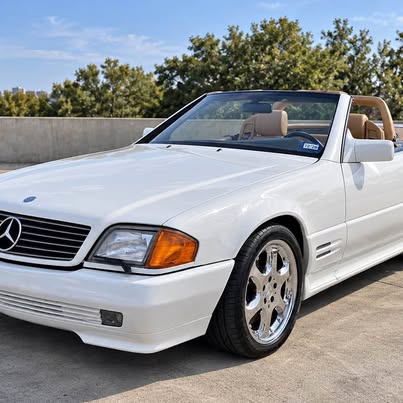
Which one to buy
- The all-rounder: SL500, 1996–98. The M119 at its most developed, the facelift body, ME management and the 722.6 gearbox, clear of the worst wiring years in most cases. If you want one R129 to drive everywhere, this is it — bought, as always, on the harness, top and air conditioning evidence.
- The purist's car: 500SL, 1990–92. The launch car with the full 322 hp, the two-tone cladding and the original Sacco detailing. KE-Jetronic is simple and well understood. The earliest cars are becoming the collector's default, and good ones are getting harder to find than the price gap suggests.
- The value buy: SL500, 1999–2002. The M113 car the market underrates: lighter engine, strong low-end torque, no distributors, no oiler tubes, the newest systems on the platform. If you buy cars to drive rather than to be admired for your engine code, this is the smart money in the range.
- The grand tourer: SL600. Buy it for the V12's silence and surge, buy it only with a service file as thick as the car's bonnet, and buy it knowing the market's fear of its running costs has already discounted it for you. A documented SL600 is the most underpriced flagship experience in the range.
- The connoisseur's six: SL320. The M104 car is the connoisseur's pick: the sweetest engine note in the range after the V12, real-world pace that is enough, and running costs a class below the V8. In the US it ran only to 1997, so choice is thinner — be patient rather than compromising on condition.
- The simple life: 300SL. The M103 car, manual if you can find one, for the buyer who values the R129's structure, safety and style over straight-line speed and wants the smallest possible menu of things to go wrong. It is the cheapest R129 to keep, not just to buy.
- The collector cars: Silver Arrow and the AMG conversions. A 2002 Silver Arrow is a trim-special with a genuine following; pay for condition first and the edition second. Documented AMG cars — SL60 above all — are for collectors who can verify them; an undocumented AMG badge is worth exactly the standard car underneath it.
And the rule that overrides all of the above: buy the R129 whose expensive systems have already been done, and can be proven to have been done. The harness, the top hydraulics, the evaporator and the chain guides are this car's rust — finite, priced, and fatal to value when ignored. A higher-mileage car with invoices for all four is a better car, and usually a cheaper ownership proposition, than a low-mileage car with none. The engines will outlast you either way; make sure the systems will too.
Listed now
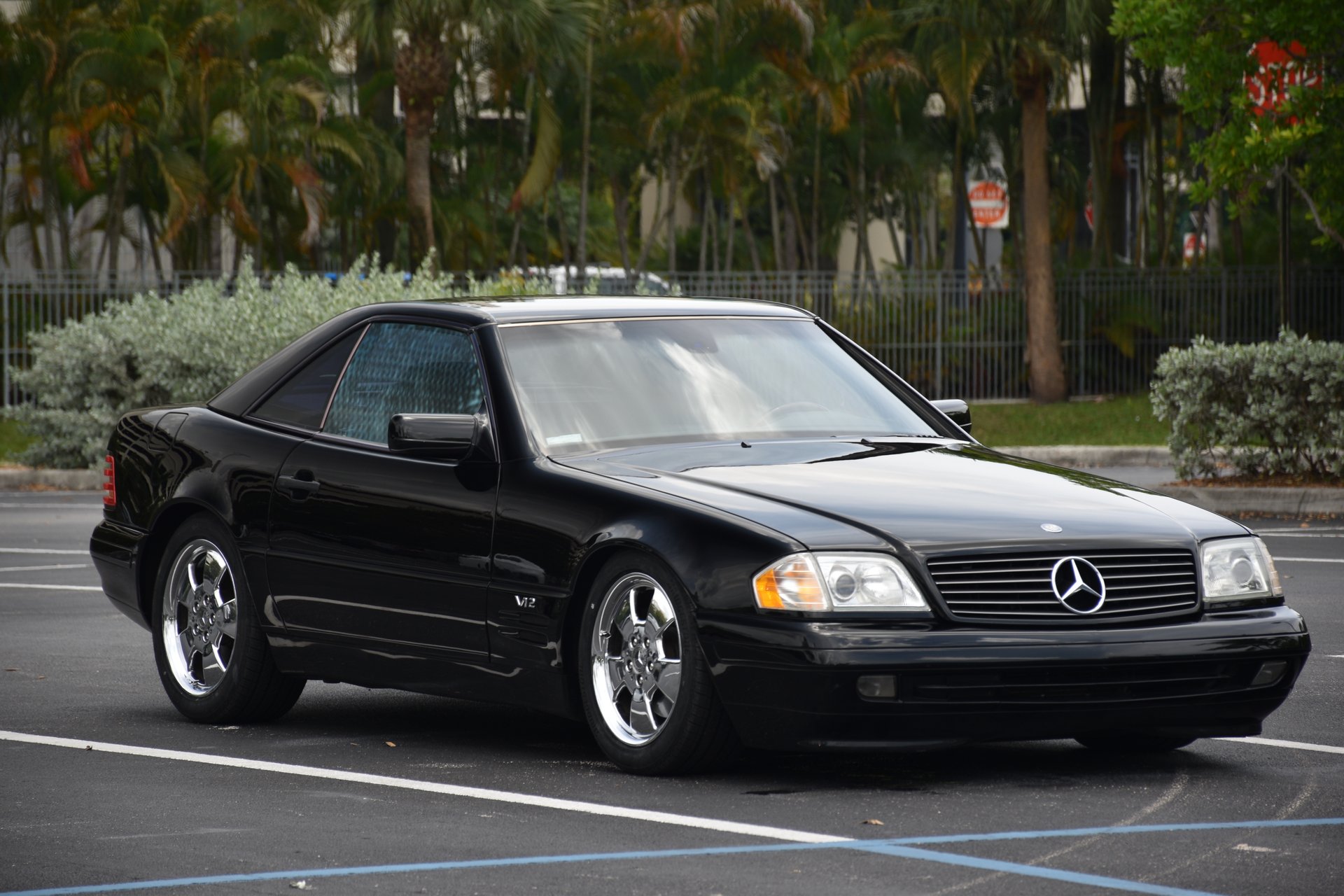
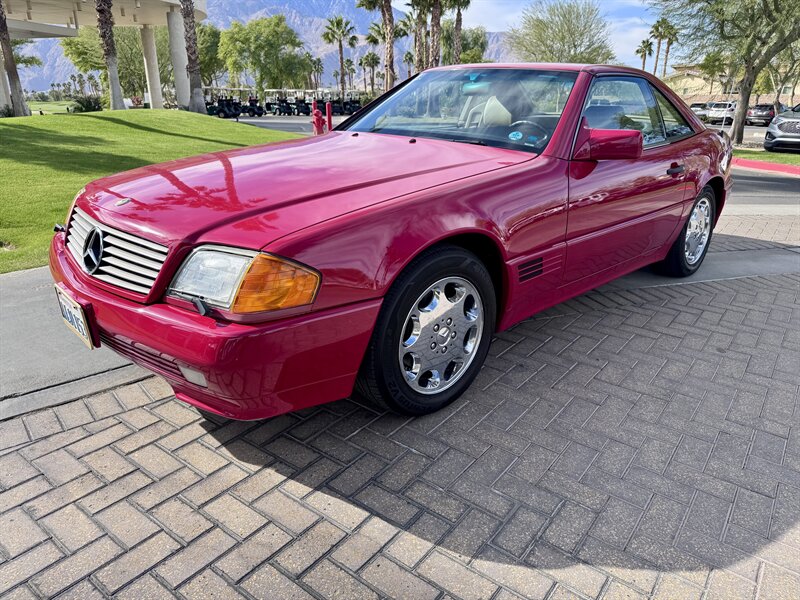
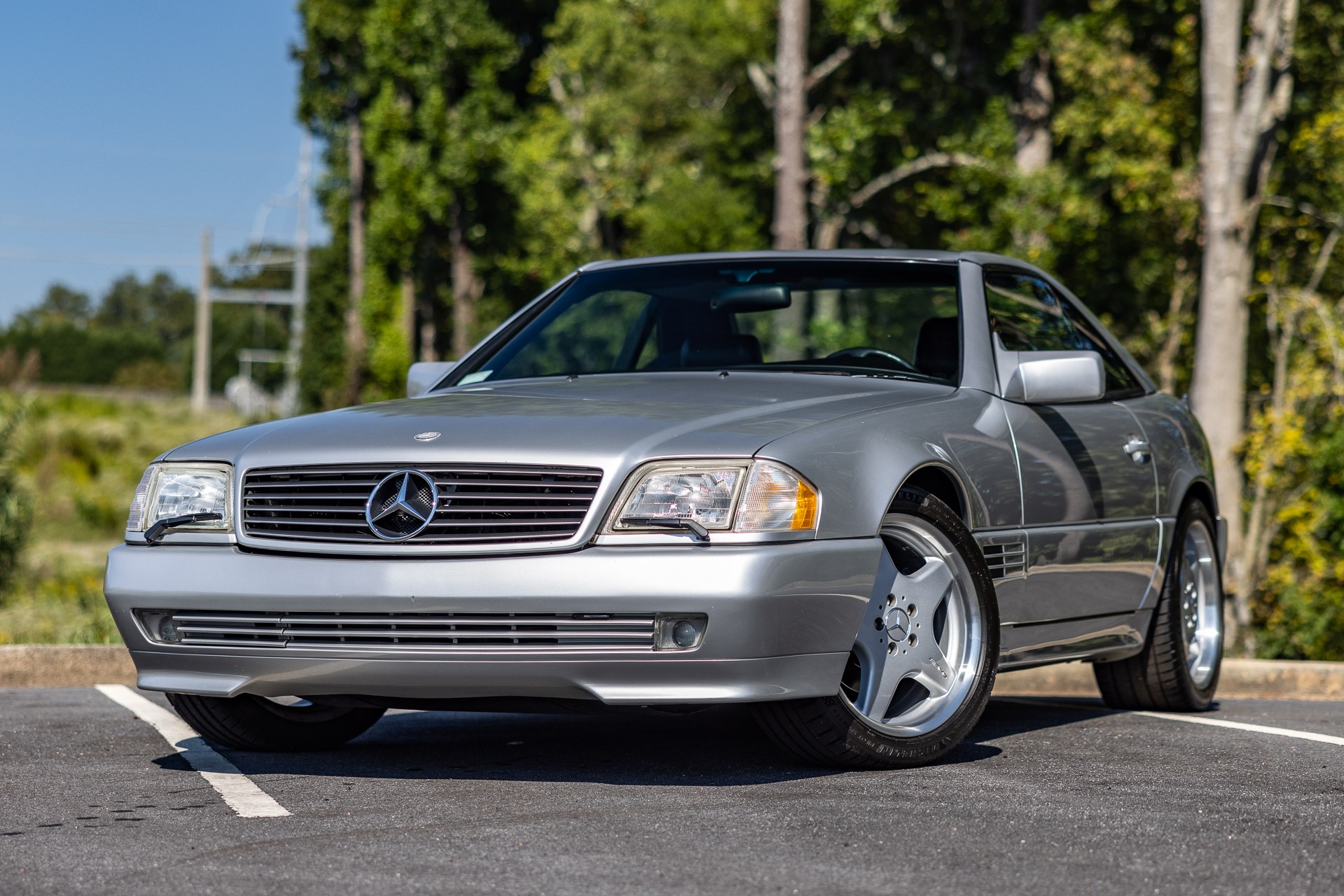
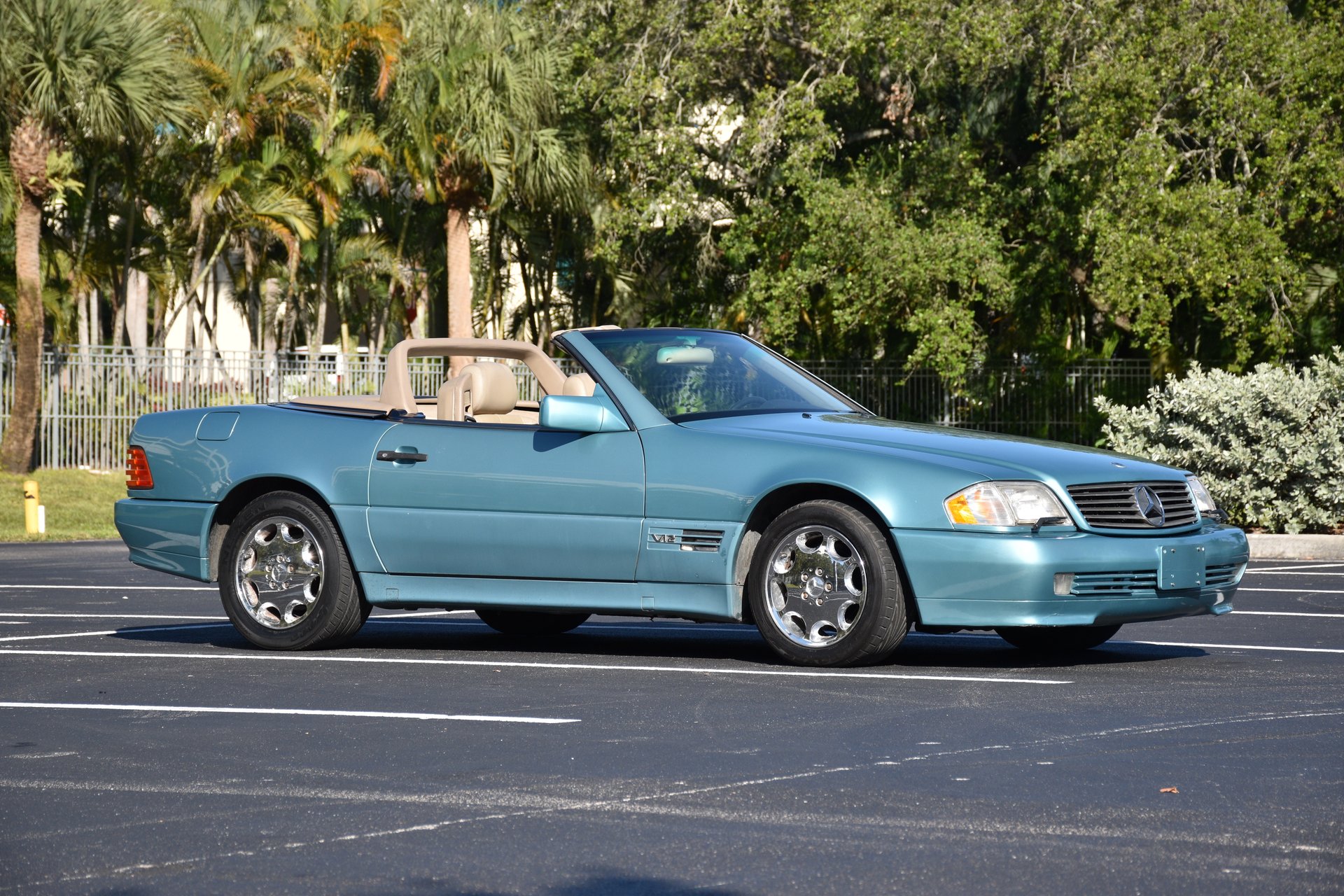
On Classic Listings today: 153 cars are listed here; 11 for sale and 127 marked sold; average asking price $10,000; asking range $8,000 to $12,500; sold cars average $11,832.
See the 153 R129 cars currently listed.
The market — recorded sales
R129 Classic Listings Index: $10,200 — based on 37 recorded sales, Oct 2024 – Oct 2026.
Change vs the prior 24 months: +2% (n=41 then, n=37 now).
Recorded sales: 37 · Total recorded sale value: $420,150 · Lowest sale: $3,100 · Top sale: $30,500 · Most recent sale: $26,250 (Oct 26, 2026)
| Date | Car | Sale price | Source |
|---|---|---|---|
| Oct 26, 2026 | 1997 R129 SL | $26,250 | Cars & Bids |
| Oct 16, 2026 | 1995 R129 SL | $6,696 | Cars & Bids |
| Oct 14, 2026 | 1994 R129 SL | $7,958 | Cars & Bids |
| Sep 28, 2026 | 1998 R129 SL | $9,600 | Cars & Bids |
| Sep 10, 2026 | 1999 R129 SL | $10,800 | Cars & Bids |
| Aug 26, 2026 | 1990 R129 SL | $10,200 | Cars & Bids |
| Aug 24, 2026 | 1991 R129 SL | $13,699 | Cars & Bids |
| Aug 10, 2026 | 1991 R129 SL | $14,600 | Cars & Bids |
| Jul 22, 2026 | 1993 R129 SL | $15,000 | Cars & Bids |
| Jun 22, 2026 | 2001 R129 SL | $10,100 | Cars & Bids |
| Jun 15, 2026 | 1997 R129 SL | $30,500 | Cars & Bids |
| Apr 28, 2026 | 2000 R129 SL | $7,100 | Cars & Bids |
| Apr 3, 2026 | 1993 R129 SL | $3,100 | Cars & Bids |
| Mar 13, 2026 | 1995 R129 SL | $5,100 | Cars & Bids |
| Feb 23, 2026 | 1993 R129 SL | $8,997 | Cars & Bids |
| Jan 28, 2026 | 1999 R129 SL | $11,200 | Cars & Bids |
| Jan 16, 2026 | 1992 R129 SL | $13,000 | Cars & Bids |
| Jan 6, 2026 | 1997 R129 SL | $10,300 | Cars & Bids |
| Dec 1, 2025 | 1999 R129 SL | $10,330 | Cars & Bids |
| Oct 23, 2025 | 1995 R129 SL | $8,069 | Cars & Bids |
| Oct 6, 2025 | 2000 R129 SL | $17,000 | Cars & Bids |
| Sep 10, 2025 | 1992 R129 SL | $7,326 | Cars & Bids |
| Sep 5, 2025 | 2001 R129 SL | $23,000 | Cars & Bids |
| Sep 3, 2025 | 1995 R129 SL | $12,500 | Cars & Bids |
| Aug 27, 2025 | 2000 R129 SL | $8,600 | Cars & Bids |
Dates are the sale date where the source states one; otherwise the date the sale was recorded here.
For sale now
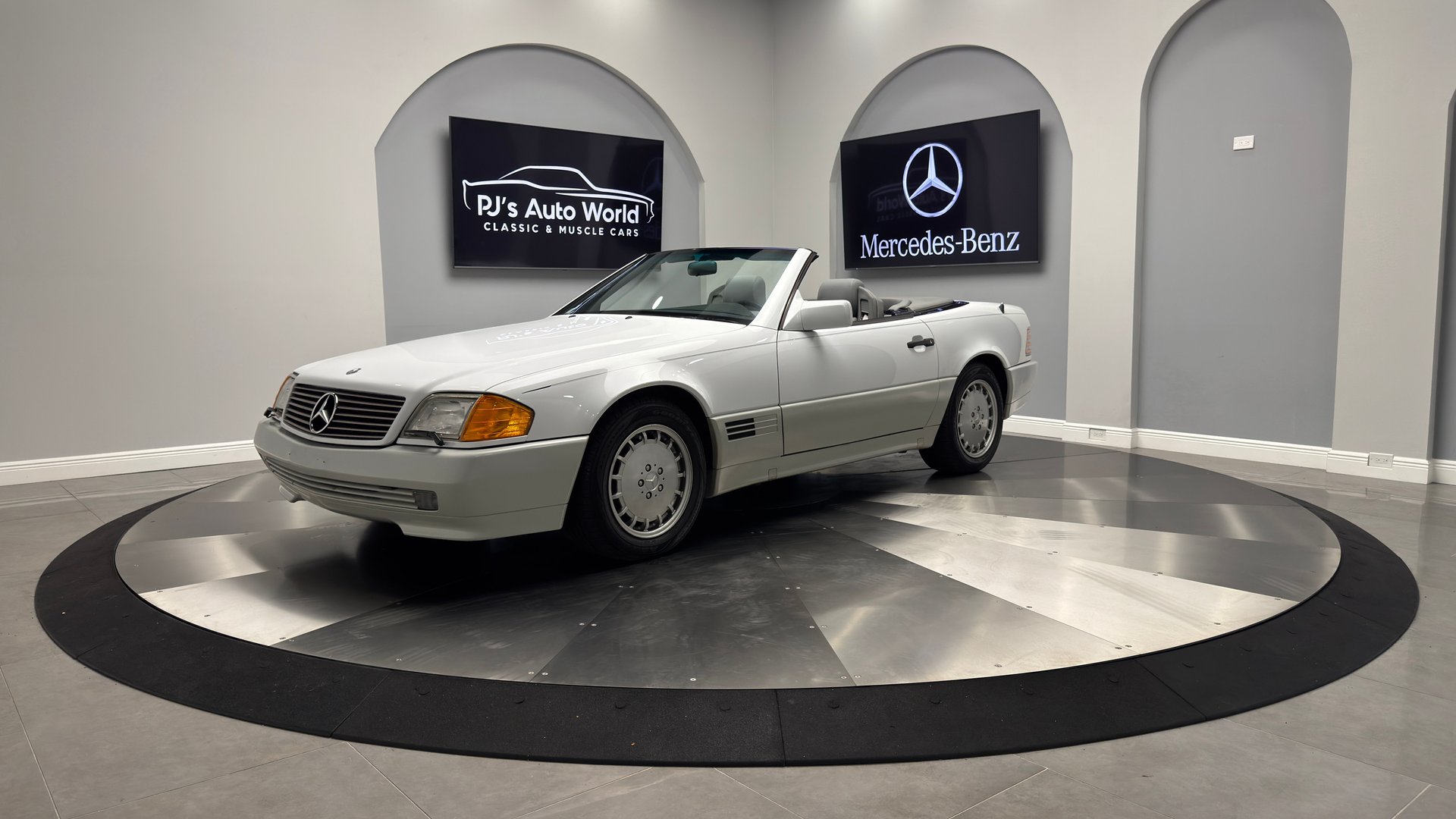 $23,900
Expand
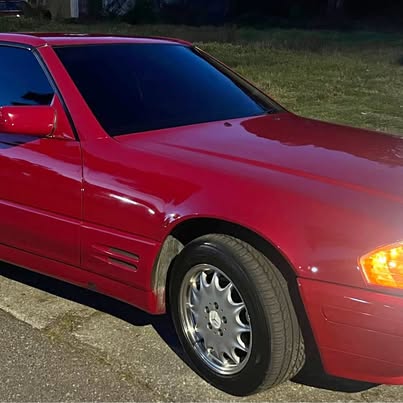 $12,500
Expand
Expand
Expand
Expand
Expand
Expand