
Plymouth Valiant buyer's guide
Plymouth Valiant -- the model's own buyer's guide: variants, values and what to check.
Years listed: 1960-1974 · Series: A-Body
# Plymouth Valiant — The Buyer's Guide
Overview and history
You are not buying a rare car. You are buying one of the most ordinary, most honestly engineered American cars of its era — and that is exactly the point. The Plymouth Valiant, built from the autumn of 1959 as a 1960 model through to 1976, is Chrysler's answer to a question the whole industry was asking at the same moment: what happens when the buyer wants a smaller, cheaper car that still feels like a real one? Ford answers with the Falcon, Chevrolet with the Corvair, Rambler is already there. Chrysler's answer is the Valiant — and characteristically, Chrysler answers the engineering question better than almost anyone and the styling question in a way that takes longer to love.
Understand the founding idea first, because it explains everything you find when you inspect one today. The Valiant is a unit-construction car — no separate chassis frame — riding on torsion-bar front suspension, with a live rear axle on leaf springs. Torsion bars give it a ride and a level of front-end adjustability the Falcon's coil springs do not match, and make it feel planted at speed in a way its rivals rarely do. Unit construction, though, means the body is the structure. A rusty Valiant is not a car with a cosmetic problem and a sound frame underneath; it is a car whose structure is dissolving. Hold that thought — it governs the whole inspection later in this guide.
For its first year the Valiant is almost a marque of its own, sold through Plymouth dealers but badged simply as Valiant. From 1961 it settles down as a Plymouth for the rest of its life. The shape of that first car — the 1960 to 1962 generation — is pure Virgil Exner: fins, a spare-wheel pressing stamped into the boot lid whether or not a spare lives under it, quad headlamps, proportions like a full-size Chrysler left in the wash. The market has historically found it strange, which is why these early cars remain the cheapest way into the model. Underneath the theatre, the mechanical package is already the one that runs for sixteen years: the Slant Six, canted thirty degrees to allow a low bonnet line, TorqueFlite or a three-speed manual, torsion bars, and almost nothing a competent home mechanic cannot fix.
The second generation, 1963 to 1966, is the car most people picture. Exner is gone, the styling is cleaned up into something crisp and quietly handsome, and the range fills out: convertibles, hardtops, wagons, the Signet as flagship, from 1964 a small V8 — the 273 — and a fastback sister car, the Barracuda, that begins life as a Valiant with a glass hatch. This is the generation where the Valiant becomes the default sensible American compact, bought by people who kept cars for a decade and maintained them properly.
The third generation, 1967 to 1976, is bigger, plainer and even more durable. The convertible, hardtop and wagon fall away, the car settles into sedan forms, and the interest migrates to its spin-offs: the Valiant Duster coupé from 1970 and the Scamp hardtop from 1971. By the early 1970s the Valiant is the car families buy when they want transport, not theatre — which is why so many survive, why so many survivors are four-door Slant Six automatics, and why the interesting variants are the ones you hunt for. Production ends in 1976, replaced by the Volare, a car that makes the Valiant look better with every passing year.
The cars listed on Classic Listings at the time of writing concentrate on the first two generations and the opening years of the third — 1960 to 1969 cars, sedans and two-doors, Slant Sixes in the main — a fair cross-section of what the market offers you. This guide covers the full 1960 to 1976 A-body run, because the mechanical story is continuous across it, but scopes its buying advice to the cars you will actually find: honest compact Plymouths, most of them sixes, all old enough that condition — not specification, not mileage, not colour — decides everything.
Why buy one? Because the Valiant is the classic you can use without ceremony: it starts, it cruises at modern speeds in V8 form and just under them as a six, parts are cheap by classic-car standards, and the driving experience — torsion-bar ride, steering with real feel, an engine you can hear working — is a genuine period pleasure. Buy the right one and you own the most rational classic on the market. Buy the wrong one and you own a rusty unibody shell with a good engine in it. The difference is entirely in the inspection.
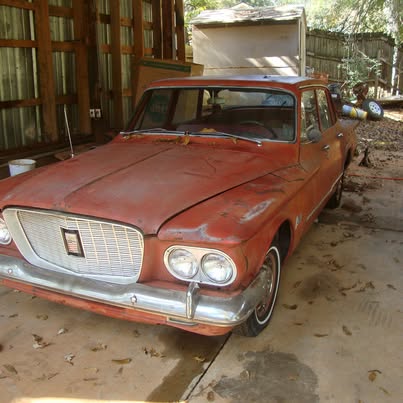
The models
The range looks confusing in period brochures and simple in the metal: three generations, a handful of trim levels, four body styles that matter, two engine families. Learn the trim ladder first. At the bottom sits the V100 — later the Valiant 100 — the fleet-and-family car: plain vinyl, minimal brightwork, the smaller six as standard. Above it the V200, with better trim and the 225 six available or standard depending on year. At the top sits the Signet — in 1962 launched as the Signet 200 — with bucket seats on hardtop and convertible, the richest interior Plymouth fits to a compact, and the badges collectors look for. From 1967 the ladder simplifies to 100 and Signet, and by the 1970s the plain Valiant name covers most of the range.
Body styles, in the order you will meet them. The four-door sedan is the volume car in every generation and the cheapest buy today. The two-door sedan — a proper post coupé, not a hardtop — is lighter, stiffer and now more sought after, partly because it is the shell every performance build starts from. The two-door hardtop, offered in the second generation and briefly in the third, is the prettiest mainstream Valiant, and its pillarless glass makes trim and weatherstripping condition genuinely important. The station wagon is practical, handsome in the early years, and rusts in more places than any other variant. The convertible, 1963 to 1966 only, is the rarest regular-production body, and the one where body flex makes structural rust a safety question rather than a value question. The Barracuda of 1964 to 1966 is a Valiant in every mechanical particular, sold as its own model; from 1967 it becomes a separate line and leaves this guide's scope, as do the later Duster and Scamp — though everything in the engines and problem-areas sections below applies to them almost without change.
Trim and badge traps are few but real. A Signet badge on a car with a V100 interior means someone has been decorating; the fender tag and VIN settle what the car left the factory as. A "Commando" 273 should carry the right engine codes and hardware, not just the air-cleaner decal, which is reproduced and cheap. And beware the reverse trap: plenty of V200s and Signets were ordered with the small 170 six by frugal first owners, so a top-trim car is not automatically a well-engined one. Read the car, not the badge.
| Model | Years | Engine | Output | Built | Character |
|---|---|---|---|---|---|
| Valiant V100 / 100 sedan & wagon | 1960–76 | 170 / 225 Slant Six | 101–145 hp (period gross) | Volume production across all three generations | The honest base car; the cheapest buy and the easiest to live with |
| Valiant V200 sedan, hardtop & wagon | 1960–66 | 225 Slant Six, 273 V8 from 1964 | 145–235 hp | Volume production, second generation especially | The family car with the trim finished properly |
| Valiant Signet / Signet 200 | 1962–69 | 225 Slant Six, 273 V8 | 145–235 hp | Smaller share of production; hardtop and convertible carry the badge best | The flagship trim — buckets, brightwork, the collector's early car |
| Valiant convertible | 1963–66 | 225 Slant Six, 273 V8 | 145–235 hp | Low production against the sedans | The rare one; structure is everything |
| Valiant Barracuda | 1964–66 | 170 / 225 Slant Six, 273 V8 | 101–235 hp | Three model years only in Valiant form | The fastback sister car; mechanically a Valiant throughout |
| Valiant sedan (third generation) | 1967–76 | 170 / 198 / 225 Slant Six, 273 / 318 V8 | 100–230 hp | The long-selling core of the range | Bigger, plainer, toughest; the 318 cars are the sleepers |
| Valiant Duster / Scamp | 1970–76 | 198 / 225 Slant Six, 318 / 340 / 360 V8 | 125–275 hp | Strong production as the range's coupés | The performance branch of the family tree |
A note on the production column, because honesty matters more than false precision: Plymouth built Valiants in very large numbers — in its strong years it was one of America's best-selling compacts — but factory figures do not break the total down by trim and body consistently for every year, and this guide does not invent splits it cannot stand behind. What you need is the consequence: sedans and sixes are plentiful, convertibles and Commando V8s are genuinely scarce, and scarcity is what you pay for.
Across the generations, the changes that matter are these. In 1964 the 273 V8 arrives and transforms the car's cruising ability. In 1965 front disc brakes become available — pay for them when you find them. In 1967 the car grows and the styling goes anonymous. In 1968 the 318 joins the line and quietly becomes the best engine the sedan ever gets. In 1973 the front disc design changes to a single-piston caliper with the larger wheel bolt pattern, which matters enormously when buying wheels or brake parts, as the parts section explains. Through all of it, the Slant Six and the TorqueFlite just keep going.
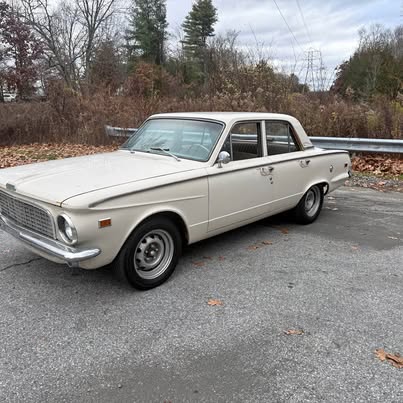
Engines and gearboxes
The Slant Six — 170, 198 and 225
The engine that defines the Valiant is the Slant Six, Chrysler's RG-series inline six, introduced with the car in 1960 and canted thirty degrees to the right — hence the name — so the bonnet line could stay low and the water pump could sit beside the block rather than in front of it, shortening the installation. It is an overhead-valve, seven-main-bearing design in an era when rival sixes make do with four mains, over-built for the power it makes. You meet it in three capacities. The 170 (2.8 litres) is the original economy choice, rated at 101 horsepower in period gross terms — willing, smooth and slow. The 225 (3.7 litres) is the same architecture with a longer stroke, rated at 145 horsepower in early form and progressively detuned through the emissions years; later net figures from 1972 are not comparable with early gross numbers, so never compare a 1965 and a 1975 brochure figure as if measured the same way. The 198 (3.2 litres), offered from 1970 to 1973, splits the difference. In the metal, all three look alike, which creates the classic trap: a 170 wearing 225 badges. The engine number is stamped on a pad on the block, and the fender tag and VIN codes tell you what the car was born with. Check before you pay a 225 price for a 170 car.
Two period variants deserve a mention because sellers invoke them. The Hyper-Pak was a factory tuning package for the 170 — long-ram intake, four-barrel carburettor, higher compression, a proper exhaust — built for the compact-car racing of 1960–61, where it was devastatingly effective. Genuine hardware is rare and valuable; a car described as one needs paperwork and the distinctive long-runner intake manifold in front of you, not a story. A small number of early 225s were also cast in aluminium; they are light, rare, and prone to their own corrosion and head-gasket history. The iron engine is the one you want to own.
Living with the Slant Six means understanding three characteristics that are not faults. First, most Valiant-era cars run mechanical valve lifters, so the clearances need periodic setting, and a top-end tick that rises with revs is very often simply clearances that have opened up, not impending death — budget an afternoon and a feeler gauge, or $150–300 at a shop, before you budget an engine. Second, the engine leans, so the single-barrel carburettor — a Carter BBS or Holley 1920 depending on year — and the distributor live in their own climate of heat and road splash; the problem-areas section deals with what that does over fifty years. Third, the engine is hard to kill but easy to make miserable: neglected cooling, perished vacuum hoses and a dead choke account for most "bad-running Slant Six" stories, and all are cheap to fix. A compression test tells the truth about the inside; expect even numbers across all six. A full professional rebuild, machining included, typically runs $2,500–4,500 — the parts are cheap, the labour is the bill — and because these engines are so durable, ask hard questions about why a given car needed one at all.
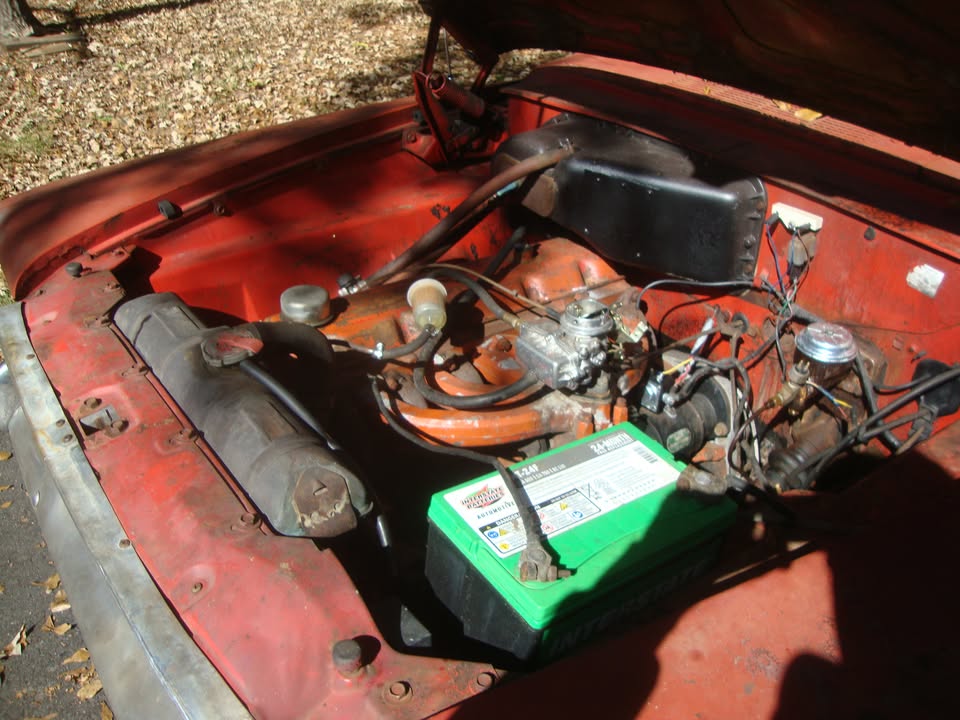
The LA small-block V8s — 273, 318, 340 and 360
From 1964 the Valiant offers Chrysler's new LA-series small-block V8, and the car changes character. The 273 (4.5 litres) is a light, compact, modern V8 in place of the old heavy A-series, offered as a two-barrel at 180 horsepower and, in Commando form, with a four-barrel carburettor, higher compression and 235 horsepower. The Commando makes a 1965 Signet hardtop a genuinely quick car, and it is the variant where originality pays, so verify the engine codes rather than trusting the pie-tin air cleaner. The 318 (5.2 litres), built for torque rather than revs, joins the line for 1968 and becomes the definitive V8 for the third-generation sedan: 230 horsepower in period gross terms in early two-barrel form, dropping on paper through the net-rating years while losing surprisingly little on the road. It is not glamorous or rare, but it is the sweet spot of the range — proper V8 pace, cheap parts, a bottom end that shrugs off mileage. The 340 (5.6 litres), rated at 275 horsepower gross in early form, belongs in the Valiant story through the Duster 340 coupé rather than the regular sedans; a "factory 340 Valiant sedan" is almost certainly a swap, and should be priced as one. The 360 succeeds the 340 in the mid-1970s Duster line. All these engines share the LA virtues — hydraulic lifters, strong blocks, endless parts support — and the vices covered later: rear main seal weeps, timing chains that stretch and retard the cam into a general feeling of flatness, and exhaust manifold bolts that would rather snap than turn.
A V8 car carries more than a V8. Factory V8 cars get uprated torsion bars, so a six-cylinder car with a V8 dropped in — an extremely common conversion, because the K-member and mounts make it straightforward — may still be riding on six-cylinder bars and brakes. That is not automatically a reason to walk away, but it is a reason to look at what else was changed; the inspection section gives you the checks.
Gearboxes — TorqueFlite and the manuals
The automatic is the TorqueFlite, mainly the A904, the light-duty three-speed behind Slant Sixes and small V8s, with the heavier A727 behind the performance engines in the Duster branch. Its reputation as one of the strongest automatics ever built is deserved, and its one great vulnerability is not inside the box at all: it is the throttle-pressure (kickdown) linkage between carburettor and transmission. On a TorqueFlite this linkage does not merely command downshifts — it controls line pressure. A car run with the linkage disconnected, bent or badly adjusted has been run with low line pressure, which means slipping clutches and a rebuild a fluid change will not undo. A professional rebuild runs $1,800–3,200; a car that flares between gears, delays engaging drive when cold, or produces dark, burnt-smelling fluid is telling you that bill is coming — and the linkage is the first thing to check before you blame the box. Early cars, to the end of 1964, select gears with dashboard pushbuttons — a Chrysler signature, cable-operated, delightful when adjusted and baffling when the cable stretches; from 1965 the selector becomes a conventional column or console lever.
The manuals are honest boxes. The base transmission is a three-speed, the A903 and its successors, column-shifted in most cars, with synchromesh that wears into a graunch on second in hard-used examples. The prize is the A833 four-speed, offered from 1964 behind the V8s and later the sixes, with a Hurst shifter in performance applications — a genuinely strong gearbox whose linkage, not its internals, causes most complaints: worn bushings make a good box feel broken, and a linkage rebuild kit costing well under $150 transforms it. Clutches are conventional — a $600–1,100 shop job including parts — and a high, vague pedal with a noisy release bearing is a negotiating point, not a catastrophe. In the final years an overdrive version of the A833 appears in economy models, the Feather Duster the famous application, its tall top gear suiting a Slant Six better than you would expect.
The axle behind the gearbox is most likely Chrysler's 7¼-inch unit in six-cylinder cars — adequate for a six, marginal behind a healthy V8 — or the 8¼-inch in later and V8 cars, with the near-indestructible 8¾-inch in performance applications. On a converted car, the axle tells you how serious the conversion was.
Problem areas
Rust: the map
Everything else in this section is negotiable. This part is not. The Valiant is unit-construction: the floor, sills, front rails and torsion-bar crossmember are the chassis, and when they rot the car loses the structure that holds the suspension and aligns the wheels. Learn the map, in the order the water travels.
Start at the front. The front wings rust from the inside out, in the splash zone behind the wheels and along the top edge — press along the wing top and feel for the crunch of filler over perforation. The inner wings and front rails follow, particularly around the battery tray, where decades of acid do what road salt started. The critical structure is further back: the torsion-bar crossmember, the transverse member under the front seats into which the rear ends of the torsion bars anchor. Water and grit collect around the anchors, and the member rots from inside its own box section, invisible until you are under the car with a light and a screwdriver. A car whose crossmember is perforated is a car whose front suspension is attached to rust. Repair means fabricating or sourcing a repair section and welding it in with the suspension unloaded and the alignment re-established — $1,500–3,500 at a restoration shop, and the single most common reason a cheap Valiant is not cheap. The front subframe rails, K-member mounts and floor pans deserve the same screwdriver — front footwells first, where a leaking screen seal or blocked cowl drain pours water under the carpet for years and the underlay holds it against the steel. Lift the carpets. Always. A seller who will not let you has answered your question.
The middle of the car rusts at the sills (rocker panels) — structural on a unibody, not cosmetic — and at the bottoms of the door pillars. Sagging doors on a two-door mean hinge wear if you are lucky and pillar rot if you are not; lift the door at its rear edge to tell them apart — play at the hinge is a pin-and-bush job, movement of the whole pillar is a welding job. At the rear, the quarter panels blister behind the wheels, the boot floor rots around the spare-wheel well — water enters past perished boot seals and rear-light gaskets and cannot leave — and the rear spring hangers and shackle mounts are a safety item of the same order as the crossmember: a spring mount tearing out of a rotted rail is a loss-of-control failure, so watch the mounts while a helper bounces the rear of the car. Wagons add the tailgate aperture and load floor; convertibles add everything, because a convertible has no roof to stiffen the shell and structural repairs must be done with the car braced so the door gaps do not close up on the welding table.
Two rust traps are specific to this car. The cowl and windscreen surround: the intake at the base of the screen collects leaves, the drains block, water stands in the plenum and rots it through, and the first symptom is wet front carpets, by which time the floor is already involved. Pour a jug of water into the cowl intake on your inspection — it should exit behind the front wheels, not onto the footwell. And the fuel tank and its straps: a car that smells of fuel in the boot often has a tank top perforated under a mat that never gets lifted.
The honest summary: surface rust on bolt-on panels is a weekend and a paint bill; perforation in the crossmember, rails, sills, floors or spring mounts is a restoration. Panel and paint work to a good driver standard runs $4,000–10,000 depending on how much metal is under the paint, and a full structural restoration of a sedan worth, at the end, a sedan's money is arithmetic that rarely works. Buy the shell. Everything else unbolts.
Engines in old age: what actually wears
The Slant Six's failure modes are mostly external, which is why the engine has the reputation it does. The exhaust manifold cracks after fifty years of heat cycles, ticking when cold and quietening as the metal expands; a cold-start tick that fades in two minutes is very often this, not a lifter, and you distinguish them with a length of hose to your ear, moved along the manifold and then over the rocker cover. Replacement manifolds exist, good used ones are common, and the job is $300–700 at a shop — plus whatever studs snap. The heat-riser valve, which routes exhaust heat to the intake when cold, seizes — usually open, costing you cold manners, or shut, cooking the intake charge; it is a check, not a crisis. Carburettor troubles dominate running complaints: the Carter BBS and Holley 1920 single-barrels wear their throttle shafts, drawing air no adjustment can tune out, and their automatic chokes drift or die, giving you the classic Slant Six that will not idle cold and floods hot. A professional rebuild of the original runs $250–450 and beats a cheap replacement of unknown calibration. Oil leaks — rocker-cover and fuel-pump gaskets, the distributor O-ring region — matter less for the oil than for what they hide: a filthy engine conceals a cracked manifold and a perished hose equally well. Inside, a high-mileage six wears its timing chain and valve guides; blue smoke on the overrun is guides and stem seals, blue smoke under load is rings, and the compression test separates the two. Head gaskets fail rarely, usually after an overheat that itself traces to a silted radiator — a $300–600 recore or replacement that is the best money you can spend on any newly bought car.
The V8s age differently. The LA engines are hydraulic-lifter motors, quiet when right, and their characteristic wear items are a stretched timing chain — the engine runs, but retarded and flat, and crank free-play at the front pulley, checked against the distributor rotor's movement, gives it away — seal weeps at the rear main and timing cover, and exhaust manifold bolts that corrode into the heads and turn a gasket job into a drilling job. A 273 or 318 that rattles its lifters for three seconds on a cold start is telling you about oil drain-back, usually harmless; one that rattles continuously has low oil pressure, worn lifters or both, and a gauge reading — not the dashboard light — settles it. Budget $900–1,600 for a timing-chain-and-seals refresh, $3,500–6,000 for a proper rebuild, and remember that a good used 318 is often cheaper than either — which is precisely why so many Valiants no longer carry their born engine. Whether that matters is answered in the Values section.
Cooling kills more of these engines than wear does. Radiators are marginal by modern traffic standards when new and silted by now; viscous fan drives lose their silicone and freewheel exactly when you need them in a queue. A Valiant hot in traffic but cool at speed has an airflow or fan problem; one hot at speed has a water-flow problem — radiator, pump or a collapsing lower hose. Neither is expensive. Both will warp a head if you let them.
Front suspension, steering and brakes
The torsion-bar front end is the Valiant's best feature and its most neglected. The bars themselves almost never fail — a broken bar traces to corrosion pitting or previous damage — and a car sitting lower on one side usually has an adjuster wound to compensate for something else, or a sagged rear spring tilting the whole car. Ride height is set by the adjusters, not by springs, so a car that sits wrong can often be put right with a tape measure and the factory procedure — but ask why it was wrong. What wears is everything that moves: upper and lower ball joints, control-arm bushings, tie-rod ends, the idler arm and the pitman arm. The check is the classic one — front end raised under the lower arms so the suspension is loaded as designed, then rock each wheel top-to-bottom and side-to-side while a helper watches which joint moves. Budget $600–1,200 for a full wear-parts refresh with alignment. The steering box wears into free play at centre; a little adjusts out at the sector screw, but a box wound down hard by a previous owner to hide wear feels tight at centre and binds on lock — turn it lock to lock and feel for the tight spot. Power steering, where fitted, whines when low or aerated, and leaks from hose and box seals that are messy rather than serious.
At the rear, leaf springs sag and occasionally crack a leaf, spring eye bushings perish, and the car develops the characteristic tail-down stance sellers describe as "patina." New spring packs are available and not expensive; shackles and hangers bring you back to the rust section, because that is where they live. Shock absorbers are conventional, cheap and almost always past their best; a bounce test at each corner tells you enough.
Brakes are where the generations divide. Most Valiants have four-wheel drums — 9-inch on base sixes, 10-inch on heavier and V8 cars — adequate when perfectly maintained and disappointing when not, and "not" usually means seized self-adjusters, wheel cylinders weeping into the drums, and a pedal that needs two applications to feel brave. A full drum overhaul with cylinders, shoes, hardware and hoses runs $500–900 and transforms the car. The optional front discs — a Kelsey-Hayes four-piston fixed-caliper design from 1965 to 1972, replaced by a single-piston sliding caliper for 1973 on — are the desirable set-up; the four-piston calipers corrode their pistons and cost $400–800 the pair to rebuild properly, while the later system is cheaper, stronger and brings the larger 5-on-4½-inch wheel bolt pattern in place of the early 5-on-4-inch. That difference is the most expensive fact to learn late: wheels and some brake and hub parts do not interchange across the divide, and a car already converted is worth real money more than one that is not. The master cylinder on pre-1967 cars is single-circuit — one failure empties the system — and a dual-circuit conversion is the first safety upgrade any early car should get. Handbrakes seize from disuse, pipes corrode along the rear axle and under the sills, and flexible hoses perish internally and act as one-way valves, holding a brake on: a wheel that runs hot after a drive with no other explanation is usually a hose, not a caliper.
Electrics, interior and the small things that decide a morning
Chrysler electrics of this era have two famous failure points. The first is the bulkhead connector, the multi-pin plug where the engine-bay wiring passes through the firewall. Its terminals corrode and loosen, resistance builds, the connector heats, and the symptoms arrive as intermittent everything — flickering lights, a car that cuts out over bumps, charging that comes and goes — followed, in the worst cases, by melted plastic and a loom fire. Pull it apart on your inspection; green corrosion and heat-discoloured terminals mean a rewire-the-connector job of $200–500, and a bypassed, bodged bulkhead has been telling its previous owners about this for years. The second is the ammeter circuit: the full charging current passes through the dashboard ammeter and its bulkhead terminals, ageing badly for the same resistive-heating reason, and many knowledgeable owners have rewired around it. Beyond those two, the ballast resistor is the classic no-start: a white ceramic block, cheap as chips, whose failure gives you an engine that fires while cranking and dies the moment you release the key — carry a spare in the glovebox, and when a seller's car "just needs a coil," test the resistor first. Regulators, starter relays and ignition switches all fail with age and all cost little.
Interiors cost more to put right than most buyers expect. Valiant trim is simple, patterns are reproduced for the popular years, and a tidy original interior is worth more than a bad retrim. Vinyl splits along its seams and across sun-baked seat tops; dash pads crack; headlinings sag. A full retrim runs $2,500–4,500, which is why the scruffy-but-original Signet interior beats the shiny wrong one. Check the heater: the core is a dashboard-out job when it leaks — $800–1,400 at a shop, mostly labour — and its first symptom is a sweet smell and a misting windscreen, so a car with its heater hoses looped together has already confessed. Window regulators wear and drop glass, door seals perish and let in the water that rots the floors, and missing Signet brightwork has to be found used. None of this stops a car driving. All of it stops a car being worth what a tidy one is worth.
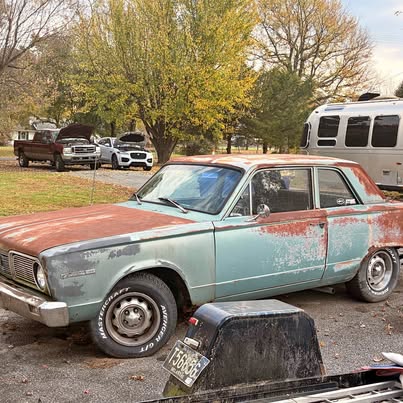
How to inspect one
Inspect a Valiant in this order, because the order is the order of the bills: structure first, identity second, mechanicals third, cosmetics last. Take a torch, a cloth-wrapped magnet, a screwdriver, a length of hose for listening, a jug of water, and a helper. Allow an hour. A seller who will not allow an hour has inspected the car for you.
- Start with the structure, from underneath. Get the car on a lift or get yourself under it safely, and work the rust map in order: torsion-bar crossmember and its anchors, front rails, floor pans, sills, boot floor, rear spring hangers. Poke with the screwdriver at every suspect seam. Surface scale is fine; flakes, holes and filler dust are not. This step settles whether you are buying a car or a project, and nothing later can change its answer.
- Check the panel gaps and the doors. Sight down both flanks. Doors that sag, a boot lid that sits proud, a bonnet that will not centre — on a unibody these are the shell talking. Lift each door at its rear edge to separate hinge wear from pillar rot. Run the cloth-wrapped magnet over the lower wings, quarters and sills: where it will not hold, there is filler, and where there is filler there was rust, so go back underneath and look at the same spot from behind.
- Prove the identity before you fall for the car. Read the VIN. On 1968 and later cars it is on a plate at the base of the windscreen on the driver's side; on earlier cars the serial plate is on the driver's front door hinge pillar. Decode it in outline: the opening characters give the car line and price class — Valiant, and whether the car was built as a base model or a Signet — then body style, then the engine the car was born with, then model year and assembly plant, then the sequence number. Then read the fender tag, the stamped plate screwed to the driver's-side inner wing: it carries the build date, engine and transmission codes, and paint and trim codes. VIN, fender tag and the engine number on the block pad should tell one story. A car whose VIN and tag say six-cylinder Signet and whose block is a later V8 is a converted car: fine to buy, wrong to pay original-V8 money for. A car whose paperwork tells a different story from its plates is a car you leave, however good it looks.
- Test the cowl and the floors for water. Pour your jug of water into the cowl intake. It should drain out behind the front wheels within seconds; water arriving in a footwell means a rotted plenum or blocked drains, and a floor already wet under the carpet. Lift every carpet you can and press the floor around the seat mounts and pedal area. Check the boot the same way, spare wheel out, mat up.
- Cold-start the engine — insist on cold. An engine warmed up before you arrive is a seller managing a symptom. From cold, watch the choke behaviour on a six, listen for the manifold tick that fades as it warms (cracked manifold) against a tick that stays (valve clearances, or a lifter on a V8), and watch the exhaust: blue on start-up that clears is stem seals, blue that stays is rings, white that never clears and smells sweet is coolant. Note how long the V8's lifters take to quieten.
- Do the simple engine tests. Pull the oil filler cap and look for mayonnaise emulsion — short-trip condensation if the car lives that life, coolant loss if it does not; the coolant level and a pressure test separate them. The coolant itself should be coloured and clean, not rusty water. Rock the crank pulley on a V8 against the distributor rotor to feel for timing-chain slack. On a six, place any tick with your hose-stethoscope before you price it. If the seller agrees, a compression test — even numbers, no cylinder adrift — is the best half hour you can buy.
- Interrogate the gearbox the way it will be used. On a TorqueFlite car, start with the linkage: confirm the throttle-pressure linkage is present, connected and moving through its full travel with the throttle — on this box it controls line pressure, not just kickdown. Check the fluid: pink and sweet is health, brown and burnt is a rebuild in the post. On the road, the box should engage drive and reverse promptly from cold, shift without flare, and kick down cleanly. On a manual, find the bite point (high and vague means a worn clutch), listen for the release bearing, and try second gear both ways for a tired synchro's graunch; on an A833, judge the linkage before the box — sloppy shifts are usually bushings.
- Drive it long enough to get it properly hot. Twenty minutes minimum, mixed roads. The car should track straight with the wheel centred, ride level, and pull without hesitation. Brake firmly from speed more than once: a pull to one side is a hose, a cylinder or a caliper; a long pedal is adjustment or a master cylinder; a car that needs a second pump of the pedal does not get driven home until you know why. At the end, idle in gear for two minutes and watch the temperature gauge — the traffic test happens here, not on the open road.
- Load-test the front end back at base. With the front raised under the lower control arms, rock each wheel top-to-bottom and side-to-side while your helper watches the ball joints, tie-rod ends and idler arm to see which joint owns the play. Turn the steering lock to lock and feel for the tight spot at centre that betrays an over-adjusted box. Bounce each corner for the shock absorbers, and check the rear springs for sag and a cracked leaf.
- Run every electrical item, then look at the bulkhead connector. Lights, indicators, wipers, heater fan on every speed, horn, gauges. Anything flickering or intermittent points to the bulkhead connector and ammeter circuit — so unplug that connector and look for green corrosion and heat damage, and check for the classic party trick: an engine that starts on the key and dies on release, which is the ballast resistor until proved otherwise.
- Check the heater as if winter is coming. Run it hot and smell for the sweet coolant signature, watch the screen for misting the demister cannot clear, and look for heater hoses looped together to bypass a leaking core. A heater core is a small part and a big labour bill; price it into the car.
- Finish with the paper. Title against VIN plate — the numbers must match character for character. Build date on the fender tag against the model year you are being sold. Read receipts for the pattern: ten years of small bills from one owner is a maintained car; one big bill last year and nothing before it is a car being sold out of a problem. Then, and only then, look at the paint, the chrome and the seat vinyl, and let yourself want it.
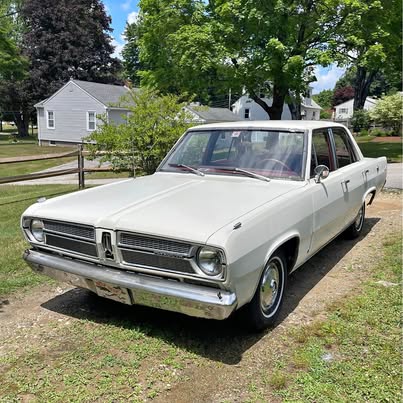
Values
The Valiant market is a condition market wearing a model market's clothes, and the listings and recorded-sales summary this site publishes beneath this guide — refreshed from the store's own listings and sales — is where you read the current numbers. This section gives you how to read them, because the headline figure for a year and a badge tells you less here than with almost any other classic.
Start with the spread, because the spread is the story. Between the cheapest Valiant and the dearest there is a gulf that has little to do with age and everything to do with body style, engine and shell condition. A four-door Slant Six sedan is the default car, built and surviving in the largest numbers, and it anchors the bottom of the market. Two-doors sit above four-doors of the same year and trim; hardtops and Signets sit above sedans; convertibles occupy their own small market at the top. And a genuinely rust-free shell — verified the way the inspection section verifies it, not asserted in an advertisement — is worth a premium over a prettier car with filler in its quarters, because every experienced buyer here knows what welding costs. Originality pays in narrow places: a born Commando 273 with its codes intact, a Signet convertible with its trim complete. Elsewhere it is a tie-breaker, not a premium, and a well-executed engine swap in a base sedan changes value far less than in a rarer car — it may even help, if the work was done completely, brakes, bars and axle included.
The asking-versus-achieved gap is wide at the bottom of the market and narrow at the top. Project cars — non-running, rusty, incomplete — are chronically over-asked, because the seller adds the purchase price, the parts in boxes and the intentions together and calls the sum a value, while the buyer correctly prices the finished car minus the restoration. Drivers — running, stopping, structurally honest cars with cosmetic needs — transact closest to their asking prices, because both sides can see what the car is. The best cars sell to a small, knowledgeable pool who know how few such cars exist. Read the recorded sales here accordingly: compare like with like on body and engine before you compare years, weight a sold price over an asking price every time, and treat any single exceptional result as an outlier until the pattern repeats.
The project-versus-driver gap is where buyers win or lose the most money. Because the finished values of the mainstream cars are modest, restoration arithmetic is unforgiving: a rusty sedan restored properly costs more than a good sedan bought outright, in almost every case, and the gap only closes at the top of the range — convertibles, Commando cars, the very early cars in the right specification. So buy condition, not potential: pay the premium for the sound shell and working running gear, and let someone else own the project. Where a project does make sense, it is as a parts source or a long-term hobby bought at a parts car's price with your eyes open. Negotiation follows the same logic: sellers of sound cars know the shell is the value and concede little; sellers of rusty cars concede slowly, then all at once. Your leverage is never rarity — outside the top variants the car is not rare — it is your inspection: a documented, priced list of structural findings moves a Valiant's price more honestly than any theatre about wanting it.
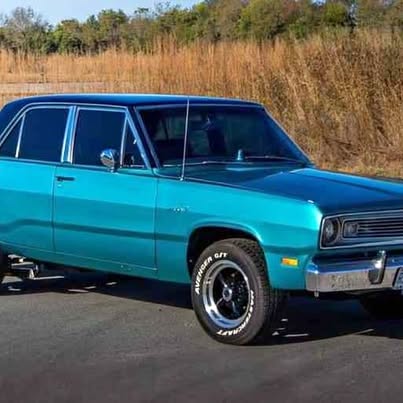
Parts and ownership
Owning a Valiant is easy in the way owning a popular, long-lived, mechanically simple car is always easy — with a few specific traps this section exists to save you from. The mechanical parts situation is genuinely good. The Slant Six and LA V8s were built in enormous numbers and stayed in production long after the Valiant itself, so service parts — gaskets, bearings, water pumps, timing sets, carburettor kits, ignition components — are available from mainstream suppliers at mainstream prices. TorqueFlite hard parts and rebuild kits are similarly plentiful, and the A833 is supported by specialists who can supply everything from a synchro ring to a complete rebuilt box. A routine service — oil, filter, plugs, ignition service items, valve clearances set on a six — is a $150–300 event, and the car asks for nothing exotic: no special oils, no unobtainable filters, no dealer-only tools.
Suspension, steering and brake wear parts follow the same pattern, with one governing caution: the 1972/73 divide. Early cars use the small 5-on-4-inch wheel bolt pattern and the four-piston disc set-up; later cars use the 5-on-4½-inch pattern and single-piston brakes. Catalogues know this, auction-site sellers frequently do not, and the commonest parts mistake in Valiant ownership is ordering cheerfully for the wrong side of the divide. Order by year, by pattern measured on your own car, and by casting numbers where they exist. The divide also defines the hobby's most popular upgrade — converting an early drum-brake car to the later disc set-up — and because so many have done it, the knowledge, brackets and used parts are all out there. Torsion bars, including uprated bars for a six-to-V8 conversion, and leaf springs are reproduced; ball joints, bushings and tie-rod ends are shelf items. A complete front-end rebuild in parts is a few hundred dollars; the alignment afterwards is what you pay a professional for.
Body and trim are where the supply thins, as you would predict for a car whose value never justified a full reproduction industry. Floor pans, boot floors, lower quarter repair panels and sills are available for the popular years, but full wings, doors and bonnets are used-parts items — another way of saying the shell-first buying advice in this guide is also a parts strategy: a car with sound panels owns its own spares. Glass is available for the common body styles; convertible and wagon trim, Signet brightwork and early one-year details are swap-meet territory, priced accordingly. Interior soft trim is reproduced for the mainstream years in correct-style materials. Think of ownership costs in three tiers: running costs, which are small; wear-and-tear restoration, which is moderate and predictable; and body restoration, which is where the money goes and which you were supposed to have avoided at purchase.
The ownership community is a real asset. Long-established clubs, forums and specialists have documented every procedure in this guide — torsion-bar removal without injury (the bars store serious energy; follow the factory procedure and never stand in line with a bar under tension), TorqueFlite linkage adjustment, bulkhead-connector repair, the disc-brake conversion — with photographs and part numbers. Insurance is ordinary classic-car insurance, and the cars are usable in modern traffic: a V8 or a well-sorted 225 will hold motorway speed all day. Keep a spare ballast resistor in the glovebox, keep the cowl drains clear, check the front end on schedule, and the Valiant will do what it was designed to do: start, go, and not make a fuss.
Which one to buy
- The all-rounder: a 1967–69 sedan with the 225 Slant Six and TorqueFlite. The toughest shell, the roomiest engine bay, the best parts situation, and enough performance for real roads. A sound one is the easiest classic ownership on this page.
- The value buy: a first- or second-generation four-door sedan, V100 or V200, bought on shell condition alone. The market undervalues the early styling and the four-door shape simultaneously, and underneath both discounts sits the same torsion-bar, Slant Six car.
- The enthusiast's car: a 1964–66 Signet hardtop or sedan with the 273 — a Commando if the codes prove it. The prettiest Valiants, a proper small-block soundtrack, and the variant whose originality is worth preserving.
- The rare one: a 1963–66 convertible, Signet trim if you can find it. Have the structure inspected by someone who knows unibodies: a convertible with a rotten crossmember is a sculpture, not a car.
- The sleeper: a third-generation sedan with the 318. Nobody photographs it, nobody clones it, and it does everything the six does with a V8's ease. If your plans include distance or towing, this is your car.
- The project to buy — if any: a two-door sedan with a sound shell and tired mechanicals. Mechanical tiredness is cheap on this car; shell tiredness is not. A rusty convertible or wagon is the project to leave, whatever the price, unless fabrication is your hobby rather than your cost.
The overriding rule: buy the shell, then the engine, then the trim — in that order, every time. A Valiant's structure is its value, its engine is a weekend-scale problem at worst, and its trim is jewellery. Inspect in that order, verify the VIN and fender tag before the test drive, and walk away from perforated crossmembers, and you will end up with the most honest classic you can own.
See the 6 Valiant cars currently listed.
For sale now
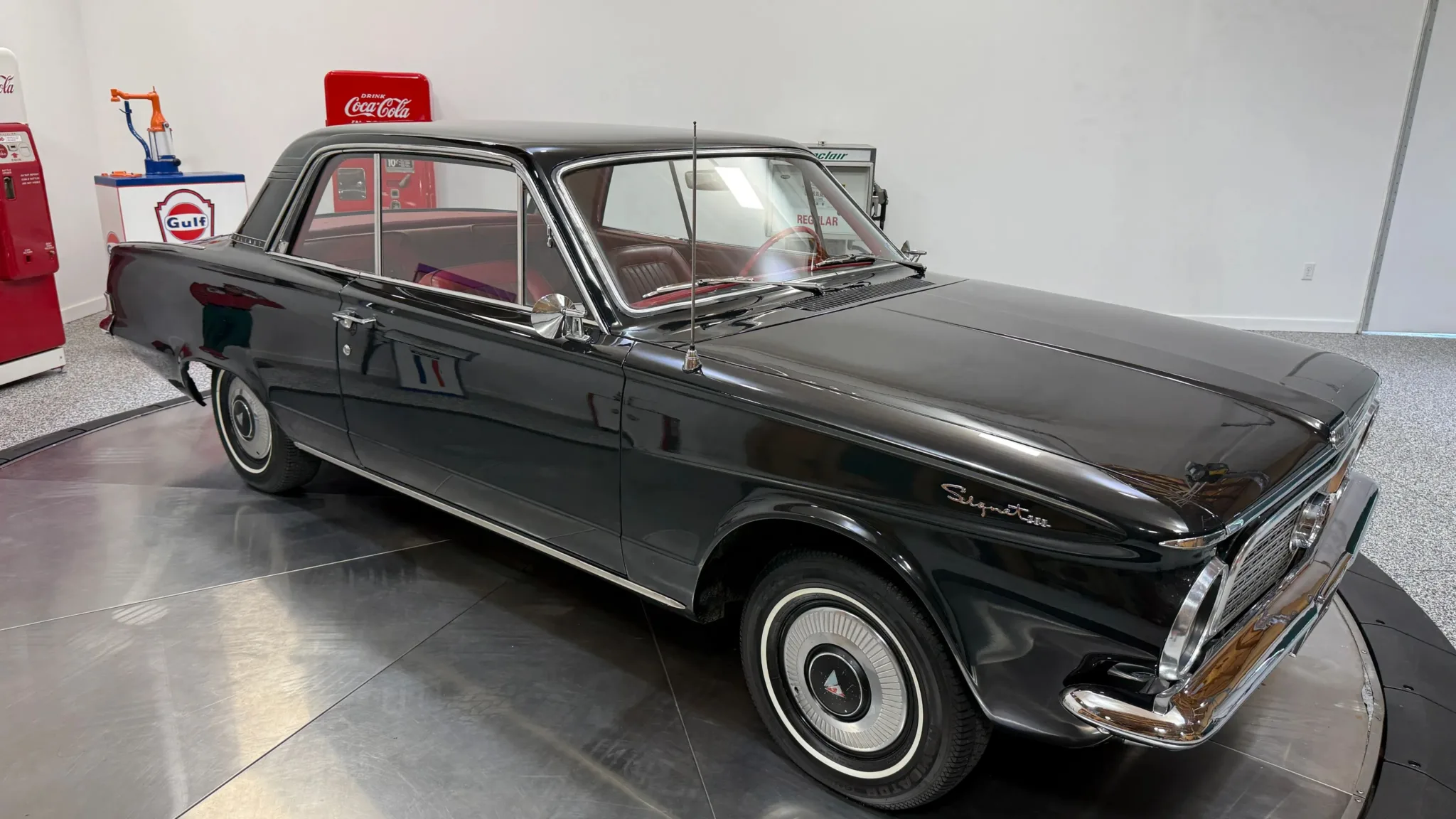 $18,650 · 8% above typical
Expand
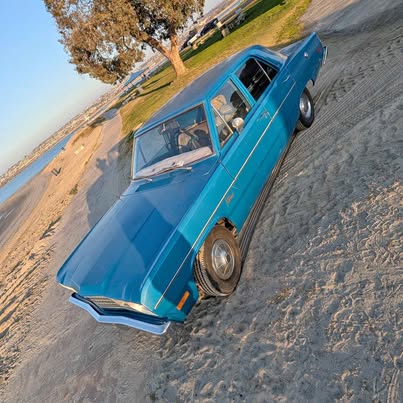 $5,100
Expand
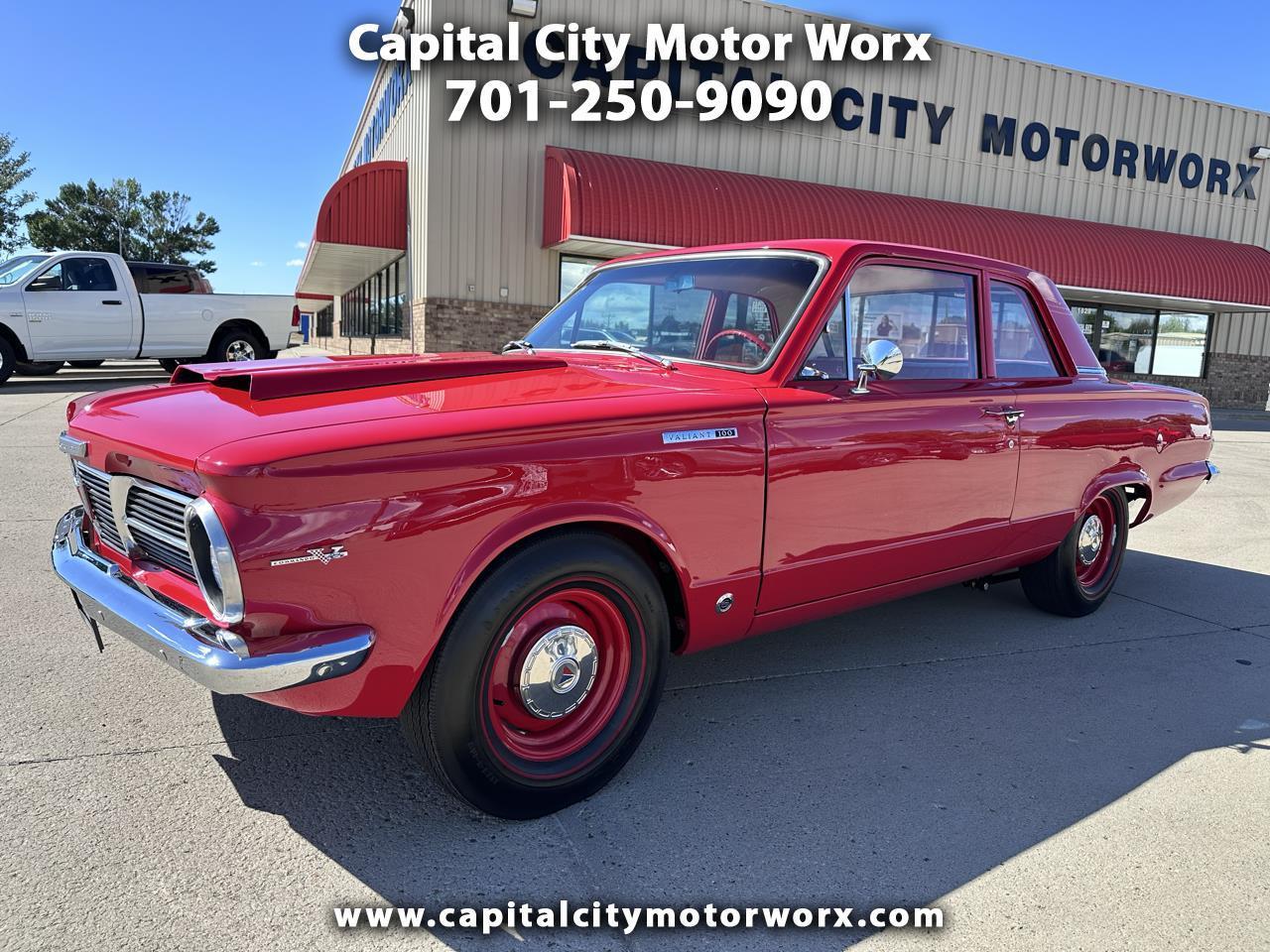 $44,900 · 161% above typical
Expand
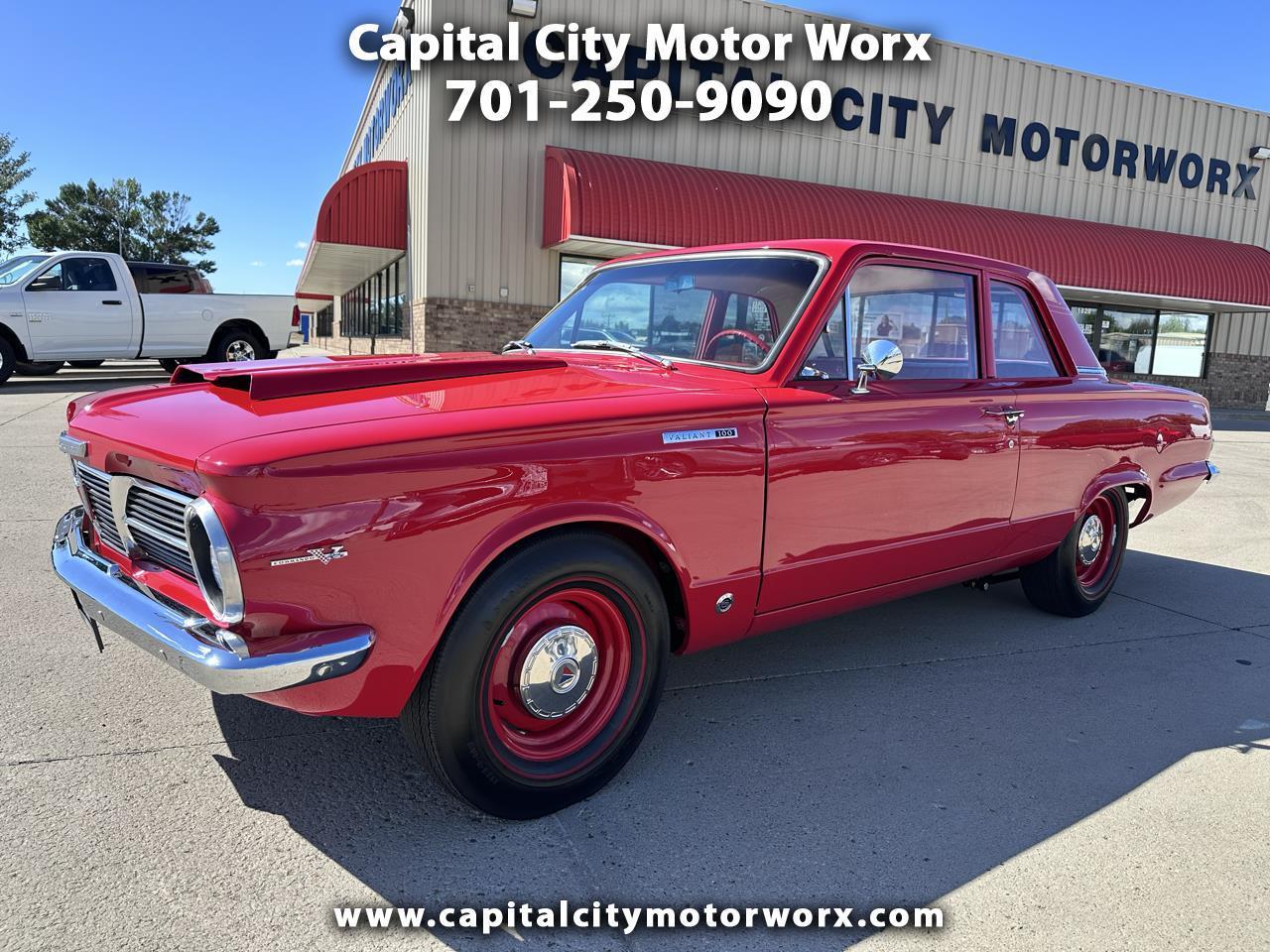 $44,900 · 161% above typical
Expand
$3,700 · 72% below typicalExpand
$2,350 · 86% below typicalExpand
What they sell for: Valiant sale prices.