
Porsche 356 Speedster buyer's guide
Porsche 356 Speedster -- the model's own buyer's guide: variants, values and what to check.
Years listed: 1956-1965 · Series: 356
Overview and history
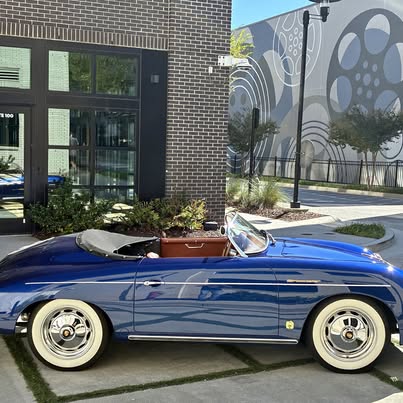
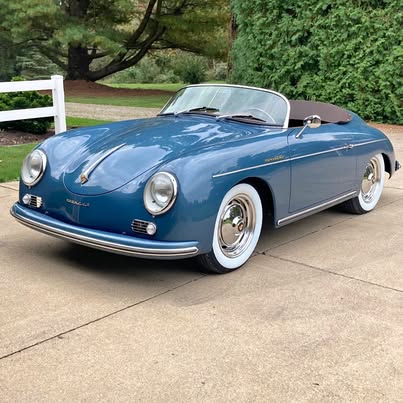
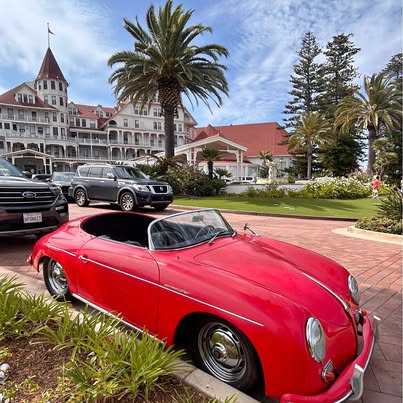
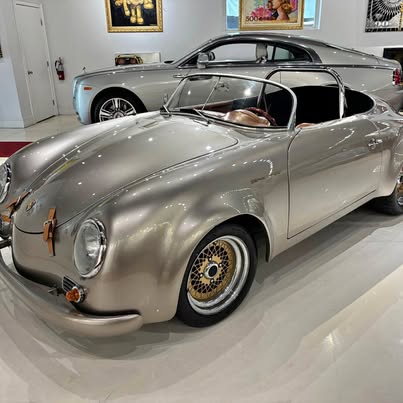
The Porsche 356 Speedster is the most copied classic Porsche ever made, and that single fact shapes everything about buying one. A genuine Speedster is a low, stripped, steel-bodied roadster built in tiny numbers between 1954 and 1958 for the American market. A replica Speedster is a fibreglass body in the same shape, usually mounted on a shortened Volkswagen Beetle floorpan with a Beetle engine, built by the thousand from the 1970s onward by companies including CMC, Fiberfab, Vintage Speedsters and Beck. From twenty feet away, in a listing photograph, the two cars look almost identical. Underneath, in value, in construction, in how they drive and in what it costs to put them right, they are completely different automobiles that happen to share a silhouette. This guide treats them as what they are: two separate buying propositions wearing one shape, and it teaches you to tell them apart before money changes hands.
The genuine car exists because of Max Hoffman, Porsche's importer for the United States. Hoffman understood the American sports-car market of the early 1950s better than anyone in Zuffenhausen: British roadsters from MG, Triumph and Austin-Healey were selling on price and open-air simplicity, and Porsche's 356 coupe and cabriolet were too expensive and too finished to compete directly. Hoffman pressed Porsche for a cheaper, lighter, deliberately basic open car — wind-up windows deleted, a proper folding top deleted, comfort deleted — that could be sold for under three thousand dollars in period US money and raced on weekends. Porsche's coachbuilder Reutter built it: a standard 356 floorpan and running gear under a lower, racier steel body with a cut-down, removable windscreen, thin bucket seats, side curtains instead of wind-up glass, a rudimentary emergency top that is best understood as a rain cover rather than weather equipment, and almost no trim. The Speedster name, the low screen and the spare interior were not styling whims. They were a price and a purpose.
Production began in 1954 on the car now called the 356 pre-A, and continued when the comprehensively revised 356A arrived for the 1956 model year. The 356A Speedster gained the improved suspension, steering and engine range of the A series and is the version most buyers picture: curved screen still low and raked, teardrop tail, central exhaust outlet through the rear valance on many cars, and a dashboard as plain as Porsche ever made. For 1959 the Speedster was replaced by the Convertible D — Drauz-built, taller windscreen, wind-up windows, a real top — which tells you exactly what the market thought of the Speedster's minimalism at the time. The Speedster was always a small fraction of 356 production: fewer than five thousand genuine cars were built across the whole 1954 to 1958 run, pre-A and A together, against well over seventy thousand 356s of all types. Scarcity was built in from the start.
What happened next is the replica story. Through the 1960s the Speedster was simply an old, uncomfortable Porsche, worth used-car money. Through the 1970s and 1980s its looks, its racing associations — James Dean owned a 356 Speedster, though his fatal car was the later 550 Spyder, a confusion sellers still exploit — and its growing collector status pushed genuine values up far beyond what the simple engineering underneath seemed to justify. A market gap opened: thousands of people wanted the shape and could never justify, or find, the genuine article. American kit-car makers filled it. CMC and Fiberfab sold fibreglass Speedster bodies in kit and turnkey form, most designed to bolt onto a shortened Beetle chassis. Vintage Speedsters in California built turnkey replicas in volume for decades. Beck built a more developed car on a dedicated tubular chassis. Intermeccanica in Canada built higher-end replicas, some on custom chassis with more powerful engines. The result, forty years on, is that replicas outnumber genuine Speedsters by a large multiple, they appear in the same classifieds, they are photographed the same way, and a depressing share of them are advertised with the word replica in small print, in the last line, or nowhere at all.
Our own listings illustrate the point plainly, and we will be honest about it here because a guide that is not honest about its own pool is worthless. At the time of writing this site tracks just four cars filed as 356 Speedsters, all four offered for sale, all four sourced from Facebook Marketplace, dated 1957 and 1958. Three of the four are explicitly recorded in the store as Porsche 356 Speedster Replica — the display name for this model in our system is itself Porsche 356 Speedster Replica. No sold archive exists for the model here to lean on, and no examined-photo aggregate was supplied with the brief for this guide, so this guide makes no claim of the form a percentage of cars we checked showed a given fault. What the pool does prove, usefully, is the market reality a buyer faces today: type Speedster into a general marketplace and most of what comes back will be a replica. That is not a reason to walk away from the whole idea. A good replica, bought knowingly at replica money, is a delightful, cheap-to-run summer car. A replica bought unknowingly at genuine money is one of the most expensive mistakes in the classic car world. Everything that follows is organised around making sure you know which car is in front of you, what its real failure modes are, and what each job honestly costs.
One more framing point before the detail. Genuine and replica Speedsters fail in different places for different reasons, because they are built differently. The genuine car is a steel unitary body on a pressed-steel platform, and it rusts — structurally, expensively, in the longitudinals, floors and door structures described at length below. The typical replica is a fibreglass shell that cannot rust, bolted or bonded to a Beetle floorpan that absolutely can, and its structural story is the pan, the shortened weld, and the chassis underneath the pretty body. An inspection that treats a replica like a steel car misses its real risks; an inspection that treats a genuine car like a kit misses its value. Read the identity section first, in Problem areas, and do not skip it because a car looks right. Looking right is the one thing every Speedster, real or not, was designed to do.
The models
There are two genuine Speedster generations, four genuine engine grades that matter to a buyer, one genuine flagship that belongs in a different conversation, and then an entire second taxonomy — the replicas — that you need to know with the same precision, because in today's classifieds you will meet the second taxonomy far more often than the first.
| Model | Years | Engine | Output | Character |
|---|---|---|---|---|
| 356 Speedster 1500 (pre-A) | 1954-1955 | 1,488 cc flat-four, Type 546 | about 55 hp | The original Hoffman car; drum brakes, earliest detailing |
| 356 Speedster 1500 Super (pre-A) | 1954-1955 | 1,488 cc flat-four, Type 528 | about 70 hp | Roller-bearing crank; quicker, fussier, rarer |
| 356A Speedster 1600 | 1955-1958 | 1,582 cc flat-four, Type 616 | about 60 hp | The core genuine car; the default Speedster |
| 356A Speedster 1600 Super | 1955-1958 | 1,582 cc flat-four, Type 616 high-compression | about 75 hp | The driver's genuine Speedster; revs, needs care |
| 356A Speedster Carrera GS | 1956-1958 | 1,498 cc four-cam flat-four, Type 547 | about 100 hp | The four-cam flagship; specialist money in every direction |
| Replica — CMC / Fiberfab type | 1970s-1990s kits | Beetle flat-four, typically 1,600 cc | varies widely | Fibreglass on shortened Beetle pan; quality is build-by-build |
| Replica — Vintage Speedsters type | 1980s-2010s turnkey | Beetle flat-four, often 1,915 cc | varies widely | Volume turnkey car; the commonest replica you will meet |
| Replica — Beck type | 1980s onward | Beetle-type flat-four, various | varies widely | Tubular chassis under fibreglass; better structure, still a replica |
Production figures for the genuine cars deserve an honest note rather than a false precision. Period and registry sources agree on the shape of the story — total genuine Speedster production in the high four thousands across 1954 to 1958, with the 356A cars making up the majority and the Carrera GS a tiny sliver of a few dozen to around a hundred and fifty cars depending on how de Luxe and GT variants are counted — but published totals differ in detail between sources, so this guide works with the order of magnitude and tells you to verify any individual car's build record against its chassis number and, for a genuine car, its Kardex factory record, rather than trusting any guide's table, including this one. That habit — numbers from the car's own documents, never from an advertisement — is the Speedster buyer's core skill.
The pre-A Speedster (1954-1955). The first cars carry the bent windscreen in two panes on the very earliest production, drum brakes all round, a crash first gear character to the early gearbox, and detailing that 356 pre-A people obsess over: the early dashboard, the VDO instruments with their period faces, the thin-rimmed steering wheel. The 1500 Normal engine, Type 546, is a gentle 55 hp pushrod unit closely related to contemporary Volkswagen architecture in concept though Porsche-built in detail. The 1500 Super, Type 528, uses a Hirth roller-bearing crankshaft to rev higher and make about 70 hp — wonderful when right, and the single most expensive engine in the pushrod family to rebuild correctly, because the roller crank is specialist work with a shrinking pool of people who truly know it. Pre-A Speedsters are the purest and the most valuable per unit of performance in the genuine range, and the least forgiving to run on a budget.
The 356A Speedster 1600 (1956-1958 model years). This is the Speedster of the posters and the car the replicas copy, down to the dashboard layout and the badge script. The Type 616 engine in Normal tune makes about 60 hp from 1,582 cc, pulls from low revs, and asks only for clean oil, correct valve clearances and respect for its cooling tinware. Disc brakes were not a 356A feature — the A still stops on drums, excellent drums when maintained, and any A advertised on discs has been modified, which on a genuine car is a value question to raise, not a bonus to accept silently. The 1600 Super raises compression and cam timing to about 75 hp and is the connoisseur's pushrod choice: it revs more eagerly, carburates more fussily on its twin Solex or Zenith downdraughts depending on year and market, and rewards an owner who drives it properly warmed through.
The Carrera GS. A small number of 356A Speedsters received the Type 547 four-cam racing engine — four overhead camshafts driven by shafts and bevel gears, dry-sump lubrication, twin ignition, about 100 hp in GS road tune. It is a racing engine in a road car, with racing-engine service intervals, racing-engine noise, and racing-engine rebuild costs that belong in the Parts and ownership section's most expensive paragraph. Identity matters even more here than elsewhere: a Carrera badge on a pushrod car is a known trap, and the engine number and type stamping settle it in seconds, as the inspection section explains. If you are genuinely shopping at this level you will already have a marque specialist on retainer; this guide's role is to stop a pushrod car being sold to you at four-cam money.
The replicas, taken seriously. A CMC or Fiberfab car is a fibreglass body from a mould taken off a genuine Speedster, sold as a kit at several completion levels, and finished by everyone from careful engineers to people who should never have been sold a rivet gun. Judge each one as an individual build, because the badge on the box it came in predicts almost nothing about the car in front of you. Vintage Speedsters cars are more consistent — a production turnkey build, usually on a shortened Beetle pan, often with the larger 1,915 cc engine — and consistency is worth money inside the replica market, because the next buyer can comparison-shop them. Beck cars sit on a proper tubular steel chassis with better torsional stiffness than any pan car and are the replica connoisseur's choice, but a Beck is still titled, insured and valued as a replica or special-construction car, not as a Porsche, and the paperwork should say so. Intermeccanica cars range from pan-based builds to sophisticated custom-chassis cars, some with water-cooled or larger air-cooled power, and again the individual build sheet is the whole story. Across all replicas, three paperwork facts define value: what the title actually calls the car and what year it claims, whether the state registration matches the chassis underneath, and whether the build is documented. A replica titled as a 1957 Porsche is a legal and resale problem, not a charming quirk, however common the practice once was.
Engines and gearboxes
Every Speedster engine is an air-cooled flat-four in the tail, driving the rear wheels through a transaxle, and that shared sentence is where the similarity between genuine and replica ends. A genuine Porsche engine is a Porsche-designed unit with its own crankcase, its own numbers and its own rebuild economics. A typical replica engine is a Volkswagen Type 1 unit — honest, tough, cheap to rebuild — sometimes enlarged and sometimes dressed with Porsche-style fan shrouds and badges intended to flatter it in photographs. Learn to read an engine bay the way you read a chassis number: by type, by stamping and by detail, not by the script on the tinware.
The pushrod Porsche engines: Types 546, 528 and 616
The volume genuine engines are pushrod flat-fours of Volkswagen ancestry in layout only. Porsche's crankcases, crankshafts, cylinder heads, pistons and valve gear are Porsche parts, made to Porsche tolerances, and priced accordingly at rebuild time. Cooling is by an engine-driven fan in a housing on top of the engine, blowing air over finned cylinders and through an oil cooler inside the fan shroud's airflow. There is no radiator, no coolant and no thermostat in the water-cooled sense; instead a thermostat bellows under the cylinders works flaps in the fan housing on most variants, and the whole system's efficiency depends on every piece of tinware around the engine being present and sealed. Missing tin, missing rubber engine-bay seals, or a missing lower sled plate lets hot air recirculate into the fan intake, and an air-cooled engine that ingests its own exhaust heat cooks its rear cylinders first. On any viewing, completeness of tinware is not cosmetics. It is the cooling system.
Type 546, the 1500 Normal (pre-A). About 55 hp, twin downdraught carburettors — Solex 32 PBI or PBIC types in period depending on year — a plain-bearing three-piece crankcase and a character best described as willing rather than fast. Its virtues for a buyer are simplicity and honesty: it does not pretend to rev, it tolerates regular use, and a standard rebuild, while never cheap in Porsche terms, uses the most available parts in the family. Its failure signature is age rather than design: worn valve guides giving a puff of blue smoke on start-up and on the overrun, tired carburettor spindles leaking air and spoiling the idle, and oil leaks from pushrod tubes, the crankcase seams and the rear main seal area that mark the engine bay and the driveway long before they threaten the engine itself. Budget a full pushrod rebuild at roughly $12,000 to $25,000 at a recognised 356 specialist by the time machining, bearings, pistons and cylinders, head work and labour are counted, with the wide range reflecting how much of the original engine proves reusable.
Type 528, the 1500 Super (pre-A). The Super's party trick is its Hirth crankshaft with roller big-end bearings, allowing higher revs and about 70 hp. The mechanism of its expense is simple: a roller crank cannot be reground like a plain crank, its rebuild is assembly work with specialised measurement, and a crank that has suffered oil starvation or detonation may be scrap where a plain crank would be a machining job. Oil cleanliness is existential on this engine — the rollers run in the engine oil, and neglected oil with abrasive content destroys the bearing surfaces the whole bottom end depends on. A documented roller-crank rebuild by a named specialist is one of the strongest history-file assets a pre-A Super can carry. Without one, price the car as though the conversation is coming.
Type 616, the 1600 family (356A). The A-series engine enlarged to 1,582 cc is the best-supported genuine Speedster engine and the one most buyers should want. In Normal tune, about 60 hp, it uses a plain-bearing crank, a single-piece-appearing but still multi-part crankcase architecture, and twin carburettors — Zenith 32 NDIX downdraughts are the classic 356A fitment, with Solex types also seen by year and market — each feeding one bank. In Super tune, higher compression pistons, a hotter camshaft and revised carburation give about 75 hp and a noticeably busier top end. The 616's characteristic wear points are shared across the family and worth learning as a set. Valve guides wear and show as start-up smoke that clears, then as overrun smoke that does not. The mechanical fuel pump's diaphragm hardens and can leak fuel externally or, worse, thin the oil if fuel tracks internally — a dipstick that smells strongly of petrol on any pushrod car is a pump conversation first, before it is an engine conversation. Carburettor spindle wear admits air downstream of the throttle plate, giving an idle that hunts and will not respond cleanly to the mixture screws; spraying a little carburettor cleaner at the spindle bushes on a running engine and hearing the note change is the classic distinguishing test, done carefully and away from hot exhausts. Ignition is points and coil, and half the flat spots blamed on carburation are a worn distributor advance mechanism or points closing up. A healthy 616 starts hot or cold without drama, idles evenly once warm, pulls cleanly through the gears and shows no smoke under load. Smoke under load is rings and bores, and that is a top-end at minimum.
Oil is the religion of all these engines. They hold little of it by modern standards, they cool with a meaningful share of it, and their service intervals in period assumed frequent changes. Modern practice among specialists is short intervals, correct viscosity for an air-cooled engine, and fanatical attention to the oil strainer and any fitted filter arrangement at each change. An engine with black, thin, fuel-smelling oil and no history is telling you its maintenance story in one dipstick pull.
The four-cam Carrera engine: Type 547
The Type 547 deserves its own subsection because it shares almost nothing with the pushrod cars except the badge and the cooling fan's silhouette. Four overhead camshafts, driven from the crankshaft by a train of shafts and bevel gears — the famous Fuhrmann engine, named for its designer Ernst Fuhrmann — with dry-sump lubrication, twin spark plugs per cylinder on road GS engines, and an appetite for precise, frequent specialist attention. It makes about 100 hp in 1,500 GS form and a noise no pushrod car can imitate. Its failure modes are those of a racing engine: bevel-gear drive wear that announces itself in valvetrain noise and timing scatter, oil system faults that destroy an engine measured in seconds rather than miles, and a dependence on correct warm-up and cool-down discipline that not every owner in its long life will have observed. Rebuild costs belong in a different league from the pushrod figures above — a full four-cam rebuild by one of the few recognised specialists is a job realistically quoted in the $60,000 to $120,000 range depending on what survives inspection, and that range is offered here precisely so that no reader mistakes a Carrera-priced problem for a pushrod-priced one. Do not buy a four-cam car without a specialist inspection, a compression and leak-down record, and the engine's number verified against the car's Kardex. There are no bargains at this level, only deferred invoices.
The replica engines: Volkswagen Type 1 and its enlargements
Turn to the engine in the typical CMC, Fiberfab or Vintage replica and you are looking at a Volkswagen Type 1 flat-four, most often 1,600 cc in near-stock form or enlarged to 1,776, 1,915 or beyond with big-bore piston and cylinder kits, sometimes with a stroker crankshaft taking capacity past two litres. In stock 1,600 form it makes power in the same broad region as a genuine 1600 Normal, which is exactly why replicas drive convincingly at road speeds. The differences that matter are in the detail and the economics. The VW crankcase carries a Volkswagen engine number, not a Porsche Type 616 stamping, and that number is your friend: it is one of the fastest identity tells in this entire guide, covered again in Problem areas. VW engines carburate most often on a single central carburettor in stock form or twin carburettors — Kadron, Weber ICT or IDF types are common — on performance builds, and their classic faults are Beetle faults: end-float at the crank pulley from a worn main bearing thrust face, which you test by pushing and pulling the bottom pulley and feeling for a clunk that should not be there; oil leaks from pushrod tubes and the oil cooler seals; a single carburettor icing or running one bank lean when a manifold seal perishes; and overheating when a replica builder has fitted pretty tinware that omits the pieces Volkswagen's cooling design actually needs. The economics, though, are the replica's great virtue: a full VW engine rebuild at a competent air-cooled shop is realistically a $3,500 to $7,500 job in standard form, performance builds more, and every wear part is on a shelf somewhere in the country. A replica with a tired engine is a negotiation. A genuine car with a tired engine is a financial event. Never let a seller blur that distinction in either direction.
Higher-end replicas complicate the picture in a good way. Beck and Intermeccanica builds may carry larger, professionally built engines with proper cooling, and some Intermeccanica cars use entirely different power units. The rule survives the complication: identify the engine by its case number and its architecture, read the build sheet if one exists, and price the car as the sum of what is actually fitted, never as the badge on the decklid.
Gearboxes
Genuine pre-A cars use the Type 519 transaxle, a four-speed unit with Porsche's own synchromesh design that was advanced for its day; 356A cars use the improved Type 644. Both are four-speed manuals with reverse, both mount behind the engine in the classic Porsche layout, and both are judged the same way on a test drive: synchromesh that survives a brisk change down into second and third without a crunch, no jumping out of gear on the overrun, no whine that rises with road speed in the cruise, and a gear lever that finds its gates positively despite the long linkage running forward from the transaxle to the driver's hand. Worn linkage bushes make a good box feel vague, and that is a cheap fix — linkage and bush kits plus fitting are a few hundred dollars — while worn synchromesh and bearings are a transaxle-out rebuild, realistically $4,500 to $9,000 at a specialist for a genuine Porsche box. First gear on the earliest 519 boxes demands respect and a near-stop for engagement in some states of wear; learn what is normal for the year before condemning a box, and let a specialist drive any car whose box you suspect.
Replica gearboxes are Volkswagen transaxles, usually the Beetle swing-axle box the donor pan brought with it, occasionally a later independent-rear-suspension unit in a custom-chassis car. They are strong, simple and cheap by Porsche standards — a rebuilt VW transaxle fitted is realistically a $1,800 to $3,500 conversation — and they fail in Beetle ways: tired synchromesh on second, axle gaiters split and flinging oil, and a gear lever made vague by the shortened shift rod and coupler that the pan-shortening process creates, a point the inspection section returns to because a sloppy replica gear change is usually linkage geometry, not gearbox wear. One listing anomaly is worth naming here because it appears in our own pool: one of the four cars in our store is recorded with an automatic transmission. No genuine Speedster was ever built with an automatic gearbox, and a classic air-cooled replica automatic is equally implausible as a period build — treat any automatic Speedster listing as a data error or a thoroughly non-standard conversion until the seller proves otherwise in person, and never price such a car on the listing text alone.
Problem areas
This is the longest section of this guide on purpose, and it is organised in the order a Speedster can hurt you. Identity first, because no mechanical verdict matters until you know what the car is. Structure second, separately for the steel genuine car and for the pan-and-fibreglass replica, because they rot in different places by different mechanisms. Running gear, brakes, electrics and weather equipment after that. Throughout, costs are given as realistic US shop ranges for the job described — they are the negotiation currency of a viewing, and they appear everywhere in this guide except the Values section, by design.
Identity: proving a genuine car, and pricing a replica honestly
Start with the material. A genuine 356 body is steel, built by Reutter for the great majority of Speedsters. A replica body is fibreglass. The distinguishing tests are simple, physical and hard to argue with. Run a small magnet in a cloth — to protect paint — along the doors, the front wings, the rear quarters and the decklid. On a steel car it holds everywhere except over filler; on a fibreglass car it holds nowhere except where it finds the steel structure behind the panel, weakly and inconsistently. One magnet pass settles the body material question on most cars in under a minute. Follow it with your fingertips: open a door and feel the inner edge and the underside of the front trunk lid and engine lid. Steel panels end in folded, spot-welded flanges with factory irregularity. Fibreglass panels end in a moulded lip, often thicker, often with the woven or chopped-strand texture of glassfibre visible on the unpainted inner face, sometimes with mould-release sheen or overspray patterns no steel panel shows. Look inside the front trunk and under the dash: a genuine car shows pressed steel inner structure, factory spot welds and Reutter's build details; a replica shows fibreglass inner surfaces, bonded-in boxes and, very often, daylight where a steel car has structure.
Then the numbers, because numbers are what money follows. A genuine 356 carries its chassis number stamped into the front trunk floor, on the right-hand side of the panel ahead of the fuel tank area, and the same number appears on the factory data plate and, on US cars, in the door-jamb area documentation. Speedster chassis numbers sit in known sequences for 1954 to 1958 — pre-A Speedsters in the 80000-series region and 356A Speedsters predominantly in the 83xxx to 85xxx region by year, with the exact allocation verifiable against the Porsche registry literature and the car's Kardex — and a number outside the Speedster sequences, however the car is badged, means the car is not a Speedster, full stop. Reutter body numbers are a second, independent check: the coachbuilder stamped its own number in the body, classically found in the front trunk area and on panels including the doors and lids in the form of the last digits matched across the car, and on a genuine undisturbed car the Reutter number's relationship to the chassis number follows the factory pattern a specialist or registry can confirm. Mismatched lid and door digits tell you panels have travelled between cars — common in seventy years, priced accordingly, and very different from a car whose core numbers do not belong to a Speedster at all. The engine number is the third leg: a genuine pushrod engine carries its type and serial stamped on the crankcase in the generator-stand area, in the Porsche sequences for Types 546, 528 or 616, and the Kardex records the engine the car was born with. A Volkswagen case number in a car sold as genuine ends the negotiation and restarts it as a replica negotiation, if it restarts at all.
Replicas have their own honest numbers, and a good seller will show them to you. The shortened Beetle pan keeps the Volkswagen chassis number stamped on the tunnel under where the rear seat would be in a Beetle — on a replica, under the rear deck area or accessible through it depending on build — and that number dates the donor and should match the title's story. Beck's tubular chassis carries Beck's own identification. A build sheet, a kit invoice, a Vintage Speedsters or Intermeccanica record: these are to a replica what a Kardex is to a genuine car, and they add real resale value inside the replica market because they let the next buyer verify instead of guess. The paperwork traps are consistent enough to list plainly. A replica titled as a genuine-year Porsche misstates the car to the state, to the insurer and to the next buyer, and unwinding that can cost more than any mechanical job in this guide. A car with no visible chassis number anywhere has usually had its identity removed rather than lost, which is a walk-away in any state. And a genuine car with a replica body, or a replica wearing a genuine car's number — both exist — are fraud-shaped objects whose correct price is zero until a specialist and, frankly, a lawyer have looked at them. Identity work is not pedantry on a Speedster. It is the purchase.
Finally, the small tells that support, but never replace, the tests above. Genuine Speedsters have a low, removable screen in a distinctive frame, side-curtain sockets in the doors, a specific dashboard pressing with the tachometer central on later cars, a fuel tank and spare wheel arrangement in the front trunk unique to the 356, drum brake backing plates and suspension of Porsche design underneath, and a swing-axle rear with Porsche transaxle castings. Replicas betray themselves underneath first: a Beetle floorpan's pressed spine and pan edges, a Beetle front beam axle assembly on pan cars, fibreglass inner wings, and a fuel tank and battery placed wherever the kit put them. If you are allowed only five minutes with a car, spend one on the magnet, two underneath with a torch, and two on the numbers. Those five minutes sort the market.
Rust and structure: the genuine steel car
A genuine 356 is a unitary steel structure — floorpan pressings, longitudinal members, sills, bulkheads and body welded into one shell — and it rusts from the inside of its closed sections outward, which means the paint is the last thing to know. The Speedster adds open-car vulnerabilities to the standard 356 map: a top that seals approximately, side curtains that seal worse, and a cockpit that has taken weather for seventy years whenever a past owner was caught in rain or stored the car carelessly.
Longitudinals and floors. The two longitudinal box members that run the length of the floor are the car's spine. They trap road water and mud at their seams, rot at the jacking points and at the rear where they meet the torsion-bar tube area, and their failure is structural in the full sense: doors sag, gaps close at the top and open at the bottom, and the car flexes over bumps. Test by opening and closing each door on level ground and watching the gaps, by jacking carefully at a factory point only if the seller agrees and watching for movement that should not happen, and above all by getting the car on a lift and prodding the longitudinals' inner faces with a screwdriver, with permission. Sound metal rings and resists. Rotten metal crunches, flakes and admits the blade. Floor pans themselves are the cheaper half of this story — replacement pan sections fitted and sealed are realistically a $2,500 to $6,000 conversation for both sides with the car already stripped — but floors never rot alone, and longitudinal repair with correct pressings, fitted by a 356 specialist with the body jigged, runs into the $10,000 to $25,000 region before paint when it is done to a standard a genuine car deserves. A cheap genuine Speedster with structural rust is the most expensive car in this guide.
Doors, hinges and the cowl. Speedster doors are steel skins over steel frames, and they fill with water when their drain holes block, rotting the bottom of the skin and the frame's lower rail from inside. Run a fingertip along every door bottom, look for bubbling low on the skin, and open the door fully to feel hinge wear: a door that drops as it unlatches has worn hinges or, worse, a cowl and hinge pillar softened by rust, and the second cause turns a hinge job — pins and bushes, a few hundred dollars — into structural welding priced per car after stripping. The cowl and windscreen frame matter doubly on a Speedster because the low screen's frame is a distinctive, hard-to-source pressing; corrosion or accident damage there is specialist fabrication, not a panel order.
Front trunk, battery area and nose. The battery sits in the front trunk area on a 356, and decades of acid fumes and spills rot the battery box and the floor around it, often the first perforation on an otherwise sound car. Lift the battery or at least rock it and inspect the tray and floor beneath with a torch: a tray and local floor repair is a $600 to $1,800 job, while acid damage that has spread into the surrounding structure costs more and hides better. The nose panel and headlamp bowls trap water behind the lamps; bubbling around the headlamp rims or at the bottom of the nose means the bowl and its seams need opening, and nose work on a 356 is panel-beating craftsmanship, priced by the hour and unforgiving of filler shortcuts.
Rear quarters, deck area and the tail. The rear wheel arches rot at their lips and where the inner arch meets the quarter, and the valance and tail panel around the exhaust outlet collect heat, moisture and road salt in one place. On a Speedster the rear deck and the panel behind the seats also carry the top well, which holds water against the steel whenever its drains block. Prod the arch lips, look inside the rear wheelhouses with a torch, and lift everything liftable behind the seats. Quarter and arch repairs in steel, leaded and finished to genuine-car standard, are realistically $2,000 to $5,000 a side once paint is honestly included, and a car needing both sides plus longitudinals plus floors is a restoration project being sold, whatever the advertisement calls it.
The replica structure: fibreglass, the shortened pan and the chassis
A fibreglass body does not rust, and replica sellers lean on that sentence hard. It is true and it is incomplete, because the body is not the structure on a pan-based replica. The structure is the Beetle floorpan, shortened — classically by roughly 300 mm, about 12 inches, cut and welded across the tunnel and pan — to match the Speedster's shorter wheelbase, and every structural question about the car lives in that pan and that weld.
The shortening weld. Find it, which usually means a lift or at least a thorough underside inspection with the car safely raised. A good shortening is jigged, straight, fully welded, ground and protected, with the tunnel's internal shift rod and cables correctly shortened and the pan sitting flat. A bad one is misaligned — the car crabs or wears tyres unevenly — or under-welded, cracked at the weld's ends, or rusting from inside the tunnel outward. Cracks at the weld and heavy filler or underseal localised exactly at the joint are the tells. Re-doing a failed shortening properly, with the body off, is a $3,000 to $7,000 job, and a pan rusted beyond local repair means a replacement pan or a chassis swap, at which point the car's economics only work if you bought it very cheaply indeed.
Pan rust. Beetle pans rust in Beetle places: the outer pan edges under the body seal, the battery area under the right-hand side, the front firewall and footwell pressings, and around the jacking points and seat mountings. Because the fibreglass body hides the pan's top surface, insist on seeing the underside, and prod the edges where the body meets the pan — a soft crunch there is the replica equivalent of a rotten longitudinal, and pan half replacements fitted are realistically $1,200 to $3,000 a side depending on how much ancillary work the car demands. On a Beck or other tubular-chassis car, substitute a frame inspection: look for accident kinks, cracked welds at suspension pick-ups, and corrosion inside unprotected tube ends, and ask who built it and when, because the answer is checkable.
The fibreglass itself. Glassfibre fails by cracking, crazing and delaminating rather than rusting. Star cracks radiate from stone strikes and from stress points — around the windscreen frame mounts, door hinges and latch areas, and the front trunk and engine lid edges — and widespread crazing in the gel coat means a repaint that must be done by someone who understands fibreglass preparation, realistically $6,000 to $15,000 for a full quality repaint on a replica once cracks are ground out and stabilised, which is why a shiny fresh paint job on a replica deserves the same suspicion as on a steel car: ask what is under it and who did it. Doors on replicas hang on steel or alloy hinge structures bonded or bolted into the shell; a dropping replica door is usually hinge mounting failure in the fibreglass, repairable with reinforcement for a few hundred dollars if caught before the surrounding laminate tears. Check the bonding and bolting where body meets pan all round the perimeter: perished body-to-pan seals let water sit exactly where the pan least wants it, and missing bolts are a build-quality confession.
Suspension, steering and brakes
Genuine 356 suspension is independent all round in period terms: trailing-arm and transverse torsion-bar front suspension in the Volkswagen-derived but Porsche-executed layout, and a swing axle at the rear with transverse torsion bars. Its wear points are knowable and testable. Kingpin and link-pin wear at the front gives play you feel by rocking a front wheel top and bottom with the car jacked, and a knock over sharp bumps; a front-end rebuild with kingpins, link pins, bushes and alignment is realistically $1,500 to $3,000 at a specialist. Torsion-bar leaves break in the front tubes, showing as a corner sitting low and a clunk on lock; rear swing-axle geometry means camber changes dramatically with ride height, so a car sitting tail-low or tail-high is misinforming its own rear tyres and its handling, and the cause — sagged torsion bars, wrong adjustment, or on a replica a pan sitting wrong — must be found rather than aligned around. Steering is a worm-type box on genuine cars, and play at the wheel rim beyond a small period allowance means box wear or, more often, worn tie-rod ends and a dry, neglected linkage; a steering box rebuild is a $800 to $1,800 specialist job, while rods and ends are ordinary money. Drive every car over a rough surface at low speed with your hands light on the wheel: knocks, wander and a wheel that will not self-centre are a priced list, not character.
Brakes divide the eras. Every genuine Speedster stops on drums — large, effective finned drums when the shoes, cylinders and adjustment are right, and a liability when any of the three is neglected after years of sitting. The failure mechanism of a stored drum-brake car is hydraulic and frictional at once: wheel cylinders weep and then seize, flexible hoses perish internally and act as one-way valves holding a brake on, shoe linings absorb leaked fluid and lose their friction, and drums score. A full hydraulic refresh with cylinders, hoses, master cylinder attention and shoes is realistically $1,200 to $2,500 on a genuine car, and it is not optional money on any car that has sat. Replicas usually keep Beetle drums or gain front discs from the Beetle aftermarket, and the same storage faults apply at Beetle prices — a replica brake refresh is typically a $600 to $1,400 job — with one replica-specific addition: check what master cylinder and pedal assembly the builder fitted, because mismatched Beetle and aftermarket parts are a common cause of the long, vague replica pedal sellers describe as normal. It is not normal. A correctly built replica stops straight and firmly, and so does a genuine car.
Handbrakes, cables and the small hardware deserve thirty seconds on any viewing: a handbrake that pulls to the top of its travel is stretched cables or worn rear shoes, and on a swing-axle car the rear axle gaiters and seals that keep transaxle oil in and dirt out perish and leak onto the brakes, which is why an oil-fouled rear drum is a transaxle-seal job wearing a brake job's clothes. Price the cause, not the symptom.
Electrics, weather equipment and trim
Genuine early cars are 6-volt; many have been converted to 12 volts, and a conversion done well is a usability gain that the market increasingly accepts, while a conversion done badly — generator, regulator, bulbs, wiper motor and flasher in mixed states — is an electrical fault generator. Establish which system the car runs, then test everything: lights bright at idle and brighter with revs on a healthy charging system, wipers that park, indicators that self-cancel, a horn, and instruments that read plausibly. The distinguishing test for most dim-and-intermittent faults is the earth path: these cars earth through their bodies and pans, corrosion at the earth straps and lamp bodies adds resistance, and cleaning and remaking earths cures faults owners have chased through three replacement switches. Budget an electrical recommission on a stored car at $500 to $2,000 depending on how much of the loom and how many components need attention, and treat a car where everything electrical works as evidence of an owner who maintained everything else too.
The Speedster's weather equipment is minimal by design, which makes its condition a pure honesty test. The top is a light folding frame with a canvas hood that erects into a low, drum-tight cover; side curtains are framed Perspex or canvas-and-window panels that slot into the doors. Original frames are valuable and often bent; replica tops vary from faithful to hopeless. A replacement top in correct material fitted is realistically $1,500 to $3,500, side curtains rebuilt or replaced $600 to $1,500 the pair, and neither figure buys weather sealing in any modern sense — a Speedster in rain is a car you get wet in more slowly. Judge the equipment for completeness and fit, not for promises. Tonneau covers, if present, are a bonus; if the car is sold as having a hardtop, establish whether it is a genuine period accessory, a replica accessory or a later fabrication, because the three have very different values and the first is rare enough to need proof.
Trim and interior costs hide in plain sight. Genuine Speedster seats are thin steel-shell buckets, trimmed simply; correct materials and patterns matter to value, and a correct retrim of a genuine interior by a 356 specialist is realistically $6,000 to $15,000 depending on material and how much structure the seats need. Replica interiors range from faithful to beach-buggy, and a replica retrim at a good general trimmer is a $2,500 to $6,000 conversation. Instruments are VDO on genuine cars and are rebuildable at $300 to $700 an instrument; replica clusters that imitate them are cheaper and worth less, and a genuine car's instruments with replica faces are another small identity paragraph to read carefully. Chrome on a genuine car — windscreen frame, handles, hubcaps, trim — replates at real money, realistically $2,000 to $5,000 for a car's brightwork set done properly, while replica chrome is often modern reproduction of variable life. None of these items kills a purchase alone. Together, on a car whose seller has deferred them all, they are the second restoration hiding behind the first.
How to inspect one
Allow two hours, bring a torch, a small magnet wrapped in cloth, a screwdriver for prodding with the seller's permission, and a friend to work the pedals and lights while you watch. Insist on a cold engine and, for any car at genuine money, a lift inspection by a 356 specialist before completion — on a Speedster the lift hour is the best money in the whole purchase, because identity and structure, the two things that decide value, are both settled from underneath and from the numbers, not from the driver's seat.
- Paperwork and identity first. Before you touch the car, read the title. What does it call the car, what year does it claim, and does the seller describe it in writing as genuine or replica? Then find the chassis number on the car itself — front trunk stamping and data plate on a claimed-genuine car, tunnel stamping on a pan-based replica — and match it to the title character by character. A claimed-genuine car whose number falls outside the 1954 to 1958 Speedster sequences described in Problem areas ends the viewing as a genuine purchase, whatever else is true of it.
- The magnet pass. Run the cloth-wrapped magnet over every outer panel, as Problem areas sets out. Steel everywhere is consistent with a genuine car or a steel-bodied special; fibreglass everywhere is a replica, and from this moment you are inspecting and pricing a replica, using the replica structure checks below. Mixed readings mean filler, repairs or a composite story that needs explaining panel by panel.
- Numbers on the metal. On a claimed-genuine car, record the chassis number, the Reutter body number evidence and the engine type and serial from the crankcase stamping, and photograph all three. Check the engine is a Porsche type — 546, 528 or 616 for a pushrod car — and not a Volkswagen case wearing Porsche tinware. On a replica, record the pan or chassis number and the engine case number with equal care; they are that car's identity and its resale story.
- Underneath on a lift. Work the structure in the order Problem areas maps it. Genuine car: longitudinals, jacking points, floors, battery floor, door hinge pillars by their effects, rear torsion area. Replica: the shortening weld end to end, pan edges, battery area, body-to-pan fasteners and seal. Prod suspect metal with the screwdriver. Perforation in a genuine longitudinal or at a replica's shortening weld is a structural price conversation or a walk-away, never a detail.
- Doors, gaps and stance. Open and close both doors on level ground, watch the gaps, feel for drop at the latch. Then stand back and read the stance from front and rear: level side to side, rear camber plausible for the ride height, no corner sitting low. A Speedster that sits wrong is telling you about torsion bars, pan geometry or structure, in ascending order of expense, and step 4's findings tell you which.
- Cold start and the dipstick. Start the engine from cold yourself. A healthy pushrod engine fires readily, may smoke a wisp on first start, and settles. Then, engine off, pull the dipstick and smell it: strong petrol smell points to the fuel pump fault described in Engines and gearboxes, and thin black oil with no history prices a service and an investigation into the offer. Watch the oil pressure warning light behaviour and listen for bottom-end rumble as it warms.
- The engine in detail. Check the cooling tinware and engine-bay seals for completeness — the cooling system test from the engines section — then look for the family's signatures: oil leaks at pushrod tubes and case seams, carburettor spindle play and the air-leak symptoms it causes, perished fuel hoses anywhere in the bay. Old fuel hose on an air-cooled car is a fire risk priced in tens of dollars to fix and in cars to ignore; note it and fix it first on any car you buy. On a replica, also push and pull the bottom pulley to feel for the crankshaft end-float described in Engines and gearboxes; a distinct clunk is a worn VW bottom end being priced into the deal.
- The test drive. Fifteen minutes minimum, including a rough surface at low speed and a faster road if the car and the law allow. Test the change down into second and third for synchromesh, listen for transaxle whine on the cruise and knocks over bumps, feel for steering wander and a wheel that will not centre, and brake firmly from speed: the car should stop straight with a firm pedal. A long, vague pedal on either a genuine drum car or a replica is the hydraulic story from Problem areas, not a quirk to accept.
- Heat and electrics. Let the car idle after the drive and watch temperature behaviour as far as the instruments allow, oil leaks announcing themselves on hot metal, and any change in idle quality as heat soaks the carburettors. Then work every electrical item — lights, indicators, wipers, horn, instruments — and establish whether the car is 6-volt or converted to 12, and how completely, using the electrics checks in Problem areas.
- Weather gear and interior. Erect the top, however reluctant everyone is: bent frames and torn sockets only confess under tension. Fit the side curtains. Sit in both seats, feel for broken shells and collapsed padding, and inventory the trim against the costs in Problem areas — instruments, chrome, seat condition — because the interior total is the figure sellers most often leave out of their own arithmetic.
- The history file. Kardex copy and registry evidence for a genuine car; build sheet, kit or builder records and title history for a replica; invoices for engine, transaxle, brake and structural work for either. A documented roller-crank rebuild transforms a pre-A Super's risk, a documented pan replacement transforms a replica's, and an undocumented claim of either is worth exactly the paper it is not written on.
- Decide which car you are buying. Write it down before you negotiate: genuine or replica, which engine, which structural verdict, which priced jobs from steps 4 to 10. Then negotiate that car, at that car's market level, using the Values section's method. The only unforgivable Speedster purchase is the one where the car in the garage is a different car from the one in the buyer's head.
Values
There are no prices in this section, deliberately: the figures beneath this guide, computed from our own listings and recorded sales, carry the numbers, and they move. What does not move is how to read them, and on a Speedster reading the market correctly matters more than on almost any other classic, because this is really two markets sharing one search term, and comparing across them produces nonsense in both directions.
The first discipline is to compare like with like, absolutely. Genuine Speedsters — steel, Reutter-built, 1954 to 1958, numbers verified — trade in a collector market driven by scarcity, registry knowledge and the wider 356 curve, where the pre-A cars, the Supers and above all the tiny number of four-cam Carreras each sit at their own level, and where originality of engine, panels and colours, evidenced by the Kardex, moves a car's value by margins that dwarf any mechanical consideration. Replicas trade in a completely different market, driven by build quality, builder reputation, specification and paperwork honesty, where a well-documented Vintage or Beck car with a strong engine and a clean, correctly described title sits at the top, and an undocumented kit build of unknown parentage sits at the bottom whatever its paint looks like. A replica advertised at a price that only makes sense by reference to genuine cars is not an expensive replica; it is a misdescribed one. A genuine car advertised at replica money is not a bargain until the identity checks in this guide have been passed in full, because the overwhelmingly common explanation is that it is not genuine.
Within the genuine market, condition spreads are wide and structural. The market pays for verified identity first, for a sound shell second — because the structural work in Problem areas costs what it costs, the gap between a solid car and a rusty one is roughly the price of the welding, and it shows in achieved prices even when asking prices pretend otherwise — and for matching numbers and documented history third. Drivers with honest patina and complete records routinely out-perform shinier cars with gaps in their story, because the buyer pool for genuine Speedsters is small, expert and patient. Projects are priced as arithmetic, not optimism: finished value minus restoration cost minus a margin for the work nobody can see yet, and any project whose asking price fails that sum will sit unsold until it passes it.
Within the replica market, the drivers are different and worth learning if a replica is your honest target — as it should be for many buyers, because a replica at replica money delivers most of the Speedster experience with Beetle running costs. Builder identity is the brand: production turnkey cars from recognised builders with records command the centre of the market, known kit names with good individual builds follow, and anonymous builds trail. Specification moves money in predictable ways — a larger, professionally built engine, front disc brakes done properly, a sound pan with evidence, a good top and curtains, and a title that describes the car truthfully all add value, while unfinished electrical work, a tired donor engine and creative titling subtract it. Seasonality is real: open replicas sell in spring, and the same car is cheaper in November. Asking prices on general marketplaces, where most replicas live, are noticeably softer in achievement than in print, and a patient buyer who has inspected two or three cars holds most of the cards.
Two negotiation realities close the section. First, evidence is money on both markets: every verified number, invoice and build record you are shown justifies confidence, and every one that is promised but never produced justifies a discount or a departure. Second, the cheapest Speedster of either kind is the one bought once. A replica bought knowingly and a genuine car bought verified both hold their owners' money respectably. The losses in this market concentrate almost entirely in the gap between the two — cars bought as one thing that prove to be the other — which is why this guide spends its longest section teaching you to close that gap before you sign anything.
Parts and ownership
Ownership divides along the same line as everything else in this guide. A genuine Speedster is supported by one of the best classic-car ecosystems in existence and priced accordingly; a replica is supported by the Volkswagen Beetle ecosystem, the cheapest and deepest parts supply any classic shape has ever enjoyed. Know which ecosystem you are joining, because it decides your running costs more than the purchase does.
Easy, on both cars: service consumables, tyres in period sizes, brake service parts, batteries, ignition consumables and the ordinary hardware of keeping an air-cooled flat-four alive. On the replica side this extends to almost the entire mechanical car: Volkswagen engine, transaxle, brake and suspension parts are available new, often from several manufacturers at several quality levels, and a competent air-cooled shop exists within reach of most owners. A replica's annual running costs, driven a few thousand summer miles, are realistically those of a Beetle with a prettier body — budget in the low hundreds to low thousands of dollars a year depending on how much you do yourself, with the engine and transaxle rebuild figures from Engines and gearboxes as the big-ticket backstops.
Harder and dearer, genuine car: correct Reutter-era body panels and pressings, where original-quality steel and skilled fitting are the cost — structural work priced in Problem areas is the extreme case — Speedster-specific items including the windscreen frame and correct top hardware, roller-crank work on the pre-A Super, four-cam anything on the Carrera, correct instruments and switchgear, and trim in correct materials. The 356 specialist network is deep — engine builders, transaxle specialists, metalworkers who know these shells by heart, and a registry culture that preserves knowledge — but it is a network that charges specialist rates, and a genuine car maintained properly by specialists will consume a four-figure annual budget in ordinary years and a five-figure one in a year when an engine, a transaxle or structural work falls due. That is not a warning against the car. It is the honest price of stewarding one of fewer than five thousand, and the market's values assume it is being paid.
Replica-specific ownership notes: fibreglass care is its own discipline — wash and wax as normal, but repair cracks with glassfibre skills, keep stress points under observation, and never let a steel-car bodyshop talk you into filler-and-paint over a moving crack. Pan protection is the replica's rustproofing: keep the underside's coating honest, the body-to-pan seal sound and the drains clear, and a pan car will outlast several engines. Insurance and registration reward honesty: a replica insured as what it is, on an agreed-value classic policy that names its construction, is cheap and uncomplicated, while a replica insured or titled as a genuine Porsche carries a misdescription that can void the cover exactly when it is needed. Clubs and community split helpfully: the 356 registry world serves genuine cars, and a large, cheerful replica community serves the fibreglass cars with build knowledge no manual ever printed. Join the one that matches your chassis number.
Storage and use. Both cars are fair-weather machines with tops that manage rain rather than exclude it, and both suffer from sitting: drum brakes seize, fuel goes stale in carburettors, seals dry, and pan and shell alike collect condensation in unheated damp storage. A car driven monthly through winter on dry days needs a fraction of the recommissioning of a car woken after three years — recommissioning either car properly after long storage, with brakes, fuel system, tyres and fluids all addressed, is realistically a $1,500 to $4,000 exercise at a shop, and on a genuine car the same programme at a specialist with full documentation runs higher. Buy the car that has been used. On a Speedster, mileage with records is a virtue, and a silent decade is a bill.
Which one to buy
- The genuine all-rounder: 356A Speedster 1600. The core car — Type 616 engine with the best parts support in the genuine range, the definitive shape, a deep registry knowledge base. Verify the numbers, buy the soundest shell, and this is the Speedster to own for decades.
- The genuine driver's pick: 356A Speedster 1600 Super. The extra urge of the Super tune with pushrod running costs. Pay for documented engine health and drive it as its makers intended — warmed through and used hard within reason.
- The connoisseur's car: pre-A Speedster, 1500 or 1500 Super. The purest and earliest, with the Super's roller crank as both its glory and its budget line. Buy only with specialist-verified crank and engine history, or with the rebuild priced in from the start.
- The flagship: Carrera GS. A racing engine in the definitive roadster body, at racing-engine money to buy and to keep. Specialist inspection, Kardex verification and a funded maintenance plan are not optional extras at this level; they are the purchase.
- The honest replica: a documented Vintage, Beck or well-built kit car. Bought knowingly, titled truthfully, on a sound pan or a proper chassis, this is the Speedster experience at Beetle running costs and the right answer for most summer-mile budgets. Pay for build evidence and structure, never for badges.
- The value buy: the unfashionable replica. An anonymous but soundly built kit car, structurally verified underneath, mechanically a healthy Beetle, priced at the bottom of the replica market because its paperwork is thin rather than because its substance is. Inspect the pan and the weld as this guide directs and it is the cheapest route into the shape that exists.
And the rule that overrides all of the above: know which car you are buying, prove it with the magnet, the torch and the numbers, and pay that car's price — never the other car's. A genuine Speedster bought verified and a replica bought honestly are both good purchases that hold their value and their owners' affection. Every disaster in this market is the same disaster: a price paid for one car and a different car delivered. The tests take an afternoon. Use them.
See the 5 356 Speedster cars currently listed.
For sale now
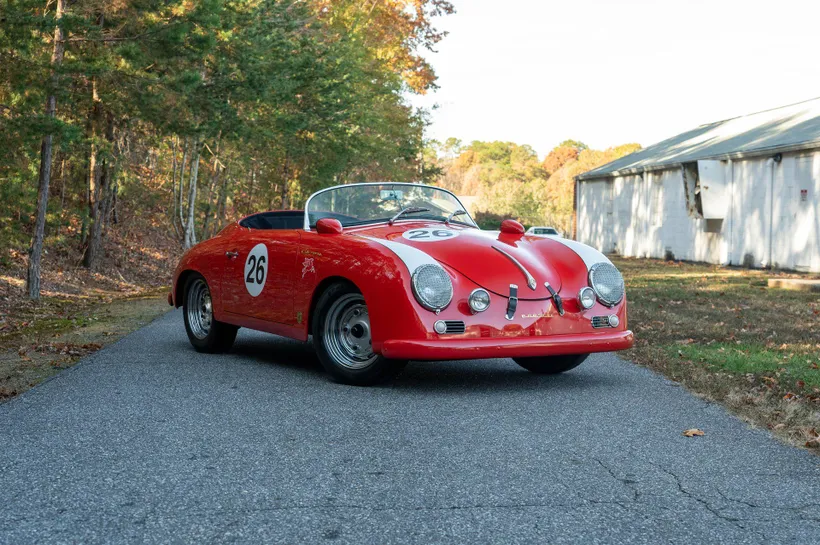 $21,250
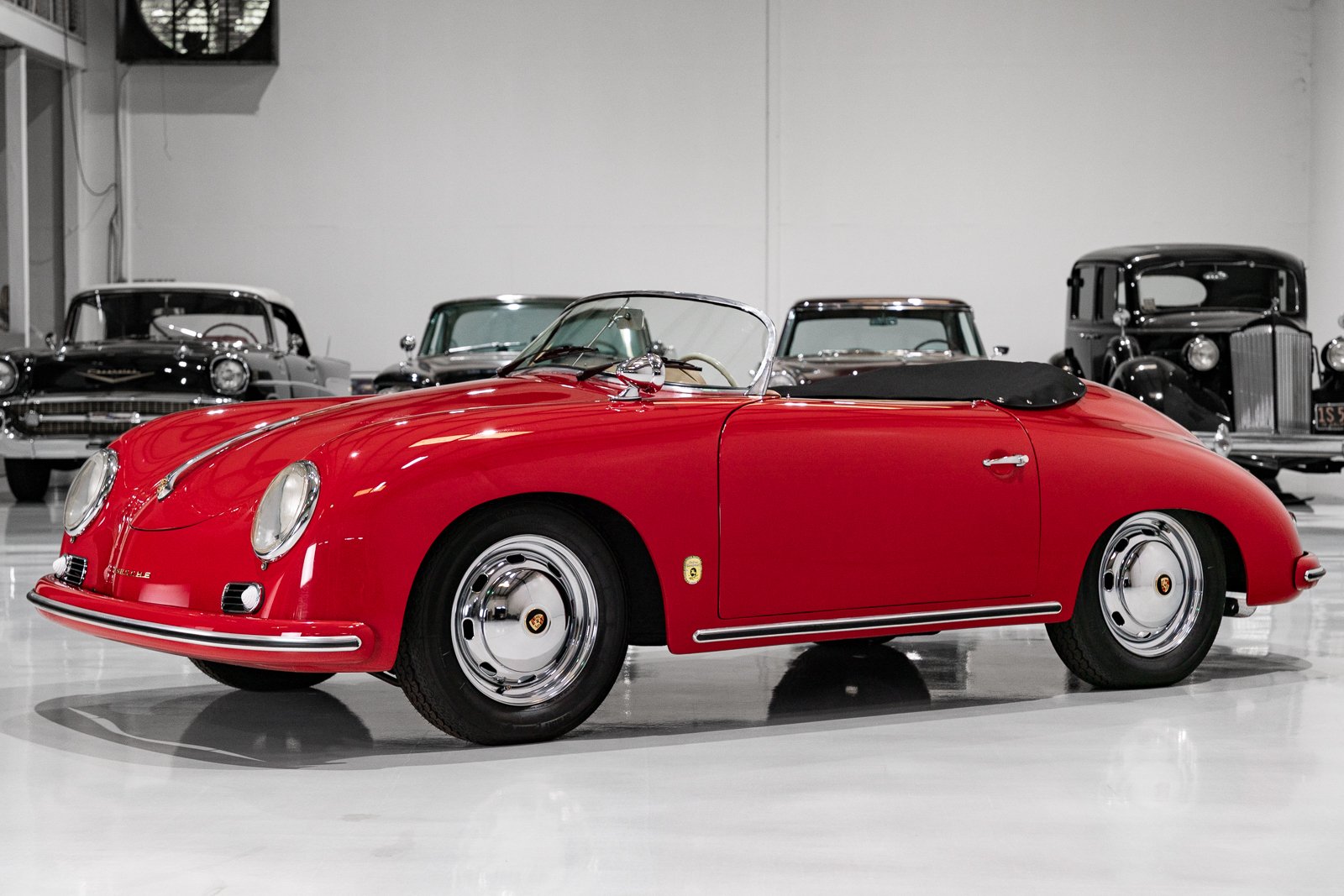 $59,900
Expand
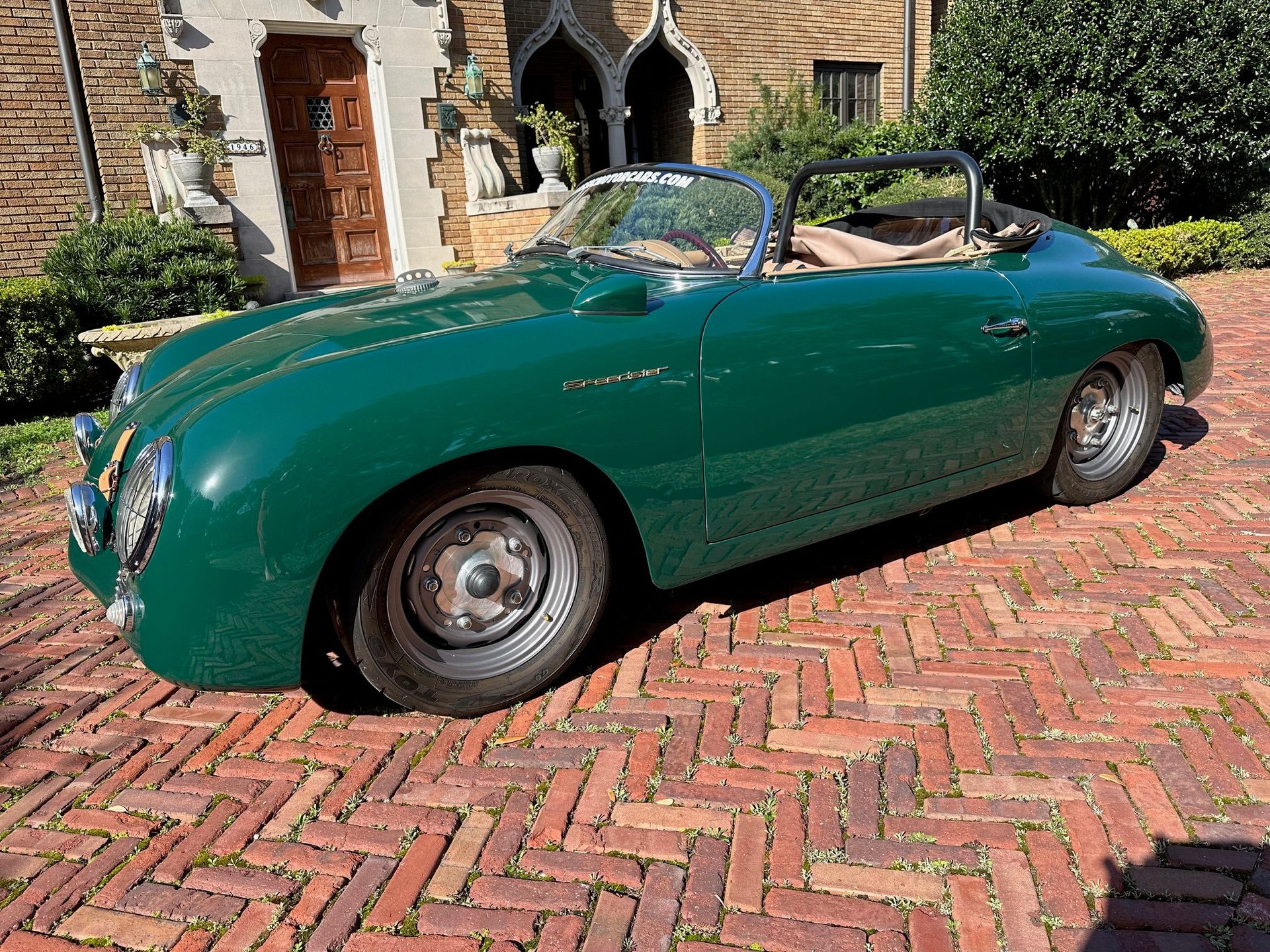 $125,500
Expand
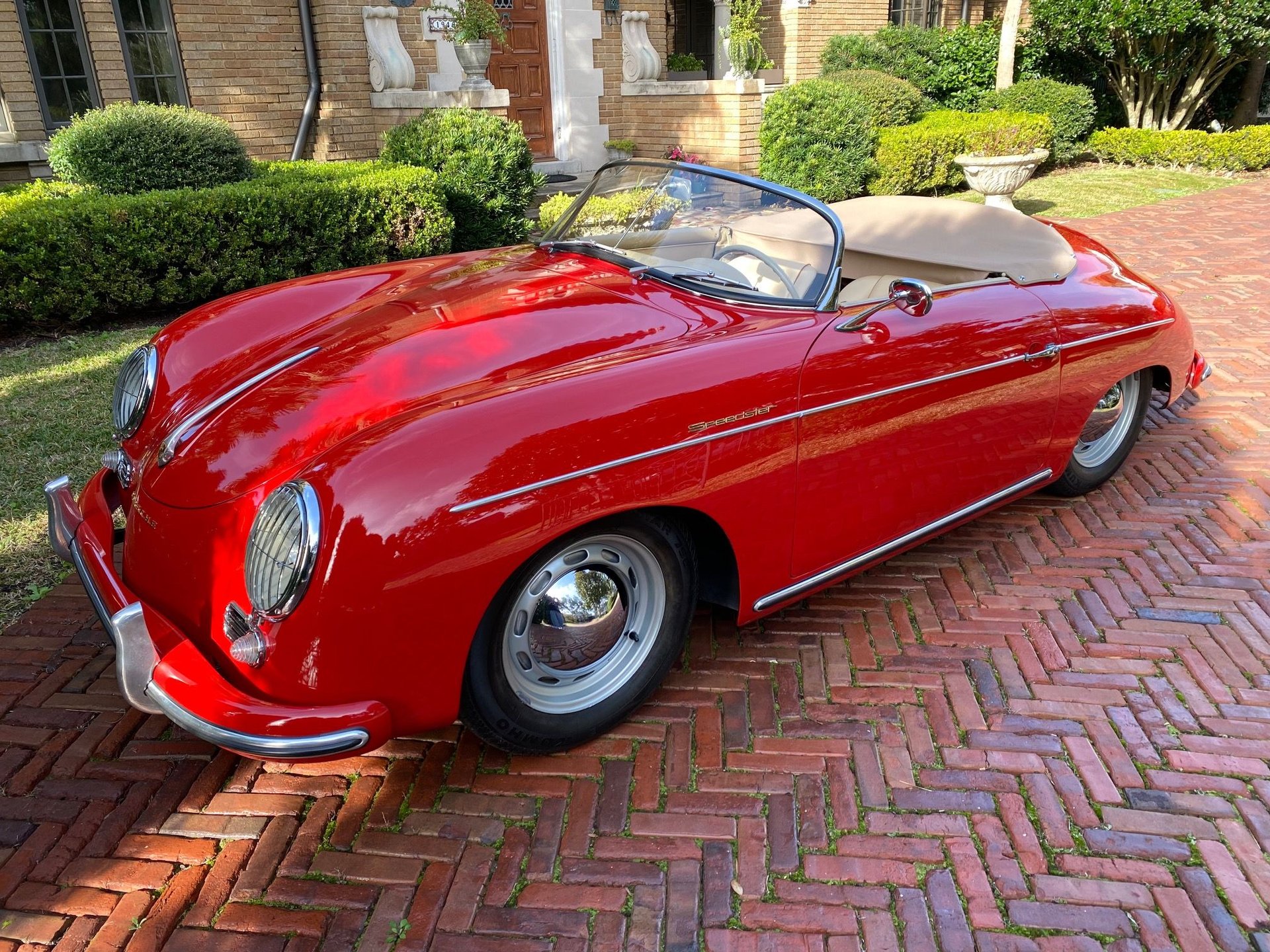 $125,500
Expand
What they sell for: 356 Speedster sale prices.