
Porsche 911 CARRERA 2 buyer's guide
Porsche 911 CARRERA 2 -- the model's own buyer's guide: variants, values and what to check.
Years listed: 1990-1997 · Series: 964
Overview and history
The 911 Carrera 2 is the rear-wheel-drive half of the 964 generation, and for many buyers it is the sweet spot of the whole air-cooled story: a 3.6-litre flat-six with twin-spark ignition, coil-sprung suspension, power steering and anti-lock brakes, wrapped in a body that still reads as a classic 911 rather than a modern sports car. Porsche launched the 964 in 1989 as the Carrera 4, with all-wheel drive as the headline. The Carrera 2 followed for the 1990 model year, with the same engine, shell and cabin, but driving only the rear wheels through a five-speed manual gearbox, with a four-speed Tiptronic automatic offered alongside it. Production ran to 1994, when the 993 generation replaced it.
That sequence matters when you shop. The Carrera 4 was the technological flagship and the Carrera 2 was, on paper, the simpler car — yet the simpler car is lighter, steers with more feel, carries no front differential or centre coupling to maintain, and asks less of its owner in almost every system. The market settled the argument in the Carrera 2's favour for pure driving pleasure, and the manual Carrera 2 coupe became the default classic 964 that everyone pictures.
Underneath, the 964 was the most thorough rework the 911 had ever received. Porsche said at launch that the great majority of the car was new or revised, and for once the claim was visible: coil springs replaced the torsion bars the 911 had used since 1963, the bumpers became smooth integrated mouldings, and a rear spoiler that sat flush at rest rose automatically at speed. Inside, the car gained proper heating and ventilation and a cabin that finally felt engineered rather than assembled around the driver.
The engine is the other half of the story. The M64 3.6 was a genuine step from the 3.2 Carrera before it: more capacity, twin spark plugs per cylinder, knock sensing and an output of 250 hp that made the Carrera 2 a genuinely fast car by the standards of 1990, yet it kept the air-cooled architecture and dry-sump lubrication that define the breed. It also brought three ownership questions that dominate every 964 purchase to this day — the sealing of the cylinder heads on early engines, the belt inside the twin distributor, and the dual-mass flywheel fitted to the first cars. None of the three is a reason to avoid the model. All three are reasons to inspect the specific car rather than the badge, and they structure most of what follows.
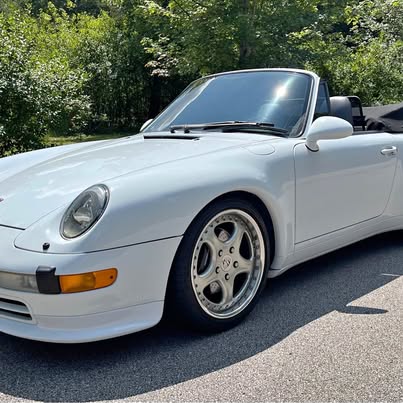
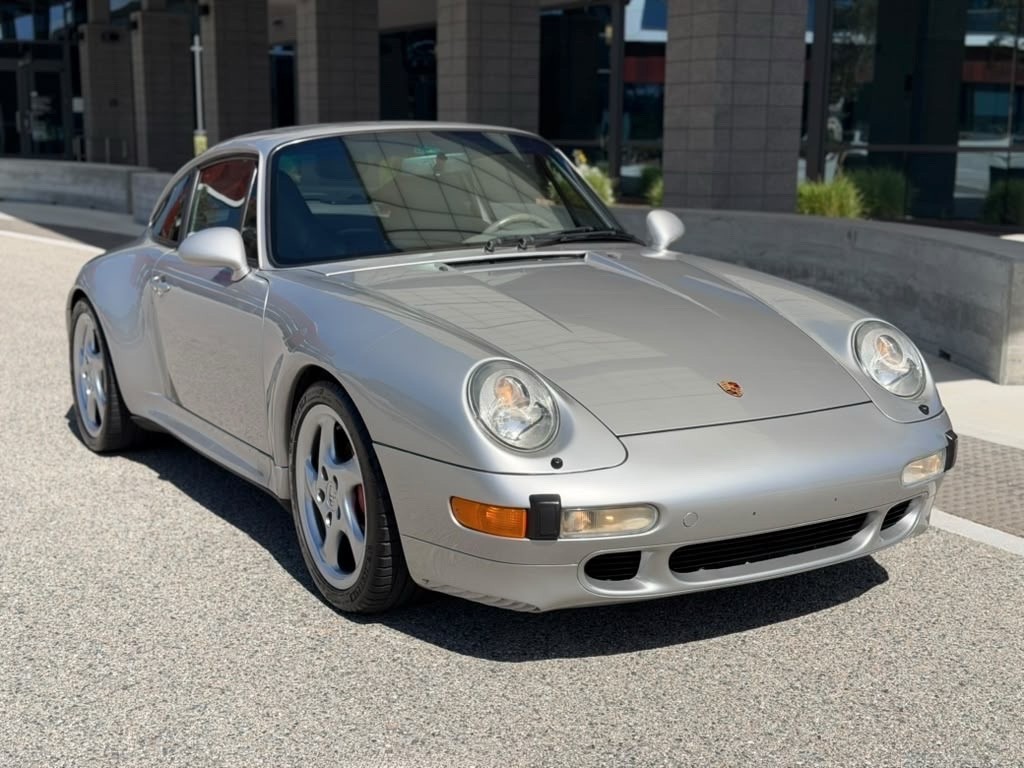
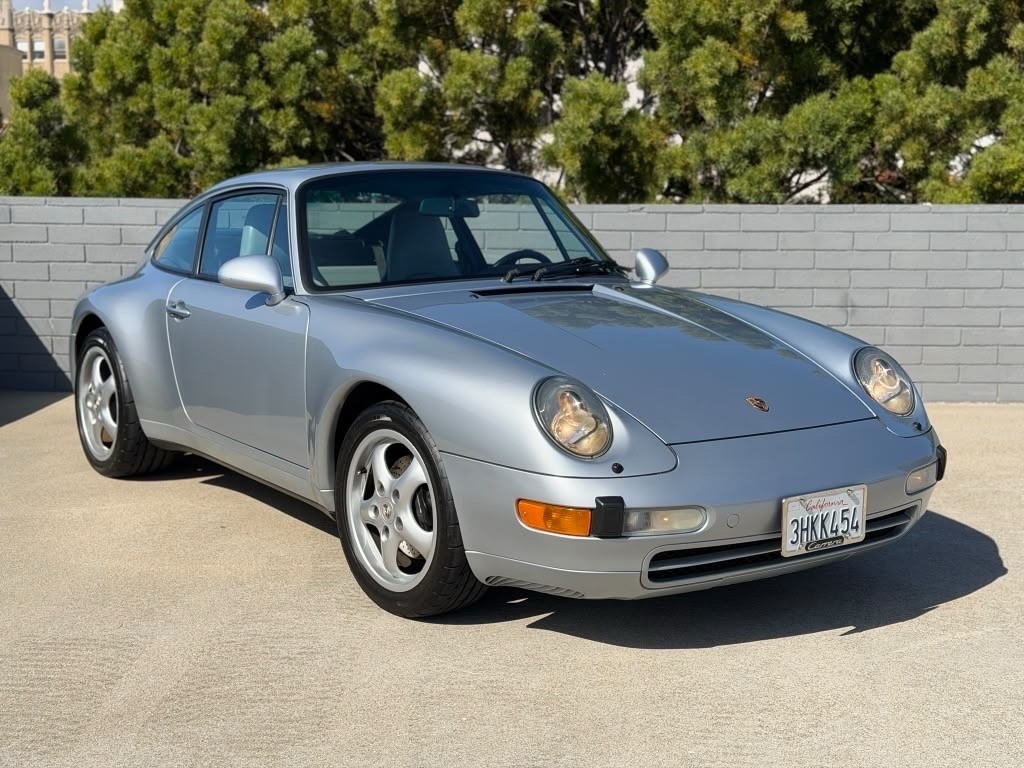
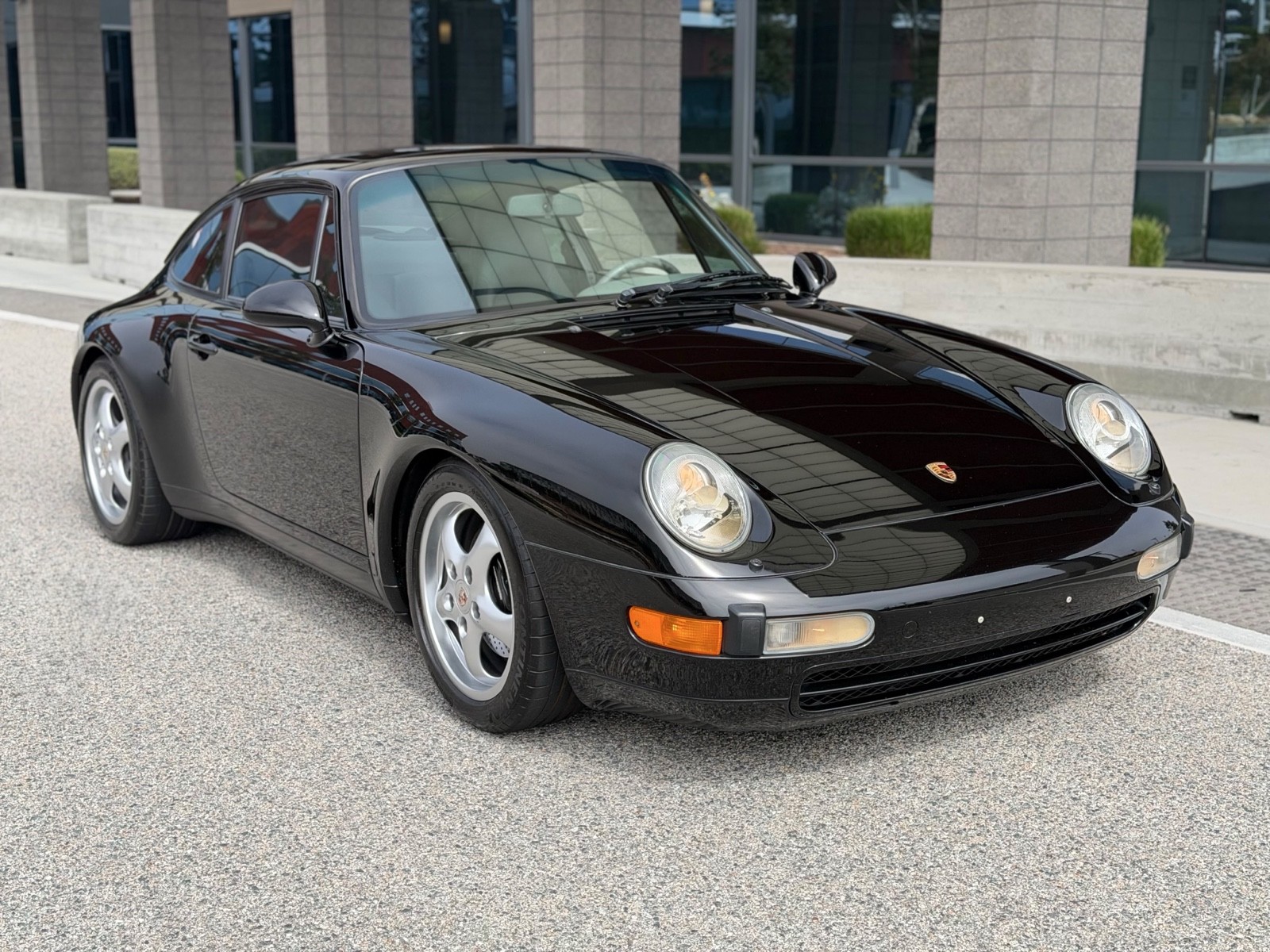
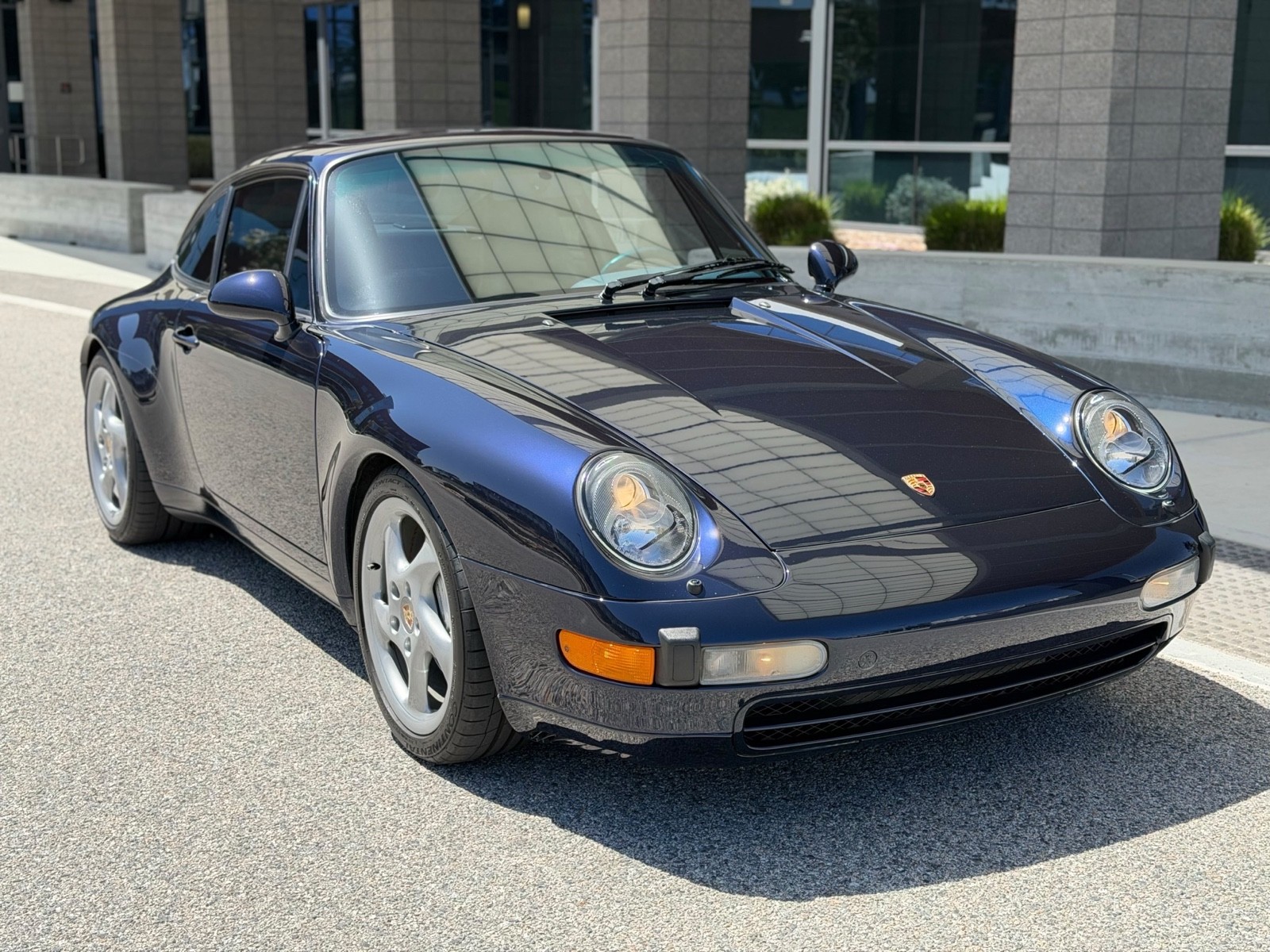
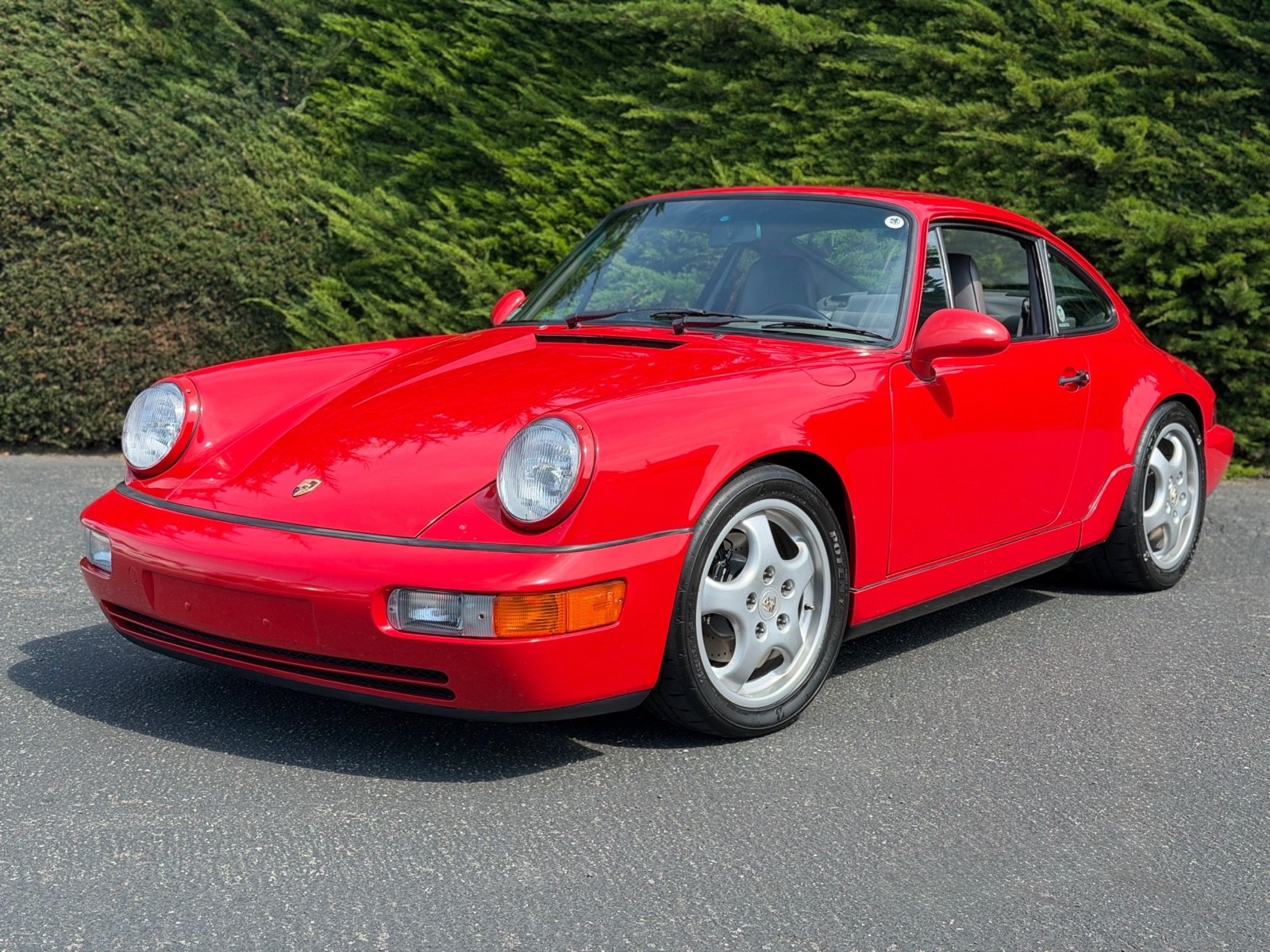
A note on scope, stated plainly because it affects how you should use our own listings. This guide is the 964 Carrera 2 guide: the 1990 to 1994 rear-drive cars with the M64 engine. Our store's current pool under this badge is very small — four cars, all listed by Marketplace sellers, all with manual gearboxes, spread across Missouri, New York, Rhode Island and Michigan — and it is not purely 964s. Two of the four are 1990 cars, which are 964s; the other two are a 1995 car and a 1997 car, which are 993-generation Carrera 2s wearing the same badge. Porsche reused the Carrera 2 name across the generational change, so the badge alone never tells you which car you are looking at. Where the 993 differs in a way that changes a buying decision, this guide says so; everywhere else, assume the text describes the 964. The brief for this guide supplied no examined photo aggregates for the model, so this guide makes no incidence claims from our own photo checks — the pool is too small to support them, and the failure modes below come from the model's documented engineering history.
The 964 spent years as the overlooked air-cooled car, priced below the 3.2 Carrera it improved on and far below the 993 that followed it, largely because of the three known issues above and a period reputation for oil leaks. That discount has closed: a sorted 964 gives you most of the 993's refinement with more of the earlier cars' feel, and the supply of honest, unmodified manual coupes is finite. What has not changed is the spread between a good one and a neglected one — the gap is an engine rebuild wide, and it is exactly the gap this guide exists to help you measure.
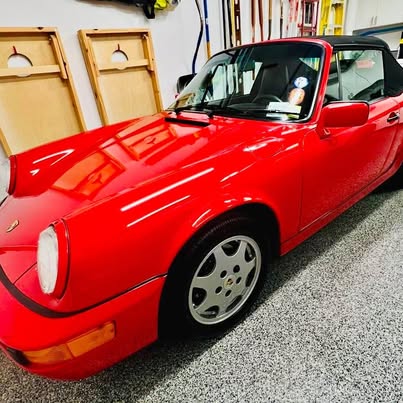
The models
Every 964 Carrera 2 shares the same basic recipe: the M64 3.6-litre flat-six, rear-wheel drive, and a choice of coupe, Targa and Cabriolet bodies. The badge stayed the same from 1990 to 1994, but the cars did not — an early 1990 car and a late 1993 car differ in cylinder-head sealing, flywheel type and a string of running changes, so the year and the engine number are part of the specification, not trivia. Outputs below are the period figures for the standard cars.
| Model | Years | Engine | Output | Character |
|---|---|---|---|---|
| Carrera 2 Coupe | 1990–1994 | 3.6 flat-six (M64) | 250 hp | The reference car; stiffest shell, the driver's pick |
| Carrera 2 Targa | 1990–1994 | 3.6 flat-six (M64) | 250 hp | Lift-out roof panel; rarer than the coupe, leak-prone seals |
| Carrera 2 Cabriolet | 1990–1994 | 3.6 flat-six (M64) | 250 hp | Power soft top on most cars; the open-air route in |
| Carrera 2 Speedster | 1993–1994 | 3.6 flat-six (M64) | 250 hp | Low-volume special on the Cabriolet base; collector pricing |
| RS America | 1993–1994 | 3.6 flat-six (M64) | 250 hp | US-market lightweight coupe; stripped trim, fixed rear wing |
The coupe is the car the market wants and the car this guide is really about. The closed shell is the stiffest of the three bodies, the lightest in comparable trim and the one with no roof mechanism or Targa seals to maintain. It is also the hardest to buy well, because it is the version modifiers and speculators chased first. A standard, unmodified manual coupe with its original engine is the benchmark against which every other Carrera 2 is priced.
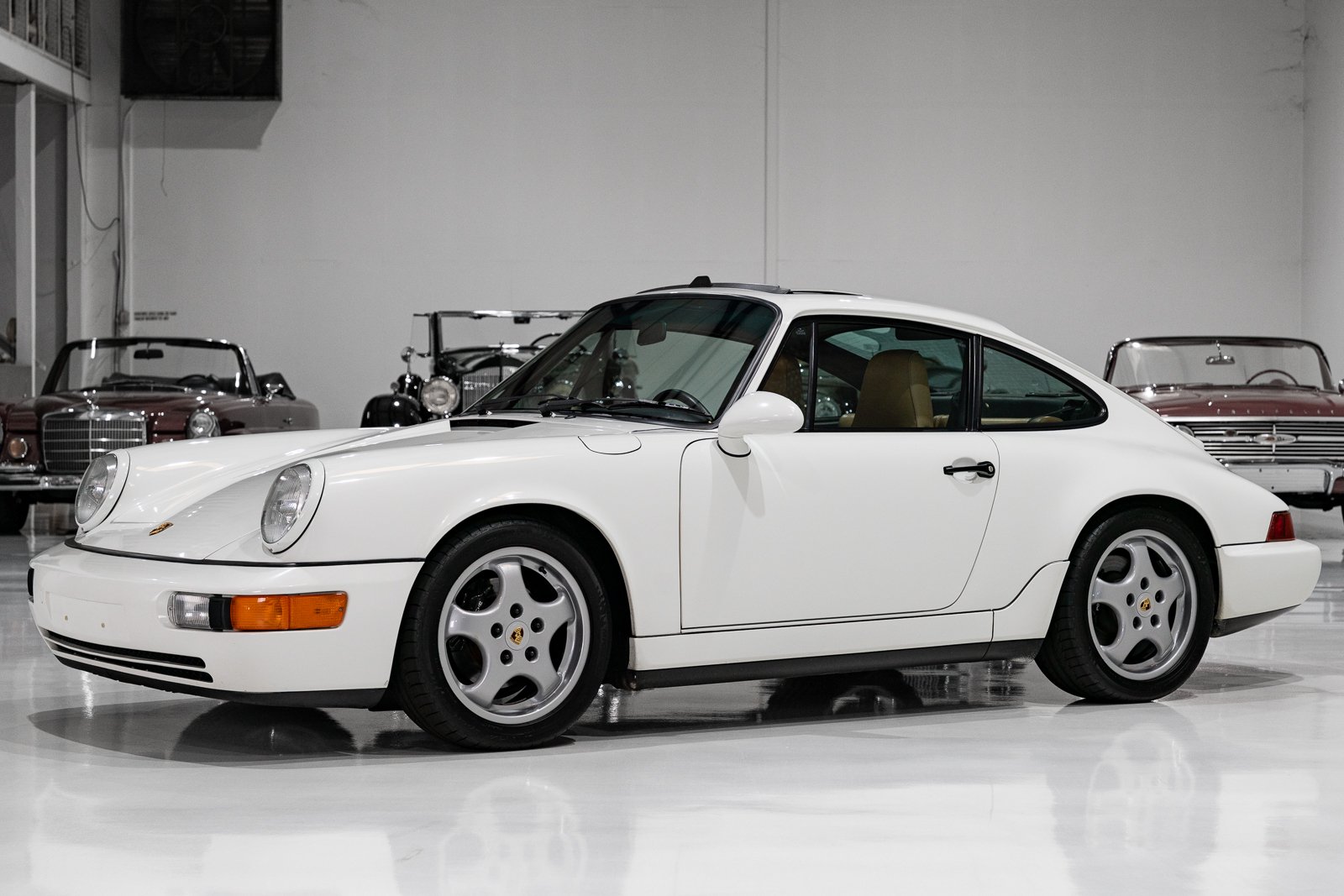
The Targa kept the lift-out roof panel and the big fixed rear glass of the earlier cars. It offers most of the open-air benefit with the coupe's side profile, but the roof seals are now three decades old, replacements are expensive, and a leaking Targa will quietly wet its own carpets and floor sound-deadening for years before anyone notices. Judge a Targa from inside the cabin, with the roof panel out and the seals inspected, not from the kerb. Our pool's white 1990 car below is exactly this variant.
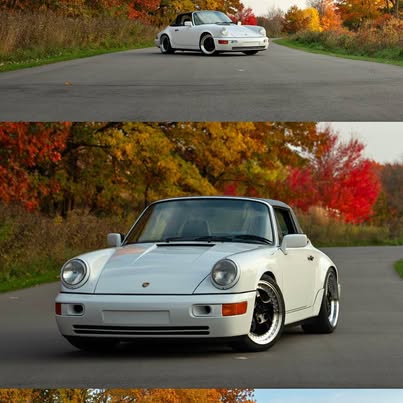
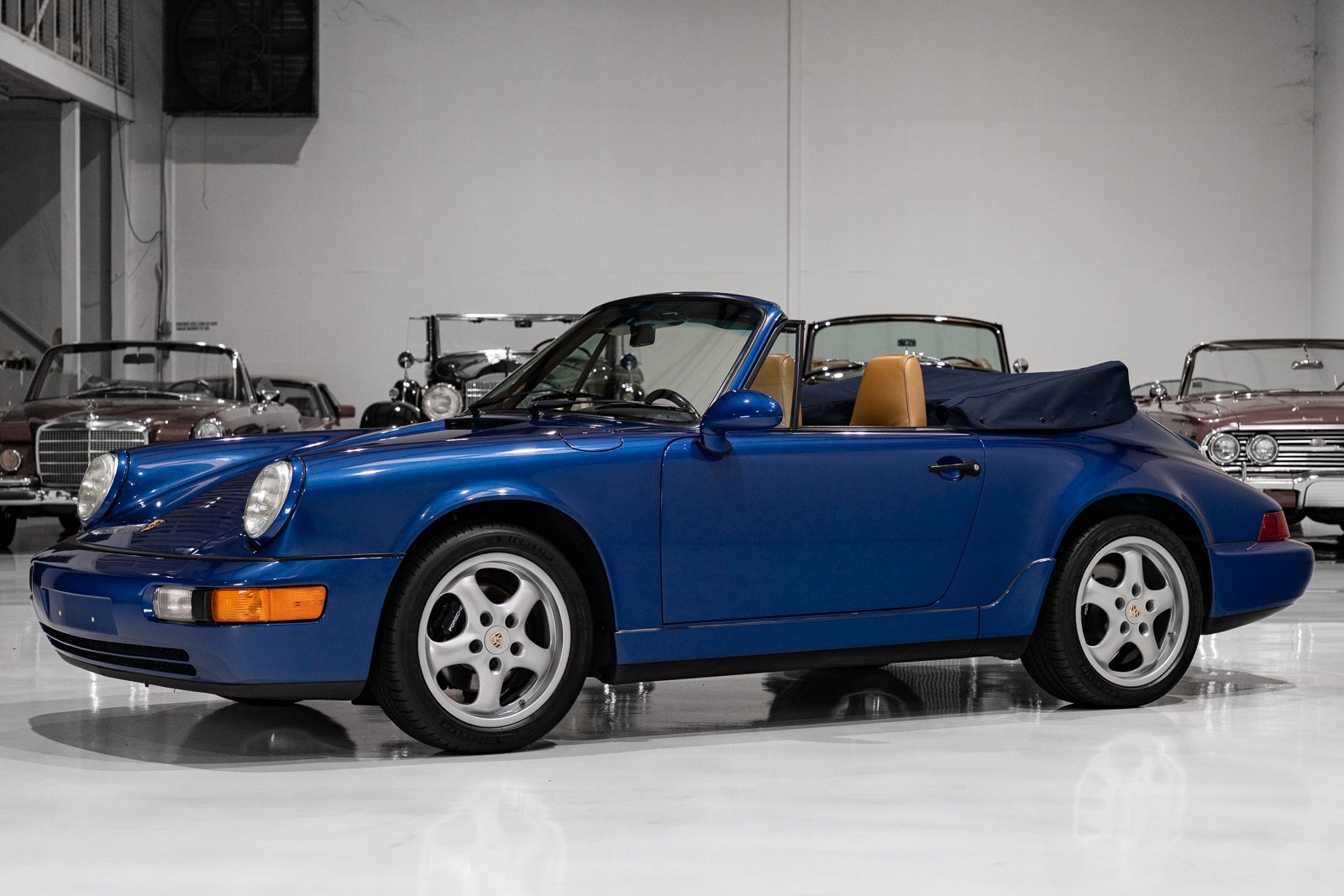
The Cabriolet is the most plentiful open car and usually the softest-priced way into a 964, which makes it the value route if open motoring is the point. Most have a power-operated top. The mechanism is a period electro-hydraulic and microswitch system that works well when maintained and becomes a specialist puzzle when it does not, so cycle the top fully, twice, on any viewing, and price a car whose top only works "with a helping hand" as a car with a top repair already scheduled. Rear visibility with the top up is poor and the plastic rear window clouds and cracks; a replacement window or top belongs in the negotiation.
The Speedster (1993–94) was a limited special built on the narrow-body Cabriolet underpinnings, with a lower, raked windscreen and a simplified manual top under a double-hump cover. It is a Carrera 2 mechanically, so the engine and problem sections apply unchanged, but it trades in a different market, and originality — correct screen, cover and seats — is where its money sits. Verify a Speedster harder than any other variant here; its premium over a Cabriolet is large enough to reward fakery.
The RS America (1993–94) was Porsche's US-market answer to the European Carrera RS, which was never officially sold in America. It used the standard M64 engine rather than the RS's higher-output unit, but took the lightweight route in trim: fixed rear wing, plainer door cards with pull straps, no rear seats, and air conditioning and sunroof deleted as standard, though some cars had them added back. Do not let a seller price an RS America as a European RS, or a standard coupe as an RS America because it has a fixed wing fitted. The option codes and build records settle identity, as they do across this range.
Gearbox choice cuts across all of the above. The five-speed manual is the default and the market's preference. Tiptronic suits the Cabriolet's cruising brief better than the coupe's, but it blunts the car and is consistently the cheaper buy. A Tiptronic car is not a bad car; it is a different purchase, and it should be priced as one.
Finally, the generational trap that our own pool illustrates: the 993 Carrera 2 of 1995 to 1998 looks similar in a thumbnail and carries the same badge, but it is a different car underneath, with a multi-link rear axle, hydraulic valve lifters and, from 1996, the Varioram intake system. Nothing in the 964 sections below should be applied to a 993 without checking, and no 993 should be priced from 964 evidence or the other way round.
Engines and gearboxes
The M64 3.6: architecture and character
One engine serves the whole Carrera 2 range: the type M64, an air-cooled flat-six of 3,600 cc, substantially reworked for the 964. Each cylinder has its own finned barrel and its own cylinder head, the camshafts are chain-driven, and lubrication is by dry sump, with the main oil reservoir a separate tank in the right-hand rear wing rather than a sump under the engine. Output is 250 hp at 6,100 rpm with 310 Nm of torque at 4,800 rpm — figures that flatter the car's real character, which is defined less by the peak than by how cleanly it pulls from 3,000 rpm and how eagerly it revs compared with the 3.2 before it.
Two features define the M64 for an owner. The first is twin-spark ignition: twelve spark plugs, two per cylinder, fired through a twin distributor, which let Porsche run the combustion chamber shape and compression it wanted while meeting emissions rules. The second is electronic management with knock sensing — Bosch Motronic engine management meters fuel and ignition and can trim timing for individual cylinders when it detects knock, which is part of why these engines tolerate modern fuel better than earlier air-cooled cars, provided the sensors and wiring are still honest after thirty years.
On the road, a healthy M64 has a recognisable signature. It should start promptly hot or cold, idle with a slight mechanical rustle but no rhythmic hunt, and pull without a flat spot through the mid-range. Oil pressure should be strong under load — a useful rule of thumb is roughly a bar of pressure per thousand rpm when warm, up to the system's ceiling — and it is normal for the gauge to sit lower at a hot idle than a nervous first-time buyer expects. What is not normal is smoke that persists, a metallic rattle that does not fade as the engine warms, or an idle that surges as the control system chases a vacuum leak. Most M64s you will meet have not worn out; they have leaked, been neglected, or had one of the three known issues below left unattended until it became expensive.
Servicing follows the traditional air-cooled pattern with a few 964 specifics. Valve clearances are set mechanically on the M64 — the hydraulic lifters people associate with late air-cooled cars arrived with the 993 — so a valve adjustment is a real service item, and a car with a recent documented one was being maintained properly. Twelve spark plugs make a plug change a longer job than on a single-plug engine, and the awkward ones are sometimes quietly skipped; ask. Oil level is checked on the dipstick with the engine warm, idling, on level ground, exactly as the handbook describes — a cold, switched-off reading means nothing on a dry-sump engine and has panicked many new owners into overfilling, which the engine then expels through its breather system to general alarm.
The twin distributor and its belt
The M64's twin distributor is the single most misunderstood component on the 964, and it deserves its own subsection because the failure is cheap to prevent and expensive to ignore. Only the first of the two distributors is driven directly by the engine. The second distributor's rotor is driven from the first by a small toothed rubber belt, sealed inside the distributor housing. Two distributors, twelve plugs — and the whole second bank of ignition depends on one small belt that most owners never see.
The belt ages, and the housing makes its ageing worse: the distributor generates ozone in operation, ozone attacks rubber, and on unmodified early distributors the belt lives in that atmosphere with no ventilation. Porsche's answer was a vent kit — a retrofit that pipes air through the distributor housing to clear the ozone — and a car that has had the vent kit fitted has usually had an owner, or a specialist, who knew the model. The belt itself is a service item in everything but the printed schedule: specialists replace it preventatively, and the part costs little; the labour to reach it, remove the distributor and rebuild it is the bill, typically a few hundred dollars as a standalone job and far less when combined with other engine-bay work.
When the belt breaks, the second distributor stops turning. Its rotor parks wherever it stopped, and the ignition system keeps sending sparks to that distributor — which means spark energy can be delivered to the wrong cylinder at the wrong time, or jump inside the cap, rather than simply switching half the engine off. The classic presentation is a sudden misfire, roughness or a car that will not rev cleanly, sometimes with popping from the intake or exhaust; owners occasionally report that an engine ran surprisingly far in this state, which is precisely the danger, because cross-firing at the wrong moment is hard on pistons and bearings. Treat any unexplained ignition misfire on a 964 as a distributor-belt question until proven otherwise: the distinguishing test is physical, not electronic — distributor out, housing opened, belt inspected. A seller who can produce an invoice for a belt change and vent kit has removed one of the model's signature risks; a seller who has never heard of the belt is telling you something about the car's maintenance history, and the cost of a distributor rebuild and belt, roughly $400 to $900 depending on what else the unit needs, belongs in your numbers.
Gearboxes: G50 manual and Tiptronic
Most Carrera 2s — and all four cars in our current pool — carry the five-speed manual gearbox of the G50 family, in its 964 form a strong, fully synchronised unit with a hydraulic clutch. It is the gearbox the car was designed around and the one the market pays for. Changes should be deliberate rather than light — a G50 has never had a fingertip shift — but they should be clean, with no baulking into second when cold beyond the slight notchiness many of these boxes show for the first mile, and no crunch into reverse. Synchromesh wear shows first on second gear, exactly as on earlier 911s, because it is the gear every owner hurries. A gearbox that needs a synchro refresh is not a catastrophe but it is an engine-and-gearbox-out job in practice, and a specialist rebuild realistically runs $4,000 to $7,000 depending on how many hubs, sliders and bearings are replaced while it is open. Clutch life is usage-dependent; a clutch replacement on a 964 is also an engine-out job, typically $2,500 to $4,500 fitted with the flywheel inspected while access is free — which is why the flywheel question in the problem areas section is always asked at clutch time.
The four-speed Tiptronic, offered only on the two-wheel-drive cars, is a conventional automatic with a second gate that lets the driver hold and select gears manually. It changes the car's personality more than its performance figures suggest: relaxed and well suited to a Cabriolet used as a cruiser, noticeably less engaging in a coupe. Tiptronic cars need evidence of fluid and filter changes, which were often skipped in an era of optimistic service intervals. Slurred changes, or a delay engaging drive or reverse from cold, point to fluid condition first and internal wear second — have the fluid inspected before accepting a rebuild quote, and expect a full specialist rebuild in the broad $4,500 to $7,500 territory. Buy a Tiptronic because you want it, at a price that reflects its consistent discount, not as a cheap substitute for the manual you actually wanted.
Whichever gearbox a car has, check the supporting cast: clutch hydraulics on the manual (a heavy or creeping pedal is usually the slave or master cylinder before it is the clutch), driveshaft CV boots, and the gear linkage's bushes, whose wear makes a healthy G50 feel vague and is a cheap fix that transforms the shift. Judge the gearbox on a proper drive from cold — most of its faults introduce themselves in the first five minutes and hide once warm.
Problem areas
The 964 has a short list of signature problems and a long list of ordinary age problems, and the art of buying one is keeping the two separate. The signature problems — head sealing on early engines, the distributor belt covered above, and the early dual-mass flywheel — are the ones that move a car's value by five figures. Everything else is the normal arithmetic of a thirty-year-old air-cooled car: oil seals, rubber, dampers, motors and solder joints.
Cylinder-head sealing and engine oil leaks
The early M64 engine's defining fault is oil leaking at the joint between each cylinder head and its cylinder barrel. The mechanism is a design decision, not wear: on the first production engines, Porsche sealed that joint metal-to-metal, with no gasket or sealing ring between head and barrel. Six separate heads and six separate barrels, all finned, all expanding and contracting with heat at slightly different rates, asked to seal combustion pressure and oil by clamping force alone. Many did, for years. Many did not, and the failure presents as oil weeping from the joint line, tracking down the barrel fins and reaching the heat exchangers below, where it burns off as smell and, in worse cases, smoke drawn toward the cabin heating. Porsche changed the design in production during the early years of the run, adding a sealing arrangement at the joint along with revised components; later engines are far less prone, which is why build date and engine number matter so much on a 1990 or 1991 car.
The diagnostic trap is that a 964 offers half a dozen cheaper places for oil to escape, and all of them can wet the same area. Lower valve-cover gaskets perish and weep. Oil return tubes seal with O-rings that harden. The crankshaft seals, the chain-box seals and the oil thermostat housing all join in with age. So never accept "it is the heads" or "it is just a valve cover" from anyone's opinion, including a seller's and including your own first impression. The distinguishing test is location after cleaning: the engine is cleaned, ideally run with a UV dye in the oil, and inspected on a lift. A valve-cover leak starts at the cover's edge and runs down; a head-joint leak originates at the parting line between head and barrel, often on several cylinders at once, and reappears from that line on a clean engine. A leakdown test adds the second half of the evidence: cylinders that cannot hold pressure are telling you the top end needs work regardless of where the oil is coming from, and on an air-cooled engine a proper leakdown, cylinder by cylinder, is the single most informative test you can buy.
Cost reality splits three ways. A car with dry heads and a few peripheral leaks needs seals and gaskets: budget $800 to $2,500 depending on how many sources are addressed at once. A car with a genuine but slight head-joint weep and good leakdown figures is a judgement call — many such engines are monitored for years — but it must be bought at a price that assumes the fix, because the fix is a top-end rebuild: engine out, heads and barrels off, later-specification sealing components or machining as required, realistically $9,000 to $16,000 at a specialist, usually combined with valve guides and seals. A car with head leakage plus poor leakdown is an engine-rebuild conversation, $20,000 and well beyond, and should be priced as a project whatever its paint looks like. The mirror-image trap also exists: a freshly steam-cleaned engine bay is not evidence of dry heads — it is evidence of a steam cleaner. Look at the heat exchangers and the tray under the engine for the baked-on residue that cleaning never fully removes.
While you are in this area, price the supporting cast. The engine's fan and alternator are belt-driven, and on an air-cooled engine that belt is life support: if it fails, the cooling fan stops and the engine overheats in minutes, which is why a lit belt warning is a stop-now event, not a drive-home event. The front oil cooler lives low in the right-hand front bumper with its own electric fan, and its lines run the length of the sill; corrosion or stone damage anywhere in that run is an oil leak waiting for a long drive. A car that smells strongly of oil after a run is usually confessing to several small leaks rather than one big one.
The dual-mass flywheel and clutch
Early 964s were fitted with a dual-mass flywheel whose damping element was rubber-based, made by Freudenberg. The design intent was refinement: the two halves of the flywheel, connected through the damper, absorb the flat-six's torsional pulses so the gearbox runs quietly and the driveline feels smooth. The failure is in the material. The rubber hardens, cracks and eventually lets the two masses move against each other with free play the design never intended. Symptoms build gradually: a rattle at idle that changes when the clutch pedal is pressed, a clunk as drive is taken up or as the engine is switched off, vibration through the car at low rpm, and in advanced cases a judder that owners misdiagnose as a clutch fault or an engine misfire. Porsche superseded the unit with a revised dual-mass flywheel from LuK using a different damping design, and that later unit is the standard replacement.
The distinguishing test is mechanical feel plus history. A car that clunks on shutdown and rattles at idle in neutral, with the noise changing as the clutch goes down, is describing flywheel free play until proven otherwise; an engine misfire does not care about the clutch pedal, and that difference is the test. Confirmation is visual once the gearbox is off, which is why flywheel verdicts are usually delivered at clutch time. The money: a combined clutch and LuK dual-mass flywheel job at a specialist runs roughly $3,500 to $6,000. Some owners fit a solid single-mass flywheel with a sprung-centre clutch disc instead, borrowing the Carrera RS approach; it sharpens response at the price of more gearbox chatter at idle. Know which one a car has before you judge its idle noises — a solid-flywheel car that chatters lightly may be perfectly healthy, and a rubber-flywheel car that is silent may simply not have failed yet. The paperwork question is direct: has the flywheel been replaced, when, and with what? An early car on its original Freudenberg unit with no invoice has a known bill in its future, and should be priced that way.
Body, structure and accident damage
The 964's shell is galvanised, as Porsche shells had been for years before it, and structural rot of the kind that ends earlier classics is genuinely uncommon. That sentence has sold more bad 964s than any other, because the shell's enemies on this car are local corrosion and accident damage rather than general rust, and both hide in specific places. Check the lower corners of the windscreen aperture and the scuttle beneath it, where water sits under the seal and rust starts from inside the seam; a bubbling windscreen surround means the glass comes out and metal goes in, $1,500 to $4,000 depending on how far the corrosion has walked. Check the battery area in the front luggage compartment for acid damage, the front compartment floor itself for ripples and repairs — it is the crumple zone and it keeps the record of every front impact — and the ends of the sills and the jacking points, which collect road dirt even on a galvanised car. Rear light apertures, the rear reflector panel's mountings and the edges of the engine lid all deserve a fingertip inspection.
Panel originality is the 964 buyer's best tool, and US cars give you a gift: American-market Porsches of this era carry small VIN labels on the major panels — front and rear lids, doors, fenders. A full matching set is strong evidence the car wears its factory panels; a missing label does not prove a disaster, but it starts a conversation the seller should be able to finish with an invoice. Everywhere, read the paint rather than the shine: look for the texture difference between factory finish and refinished panels, and check the gaps around the front lid and doors, because the flush moulded bumpers can be aligned to flatter a car whose structure is not straight. The retractable rear spoiler is part of the body inspection — it must sit flush when down and rise evenly; a spoiler that sits crooked is often the first visible sign of a rear impact, before it is a sign of a faulty mechanism.
Underneath, ask for a lift: the 964 wears underbody panels that keep the underside tidy and also keep it unexamined, so a seller who will not let them be looked behind is asking you to buy the part of the car you cannot see on trust. Stone-chip and honest dirt are fine. Fresh underseal on a galvanised thirty-year-old shell is a question, not a feature.
Suspension, steering and brakes
The 964 replaced torsion bars with coil springs at both ends — MacPherson struts at the front, alloy semi-trailing arms at the rear — and added power steering, a first for the 911. Three decades on, the system fails in the predictable order: dampers first, then rubber, then hydraulics. Tired dampers on a 964 do not announce themselves with bouncing so much as with a car that feels vague, crashes over sharp edges and follows road camber; a full set of quality dampers fitted and aligned runs roughly $2,000 to $3,500 and transforms the car, so treat evidence of recent dampers as money already spent for you. Bushes and top mounts follow the same logic — perished control-arm bushes and collapsed engine mounts are near-universal, the engine mounts matter doubly because a sagging engine degrades the gearshift's feel and gets misdiagnosed as a gearbox fault — and a full rubber refresh is a $1,500 to $3,000 conversation depending on scope.
The power-steering system leaks from its pump, its high-pressure hose and the rack itself, in roughly that order of frequency. A whine that rises with steering input and a reservoir that needs topping up are the introductions; a rack rebuild or replacement is a $1,200 to $2,500 job, a hose considerably less, and the correct sequence is to find the actual source with the system clean rather than replace parts in order of price. Steering feel is the road test: a good 964 steers lightly at parking speed and weights up with real feedback at pace, and any notchiness, dead spot at the straight-ahead or reluctance to self-centre points to rack or alignment, not to character.
Brakes are four-piston fixed calipers over ventilated discs, with anti-lock braking, and the hardware is strong; the age faults are corrosion and neglect. The calipers suffer the classic problem of corrosion lifting the pad guide plates, which pinches the pads and causes dragging and uneven wear; pistons seize on cars that sit. A full brake refresh — discs, pads, fluid, hoses and caliper attention — is $1,500 to $3,000 and is the first spend on any stored car. The anti-lock warning light must illuminate at start-up and go out; a car where it never appears has had its bulb removed more often than it has had its fault fixed, and that trick, on any warning light, is one of the oldest in the trade.
Heating, air conditioning and electrics
The 964's climate system is the most over-engineered part of the car and the one most likely to present a new owner with a four-figure estimate for a fault that sounds trivial. An electronic control unit works a set of servo motors, flaps and two blower systems, including a heater blower mounted at the engine whose failure is a classic: when it or its ducting fails, the cabin gets little or no hot air however healthy the engine. Servo motors fail, their plastic linkages age, and the control unit itself develops solder-joint faults that produce intermittent behaviour — heat that works on Tuesday, full cold on Wednesday. Budget $600 to $2,000 for climate faults depending on whether the answer is a blower, a servo or the control unit, and test the system exhaustively on a viewing, hot and cold, at every fan speed, because a climate system demonstrated only in one setting is being demonstrated in the only setting that works.
Air conditioning on a US car is not optional equipment in any practical sense, and the 964's system is period hardware: compressor at the engine, condenser low at the front with its own fan, evaporator in the front compartment with its own blower motor. Blower motors and the fan resistor pack are the common failures, and a system described as "just needing a recharge" needs a recharge the way a leaking tyre needs air — find the leak, an $800 to $2,500 path depending on which component has failed. On any viewing, run the air conditioning for ten minutes, not thirty seconds: marginal systems blow cold briefly and fade as pressures rise.
Electrically, the headline item is small and cheap: the DME relay, which controls power to the engine management and fuel pump, fails with age and stops the car completely or prevents starting, usually without warning. Experienced owners carry a spare in the glovebox, and a car that cranks but will not start should have this relay swapped before any deeper diagnosis is paid for. Beyond it, the 964's electrics age conventionally: window regulators and switches, seat motors, the spoiler's control unit and microswitches, central locking actuators, period alarm systems now thirty years old, and earth points whose corrosion makes several unrelated systems misbehave together. A car where every electrical item works has almost always been in regular use with faults fixed as they appeared — the best single predictor of a good 964.
Roofs: Targa and Cabriolet specifics
Open cars add their own problem list. The Targa's seals are its life: the roof panel's seals and the seals around the roll-over hoop perish, shrink and leak, replacements are expensive and fitting them well is skilled work, and the water they admit goes into the cabin and the floor's sound deadening, where it can sit for years. Lift the carpets of any Targa; a musty Targa is a leaking Targa until proven otherwise. The Cabriolet's power top is a system of motors, microswitches and latches that must work in sequence; cycle it twice, watch for even movement, and treat a top that needs manual assistance, or a rear window that is cracked or opaque, as scheduled spending of $1,000 to $3,500 depending on whether the answer is adjustment, a window, or fabric and mechanism work together.
How to inspect one
Allow two hours and insist on seeing the car cold, on a lift for part of the visit, with the history file present. A 964 inspection is won or lost on the engine evidence, so spend your time in that order: paperwork, cold engine, underside, drive, and only then cosmetics. A pre-purchase inspection by an air-cooled specialist, including a leakdown test, is not an optional extra on this model — it is the inspection, and everything below is how you decide whether a car deserves one.
- Paperwork and identity first. Match the VIN on the title to the plate at the base of the windscreen and the stampings on the car, decode the build date, and confirm the engine is the type the badge promises — an M64, its number consistent with the car's year. On a US car, walk the panels and check the VIN labels described in the body section: a full matching set is real evidence. Then read the history file for the three invoices this model turns on — distributor belt, flywheel, and any head or top-end work — before you look at the car itself, so you know which questions it has to answer.
- Cold start, standing behind the car. The engine should be stone cold when you arrive; a warmed-up car is hiding its start-up behaviour. Watch the exhaust: a brief puff on a cold start is acceptable, sustained blue smoke is oil burning and belongs in the leakdown conversation. Listen for rattles that fade as oil pressure builds versus rattles that stay, and watch the oil pressure gauge rise and settle as the engine sections describe.
- The idle and clutch test. Let the car idle in neutral and listen for the dual-mass flywheel's signature from the problem areas section: rattle and clonk that change when you press the clutch point to flywheel free play, not to the engine. Blip the throttle and listen again on shutdown — the shutdown clunk is the flywheel's most honest moment.
- Oil evidence, in the right order. With the engine warm and idling on level ground, check the oil level the dry-sump way, and look at the oil's condition and smell. Then get the car on the lift, undertrays looked behind, and read the engine from below: find where any oil actually starts, distinguishing a head-to-barrel joint leak from valve covers and return tubes as the head-sealing section sets out. Photograph what you find.
- Leakdown and compression, or walk away slowly. Commission the leakdown test on any car you are serious about, and read the results cylinder by cylinder rather than as an average. Even, low leakage across six cylinders is a healthy top end; one or two high cylinders price a top-end rebuild into the car, and the seller's reaction to the test being proposed at all is itself information.
- The distributor question. Ask directly when the twin distributor's belt was last replaced and whether the vent kit is fitted, and treat "never heard of it" as an answer: the belt inspection or replacement cost from the engines section goes into your offer arithmetic, and any current misfire is presumed to be the belt until the distributor has been opened and proved innocent.
- Body and structure on the lift and at the kerb. Work the body section's map: windscreen surround, battery area and front compartment floor, sill ends and jacking points, rear light apertures. Then stand back and read panel gaps and paint consistency in daylight, and operate the rear spoiler on its console switch — flush at rest, even in movement, and ask yourself whether a crooked spoiler is a mechanism fault or the rear impact it so often reports.
- The drive: gearbox and steering first. Fifteen minutes minimum, from cold, including a stretch at highway speed. Test second-gear synchromesh while the gearbox is still cool, feel for the notchiness that is normal and the baulking that is not, and check the steering for the dead spot and reluctance to self-centre described in the suspension section. On a Tiptronic car, use the manual gate and note any delay engaging drive or reverse from cold.
- Heat, cooling behaviour and the spoiler at speed. On the drive, confirm the spoiler rises at road speed and its warning light behaves, watch engine temperatures in traffic, and listen for the front oil-cooler fan cutting in. An air-cooled car gives you no coolant temperature to watch, so oil temperature and pressure are your instruments — learn their normal positions before the drive, not during it.
- Climate and electrics, exhaustively, back at base. Run the heating hot and the air conditioning cold for ten minutes each, through every fan speed, as the climate section warns. Then work everything: windows, seats, mirrors, locking, lights, washers, and every warning light's bulb check at ignition-on — each lamp must light and then go out.
- Roof and cabin, according to body style. On a Targa, remove and refit the roof panel and inspect every seal; on a Cabriolet, cycle the power top twice and examine the rear window. On all cars, lift the carpets and feel the sound deadening for the damp that roof and windscreen leaks leave behind, and sit in the driver's seat last, checking the bolsters and the pedal rubbers against the mileage the odometer claims.
- Price the findings before you negotiate. Add up what the car needs — scheduled items, signature-risk items the paperwork could not clear, and cosmetics — and separate them into "priced into the offer" and "walk away." A 964 with poor leakdown, active head leakage and an original rubber flywheel is not a cheap 964 at any discount a private seller will accept; a dry, documented car with tired dampers and a climate fault is often the best value in the market, because its faults are the priced, finite kind.
Values
The market block beneath this guide carries our current listing and recorded-sale figures for the model, refreshed as the data changes. This section is about how to read those numbers, because on the 964 Carrera 2 the spread between the cheapest and the dearest car wearing the same badge is wider than the badge can explain, and the reasons are consistent enough to learn.
Condition and evidence drive everything, in a specific order. The first division is mechanical proof: a car with strong, even leakdown figures, dry cylinder heads and invoices for the model's three signature jobs — distributor belt, flywheel and any top-end work — sits in a different market from an identical-looking car with none of that evidence, and the gap between them is roughly the cost of the work itself. Sellers of evidenced cars know what they have; sellers of unevidenced cars often price as if the evidence existed. Your job as a buyer is to pay for proof, not for appearance, and to treat a beautiful car with no engine evidence as a project wearing good paint until the tests say otherwise.
The second division is specification. Manual coupes carry the market; it is the combination everyone wants, in the smallest effective supply, because so many coupes were modified, tracked or exported over the decades. Cabriolets trade softer than coupes in equivalent condition, Targas sit between, and Tiptronic cars trade below their manual equivalents as a matter of course — not because they are worse cars, but because their buyer pool is smaller. The Speedster and the RS America are separate markets wearing a shared badge: both low-volume, both priced on originality and verification more than on condition alone, and neither should be valued by reference to standard Carrera 2 figures in either direction.
The third division is the car's place in the production run. Early cars are not automatically cheaper — a documented early car with the head-sealing question answered and the later flywheel fitted is worth more than a neglected late car — but an early car with those questions open carries them as a discount whether the seller acknowledges it or not. Originality compounds: matching panels, the original engine, factory wheels and an unmodified specification together prove the car has not been through careless hands. Colour moves prices at the margins, and interior condition matters more than its specification, because retrimming a 964 cabin properly is slow, specialist work.
Mileage, by contrast, is one of the weakest signals on this model. The M64 is a long-lived engine when maintained, and a high-mileage car with continuous specialist history is a safer purchase than a low-mileage car that sat for a decade, because sitting is what kills the seals, the brake hydraulics, the climate system and the fuel system on these cars. Read the odometer as a question about the history file, not as an answer: the file should get thicker as the miles rise.
Asking prices and achieved prices part company in a predictable place: the unevidenced middle. Top cars with proof sell strongly; honest projects sell at project money because the trade prices them by the rebuild; the cars that linger are the ones priced like top cars on the strength of paint and hope. Auction results are useful evidence precisely because they strip out that hope, but compare like with like — body style, gearbox, generation and evidence — and remember that our own pool for this badge currently mixes 964 and 993 cars, so a figure drawn from the badge as a whole blends two different markets. Split the generations before you believe any number, including ours.
Parts and ownership
The 964 sits in the comfortable part of the Porsche parts world: new enough that Porsche itself still supports it through its classic programme, old enough that a deep independent specialist network has grown up around it, and built in sufficient numbers that used parts circulate freely. Very little is truly unobtainable; the ownership questions are about price and labour, not about whether the part exists.
Easy and reasonably priced: service consumables, filters, the twelve spark plugs, brake discs and pads, dampers, suspension bushes, engine and gearbox mounts, clutch hydraulics, wheel bearings, the DME relay you should carry as a spare, distributor caps and rotors, and the distributor belt itself — a cheap part whose cost is all in the labour of reaching it. Glass, coupe seals and most trim are available, and the shared architecture with the rest of the late air-cooled range keeps the trade stocked.
Dearer, or labour-led: the dual-mass flywheel and clutch assembly, at the prices set out in the problem areas; Targa and Cabriolet roof seals and top components, where parts are dear and fitting is skilled; climate components, especially servo motors, blower motors and the control unit, where diagnosis time usually exceeds the part's price; power-steering racks and pumps; and correct original wheels, with the early Design 90 style and the later Cup designs both sought after. A quality repaint on a 911 shell is a five-figure commitment once the car is stripped and reassembled properly — the arithmetic behind buying paint and body first and mechanics second, because the engine's big jobs, while expensive, are at least predictable.
Running costs. A sorted Carrera 2 is a realistic regular-use classic rather than a trailer car: fuel consumption in the low twenties per gallon on a run and the high teens in mixed use, servicing within the capability of any good independent Porsche specialist, and insurance in line with other classics of its value, with agreed-value cover the sensible default. The first year of catching up deferred maintenance on a running car honestly runs $2,000 to $5,000 before any improvement starts. Valve adjustments and plug changes cost more in labour than the equivalent jobs on a water-cooled car, because access on a packed air-cooled engine bay is earned, not given. Cars that have sat need the fuel system cleaned and its rubber renewed end to end — modern fuel attacks period rubber — plus a brake hydraulic refresh and every fluid changed; recommissioning a long-stored 964 at a shop runs $4,000 to $8,000 before the signature items are even discussed. Buy a car in regular use over a sleeping car at the same price, every time.
Find your specialist before you buy the car, not after. The 964 rewards workshops that know its three signature jobs and punishes generalists with diagnostic bills, and the network that maintains the car will often tell you, in one phone call, whether a car you are considering is known to them — a surprising number are.
Which one to buy
- The all-rounder: a manual Carrera 2 Coupe, 1992 or later, with history. The later cars start with the head-sealing and flywheel questions in better shape, the coupe is the car the market and the driving experience both reward, and a full history file is worth more than any single option. This is the default purchase.
- The value buy: a Carrera 2 Cabriolet with a working power top and a documented engine. The Cabriolet's softer pricing buys the same M64, the same gearbox and the same chassis with the roof down, and a car whose top genuinely works and whose engine evidence is in order is the cheapest honest route into a 964.
- The enthusiast's pick: an early car, knowingly bought. A 1990 or 1991 Carrera 2 with the head-sealing work done, the later flywheel fitted and invoices for both is not a compromise — it is a sorted car that often trades below a later one for a reputation it no longer deserves. Buy the paperwork.
- The cruiser: a Tiptronic Cabriolet. If your driving is distance, traffic and open-air touring rather than back roads, the automatic Cabriolet does that job better than any other Carrera 2 and costs the least to enter. Buy it deliberately, at the Tiptronic price.
- The collector cars: the Speedster and the RS America. Both are verification purchases — build records, option codes and originality settle their value. Buy either only with expert help on identity.
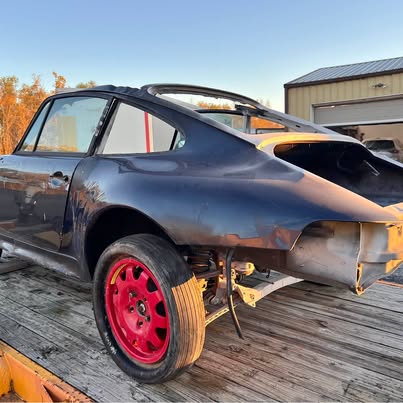
- The one to leave: the unevidenced car at an evidenced price. Whatever its body style, a Carrera 2 with no leakdown figures, a wet engine of unexplained origin and no invoices for the signature jobs is a project — and projects are only good purchases at project money.
And the rule that overrides all of the above: buy the engine evidence, not the paint. Leakdown figures, dry heads, a distributor belt with an invoice and a flywheel you can identify are worth more on a 964 than any colour, mileage claim or shine — because paint can be renewed at a price you can plan for, while an engine that needs its top end rebuilt costs what it costs, on the day it chooses, not on yours.
See the 16 911 CARRERA 2 cars currently listed.
For sale now
 $165,000
Expand
 $4,900
Expand
 $107,500
Expand
 $79,500
Expand
 $118,000
Expand
 $132,500
Expand
 $129,900
Expand
 $159,900
Expand
What they sell for: 911 CARRERA 2 sale prices.