
Porsche 911T buyer's guide
Porsche 911T -- the model's own buyer's guide: variants, values and what to check.
Years listed: 1969-1985 · Series: 911
Overview and history
The 911T is the honest end of the long-hood 911 range — the car Porsche sold from the 1968 to the 1973 model years to the buyer who wanted a 911, not a racing programme. The T stands for Touring, and the badge tells you the whole philosophy: the same air-cooled flat-six, the same monocoque shell, the same MacPherson-strut front end and torsion-bar suspension as the more expensive 911E and 911S, but with a softer camshaft profile, lower compression, simpler fuel equipment, plainer trim and a price that put it within reach of buyers who could never have justified the S. Nothing about the T is a different car. It is the same car, detuned and de-contented in specific, knowable ways — and understanding exactly which ways is the whole art of buying one well.
Some terminology first, because Porsche people use it loosely and sellers use it more loosely still. "Long-hood" describes every 911 built before the impact-bumper G-series cars arrived for 1974: the bonnet runs long and low to a slim front bumper, and there are no bellows anywhere. Within that span Porsche worked through a letter series per model year — A for 1968, B for 1969, C for 1970, D for 1971, E for 1972 and F for 1973. So when this guide calls the 911T a long-hood car of the F-series era, read that as the era that ends with the F-series: a 1968 T is an A-series car and a 1973 T is an F-series car, and the differences between first and last — engine size, gearbox, wheelbase, fuel system — are large enough that you should never buy "a 911T" in the abstract. You buy a specific year.
The T arrived for 1968 as part of a tidying of the range. The original 911 of 1964–67 had been a single model; for 1968 Porsche split it into a hierarchy that lasted, in essence, until 1973. At the bottom sat the four-cylinder 912. Then came the 911T, then the 911L (Luxus) for one year — replaced by the fuel-injected 911E from 1969 — and at the top the high-compression, high-revving 911S. The T's job was volume: the 911 for the professional who drove it daily, built in real numbers, in coupé and Targa form, for six model years. When the 912 was dropped after 1969, the T became the entry point to the entire 911 line — the position it still occupies in the classic market today.
Three engine sizes carry the story. The 1968 and 1969 cars have a 2.0-litre engine (1,991 cc). For 1970 the stroke grew and the engine became a 2.2 (2,195 cc), lasting through 1971. For 1972 it grew again, by bore and stroke changes across the range, to the so-called 2.4 (2,341 cc), which ran to the end of long-hood production in 1973. Each step added torque more than headline power, and each step changed the car's character slightly: the 2.0 is the revviest and the most period, the 2.2 is the sweet middle, and the 2.4 is the most usable in modern traffic by a clear margin. Running alongside the engine changes are the two structural ones. For 1969 the wheelbase grew by 57 mm — from 2,211 mm to 2,268 mm — achieved by moving the rear wheels backwards in the shell, which calmed the early car's nervousness in fast corners and gave a little more room in the rear wheel arch. And for 1972 the 901-type gearbox finally gave way to the stronger, conventionally gated 915, and the oil tank moved — producing the famous one-year-only external oil filler flap discussed in detail below.
The American market matters enormously to this guide, because it matters enormously to the cars. US emissions law shaped the T more than any other 911 variant. American 2.0-litre Ts were detuned relative to European cars. American 2.4-litre Ts received Bosch mechanical fuel injection when European 2.4 Ts kept carburettors — the only time the T got the fuel system of its betters, and it got it for emissions reasons, not sporting ones. Then, halfway through 1973, US cars changed again, to Bosch K-Jetronic continuous injection (CIS). A "1973 911T" advertised in the United States can therefore be one of two mechanically quite different cars, and telling them apart is a core inspection skill.
A note on scope, stated plainly. The pool of cars behind this guide on this site is small: 6 Porsche 911Ts, all 6 listed for sale and none recorded as sold at the time the pool was drawn, all 6 filed under the 911 series, and all 6 sourced from Facebook Marketplace listings. Their years run from 1970 to 1973 — two 1970 cars, two 1971 cars, one 1972 car and one 1973 car in that sample of 6 — so the pool covers the 2.2- and 2.4-litre cars and contains no 2.0-litre 1968–69 example at all. Five of the 6 are recorded as manuals and one as an automatic; the colours in the pool are black (2 of 6), red (2 of 6), white (1 of 6) and blue (1 of 6), and the 6 cars sit in six different states — North Dakota, Washington, Texas, Connecticut, New Hampshire and Ohio, one car each. That spread is itself a lesson: the surviving T population is a national, private-seller market, and the typical car you will see is a Marketplace car photographed in a driveway. This guide covers the full 1968–1973 T range from marque knowledge, because that is what a buyer needs, but where it cites the pool it cites these 6 cars and no more — and the absence of 2.0-litre cars from the pool is a gap in the sample, not evidence about the wider market.
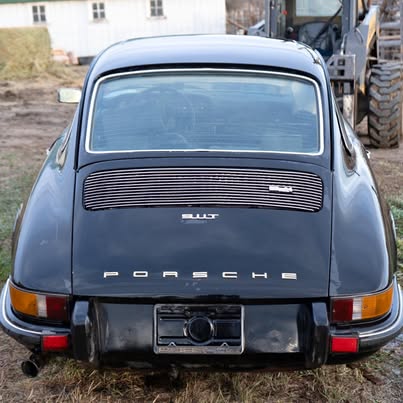
What defines the T market today is that these were usable cars that were used. A 911S was often a second car, garaged and cherished early. A 911T was bought to be driven, was driven, was then sold down through the years when long-hood 911s were simply old Porsches worth very little, and was frequently maintained accordingly — or not at all. That cuts both ways. Supply is genuinely large, so you can afford to be picky. But the spread between the best T and the worst T is enormous, and the difference is almost never the engine size on the badge. It is rust, and whether the mechanical work these engines periodically demand was done by someone who understood them. The T's great virtue is that it delivers the complete long-hood experience — the steering feel, the engine note behind your shoulders, the view down that long bonnet — for the lowest entry price in the range. Its great trap is that a bad one costs exactly as much to restore as a bad S, while being worth considerably less when finished. Buy the shell and the numbers first, the specification second.
The models
Every 911T is a two-door, rear-engined, air-cooled coupé or Targa with a 2+2 cabin — the rear seats are for children and for short journeys, whatever the seller's optimism. There is no saloon, no cabriolet (the full convertible did not reach the 911 until 1983) and no separate T trim line beyond the badge itself: the variation is by year, by engine, by body and by market. Learn the years and you have learned the model range.
| Model | Years | Engine | Output | Built | Character |
|---|---|---|---|---|---|
| 911T 2.0 | 1968–1969 | 2.0 flat-six (1,991 cc), Weber carburettors | 110 hp (DIN) | Volume seller; the largest-selling 911 variant of its years | The original T; lightest feel, revviest, least torque |
| 911T 2.2 | 1970–1971 | 2.2 flat-six (2,195 cc), Zenith carburettors | 125 hp (DIN) | Volume seller in both bodies | The sweet spot of the carburettor cars; more usable torque |
| 911T 2.4 (Europe) | 1972–1973 | 2.4 flat-six (2,341 cc), Zenith carburettors | 130 hp (DIN) | Smaller share; most 2.4 Ts are US cars | Carburettor simplicity with 2.4 torque |
| 911T 2.4 (US) | 1972–early 1973 | 2.4 flat-six (2,341 cc), Bosch mechanical injection | 140 hp (DIN) | The standard US specification | The injected T; strong, complex, specialist-serviced |
| 911T 2.4 CIS (US) | 1973½ | 2.4 flat-six (2,341 cc), Bosch K-Jetronic (CIS) | About 140 hp (DIN) | Final half-year of US production | The last and most tractable US T; its own fuel-system rules |
(Outputs are period DIN figures for European specification unless stated; US cars of the emissions years were rated differently and their figures are not directly comparable. Production was not published in a clean per-variant, per-body split a buyer can rely on, so the table describes volume honestly rather than inventing precision: the T was the best-selling 911 variant in most of its years. Anyone quoting an exact build figure for a sub-variant should be asked for his source.)
The hierarchy, and what the T gives up. Stand a T beside an E and an S of the same year and the shells are the same. The differences are a list, and it is worth learning as a list, because sellers blur it in both directions — S parts fitted to a T do not make an S, and T parts missing from an S are a warning. Against the S, the T gives up: the high-compression pistons and hotter camshafts (the S engine is a genuinely different tune, not a badge); the S's mechanical fuel injection on the carburettor cars (the US 2.4 exception aside); a measure of braking and suspension specification, with the S better equipped as standard; alloy and lightweight touches that crept into S specification over the years; fuller instrumentation — early Ts were supplied with a reduced gauge set compared with the five-dial layout buyers associate with the 911, and specification varies by year and market, so judge the car in front of you rather than a brochure; and the S's standard equipment in trim, where the T makes do with simpler materials. Against the E — the middle car, "E" for Einspritzung, injection — the T gives up the injected engine's response and the E's self-levelling hydropneumatic front struts where fitted, a system most E owners have long since converted to conventional struts anyway.
What the T keeps is the important half of the story: the shell, steering, suspension layout, disc brakes, driving position, the engine's fundamental architecture and the gearbox choices. On the road a good T does not feel like a lesser car; it feels like the same car with the top slice of revs and urgency trimmed away. Below 5,000 rpm — where a road car lives — a healthy 2.4 T gives very little away to an E. That is why the correct response to "it's only a T" is to ask about the shell, the numbers and the history instead.
Coupé and Targa. The Targa — named for the Targa Florio road race, with a fixed stainless-steel roll-over bar, a removable roof panel and a removable or glass rear window — was offered alongside the coupé throughout. Early Targas (to 1969) could have the flexible plastic "soft window"; a fixed heated glass rear window was available from 1968 and became the normal specification, so a soft-window car today is an early survivor. The Targa is not a convertible: the bar keeps the shell stiff by period standards, though a Targa still flexes more than a coupé, rattles more, and leaks more readily past its roof seals. In our pool of 6 cars, the Targa body is named explicitly in the descriptions of the 1971 red car from Spokane Valley, WA and the 1970 red car from Pelham, NH — Targas are a substantial part of the surviving T population, not a footnote. Price the roof seals, panel fit and the bar's bright finish exactly as you would a mechanical system; re-sealing one properly is real money.
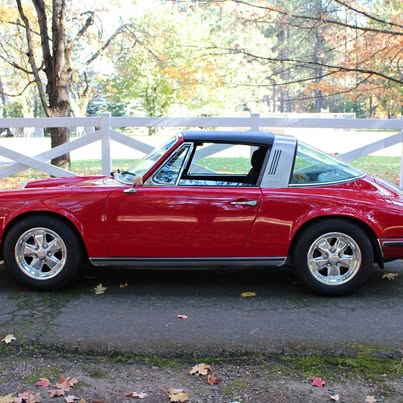
The years, one by one. The 1968 (A-series) car is a short-wheelbase 2.0, with the early 911's charming details and its livelier handling at the limit. The 1969 (B-series) car keeps the 2.0 but gains the longer wheelbase; it is the connoisseur's 2.0. The 1970–71 (C- and D-series) 2.2 cars are the simplest of the mature Ts: carburettors everywhere, the 901 gearbox, and enough torque for traffic. The 1972 (E-series) car is the transition year — 2.4 engine, 915 gearbox, the one-year oil filler flap, and, in the US, mechanical injection. The 1973 (F-series) car is the final form, splitting in the US between early mechanical-injection cars and the 1973½ CIS cars. There is no bad year. There are bad examples of every year, and the differences matter mainly because they change which fuel system, gearbox and rust traps you are inspecting.
Sportomatic. One transmission variant cuts across all of this and deserves its introduction here, because it changes what the car is. Sportomatic was Porsche's semi-automatic: a four-speed gearbox with a torque converter and a vacuum-operated clutch that disengages when you touch the gear lever — a microswitch in the lever does it — so there is no clutch pedal, but you still choose the gears yourself. It was offered throughout the T's life and taken up by a small minority of buyers, disproportionately in the United States. In our pool of 6 cars, exactly 1 is recorded with an automatic transmission, against 5 manuals — consistent with the wider market, where a Sportomatic car is a rarity you encounter occasionally rather than a variant you can choose from a selection. Assessing one — the discount argument, the parts position, the conversion question — is dealt with in the Values and Parts sections. For now, register that a T with two pedals and a gear lever is not a car with a fault. It is a Sportomatic, it was built that way, and the numbers will prove it.
Market and specification traps. Three recur constantly. First, engine swaps: the T shell accepts any long-hood engine, and in the cheap years many Ts received E or S engines — or, more often, later 2.7 or 3.0 engines from impact-bumper cars. A later engine makes a fine driver and a poorer investment, priced as what it is; the engine-number checks in the inspection section settle it in five minutes. Second, backdating and updating: impact-bumper cars have been backdated to long-hood appearance, and long-hood cars were "updated" with later bumpers and mirrors in period. A T should look like its year; where it does not, ask which panels were changed and why. Third, the S-look trap in reverse: Fuchs wheels, S trim and S instruments fitted to a T over fifty years are normal owner improvements, not fraud — unless the car is being sold as something it is not. The chassis number never lies about what the car started as. Start there, always.
Engines and gearboxes
The flat-six: one engine, three sizes
Every 911T engine is the same basic machine: an air-cooled, horizontally opposed six with a dry sump, a single overhead camshaft per bank driven by chains, two valves per cylinder and a crankshaft-driven cooling fan that does a radiator's work. There is no coolant — instead there is oil, a great deal of it, circulating through a separate tank, and the engine's health is written in its oil pressure, its oil temperature and the noises its chains make. A healthy example starts readily, idles with a busy mechanical edge, pulls cleanly from 2,000 rpm and comes alive above 4,000. Oil pressure should be strong at speed — roughly 10 psi per 1,000 rpm is the floor of acceptable — and the engine should be dry underneath by the standards of the breed: it may mist oil, but it should not drip steadily onto the exhaust and smoke at every junction.
The differences between the sizes are of tune as much as capacity. The T specification means lower-compression pistons than the E and S, milder camshafts, and — on the early engines — cast-iron cylinder barrels where the more expensive engines used lighter, better-cooling materials. None of this makes the T engine fragile; a less highly stressed engine is a reasonable bet. What wears them is age and neglect in specific places, the same across all three sizes. The timing chains stretch and their tensioners weaken — the original tensioners can collapse, and the later hydraulic Carrera-style tensioner conversion is the most worthwhile update you will find done, or need to budget for. A chain rattle at start-up that fades in a second is the tensioner pressurising; a rattle that persists is wear talking. Valve guides wear and show as blue smoke on the overrun. The magnesium crankcase can pull its cylinder-head studs, and case work is engine-out, machine-shop money. A proper top-end overhaul is a five-figure job at a specialist in the worst case, a full rebuild comfortably more — which is why a documented rebuild by a known Porsche shop is worth a real premium and an undocumented "rebuilt engine" claim is worth nothing until the invoice appears.
The 2.0 (1968–69) is the most vintage of the three: peaky by modern standards, happiest being revved, and the least tolerant of traffic. Its carburettor specification is twin Weber triple-choke carburettors (40 IDT), one per bank, and when they are in tune the throttle response is lovely. US-market 2.0 Ts were detuned for emissions and fitted with an air pump and associated plumbing in period, most of which has long since been removed — a car with the plumbing half-removed and the holes half-plugged is a running fault waiting to be diagnosed.
The 2.2 (1970–71) is the same architecture with a longer stroke, and the extra capacity goes where you want it: into the midrange. Porsche changed the carburettors to twin Zenith 40 TIN triple-chokes for this engine in all markets, which defines the 2.2 ownership experience as much as the capacity does. It is the engine in 4 of the 6 pool cars (both 1970 cars and the 1971 pair), so the carburettor sections below are the ones most pool-car buyers will use most.
The 2.4 (1972–73) added capacity again, and in US form added the fuel systems discussed below. It is the torquiest T, the one that pulls from low revs in a high gear without complaint and feels least like a compromise. It is also the engine most often found with its original specification altered — emissions equipment removed, injection changed, later parts fitted — so verification matters more, not less, on the newest cars.
Carburettors: Weber and Zenith
Two carburettor families cover the carburetted Ts, and they have different characters and different problems.
Weber 40 IDT (2.0 cars). The Webers are the carburettors everyone wants, largely because the tuning world knows them and parts — jets, gaskets, floats, rebuild kits — are obtainable. Their age faults are throttle-spindle wear (which admits air past the butterflies and makes a stable idle impossible however the mixture screws are set), worn float needles that flood a bank, and perished accelerator-pump diaphragms that give a stumble on tip-in. The diagnostic discipline is the same as on any carburetted classic: rule out ignition and valve clearances first, check fuel pressure and delivery second — an old tank and pump deliver rust and varnish as readily as petrol — and only then condemn the carburettors. A professional rebuild of the pair is a four-figure job done properly; a car that has had it done, with the invoice, is worth more than a car with shiny carburettors and no paperwork.
Zenith 40 TIN (2.2 cars, and European 2.4 cars). The Zeniths are the carburettors everyone blames, and the blame is only partly fair. They suffer from throttle-shaft wear, like the Webers but with a thinner specialist and parts network behind them, and from adjustment sensitivity — a Zenith set up by someone who understands them idles and pulls beautifully, and one set up by guesswork does neither. Many were replaced in period by Webers, so a Zenith car today is sometimes a car whose induction has been disturbed. The traps are paying Weber money to fix a Zenith problem that is actually ignition timing or a vacuum leak, and assuming a Zenith car must be converted to Webers to be any good. It must not: a sorted Zenith car is a sweet car, and originality argues for keeping it that way.
Both families share the period enemy: modern ethanol-blended fuel, which attacks old rubber and gums jets in cars that sit. A carburetted T that has stood for years needs the fuel system cleaned end to end — tank, lines, pump, filters, carburettors — before any running fault is diagnosed, because half of what looks like carburettor wear on a recommissioned car is dirt.
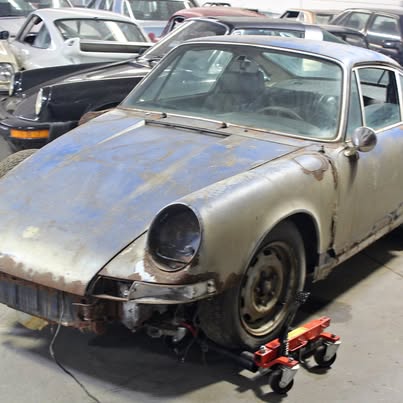
Injection: the US 2.4 cars — mechanical, then CIS
Bosch mechanical injection (US 2.4, 1972 to early 1973). The US 2.4 T uses the same family of Bosch mechanical fuel injection as the E and S: a multi-plunger pump driven by a toothed belt from the left-hand camshaft, metering fuel against speed and throttle position through a three-dimensional space cam, with a thermostat-controlled warm-up device that enriches the mixture when cold. It is a superb system when right — instant starting, sharp response, strong power — and the most specialist-dependent system fitted to any T. Its failure modes are specific. Pump wear shows as a mixture that cannot be set correctly across the range; the warm-up thermostat fails and holds cold enrichment on, giving a rich, sooty car that fouls plugs; the drive belt ages and must be treated as a service item, because its failure stops the injection entirely; and the system's correctness depends on ignition timing, linkage synchronisation and engine health in a way carburettors forgive and this system does not. Diagnosis by parts-swapping is ruinous: pump work belongs to the few specialists who rebuild these units, and a documented pump rebuild is a major selling point. An MFI T that starts instantly from cold, idles cleanly hot and pulls without soot or hesitation is a car whose expensive system is healthy; one that does none of those things is a specialist bill you have not been quoted yet, priced accordingly.
Bosch K-Jetronic CIS (US 1973½). Halfway through the 1973 model year, US Ts changed to continuous injection: fuel is sprayed continuously, metered by an airflow sensor plate that moves a plunger in the fuel distributor, with a warm-up regulator shaping cold running. Once sorted, CIS is famously tractable — these cars start and run with an ease the earlier systems envy. Its faults are pressure faults and air faults. The system lives or dies on fuel pressure: pump, the accumulator that holds rest pressure for hot starting, and the warm-up regulator must all be to specification, tested with a pressure gauge set, not guesswork. A long crank when hot is the classic symptom of rest pressure lost (accumulator, pump check valve or leaking injectors). Vacuum leaks in the intake bootwork lean the mixture and produce the wandering idle owners chase for months. The airbox can crack from a backfire — a pop-off valve in the airbox is the standard protective modification and a sign of an informed owner, not a bodge. A CIS car that has sat with old fuel can have a sticking fuel-distributor plunger; freeing or rebuilding it is specialist work. Identification is instant once you open the lid: the CIS car has the large round air-filter housing and the fuel distributor with its bundle of lines at the centre of the engine; the MFI car has the pump low on the left, its belt drive and tall intake stacks. Learn the two engine bays from photographs before you view a 1973 car.
Gearboxes: 901, 915 and Sportomatic
The 901-type (to 1971). The early cars use Porsche's 901-family five-speed, with the famous dog-leg gate: first is back and to the left, out of the H, and second through fifth form the main pattern — a layout designed for circuit work, where first is for the start and the pits. On the road it is delightful once learned. Four-speed versions were also supplied in some markets, so count the gears on the test drive. Age faults are synchromesh wear — second gear is the first to crunch, and a baulk at second when cold that improves warm is wear announcing itself politely — tired linkage bushes that make the change vague, and leaks. A rebuild is specialist work at a four-figure cost; a box that changes cleanly in all gears, hot and cold, is worth paying for.
The 915 (1972 on). The 2.4 cars gained the 915, a stronger box designed for the bigger engine's torque, with a conventional gate — first at the front of the H. The distinction that matters is between a healthy box's deliberate, mechanical feel and a worn one's graunching and jumping out of gear. Linkage condition dominates the feel: worn bushes make a good box feel dreadful, and linkage refurbishment is cheap relative to a rebuild, so drive before you condemn. Second-gear synchromesh is the wear barometer, and reverse should engage cleanly once stationary.
Sportomatic (all years). The Sportomatic car has a torque converter, a four-speed gearset and a clutch operated for you: touch the gear lever and a microswitch signals the vacuum servo to disengage the clutch; release it and the clutch re-engages. There is no clutch pedal, and the car creeps at idle like an automatic. Assessed coldly, it works well — period road testers liked it more than posterity has — and its faults are those of its extra systems: vacuum leaks that make the clutch lazy or harsh, microswitch and servo faults, and converter and gearbox wear as on any period automatic. The parts and knowledge network is thin because so few were built, and that, not the driving experience, is the real ownership cost. Never let a seller describe a Sportomatic car as "automatic" without qualification, or as "converted" — the gearbox type number and the build record settle what it is, and an original Sportomatic car converted to a manual has lost the very rarity that made it interesting.
Problem areas
Everything mechanical on a 911T can be fixed by a known specialist at a price you can obtain before you buy. The shell is the exception, and this section is weighted accordingly. A long-hood 911 is a steel monocoque with no separate chassis, built before Porsche's full galvanising era — some panels gained zinc coating in the early 1970s, but no long-hood car should be treated as protected — and fifty years of water, road salt and blocked drain paths have done what they always do. Assume rust is present until your own inspection proves otherwise, in the specific places below, in this order.
Rust: the map
Front suspension pan and front trunk floor. The single most important panel on the car. The floor of the front luggage compartment carries the front suspension mountings, and it rots where water sits in the trunk and around the fuel tank. Perforation here is structural, affects geometry, and means panel replacement with the suspension removed — a four-figure welding job before paint. Lift the trunk carpet and spare, look at the pan around the suspension pickups, and prod: paint and underseal over rot feel soft and sound dull.
Battery boxes. The long-hood cars carry their batteries in boxes at the front of the luggage compartment — twin batteries on most cars of this period — and acid plus water rot the boxes and the metal beneath them. A collapsed or holed battery box is common; the damage that matters is what the acid has done to the surrounding structure and the suspension pan nearby. Budget a few hundred dollars per side for box repairs done in isolation, and read battery-box rot as a prompt to examine the whole front end harder.
Sills, inner and outer, and the jack points. The sills are structural, they carry the jacking points, and they rot from inside: mud and water enter, and the outer panel can look sound over a hollow inner. Press and prod the full length, examine the jack point tubes, and be suspicious of thick fresh underseal, new sill covers and paint that is newer on the sills than anywhere else. The test from the inspection section — taking the car's weight on each factory jack point — is the honest one. Sill replacement done properly, inner and outer with paint, runs roughly $2,000–4,000 a side at a specialist, and it is rarely the only welding the car needs.
Kidney bowls. The signature long-hood rust trap, and the one sellers least often photograph. At the back of each door opening, inside the rear wing ahead of the rear wheel, sits a curved panel — the kidney bowl — that closes the sill and carries the heater tube routing. Water and mud thrown up by the rear wheel rot it from behind, invisibly, until the rust breaks through at the bottom of the door shut or the rear of the sill. Put a torch and a mirror into the rear wheel arch and look forward and up; bubbling at the lower rear corner of the door aperture is kidney-bowl rust announcing itself late. Repair means cutting into the rear wing: panel, fabrication and paint, realistically $1,500–3,500 a side, and both sides usually need it. Access for a proper repair comes from inside the arch and from the engine-bay side, which is why quotes for this one job vary so widely between shops.
Door bottoms and door skins. The doors hold water when their drains block, and they rot along the bottom edge and in the lower skin. Run a fingertip along every door bottom, look for bubbling under the paint at the lower corners, and open and close each door repeatedly — a door that has been filled and painted can look straight and still be mostly repair. Door reskinning and bottom repair is available and moderately priced per door; the cost is in paint blending across original panels.
Front wings, headlamp bowls and the wing joining panel. The front wings rot at the headlamp bowl, along the top where the wing meets the inner structure, and at the rear lower corner by the sill. The panel joining wing to cowl traps mud against the A-post area, close to the door hinges and the shell's strength. Wings are bolt-on — replaceable rather than fatal — but a new wing, fitted and painted, is not cheap, and wing rust reliably indicates the shell's general standard.
Floors, rear torsion-bar area and engine bay. The cabin floors rot from leaking window seals and heater boxes, as on any car of the era: lift the carpets. At the rear, examine around the torsion-bar tube and the rear suspension mountings — structural, fabrication-grade repairs if perforated. In the engine compartment, check the rear crossmember area, the engine tinware (replaceable, and its condition tells you how the car was kept) and the heat exchangers on the exhaust: these are steel, they rot, they are expensive to replace in stainless or original form, and a blowing heat exchanger is also a cabin-heating and fume problem, not just a noise.
The 1972 oil flap — a trap, not a rust point. The one-year 1972 oil tank position put the filler behind a flap on the right rear wing, where every other year's filler lives inside the engine compartment. Two consequences for buyers. Originality: a 1972 car whose rear wing has lost the flap has usually had a wing replaced or the feature deleted, and a pre-1972 or 1973 car with a flap should prompt questions about which panels it is wearing. History: the flap was deleted after a year partly because it invited the catastrophic error of putting fuel into the oil tank at a filling station. If you buy a 1972, brief anyone who might ever fuel or service the car — and check the oil for a fuel smell at viewing, exactly as you would check an injected Mercedes for pump dilution, because on this one year the cause would be a person, not a pump.
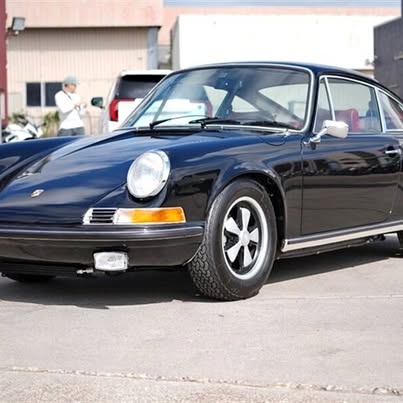
Suspension, steering and brakes
The front suspension is MacPherson struts with torsion-bar springing; the rear is semi-trailing arms, again on torsion bars. Its age faults are perishables and wear, not design flaws: ball joints and tie-rod ends wear and make the steering vague, strut inserts tire, torsion-bar and rear spring-plate bushes perish and produce knocks and a car that sits unevenly, and the rack wears at the pinion. None of this is ruinous individually — hundreds per corner for wear items, more for a full refresh with alignment — but a car needing all of it at once is a four-figure chassis bill, and the test drive is where you find out. The brakes are discs all round, strong and simple; fifty years adds seized calipers, perished hoses, corroded lines and a tired master cylinder. A full hydraulic refresh is the standard recommissioning job, and a car that pulls up straight and hard with a firm pedal has usually been maintained in other ways too. Wheels matter to originality: steels were standard T equipment, Fuchs forged alloys the desirable option, and later wheels on an early car are a negotiation point, not a fault.
Interior and trim
The T cabin is vinyl and basket-weave or perforated trim where the S is leather and plush, and its enemies are sun and heat. Dash tops crack along their curves, and a crack-free original dash is genuinely valuable because correct replacements and quality recovering are expensive. Seat covers split at the bolsters and the foams collapse, so sit in the driver's seat and judge the sitting position, not the photograph. Door cards warp; carpets wear; coupé headlinings sag; and a Targa's roof panel covering and seals perish — a reseal with correct seals is a real bill, and a leaking Targa soaks its own interior, which is why Targa carpets and rear seat bases deserve a hand underneath for damp. Instruments fail individually — a dead gauge is usually the gauge or its sender, both obtainable — and the heating system, which routes engine heat through those rust-prone sills and heater boxes via flaps and cables, fails by seizure and rot: test heat on every viewing, because a car with no heat usually has rust or seized flaps somewhere in the hot air's path.
Electrics
Period Porsche electrics are simple and fail simply: at earth points, at the fuse box, and in the engine-bay connections that live in heat and oil mist. Dim lights, a lazy starter and intermittent gauges are usually connections and earths — tedious, cheap, and diagnostic of how the car has been kept. The alternator and regulator are conventional and obtainable. The items that cost are the ones shared with the fuel systems: the cold-start and warm-up circuits on the injected cars, and on CIS cars the fuel pump relay and wiring that decide whether the pump runs. A car where everything electrical works — lights, wipers, washers, gauges, blower, heated rear window on a Targa — has almost always been a used and maintained car, which remains the best single predictor of a good T there is.
Oil, cooling and the engine's supporting cast
An air-cooled engine is cooled by air and oil together, so the supporting cast is not ancillary — it is the cooling system. The fan must be intact, the fan belt correctly tensioned (it drives the alternator too, so a slipping belt is an overheating engine and a flat battery in one fault), and the engine tinware complete: the sheet metal that seals the bay and forces cooling air over the cylinders. Missing tinware is common on cars whose engines have been out for cheap work, and produces an engine that runs hot in traffic for reasons owners misdiagnose for years. The oil system is a dry sump with its tank in the right rear wing — check the tank and lines for corrosion, and read the oil level the correct way (engine warm, idling, on level ground; a cold, switched-off dipstick reading is meaningless). Oil leaks are a spectrum: misting from rocker covers and return tubes is normal-age behaviour and cheap in gaskets, while leaks from crankcase joints, the rear main seal area or a porous magnesium case are engine-out conversations. Finally, the fuel tank: tanks rot from inside when cars sit with old fuel, and a fuel smell in the front trunk is a stop-and-fix fault, never a character trait.
How to inspect one
Allow two hours, bring a torch, a mirror on a stick, a magnet wrapped in cloth and a jack you trust — and if the car passes you, pay for a lift inspection by a Porsche specialist before money changes hands. It is where the kidney bowls and the suspension pan finally get seen properly.
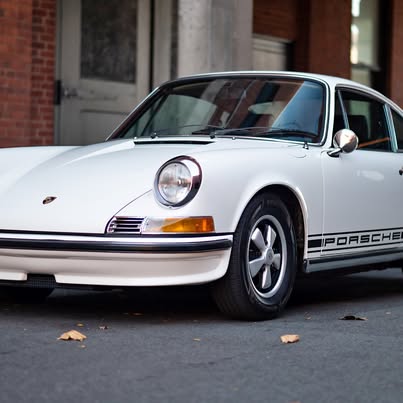
- Paperwork and identity first. Match the title to the chassis number: it is stamped in the front luggage compartment and carried on the car's identification plates, and it must agree everywhere it appears. Then order the car's facts against its year using the models section — a claimed 1973 US car should be one of the two injected variants; a claimed 1972 should have the oil flap.
- Matching numbers. Read the engine number, stamped on the crankcase at the right of the fan housing support, and the engine type number beside it: the type number tells you which engine specification is actually fitted, whatever the lid badge says. Read the gearbox number from the underside spine of the casing. Then compare all of it with the car's Porsche Certificate of Authenticity — or, for the earliest cars, the Kardex-derived record the certificate is based on. Treat certificates as evidence to cross-check against the metal, not gospel, because transcription errors exist in period records too. A non-matching engine is not a walk-away — it is a price category, decided now, not discovered later.
- Cold start. Insist the engine is cold. A carburettor car should fire with choke and settle; an MFI car should start at once; a CIS car should start and hold a fast idle that falls as it warms. Blue smoke that clears suggests valve guides; smoke that stays is deeper. Listen for chain rattle that does not fade.
- The front end. Lift the trunk carpet and spare. Examine the suspension pan around the mountings, both battery boxes and the tank's surroundings, following the rust map. Perforation in the pan ends the viewing until price reflects panel replacement.
- Sills and jack points. Prod both sills along their length, then — with the seller's permission — take the car's weight on each factory jack point in turn. A sound sill lifts silently; a rotten one creaks and flexes. A refusal is an answer.
- Kidney bowls. Torch and mirror into each rear wheel arch, looking forward and up, and check the lower rear corner of each door aperture for bubbling. Price what you find using the rust section before you fall for the engine.
- Doors, floors and wings. Fingertip along every door bottom, magnet over sills, arches and lower wings, carpets up in both footwells. Check headlamp bowls and wing tops, and on a Targa work the roof panel off and on, read the seals, and feel under the rear seats for damp.
- Underneath. On the lift your specialist earns his fee: torsion-bar tube area, floor seams, rear mountings, heat exchangers, oil tank and lines, gearbox number, and a read of the underseal — patchy and honest is factory; a fresh uniform coat over everything is a question.
- The test drive. Twenty minutes, mixed roads. A 901 car should find its dog-leg first cleanly; a 915 should not graunch into second hot or cold; a Sportomatic's clutch should engage smoothly as you release the lever. The engine should pull cleanly to 5,000 rpm — flat spots mean carburettors on a carburetted car, fuel pressures on a CIS car, specialist time on an MFI car. Brake hard: straight, firm, no judder.
- Heat and hot behaviour. Let it idle hot. Oil pressure and temperature should behave as the engine section describes, a CIS car should restart instantly when hot (rest pressure is the test), and the heater should deliver heat — remember the hot air travels through the sills you have just inspected.
- Electrics and instruments. Work everything: lights, wipers, washers, blower, every gauge. Note which gauges the car actually has against its year and market specification before calling anything missing.
- Stance and synthesis. Stand back. The car should sit level, arches even, flanks straight. Then assemble the verdict in the guide's order — shell, numbers, engine, gearbox — and only then discuss price, using the values section's spread rather than the seller's asking figure.
Values
The figures that matter for this model are computed from this site's own listings and recorded sales, and they sit below this guide — the listed-now summary and market block are refreshed at every rebuild, so use them rather than any number quoted elsewhere. What follows is how to read them. One caution belongs to this model: our pool behind this guide is 6 cars, all for sale and none recorded sold, so treat any small-sample figure as an orientation, not a valuation.
The 911T sits at the foot of the long-hood hierarchy, and that is its value position in one sentence: it is the cheapest way into a long-hood 911, and the E and S of the same year, in the same condition, will always stand above it. Within the T range, condition overwhelms specification. The spread between a rusty project T and a sorted, matching-numbers 2.4 is wider than the spread between model years, because the restoration costs — shell welding, engine work, paint — are the same money you would spend on an S, spent on a car with a lower ceiling. That arithmetic defines the market: projects are priced by what they need, drivers by their shell and history, and the best cars by their numbers and originality.
The premiums that genuinely exist are these. Matching numbers, verified against the certificate as in step 2, because originality cannot be retrofitted. The 2.4 cars over the earlier ones, for usability. Coupés and Targas trade places by season and buyer — there is no permanent rule, whatever a seller tells you — and an honest Targa with good seals should not be discounted like a leaking one. CIS cars have a following for tractability, MFI cars for response; each camp discounts the other's car, so both are buyable when the seller faces the wrong camp's audience. Sportomatic cars historically trade at a discount to manuals — which the values-minded buyer should read as the range's one structural bargain: the rarest specification, bought at a discount. And asking prices run ahead of achieved prices, with auction results the corrective; a private Marketplace seller's first figure is an opening position.
Parts and ownership
The long-hood 911 is one of the best-supported classics in the world. Porsche Classic supplies a wide range of parts for these cars, the specialist trade is deep on both sides of the Atlantic, and the T benefits from sharing its architecture with the E and S — almost everything except T-specific engine internals is common across the range.
Easy: service items, filters, plugs and ignition parts, brake components, suspension wear parts and bushes, strut inserts, exhaust sections in standard form, window and door seals, carburettor rebuild kits for the Webers, and most trim clips and fittings. Order today, fit this weekend.
Harder and dearer: Zenith carburettor parts and the specialists who know them; mechanical-injection pump rebuilds, which belong to a handful of firms and price accordingly; CIS fuel distributors and warm-up regulators, increasingly exchange-or-rebuild items; crack-free dash tops; Targa roof seals and correct roof covering; Sportomatic-specific components, where the thin original production means a thin parts shelf and a thinner knowledge base; and correct early details — wheels, trim, badges — where the S market has bid up everything the range shares. A quality repaint costs what a quality repaint costs on any valuable classic, which is why this guide's mantra is to buy the body and fix the mechanics.
Running costs. A sorted T is a realistic regular-use classic: fuel consumption in the high teens to low twenties mpg depending on tune and use, servicing any genuine air-cooled specialist can handle, and an annual rhythm of valve clearances, oil and filters that rewards being done on time. The budget lines that catch new owners are the first year of deferred maintenance — realistically several thousand dollars on a car that merely "runs fine" — and recommissioning a car that has sat, where fuel system, brakes and tyres all arrive at once. Insurance should be agreed-value from day one, reviewed against the market block below this guide.
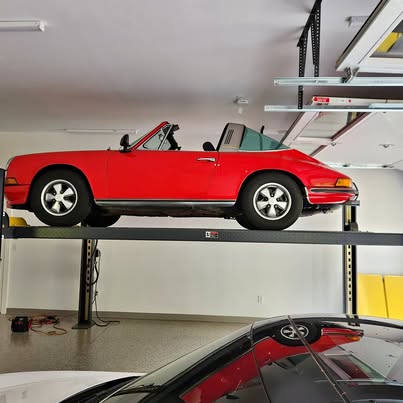
Which one to buy
- The all-rounder: 1972–73 2.4 coupé, manual. The torquiest engine, the 915 gearbox, the mature shell. In US form, choose MFI if you have a specialist nearby and value response, CIS if you value easy starting and tractability — both are the right answer for different owners.
- The value buy: a sorted 2.2. The 1970–71 cars are the cheapest route into a good long-hood 911 that still drives like a modern-usable classic. A Zenith car with the carburettors already rebuilt, invoiced, is the bargain of the range.
- The period charmer: a 1969 2.0. The long-wheelbase 2.0 combines the early car's lightness and Weber induction with the calmer chassis. The 1968 short-wheelbase car is the purist's version of the same idea and the least forgiving.
- The open car: a Targa with a dry interior. Buy the seals and the panel as much as the car. A Targa that has stayed dry has usually been garaged, and it shows everywhere else too.
- The contrarian buy: an original Sportomatic. The rarest T, bought at the market's standing discount. Buy it only unconverted, with its vacuum and microswitch systems working, and only if the way it drives genuinely suits you.
- The project: none, unless the numbers match and the price assumes the worst. A project T is rational only when the welding list is short, the engine and gearbox are the car's own, and the price leaves the restoration bill inside the finished car's value — a sum that fails on most project Ts offered.
And the rule that overrides all of the above: buy the least rusty, most original T you can find, in the specification you can live with. Engines can be rebuilt, gearboxes exchanged and carburettors sorted at prices you can plan for. A rotten shell and lost matching numbers are the two things money cannot put back.
See the 11 911T cars currently listed.
For sale now
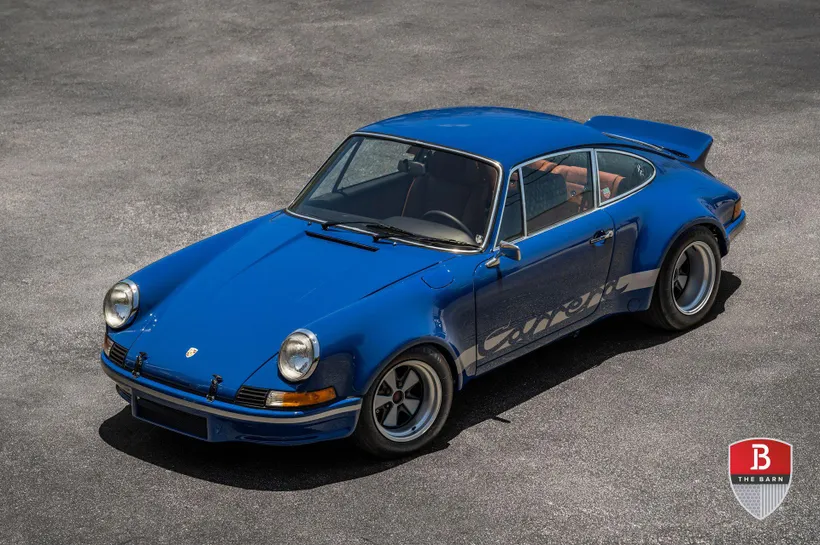 $21,250
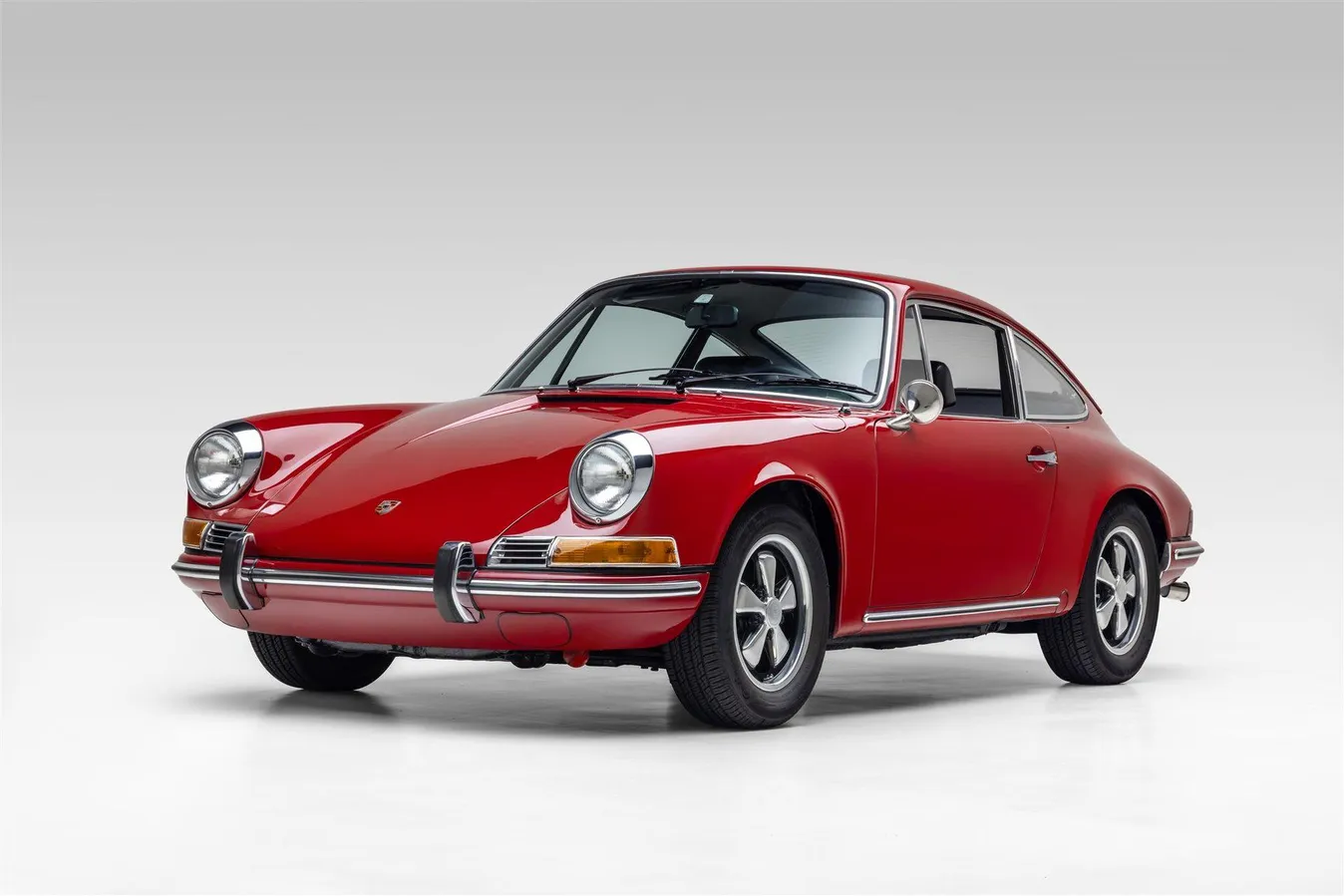 $114,500
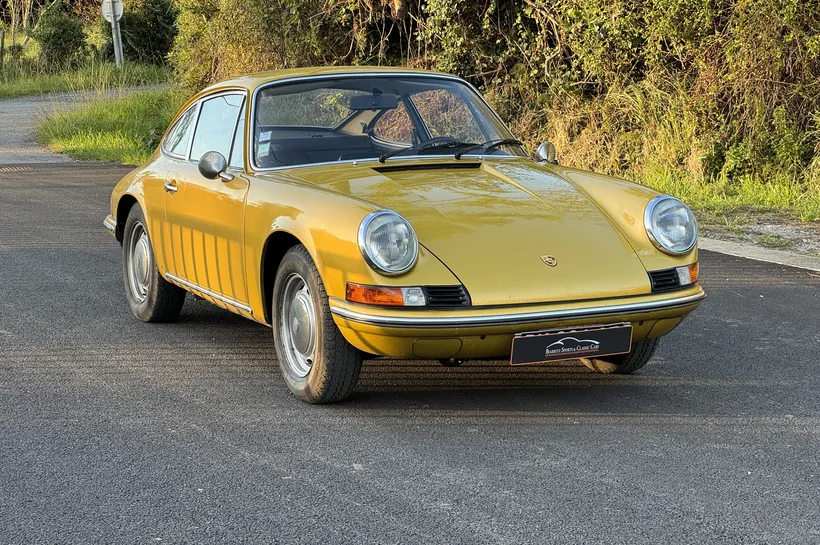 $21,250
 $149,999
Expand
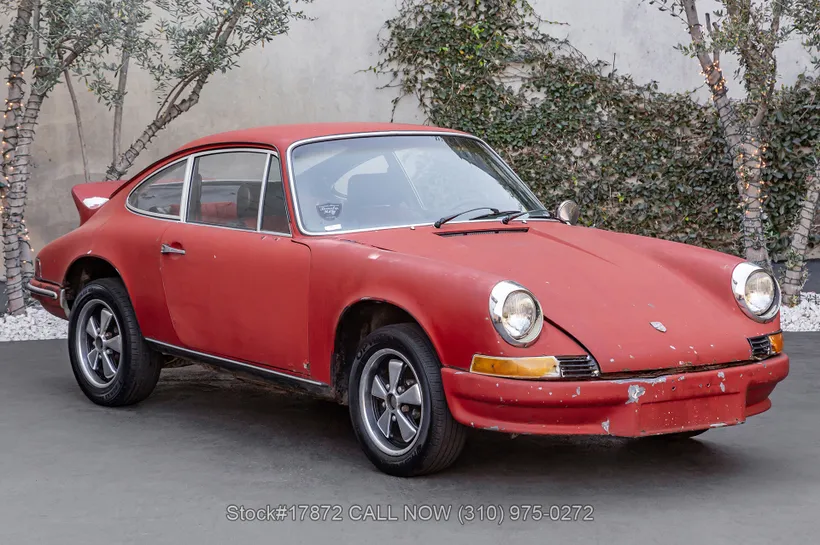 $21,250
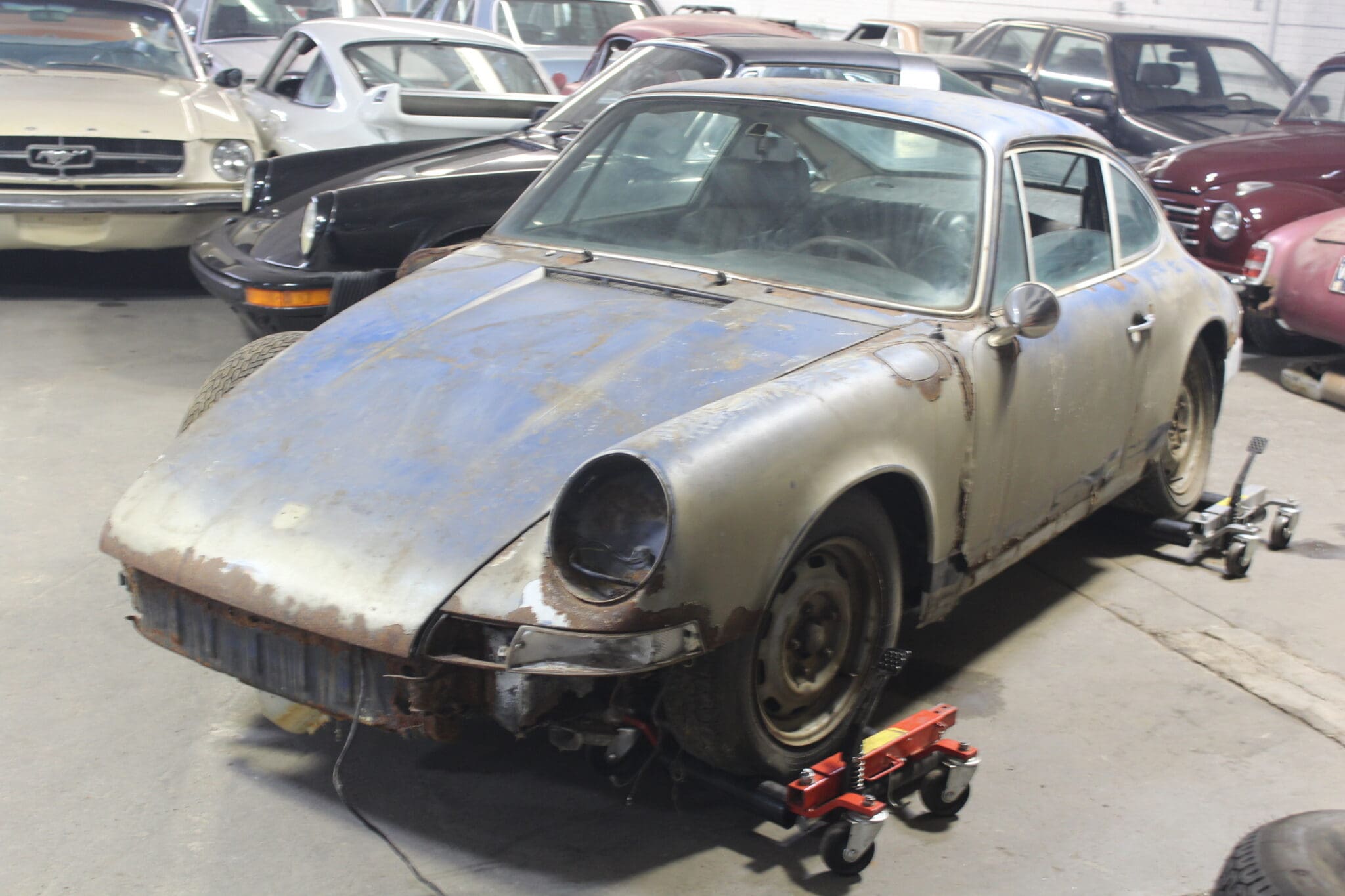
Expand
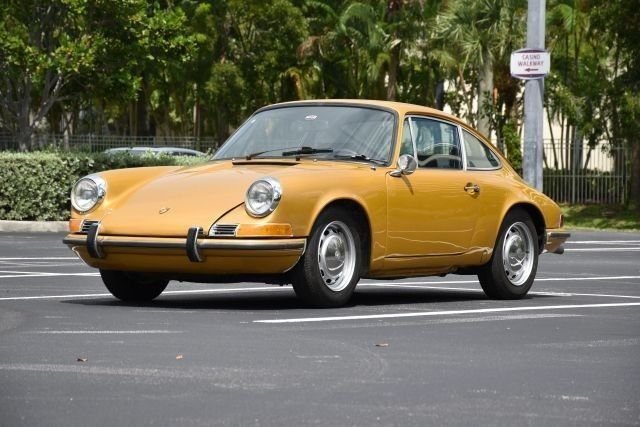 $68,000
Expand
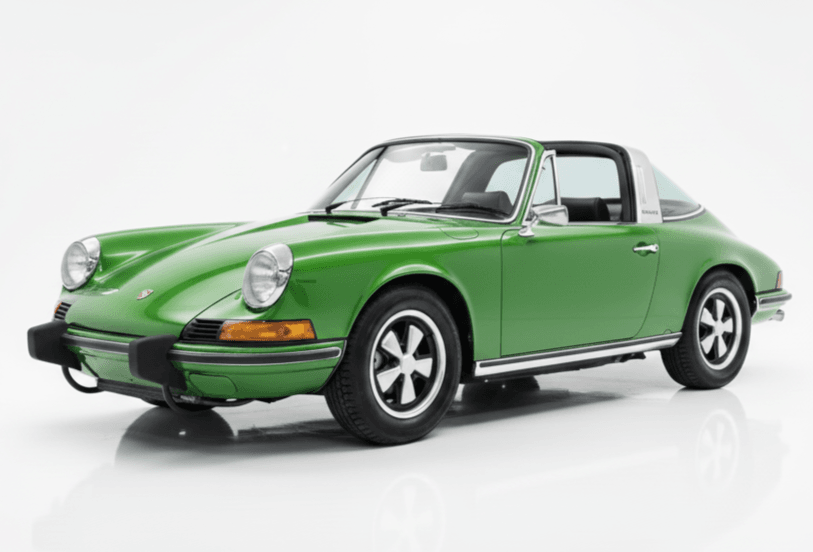
Expand
What they sell for: 911T sale prices.