
Toyota Supra buyer's guide
Toyota Supra -- the model's own buyer's guide: variants, values and what to check.
Years listed: 1984-1999 · Series: Supra
Overview and history
The Supra is the car Toyota built when it decided a sports coupe needed a straight six, rear-wheel drive and enough refinement to embarrass cars costing far more. It began in 1978 as the Celica Supra — Celica XX in Japan — a Celica lengthened at the nose to take an inline six-cylinder engine in direct answer to the Datsun Z-cars. Four generations followed over twenty years, and each one moved the car further upmarket and further from its Celica roots: the Mk II of 1982 added real handling and angular wedge styling, the Mk III of 1986 cut the Celica tie completely and added a turbocharger, and the Mk IV of 1993 produced one of the most capable and most tuneable Japanese performance cars ever sold in America.
The through-line is the engine layout. Every classic Supra is a front-engined, rear-drive coupe with a straight six — 2.6 litres in the first cars, 3.0 litres from the Mk III onward — driving through a five-speed manual, a six-speed manual in the Mk IV Turbo, or an automatic. They are hatchbacks with a usable rear seat and a proper trunk's worth of space under the glass, grand tourers as much as sports cars, and that dual character is exactly why they survived in numbers: owners used them as daily cars, maintained them like Toyotas, and kept them.
The generations split into two markets today. The Mk I and Mk II Celica Supras are period Japanese classics — affordable to buy, simple to run, and increasingly collected for their styling. The Mk III is the value performance buy: a turbocharged 3.0-litre GT with one famous flaw, covered in detail below. The Mk IV is a blue-chip modern classic whose twin-turbo version became a cultural icon — a 2001 film about street racing put an orange Mk IV on posters worldwide — and whose values now sit in territory that demands forensic buying. We currently track ten Supras for sale in the US, spanning 1984 to 1998, and the mix is typical of the wider market: Mk IIIs are the most numerous, Mk IVs the most contested, and honest Mk IIs the quiet bargains.
A word on what "Supra" means after 1998. US sales ended after the 1998 model year — the car's price had climbed with the yen until it sat against Porsches, and Japanese production for other markets ran to 2002. The name returned in 2020 on the GR Supra, a car co-developed with BMW and powered by a BMW straight six. It is a good car, but it is not this car: nothing mechanical carries over, and this guide covers the four original generations, 1978 to 1998. When a listing says "Supra" with no other qualification and the car is old enough to vote, it is one of the four below.
These were well-built cars, and the buying questions are rarely about whether the engineering is sound. They are about which generation suits you, whether the specific car's known weak points have been dealt with, and — on the later turbo cars — how much of what the factory built is still there. Supras, especially Mk IVs, were modified in period on an industrial scale. The stock car is now the rare car, and this guide spends as much time on modification forensics as on rust for exactly that reason.
The models
The badge history matters because sellers blur it. Cars built before 1986 are Celica Supras — the word "Celica" is on the car — and the Mk III from mid-1986 is simply a Supra, the Celica nameplate having gone front-wheel drive. Within each generation the split that prices the car is aspiration: naturally aspirated or turbocharged. Everything else — targa roof, trim level, transmission — is secondary.
| Model | Years | Engine | Output | Built | Character |
|---|---|---|---|---|---|
| Celica Supra (Mk I) | 1979–1981 | 2.6/2.8 six (4M-E, then 5M-E), injection | 110–116 hp | not reliably split by year | The original; a six-cylinder Celica, softly tuned |
| Celica Supra (Mk II) | 1982–1986 | 2.8 six (5M-GE), DOHC, injection | 145–161 hp | not reliably split by variant | The wedge; sharp styling, Lotus-consulted handling |
| Supra (Mk III) | 1986.5–1992 | 3.0 six (7M-GE), DOHC, injection | 200 hp | not reliably split by variant | The GT; heavy, refined, the value entry point |
| Supra Turbo (Mk III) | 1987–1992 | 3.0 six (7M-GTE), single turbo | 230–232 hp | not reliably split by variant | The fast Mk III; one famous head-gasket caveat |
| Supra (Mk IV) | 1993–1998 | 3.0 six (2JZ-GE), DOHC, injection | 220 hp | see note below | The forgotten Mk IV; most are automatics |
| Supra Twin Turbo (Mk IV) | 1993–1998 | 3.0 six (2JZ-GTE), sequential twin turbo | 320 hp | see note below | The icon; six-speed cars are the blue chips |
(Outputs are period US-market figures. Toyota has never published a clean per-variant production split for the early generations, so treat any seller quoting an exact build count for a Mk I, II or III variant with suspicion. The Mk IV's US sales are the documented exception: roughly 11,200 cars across 1993–1998, of which the twin-turbo cars — and especially the six-speeds — were always the minority.)
Mk I (1979–1981). The first Celica Supra is a Celica with a longer nose, a fuel-injected six (the 2.6-litre 4M-E for 1979–80, the 2.8-litre 5M-E for 1981), four-wheel disc brakes on later cars and a plusher cabin. It was aimed squarely at American GT buyers, came with a five-speed manual or four-speed automatic, and drives like what it is: a comfortable, torquey cruiser. Rust and rarity of trim now matter more than mechanicals.
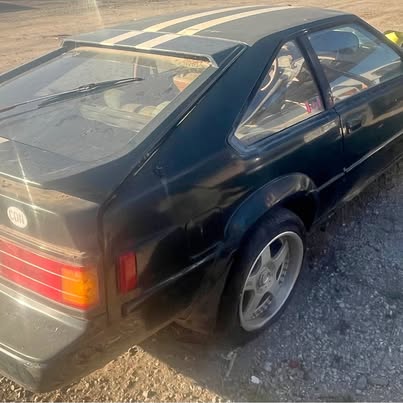
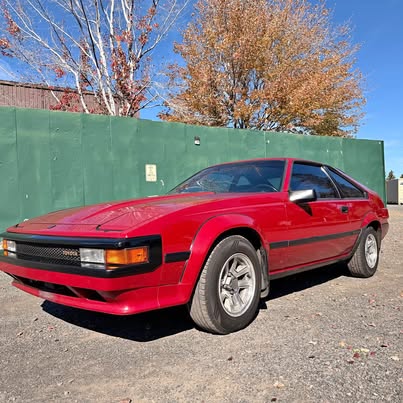
Mk II (1982–1986). The car that made the name. The 5M-GE engine brought dual overhead cams and 145 hp, rising to 161 hp by 1985–86; the styling went full wedge with pop-up headlamps and, on the Performance Type (P-Type), bolted-on wheel-arch flares, wider wheels and sport seats. The Luxury Type (L-Type) is the softer car — plusher trim, no flares, often an automatic and, on some years, a digital dashboard. Toyota consulted Lotus on the chassis, and it shows: a sorted Mk II is a genuinely sweet-handling car. Sunroofs are common, rust is the enemy, and the P-Type manual is the collector's pick.
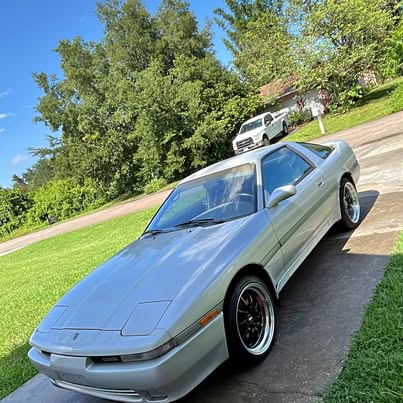
Mk III (1986.5–1992). Bigger, heavier and far more refined — a genuine GT that traded the Mk II's lightness for equipment: independent suspension all round with double wishbones at the front, an optional removable Sport Roof (targa) panel, optional TEMS electronically adjustable dampers and, from 1987, the 7M-GTE turbo with 230 hp. The styling is smooth where the Mk II is angular. These cars were sold in real numbers, most were used hard as cheap performance cars in the 2000s, and the survivors divide sharply into cherished originals and cars with a turbo engine and a head-gasket story.
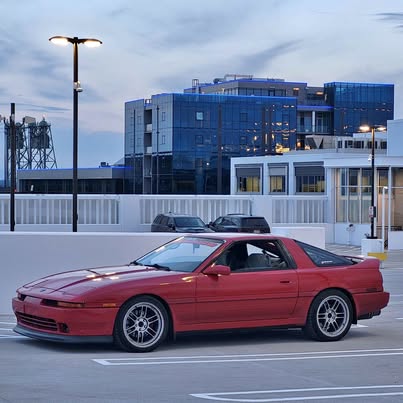
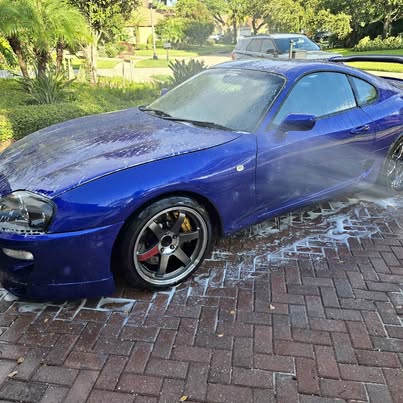
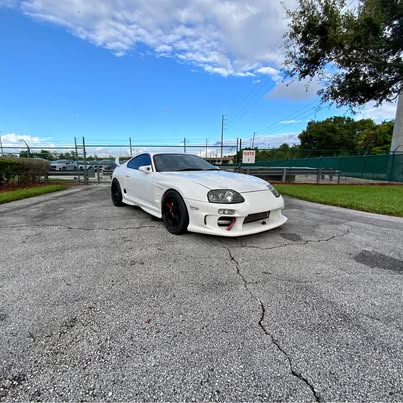
Mk IV (1993–1998). The reset. Toyota cut roughly 200 lb against the Mk III despite adding equipment, sculpted the body around a shorter wheelbase, and produced two very different cars under one shape. The naturally aspirated 2JZ-GE car is a refined, quick-enough GT, sold mostly with an automatic. The Twin Turbo is a supercar contemporary: 320 hp from sequential turbos, a Getrag six-speed manual in the car everyone wants, huge brakes, and performance that embarrassed exotics. A removable Sport Roof was available on both; the fixed-roof hardtop is the rarest and stiffest shell. Nearly every Mk IV buying question reduces to three: turbo or not, manual or not, and how original is it.


Engines and gearboxes
Four engine families power the classic Supras, all of them inline sixes, and they divide the range by character as cleanly as the bodies do. The early M-family engines are simple and understressed. The 7M of the Mk III is a fine engine with one documented factory mistake at its centre. The 2JZ of the Mk IV is the engine the whole legend rests on, and it earned it.
The M-family sixes: 4M-E, 5M-E and 5M-GE
The Mk I runs Toyota's M-series six in fuel-injected form: the 2.6-litre single-cam 4M-E (1979–80) and the 2.8-litre 5M-E (1981). These are low-revving, torquey engines of about 110–116 hp, and their concerns today are those of any forty-five-year-old fuel system — perished vacuum hoses, tired injectors, worn distributor components and oil leaks from every gasket that has been heat-cycled for four decades. The bottom ends are strong; a smoky M usually wants valve stem seals and a decoke, not a rebuild. Budget for a full hose, belt and seal refresh on any car that has sat, roughly $800–1,800 in parts and labour at an independent shop, and the engine will outlast your interest in it.
The Mk II's 5M-GE is the important early engine: a 2.8-litre with dual overhead cams, hydraulic valve lash adjusters and electronic injection, making 145 hp in 1982 and rising through the run to 161 hp in the last cars. It is smooth, willing and notably more modern-feeling than its single-cam cousins. Its known habits are few: oil weeping from the cam-box covers and the front crank seal, an idle that hunts when the throttle body and idle-speed control valve are dirty, and timing belts that must be treated as age items, not mileage items — a belt of unknown age gets changed on purchase, a $400–700 job with the water pump done at the same time, because the pump is driven from the same area and will not be cheaper later. It is not an interference catastrophe on the scale of some contemporaries, but there is no reason to test it. A 5M-GE that starts cleanly, idles at a steady note and pulls to the redline without a flat spot is a healthy engine; these cars are simple enough that the test drive really does tell you most of it.
The 7M: 7M-GE and 7M-GTE, and the head-gasket story
The Mk III's 3.0-litre 7M is a development of the M architecture with a proper modern specification: dual overhead cams, four valves per cylinder, and electronic management. The naturally aspirated 7M-GE makes 200 hp; the turbocharged 7M-GTE, sold from 1987, adds a single Toyota CT26 turbocharger and an intercooler for 230 hp, later 232. In isolation both are strong, smooth engines. The 7M's reputation rests on one fault, and you need to understand its mechanism because it determines how you buy a Mk III.
The 7M blows head gaskets — specifically, it blows them at the rear of the head, typically around the number six cylinder, and it does so because the factory head-bolt torque specification was too low. Toyota specified about 58 lb-ft for the head bolts; the gasket needs more clamping load than that to stay sealed against combustion pressure over years of heat cycles, and the aftermarket consensus, established over decades of failures and fixes, is that the bolts should be torqued to roughly 72–75 lb-ft. The failure is slow, then sudden: the gasket frets, combustion gas begins to enter the cooling system, and the car starts pushing coolant into the overflow bottle, running hot under load, and pressurising its hoses from cold. Left running, it overheats, and an overheated 7M warps its alloy head.
The buying consequences are concrete. First, ask every Mk III seller one question: has the head gasket been done, and if so, were the bolts or studs torqued beyond the factory figure — ideally with ARP studs fitted, which is the permanent fix and costs roughly $1,500–2,500 done properly with a head skim and a quality gasket. A documented retorque or stud conversion is worth a real premium; it converts the car's biggest risk into a solved problem. Second, test for the failure on the viewing: from stone cold, start the engine and squeeze the top radiator hose — it should stay soft for minutes; a hose that firms up almost immediately is being pressurised by combustion gas. Look for coolant residue around the overflow, mayonnaise under the oil filler cap, a sweet smell from the exhaust and white vapour that persists after warm-up. A hydrocarbon block test on the coolant is a cheap, definitive check and any serious seller of a 7M car should accept one. Third, price an undocumented car as if the gasket will need doing, because on a long enough timeline it will.
Beyond the gasket, the 7M-GTE's turbo is durable, the knock sensors and their wiring age (a failed knock sensor wire puts the ECU into a low-power safe state and is a classic cause of a mysteriously slow Turbo), and the power steering and cooling systems want the usual forty-year attention. The 7M-GE in a non-turbo car lives an easier life and fails its gasket less often, but the torque question applies to it identically.
The 2JZ: 2JZ-GE and 2JZ-GTE
The Mk IV's 3.0-litre 2JZ is one of the great production engines: an iron block of legendary stiffness, a seven-main-bearing crank, dual overhead cams, four valves per cylinder and, in turbo form, oil squirters under the pistons. The naturally aspirated 2JZ-GE makes 220 hp and is, in the best sense, uneventful — the same engine family powered the Lexus SC300 and GS300, parts are everywhere, and a maintained GE runs to mileages that make most classics look fragile. The 1998 US cars gained variable valve timing (VVT-i) on the GE. Service points are conventional: timing belt on age or mileage (about $600–900 fitted), valve stem seals that eventually let the engine puff blue on start-up, and cam and crank seals that weep with age.
The 2JZ-GTE is the twin-turbo version, and its party trick is the sequential turbocharger system. Two CT12B turbos (ceramic-wheeled in Japanese-market cars, steel in US cars) work in sequence rather than in parallel: the first turbo alone works from low revs, with exhaust energy pre-spooling the second, which comes fully online around 4,000 rpm. The result in period was 320 hp in US specification, a wall of midrange torque and none of the dead zone a single big turbo of the era would have given. The system's complexity is also its inspection point today: a rack of vacuum hoses and solenoid valves under the intake side controls the sequencing, and perished hoses or a failed valve produce the classic symptoms — a car that pulls hard to 4,000 rpm and then goes flat (the second turbo never arrives), or one that is flat everywhere (it never left). Both are hose-and-valve diagnoses, not turbo replacements, and a specialist who knows the system will find them in an hour. The turbos themselves are durable; smoke under boost on a high-mileage car points to turbo seals, and a rebuild or replacement pair is a $2,000–4,000 conversation depending on route.
The GTE's bottom end is famously over-engineered, which is why the tuning industry adopted it — outputs far beyond stock are routine on unopened engines. That strength cuts both ways for a buyer: the engine tolerates modification, so the engine in the car you are viewing may have lived a very hard life at high boost while remaining mechanically intact. Judge a modified GTE by its supporting work — fuelling, management, cooling, and records — not by the fact that it still runs. Section four takes that apart in detail.
Gearboxes
The manual line-up is a strength of the range. Mk I and Mk II cars use the W55/W58 five-speed, a light, sweet-shifting box whose only real enemies are age and worn synchromesh on second. The Mk III naturally aspirated car keeps the W58; the Mk III Turbo gets the R154 five-speed, a substantially stronger box that is now hunted in its own right for engine swaps — an R154 in good order is an asset on the car's value sheet, and a noisy one (input-shaft bearing rumble is the usual) should be priced as a rebuild at roughly $1,500–2,500. The Mk IV naturally aspirated car uses the W58 again. The Mk IV Twin Turbo's six-speed is the Getrag V160 (V161 in later cars), a gearbox developed with Getrag for this application, rated for the turbo's torque and central to the six-speed car's premium. It is strong but not immortal: worn synchros — second and third take the abuse — and a heavy or notchy shift on a modified car suggest a life at high power. Getrag parts support is thinner than for the Toyota boxes and a rebuild is specialist work at $3,000–5,000, so shift quality on the test drive is a priced item, not a detail.
One more gearbox note, because it decides real purchases: the six-speed was never offered on the naturally aspirated Mk IV, and the five-speed W58 in the NA car is a lighter-duty box than the Getrag. A manual Mk IV with a 2JZ-GTE under the bonnet and a W58 behind it is therefore a swapped or converted car by definition — Toyota never built that combination — and the gearbox itself becomes the weak link at turbo torque levels. That is not a reason to walk away from a well-executed conversion, but it is a reason to price the car as a conversion, to ask who did the work, and to check the clutch and synchromesh with the scepticism the inspection section applies to the Getrag. Conversely, a turbo car wearing a W58 badge story should end the negotiation until the paperwork explains it.
Automatics are the A340-family four-speed in various designations across all four generations, including the Mk IV Turbo, where it was a popular choice when new. It is a conventional, robust torque-converter automatic, well supported, and its health shows in the usual ways: clean red fluid, prompt engagement of drive and reverse, and shifts that are firm rather than flaring. A full rebuild runs roughly $2,000–3,500. Do not let period prejudice write the automatic cars off — on Mk IIIs and NA Mk IVs they are often the best-kept cars, because they were bought as GTs rather than as tuning platforms. The exception is the Mk IV Twin Turbo, where the market prices the six-speed manual far above the automatic, and you should buy with that spread understood rather than discover it at resale.
Problem areas
A Supra's problems are generation-specific, and the guide splits them that way: rust for the early cars, the head gasket and its fallout for the Mk III, modification forensics for the Mk IV, and a set of age items that apply to all of them. Work through the subsection for the car in front of you, then the shared ones.
Rust: the map
Supras rust less catastrophically than many Japanese contemporaries, but the Mk I and Mk II are now forty-plus years old and were rarely rustproofed beyond the factory effort. The Mk II's known map: the rear wheel arches and the quarters behind them, the bottom of the hatch around its seal and window, the spare-wheel well, the rocker panels and front floor edges, the sunroof tray and its drain tubes (blocked drains overflow into the headlining and down the pillars), and the front valance and battery tray area. The P-Type's flared arches trap mud against the lip — pull the car into good light and run a fingertip around the inside of each arch. Hatchback glass seals perish and let water sit in the well under the spare; lift the spare on every viewing. A Mk II with genuinely solid arches, hatch and floors is a car worth paying up for, because arch and quarter repair with paint runs $1,500–3,500 a side done properly, and hatch shells in good order are getting scarce.
The Mk III rusts in fewer places but similar ones: rear arches, the targa roof's drain channels and the seals at the header rail, the hatch and spare well again, and the subframe mounting areas on cars from salted-road states. The Mk IV is the best protected of the four and serious structural rust is uncommon, but check the hatch area, the spare well, the rear quarters behind the wheels, and anywhere a targa car's seals have leaked into the cabin and sat in the carpets. On every generation, read fresh underseal the way you would on any classic: a uniform coat of black over everything, applied last month, is a question, not an answer. And on every generation, a car from a dry state with honest surface patina underneath beats a shiny car from the salt belt with a sealed-over underside.
Mk III: living with the 7M
The head gasket is covered in the engines section; this is its fallout and the rest of the Mk III's list. A car that has overheated — and a gasket-failed 7M overheats — may have a warped head, a cooked automatic gearbox (the gearbox cooler lives in the radiator), and a cooling system full of stop-leak products poured in by a hopeful owner. Budget a full cooling-system refresh on any Mk III without records: radiator, hoses, thermostat, water pump and a proper flush, roughly $700–1,400 in parts and labour, and treat it as the price of certainty rather than an optional extra.
The TEMS adjustable dampers, where fitted, are usually long dead or replaced with conventional units — check what is actually on the car rather than what the dashboard button implies. The Sport Roof targa panel is the Mk III's other signature item: the seals perish, the panel creaks, and a car that has leaked wears it in the carpets and the seat runners. Replacement seals are available but the full set plus fitting is a $400–900 job, and the panel itself must be present, undamaged and stored in its bag in the hatch — a missing panel is a serious negotiation point because good used ones are hunted. Power steering hoses and the rack weep with age, the digital-era electrics are generally reliable, and the rear hatch struts, window regulators and switchgear all fail at the usual Japanese-classic rate. None of it is ruinous; all of it adds up, and a Mk III with a thick file of small jobs done is worth more than a shiny one with none.
Mk IV: modification forensics
The Mk IV Twin Turbo was the tuning industry's favourite canvas for two decades, and the stock car is now the exception. Modification is not automatically a defect — a thoughtfully built car with records can be a fine buy — but you must establish what was done, how well, and what it would cost to live with or undo. Work through it in layers.
The engine bay tells the first story. The stock GTE installation wears its factory covers, the stock airbox and the twin-turbo pipework shown in the figure in the models section. The classic period build — known in the community as basic performance upgrades — is a downpipe, exhaust, boost controller and a fuel-cut defender, raising boost on the stock turbos. Beyond that sits the single-turbo conversion: one large turbo on an aftermarket manifold, a front-mount intercooler with pipework that often means cut bodywork, an aftermarket ECU or piggyback, bigger injectors and a fuel system to match. Each step is visible. What you are pricing is reversibility and quality: quality parts, professional wiring and a dyno sheet with a sensible tune are one thing; a boost controller wired into a cut loom, an unknown map and a car running lean at the top end is another. A pre-purchase inspection by a Supra specialist, including a compression and leak-down test (roughly $300–600 for the inspection), is not optional at Mk IV money.
Identity checks matter more here than on almost any Japanese classic. Confirm the car is what its badge claims. A genuine US Twin Turbo carries its specification in the VIN and on the data plates; naturally aspirated cars have been turbocharged (the NA-T conversion) and automatic cars have been manual-swapped, and both can be good cars — but neither is worth factory-turbo, factory-six-speed money. Check the brakes: the Twin Turbo wears substantially larger brakes than the NA car, and they are a useful tell. Check the engine number and the turbo hardware: a GE engine with a turbo kit is not a GTE, whatever the valve cover says. Right-hand-drive Japanese-market cars have been imported in numbers under the 25-year rule; they are legitimate cars with their own following, but they differ in specification (ceramic turbo wheels, different trim and equipment) and in value, and the import paperwork and title history must be clean and present. Finally, look for the accident and theft history these cars attract: panel-date stamps, overspray on the hatch seals, non-factory welds around the front structure, and a title brand that the seller mentions last.
The rest of the Mk IV's list is ordinary, and that is the point. The Getrag six-speed's synchros, the targa seals (the Sport Roof was popular on US cars; the fixed-roof hardtop avoids the issue and stiffens the shell), the active-aero and ABS systems on equipped cars, perished suspension bushes that blunt a chassis famous for its precision, and air-conditioning that works — the Mk IV is a modern enough car that everything on it can be tested on a viewing, and should be.
Two early-car items deserve their own lines. The Mk II's rear hatch is a large, heavy pressing with a seal that flattens with age, and the first sign of trouble is not a visible leak but a musty smell and condensation inside the rear lamp clusters — by the time the spare well shows water, the seal has been passing it for seasons. And on Mk I cars, the fuel system is the age item: tanks rust internally on cars that have sat, shedding debris that blocks filters and starves the engine under load in a way that mimics a failing pump. A Mk I that falters at sustained speed should have its tank inspected before any pump money is spent; a tank clean and seal, or a replacement, runs roughly $400–900 depending on route and settles a fault that otherwise recurs for years.
Targa roofs, seals and interiors
Three of the four generations offer open or removable roof variants — the Mk II's sunroof, and the Sport Roof targa on the Mk III and Mk IV — and the rules are shared. Seals are age items: budget for them, test with a hose or a drive through rain if the seller allows, and inspect the carpets, seat runners and boot floor for the staining that proves a leak's history. A targa Mk III or Mk IV also gives up shell stiffness, and a car that creaks and shimmies over broken pavement with the panel out is normal; one that does it with the panel in and bolted is telling you about tired seals or a hard life.
Interiors age by generation. Mk I and Mk II cabins suffer cracked dashboards (the padded top splits in the sun, and uncracked spares are genuinely scarce), tired seat bolsters, and failing period electronics — the L-Type's digital dash is a known specialist repair when it fades. Mk III interiors are durable but the seat bolsters split and the targa cars' trim suffers water damage. Mk IV interiors wear well except for the driver's bolster, the dashboard's soft-touch surface on early cars, and the usual cracked plastics around the console. On all four, the unobtainable item is the one to price: original seat cloth and trim in good order is worth more than a retrim, because correct materials for the early cars are effectively extinct and a retrim in wrong cloth marks the car permanently.
Electrics, suspension and brakes
The shared age list is short because these are Toyotas. Pop-up headlamp mechanisms on the Mk II and Mk III stick and strip their gears; a lamp that winks or sleeps is a motor or linkage job, $150–400 in parts with used units. Wiring faults are connection faults — earth points and multi-plugs, tedious rather than expensive. Air-conditioning on early cars was converted or abandoned; a working system on a Mk II is a genuine plus, and a compressor plus conversion to modern refrigerant runs $800–1,500. Suspension bushes perish across all four generations and transform the cars when renewed — a full rebush is $1,000–2,000 fitted and is the single best money you can spend on a tired example. Brakes are conventional discs with good parts support; the Mk IV Turbo's big brakes are pricier per corner but available. ABS sensors and actuators on the later cars fail at modern-car rates and are diagnosable as such. None of this should decide a purchase. Rust on an early car, the gasket on a Mk III and originality on a Mk IV decide purchases — everything in this subsection is arithmetic.
How to inspect one
Allow ninety minutes, bring a torch, a magnet in a cloth, a tyre-pressure gauge and — for a Mk III — a willingness to do the cold-hose test below. For a Mk IV at market money, treat this viewing as the screen before a paid specialist inspection, not a substitute for it.
- Paperwork and identity first. Match the VIN on the title to the plate and the body stamping. On a Mk IV, decode the VIN and confirm the car is a factory turbo or a factory naturally aspirated car before the seller's description enters your thinking — the forensics in the problem-areas section (brakes, engine number, turbo hardware) are the cross-check. On any car, a thick history file is worth money; on a Mk III, you are looking in it for one specific invoice, the head gasket.
- Cold start, from stone cold. Insist on it. A healthy car starts promptly, idles evenly and shows no blue smoke (valve stem seals) and no white vapour that persists (coolant — on a 7M car, treat it as the gasket until proven otherwise). Listen for top-end rattle that stays rather than fades.
- The 7M hose test. On a Mk III, within a minute of the cold start, squeeze the top radiator hose. Soft is correct. Firming up immediately means combustion gas is pressurising the cooling system — the head-gasket signature from the engines section. Follow with the oil filler cap (mayonnaise), the overflow bottle (residue, oil sheen) and, if the seller agrees, a block test on the coolant. This step prices a Mk III.
- Under the car. Torch along the rockers, the rear arches from inside, the floor edges, the subframe mounts and the spare-wheel well from below. Perforation in arches and quarters is the early-car money pit; read the underseal honestly — patchy and original is factory, uniform and fresh is a question. On a Mk IV, spend the time instead on the front structure: factory welds, straight rails, no overspray on the undertrays.
- Hatch, spare and seals. Lift the spare wheel and look at the well — the water collection point on every generation. Check the hatch seal, the targa seals where fitted, and the carpets and seat runners for tide marks. A dry well and dry carpets say more about a car's life than its mileage.
- Body and gaps. Run the magnet over the rear arches, rockers and lower doors. Check panel gaps and paint consistency in daylight — on a Mk IV, walk the car for the colour-change and panel-swap evidence from the forensics section, and check the door jambs and engine bay against the outer colour.
- The engine bay, against the stock picture. On a Mk IV, compare what you see with the factory installation in the models-section figure: airbox, covers, twin-turbo pipework. List every deviation and ask about each one — a seller who can explain and document modifications is a different proposition from one who cannot. On a Mk III Turbo, check the knock-sensor wiring and look for the general standard of hose and clamp work; on early cars, count the perished vacuum hoses and price the refresh.
- Gearbox and clutch. On the drive, work every gear. W58 and R154 boxes should shift lightly; a Mk III Turbo with a rumbling R154 in neutral is showing you its input bearing. The Getrag six-speed should be precise — baulking on second or third when warm is a priced fault. Automatics: clean fluid, prompt engagement, no flare between gears.
- The test drive. Fifteen minutes minimum, including a highway stretch. A 7M-GTE or 2JZ-GTE must pull in two stages if it is a sequential Mk IV (the second turbo arriving around 4,000 rpm — a car flat above that point has a vacuum-system fault, not a personality), and hard and clean in a Mk III. A naturally aspirated car should pull evenly to the redline. Brake hard from speed: straight, no judder, no pull.
- Heat and cooling under load. After the drive, let the car idle for five minutes. The temperature gauge must sit steady; a Mk III that creeps at idle after behaving on the road is showing you its cooling system or its gasket. Check the heater blows hot — a cold heater on a 7M car can be an airlock from combustion gas, and it is the same conversation as step 3.
- Electrics and equipment. Work everything: pop-up lamps on the early cars, windows, mirrors, air-conditioning, the TEMS switch on a Mk III (and then check what dampers are actually fitted), the targa panel out and back in on cars that have one. Everything that works is evidence of a maintained car; make a priced list of everything that does not.
- Stance and interior last. Stand back: the car should sit level, and a targa car should not visibly twist its gaps. Sit in the driver's seat, feel the bolster, check the dashboard top for cracks on the early cars and the seat runners for the rust that betrays a leaking roof. A sound original interior is the hardest thing on the car to recreate, so weight it accordingly.
Values
The build's market block beneath this guide carries the current listings and recorded-sales figures, refreshed as the market moves. This section is about how to read them, because the Supra market punishes buyers who read a single number and stop.
The first thing to understand is that "Supra" is four markets wearing one badge. The Mk I and Mk II trade in the world of period Japanese classics, where condition and originality move prices and the right buyer is patient. The Mk III is the performance bargain of the range — turbo performance at money that buys far less elsewhere — held back by the head-gasket reputation this guide has spent pages on, which means a documented gasket-and-studs car legitimately commands more than an identical undocumented one. The naturally aspirated Mk IV is the overlooked car: the famous shape without the famous engine, priced by a market that mostly wants the turbo. And the Mk IV Twin Turbo trades in a different currency altogether — originality, transmission and provenance — where the spread between the cheapest and dearest examples of the same model year is wider than for almost any other Japanese car of its era.
Within each market, the premiums are consistent. Manual gearboxes outprice automatics everywhere, and the gap becomes a chasm on the Mk IV Turbo, where the Getrag six-speed is the specification the collectors compete for. Turbo outprices naturally aspirated in every generation. On Mk IVs, factory-original cars — stock turbos, stock management, original panels and paint — outprice modified cars of equal condition, a reversal of the market of fifteen years ago, when the modifications were the point; today the modified car must be documented to a forensic standard to hold its value, and the undocumented one is discounted for the cost of finding out. Original colours outprice colour changes. Hardtop Mk IVs carry a rarity premium over the more common targa cars. Japanese-market imports sit at a discount to equivalent US cars in the US market, specification differences aside.
The asking-versus-achieved gap follows the fame gradient. Early cars are usually priced by enthusiasts who know the market, and asking prices are a fair guide. At the Mk IV Turbo end, asking prices are often set by hope and by the highest publicised auction result rather than by the car's own specification, and the recorded-sales figures in the market block are the corrective — read the sold column before you read the listings. The project-versus-driver gap is widest on the Mk III: a non-running turbo car is priced as a shell plus an engine of unknown gasket history, and the honest arithmetic in the problem-areas section is what tells you whether the gap is a bargain or a trap. On all four generations, the cheapest car in the listings is rarely the cheapest car to own, and the documented car at a higher price is usually the better buy by the end of the first year.
Parts and ownership
The Supra is one of the better-supported Japanese classics, with a split personality: Toyota's own support for the mechanical core is strong, the aftermarket for the Mk IV is an industry, and the early cars' trim is where the supply runs out.
Easy: service items for all generations — filters, plugs, belts, hoses, brake discs and pads, clutch components for the W58 and R154, water pumps and cooling parts for the 7M and 2JZ (shared with contemporary Toyotas and Lexus models, which keeps prices sane). The 2JZ's Lexus siblings are the owner's friend: a long list of engine and ancillary parts crosses over from the SC300, GS300 and IS300. Order today, fit this weekend.
Harder and dearer: 7M head-gasket work done properly is a known quantity at $1,500–2,500 with studs, but a warped head adds machining or a replacement casting; CT26 and CT12B turbo rebuilds are specialist work; the Getrag V160/V161's parts support is the thinnest of any major component in the range, and a rebuild at $3,000–5,000 should be assumed to involve a wait. Mk IV body panels and lamps in factory condition are expensive and hunted, because the restoration market competes with the repair market for the same parts. Mk I and Mk II trim — dashboard tops, seat cloth, badges, lamp lenses — is the genuinely scarce category, and the rule is to buy the car that already has it.
Running costs. A sorted Supra is a realistic regular-use classic: the engines are understressed in standard tune, fuel consumption is in the high teens to mid-twenties depending on generation and right foot, and any competent independent Japanese specialist can service one. Insurance follows value, which means the Mk IV Turbo is the car to quote before you buy rather than after. The first-year budget is the line that catches new owners: catching up deferred maintenance on a running car — fluids, belts, hoses, bushes, a brake refresh — honestly runs $2,000–4,000, and on a Mk III you should hold the head-gasket figure in reserve until the car's paperwork or your own testing clears it. Cars that have sat need the fuel system cleaned end to end, because modern fuel attacks old rubber and leaves varnish in tanks and lines. Buy a car in regular use over a sleeping one at the same price, every time.
Which one to buy
- The all-rounder: Mk III Turbo, manual, with the head gasket documented. Real turbo performance, a proper GT cabin and the strongest value in the range — provided the one big job is already done and invoiced. This is the Supra most buyers should buy.
- The value buy: Mk III naturally aspirated, or a Mk II L-Type automatic. The 7M-GE car gives you the shape, the cabin and the chassis without the turbo premium, and the softer Mk IIs are the cheapest honest way into the name. Buy condition, not specification, at this money.
- The driver's classic: Mk II P-Type, manual. The Lotus-consulted chassis, the 161 hp 5M-GE and the best styling of the four. Rust decides: a solid P-Type is a car to stretch for.
- The overlooked car: Mk IV naturally aspirated. The famous shape and the bombproof 2JZ-GE at a fraction of twin-turbo money. Most are automatics; a manual NA car is a genuinely smart buy.
- The collector car: Mk IV Twin Turbo, six-speed, original. The blue chip. Buy it like an asset, because the market does: forensic inspection, documented originality, and the stock engine bay from the photograph in this guide.
- The project to price carefully: any Mk III Turbo without gasket paperwork. It is not a bargain or a trap until you have done the arithmetic in the inspection section — the hose test and the block test turn the guess into a number.
And the rule that overrides all of the above: buy the car whose big question has already been answered — the solid shell on an early car, the documented gasket on a Mk III, the verified originality on a Mk IV. Everything else on a Supra is a service item with a price you can plan for. The unanswered big question is the one that costs what it wants.
See the 34 Supra cars currently listed.
For sale now
 $84,995
Expand
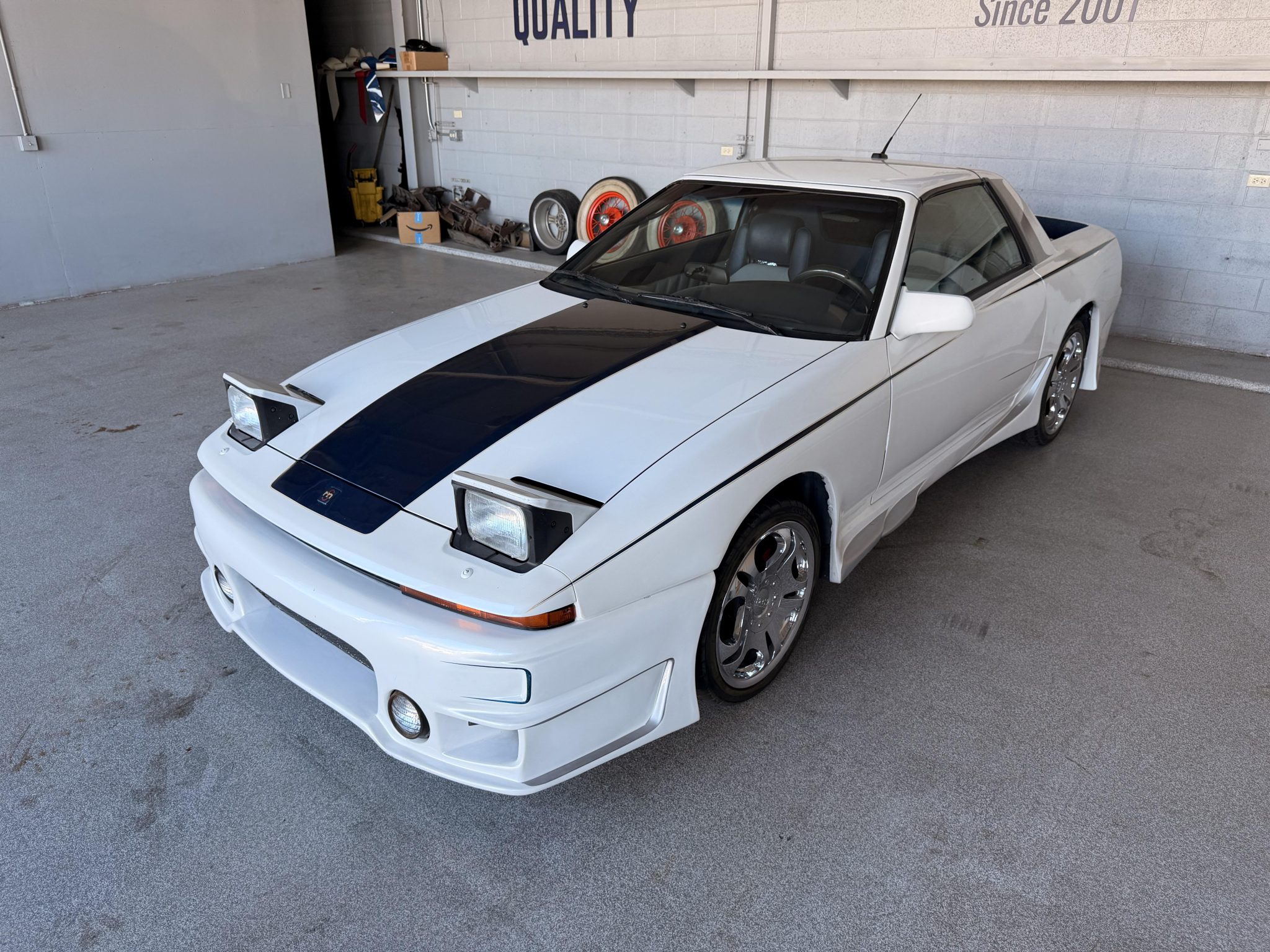 Current bid $1,777
Expand
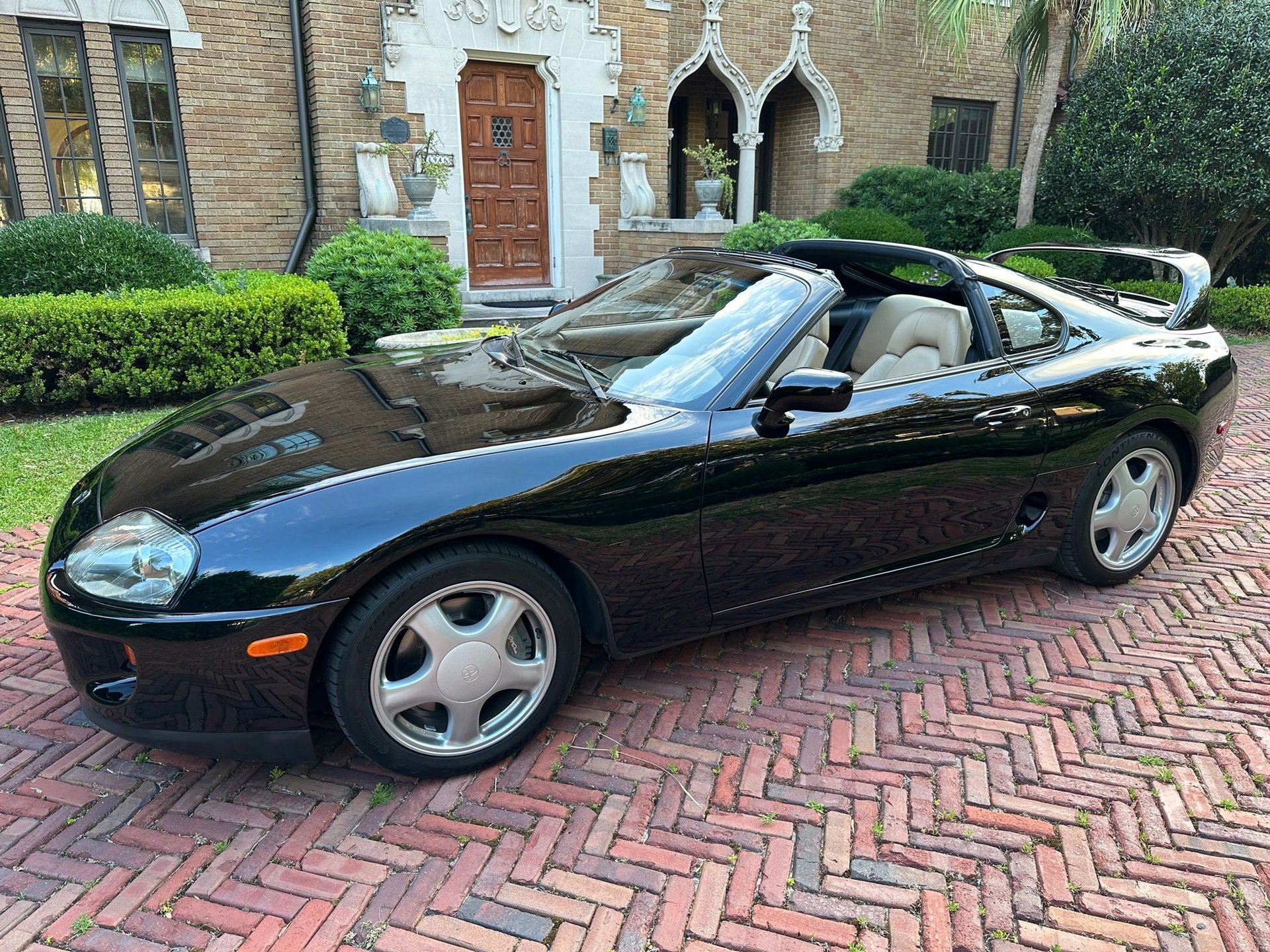 $29,500
Expand
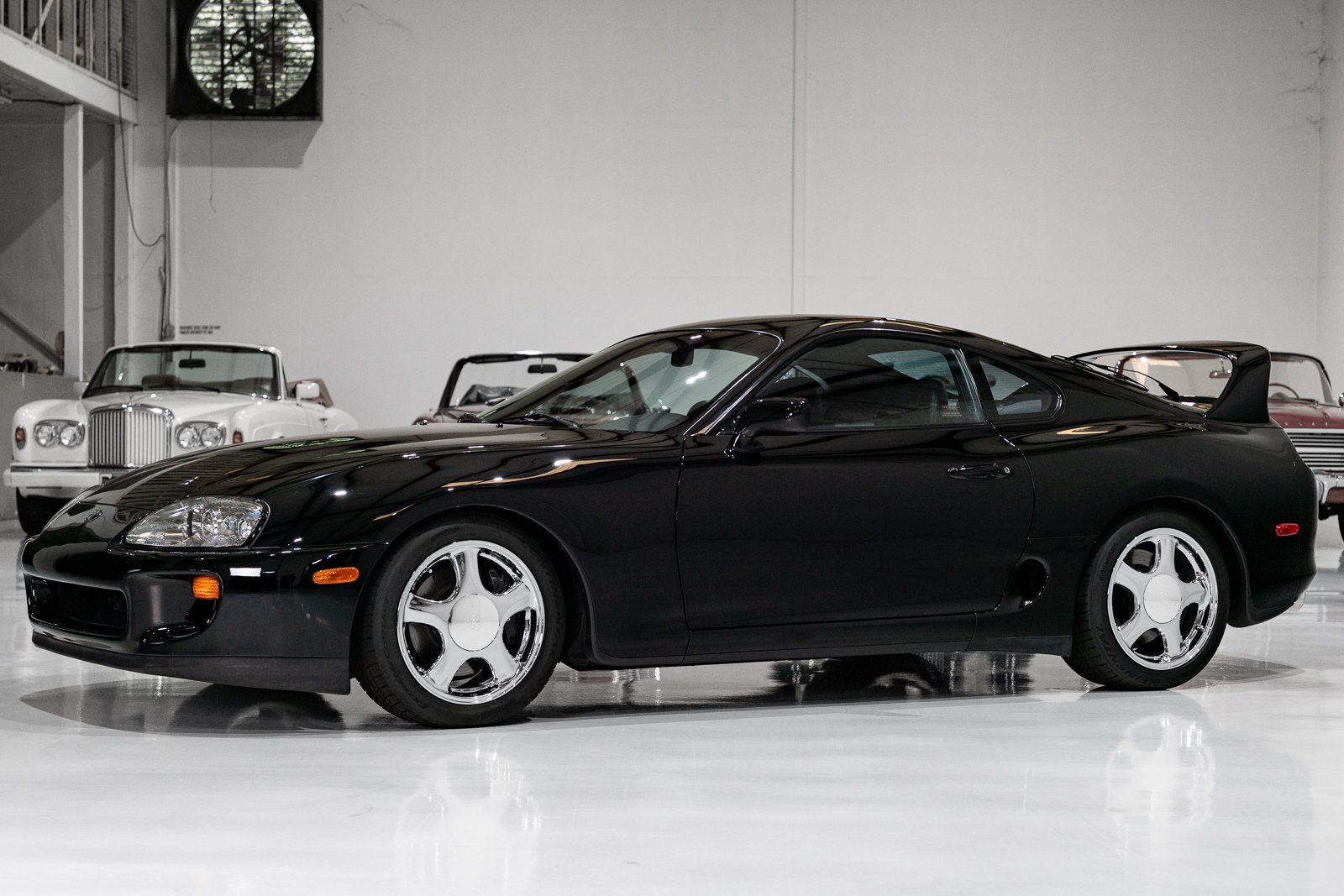 $219,900
Expand
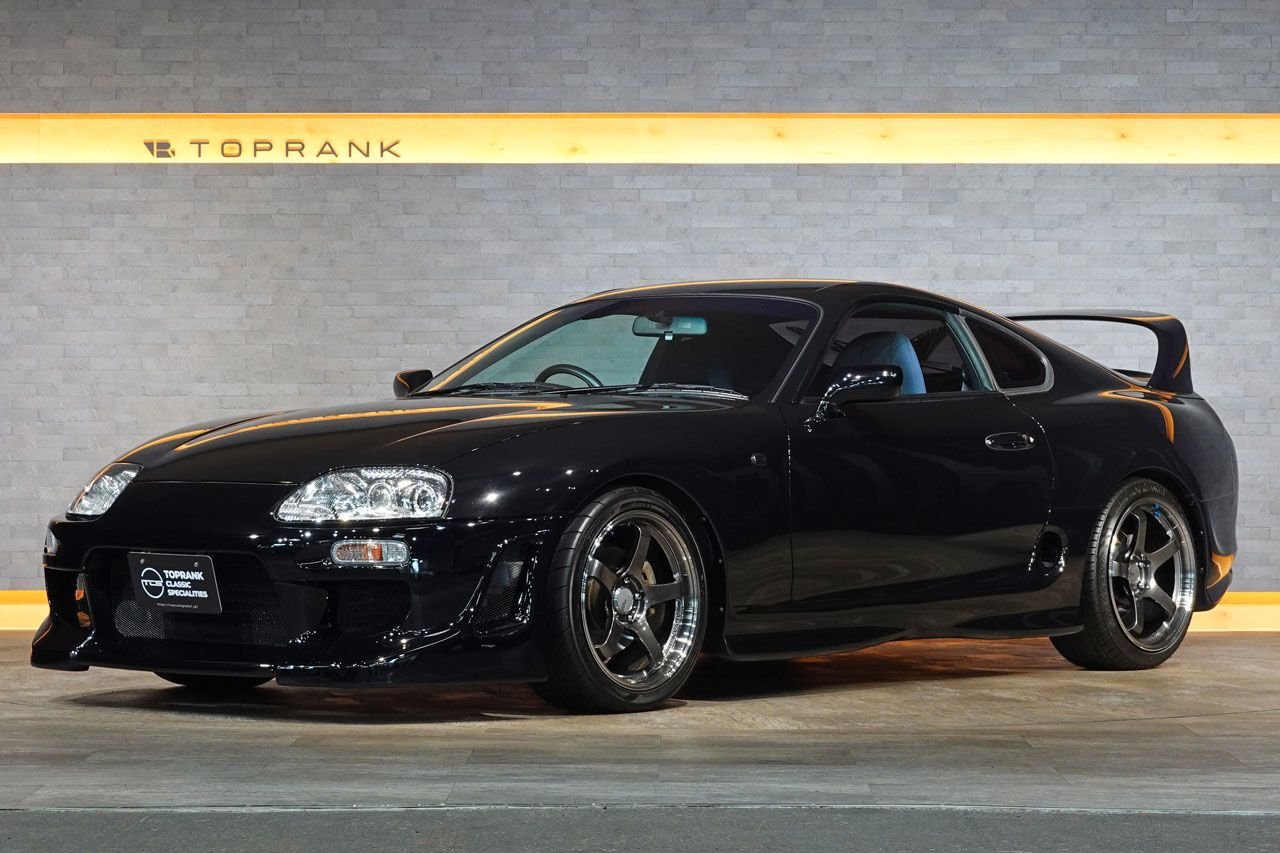
Expand
$25,000Expand
$2,000Expand
What they sell for: Supra sale prices.