
Buick Super buyer's guide
Buick Super -- the model's own buyer's guide: variants, values and what to check.
Years listed: 1940-1957 · Series: Full Size
Overview and history
The Buick Super is the middle Buick — and for most of its life, the Buick most people actually bought when they wanted the big car without the big car's price. It entered the range for 1940 as the Series 50, sitting above the smaller Special (Series 40) and below the Century, the Limited and the Roadmaster, and it stayed in that slot, with a break for the war years, until the name was retired after 1958 and its place taken by the Invicta for 1959. Across those eighteen model years the Super changed almost everything except its job: it began as a straight-eight car with pre-war styling roots, became the archetypal early-fifties American sedan with a toothy grille and a Dynaflow automatic, and finished as a chrome-laden Nailhead V8 hardtop in the tailfin era.
The formula underneath barely changed, and it is pure Buick: an overhead-valve Fireball straight-eight when its rivals mostly ran flatheads or sixes, coil springs at all four wheels when most American cars still rode on a leaf-sprung live rear axle, and a torque tube driveline that enclosed the propeller shaft and located the rear axle, a layout Buick clung to long after everyone else had gone to an open Hotchkiss drive. Add Dynaflow — Buick's own torque-converter automatic, offered on the Super from 1949 and near-universal within a few years — and you have a car engineered for one thing above all: quiet, unhurried, straight-line comfort.
That matters to you now because it defines what a good Super feels like and what a bad one costs. These are heavy, softly sprung, body-on-frame cars with a tough, comparatively simple mechanical recipe — but they are now between roughly seventy and eighty-five years old, and they were working family cars, not pampered exotics. They were driven until they stopped, parked when they stopped, and restored in waves whenever values justified it. The spread between the best and worst Super you will look at is therefore enormous, and it is mostly a spread of body, chrome and completeness, not of mileage.
Our own listings underline how mixed the surviving population is. We currently track 17 Supers, 11 of them for sale, and the years run from 1940 to 1957 — the straight-eight cars dominate, as they do in the wider market. In the small set we photo-checked in detail for this guide — 8 cars — rust was mentioned in the notes for 7, and damage of some kind likewise in 7 of 8. Treat that as the honest starting assumption: you are not shopping for a car that might have rust. You are shopping for the car whose rust you can fully see, measure and price.
One more warning, because the Super attracts it more than most Buicks: this is a favourite base for customs and street rods. A lowered car on modern alloy wheels, a car wearing a later V8, a car described in its own listing as a custom or a street rod — these are part of the Super's modern population, and some are excellent cars, but they are a different purchase from a factory Super and must be inspected and valued as modified cars. This guide is written for the factory car.
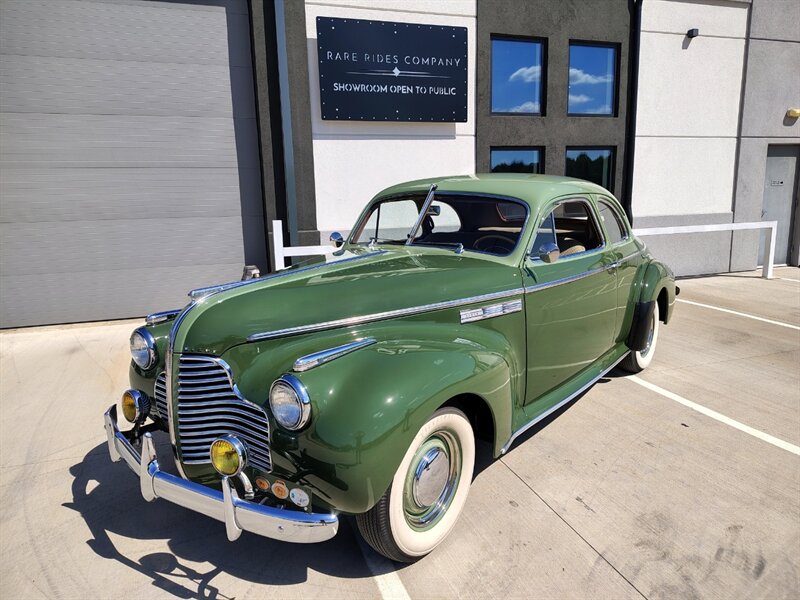
The models
Every Super is a Series 50, and every Super is a full-size Buick: the same basic body and chassis family as the Roadmaster in most years, with less trim, a shorter option list and — in the straight-eight years — a smaller engine than the Roadmaster's. The Special below it was the smaller, cheaper car; the Century was the hot rod of the range, the big engine in the lighter body; the Super was the sensible big Buick, sold in the body styles American families actually wanted. Across the run you will meet four-door sedans in the greatest numbers, two-door coupes and the fastback Sedanets that were a Buick speciality of the 1940s, convertibles in small numbers, hardtop Rivieras from 1950 onward, and — in selected years — a wood-bodied Estate Wagon that is now the rarest Super of all. Because the model ran for eighteen years through three distinct eras, the useful way to shop is by era, not by individual year; the table below splits the range the way the cars themselves split.
| Model | Years | Engine | Output | Built | Character |
|---|---|---|---|---|---|
| Super Series 50 (pre-war) | 1940–1942 | 248 cu in Fireball straight-eight | 107 hp (1940) | — | The original; pre-war styling, manual gearbox, compound carburetion on the later option list |
| Super Series 50 (post-war eight) | 1946–1948 | 248 cu in Fireball straight-eight | — | — | The pre-war car warmed over; Sedanet fastbacks at their best |
| Super Series 50 (Dynaflow era) | 1949–1950 | 248, then 263 cu in Fireball straight-eight | — | — | All-new post-war body, VentiPorts arrive, Dynaflow offered then spreading fast |
| Super Series 50 (late eight) | 1951–1953 | 263 cu in Fireball straight-eight | — | — | The last straight-eights; 12-volt electrics for 1953, hardtop Riviera in the range |
| Super (Nailhead) | 1954–1956 | 322 cu in Nailhead V8 | — | — | All-new 1954 body, V8 smoothness, variable-pitch Dynaflow from 1955 |
| Super (final cars) | 1957–1958 | 364 cu in Nailhead V8 | 300 hp (1957) | — | The biggest, heaviest, most chromed Supers; 1958 is the last year of the name |
Production totals are deliberately left blank in this table: period figures are quoted by series and body style from sources that do not always agree, and a guide that prints a number it cannot stand behind helps nobody. The Super was a volume model in every year it was offered — sedans in particular were built in the tens of thousands annually in the good post-war years — and survival, not original production, is what makes a variant rare today. Convertibles and Estate Wagons were always the low-production bodies; sedans were the backbone and remain the easiest Super to find and the cheapest to buy in any era.
The pre-war cars (1940–42). The Super was new for 1940, and the 1940 car is the most overtly pre-war of the run: separate headlamps, a horizontal-bar grille, running-board-era proportions under the new styling. For 1941 the body was reskinned into the smoother, skirted shape that carried through the short 1942 season, and Buick offered its Compound Carburetion — twin carburettors that staged in as you opened the throttle — as the performance option. Civilian production stopped early in 1942 as Flint turned to war work. These cars are three-speed manual, 6-volt, and the most vintage-feeling Supers to drive: 1930s engineering in a 1940s suit, which is either the point or the problem, depending on you.
The post-war eights (1946–53). Buick resumed with warmed-over 1942 styling for 1946–48, and the Super Sedanet — the fastback two-door — is the shape most people picture from those years: a long, unbroken roofline sweeping into the tail. The all-new post-war body arrived for 1949, lower and wider, and with it the detail that identifies a Buick at fifty paces: VentiPorts, the small portholes on the front fenders. The counting rule is your first identity check on any 1949-onward car — a Super wears three VentiPorts per side, a Roadmaster wears four. Ports can be added, filled or swapped with fenders, so treat the count as a clue and not a verdict, but a "Roadmaster" with three ports, or a Super with four, has a question attached to it. Dynaflow was offered from 1949 and took over steadily; by the early fifties a manual Super is the exception. The 263 eight replaced the 248 during 1950, the Riviera hardtop joined the range the same year, and 1953 — the last straight-eight year — brought 12-volt electrics.
The Nailhead cars (1954–58). For 1954 Buick restyled completely — lower, squared, panoramic windshield — and re-engined the Super with the 322 cu in Nailhead V8 the Roadmaster had introduced the year before. The straight-eight, and with it the last mechanical link to the 1940 car, was gone. These are substantially more modern cars to drive: more power, steering assistance widely fitted, and from 1955 a variable-pitch Dynaflow that answered the original's one real fault, its lazy step-off. The 1957 cars got the larger 364 and the most flamboyant styling of the run; the 1958 cars added still more chrome and were the last Supers, as Buick renamed its whole range for 1959. Buy a 1957–58 car for what it is — a big, heavy, late-fifties American car — with your eyes open about the chrome bill and the fuel consumption.

Engines and gearboxes
The Fireball straight-eights: 248 and 263
Every Super from 1940 to 1953 runs Buick's overhead-valve straight-eight, an engine whose basic design Buick had been refining since the early 1930s and which earned its Fireball name from the turbulence built into its combustion chambers. Two sizes concern you. The 248 cu in (about 4.1 litres) powered the Super from 1940 through the early part of 1950; the 263 cu in (about 4.3 litres) replaced it during 1950 and carried the car to the end of straight-eight production in 1953. The Roadmaster's bigger 320 cu in eight was never a factory Super engine — so an early Super claimed to have the big engine is either misdescribed or modified, and in either case the engine number, stamped on the block, is what you believe. Both Super eights share the same architecture and ownership story: a long, heavy, low-stressed iron block and head, five main bearings, a single downdraft carburettor in standard tune, and a reputation for smoothness that was the entire reason Buick buyers paid extra over a Chevrolet or a Pontiac.
A healthy Fireball eight has a very specific character, and you should learn it before you shop, because it is your cheapest diagnostic tool. It should start readily, hot or cold, idle almost silently and uncannily smoothly — a straight-eight in tune does not rock, lump or hunt — pull from low speed in a high gear without protest, and run cool with steady oil pressure. Departures from that script are information. A lumpy idle on an engine famous for smoothness is never "character"; it is a vacuum leak, a carburettor fault, a valve that is not seating, or ignition trouble, in roughly that order of likelihood and cost.
The failure mechanisms are age mechanisms, not design flaws. Valve gear wears and clearances drift, and an eight whose clearances have not been checked in decades gets noisy at the top end and lazy everywhere. The exhaust manifold's heat-riser valve — the flap that routes exhaust heat to warm the intake on a cold engine — seizes with age; stuck shut it cooks the carburettor and gives vapour lock and hot-start misery, stuck open it gives a cold-blooded car that spits back on winter mornings. Test it by moving its counterweight by hand on a cold engine: it should move against its spring and snap back. Carburettors wear at the throttle shaft, and a worn shaft leaks air no idle mixture screw can compensate for — the classic presentation is an idle that will not settle to the same speed twice. A rebuild that includes rebushing the shaft is real money done properly, in the region of a few hundred dollars for the rebuild itself; a kit and a prayer is not the same job.
Compound Carburetion, the twin-carburettor setup offered on the 1941–42 cars, deserves its own paragraph because sellers price it and buyers fear it in about equal measure. Two carburettors sit on a special intake manifold; the engine runs on the rear one in normal driving and the front one stages in under load. Set up correctly it works well and the extra performance is real. When it is not — linkage worn, the two carburettors out of synchronisation, one rebuilt and the other not — the car is worse than a single-carburettor car in every way. The distinguishing test is behavioural: a compound car should pull cleanly and progressively as you open the throttle from a cruise. A flat spot, then a surge, is the second carburettor arriving late and all at once — a linkage and synchronisation problem before it is anything more sinister.
Oil leaks on the eights are a way of life at the period seals and gaskets, and the honest question is volume, not presence. A car that marks its space lightly and uses little oil is a normal old Buick; one whose underside is washed in fresh oil is telling you about worn rings, worn guides or a breather system no longer coping with blow-by. Blue smoke on start-up after sitting points at valve guides and seals; blue smoke under sustained load is rings, and on an eight that is an engine-out, full-rebuild conversation — budget several thousand dollars for a proper rebuild at a shop that knows straight-eights, a list that shrinks every year.
The cooling system is the eight's other age trap, and it kills more of these engines than wear does. Radiator cores are large, old and frequently silted, and the long iron block distributes heat unevenly when the system is marginal, so the first symptom is often not the gauge but a head gasket or a warped head at the hot end. A Super eight that runs hot in traffic, pushes coolant out, or shows rusty water rather than coolant needs a full cooling recommission — radiator recore or replacement, pump, hoses, thermostat and a flushed block — before any other diagnosis is trusted. Price it in the low thousands of dollars if the radiator needs a recore, and never accept "they all run hot" as an explanation. They did not when they were new.
The Nailhead V8s: 322 and 364
For 1954 the Super went V8, with Buick's Nailhead — so called for its small, upright, nail-like valves, a layout chosen for the combustion chamber shape it allowed in a compact, narrow engine. The Super's engine was the 322 cu in (about 5.3 litres) version, shared with the Roadmaster and the Century in different states of tune, for 1954, 1955 and 1956. For 1957 and 1958 the Super moved to the enlarged 364 cu in (just under 6.0 litres) Nailhead, rated at 300 hp in 1957 form and the strongest engine ever fitted to a Super. The Special's smaller 264 was not a Super engine, so — as with the straight-eights — the engine should match the badge, and the stamped engine number is the arbiter when a seller's story and the car disagree.
The Nailhead's virtues are exactly what the car needed: it makes its torque low down where a Dynaflow car lives, and it is a fundamentally durable design with a strong bottom end. Its vices are equally well documented. The valves are small, so the engine does not reward revs and should not be judged like a later big-block; a Nailhead breathless at the top end but pulling hard and clean from low speed is behaving correctly. Oil leaks gather at the valley cover and the rear of the engine. The exhaust manifolds crack with heat cycles, and a ticking loudest on a cold start that fades as the engine warms is a manifold crack or gasket announcing itself — the fade-with-heat test separates it from a valvetrain tick, which does not go away. Manifold replacement is a parts hunt as much as a repair job, and a manifold welded badly once will crack again beside the weld.
The Nailhead's real ownership trap is the same as the eight's, one generation on: cooling and deferred maintenance on an engine that hides its distress well. A 322 or 364 that starts, idles and cruises sweetly can still have worn timing components, tired valve seals and a cooling system held together by habit. Smoke behaviour is your screen, read exactly as on the eight: blue on start-up and on the overrun is valve seals and guides, a known and bounded job; blue under load is ring and bore wear, and a Nailhead rebuild is a specialist bill in the several-thousand-dollar range. A milky dipstick, coolant loss with no visible leak, or bubbles in the radiator neck are head-gasket symptoms, and on an engine of this age a head gasket is rarely just a gasket — it is the cooling-system investigation described above, with the heads off.

Gearboxes: the three-speed manual and Dynaflow
The standard gearbox of the early Super is a three-speed manual with synchromesh, column-shifted in the American manner, driving through the torque tube to the rear axle. It is a simple, strong box, and its faults are the honest faults of age: worn synchromesh that crunches on the change down into second, a column linkage so worn that gear selection becomes a negotiation, and a clutch that judders, slips under load in top gear, or drags and makes first hard to engage at a standstill. Test the synchromesh deliberately — a brisk downchange into second at moderate speed — and test the clutch by loading the engine at low revs in top: slip shows as revs rising without the car surging forward. A clutch replacement on a torque-tube Buick is more labour than on a conventional car, because the driveline comes apart in Buick's own order; get a quote from someone who has done one before assuming it is a cheap job.
Dynaflow is the gearbox most Supers actually have, and the one most misunderstood by buyers raised on modern automatics. It is not a geared automatic that happens to be smooth. In its original form it drives through a multi-element torque converter and offers no perceptible gear change at all in normal driving: you select Drive, the car moves off, and speed builds in one continuous, elastic surge, with a characteristic rise in engine note that does not correspond directly to road speed. That is correct behaviour. A Dynaflow that "never changes gear" is not stuck; one that feels lazy pulling away in its earliest form is also, to a degree, itself — step-off was the original design's acknowledged weakness, answered progressively by the twin-turbine developments of the early fifties and then by the variable-pitch stator of the 1955 Variable Pitch Dynaflow, which gives a surge of extra multiplication when you floor the throttle, the nearest thing the design has to a kickdown.
What is not correct behaviour, on any Dynaflow, is the following list, each item a negotiation point or a walk-away depending on severity. Delayed or reluctant engagement of Drive or Reverse from rest, especially when cold, points to low fluid, worn seals or a tired pump. A car that creeps weakly and needs large throttle openings to move at all is slipping in the converter or starved of pressure. Whining that rises with engine speed, shuddering under load, fluid that is dark and smells burnt rather than red and clean, and leaks from the converter housing and torque tube joint all belong in the same conversation: a Dynaflow rebuild is specialist work, realistically a few thousand dollars with removal and refitting, and the number of shops with genuine Dynaflow experience is small and shrinking. The fluid check is your five-minute screen: level correct with the box warm, fluid red and unburnt, engagement prompt in both directions. A seller who will not let you check a Dynaflow car's fluid is telling you something.
Decide which Super you want before you shop: the manual car is more engaging, more economical and cheaper to repair, and in the pre-war years it is the authentic experience; the Dynaflow car is the relaxed cruiser the model became famous as, and from the early fifties on it is simply what a Super is. A manual 1952 or 1953 car is a rare curiosity — check it is exactly that and not a conversion, and do not pay a rarity premium the market may not return.
Problem areas
Everything in this section follows the order you should use on a real car: structure first, then the running gear, then the cabin and brightwork — because the costs run in that sequence too. Almost any mechanical fault on a Super can be fixed with money and patience. Structural rust and missing chrome are the two things that reliably turn a cheap Super into an expensive one, and they are the two things sellers' photographs most reliably avoid. Our own photo-checked sample says it plainly: of the 8 Supers we examined in detail, rust was noted in 7 and damage of some kind in 7. Plan your inspection for the car the statistics describe, not the car the advertisement describes.
Rust: the map
A Super is a body on a separate frame, and that is genuinely good news: unlike a unit-body car, a Super with rusty cosmetic panels is not automatically a structural write-off, and one with a sound frame and sound body mounts can be saved in stages. But do not let the frame make you casual. The body itself carries the floors, the sills that tie its sides together, the mounts that attach it to the frame, and the cowl and pillars that hold the doors and windshield. Work through the map in this order.
Frame and body mounts. Get the car on a lift if you possibly can — on a Super it is worth more than on almost any car of its era, because so much of the verdict lives underneath. The frame rails should be straight, unpatched and free of perforation, with particular attention to the body mount outriggers, the spring seats, and anywhere mud and road salt collect against a crossmember. Surface scale is normal at this age and treatable. Perforation, flaking rust, and patch plates welded over rot are not: frame repair is fabrication, priced per car, and a frame that needs it in several places ends most purchase arguments. The rubber body mounts perish, compress and split, and a car sitting unevenly, or one whose doors have dropped and whose panel gaps wander, may be telling you about mounts and body sag before anything else. A mount set is parts money; the labour is in lifting a heavy old body evenly, and broken mount bolts on a seventy-year-old car are the rule, not the exception.
Floor pans and trunk floor. Water gets in past windshield and rear window seals, past the cowl vent on the early cars, and through failed door seals, and then it sits — under carpets, under the trunk mat, in the spare wheel well — and works from the top down while the underside still looks presentable. Lift every carpet you are allowed to lift. Prod the pans with a screwdriver handle, not the tip, and listen: sound metal rings dully, thin metal sounds papery, holed metal is obvious. Floor repairs run from a few hundred dollars for a localised patch to well into four figures a side for proper pan replacement with the interior out — and floors almost never rot alone, so floor rust is a marker to look harder at everything below the window line. The trunk floor and spare wheel well are the same inspection in the back: lift the spare and the mat, and look in the well corners and along the rear panel seam.
Sills, rockers and the lower body. The rocker panels trap mud thrown up by the wheels and rot from inside. Press firmly along their full length, look for paint bubbling low on the fenders and doors, and be immediately suspicious of fresh underseal, fresh stone-chip or new sill covers applied for the sale — nobody re-underseals a sound car the week before selling it, for your benefit. The bottoms of the front fenders behind the wheels, the lower rear quarters, and the splash areas inside the wheel arches all belong to this pass. On Sedanets, add the trunk opening surround, where the fastback's water management concentrates everything the roof sheds. On hardtops, add the base of the rear pillars and the panel below the rear window — a pillarless roof flexes, its seals age, and the water goes exactly there.
Doors, cowl and the small traps. Door bottoms fill with water when their drain slots block, and rot from the inside out: run a fingertip along the bottom edge of every door and feel for bubbling under the paint, then check the drains are clear. The cowl sides and windshield pillars carry both water and structural duty, and rust here is disproportionately expensive because it is tied into the windshield frame. The battery box deserves a minute wherever the battery lives on the year you are looking at — acid damage works quietly under and around it and shows first as lifted paint and soft metal at the tray's edges. Headlamp surrounds, lower valances and splash aprons are the smaller change of the same currency: none kills a car alone, all of them together describe how the car has lived.
Chassis, suspension, steering and brakes
Buick's chassis recipe — independent front suspension with coil springs, coil springs at the rear locating a live axle through the torque tube — was the comfort benchmark of its class, and its wear pattern is the wear pattern of any heavy car on soft springs, multiplied by seventy years.
Front suspension and steering. The front end locates each wheel on an upright carried by pivots and bushings designed to be greased, and like every grease-era chassis it suffers when the greasing stopped, which on most cars was decades ago. Worn kingpin and bushing assemblies give play you can feel by rocking the front wheel top to bottom with the car jacked, a knock over bumps, vague steering and front tyres wearing on one edge. But follow the discipline that applies to every greased chassis: never condemn a pivot dry. Hardened old grease can make a sound joint feel loose, and the honest sequence is to grease everything properly first — warming a joint that will not take grease — and only then measure the play. A full front-end rebuild with the uprights rebushed and reamed is a specialist job in the region of a thousand dollars a side and upward; a grease gun is nearly free. Do that arithmetic in the right order. Steering boxes wear in the straight-ahead position where they live, giving free play at the centre that adjustment can reduce but not cure once the wear is real; power steering, increasingly common on the Nailhead cars, adds a pump, hoses and a control valve to the leak list, and a system that groans, foams its fluid or goes heavy at parking speeds is asking for a pump or valve rebuild, not a top-up.
Rear axle, torque tube and springs. The rear coils sag, and a Super that sits tail-down with its rear wheels upright usually just wants springs; measure arch heights side to side and front to rear and write them down, because your eye will talk you out of what a tape measure would have settled. The torque tube encloses the propeller shaft and takes the axle's driving and braking torque into the chassis, which makes it a structural part of the driveline: its joints, bushings and seals wear and leak, and a driveline clunk on taking up drive, or a vibration that arrives at one road speed and leaves at another, belongs to the tube, the universal joint within the system and the axle, investigated in that order. Rear axle noise — a whine on the overrun, a hum under load — is wear in a final drive that was quiet when new; an axle rebuild is old-fashioned gear work, available but not cheap, and an axle merely weeping at its seals is a monitor-it item, not a rebuild.
Brakes. Every Super stops on drum brakes at all four wheels, and the system's condition is a recommissioning question, not a design question: properly rebuilt, correctly adjusted drums stop a car of this weight adequately for period driving, with fade on long descents the known limitation you drive around. What seventy years actually delivers is seized or leaking wheel cylinders, a master cylinder bypassing internally (the pedal that sinks slowly under sustained pressure — test exactly that, foot hard on the pedal for thirty seconds in the seller's driveway), perished hoses, and drums scored or worn beyond their limits. A full hydraulic refresh — master and wheel cylinders, hoses, shoes, drums skimmed or replaced as measured — is a four-figure job at shop rates, and non-negotiable money on any car that has sat. Power brake units on the later cars add a vacuum booster whose diaphragm fails with age: a hissing pedal, a hard pedal with the engine running, or an idle that stumbles when you press the brake are its signatures. And check tyre date codes, not tread: old whitewalls with full tread and ten-year-old rubber are a replacement set waiting to be bought.

Interior, trim, chrome and electrics
The cabin of a Super is broad, upright and trimmed in cloth, vinyl or — on better-specified cars — leather, over deep sprung seats. Its enemies are sun, water and time. Seat springs sag and break, and the test is to sit in the driver's seat, not admire it: a seat that lets you feel its frame, or that sits you noticeably lower than the passenger seat, needs its spring box repaired and its padding renewed before any retrim makes sense — re-covering a collapsed seat gives you a beautiful collapsed seat. Original upholstery in good order is worth real money, because a quality retrim in correct materials runs well into four figures and a full leather interior into five. Headliners sag and stain, and a stained headliner is a water map: match its stains to the window seals above it. Door cards warp at their bottoms where door water has reached them, tying this inspection back to the door-drain check in the rust section.
Wood is not a Super issue — these are painted and chromed interiors — but brightwork is the Super's defining cost trap: a Super carries an enormous quantity of plated metal. Grille teeth and bars, bumpers and overriders, window surrounds, side spears, VentiPort bezels, lamp rims, handles, mirrors and a dashboard's worth of interior brightwork. Re-plating is priced per piece and the pieces are numerous; a full re-chrome of a late, heavily chromed Super is a five-figure programme, and even an early-fifties grille assembly, with its many individual teeth and bars, is a serious bill on its own. Count the pitted, peeling and missing pieces on any car you view, piece by piece, and price the count before you fall for the paint. Pot-metal pieces — handles, bezels, emblems — pit worst of all and are the hardest to restore and the scarcest to replace. Missing trim is worse than damaged trim: a damaged piece can be restored, a missing one must be found.
Electrics split by era. Cars through 1952 are 6-volt, and their faults are the 6-volt faults: every connection must be clean and every earth sound, because a 6-volt system has half the margin for voltage drop of a 12-volt one, and the classic symptom — a starter that cranks slowly and lights that dim to amber — is more often resistance in cables and earths than a dead battery or a tired starter. Test by cleaning and by measuring, not by replacing parts in sequence. From 1953 the cars are 12-volt and the faults become the universal ones: perished wiring insulation, tired switches, window and seat motors that have gone slow and dry, and gauges that lie because their senders or earths have aged. A car in which everything electrical demonstrably works — lights, horn, wipers on all speeds, heater blower, every gauge reading plausibly — has usually been used and maintained, and that is the best single character reference an old car can give you. The heater deserves its thirty seconds on every viewing, whatever the weather: run the blower on every speed and feel for heat with the engine warm, because heater cores leak into the passenger footwell (sweet smell, damp carpet, a film on the inside of the windshield) and the core and blower live behind the dashboard, where labour is never cheap.
How to inspect one
Allow at least an hour, and bring a torch, a tape measure, a magnet wrapped in cloth and a notebook. On a car of this age and weight, pay for a lift inspection before money changes hands if the car passes your own checks — the underside is where a Super keeps its secrets, and an hour on a lift is the cheapest information in the whole purchase.
- Paperwork and identity first. Match the serial number on the title to the car's plates and stampings, and record the engine number from the block. On a straight-eight car the engine should be a Super eight — 248 or 263 according to year — and on a Nailhead car a 322 or 364; a different engine is a modified car, priced as one. From 1949, count the VentiPorts: three per side says Super, four says Roadmaster, and a mismatch between the count, the badges and the paperwork is a question the seller answers before you go further.
- Cold start. Insist the engine is cold when you arrive — a warmed-up car is a seller's oldest trick. A Fireball eight should start readily and settle to a near-silent, even idle; a Nailhead should start on the button and idle cleanly. Watch the exhaust: blue smoke is oil, and whether it clears (valve seals) or persists (rings) prices two very different jobs. Listen for a cold tick that fades as the engine warms — on a Nailhead, suspect the exhaust manifold before the valvetrain.
- Oil, water and the dipstick story. Check the oil level and condition, smell the filler cap, and look at the coolant — it should be coolant, not rust water. Milky oil, coolant loss with no drip, or bubbles in the radiator neck with the engine running all stop the inspection until they are explained. On a straight-eight, check the heat-riser counterweight moves freely against its spring; a seized riser explains a season of hot-running complaints and will be in your future if you buy the car.
- Under the car. Torch along the frame rails, the body mount outriggers, the spring seats and every crossmember junction. Perforation in the frame is structural and reprices or ends the purchase. Read the coating as you go: patchy, aged underseal with honest chips is a survivor; a fresh, uniform coat blown over everything — seams, pipes, mounts and all — is a question, not an answer. Prod floor and trunk pan seams from below and compare what you find with what the carpets showed you.
- Floors, trunk and spare well from inside. Lift every carpet you may, and lift the spare wheel and the trunk mat. Water staining, papery metal and damp smells are the findings that matter; on a convertible add the top well and the floor beneath the rear seat, and check that the doors have not begun to pinch — sag announces itself there first.
- Body, doors and chrome census. Run the wrapped magnet over the rockers, lower fenders, door bottoms and rear quarters; filler announces itself where the magnet's pull fades. Feel along every door's bottom edge for bubbling and confirm the drain slots are clear. Then do the chrome count, piece by piece — grille, bumpers, spears, bezels, handles, lamp rims — and write down the pitted, peeling or missing pieces. That list, priced, is part of the car's real asking price.
- Stance and springs. Stand back and look, then measure arch heights, side to side and front to rear, with the tape. A level car on tired springs sits low and even; a car down on one corner or sagging at the tail is telling you about springs, mounts or structure, and the tape tells you which corner to investigate on the lift.
- Front end and steering. Rock each front wheel top to bottom and side to side for play — but remember the grease rule from the problem areas: play in a dry, ungreased joint is a question, not a verdict. Note it, price the rebuild, and let a post-grease check settle it if you buy. Turn the steering lock to lock and feel for roughness and straight-ahead free play; on a power-steered car, listen for pump groan and check the fluid for foam.
- The gearbox test. On a manual car, make the brisk downchange into second and load the clutch in top gear at low revs. On a Dynaflow car, check the fluid first — level, colour, smell — then engage Drive and Reverse from rest, cold: engagement should be prompt in both directions. On the road, expect one continuous surge with no gear change; judge the box on engagement, shudder, whine and how little throttle moves the car, never on the absence of shifts.
- The test drive. Fifteen minutes minimum, including a stretch at highway speed. A straight-eight should pull cleanly from low revs without a flat spot — on a compound-carburetion car, feel for the second carburettor arriving as a surge rather than a step. A Nailhead should pull hard low down and cruise quietly. Brake firmly from speed more than once: the car should stop straight, without pulling or judder, and afterwards hold the pedal hard down for thirty seconds at a standstill — a sinking pedal is a master cylinder confessing.
- Heat and electrics at idle. Let the car idle hot after the drive. Watch the temperature gauge and look for coolant being pushed out. Run the heater and blower on every speed whatever the weather, work every light, the horn, the wipers and every power accessory fitted, and on a 6-volt car watch lights and cranking speed together — dimming and slow cranking together are the 6-volt resistance story, diagnosed with a meter, not a parts cannon.
- Interior last. Sit in every seat, the driver's longest. Feel for broken springs and collapsed padding, look at the headliner as a water map, and check the door cards' bottom edges for the warp that means the doors have held water. A sound, original interior is the hardest part of a Super to recreate at any price, so weight what you find here heavily.
Values
The build below this guide carries the current market numbers — the cars listed now and the recorded sales — so this section teaches you how to read them rather than repeating figures that would date before the ink dried.
First, condition spread is everything, and it is wider for a Super than for almost any comparable car. The same model year and body style exists in the market as a parts car, a stalled project, an honest driver, a well-kept original and a fully restored show car, and the gaps between those rungs are not percentages, they are multiples. Compare a car against cars at its own rung, honestly placed — and place it by its structure, chrome and interior, not by its paint. Fresh paint is the cheapest rung-climber in the classic car world; a car with sound floors, a complete grille and an original interior is a rung above a shinier car without them, whatever the photographs suggest.
Second, asking prices and achieved prices part company on Supers more than on most classics, because so many cars are sold by estates, long-term owners and dealers who price from memory or hope. Auction results and recorded sales — the achieved side of the market block — are the corrective: they show what buyers actually paid, in public, on the day. A Super that sits listed month after month is not evidence the market is rising to meet it; it is evidence the market has read the car and declined. Negotiate from achieved figures and from your own inspection list — the chrome count, the floor findings, the Dynaflow's fluid — because a priced repair list is the one argument no seller can wave away.
Third, know which Supers carry premiums and why, so you can decide whether the premium buys you anything. Convertibles and the wood-bodied wagons sit at the top, on rarity and presence, and their premiums are real but so are their structural and restoration costs. Riviera hardtops carry a clear premium over the equivalent sedan in the Dynaflow years, and Sedanet fastbacks carry one in the forties cars; in both cases you are paying for the roofline, which is a perfectly good reason if the roofline is what you want. The 1957 cars are the most sought-after Nailhead Supers. Four-door sedans sit at the bottom of every year's order — which makes them, per dollar of Buick engineering delivered, the best value in the whole model run. Pre-war cars answer to a smaller, older market: buyers are fewer, sales slower, and condition and originality matter even more, because the pool of people who can recommission a 1941 Buick shrinks every year.
Fourth, price the project-versus-driver gap as the model's central fact. Between a project Super and a driving one lies not one bill but a sequence — structure, hydraulics, fuel system, cooling, tyres, chrome and interior decisions — each priced in the problem areas above, and the sequence almost always sums to more than the difference in asking prices. The honest driver with needs is usually the rational buy and the cheap project usually is not, unless it is a rare body style or your own labour is the point. There is no such thing as a cheap Super that stays cheap; there are Supers whose bills you have counted and Supers whose bills you have not.
Parts and ownership
The Super is a well-supported car by the standards of its age: Buick built a great many of them, they share a great deal with the other Buicks of their years, and the Buick hobby is old, organised and used to keeping these cars alive. The club scene — the Buick Club of America and its local chapters — is a genuine parts and knowledge network for this model, not a social extra, and joining it is among the first things a new owner should do.
Easy: service items for both engine families — plugs, points, filters, belts, hoses — brake shoes, cylinders and hydraulic components, water pumps, exhaust systems in standard form, glass and window seals, suspension wear parts, and the common Dynaflow service items. Tyres in period sizes, including whitewalls, are a standing product from the specialist classic tyre suppliers, not a special order.
Harder and dearer: chrome and pot-metal trim in good order — the model's defining scarcity — correct interior materials for a faithful retrim, straight-eight engine internals beyond the service level (the knowledge is scarcer than the metal, and a rebuild belongs with a shop that has done eights before), Nailhead exhaust manifolds, compound-carburetion parts for the early cars, convertible top frames and mechanisms, and anything specific to the wood-bodied wagons, which is a woodwork supply chain, not a car one. Dynaflow expertise, rather than Dynaflow parts, is the other scarcity: the rebuilders exist, they are known to the clubs, and finding yours before you need them is the ownership move.
Running costs. Budget the first year honestly. A Super in regular use needs ordinary old-car money: servicing, tyres by date rather than tread, and a rolling programme against the deferred list every one of these cars carries. A car that has sat — and a large share of the market has sat — needs the full recommissioning sequence before it is a car again: the fuel system cleaned end to end, because modern fuel attacks old rubber and leaves varnish in tanks and lines; every brake hydraulic component inspected and most renewed; all fluids changed, including the Dynaflow's; the cooling system flushed and its marginal components replaced rather than trusted. At shop rates that sequence is a four-figure programme before you improve anything, and doing it in the right order — safety and structure first, cosmetics last — is what separates a Super that becomes a car from one that becomes a second project. Fuel consumption is period American: expect the teens in miles per gallon from a straight-eight in mixed use and no better, often worse around town, from a Nailhead with Dynaflow. Storage matters more than insurance: a dry garage is the single most effective rust treatment ever devised, and every Super is old enough that where it sleeps decides how fast it ages.
Which one to buy
- The all-rounder: a 1950–1953 Super sedan or Riviera. The 263 eight, Dynaflow as most were sold, the classic early-fifties shape and the deepest supply of cars and parts in the model's history. If you want one Super to use, this is the centre of the market and the easiest ownership.
- The value buy: a four-door sedan, any era. The same chassis, engine and presence as the fashionable bodies, at the bottom of every year's price order. Buy the best sedan your budget reaches: more Buick, in better condition, than the same money buys in a hardtop.
- The pre-war experience: a 1940–1942 Super, ideally a coupe. Manual gearbox, 6-volt electrics, compound carburetion if you find a good one — the most vintage Super there is. Buy condition and originality above all; this market forgives nothing.
- The fastback: a 1946–1948 Sedanet. The most beautiful early Super. Accept the small trunk opening and rear headroom as the price of the roofline, and check the long rear quarters and trunk surround for rust twice.
- The cruiser: a 1954–1956 Nailhead car. V8 torque, variable-pitch Dynaflow from 1955, power assistance widely fitted — the Super as a relaxed, usable fifties car, without the chrome excess of the final years.
- The flagship: a 1957 Super. The 364, the 300 hp rating and the full late-fifties presence. The most collectable Nailhead Super — and the one where the chrome census in step 6 matters most, because it wears more brightwork than any Super before it.
- The specialist cars: convertible and Estate Wagon. Buy either only with the right inspection behind it — structure on the convertible, timber on the wagon — and a budget that respects what rarity costs to keep.
And the rule that overrides all of the above: buy the soundest structure and the most complete chrome and interior you can find, in the era and body style you can live with. Engines, Dynaflows, brakes and cooling systems are all fixable at prices you can plan for. A rotten frame, a missing grille and a gutted interior are the three bills that turn a Super from a car into an obligation — and they are what your inspection, done in this guide's order, exists to find before your money does.
See the 12 Super cars currently listed.
For sale now
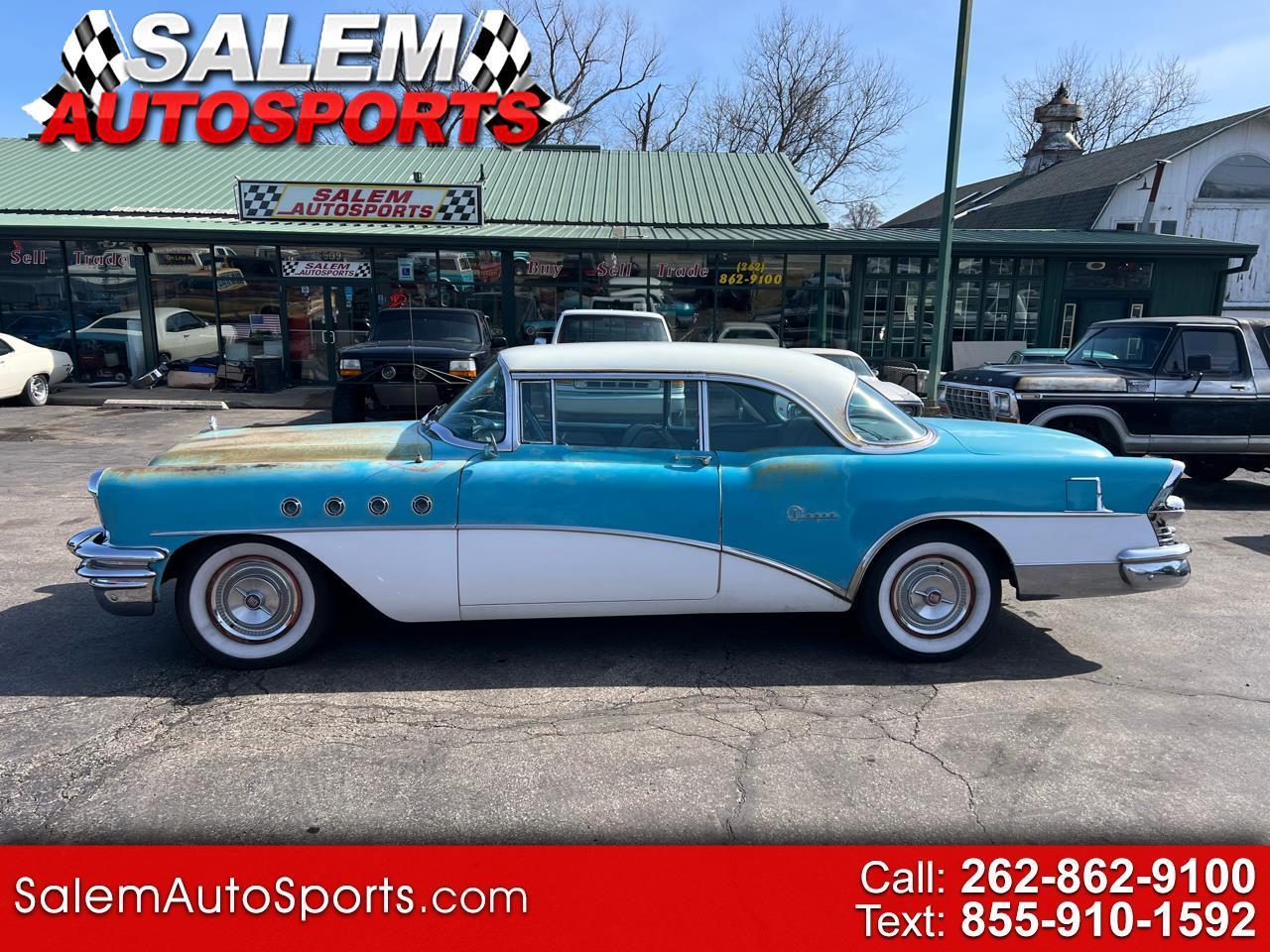 $15,995 · 48% below typical
Expand
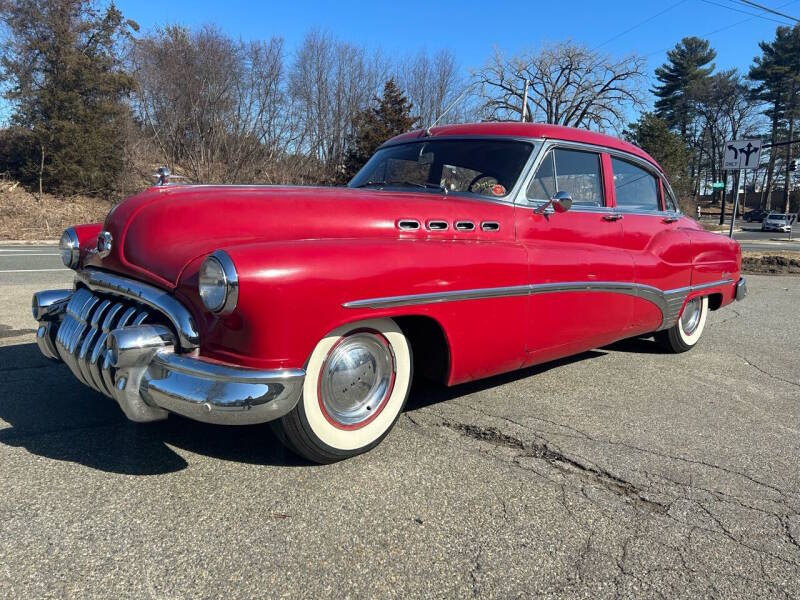 $15,900 · 48% below typical
Expand
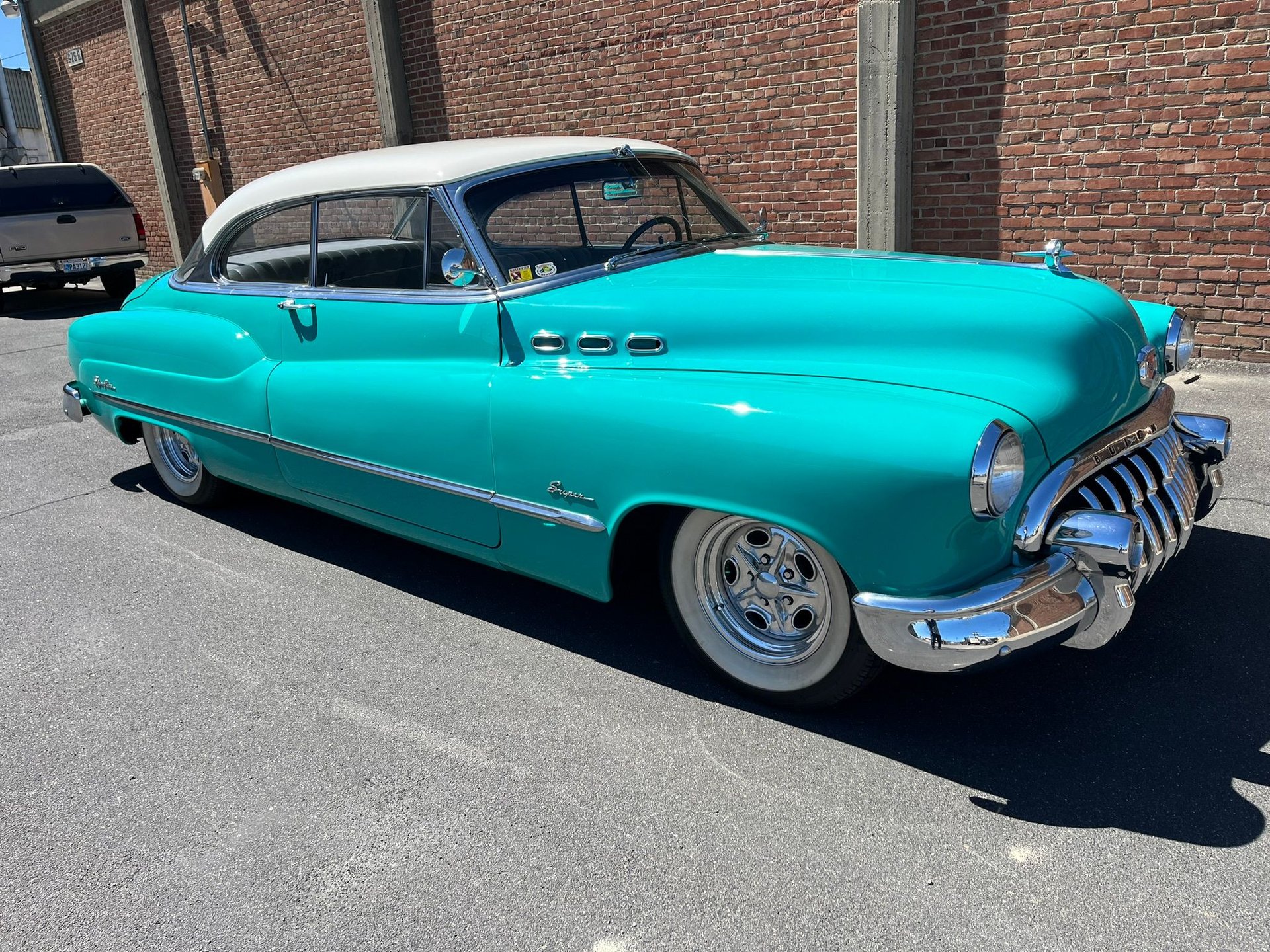 $39,500 · 28% above typical
Expand
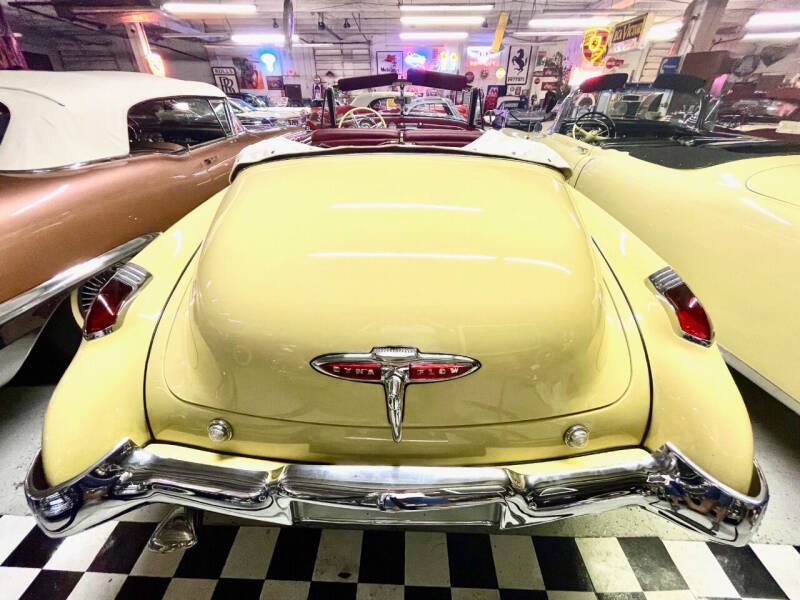 $71,500 · 132% above typical
Expand
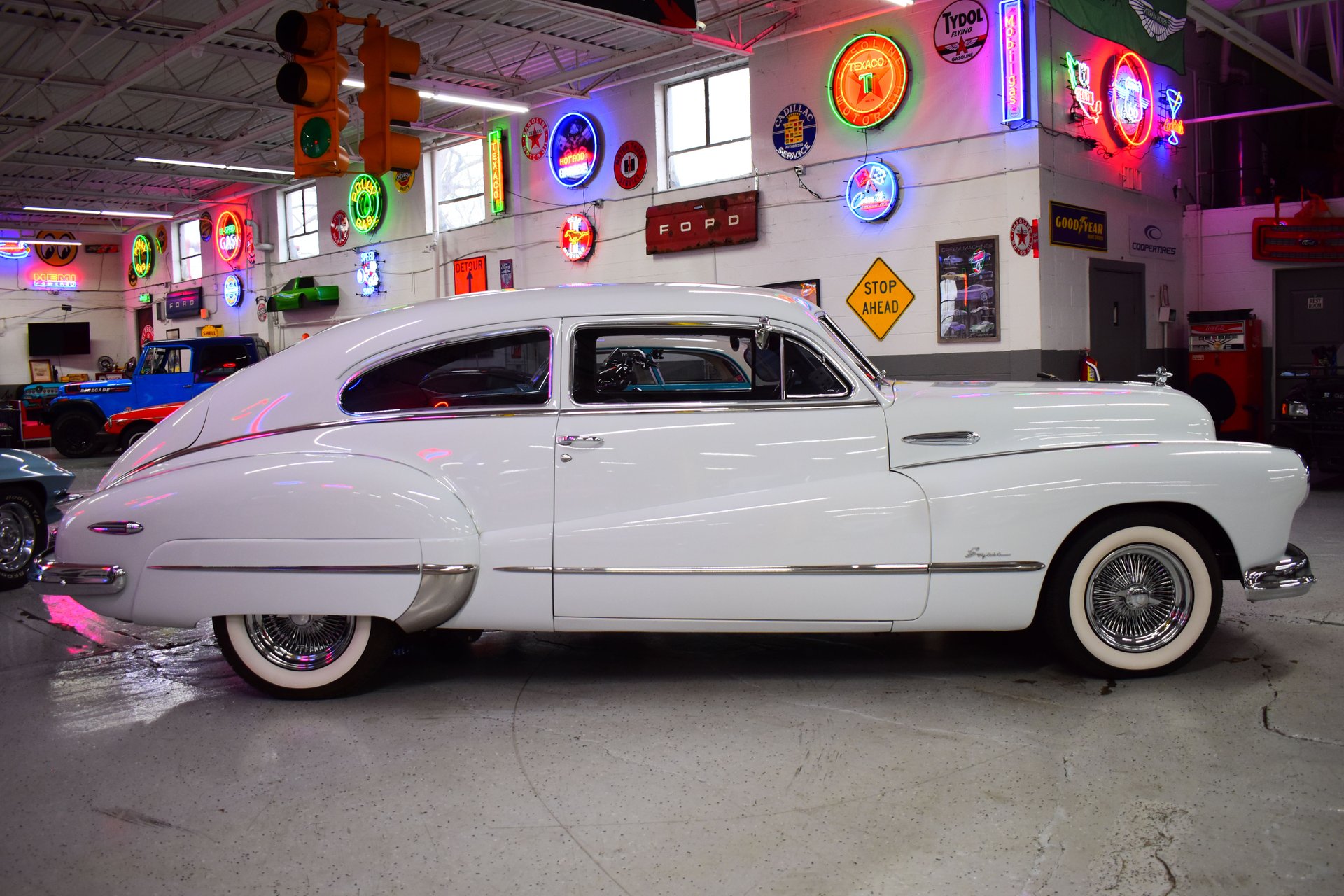 $44,995 · 46% above typical
Expand
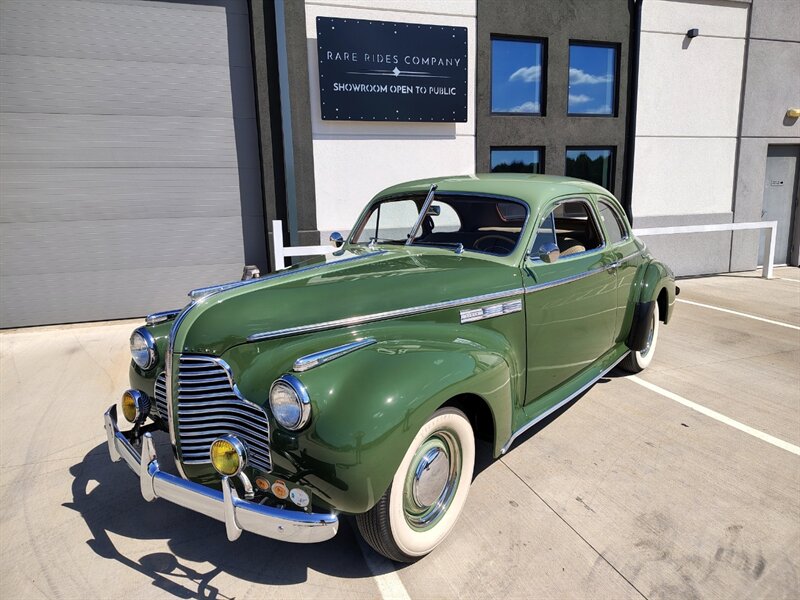 $45,995 · 49% above typical
Expand
What they sell for: Super sale prices.