
Mercury Monterey buyer's guide
Mercury Monterey -- the model's own buyer's guide: variants, values and what to check.
Years listed: 1950-1967 · Series: Full Size
Overview and history
The Mercury Monterey is not one car. It is a name Ford's mid-price division carried, with interruptions in trim meaning but never in market position, from 1950 to 1974 — always a full-size Mercury, always pitched a clear step above a Ford and a clear step below a Lincoln, and always styled to look more expensive than it was. That long life is exactly why you must buy a Monterey by era, not by badge. A 1953 Monterey and a 1966 Monterey share a nameplate, a division and a showroom. They share almost nothing else: not the engine architecture, not the body construction details that decide where they rust, not the gearbox, not the parts supply and not the driving experience. This guide treats them as what they are — several generations of big American car wearing one continuous name.
Be honest about the evidence in front of you before you go further. On this site we currently track 15 Montereys in total, 10 for sale and 5 recorded as sold, and every one of them sits in our Full Size series. The pool is sharply split. Eleven of the 15 are early cars: one from 1950, one from 1951, five from 1953, three from 1954, and one from 1956. The rest are 1960s cars: one each from 1963, 1964, 1966 and 1967. There is no 1957 to 1962 car in the pool at all, and no 1968 to 1974 car either. So this guide gives its deepest buying detail to the two groups you can actually buy here — the flathead and Y-block cars of 1950 to 1956, and the FE-powered full-size cars of 1963 to 1967 — and covers the missing years in outline, clearly labelled as outline, so you can place a car you find elsewhere without mistaking it for one of the pool cars. If a seller describes a Monterey as if all years were interchangeable, walk away from the description before you walk away from the car.
The name arrived for a precise commercial reason. In 1949 General Motors' pillarless hardtop coupes — cars with a convertible's open side glass and a steel roof — were making conventional coupes look old overnight. Mercury answered for 1950 with the Monterey: a top-trim coupe version of the Mercury Eight, finished to a higher standard inside, offered with a padded vinyl or canvas-covered roof treatment and two-tone paint, and priced as the Mercury for the buyer who wanted to be seen. For 1950 and 1951 the Monterey was still a trim and body variant inside the Eight line, not yet a series in its own right. The shoebox styling of those cars — low, slab-sided, with the famous rounded fastback-adjacent coupe profile on the related body styles — is why the 1949 to 1951 Mercurys became the definitive post-war custom and lead-sled base. A stock, uncut 1950 or 1951 Monterey coupe is therefore a rarer and more historically interesting thing than its production suggests, because so many of its sisters were chopped, lowered and dechromed in period and ever since. Originality checks matter more on these two years than on any later Monterey, and the inspection section returns to that point in detail.
For 1952 Mercury was completely restyled and the Monterey became a standalone series at the top of the range, above the Custom. That is the shape of Monterey ownership for the rest of the 1950s: Monterey as the well-trimmed full-size Mercury, in hardtop coupe, sedan, convertible and station wagon forms depending on the year, with the best cloth and vinyl, the brightest trim and first access to new equipment. The 1952 to 1954 cars kept the handsome, conservative early-fifties look, gained modern overhead-valve power for 1954, and are the centre of gravity of the pool on this site — the five 1953 cars and the 1954 cars are not an accident of sampling so much as a reflection of what survives and trades as a usable, recognisable fifties Mercury. The 1955 and 1956 cars restyled the same idea with more chrome, wraparound glass and stronger Y-block engines; the single 1956 car in the pool represents that end of the early story.
The late 1950s took Mercury upmarket, larger and more flamboyant — the 1957 Turnpike Cruiser with its retractable Breezeway rear window, the big MEL-powered cars of 1958 to 1960, then a contraction for 1961 and 1962 as Mercury repositioned around the Ford Galaxie platform. None of those cars is in the pool, and this guide will not pretend otherwise. What matters for a buyer of the pool cars is the inheritance: the Breezeway idea came back. For 1963 the full-size Mercury was restyled again, the Monterey sat in the middle of a range topped by the Monterey Custom and the performance-leaning S-55, and selected Monterey body styles offered the Breezeway roof — a rear window that lowered electrically into the body, giving flow-through ventilation in the years before air conditioning was universal. The 1963 S-55 in the pool, the 1964 convertible in the pool and the 1966 and 1967 cars that follow them are the second Monterey this guide is really about: a big, FE V8, body-on-frame Ford-family car, softer and plusher than the equivalent Galaxie, and bought today for torque, presence and open-road comfort rather than for fifties nostalgia.
From 1965 the full-size Mercury was redesigned once more, the Monterey continuing as the entry full-size Mercury below the Montclair and Park Lane, and from 1969 to 1974 the final generation carried the name to the end of the big-car era before the Monterey was dropped as Mercury's range shrank around it. Those last cars are legitimate Montereys and good value as drivers, but they are not represented in the pool, parts and trim questions differ in detail, and you should read the FE and body advice in this guide as background rather than as a substitute for a year-specific check if you go looking for one.
Two ownership truths run across every era. First, these are body-on-frame cars with simple, well-understood mechanicals and enormous parts commonality with Ford — which makes them fixable in a way that a contemporary European luxury car is not. Second, the thing that kills them is the same in 1951 as in 1967: water held against steel, deferred maintenance on systems nobody sees until they fail, and trim and brightwork that cost far more to restore than the mechanicals ever will. Buy the body and the trim. The engines, in every era covered here, can be brought back. That rule, stated once here, governs everything that follows.
The models
Read the Monterey range as four eras. The table below is deliberately an era table, not a production table: it tells you what a badge means in each period, which bodies you will meet, and which engine family to expect, without dressing up uncertain year-by-year detail as fact. Outputs quoted in the text that follows are period gross ratings, which flatter every engine in this guide equally — compare Montereys with each other, not with a modern net figure.
| Era | Years | Position in range | Bodies you will meet | Engine family to expect |
|---|---|---|---|---|
| Eight Monterey | 1950–1951 | Top trim coupe within the Mercury Eight line | Two-door coupe above all | 255 cubic inch flathead V8 |
| Early series Monterey | 1952–1956 | Standalone top series above the Custom | Hardtop coupe, sedan, convertible, wagon by year | Flathead V8 to 1953, then Y-block overhead-valve V8 |
| Turnpike and MEL years | 1957–1962 | Top or near-top full-size Mercury, varying by year | Hardtops, sedans, convertibles, Turnpike Cruiser specials | Lincoln Y-block, then MEL V8s, then FE V8s |
| FE full-size Monterey | 1963–1974 | Mid-range to entry full-size Mercury by year | Sedans, hardtops, convertible to the mid-1960s, wagons | FE V8s, later joined by 385-series V8s |
The 1950 and 1951 Eight Monterey. The car in the pool from 1950, finished in purple, and the grey 1951 car recorded from Pennsylvania represent the original idea: a coupe for the buyer who wanted the new hardtop look from Mercury. There was no separate Monterey engineering here — the interest is in trim, roof treatment, interior finish and survival in stock form. Check any car of these years first for custom work, past or present: filled seams, shaved handles, altered suspension mounts, a roof that has been cut or a floor that has been channelled over the frame all change both value and the inspection you need to do. A genuinely stock car, with its flathead, its three-speed manual or overdrive and its period interior intact, is the collector object. A modified car is a custom that happens to wear a Monterey badge, and it must be judged — and priced in your head — as a custom, on the quality of the work, not as a Monterey with options.
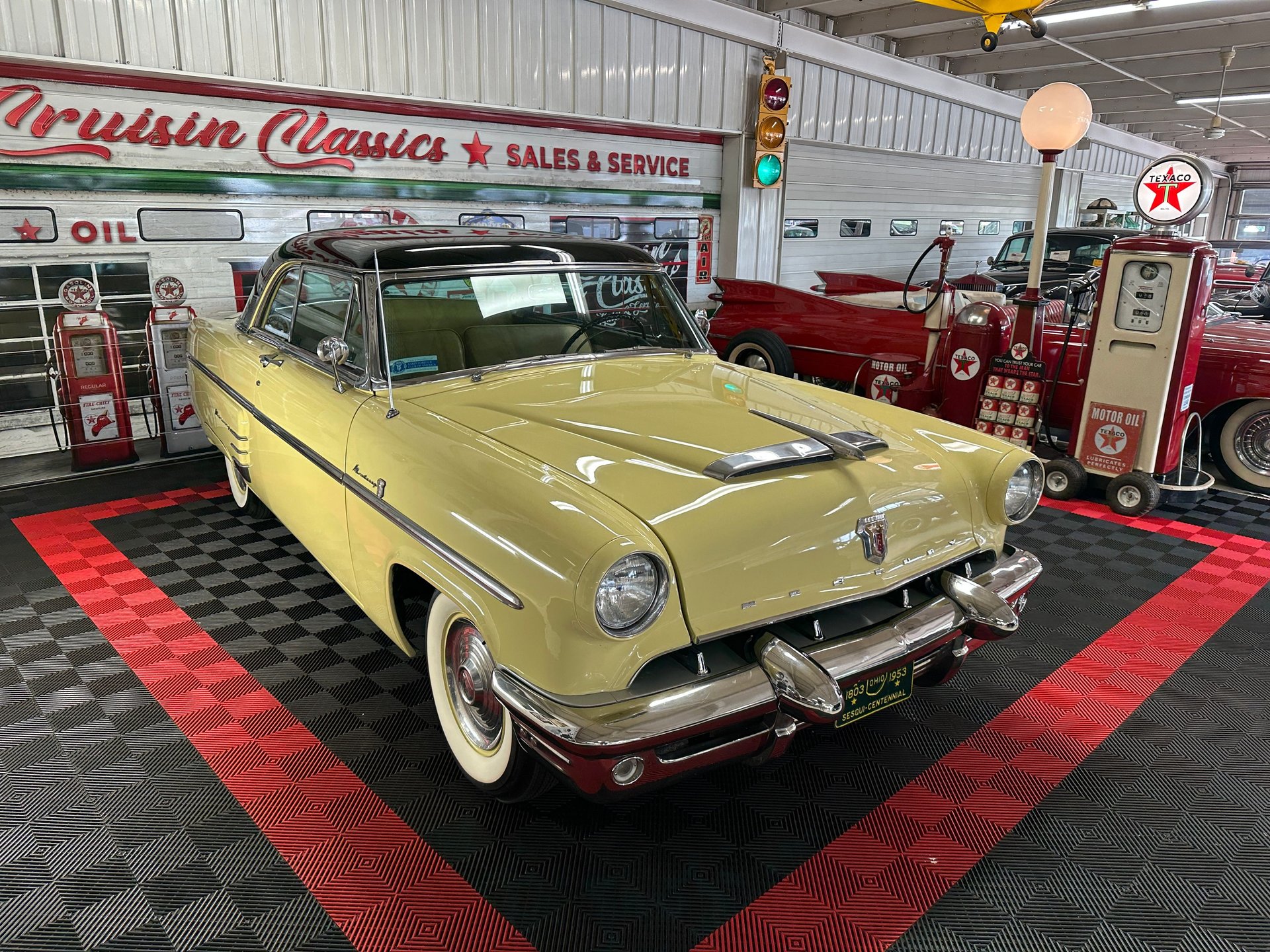
The 1952 to 1954 cars. This is the pool's heartland. The 1953 cars listed from Ohio and Massachusetts and the 1954 cars from New York are the typical survivors: hardtop and sedan bodies, automatic or manual gearboxes, and — for 1954 — the first overhead-valve Mercury V8. The 1952 and 1953 cars are the last flathead Mercurys, which gives them a foot in two worlds: fifties styling with pre-war engine architecture, beloved by traditionalists and supported by one of the deepest vintage Ford parts networks in existence. The 1954 car is the transitional buy, the same basic ownership proposition with a more modern engine that revs more freely, runs cooler in modern traffic when sorted and takes modern fuels and oils with fewer compromises. Within these years, body style drives desirability more than trim detail: a two-door hardtop coupe is the car most buyers picture, a convertible is the rarest and most condition-sensitive, a four-door sedan is the honest value buy that gives you the same engine, the same ride and the same presence for the discipline of accepting rear doors. Wagons, where they appear, live or die on their wood-effect trim, tailgate hardware and rear body condition, and deserve a rust inspection weighted to the back of the car.
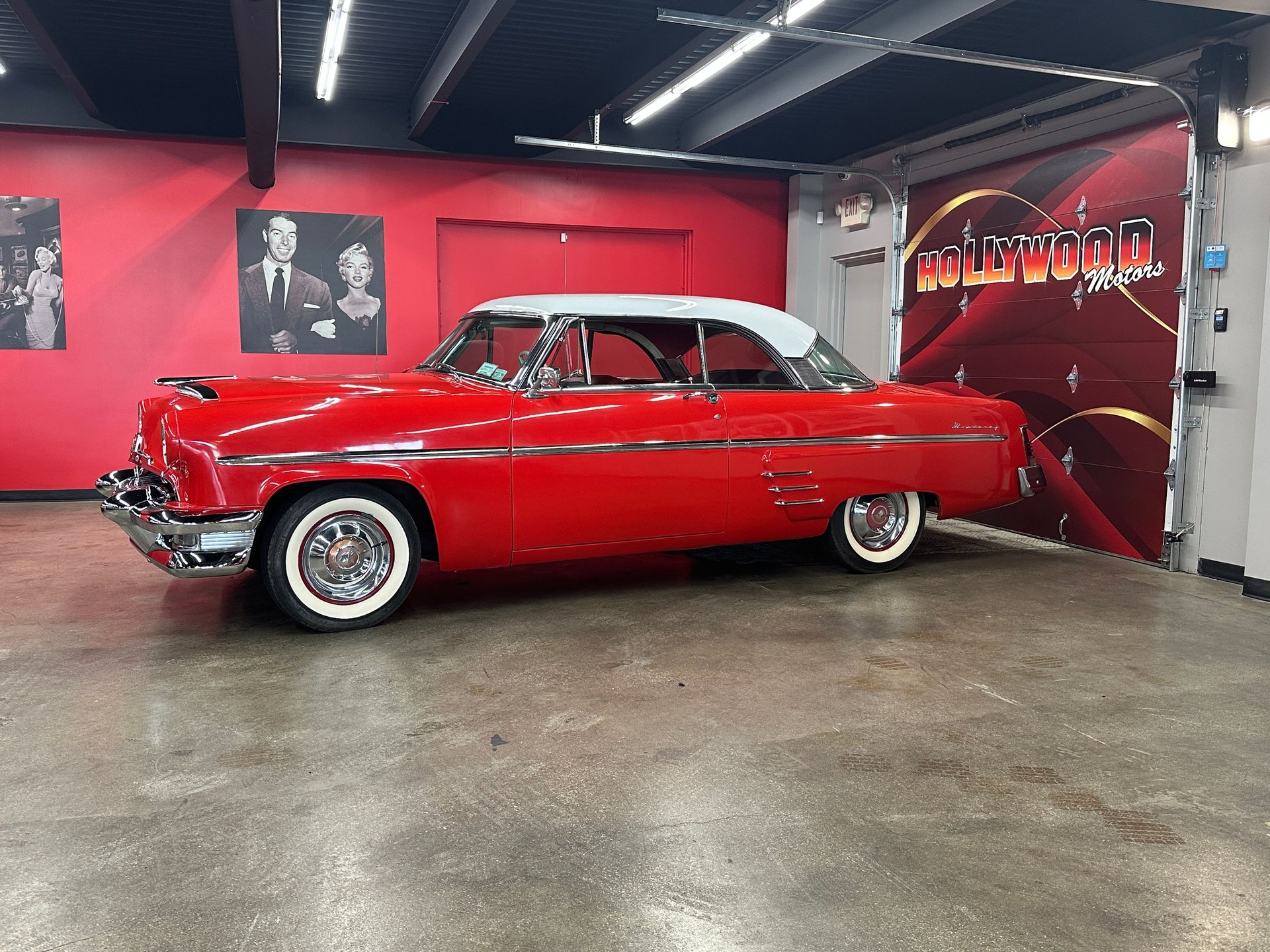
The 1955 and 1956 cars. Bigger, brighter and faster, with the 292 and then the 312 Y-block, these are the early Montereys that feel most at home in modern traffic. The 1956 car in the pool, in black from Illinois, is the template: more glass, more chrome, more power, and an interior that was selling comfort as much as style. They are also the early cars where brightwork condition moves the needle most — there is simply more of it, it is more year-specific, and re-plating or replacing a full set is a restoration budget in itself. If you want one early Monterey to drive rather than to show, a sorted 1955 or 1956 car is the rational end of the early range. If you want the traditional flathead experience, you accept the 1952 or 1953 car's limits knowingly.
The missing middle: 1957 to 1962. No pool car covers these years, so keep this short and factual. The 1957 Turnpike Cruiser was the halo Monterey-adjacent flagship, with the Breezeway retractable rear window, a roofline unlike anything else on the road and the 368 cubic inch Lincoln Y-block. The 1958 to 1960 cars grew again and used MEL — Mercury-Edsel-Lincoln — V8s in 383 and 430 cubic inch forms, powerful, heavy and served by a thinner parts network than either the Y-block or the FE. The 1961 and 1962 cars contracted onto Ford-based underpinnings as Mercury found its sixties footing. Buy one of these years only with year-specific advice: MEL cooling, electrics and trim, and Turnpike Cruiser roof and window mechanisms, are specialist subjects that this guide flags rather than covers.
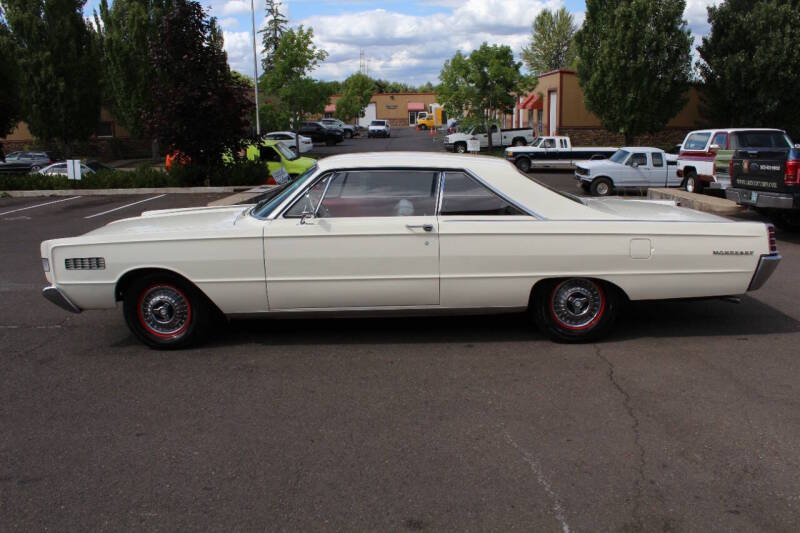
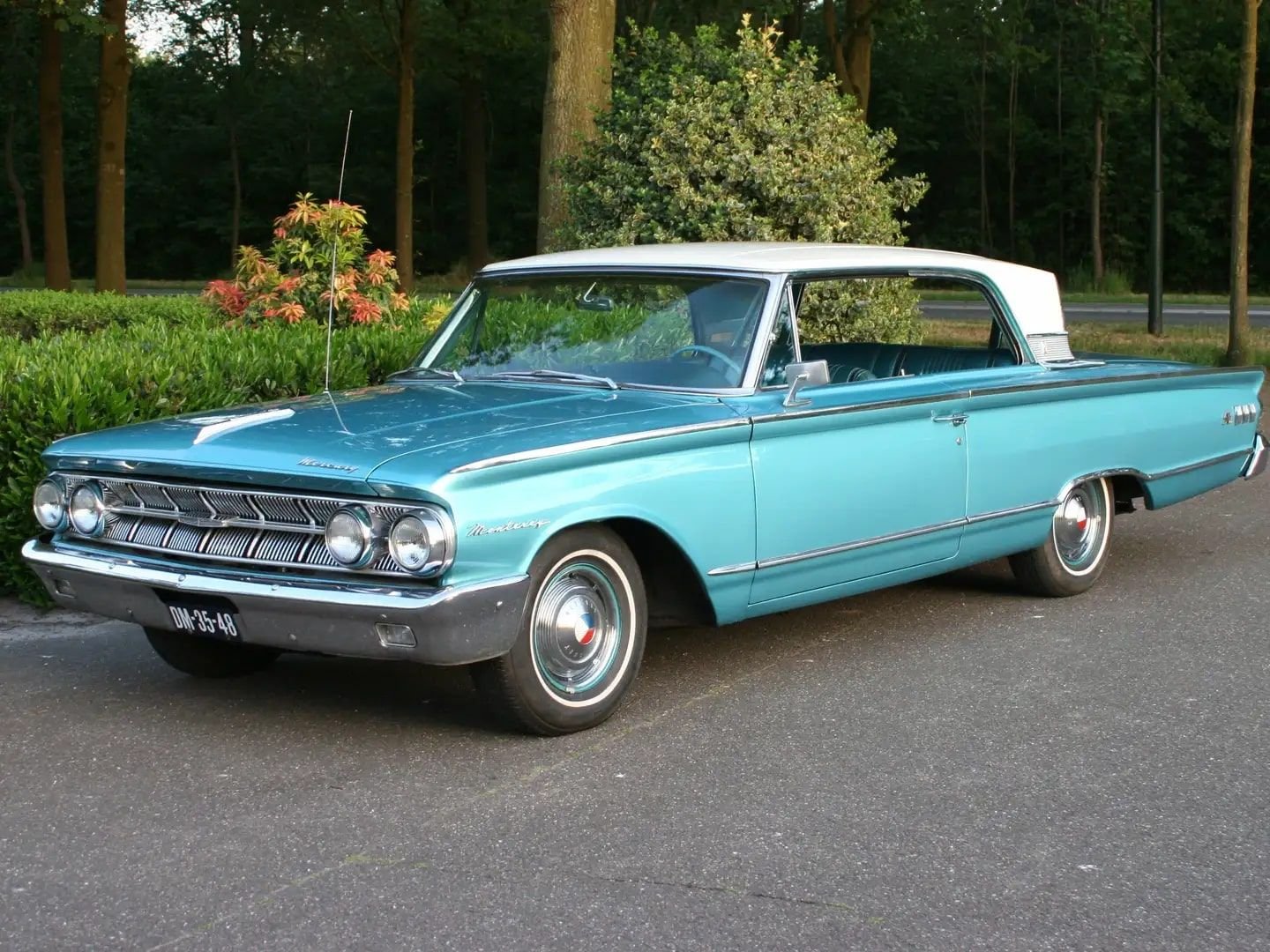
The 1963 to 1967 cars. The second pool group, and a completely different purchase. The blue 1963 Monterey S-55 from California is the performance-flavoured car: the S-55 was Mercury's answer to the Ford Galaxie 500 XL and the early-sixties bucket-seat, console, big-engine formula, and in Monterey terms it is the badge to verify hardest, because badges, buckets and consoles can all be added to a plain Monterey across sixty years. Demand the paperwork and the body and trim codes before you pay an S-55 premium for any car. The 1964 Monterey convertible from Pennsylvania is the leisure flagship of the group — the same FE mechanicals under an open body that flexes more, leaks more and needs its top frame, hydraulics and rear quarters inspected as a system, not as separate line items. The beige 1966 car from Oregon and the 1967 car that closes the pool sit on the 1965-onwards full-size platform: squared, formal, very comfortable, with the Monterey by then the sensible entry point into a big Mercury rather than the flagship. These later cars are the easiest Montereys in the pool to live with — power steering, power brakes and air conditioning are common, automatic gearboxes dominate the pool as a whole, and the FE engine in these years is a mature, well-supported unit — and the least forgiving of neglected body and frame rust, because the cars are heavy, the sills and mounts carry real loads, and a soft structure shows up as doors that will not shut cleanly long before it shows up as a hole you can photograph.
A note on gearboxes across the pool, because the listings tell a consistent story: of the cars where a transmission is recorded, automatics dominate overwhelmingly, with a single manual car standing out. That matches how these cars were sold — a Monterey was a comfort purchase — and it means a genuine manual car, especially an early car with overdrive or a later FE car with a floor shift, deserves a careful authenticity check and, if genuine and good, real interest. It also means most buyers should learn the automatic checks in this guide properly, because the automatic is the car you will actually be standing in front of.

Engines and gearboxes
Every Monterey in the pool is a V8, front-engined, rear-wheel drive, and automatic in all but one recorded case. What changes by era is the V8 itself, and the three families behave so differently — in how they fail, how they sound when they are failing and what a fix costs — that this section is organised by family rather than by year. Learn to identify which family is in front of you before you listen to anything the seller says about condition. On an early car the giveaway is the top of the engine: a flathead has its exhaust and its flat cylinder heads low and plain, with the spark plugs in the heads at the side of a fundamentally 1930s layout, while a Y-block is a recognisably modern overhead-valve engine with rocker covers on top. On a sixties car the FE announces itself with its wide rocker covers, the intake manifold forming part of the head joint, and the distributor at the front of the engine. If you cannot name the family, you cannot price the car, because the same symptom — overheating, say, or a rattle — means three different jobs on the three engines.
The flathead V8: 255 cubic inches, 1949 to 1953 in Mercury form
The Mercury flathead is the final, largest development of Ford's 1932 L-head V8: 255 cubic inches, side valves in the block, a two-barrel carburettor in standard Monterey form, and a period rating of about 110 horsepower in the early 1950s, rising slightly across its life. It is not powerful, it is not efficient and it was never meant to be either. What it is, when healthy, is smooth, torquey at the speeds these cars actually travel, and possessed of one of the great exhaust notes in American motoring. A healthy Mercury flathead starts readily, idles with a soft, even lope, pulls without hesitation from low revs and holds its temperature in the middle of the gauge once warm. It will cruise a 1950 to 1953 Monterey happily at modern secondary-road speeds. It will not reward being hurried, and a car that needs to be hurried to keep up is telling you about gearing and expectation, not necessarily about engine health.
The flathead's defining engineering fact is its exhaust path. The exhaust ports route through the water jacket inside the block before leaving for the manifolds, which puts combustion heat directly into the coolant as a matter of design. Everything about flathead ownership follows from that: the cooling system has less margin than any later V8 in this guide, and a cooling system at 90 percent efficiency that an FE would shrug off will make a flathead boil. The classic failure chain is scale and rust sediment — these blocks collect it in the rear of the water jackets over decades — plus a tired radiator, a slipping water pump or pumps depending on exact year arrangement, and retarded ignition timing adding exhaust heat, until the car runs hot in traffic, recovers on the open road and eventually cracks or warps something. The distinguishing test is pattern, not temperature alone. A car that heats at idle and cools at speed points first to airflow and fan and water movement at low revs. A car that heats steadily under load at speed points to radiator capacity, block sediment or timing. A car that heats, loses coolant with no visible leak and pressurises its hoses hard from a cold start is showing you combustion gas in the coolant — a head gasket or a crack — and a chemical block test on the radiator neck settles that in minutes before anyone quotes you for a radiator.
Cracking deserves plain words, because flathead folklore both overstates and understates it. The blocks crack, most characteristically in the valve and exhaust port area and between the valve seat and the bore, and a crack in the deck or port region can be invisible until the engine is stripped, cleaned and crack-tested. That is why a flathead with unknown history is priced as a core until proven otherwise, and why documented machine work — crack testing, sleeving where needed, new valve seats suitable for modern fuel — is worth more on a flathead invoice than any other single line. A full flathead rebuild done properly, with crack testing, machining, pistons, bearings, valve work and assembly, realistically runs $5,000 to $9,000 at a specialist, and more if the block needs extensive repair or replacement. A radiator recore or high-quality replacement, pumps and a full cooling-system recommissioning typically run $800 to $2,000 fitted. Neither figure should frighten you off the engine. Both should stop you paying sorted-car money for an unsorted one.
Oil pressure and bearings follow period practice: expect modest pressure by modern standards, judge by stability and noise rather than by chasing a modern number, and listen for a deep knock under load that fades at cruise, which is bearing wear announcing itself. Ignition is a distributor-driven system that wants its points, condenser and timing set correctly; a flathead that is hard to start hot, kicks back or runs flat is an ignition and timing check before it is anything more expensive, and the check costs almost nothing. The two-barrel carburettor is simple and rebuildable, typically $350 to $700 for a proper rebuild, and most flathead running faults that owners blame on the carburettor are timing, vacuum leaks or fuel delivery — a tired mechanical pump, a clogged tank pickup or perished flexible lines coping badly with modern ethanol fuel. Replace every flexible fuel line on any early car you buy as a matter of course, whatever the seller says about their age.
The Y-block V8s: 256, 292 and 312, 1954 to 1956 in the pool
For 1954 Mercury replaced the flathead with the Y-block, Ford's first modern overhead-valve V8 for the division: deep-skirted block — the skirt extending below the crankshaft centreline gives the family its Y profile in cross-section — overhead valves, and 256 cubic inches rated at about 161 horsepower in its first Mercury form. The 1955 cars moved to the 292, at roughly 193 horsepower in Monterey tune, and the 1956 cars to the 312, at roughly 225 horsepower, with higher-output variants quoted in period for certain installations. Treat those as period gross figures for orientation. What you feel from the seat is a free-revving, willing engine that transforms the Monterey's usability: better cooling, better breathing, better motorway manners and none of the flathead's heat-through-the-block compromise.
The Y-block's signature weakness is top-end oiling, and the mechanism matters because the fix depends on it. Oil reaches the rocker shafts through passages that sludge readily when oil changes are stretched, and the original system was marginal even when clean. A starved top end announces itself as rocker clatter that does not settle as the engine warms, accelerated rocker and shaft wear, and in neglected engines a top end that has been run dry long enough to need shafts, rockers and pushrods rather than a clean-out. The distinguishing test is direct: with the engine warm, look for oil actually reaching and weeping along the rocker shaft with a cover removed, or have the check done at inspection. Clatter alone does not convict the oiling — valve clearances and worn rockers clatter too — but clatter plus a dry shaft is the diagnosis, and clatter plus a well-oiled shaft sends you to clearances and wear instead. Cleaning passages and restoring feed is typically a $400 to $1,200 job depending on access and what is found; a worn top end rebuilt with shafts and rockers runs $1,000 to $2,200 in parts and labour. An external rocker-feed kit is a common period and modern workaround on Y-blocks. Its presence is not a condemnation — it often means someone cared enough to fix the feed — but ask why it was fitted and whether the internal passages were ever cleaned, because a kit feeding worn shafts is a workaround on top of wear.
Rear main seal leaks are the other Y-block rite of passage: the original rope-type seal arrangement weeps with age, and a Y-block that leaves no oil at all is either freshly sealed or not being looked at closely enough. A drip that marks a driveway is an annoyance to budget for; oil reaching the clutch on a manual car, or a leak heavy enough to drop the level between checks, is a job — typically $800 to $1,800 depending on whether the gearbox and sump work can be done in the car or needs the engine lifted. Exhaust manifolds crack and their fasteners seize, as on almost every V8 in this guide, and a ticking that is loud cold and quietens warm is a manifold or gasket leak until proven otherwise: the metal expands, the gap closes, the noise fades. The test that separates it from a valvetrain tick is exactly that temperature pattern, confirmed with a stethoscope or a length of hose at the manifold joint. Carburetion on the pool-era Y-blocks ranges across two- and four-barrel installations by year and option, including the teapot-style four-barrel fitted to many mid-fifties Ford-family cars, a carburettor with a reputation earned largely by age, perished components and tuners unfamiliar with it rather than by any single fatal flaw. A proper specialist rebuild runs $500 to $1,000; budget for it on any car that hesitates, floods hot or idles rich, after you have ruled out ignition timing and vacuum leaks, which mimic carburettor faults on this engine just as faithfully as on the flathead.
Cooling on a Y-block is conventional and effective when the radiator, thermostat, pump and hoses are sound, which makes overheating a more straightforward accusation than on the flathead: something specific is wrong, and the same pattern tests apply — idle versus load, pressure from cold, coolant loss without a leak. A full Y-block rebuild, if the worst happens, typically runs $5,500 to $10,000 depending on machining and whether the desirable 312 components in a given car are sound and reusable. You are unlikely to need one on a car that has oil pressure, even compression and a fed top end. You are quite likely to need top-end attention, seals and a carburettor and ignition recommissioning on a car that has sat, and $1,500 to $3,500 for that first-year mechanical catch-up is an honest planning figure for an early Y-block car bought as a driver.
The FE V8s: 390, 410 and 428, the 1963 to 1967 pool cars
The FE — Ford-Edsel — big-block family powered the sixties pool cars, and it is the strongest ownership proposition of the three families: produced in huge numbers, understood by every American V8 shop in the country, and supported by a performance aftermarket built around the same architecture that powered period Ford performance cars. In Monterey service the engine you will meet most often is the 390 cubic inch V8, in two- and four-barrel forms rated in period at roughly 250 to 330 horsepower depending on year, tune and rating practice. Larger FE options appeared in the Mercury range across these years, including the 410 derived from the 390 bore with the longer 428 stroke, and the 428 itself at the top of the order in the later sixties cars. Verify what is actually fitted rather than trusting a badge or an air-cleaner decal: FE engines look alike externally to an untrained eye, air cleaners swap in minutes, and sixty years is a long time. The casting numbers, the visible details an FE specialist knows and the paperwork are the evidence. Pay for a 390 if a 390 is what is proved, however handsome the decal.
A healthy FE starts promptly, idles with a deep, even beat, pulls the heavy Monterey body without strain and holds temperature and oil pressure without drama. Its characteristic faults are honest ones. Exhaust manifold bolts break — the manifolds expand and contract against the heads for decades, the fasteners corrode, and removal for a gasket leak becomes a drilling and extraction exercise. Budget $600 to $1,500 for manifold gasket work that includes the broken-bolt labour everyone hopes to avoid, and treat a quiet, unticking cold start as a genuine point in a car's favour. The intake manifold is heavy cast iron and forms part of the head and pushrod arrangement, which makes top-end work on an FE more labour-intensive than the parts prices suggest: a set of lifters or a camshaft is not a casual afternoon, and a full top-end refresh with machining is typically $1,800 to $3,500. Oil leaks collect at the rear main, the intake end seals and the rocker covers; individually trivial, collectively the difference between a dry engine bay and the kind of bay our photo evidence in the problem areas section describes. Valve stem seals harden with age and give the classic puff of blue smoke on start-up after sitting, clearing as the engine runs — distinguish that from smoke under sustained load, which is ring and bore wear and an engine-out conversation, and from smoke on the overrun, which points back to seals and guides. The start-up puff test, after the car has sat overnight, is the cheapest FE diagnosis you will ever make, which is why the inspection insists on a genuinely cold, sat-overnight start.
Carburetion on the pool FE cars is by Ford Autolite or Motorcraft two- and four-barrel carburettors depending on installation, conventional, rebuildable at $450 to $900, and again blamed for ignition and vacuum faults more often than it deserves. Ignition is points in these years as standard, with electronic conversions common and welcome if neatly done and documented; a conversion with butchered wiring is worse than the points it replaced. A full FE rebuild runs $6,000 to $11,000 at a competent shop depending on specification, but the FE's virtue is how rarely a maintained car needs one: compression, oil pressure, the smoke pattern and the cold-start behaviour tell you most of what a strip-down would, and the inspection section sequences those tests for you. The MEL engines of 1958 to 1960 and the 385-series 429 that joined the range at the end of the sixties sit outside the pool, and this guide deliberately gives them no more than this: both are strong engines, the MEL is the thinner-supported of the two, and neither should be bought on FE advice alone.
Gearboxes: Merc-O-Matic, Cruise-O-Matic and the manuals
The automatic story follows Ford practice under Mercury names. Early-fifties cars use the three-speed Merc-O-Matic, Ford's Borg-Warner-derived automatic built under licence in its early form, a two-speed-in-effect plus low arrangement by modern standards that pulls away smoothly, changes with period deliberation and is durable if its fluid has been changed and its bands and linkages kept in adjustment. Mid-fifties cars continue the Merc-O-Matic line with detail improvements. Sixties FE cars use the Cruise-O-Matic family — the cast-iron MX and its relatives in the earlier sixties cars, and the aluminium-case C6 three-speed from 1966 in the big-engine installations, one of the strongest production automatics of its era. Do not read the gearbox off the selector or the seller's description: read it off the case, the pan shape and the paperwork, in the same spirit as the engine-identity checks. On the road, judge any of them the same way. Engagement of drive and reverse from rest should be prompt, without a long pause and without a thump that rocks the car. Changes under light throttle should be clean; flaring — revs rising between ratios — or a change that hunts is wear or adjustment, and a box that behaves cold and misbehaves hot, or the reverse, is telling you about fluid condition and internal clearances respectively. A professional rebuild of a Merc-O-Matic or Cruise-O-Matic typically runs $2,200 to $4,000 fitted depending on family and region; a C6 rebuild is at the accessible end of that range because every transmission shop knows it. Fluid that is bright and clean-smelling is a good sign; fluid that is dark and burnt is a rebuild negotiation, not a fluid-change cure, because fresh fluid does not restore worn friction material.
Manual cars are the minority in the pool by a wide margin, and the standard gearbox is a three-speed column-shift with overdrive available on the early cars — an overdrive that, when it works, transforms an early Monterey's cruising ability and, when it does not, fails in characterful electrical ways: solenoids, governors, relays and kickdown switches, all diagnosable, all cheaper than the gearbox itself at typically $300 to $900 for the electrical and solenoid work that cures most faults. Judge a manual on second-gear synchromesh on a brisk downchange, on clutch judder pulling away and on whether the overdrive engages, holds under load and releases as it should on the test described in the inspection. A worn three-speed rebuilt runs $1,200 to $2,500. None of these gearboxes is a reason to reject a good car. All of them are reasons to test-drive long enough for the box to get fully warm, because a five-minute cold circuit hides exactly the faults this paragraph describes.

Problem areas
Start with what our own photo work can and cannot tell you, because honesty about the sample matters more than a dramatic statistic. For 9 of the Montereys tracked on this site we have examined sellers' photo sets in detail and written photo notes. Rust is mentioned in 5 of those 9 cars. Damage is mentioned in 2 of the 9. Smoke is mentioned in none of the 9 and leaks are mentioned in none of the 9 — and you must read those two zeros correctly. A photograph can show rust and damage. It cannot reliably show a car smoking under load or a seal weeping onto a driveway, and sellers do not photograph either on purpose. So the honest reading of our sample is narrow and useful: visible rust is common enough in the pool that you should assume it until a car proves otherwise, while the absence of smoke and leak mentions tells you nothing at all, and the engine tests in this guide exist precisely because the photos cannot do that work. Nine cars is a small sample. It points the same way as everything experienced buyers know about full-size American cars of this age, but it does not replace the inspection of the individual car in front of you, and nothing in this section should be quoted back to a seller as a statistic about his car.
With that discipline in place, work the problems in the order that ends purchases. Body and frame first, because they are the only faults that reliably cost more than the car. Mechanical systems next, because they are all fixable at plannable prices. Trim, glass and electrics last in the inspection order but not in importance, because on a Monterey the brightwork and interior are where a cheap car becomes an expensive one without ever troubling a mechanic.
Rust and structure: the map
A Monterey is a body mounted on a separate frame, which changes the rust conversation without softening it. A rotten frame is not a cosmetic problem and a rotten body is not saved by a sound frame, but the two fail in different places, at different speeds and with different bills, and you need to judge both. Start underneath, on a lift if the car has any claim to serious money, with a torch and a screwdriver you are permitted to prod with.
Frame rails, crossmembers and body mounts. The frame rails collect mud and road salt inside their sections and rot from the inside out, most seriously around the rear kick-up over the axle, at crossmember junctions and anywhere a factory drain hole has blocked. Surface scale that brushes to sound metal is age. Perforation, lamination that flakes in layers, or metal that dents under firm screwdriver pressure is structural work: cutting out and fabricating frame sections typically runs $1,500 to $4,000 a side depending on extent, and a frame bad in several places ends the case for the car at any price above parts value. The body mounts matter as much as the rails they connect. The rubber mount cushions perish, split and compress, and the steel mount brackets and the body-side mount points rot. A car with collapsed or rotten mounts sits wrong, creaks over driveways, and — the test you can do in thirty seconds — shows uneven and changing door gaps, because the body is no longer held squarely on the frame. Open and close every door on level ground, then look along the gaps. Doors that shut cleanly with even gaps on a sixty-year-old big car are real evidence. Doors that need lifting, or a driver's door that has dropped on perished mounts and tired hinges together, are a bill and a symptom in one. A full set of body mounts supplied and fitted, with the inevitable seized bolts extracted, typically runs $900 to $2,200; rotten body-side mount metal adds welding on top of that.
Sills, rockers and floor pans. The rocker panels and sills on a Monterey trap everything the front wheels throw at them, and the inner structure goes before the outer skin confesses. Press hard along the full length, look from underneath rather than from the flattering standing view, and treat fresh underseal, fresh paint low on the car or new sill covers as questions, never as answers. Water reaches the floors from above as faithfully as from below: windscreen and rear window seals perish, cowl vents and their drains block, heater boxes leak, and the water sits under carpets and underlay that hold it against the pan for months. Lift every carpet you are allowed to lift. Surface rust that wires off to sound metal is a clean, treat and protect job you can do yourself. Holes are panel work: a floor section cut out, welded and finished typically runs $600 to $1,500 a side, and floors, like sills, rarely rot alone — floor rust is a marker for how the whole lower body has lived. Rocker and sill replacement with inner structure repaired runs $1,200 to $3,000 a side done properly, and any quote far below that is a cover panel over rot, which you will buy twice.
Trunk floor, spare wheel well and rear quarters. The rear of a big Mercury collects water the way the front collects stone chips. The trunk seal perishes, the rear window seal leaks, and on Breezeway cars the window mechanism and its drains add their own water path, covered below. The spare wheel well is the sump of the whole system: lift the wheel, lift the mat, and expect anything from honest surface staining to a well you can see the road through. Rear quarters rot from the inside at their lowest points behind the wheels, where mud packs against the inner skin; bubbling low on a rear quarter is the outside of an inside problem, and quarter repair that addresses the inner structure runs $1,000 to $2,500 a side. A trunk floor replacement fitted and finished typically runs $800 to $2,000. None of this is exotic coachbuilding — these are simple pressings and flat sections — but the hours multiply, and a car needing sills, floors, trunk and quarters at once is a restoration project wearing a driver's price tag if the seller has not done the same arithmetic.
The smaller traps that price a car. Door bottoms fill with water when their drain slots block, and rot along the lower edge under paint that still shines from standing height; run a fingertip along every door bottom and feel for the roughness that eyes miss. The battery tray rots under the battery from acid, invisibly until the battery comes out, and the damage tracks onto the inner wing beneath it. Front wing lower sections behind the wheels, headlamp surrounds, the cowl sides and the windscreen surround all collect the same mixture of water and neglect. Individually each is a few hundred dollars of metal and paint. Collectively, on a car that shows four or five of them, they are the signature of a car that has lived outside and been washed rarely and waxed for sale once — and the structure underneath will usually match the signature. Our photo sample's rust figure — mentioned in 5 of the 9 cars examined — is consistent with exactly this pattern: not that every Monterey is rotten, but that some rust, somewhere low on the car, is the normal starting assumption.
Suspension, steering and brakes
The chassis hardware is conventional American practice of the period — independent front suspension with coil springs, a live rear axle on leaf springs in the early cars and on coils in the later full-size platform, recirculating-ball steering with power assistance increasingly common across the years, and drum brakes all round on the early cars with front discs arriving as an option and then as normal equipment in the later sixties. Nothing here is fragile. Everything here is heavy, wears in proportion to the car's weight, and hides its wear behind power assistance and soft springing until the wear is advanced.
Front suspension and steering. Kingpin or ball-joint arrangements vary by year, and the inspection principle is the same: jack the front, rock each wheel top to bottom and side to side, and separate the play by eye — movement at the joint itself versus movement in the wheel bearing — before pricing anything. Worn idler and centre-link joints give the classic big-car vagueness, a dead band around straight-ahead and a car that wanders and follows road camber instead of tracking through it. Power steering boxes weep from their seals and hoses perish; a box that groans at parking speeds on full lock is low fluid, a tired pump or air in the system, in ascending order of cost, and the fluid level and condition check separates the first from the rest in a minute. A full front-end refresh — joints, bushes, idler, alignment — typically runs $1,200 to $2,800 fitted. Springs sag, and they sag unevenly: measure the arch heights side to side rather than trusting your eye, because a car can look level on a slope and list on the flat. A Monterey that sits down at one corner with sound body mounts is usually a spring; a Monterey that sits down with bad gaps is mounts first, springs second, in that diagnostic order.
Brakes. Judge the system, never the pedal alone. Drums that have sat grow rust bands and go oval; calipers on disc cars seize on their slides and pistons; flexible hoses perish internally and act as one-way valves, holding a brake on after the pedal is released — the distinguishing test is a wheel that drags and runs hot after a drive, cured the moment the bleeder is cracked and pressure escapes, which convicts the hose and acquits the caliper. Master cylinders bypass internally, giving a pedal that feels firm standing still and sinks slowly under sustained pressure at a stop: hold hard pressure for thirty seconds on the inspection and watch for the sink. A full hydraulic recommissioning — master cylinder, hoses, wheel cylinders or caliper work, fluid — typically runs $900 to $2,200 depending on era and specification, and it is non-negotiable money on any car that has sat: allow for it in the offer rather than discovering it on the drive home. Vacuum brake boosters, where fitted, fail by perished diaphragms: a hiss at the pedal, a hard pedal with the engine running that softens in feel but not in effort as the booster gives up, and an idle that stumbles when the brakes are applied as the leak admits air. The booster check valve test — pedal feel with the engine off after running, holding reserve for one assisted application — takes seconds and belongs in every inspection.
Interior, trim, glass and the special roofs
This is the section sellers hope you will skim, because a Monterey interior photographs kindly long after it has become expensive. Work it as unsentimentally as the underside.
Seats, headlining and soft trim. Bench seats dominate, with buckets and a console on the S-55 and sportier trims. The foam and padding collapse before the covers split, so sit in the driver's seat and feel for the frame through the cushion; a seat you sit in rather than on is a re-pad, typically $400 to $900 a seat for pads and labour with the cover reused, and a full professional retrim in correct-style materials runs from $3,500 upward for a full interior and climbs steeply with leather and concours ambitions. Headlinings sag, stain from the same roof and window leaks that rot the floors, and are a $600 to $1,400 replacement fitted depending on body style. Carpets hide floors in both senses — they conceal rust from a buyer and they hold the moisture that causes it — which is why the inspection lifts them rather than admiring them. Vinyl that has gone hard and shiny, stitching letting go on the driver's entry bolster and door cards warped at their lower edges by water are the honest wear pattern of a used car. A miraculously perfect interior in an otherwise tired car has usually been done, recently and sometimes cheaply; look for overspray, new carpet over old underlay and covers stretched over collapsed pads, the retrim equivalent of fresh underseal.
Brightwork and exterior trim. A Monterey carries its value on its chrome and stainless, and the bill is arithmetic, not mystery. Count the pitted, dented and missing pieces and price the set, not the piece: re-plating a bumper typically runs $600 to $1,200 depending on size and condition, grille and surround work is priced per piece and climbs fast on the elaborate late-fifties and early-sixties fronts, and year-specific side trim in stainless is a hunting exercise when missing rather than a catalogue order. The early cars are the better supported; the sixties cars share more with Ford. Either way, a car with complete, straight, presentable brightwork is worth a real premium over a shinier-painted car with tired chrome, because paint is a known price and trim hunting is an unknown one. Pot-metal pieces — handles, emblems, light housings — pit from within and cannot be polished back; budget replacement or specialist restoration for any piece that feels rough through the chrome.
Glass, seals and weather. Every rubber seal on the car is a service item with a fifty-to-seventy-year service history. Perished windscreen and rear window seals are not a cosmetic note: they are the top of the water path that rots floors and trunk, and replacing a screen seal with the glass out, any surround rust treated while access is free, typically runs $400 to $900. Side glass channels and window felts wear, windows rattle and drop slowly, and regulators — manual and electric — wear at their pivots and motors. Work every window through its full travel on the inspection. A window that slows, tilts or needs helping by hand is a regulator conversation, $250 to $700 a door depending on parts and access, and on a four-door car those numbers multiply by the number of tired doors.
Breezeway and convertible mechanisms. Where a 1963 to 1966 car carries the Breezeway retractable rear window, test the full cycle twice: window down, window up, seals meeting, no grinding, no hesitation, and afterwards look in the trunk and at the rear seat base for the water the mechanism's drains were supposed to route away. Blocked drains and perished mechanism seals turn the cleverest feature on the car into its most efficient rust generator, feeding the trunk floor and rear quarters described above. Motor, mechanism and seal work on a Breezeway typically runs $500 to $1,500 depending on what has failed and whether the glass and regulator parts for the specific year can be sourced used or must be repaired. On the 1964-style convertible, the same discipline applies to the top: cycle it fully, judge the frame for bent or cracked bows by how evenly it folds, check the hydraulic pump and rams for leaks at their hoses and seals — a ram and hose refresh typically runs $700 to $1,600 — and read the rear quarters and floor for the water history every open car accumulates. A convertible that has been kept with its top up, in a garage, with a supple top and dry floors, is a different car from one that has lived top-down under a cover, whatever the odometer claims.
Electrics, heating and accessories
Period American electrics are simple, robust and entirely dependent on earth connections that have now been corroding since before most buyers were born. Dim lights, slow accessories, gauges that wander and starters that click before they crank are earth and connection faults until proven otherwise: cheap in parts, tedious in tracing, and the single most misdiagnosed area on these cars, where a $30 earth strap cures what a seller has been quoted a harness for. The generator on early cars and the alternator on later ones both fail ordinarily — brushes, bearings, regulators — and a charging check with a multimeter across the battery, engine running, separates a healthy system at roughly fourteen volts from a car living on its battery in one measurement. Wiring that has been cut for period radios, alarms and trailer sockets is the real enemy: budget $400 to $1,200 for a competent auto-electrician to undo bad accessory work and restore a hacked engine or dash harness to trustworthy order, and more if the dash has been out and back carelessly.
Heating and air conditioning decide whether a Monterey is a car you use or a car you visit. The heater blower, its switch and its resistor pack all fail ordinarily; a silent blower is switch, resistor, motor or fuse in that testing order, and none of them is the dashboard-out catastrophe it becomes on some European cars of the era — access on these big American cars is comparatively merciful, and a blower motor replacement typically runs $250 to $650 fitted. Factory air conditioning on sixties cars, where fitted, uses period compressors and refrigerant practice that a specialist must assess as a system: a compressor that engages, cold air that is actually cold and no oily residue at hose joints is a working system; a system that merely blows is a recommissioning at $800 to $2,500 depending on seals, hoses, receiver and refrigerant conversion decisions. Test heat and, where fitted, air on every viewing, whatever the weather outside. The seller who says the air just needs gas is selling you the recommissioning at full price.
Damage, the second finding in our photo sample — mentioned in 2 of the 9 cars examined — deserves its own closing word, because on a body-on-frame car damage hides differently than on a unitary car. A frame car can take a panel hit and remain straight, or take a chassis hit and wear straight-looking panels over a bent rail. Look for the frame evidence: uneven gaps that the mount check did not explain, a car that crabs — tracking at a slight angle visible when following it — mismatched tyre wear across an axle, and fresh paint or underseal concentrated at one corner rather than spread honestly across the car. Panel gaps, a magnet over suspect panels for filler depth and a following drive on the test route are the buyer's tools here, and the inspection sequences all three. A Monterey with an honestly declared, well-repaired old repair is a usable car. A Monterey with undeclared chassis damage is not, at any discount the seller is likely to accept.


How to inspect one
Allow a full hour for the car and another half hour for the drive, bring a torch, a cloth-wrapped magnet, a tyre tread gauge, a multimeter if you know how to use one and a friend to follow you on part of the drive. Insist on two conditions before you travel: the engine genuinely cold and not run that day, and access to lift the carpets and the spare wheel. A seller who refuses either has completed your inspection for you. If the car passes your hour, pay for a lift inspection before money changes hands — on a heavy body-on-frame car it buys you the frame, mount and brake views you cannot get from a driveway, and it is the best money in the whole purchase.
- Paperwork and identity first. Match the title to the serial plate and stampings on the car, then check the engine against the era story this guide sets out: flathead architecture on an early-fifties car, Y-block rocker covers on a mid-fifties car, FE layout on a sixties car. Check body and trim codes against the specification being sold — above all on an S-55, a convertible or any car carrying a premium badge — because identity is the cheapest thing to verify and the most expensive thing to get wrong.
- Cold start, bonnet up, say nothing. Watch and listen. Note how readily it starts, any smoke and its colour and duration — the FE start-up puff test from the engines section only works now, after a night's sitting — any rattle that fades as oil pressure builds, and any ticking that fades as the engine warms, which points to the exhaust manifold rather than the valvetrain. A car that has been warmed up for your arrival has had this step stolen from you; note that too.
- Engine bay evidence. Check fluid levels and condition before the drive, not after: oil that is thin, overfull or fuel-smelling, coolant that is rusty water, automatic fluid that is dark or burnt-smelling. On a Y-block, plan the rocker-feed check from the engines section. On any car, read the bay as a maintenance diary — matched hoses and fresh belts speak one language, baked leaks and odd wiring speak another.
- Underneath: frame, mounts and sills. On the lift or with the car safely raised, work the rust map from the problem areas section in order: frame rails and rear kick-up, crossmembers, body mount brackets and cushions, sills and rockers from below, floor seams. Prod suspect metal. Perforation in frame or mounts is structural money; the door-gap and door-shut test on level ground is your cross-check on everything you have just seen.
- Trunk and floors, the water audit. Lift the spare wheel and the mat, look and smell for water history, then lift the carpets in every footwell and feel the pans. Check the windscreen and rear window seals while you are there, because they are the top of the same water path. On a Breezeway car add the mechanism drains and the rear seat base; on a convertible add the well behind the rear seat where the top folds.
- Body, gaps, magnet and brightwork. Walk the car slowly, look down each flank for ripples, run the magnet over sills, arches, lower doors and rear quarters, feel every door bottom for bubbling, and count the brightwork honestly — pitted, dented, missing — pricing the set as the problem areas section directs. Follow with the door test: every door opens, shuts and latches evenly without lifting.
- Suspension and steering on the jack. Rock each front wheel both ways and separate joint play from bearing play by eye. Check arch heights side to side for spring sag. Turn the steering lock to lock and listen to the pump, look for box and hose leaks, and feel for the dead band at straight-ahead that prices a front-end refresh.
- Brakes before the road, not on it. Hold hard pedal pressure for thirty seconds and watch for the slow sink that convicts the master cylinder. Check pedal reserve, booster assistance using the reserve test from the problem areas section, hose condition and any wheel that resists turning by hand. Do not road-test a car whose brakes fail this step at speed to find out more; a slow circuit, if any, is enough.
- The test drive, fifteen minutes minimum. Include town traffic, a sustained faster stretch and a parking manoeuvre. The automatic should engage promptly, change cleanly hot as well as cold and hold its gears without flaring; a manual should take a brisk downchange into second without protest and, where overdrive is fitted, engage, hold under load and release correctly. Note wander, camber-following, knocks over bumps and any brake pull or judder under a firm stop from speed.
- Follow and be followed. Have your friend follow you for a mile and watch for smoke under load and on the overrun — the distinction the engines section prices so differently — and for crabbing, the angled tracking that betrays chassis damage. Then follow the car yourself if you can swap drivers: a Monterey tells the truth about its rear axle, exhaust and stance from behind like no static check can.
- Heat, electrics and accessories, engine hot. Let it idle hot and watch temperature stability. Work every window through full travel, every light, the washers, horn and radio, run the heater blower on all speeds and, where air conditioning is fitted, demand genuinely cold air rather than moving air. Put the multimeter across the battery with the engine running and confirm the system is charging rather than borrowing.
- Special equipment, last and in full. Cycle a Breezeway rear window twice and inspect for water afterwards. Cycle a convertible top fully, watch how evenly it folds, and check its hydraulics for leaks. Re-check fluid levels after the drive, look underneath once more for fresh drips on clean ground, and sit in every seat. Then stop, write down every fault you found priced from this guide, and let the arithmetic — not the exhaust note — make the offer.
Values
Read the market for a Monterey the way you read the car: by era first, by body style second, and by condition a long way before badge or colour. The computed market summary that follows this guide on the page carries the current listing and recorded-sale evidence for the cars tracked here, refreshed as the market moves. This section deliberately adds no figures of its own. Its job is to teach you how to interpret that evidence when you stand between two cars that look similar in a listing and turn out to be separated by a restoration's worth of hidden work.
The first lesson is the condition spread, which on a Monterey is wider than on almost any comparable car of the period. At one end sits the project: complete or nearly complete, tired in every system, valued essentially for its body style, its identity and its restorable core. At the other end sits the sorted driver or the properly restored car, where the body has been done underneath as well as on top, the brightwork is complete and presentable, and the first-year recommissioning has already been paid for by someone else. Between those poles, asking prices bunch optimistically, because sellers price the car they remember rather than the car a buyer inspects. The gap between asking and achieved prices is therefore a structural feature of this market, not an insult to negotiate around: expect tidy listings to sit, expect honest cars priced on evidence to move, and expect auction results — where the hammer removes the optimism — to read lower than the classifieds for comparable condition. When the computed block below shows a spread, read the bottom of it as projects and misdescribed cars, the middle as the honest driver market and the top as exceptional body styles, exceptional condition or exceptional optimism, and make the individual car prove which it is.
The second lesson is which variants carry a premium and why. Convertibles and two-door hardtops lead their era, because they were the cars people wanted then and the supply of good ones has only shrunk. Among the early cars, a genuinely stock early-fifties coupe carries an originality premium that a modified car, however handsome, does not share, because the custom world that consumed so many of these cars values its own work by different rules. Among the sixties cars, a verified performance-trim car carries its premium on paperwork, not on badges, and an unverified one should be valued as the plain Monterey underneath until the codes say otherwise. The Breezeway roof, where fitted and working, adds interest and some value; a Breezeway that does not work, or that has been feeding water into the trunk, subtracts more than it adds. Four-door sedans sit at the value end of every era and are, for a buyer who wants to drive rather than to be admired for a silhouette, the most rational purchase in this entire guide: same engines, same ride, same presence, bought with the discipline described in the models section.
The third lesson is the project-versus-driver gap, and it is the one that saves buyers the most money. On a Monterey the gap between a cheap car and a good car is almost never the size of the price difference, because the expensive work — structural welding, brightwork, interior, convertible and Breezeway mechanisms — is labour-heavy and parts-hungry in ways that dwarf the mechanical recommissioning. A project makes sense bought as a project, at a project valuation, by a buyer who welds or who has priced the welding. It makes no sense bought at driver money on the promise that the remaining work is minor. Negotiation reality follows from that: the credible negotiation on these cars is not theatre about the asking figure, it is an itemised list, built from your inspection, of work the car demonstrably needs, priced the way this guide prices it. Sellers who have done the work can show invoices. Sellers who have not will argue about the shine. Believe the invoices, the underside and the paperwork, in that order, and let the computed market evidence below set the neighbourhood while your inspection sets the exact address within it.
Parts and ownership
A Monterey is one of the most supportable big classics you can own, for one structural reason: it shares its mechanical life with Ford. Engines, gearboxes, brakes, suspension wear parts and electrical consumables for the pool eras live inside the vast Ford and Mercury reproduction and new-old-stock ecosystem, and the specialist trade for flathead, Y-block and FE engines is deep, competitive and accustomed to posting parts anywhere. You will not be stranded by a Monterey the way an orphan European marque can strand you. What you must plan around is the split between mechanical parts, which are easy, and body, trim and year-specific parts, which are a hunt.
Easy and affordable. Service items for all three engine families — filters, plugs, points and condensers, belts and hoses — plus carburettor rebuild kits, water pumps, brake hydraulics, wheel cylinders, hoses, suspension joints and bushes, steering wear parts, exhaust systems in standard form, glass rubbers and the common seals. Order this week, fit this weekend, at prices that would not embarrass a modern car. Automatic gearbox service parts and rebuild components for the Merc-O-Matic, Cruise-O-Matic and C6 families are similarly well covered, because the Ford applications behind them were built in the millions.
Harder, dearer or hunt-only. Correct year-specific brightwork and stainless trim, pot-metal emblems and housings in unpitted condition, early coupe roof and trim pieces for the first Montereys, convertible top frames and Breezeway mechanism parts, good used FE intake and exhaust castings in the exact casting you need, flathead blocks proven crack-free, and interior materials that match a specific year's pattern and colour rather than merely resembling it. None of this is impossible. All of it is priced by scarcity and found by patience — owners' clubs, marque specialists, swap meets and the discipline of buying a parts car when the arithmetic favours it. This is the practical reason the guide keeps repeating its rule: a complete car with tired mechanics is a better purchase than a shiny car missing its trim, because the mechanics are a catalogue and the trim is a quest.
Running and living with one. Budget the first year honestly. A car in regular use needs servicing, tyres judged by age as much as by tread, and the small leaks and perishables attended to as they appear. A car that has sat needs the full recommissioning this guide has priced in pieces: fuel system cleaned end to end because modern ethanol fuel attacks period rubber and leaves deposits in tanks and carburettors, every brake component inspected or renewed, all fluids and flexible lines changed, and the cooling system proven before the first hot day in traffic. Fuel consumption is period big-car consumption — plan touring on that basis and enjoy the torque rather than resenting the thirst. Storage matters more than mileage: a Monterey kept dry, on a battery maintainer, driven monthly to temperature, deteriorates slowly; the same car kept outside under a cover that traps condensation deteriorates at the sills, floors and trunk this guide has mapped for you. Insurance and club support follow the mainstream American classic pattern, with agreed-value cover strongly advised on any car whose brightwork and body you could not replace for the purchase figure. Join the Mercury and Ford clubs for your era before you need them: the classifieds, the casting-number knowledge and the one member who has already solved your exact Breezeway fault are worth more than any single parts order you will place.

Which one to buy
- The traditionalist buy: a stock 1952 or 1953 flathead car. The last of the flatheads in the handsome early-series body, supported by the deepest vintage network in this guide. Buy it knowingly for the experience, verify the block and the cooling system hardest, and never pay overhead-valve money for its performance.
- The early all-rounder: a 1954 to 1956 Y-block car. The same early-Monterey charm with a modern engine, better cooling and the easiest early ownership. A sorted 1956 car is the early Monterey most buyers should actually buy, provided the top-end oiling check passes and the brightwork is complete.
- The originality prize: a genuinely unmodified 1950 or 1951 coupe. Rarest in spirit rather than in production, because so many were customised. Worth a premium only when stock condition is proved panel by panel; a modified car is a custom, and must be wanted, judged and bought as one.
- The sixties driver: a 1965 to 1967 Monterey. The most usable cars in the pool — mature FE power, proper power assistance, the easiest parts life — and the best choice if the car will earn its keep on real journeys. Sedans are the value route in; buy on frame, mounts and floors.
- The character buy: a verified 1963 S-55 or a sound 1964 convertible. The S-55 only when codes and paperwork prove it, the convertible only when the top system and the rear body pass together. Either, bought right, is the Monterey people cross a show field to look at.
- The value buy in every era: the honest four-door sedan. Same engines, same ride, same road presence, bought without the coupe and convertible premium — the car for the buyer who intends to drive the miles rather than collect the compliments.
And the rule that overrides all of the above: buy the soundest body, frame and trim you can find, in the era you actually want, and let the mechanics be the part you fix. Every engine and gearbox in this guide can be rebuilt at a price you can plan for. A rotten frame, a collapsed set of mounts, a missing set of brightwork or a shell full of filler cannot be made original again at any sensible price — and on a Monterey, they are the difference between a car and a project wearing a car's price tag.
See the 10 Monterey cars currently listed.
For sale now
 $18,500 · 46% below typical
Expand
 $24,500 · 29% below typical
Expand
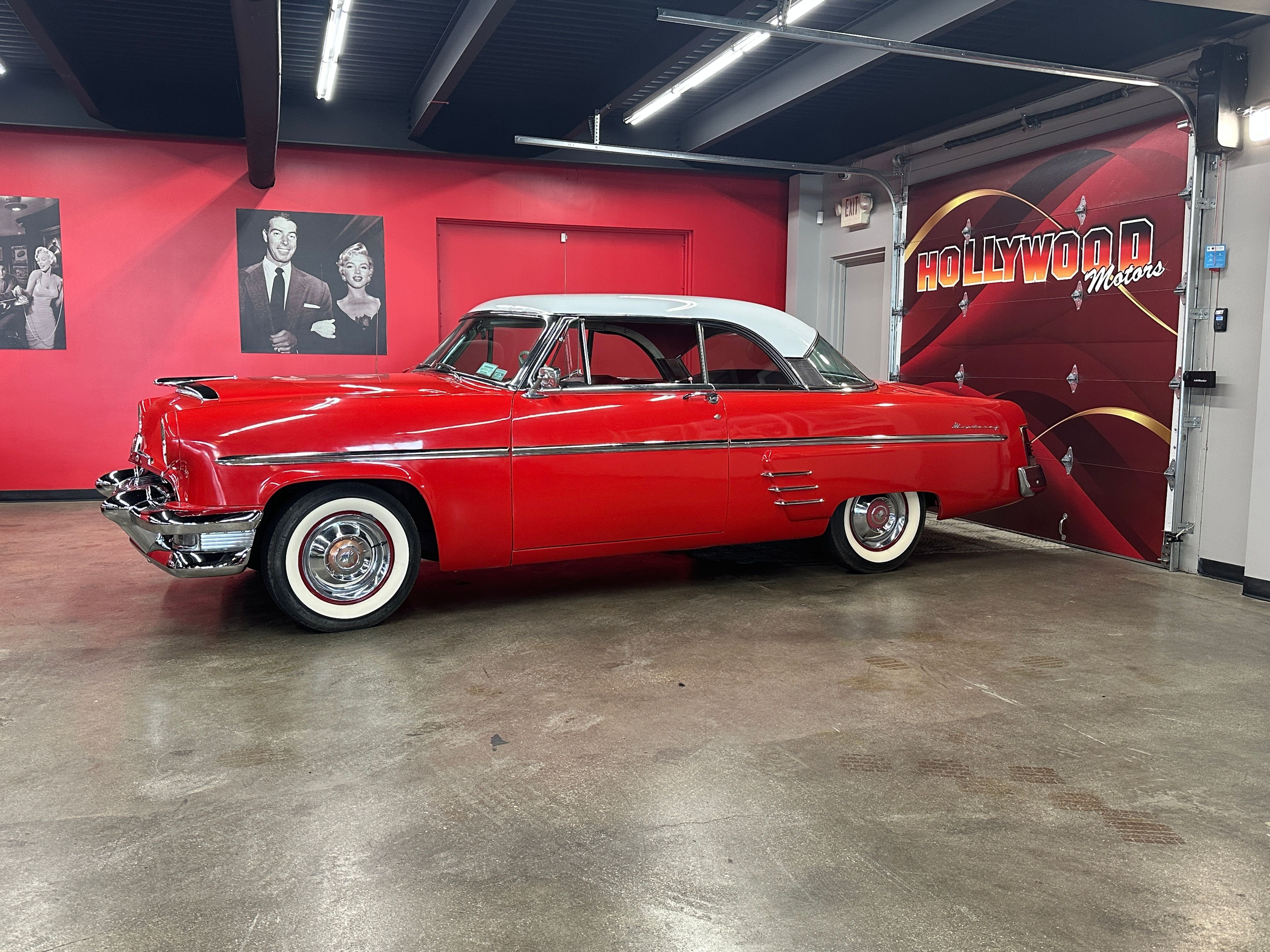 $19,900 · 42% below typical
Expand
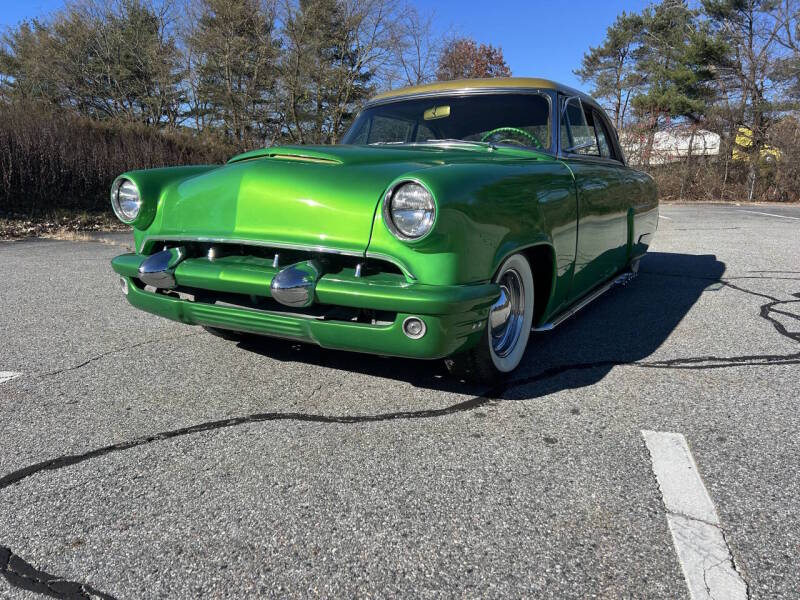 $33,900 · In line with typical
Expand
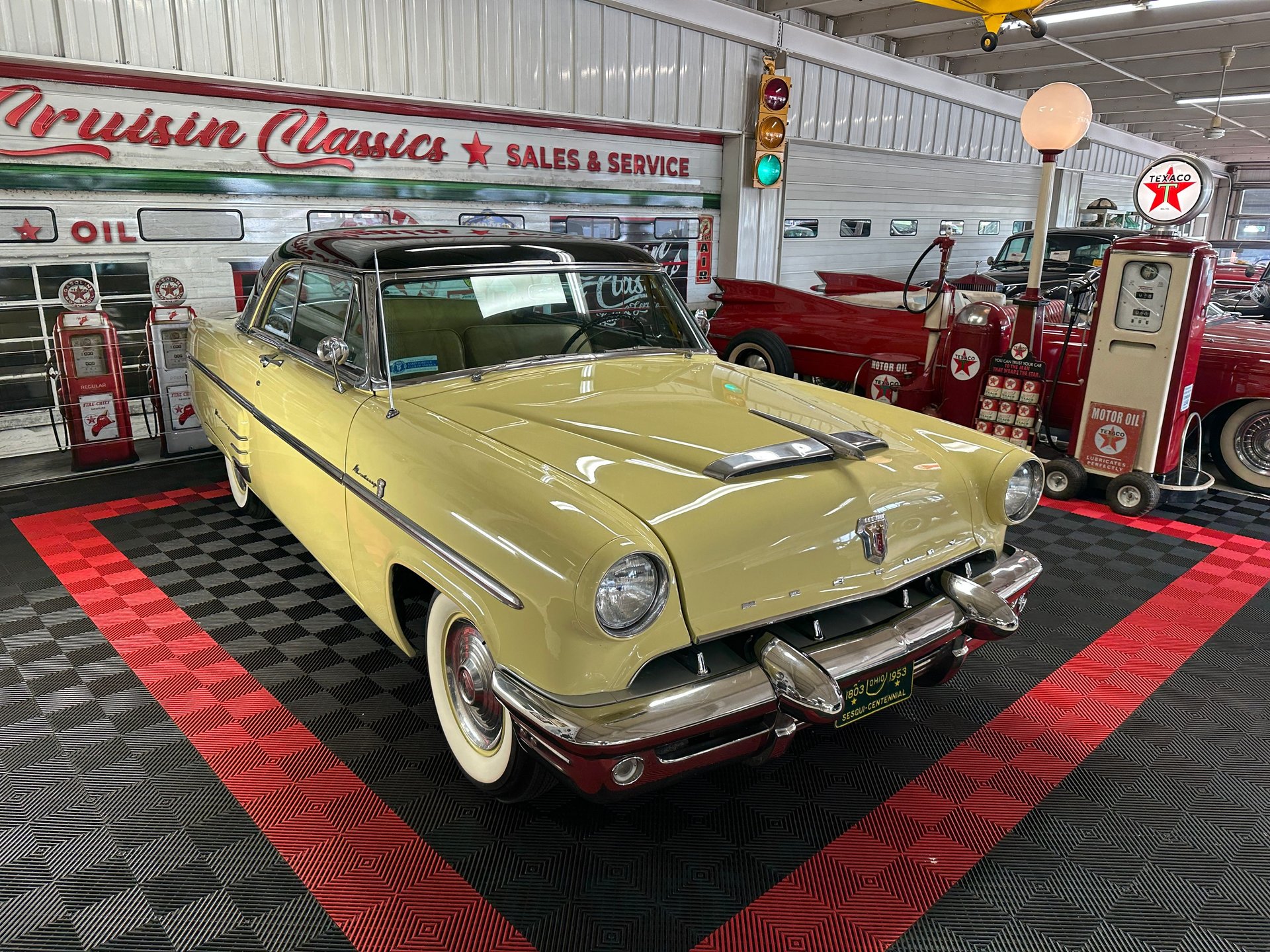 $22,995 · 33% below typical
Expand
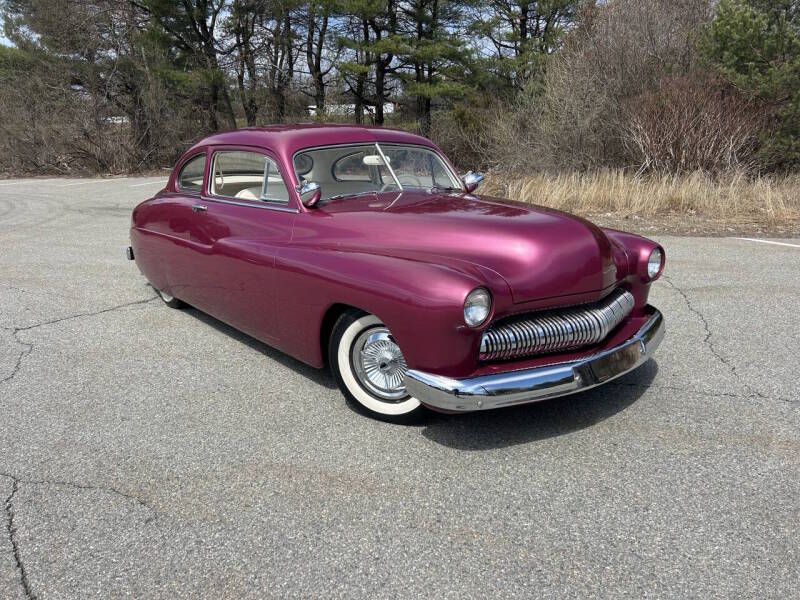 $36,900 · 7% above typical
Expand
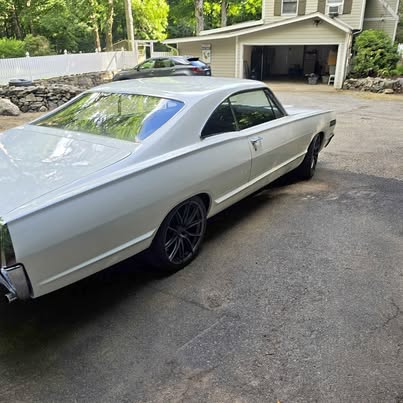 $28,500
Expand
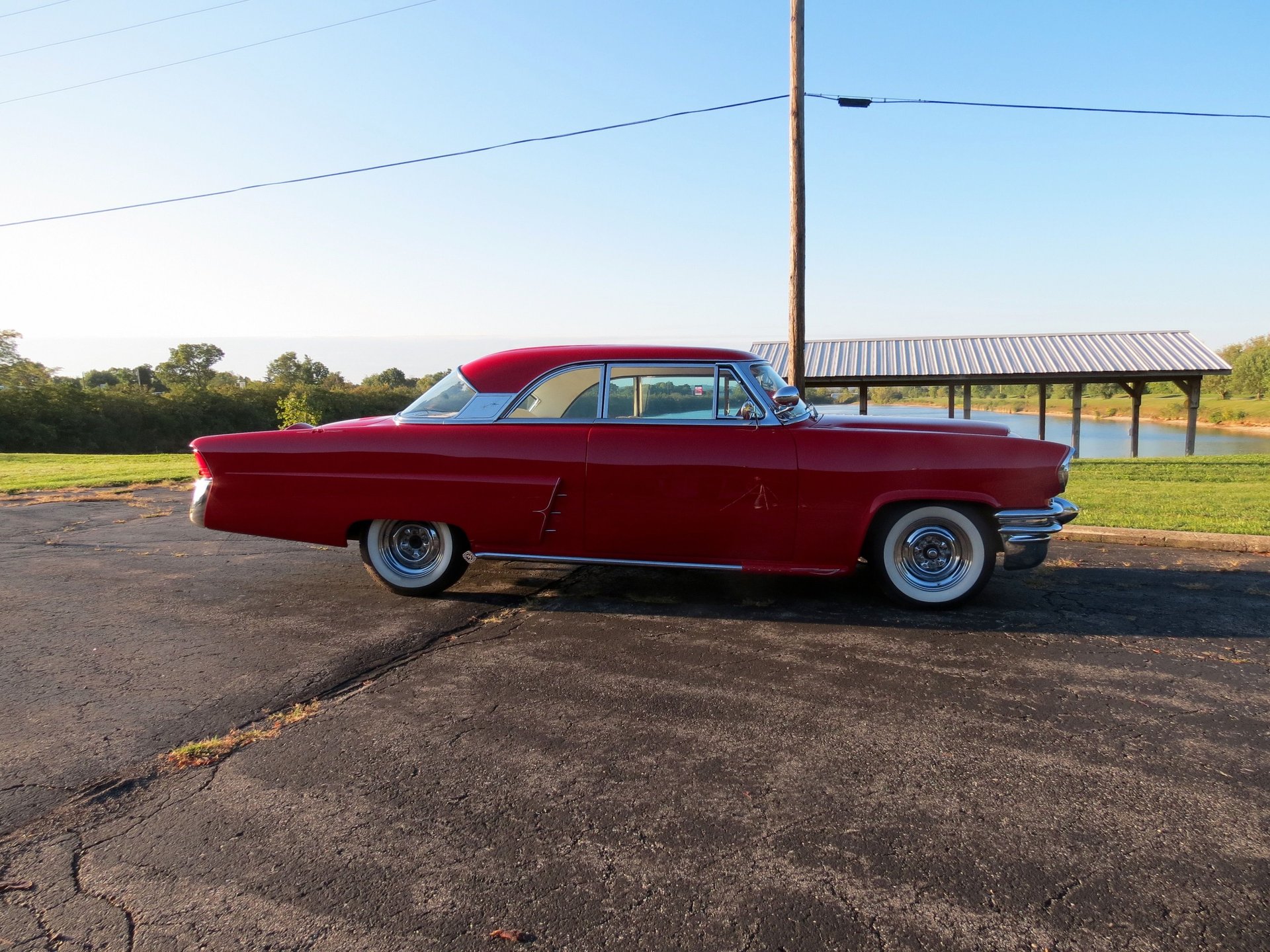 $65,000 · 88% above typical
Expand
What they sell for: Monterey sale prices.