
Pontiac Grand Ville buyer's guide
Pontiac Grand Ville -- the model's own buyer's guide: variants, values and what to check.
Years listed: 1973-1975 · Series: Full Size
# Pontiac Grand Ville — Buyer's Guide
Overview and history
You are looking at the last of the truly big Pontiacs built in the old manner, and the last Pontiac flagship that still behaves like a flagship. The Grand Ville runs for just five model years, 1971 to 1975, as the top full-size Pontiac, sitting above the Bonneville on General Motors' B-body platform. It replaces the Executive at the top of the range and takes the job seriously: the longest, heaviest, most heavily trimmed Pontiac you can buy, with a Pontiac-built V8 as standard, a Turbo Hydra-Matic automatic behind it, and an options list long enough to embarrass a Cadillac owner without ever wearing a Cadillac badge.
Understand the timing, because the timing explains everything you find when you inspect one. The Grand Ville is designed in the late 1960s, when size, torque and quiet are virtues and fuel is cheap, and it is launched into a world that changes underneath it every year of its life. In 1972 the industry switches to net horsepower ratings and compression falls so the cars can run on low-lead and unleaded fuel. In 1973 the federal 5-mph front bumper rule adds the big impact bumpers; in 1974 the rear bumper follows. In 1975 the catalytic converter arrives, High Energy Ignition becomes standard Pontiac practice, and the convertible — offered every year of Grand Ville production — reaches the end of the line for the whole B-body range. A 1971 Grand Ville and a 1975 Grand Ville look like brothers and drive like cousins from different decades. You buy them for different reasons, and this guide treats them that way throughout.
What the Grand Ville is not matters as much as what it is. It is not a muscle car, whatever a seller tells you. The 455 cubic inch engine shares its architecture with the engines in the GTO and the Trans Am, but in the Grand Ville it is tuned for silence and low-speed torque, fed through a single exhaust on most cars, and asked to move well over two tons of steel, glass and vinyl. It does that job beautifully. It does not do the stop-light job, and a Grand Ville that has been hot-rodded toward that job — big carburettor, lumpy camshaft, loud exhaust — is usually a car whose original virtues have been traded away for nothing it does well. Correct the "factory muscle barge" myth at the outset: apart from a small number of cars ordered with higher-output 455 variants, the Grand Ville leaves the factory as a luxury car, and its value today lies in it still being one.
Why buy one now? Three honest reasons. First, presence: nothing built since occupies road space with this much calm. Second, the convertible: among the last full-size American soft-tops, seating six in genuine comfort with the top down, with a scissor-top mechanism shared across the GM range, which keeps it serviceable. Third, mechanical honesty: the Pontiac 400 and 455 V8s and the Turbo Hydra-Matic 400 are among the best-understood, best-supported drivetrains in the American classic world. The Grand Ville's problems are real — rust, weight-driven wear, fifty years of deferred maintenance on complex power accessories — but none of them are mysterious, and almost all can be tested for at the kerb with the checklist in this guide.
One identity warning before you look at a single car. The Grand Ville shares its body shell, glass and much of its brightwork with the Bonneville and Catalina below it, and its platform with the Chevrolet Caprice, Oldsmobile Delta 88 and Buick LeSabre. Badges, grilles and side trim swap between these cars more easily than sellers admit, and a Catalina or Bonneville dressed with Grand Ville script is a known thing in this market. The car itself carries the truth: the VIN and the Fisher Body trim tag settle what it was built as, and the inspection section shows you where to read them. Never pay Grand Ville money — especially Grand Ville convertible money — for a car whose identity you have not personally verified.
The models
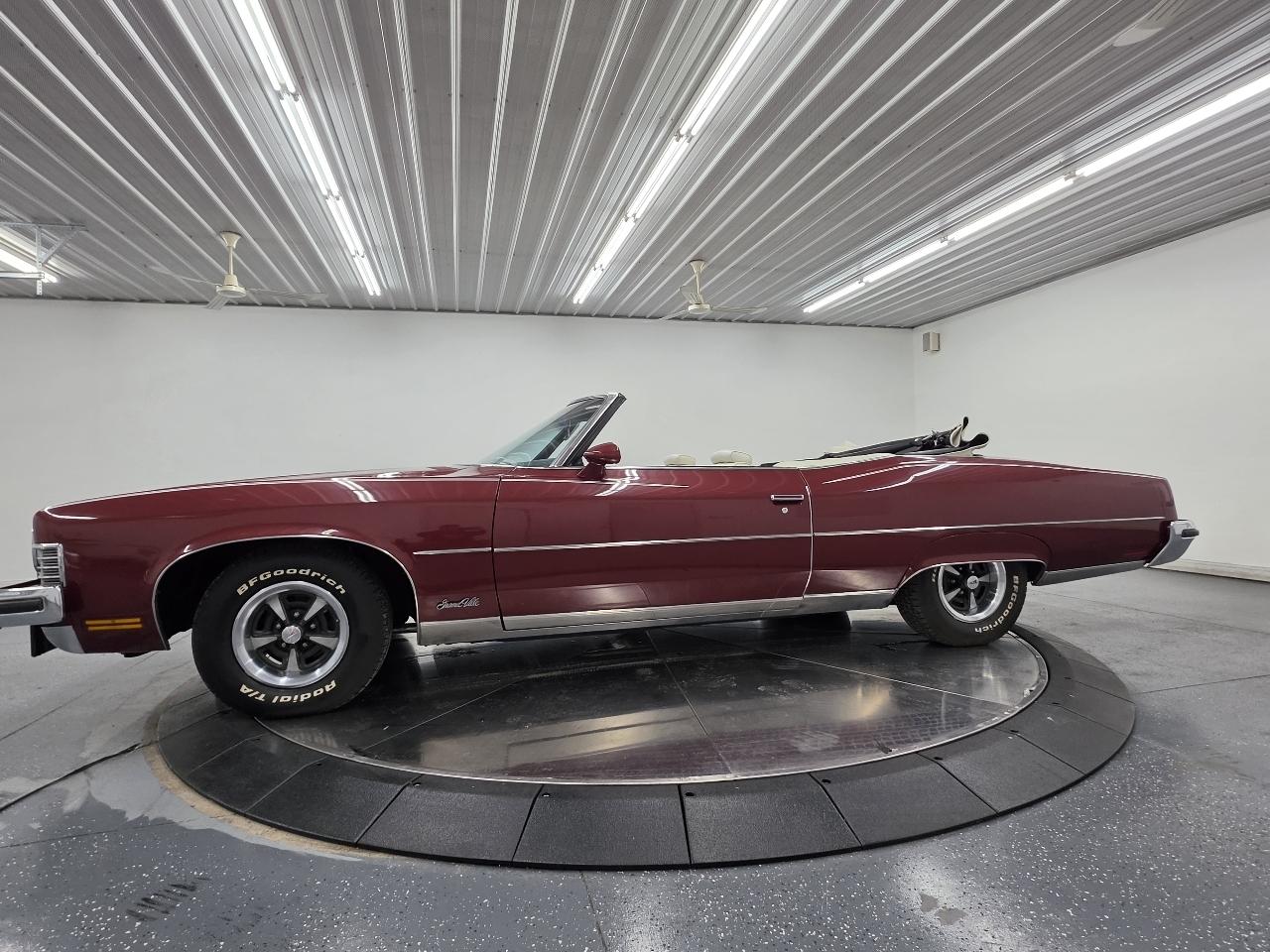
The Grand Ville range is simple in outline and complicated in detail. You get three body styles: a two-door hardtop, a four-door hardtop, and a convertible. There is no Grand Ville sedan with a fixed B-pillar and no wagon — if you are offered one, you are looking at a Catalina or Bonneville wearing the wrong badges. All three sit on the same B-body structure with the same suspension, engine choices and transmission. The differences that matter are the roof over your head, the trim inside, and the model year on the title, because the year decides the bumpers, the emissions equipment, the ignition system and the engine's character.
The two-door hardtop is the volume Grand Ville in the early years and the most formal-looking of the three, with a broad C-pillar and, on many cars, a padded vinyl roof that becomes a central inspection issue — vinyl traps moisture against the steel beneath it, and the prettiest roof in the photographs can hide the worst rust on the car. The four-door hardtop is the pillarless family flagship: all four side windows drop into the doors, and it carries the same trim and equipment as the coupe. Four-door hardtops live harder lives than coupes — they were bought as family cars and used as family cars — but collectors chase them least, which makes a genuinely sound one the value route into the model. The convertible is the car the market wants: built in far smaller numbers than the hardtops every year, and in 1975 part of the very last run of B-body convertibles from any GM division. Everything specific to it — scissor top frame, hydraulic pump and rams, top well, extra body flex — gets its own treatment in the problem areas, because a convertible with a tired top mechanism and a rusted well is a restoration project wearing a driver's clothes.
Trim is where the complication lives. At launch the Grand Ville is itself the top trim, with a distinctive grille carrying the Pontiac arrowhead at its centre, Grand Ville script on the fenders and rear quarters, and standard equipment that already includes power steering, power front disc brakes, the Turbo Hydra-Matic and, in the first years, the 455. From 1973 the Brougham name appears as the still-more-luxurious interior treatment — plusher loose-pillow seating, deeper carpeting, more woodgrain, more sound deadening. A Grand Ville Brougham is a Grand Ville with that interior package, not a separate model, and in 1976, after the Grand Ville name is retired, the idea continues as the Bonneville Brougham. Compare trim tags, not the seller's vocabulary: a swapped interior shows up as a mismatch between the tag codes and the upholstery in front of you.
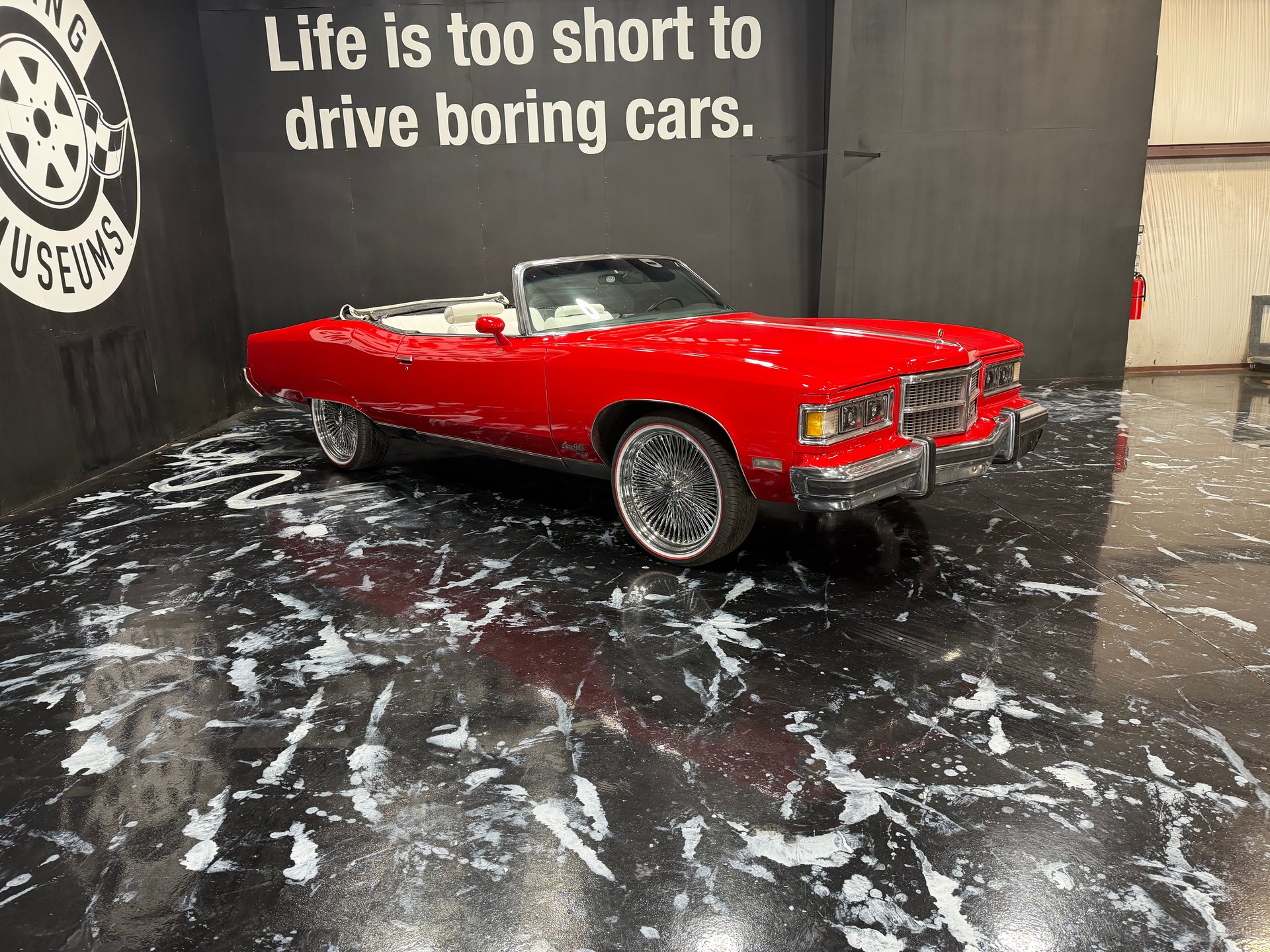
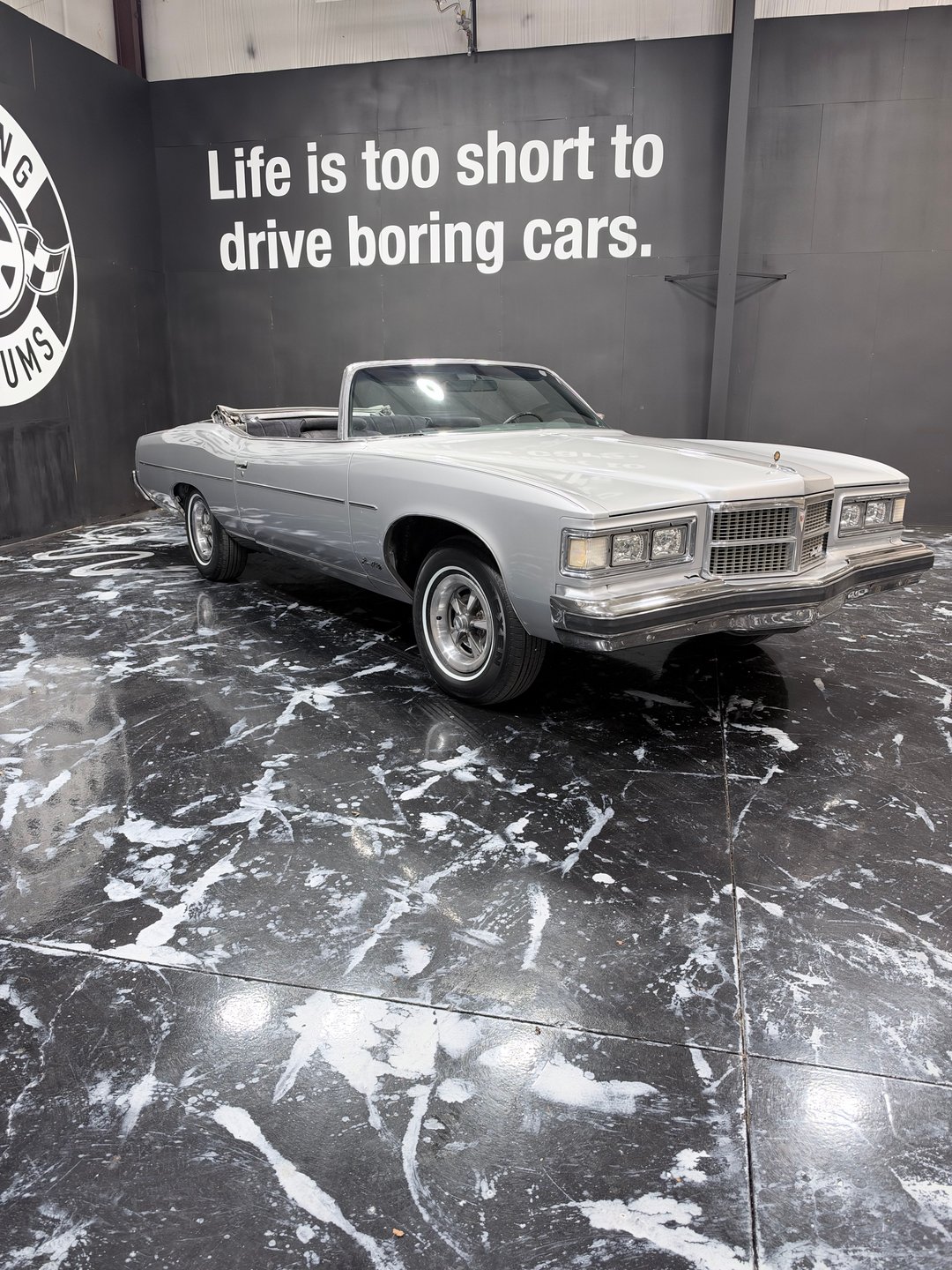
Year by year, the changes that matter run like this. The 1971 car is the purest: round headlamps, no impact bumpers, the 455 standard in its strongest Grand Ville tune, interiors at their most colourful. The 1972 car is mechanically similar, detuned a step for the fuel change. The 1973 car gains the 5-mph front bumper on energy-absorbing mounts and with it a longer, heavier nose; the 400 becomes the standard engine in most of the range with the 455 the option, and the Brougham interior arrives. The 1974 car gains the matching rear bumper. The 1975 car is the most changed: rectangular headlamps in a squared, formal front end, a catalytic converter, HEI ignition, and a range in which the convertible is living on borrowed time. The buying consequences: pre-1973 cars are simpler and lighter in the nose, 1973–74 cars are the middle ground, and 1975 cars carry the most emissions hardware and electrical sophistication — the most to recommission at fifty years old, and often the most already recommissioned by owners who knew what they were doing.
| Model | Years | Engine | Output | Built | Character |
|---|---|---|---|---|---|
| Grand Ville two-door hardtop | 1971–75 | Pontiac 400 / 455 V8 | Net ratings fall across the run; 455 cars strongest in 1971 | The early-years volume seller | The formal flagship coupe; vinyl-roof rust is the defining check |
| Grand Ville four-door hardtop | 1971–75 | Pontiac 400 / 455 V8 | As above | Steady seller throughout | Pillarless six-seat luxury; the value buy in hardtops |
| Grand Ville convertible | 1971–75 | Pontiac 400 / 455 V8 | As above | A small fraction of hardtop production every year | The collector car of the range; top mechanism and top well decide value |
| Grand Ville Brougham (trim) | 1973–75 | Pontiac 400 / 455 V8 | As above | An interior package, not a separate line | The plushest cabin Pontiac offered; check trim tag against upholstery |
A word on production figures, because sellers quote them loosely. Pontiac built Grand Villes in the tens of thousands across the hardtops in the early 1970s and in far smaller numbers as the fuel crisis and emissions era bit into full-size sales; convertibles were always the low-production style, in the low thousands per year and falling by 1975. Treat any suspiciously precise figure for a specific body-and-engine combination with caution unless a Pontiac Historical Services document stands behind it. What matters for your money is that hardtops survive in reasonable numbers, convertibles do not, and originality of identity, engine and trim separates a car with a future from a car with a story.
Engines and gearboxes
Every Grand Ville carries a Pontiac-built V8, and that matters more than it sounds. Until the late 1970s each GM division designs and builds its own engines, and the Pontiac V8 is a distinct engine — not a Chevrolet small-block with different badges. Parts knowledge and specialists follow the Pontiac family specifically, and the first identity check on any car is confirming the engine is a Pontiac, is the displacement the seller claims, and ideally is the engine the car was born with; Pontiac stamps the engine code and a partial VIN on the block, and the inspection section tells you where to find them. A Chevrolet or Oldsmobile engine swapped in — it happens, usually after a failure decades ago when any yard V8 looked alike — transforms the car's value and its parts ordering for life. Never pay original-engine money for a swapped car, however sweetly it runs.
The Pontiac 455 V8
The 455 cubic inch (7.5-litre) Pontiac V8 is the Grand Ville's defining engine, standard in the first years and the prestige option thereafter. It belongs to the Pontiac V8 family that grows from the 287 of 1955 through the famous 389 and 400, and the 455 is the largest regular-production version, its long stroke giving it its character: a torque engine, not a revving engine. In the Grand Ville it breathes through a Rochester Quadrajet four-barrel in most applications, runs a hydraulic flat-tappet camshaft chosen for idle smoothness, and drives through a single exhaust on the majority of cars, dual exhausts a worthwhile and comparatively rare option. Period output figures need care because the measurement system changes mid-run: 1971 figures are quoted gross, from 1972 net with all accessories and emissions equipment fitted, so a 1975 car showing a far lower paper number is not making proportionally less real torque in normal driving. What you feel in any healthy 455 car is the same: a deep, unstressed surge from idle, two tons moved without a raised voice, and a top-gear motorway gait that explains why these cars were bought by people who drove long distances.
Mechanically, the Pontiac V8 is a pushrod design with cast-iron block and heads, a timing chain driving the camshaft in the valley, and a rear-mounted distributor driving the oil pump. The details that matter at fifty years old are these. The factory camshaft timing gear is nylon-toothed aluminium on many Pontiac V8s of the era, chosen for quiet running; the nylon embrittles with heat and age, sheds teeth into the oil pan, and eventually lets the chain jump — the classic Pontiac sudden non-start or backfire-through-the-carburettor failure. Any 455 without documented timing set replacement gets a steel set budgeted immediately, $600–1,200 at a shop including the water pump you replace while you are in there. The rope-type rear main seal weeps with age; a damp bellhousing is normal, but a drip that marks the driveway is a seal job that means engine or transmission out, $1,500–2,500 in labour, and is therefore a price negotiation, not necessarily a rejection. Exhaust manifolds crack, particularly at the centre ports, and manifold bolts seize into the heads — budget $400–900 a side if studs snap. None of this is exotic: a Pontiac V8 that holds oil pressure hot at idle, runs even compression, and has had its timing set done is a 200,000-mile engine design being asked to do classic-car mileage.
The Pontiac 400 V8
From 1973 the 400 cubic inch (6.6-litre) Pontiac V8 becomes the standard Grand Ville engine in most of the range, with the 455 the option, and by 1975 most surviving cars you inspect carry the 400. Do not let a seller apologise for it. The 400 is the same architecture with a shorter stroke, revs a fraction more freely, is the engine the Trans Am made famous in hotter tunes, and in the Grand Ville it is entirely adequate — the same unhurried manner, a little more throttle on long grades. In service it shares almost everything with the 455: the nylon timing gear warning, the rope rear main seal, the manifold and Quadrajet behaviours. It adds one trap of its own: a "455" that turns out to be a 400 is the single most common engine misdescription in this market. The displacement is cast into the side of the block and the code stamp sits on the front — thirty seconds with a torch and a rag settles it. Do that check on every car, before you discuss money.
Two-barrel versions of the 400 appear in the later range as the economy tune: less power, marginally better period fuel consumption, and today a car worth less that costs the same to restore. The four-barrel Quadrajet car is the one to buy in either displacement, other things equal — but other things are rarely equal, and a sound two-barrel 400 beats a tired four-barrel 455 every day of the week.
Carburation, emissions and ignition — the systems that decide how it runs
More Grand Ville disappointment is caused by these three systems than by worn engines, so learn them as systems. The Rochester Quadrajet is a spread-bore four-barrel: small primaries for economy and response, enormous vacuum-operated secondaries for full power. It is an excellent carburettor with three characteristic age failures. The fuel well plugs pressed into the main body leak internally, draining the float bowl overnight — long cranking after the car sits, and a hot restart that needs throttle; the fix is a proper rebuild with the wells sealed, $350–650 at a specialist, not a parts-store exchange unit with the same leak built in. The air horn warps from decades of heat and over-tightening, upsetting float level and metering. And the choke system — divorced choke coil in the manifold on earlier cars, integral choke later, with a vacuum pull-off diaphragm that cracks with age — gives the cold-start stumbles and black smoke sellers blame on "a tired engine." Test the pull-off with a hand vacuum pump: it must hold vacuum. A Quadrajet rebuilt by someone who knows the model, set to the car's year specification, transforms these cars, and a receipt for exactly that work is worth real money in a purchase.
Emissions hardware accumulates across the run: positive crankcase ventilation throughout, an evaporative charcoal canister from 1971, exhaust gas recirculation from 1973, an air injection pump on many applications, and the catalytic converter on the 1975 car, which also mandates unleaded fuel. Your job is not to judge the hardware but to establish its state. A car with a seized EGR valve and perished vacuum hoses drives with a flat spot and a surge that feel like carburettor faults; a 1975 car with a plugged converter — they sinter internally after decades of short runs and rich running — loses power progressively and overheats under load in a way that mimics a failing cooling system. The distinguishing test is a vacuum gauge and a back-pressure check before anyone sells you a radiator. Where owners have removed emissions equipment, ask whether the carburettor and distributor were re-tuned to match; a half-de-smogged car is the worst-running configuration of all.
Ignition splits the range in two. Cars through 1974 use breaker points in a Delco distributor: simple, field-serviceable, and entirely dependent on a $20 set of points and a condenser being changed on schedule, which on neglected cars they are not. Dwell drift from a worn rubbing block is the classic cause of a car that "needs a tune-up every spring." The 1975 car uses GM's High Energy Ignition — HEI — with the coil in the cap and an electronic module doing the switching. HEI is a genuine advance with two known failures: the module dies from heat, usually as an intermittent cut-out when hot that recovers when cool, and the carbon brush and rotor burn under the cap centre. A spare module in the glovebox is the experienced owner's habit. On either system, check the advance mechanisms actually move: a seized centrifugal advance or a ruptured vacuum canister leaves a car that idles sweetly and pulls flatly — cheap parts hiding behind expensive misdiagnoses.
Gearboxes: the Turbo Hydra-Matic 400
There is one gearbox in the story, and it is a great one. The Turbo Hydra-Matic 400 — TH400 — is GM's heavy-duty three-speed automatic, fitted behind every Grand Ville engine, column-selected, and strong enough in standard form to handle the 455's torque indefinitely. It has no overdrive, so the car cruises at comparatively high revs by modern standards; that is original behaviour, not a fault. Shifting is governed by a vacuum modulator on the side of the case and an electric kickdown switch, with a governor in the tail housing deciding road-speed shift points.
Age failures are specific and diagnosable. The modulator diaphragm ruptures, and the engine draws transmission fluid up the vacuum line and burns it — white-ish exhaust smoke everyone blames on the engine, plus a falling fluid level with no external leak. Pull the vacuum hose at the modulator: fluid inside condemns it, and it is a cheap part. The governor's plastic driven gear apple-cores with wear and the box loses upshifts; the governor comes out from the side cover without removing the transmission. Neglected fluid leaves a varnished valve body that shifts late and hard when cold and better warm — the opposite pattern to a worn box, which slips worse hot. A TH400 that slips on the 2–3 shift, flares between gears, or shows burnt-smelling brown fluid is budgeting a rebuild at $1,800–3,200; a box that shifts firmly and holds clean red fluid is usually a modulator, a filter service and a kickdown switch away from correct behaviour. No manual Grand Ville exists from the factory: a car with a clutch pedal is a conversion, valued as a modified car whatever its other merits.
Problem areas
Rust: the map
Rust decides Grand Ville values more than any other single factor, because the mechanical car underneath is almost always rebuildable and the body, at restoration-shop rates, often is not. These are body-on-frame cars, which helps you — a rotten body does not automatically mean a rotten frame, and a sound frame forgives a great deal — but the B-body shell has a well-established rust geography, and you walk the same map on every car.
Start at the rear quarters. The lower quarters behind the wheels trap road spray inside the wheelhouse, the drain at the bottom blocks with debris, and the panel rusts from the inside out: the paint bubbles you see are the last stage, not the first. Press firmly along the lower quarter and the wheel-arch lip, and look inside the boot at the quarter's inner face with a torch. Fender skirts, fitted to many Grand Villes, make this worse and hide it better — a skirted car needs the skirts off or the inspection is incomplete. The boot floor rusts where water enters past a perished seal and the rear window, then sits under the mat; lift mat and spare, and prod the floor over the tank and at the drop-offs into the quarters. A perforated boot floor is a $1,200–2,500 repair done properly; flat sheet pop-riveted over rot is a warning about the whole car's history.
Move to the floors and the frame. Front floor pans rust at the toe boards, where water tracks down from a leaking windscreen seal or blocked cowl drain, and under the seats where fifty years of wet shoes have lived; the rear floor rusts over the axle where the underbody coating fails. On the full perimeter frame, the critical areas are the rear kick-up over the axle, the body mount pockets, and the side rails behind the front wheels where salt spray concentrates. Surface scale is cosmetic; perforation at a mount or the kick-up is structural, and frame repair on a car of this value starts the negotiation at "parts-priced project." The rubber body mounts themselves perish and compress — a car sitting visibly uneven, or doors dropped because the body has settled, needs a set: cheap parts, expensive labour, $1,500–3,000 if the captive bolts fight back, which they do.
The roof differs by body style. Vinyl-roofed hardtops rust under the vinyl, full stop: moisture wicks through seams and pinholes, sits against the roof skin and rear window channel, and eats the metal invisibly until the vinyl bubbles or the headlining stains. Probe the roof edges and window surround with your fingertips through the vinyl — a crunchy, uneven feel is rust, and a roof skin and channel rebuild is $2,000–4,000 of skilled work. Budget vinyl-roof cars as guilty until proven innocent. Convertibles trade that risk for the top well: the well behind the rear seat collects every drop past the top, its drains block, and the well, seat pan and boot floor rust together. Lift the well liner. A dry, original well is one of the best signs a convertible can show you; a patched or perforated well tells you the car has lived wet, and everything upholstered behind the seats has lived wet with it.
Finally the brightwork. The massive chrome bumpers rust from the back face and pit on the front; re-chroming runs $600–1,200 per bumper, so pitted chrome is real money. Pot-metal trim — grille surrounds, headlamp doors on later cars, the Grand Ville scripts — pits and cracks, and Grand Ville-specific trim is not reproduced in depth: a car missing its correct grille or scripts is a car you may never complete. Check the trim is present and correct before you fall for the paint.
Body, convertible top and structure
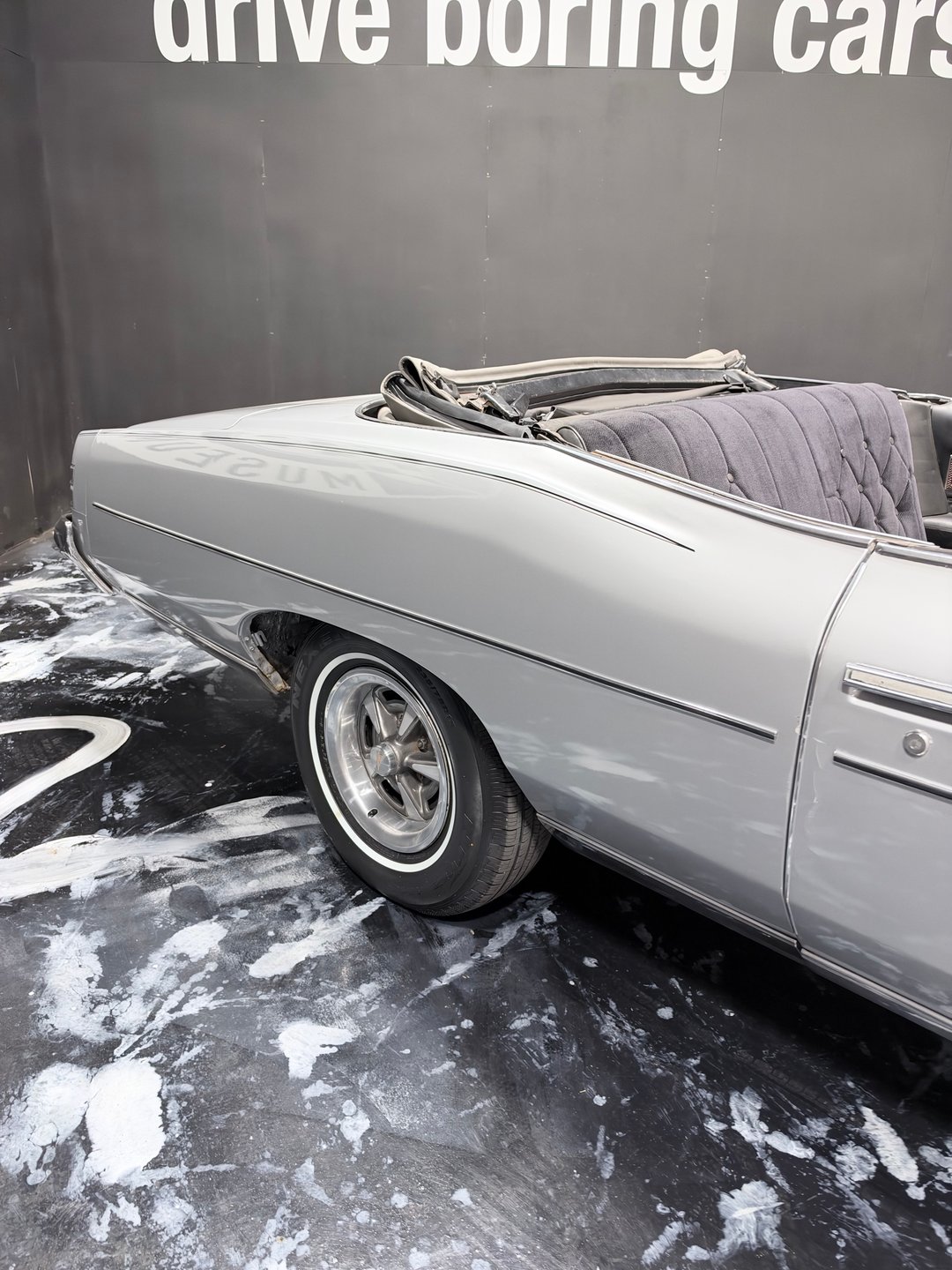
The scissor top is the convertible's glory and its budget line. GM's scissor mechanism folds the frame sideways as it drops, which is why these tops disappear so completely into the well. An electric motor drives a hydraulic pump behind the rear seat, with two rams doing the lifting. Failures are hydraulic and electrical rather than structural: the reservoir runs low and the top slows and strains; ram seals weep fluid into the well (another reason the well rusts); hoses perish and burst at full pressure; the motor relay and dash switch fail after decades of high current. Run two full cycles on any inspection, watching for even movement — a top that twists has a bent frame link or a failing ram, and frame alignment is specialist work. A full hydraulic refresh runs $800–1,800; a new top skin fitted properly is $1,500–2,500, with the rear window section and pads in that job. The frame itself, if rusted or bent, is the scarce part — shared with the other B-body convertibles, which helps, but good frames are hunted. A convertible that cannot demonstrate its top working is priced as if the whole system needs rebuilding, because until it moves, you cannot prove otherwise.
Body alignment tells the accident story. Doors sag on their hinges with age and weight — a door that lifts slightly as it closes is worn hinge pins and bushings, $150–400 a side, and is normal. Wings whose gaps wander, or a bonnet sitting proud at one rear corner, are collision signatures that point you to the frame horns underneath. Look for factory spot-weld dimples along the inner wing seams; fresh black paint under a shiny car is the oldest trick in this market and earns a magnet-and-torch session everywhere, not just where the seller expects you to look.
Suspension, steering and brakes
Everything at the corners wears at a rate set by two and a quarter tons and fifty years. The front suspension is a double-wishbone layout with coil springs and ball joints top and bottom; the rear is a coil-sprung live axle on trailing arms. None of it is fragile and all of it is consumable. Worn ball joints are the safety item — a joint that separates drops the corner of the car — so any car without documented front-end work gets a pry-bar test on a lift and a budget of $900–1,800 for a proper rebuild with joints, bushes and an alignment. Idler arms and centre links wear and give the characteristic B-body steering wander: constant small corrections on the motorway, a feel that is vague rather than loose. The recirculating-ball steering box leaks from its seals and develops play at centre; a rebuilt box is $400–700 exchanged, and the high-pressure hose is a known weeper that coats the left of the engine bay in oil mist sellers blame on the engine.
Springs sag, and unevenly — measure arch-to-lip heights corner to corner, because these slab sides hide a lean well. Air shocks at the rear are a previous owner's answer to sagging coils; the correct answer is springs, and a car on air shocks with perished lines rides worse than either. At the rear, trailing-arm bushes perish and let the axle steer the car under power and braking — the subtle rear-end wag on a trailing throttle that owners describe as "character." Bushes are inexpensive; the pressing labour is the cost.
Brakes are front disc, rear drum, vacuum-assisted, and adequate when maintained. The age failures are hydraulic: steel lines rust along the frame rail, flexible hoses balloon internally and act as one-way valves holding a brake on, calipers seize after standing, and the master cylinder bypasses internally — the pedal that sinks slowly at a traffic light. A car that pulls under braking has a seized caliper or a collapsed hose until proven otherwise; compare wheel temperatures after a drive. Budget a full hydraulic refresh — lines, hoses, master, calipers, wheel cylinders — at $1,200–2,200 on any car without receipts, and treat it as non-negotiable safety work, not haggling garnish. Parking brake cables seize in their conduits on cars never parked on hills, which in flat country is most of them.
Engine and drivetrain wear beyond the known faults
Beyond the specific failures in the engines section, you are assessing general wear on a low-stressed engine, and the classic tests work. Pontiac V8s hold strong oil pressure when healthy; a mechanical gauge showing genuinely low hot pressure means bearing wear and a rebuild budget of $4,500–7,500 for a quality stock rebuild. Blue smoke on start-up that clears is valve stem seals — $300–600 at a shop, barely a negotiation point. Blue smoke under load is rings and bores and belongs in the rebuild conversation. A compression test across all eight, no cylinder more than about ten percent below the best, plus a vacuum gauge steady in the high teens at idle, tells you more truth in twenty minutes than an hour of listening to it idle. At cold start, a brief timing-chain rattle is the nylon gear's obituary being drafted; lifter tick that quiets as pressure builds is usually harmless on a car that has stood; a deep knock that follows revs is not.
The rear axle is quiet when healthy; a whine that changes with throttle — on under power, off on coast — means ring and pinion wear, while a constant hum following road speed means bearings. Axle seals leak onto the rear brakes, announcing themselves as a grabbing brake and gear-oil smell. Limited-slip units, where fitted, chatter on tight turns when the clutch pack is worn or the friction modifier is absent — an oil change with the correct additive is the first test, and often the cure.
Cooling is sized for a lighter era's traffic. The copper-brass radiator silts internally; the thermostatic fan clutch fails free — the fan spins but moves no air at idle, and the car that "only overheats in traffic" is born. Test the clutch hot, engine off: it should resist turning by hand. Heater cores leak into the passenger footwell and are a dash-deep job on air-conditioned cars, $900–1,500 in labour — sweet coolant smell in the cabin and a greasy windscreen film are the tells, and they move a car down your list fast.
Interior, electrics and accessories
A Grand Ville's luxury is its accessories, and its accessories are where the recommissioning money goes after rust. The dashboard pad cracks across the speaker grille and along its front edge; a recovered dash is $500–1,000. Brougham buttoned upholstery splits at the buttons and seams, and correct-pattern reproduction covers exist for the common trims but not all — check your car's trim code against availability before assuming. The six-way power seat uses a transmission and cables that strip; power window motors slow, then stop, usually with the window down in the rain. Each door motor is $80–200 in parts with an hour or two of labour, and a car with every window, the seat, the locks and the aerial working has had money spent recently — ask for the receipts, because that diligence usually extends to the mechanical car.
Air conditioning is the R12-era A6 compressor system with a POA valve. It is robust and rebuildable, but expensive to make cold again if it has stood empty for years: compressor, receiver-drier, hoses and a flush run $1,500–2,800 done properly. A system with the belt removed has a seized compressor until proven otherwise, and the seller's "it just needs gas" is worth exactly the paper it is not written on. Vacuum-operated accessories — climate doors, cruise control, locks on some cars — depend on small hoses that perish invisibly; climate stuck on defrost is the classic vacuum default, and tracing it is time, not parts.
Electrics are Delco and conventional: a starter that heat-soaks beside the exhaust manifold and cranks slowly hot — the famous GM hot-start problem, cured by a heat shield, a remote solenoid or a modern high-torque starter depending on your originality standards. Fusible links at the starter corrode and give total electrical death that mimics a dead battery. Cornering lamps, fibre-optic lamp monitors, automatic headlamp systems on the plushest cars — each dead one is a deduction. None of this is hard; all of it is time, and time at shop rates is how a cheap Grand Ville becomes an expensive one. Count the dead accessories on your fingers during inspection, and price the car with your fingers still up.
How to inspect one
Work in this order, so the checks that can kill the deal happen before the checks that merely price it, and insist the car is cold when you arrive — a warmed-up Grand Ville hides its choke faults, its timing-chain rattle and its cold-start smoke. Bring a torch, a magnet wrapped in cloth, and a friend to work pedals and switches while you watch.
- Identity before everything. Read the VIN plate at the base of the windscreen on the driver's side and confirm it decodes as a Pontiac Grand Ville of the year claimed — the model code in the VIN is what separates a Grand Ville from a Bonneville or Catalina in factory terms. Then read the Fisher Body trim tag on the cowl and check the paint and trim codes against the colours and upholstery in front of you. A mismatch is not automatically fraud — interiors get retrimmed — but an unexplained mismatch ends the "original car" conversation and reprices everything that follows.
- The engine's papers. Find the engine code stamp on the machined pad at the front of the block by the water pump and the partial VIN stamped beside it, and check the displacement cast into the side of the block. This is the thirty-second test from the engines section that settles 400 versus 455 and original versus swapped. A swapped or misdescribed engine does not end the inspection — it changes the car's category, and you continue inspecting the car it actually is.
- Cold start, bonnet up, ears open. Start it from cold and listen for timing-chain rattle, lifter clatter that outstays its welcome, and knocks that follow the revs. Watch the exhaust: blue at start-up only is stem seals; blue under load later is rings; white smoke with a falling transmission fluid level is the TH400 modulator from the gearbox section, not the engine. Note how long the choke takes to come off and whether the fast idle behaves — you are testing the whole choke and pull-off system in one start.
- The rust walk. Follow the map from the problem areas in order: lower rear quarters with firm hand pressure, wheel-arch lips, inside the boot with mat and spare lifted, floor pans, frame kick-up and body mounts with the torch, roof edges and rear window channel through the vinyl on a hardtop, the top well with the liner lifted on a convertible. The magnet tells you where filler lives; your fingertips through vinyl tell you where rust lives under it. Photograph everything — you will not remember which side bubbled.
- Panel fit and accident evidence. Walk the shut lines: doors, bonnet rear corners, boot lid. Sagging doors that lift into the latch are hinge wear; wandering gaps are collision history. Look for factory spot-weld dimples on the inner wing seams, and treat fresh underseal under a shiny car as an instruction to look harder everywhere, as the body section warns.
- Underneath on a lift — a serious seller will allow it. Pry-test the ball joints, rock the wheels for bearing and tie-rod play, read the frame at the kick-up and mounts, trace the brake and fuel lines along the rail, and check the axle seals and the transmission pan and modulator area for leaks. Note the exhaust: single or dual, converter present on a 1975 car, manifold cracks at the centre ports.
- Fluids tell the maintenance story. Engine oil under the filler cap — mayonnaise emulsion means short runs or worse; transmission fluid red and sweet versus brown and burnt settles the TH400's recent past per the gearbox section; coolant clean versus rusty water tells you whether the cooling system has been serviced or merely topped up. Brake fluid dark as tea means the hydraulic refresh from the brakes section is yours to buy.
- The road test, long enough to get everything hot. Twenty minutes minimum. Feel for steering wander (idler arm and centre link), rear-end wag on a trailing throttle (trailing-arm bushes), pull under braking (caliper or hose), and a pedal that sinks at a stop (master cylinder). Work the transmission through kickdown and listen for flare on the 2–3 shift. There is no overdrive, so a car that sounds busy at speed may simply be correct. Finish with a hot restart in the seller's driveway: the heat-soaked starter and the Quadrajet's hot behaviour show themselves now or not at all.
- Every accessory, one by one, with your friend on the switches. All four windows full travel, power seat in every direction, locks, aerial, lights including cornering lamps, wipers and washers, heater and air conditioning through every mode — remembering that climate stuck on defrost is the vacuum default from the electrics section. Count the dead systems on your fingers and keep them up while you negotiate.
- The convertible's own test, if it is a convertible. Two full top cycles, watching for twist, listening to the pump, checking the well afterwards for fresh hydraulic weep. Latch it, hose-test or at least inspect the top skin against the light for pinholes, check the rear window's clarity and zip or seam, and confirm the boot cover and well liner are present. A top that cannot be demonstrated is priced as a full hydraulic rebuild, per the body section — say so plainly.
- Oil pressure and vacuum, the twenty-minute truth. With the engine hot, a mechanical oil-pressure gauge and a vacuum gauge give you the numbers the wear section describes: strong hot idle pressure and a steady high-teens vacuum reading are a healthy engine's signature; a flickering needle or low pressure reopens the rebuild budget conversation. If the seller refuses gauges and a lift, the refusal itself is data — adjust your offer to the risk or walk.
- Paperwork and parts presence, last because it prices rather than kills. Receipts for the timing set, the carburettor rebuild, the top hydraulics and the brake hydraulics are the four documents that most change what a Grand Ville is worth, because they are the four jobs every car needs. Check the correct grille, scripts and trim are on the car, and that the title matches the VIN from step one — digit for digit, not approximately.
Values
The Grand Ville market is a condition market, not a rarity market, and learning to read it that way saves you more money than any negotiation tactic. Hardtops were built and survive in real numbers, so no seller of a hardtop — however shiny — is holding the only one; convertibles are genuinely scarce, but even there, scarcity only pays when the car underneath the scarcity is sound. What the listings on this site and the recorded sales beneath this guide show, read properly, is a wide spread between the cheapest and the dearest Grand Ville on offer at any moment, and that spread is almost entirely explained by four things: the state of the body shell, whether the top works on a convertible, whether the engine is the engine the car was born with, and how many of the power accessories still do their jobs. Learn to grade those four honestly and the asking prices sort themselves into sense.
Understand the project-versus-driver gap, because it is wider on this model than on most. A Grand Ville is a large, trim-heavy, accessory-heavy car: restoration costs scale with size and complexity while finished values scale with demand — and demand, outside the convertible, is moderate. So a rough hardtop can be priced at a small fraction of a finished one and still be the more expensive car to own: the gap between project and driver prices rarely covers the bodywork, chrome, interior and recommissioning that separate them, as the problem areas section prices out job by job. That is why genuinely finished, documented cars hold their money, and why the middle of the market — the shiny repaint over an unexamined shell — is where buyers lose it. Compare like with like on body style and shell condition first, and treat every "restored" claim as unproven until the receipts and the magnet agree.
Premiums in this market are logical; pay them only when they are real. The convertible premium is real: fewer cars, the last-of-the-line 1975 story, open-air six-seat cruising nothing newer replicates. The 455 premium is real but smaller than sellers claim, and evaporates if the engine code stamp does not back the badge — a verified original 455 earns its premium, a "455" that decodes as a 400 earns a correction. The Brougham interior earns a modest premium when the trim tag confirms it was born that way. Colour and working options move a car within its condition band rather than between bands. Fresh paint alone, aftermarket wheels, a loud exhaust, or an undocumented production figure earn nothing.
Asking prices and achieved prices part company predictably. Optimistic asks sit, sometimes for seasons, because the buyer pool is knowledgeable and patient; the recorded sales show what the pool actually pays, and the gap between a long-standing ask and the achieved band is your negotiating map. Bring the list: the dead accessories counted on your fingers, the timing set undone, the top hydraulics unproven, the vinyl roof unexamined. On a Grand Ville, negotiation is rarely an argument — it is an audit, and the car itself casts the deciding votes.
Finally, buy the future, not the past. The support base — Pontiac engine specialists, B-body interchange knowledge, an active full-size Pontiac community — is stable and deep, which protects usability and therefore value better than rarity alone. The cars most likely to hold their value are the ones this guide keeps pointing at: verified identity, original engine, sound shell, working top and accessories, documented maintenance. They are rarely the cheapest on the page. On the evidence of the recorded market, they are the cheapest to own.
Parts and ownership
Owning a Grand Ville is an exercise in pleasant logistics. The mechanical car is superbly supported: engine internals for the 400 and 455 — pistons, bearings, camshafts, the steel timing sets you fit as a matter of course — are ordinary catalogue items from Pontiac specialists and general American parts houses, and the TH400 is so widely used that any competent transmission shop has rebuilt hundreds. Service parts — filters, belts, hoses, brake hydraulics, suspension and steering components — are available new from multiple suppliers, and B-body interchange with Chevrolet, Oldsmobile and Buick full-size cars multiplies your options for chassis and brake parts. Be careful at the engine, though: Pontiac engine parts do not swap with Chevrolet or Oldsmobile engines, and ordering by "GM V8" alone is how wrong parts arrive.
Body and trim are the honest constraint. Mechanical wear you can always fix; Grand Ville-specific brightwork — grilles, scripts, lamp doors, Brougham details, top frame components — is reproduced selectively or not at all, and the supply is good used and new-old-stock parts circulating among specialists and swap meets. That is why the inspection sections insist the trim is present and correct before purchase: a missing grille section can take a year to find, while a worn engine takes a month to rebuild. Glass is available for the hardtops; convertible weatherstripping is reproduced and should be budgeted as a set when you do the top.
Running one is straightforward if you respect three rhythms. First, use: these cars deteriorate standing still — seals dry, carburettors gum, hydraulics weep and corrode — and a Grand Ville driven a few hundred miles a month is a more reliable object than a trailer queen. Second, fluids: engine oil and filter every season regardless of mileage, transmission fluid and filter on a two-to-three-year cycle, coolant renewed before it turns acidic, brake fluid on the same clock as any modern car. Third, fuel: the later low-compression engines were built for unleaded and run happily on modern regular, with a stabiliser over winter and a full tank against condensation; the earliest high-compression survivors may pink under load, which a premium grade settles.
Ordinary costs are modest — agreed-value classic insurance, consumables at American-parts prices, tyres in the original 15-inch sizes still made — while the extraordinary costs are the ones priced through this guide: bodywork, chrome, top and interior. Find your people early: a Pontiac-specialist engine shop, a transmission shop that knows the TH400's modulator and governor by touch, a trim shop that has done a scissor top before yours, and the full-size Pontiac community online, whose trim-tag and interchange knowledge is the best manual supplement you will own. Garaging matters more than any of it: a Grand Ville kept dry keeps its shell, its chrome and its top well, and one kept outside consumes its own value in exactly the places this guide taught you to inspect.
Which one to buy
- The all-rounder: a 1973–74 hardtop, 455 if verified, 400 gladly accepted. The middle years balance the impact-bumper look with pre-catalyst simplicity, parts and knowledge are at their deepest, and a sound four-door hardtop in this band is the most Grand Ville per unit of money in the whole range.
- The collector buy: a 1975 convertible with a working top and a dry top well. The last year of the last full-size Pontiac soft-top, bought on shell condition and top hydraulics rather than colour or wheels. Pay the premium only when the VIN, the engine stamp and the two full top cycles all check out.
- The purist buy: a 1971 two-door hardtop with its original 455. The strongest engine tune, the cleanest nose, the most period interior — bought with your eyes open about the vinyl roof, which you budget as guilty until your fingertips prove it innocent.
- The value buy: a four-door hardtop Brougham with a tired cosmetic story and a sound shell. The market underprices four-doors and overprices shine; a mechanically documented Brougham with dull paint is the cheapest route to the full flagship experience, and paint is the one thing you can buy later at a known price.
- The project buy — only with open eyes: any body style whose frame, quarters and top well pass the rust map, whatever else is dead. Engines, gearboxes, brakes and accessories are all fixable at priced costs in this guide; a perforated shell is the one fault that reprices the whole car, so a project is a shell purchase with a drivetrain attached, never the reverse.
The overriding rule: buy the shell and the identity, and let everything else be negotiable — a Grand Ville with a verified VIN, its original engine, a sound frame and quarters, and a working top if it has one, is the right car at almost any reasonable asking price, and no engine option, colour or fresh repaint makes a rotten or misidentified car the right one at any price.
See the 5 Grand Ville cars currently listed.
For sale now
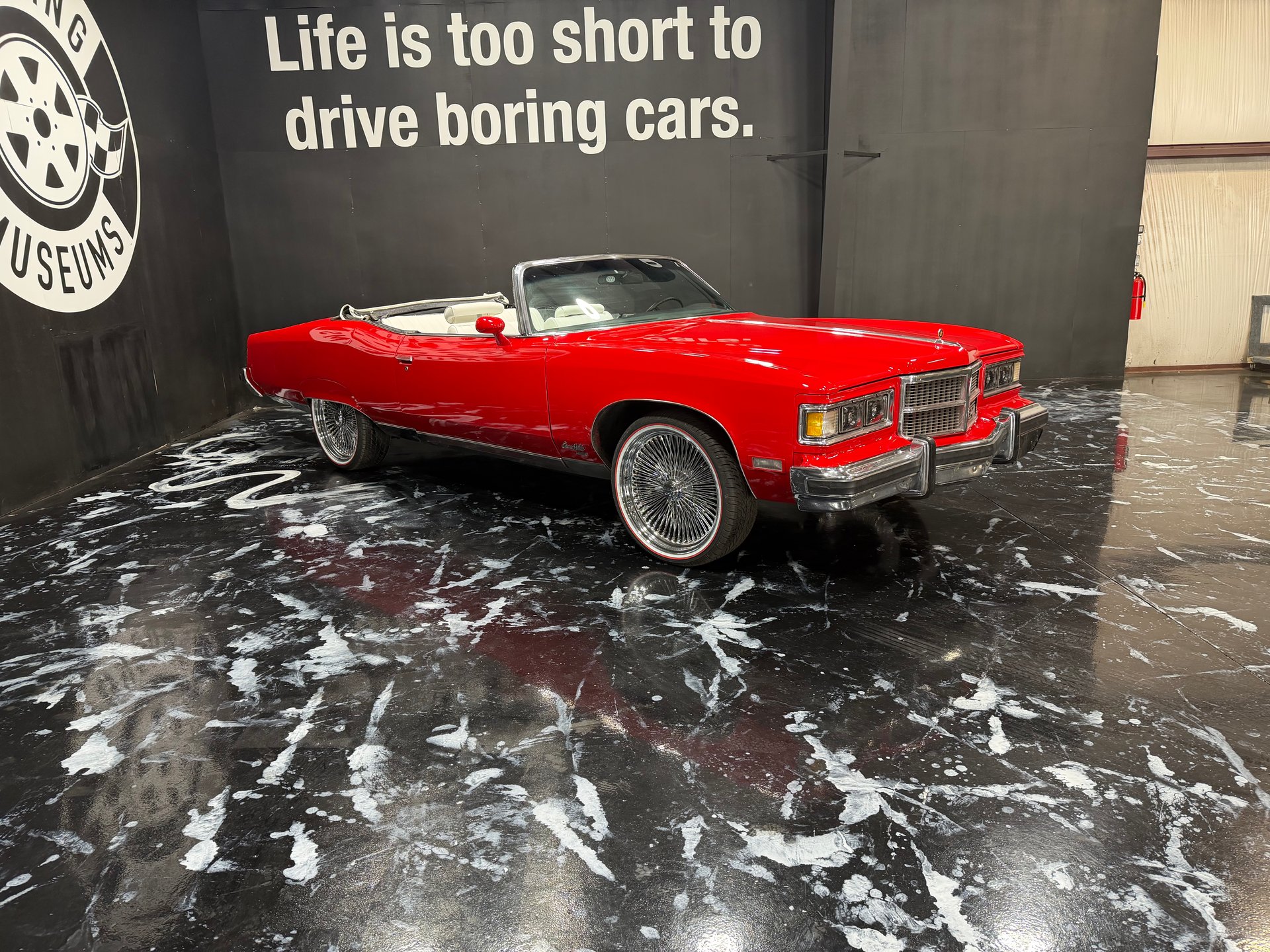 $29,995 · In line with typical
Expand
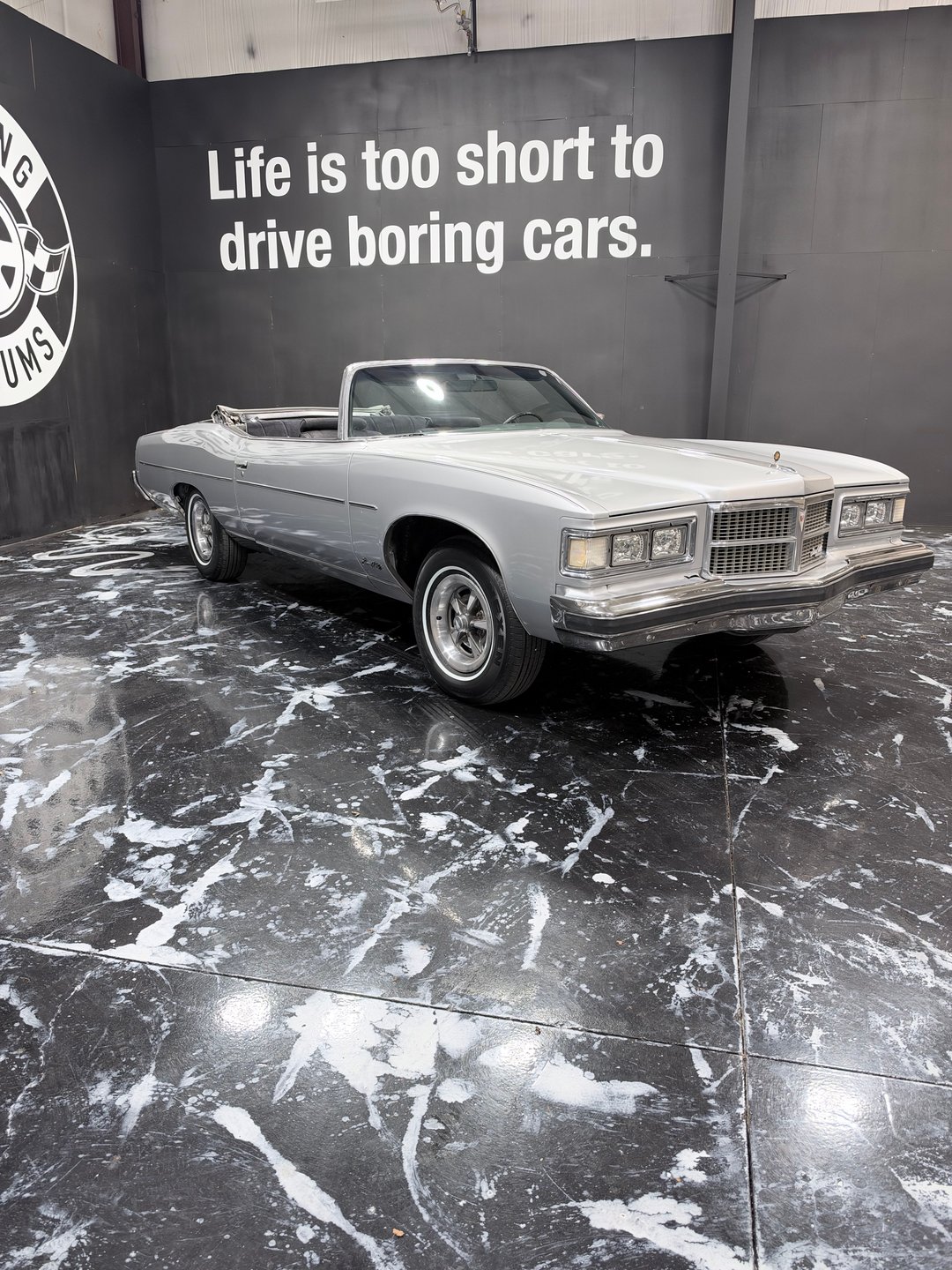 $23,995 · 21% below typical
Expand
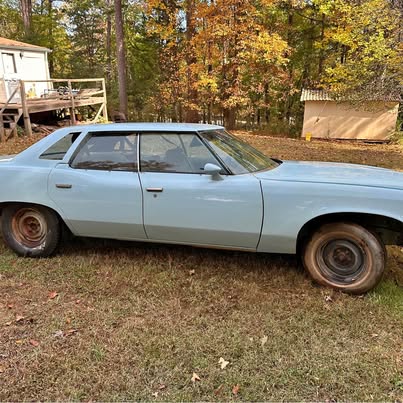 $2,000 · 93% below typical
Expand
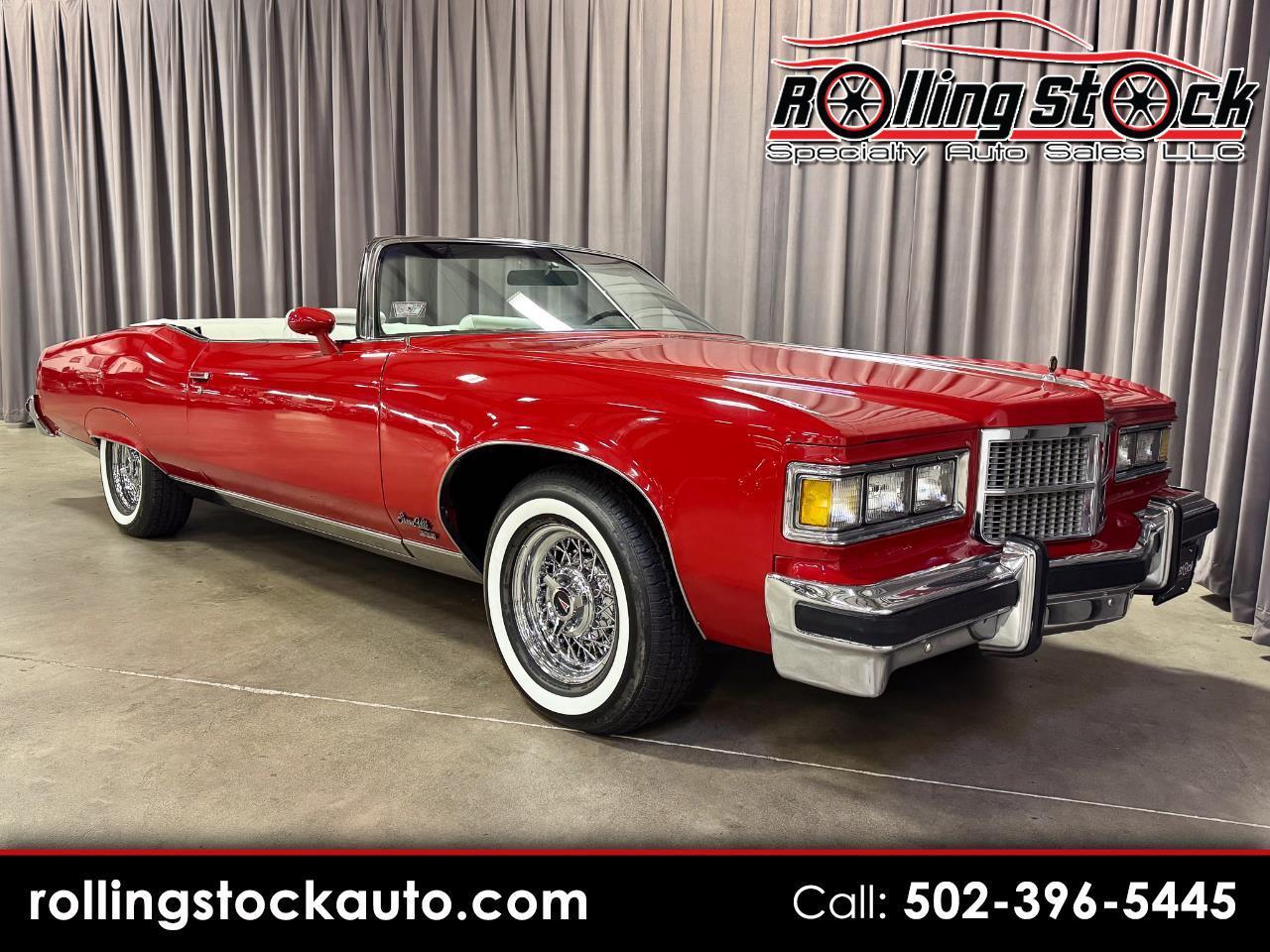 $69,500 · 130% above typical
Expand
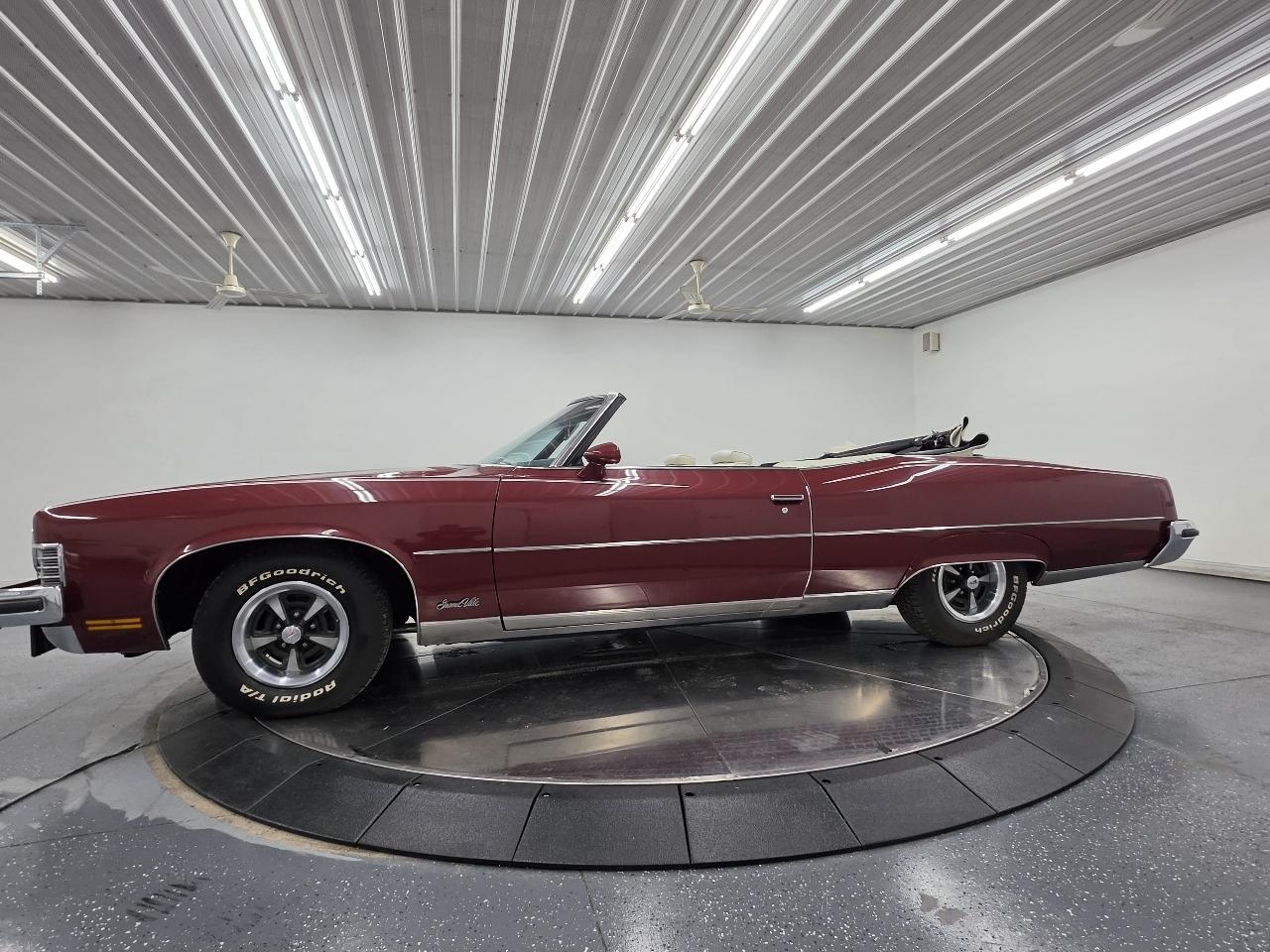 $39,900 · 32% above typical
Expand
What they sell for: Grand Ville sale prices.