
Porsche 928 buyer's guide
Porsche 928 -- the model's own buyer's guide: variants, values and what to check.
Years listed: 1980-1990 · Series: 928
Overview and history
The 928 is the Porsche that was supposed to replace the 911, and the fact that it failed at that one job while succeeding at almost everything else is the key to buying one well. It is not a big, soft 911 and it is not a German Corvette. It is a front-engined, V8-powered grand tourer with its gearbox at the back, near-perfect weight balance, room for two adults and their luggage, and a cruising ability that period testers ranked with the best cars in the world. It was priced accordingly — in its later years a new 928 cost more than almost any other production Porsche — and that original cost is still written into every repair bill you will ever face with one. The purchase price of a tired 928 today is the smallest cheque the car will ever ask you to write. Buy the engineering, budget for the upkeep, and it is one of the great bargains in classic motoring. Buy on price alone and it will teach you the lesson expensively.
The project began in the early 1970s, when Porsche's management — led by Ernst Fuhrmann — looked at tightening American safety and emissions rules, at the 911's ageing concept, and at the fuel crisis, and concluded that the rear-engined car had no long-term future. The answer, developed as project EA 425, was a clean-sheet flagship: a water-cooled V8 in front, a transaxle at the rear connected by a torque tube, a stabilising new rear suspension, and a body styled under Tony Lapine that mixed steel structure with aluminium doors, front wings and bonnet and deformable polyurethane nose and tail sections. Ferry Porsche himself backed the concept. The car was shown at Geneva in March 1977 and went on sale as a 1978 model.
The market delivered its verdict immediately, and it was a good one. The 928 was voted European Car of the Year for 1978 — still the only outright sports car ever to win that award — and American testers, the audience the car was really built for, praised its balance, its brakes and its mile-eating calm. What it never did was kill the 911. The older car survived its own near-death, found its second wind in the 1980s, and the 928 settled into the role it should perhaps always have had: the flagship grand tourer at the top of the range, sold alongside the sports car rather than instead of it. Production ran from 1977 to 1995, eighteen model years, with a total build a little over 61,000 cars — small numbers against the 911, and one reason good survivors are getting harder to find.
Across those eighteen years the car evolved in one direction only: more. The original 4.5-litre, single-cam V8 became a 4.7, then a 5.0-litre four-cam, then a 5.4. Power roughly rose by half between the first car and the last. Neither family is the wrong answer. They are answers to different questions, and the sections that follow are written to help you work out which question is yours. The range divides into two families: the early 16-valve cars (1977 to about 1986), simpler and lighter in feel, and the later 32-valve cars — S4, GT and GTS — faster, heavier and considerably more complex.
Be clear about what our own listings actually hold, because it shapes what most buyers reading this will really meet. The current pool is small — ten cars — and it is drawn entirely from the early end of production: cars from 1978 to 1986, the 4.5- and 4.7-litre era and the first American 5.0-litre cars, with automatics outnumbering manuals roughly two to one, which mirrors how these cars were sold new in the United States. There is no S4, GT or GTS in the present pool. Those later cars still get full treatment in this guide, because they dominate the wider market's top end and carry the biggest money and the biggest risks — but the car you will actually go and see is most likely an early automatic in need of the deferred maintenance this model is famous for. Read the problem areas and inspection sections with that car in mind.
The models
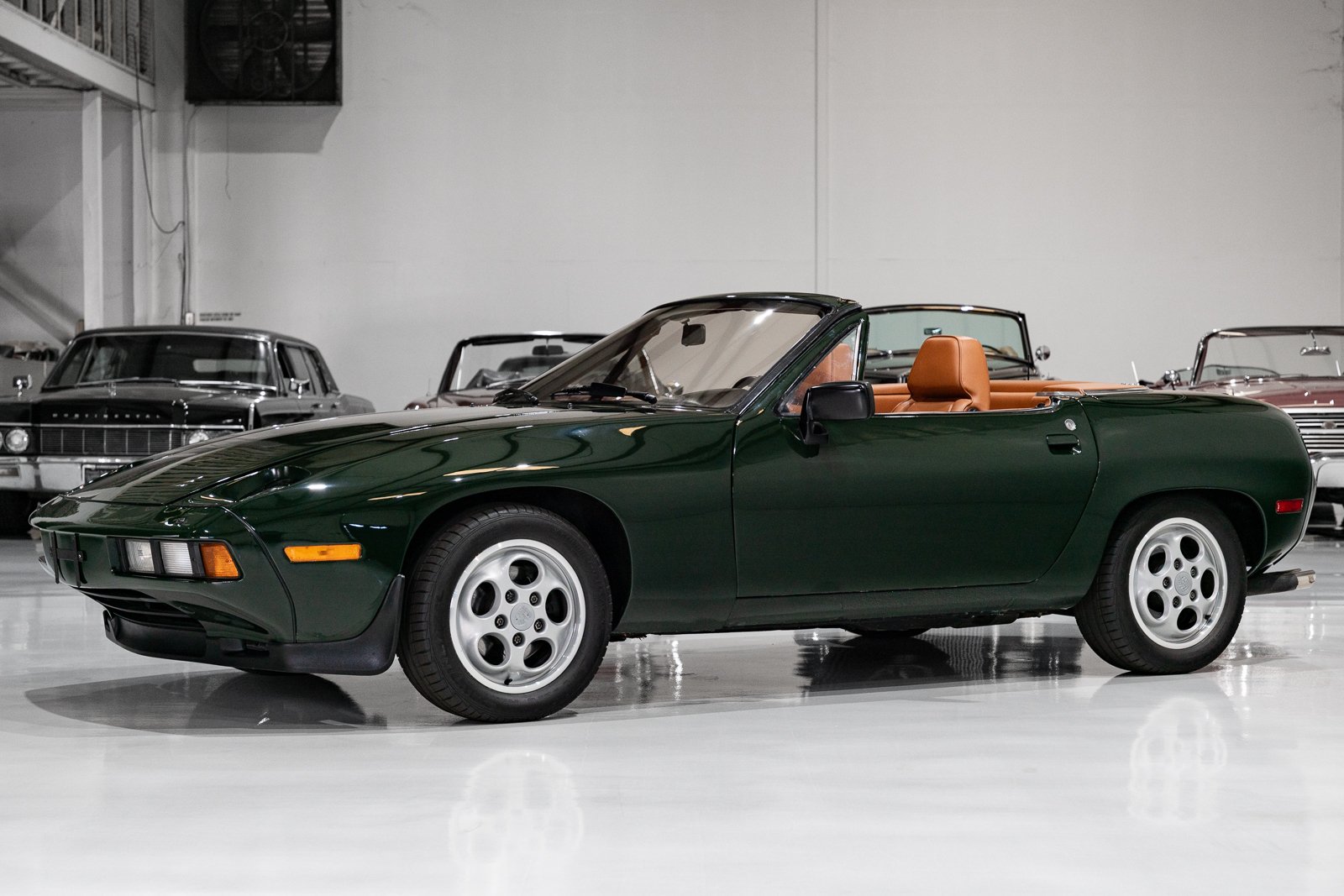
Every 928 is a two-plus-two hatchback coupé with a front-mounted, water-cooled, all-alloy V8, a rear transaxle, rear-wheel drive and the Weissach rear axle described in the next section. There are no factory convertibles, no targa, no four-door — the body you see is the only body there is, which simplifies shopping considerably. What changes across the range is the engine's size and valvegear, the level of aerodynamic and braking development, and, in one case, the gearbox choice itself. Read the badge, then verify it against the engine, because on a 928 the badge is a claim about specification and specification is where the money is.
| Model | Years | Engine | Output | Built | Character |
|---|---|---|---|---|---|
| 928 | 1977–1982 | 4.5 V8, 16v, M28 | 240 hp Euro / 219 hp US | The bulk of early production | The original: purest, lightest, simplest |
| 928 S | 1979–1983 Euro; 1983–1984 US | 4.7 V8, 16v, M28 | 300 hp Euro / 234 hp US | Substantial minority of early build | The early car with real pace |
| 928 S2 | 1984–1986, Euro naming | 4.7 V8, 16v, M28 | 310 hp Euro | Euro market only | The 16-valve car at its peak |
| 928 S (US 5.0) | 1985–1986 US | 5.0 V8, 32v, M28 | 288 hp US | Two US model years | The four-cam engine arrives in America |
| 928 S4 | 1987–1991 | 5.0 V8, 32v, M28 | 320 hp / 316 hp US | The largest late-model run | The complete GT: fast, equipped, refined |
| 928 Club Sport / SE | 1988–1989 | 5.0 V8, 32v, M28 | 320 hp | Very low volume | Lightened, manual, the connoisseur's S4 |
| 928 GT | 1989–1991 | 5.0 V8, 32v, M28 | 330 hp | Low volume, manual only | The driver's late car |
| 928 GTS | 1992–1995 | 5.4 V8, 32v, M28 | 350 hp / 345 hp US | Low thousands in total | The last and widest: flared arches, biggest engine |
Outputs are period figures and differ by market because emissions equipment differed. Treat any single number quoted by a seller as market-specific until you know which market the car was built for.
The original 928 (1977–1982). The car as launched: 4.5 litres, single overhead camshaft per bank, Bosch K-Jetronic continuous fuel injection, and a choice of a five-speed manual or a three-speed automatic. European cars made 240 hp; American cars, strangled by emissions tuning and lower compression, made 219 hp and feel noticeably softer. The styling is the cleanest of the whole run — no spoilers on the earliest cars, telephone-dial or early slotted wheels, exposed pop-up headlamps that rise and rotate forward in a way no other production car has copied. These are the lightest and simplest 928s to run, and the slowest: in American specification especially, think of one as a handsome, comfortable cruiser rather than a fast car.
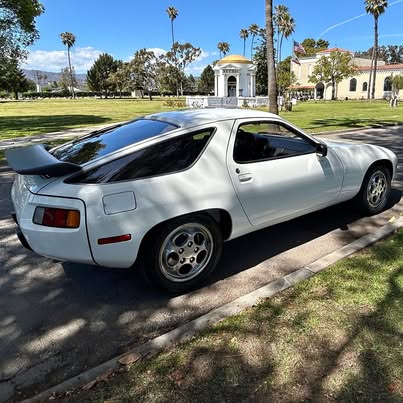
The 928 S and S2 (1979–1986). Porsche answered the obvious criticism — that the flagship needed more speed — with capacity and compression. The European S of 1979 took the engine to 4.7 litres and 300 hp, plus front and rear spoilers, wider wheels and uprated brakes, and transformed the car's pace. America did not get that engine in that tune: the US 928 S arrived for 1983 with the 4.7 in emissions form at 234 hp, gaining Bosch L-Jetronic electronic injection and a four-speed automatic during its run. Europe's later S2 (1984, 310 hp, LH-Jetronic) was never officially sold in the United States. The lesson for an American buyer is blunt: a European-specification S is a substantially quicker car than a US-specification S wearing the same badge, and the difference is in compression and management, not in anything a weekend of tuning will restore.
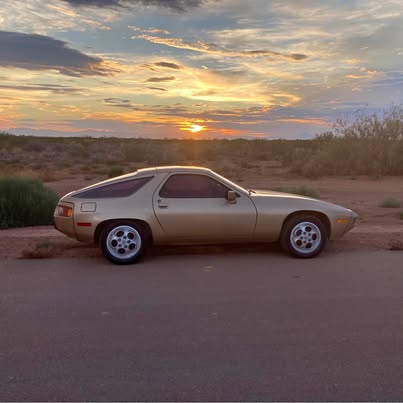
The American 5.0 S (1985–1986). For 1985 the United States got the new four-camshaft, 32-valve 5.0-litre engine two years before Europe's range was reorganised around it, sold simply as the 928 S. Output was 288 hp and the injection was LH-Jetronic with a hot-wire airflow meter. They are also the first cars in the range where a timing-belt failure destroys the engine outright, a point the problem areas section returns to at length. These are also the newest cars in our current listings, and a sweet spot: the modern engine without the full weight of the S4 that followed.
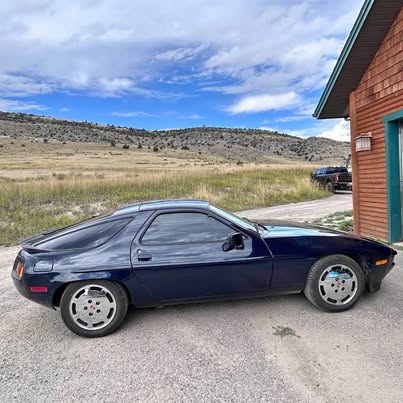
The 928 S4 (1987–1991). The 1987 reorganisation gave the world one flagship: the S4, with the 5.0-litre 32-valve engine in 320 hp form, a reshaped, more aerodynamic nose and tail, a prominent rear wing, bigger brakes with four-piston calipers, and a cabin that moved decisively upmarket. Most S4s are automatic, and as an automatic grand tourer the car is superb — the 928 doing the exact job it was designed for, at its most complete. Verify any claimed manual S4 carefully, because the market pays a premium for it and premiums attract storytelling. The rare Club Sport of 1988 and the British-market SE lightened the car on a similar recipe; both are genuine, documented rarities.
The 928 GT (1989–1991). The GT is the late car for people who change their own gears: manual transmission only, a slightly hotter 330 hp version of the 5.0 with revised camshafts and engine management, firmer suspension, and from 1990 an electronically controlled limited-slip differential, Porsche's PSD system. It is the most focused 928 of the production run — but verify its specification completely, because engine management, differential and gearbox all have to agree before the premium is real.
The 928 GTS (1992–1995). The finale. Capacity rose to 5.4 litres by way of a longer stroke, output to 350 hp, and the rear bodywork was flared dramatically to cover wider rear wheels and tyres, giving the GTS a stance no other 928 has. Manual and automatic were both offered, the manual again commanding the stronger money. The GTS is the collectible end of the range, where originality, mileage documentation and specification checks matter most, because the sums involved make misrepresentation worthwhile in a way it never is on a tired 4.5.
One naming trap closes the section. S, S2, S4 and SE mean different things in different markets and years, and sellers repeat badge claims uncritically. The car's own papers, its engine number and its option codes settle what a car is.
Engines and gearboxes
One engine family powers every 928 ever built: the Porsche M28, an all-alloy, water-cooled V8 with a 90-degree vee and a single timing belt driving everything at the front of the engine. There is no six-cylinder 928, no turbocharged 928 and no diesel; if a seller describes one, check what is actually under the bonnet. Learn the engine code, because it is stamped on the engine and recorded on the car's papers, and it settles arguments that badges start: the M28 code and engine serial number live on top of the crankcase, visible from above at the front of the vee on most variants. Bring a torch and a rag to any viewing and read them yourself.
The 16-valve engines: 4.5 and 4.7 (1977–1986)
The original engine displaces 4,474 cc, with one overhead camshaft per bank operating two valves per cylinder through hydraulic lifters — self-adjusting, quiet, and one reason these engines feel so unstressed. European cars ran 10.0 to 1 compression and Bosch K-Jetronic mechanical continuous injection, making 240 hp. American cars ran lower compression, around 8.5 to 1 in the earliest years, with emissions equipment, and made 219 hp. The 4.7-litre S engine raised capacity to 4,664 cc and, in European tune, made 300 hp (310 hp as the later S2). In American tune the same capacity gave 234 hp — a gap that tells you most of what you need to know about how heavily emissions specification, not displacement, governed these cars' performance in the US market.
Character first: these are sweet, torquey, untemperamental engines that pull from low revs without drama and cruise at autobahn pace all day at a murmur. Their virtues today are simplicity and tolerance. The K-Jetronic system is mechanical and free of engine-management electronics to fail; its weaknesses are age weaknesses — a drifted warm-up regulator, a fuel accumulator that no longer holds rest pressure, hardened rubber seals — rather than design flaws. On interference: the low-compression American 16-valve engines are widely regarded by specialists as non-interference, while the high-compression European S engines are not safe on that assumption. Treat every belt as critical regardless — a snapped belt stops the car dead — but know that on a US-specification early car a belt failure is an expensive tow, while on the later engines it is an engine rebuild.
Oil consumption deserves a plain word. A healthy M28 uses some oil — a litre in a thousand miles can be normal on a high-mileage example — and the level warning system exists because Porsche knew it. What is not normal is blue smoke under acceleration, which points to ring and bore wear, or heavy smoke on the overrun, which points to valve-stem seals. The alloy block uses coated bores rather than liners, so bore wear at very high mileages is an engine-out, specialist-rebuild matter — one reason the compression and leak-down test in the inspection section is not optional homework.
The 32-valve engines: 5.0 (1985–1991)
The four-cam engine arrived in America for 1985 and in the reorganised world range with the S4 for 1987. Capacity is 4,957 cc, there are two overhead camshafts per bank and four valves per cylinder, and the management is Bosch LH-Jetronic with a hot-wire mass airflow sensor working with EZK electronic ignition control and knock sensing on the developed versions. The character change is real — stronger everywhere, keener at the top end — but the engine is heavier, hotter-running, more crowded in the bay, and far less forgiving of neglect. Outputs: 288 hp in the 1985–86 American S, 320 hp in the S4, 330 hp in the GT.
Two design facts govern ownership of this engine. The first is that the belt — one of the longest fitted to any production car, driving both banks' camshafts and the water pump, tensioned by an oil-fed tensioner whose condition matters as much as the belt's — runs an engine that is an interference engine without qualification: if the timing belt fails, pistons meet valves, and the bill is a top-end rebuild at minimum. Experienced owners replace the belt on age — every five to six years regardless of miles — with the water pump renewed at the same time, because its bearing failure takes the belt with it. A belt service done properly, with pump, rollers and front seals attended to, is a workshop job in the region of $1,800 to $3,000 in parts and labour at a specialist; a full top-end rebuild after a failure is several times that. A car offered with the belt overdue is a car whose price must carry the job before anything else is discussed.
The 32-valve engine also brought the range's best-known electronic weakness. The LH-Jetronic control unit contains a hybrid ceramic circuit that fails with age and heat, producing intermittent cutting-out, non-starting or a refusal to run the fuel pump, often heat-related and maddeningly intermittent in the early stages. Specialist rebuilders now refurbish these units, and a car that has had the job done, with a receipt, has had one of the model's signature faults retired. None of this is exotic — it is the standard diet of a hot, crowded, thirty-year-old engine bay — but the 32-valve cars reward owners who use specialists who know the model.
The 5.4 GTS engine (1992–1995)
The last development stroked the 5.0 to 5,397 cc, keeping the 32-valve heads and LH management, and produced 350 hp with the strongest torque curve of the range — the GTS is the only 928 that feels genuinely muscular at low revs in automatic form. Mechanically it shares the 5.0's disciplines entirely: belt and pump on age, tensioner condition, control-unit health, cooling integrity.
Gearboxes: the transaxle, manual and automatic
Every 928 carries its gearbox at the rear, in unit with the final drive, connected to the engine by a torque tube — a rigid tube running the length of the cabin floor, inside which a slim driveshaft spins at engine speed on bearings. The layout gives the car its near-50:50 weight distribution and much of its traction and stability. It also means the torque tube's own bearings are a wear item: worn bearings rumble through the floor at speed, and renewing them is a substantial labour job, typically $1,500 to $2,500 at a specialist.
The manual gearbox is a five-speed, Porsche's own design, with synchromesh that was never the strongest part of the car. Early gearboxes wear second-gear synchromesh and can crunch into second when cold even when fundamentally sound; later units improved, and the GT and manual GTS boxes are the best of the run. Clutch replacement is a major labour job, in the region of $1,200 to $2,000 fitted, so a slipping clutch is a negotiation item, not a footnote. Manuals are the minority — roughly a third of American production, far fewer among late cars — so verify gearbox claims against the build record.
The automatics are Mercedes-Benz-derived units, and they suit the car so well that most original buyers chose them. The early three-speed is sturdy, simple and short on ratios — it makes an early car feel relaxed rather than brisk. From the 928 S era the four-speed automatic became the standard fitment, and in developed form it is a strong, long-lived gearbox whose failures are usually failures of maintenance: fluid and filter neglected for decades. A healthy four-speed shifts firmly, kicks down without a long pause, and does not flare between ratios. Budget for a fluid and filter service on any car without a recent one, a few hundred dollars in parts and labour, and treat a slipping or delayed-engagement box as a rebuild conversation in the region of $3,000 to $5,000 at a transmission specialist — real money, though the Mercedes basis means parts and knowledge are available.
One automatic-specific check is critical enough to state here and repeat in the inspection section. On automatic cars the torque converter exerts a forward thrust on the crankshaft, taken by the crank's thrust bearing. The flexible plate that couples engine to torque tube must be set up so it does not preload the crank forward; where that preload exists and is never relieved, the thrust bearing wears, crankshaft end-float grows, and in the end stage the bearing fails and the block is damaged — an engine-destroying fault that develops silently. Make the measurement part of any pre-purchase inspection on an automatic, without exception.
Problem areas
The 928's problems are unusually well mapped, because the car has been old and valuable enough to study for a long time, and because its faults are mostly faults of age, heat and deferred maintenance rather than of fundamental design. Two organising truths keep you oriented. First, the expensive faults on this car are rarely the visible ones: paint and leather are the cheap half of a 928, while belts, electrics and cooling are where the money hides. Second, almost every serious fault announces itself early and cheaply to someone who tests for it — the inspection section turns each test below into a step — so the difference between a good purchase and a disaster is usually an afternoon of checking, not luck.
Engine mechanical: belts, mounts, cooling and leaks
The timing belt system is the model's defining maintenance issue, covered in engineering detail in the engines section; here it is as a failure pattern. Belts fail on age and on the failure of the parts around them — a water-pump bearing that stiffens and shreds the belt, a tensioner roller whose bearing collapses, oil from leaking front camshaft seals soaking the belt and softening it. When you assess a car, assess the whole system: belt age from receipts, pump age from the same receipt (they should match), tensioner condition, and oil contamination at the front covers. Note that the belt-tension warning system on later cars protects against slack, not against a pump seizure. A car with a fresh belt but an old pump has had the job done by someone cutting the corner that matters most.
Engine mounts are the second signature item. The M28 sits on hydraulic mounts that collapse with age, letting the engine drop until the sump sits close to the front crossmember, with vibration through the shell at idle as the tell-tale. The check is visual and dimensional, renewal is typically $600 to $1,000 fitted for the pair, and it should be budgeted on any car that vibrates at idle — treat the vibration as a fault with a price, not as character.
Cooling is the third. The system is generous when healthy — a large radiator, electric fans on later cars supplementing or replacing the early viscous-coupled fan — but its components are all now old: radiator cores block invisibly, plastic tanks embrittle, and fan motors, resistors and control stages fail, so the fans do not run at full speed on the day the car sits in traffic. An M28 that overheats will damage head gaskets and can scrap the alloy engine, so a car that runs hot is not a car with a small fault — it is a car one traffic jam from a very large one. The road test in the inspection section includes a deliberate heat soak for exactly this reason. A full cooling-system refresh — radiator, hoses, tank, thermostat and fan work — is a parts bill in the region of $800 to $1,500 before labour, and money well spent on any car without one in its record.
Oil leaks are endemic and mostly minor in origin: camshaft cover gaskets, front crankshaft and camshaft seals, the oil-pan gasket, breather hoses hardened in the valley, and the oil-pressure sender. Individually they are gasket jobs; collectively they matter because oil in the wrong places kills the timing belt, degrades mounts and wiring, and hides the one leak that matters — a failing front seal — among ten that do not — so ask when a suspiciously steam-cleaned bay was done, and look again after the road test.
Fuel and engine management: injection across three systems
Three injection generations mean three different fault patterns. The K-Jetronic cars fail mechanically: the warm-up regulator drifts and gives poor cold starts; the fuel accumulator loses rest pressure and gives long cranking when hot, the classic fault owners misdiagnose as a starter problem; and the control-pressure system is disturbed by anyone who has adjusted the mixture screw without a pressure gauge, after which the car can only be set right by measuring, not by ear. A K-Jetronic overhaul — injectors, accumulator, warm-up regulator exchange and set-up — runs in the region of $800 to $1,800 in parts and labour depending on scope.
The L-Jetronic and LH-Jetronic cars fail electronically and by air leaks. The LH control unit's hybrid-circuit failure, described in the engines section, is the headline: intermittent stalling, cutting out when hot, non-starting that cures itself overnight; refurbishment by a specialist rebuilder is a few hundred dollars and close to a fit-and-forget cure. Around it sit the airflow meter, idle valve, temperature sensor and — on every variant — vacuum leaks from the forest of small hoses under the intake. A smoke test of the intake is the quick, honest way to find leaks, and a seller who has had one done recently has been maintaining the car properly.
Fuel delivery itself is also a safety item. The rear fuel pump grows noisy before it fails — a loud pump on a viewing is at the end of its life. More important still: every rubber fuel hose in the engine bay is decades beyond its design life unless documented as renewed, and original-style hoses weep at their crimps, misting fuel onto a hot engine. Engine-bay fuel fires are the one way a 928 dies completely and takes its value with it. If the fuel lines' age is unknown, renewal with modern ethanol-rated hose and correct fittings — in the region of $300 to $700 in parts and labour depending on variant — is not an upgrade. It is the first job, before the car is driven home in anger.
Electrics: the central panel, grounds and the 14-pin connector
If the 928 has a reputation that frightens buyers, it is electrics — and the reputation is half earned and half misunderstood. The car was electrically ambitious for 1977 and grew more so: electric everything, memory seats, an early check-control system, alarm layers on late cars. The wiring itself is generally good. The failures concentrate in three known places, and all three are testable.
The first is the central electric panel — the fuse and relay board under the passenger-side footwell board on most variants. It lives where passenger feet, damp carpets and air-conditioning condensate can reach it, and its multi-pin connectors corrode, its relay sockets loosen with heat cycles, and previous owners' alarm and stereo installations splice into it. The inspection is physical — pull the cover and look for green corrosion, heat-discoloured sockets and amateur splices — and what you find tells you more about the car's past care than any other single inspection. Professional cleaning and connector renewal is a day of specialist labour.
The second is grounds. The car relies on multiple engine and body ground straps and ground points that corrode invisibly under their bolts, producing voltage drops that mimic component failures all over the car — slow cranking blamed on starters, dim lamps blamed on alternators. Cleaning grounds is cheap and transformative; any electrical diagnosis that does not begin there is not a diagnosis.
The third is the 14-pin connector in the engine bay, on the inner wing area on most variants, which carries key circuits between engine and body harnesses. Its terminals corrode and its housing can heat-damage, producing intermittent no-start and cutting-out faults that come and go with engine movement. It is a known, named, fixable item, and its condition is a standard check. Add the usual thirty-year-old items — window regulators, headlamp lift motor, seat motors, cluster connections — none exotic, all findable with a wiring diagram and method.
Chassis, steering and brakes: the Weissach axle and its bushes
The rear suspension is the famous Weissach axle, a semi-trailing-arm design with a carefully engineered toe-control characteristic: under braking or lift-off, the loaded wheel toes in slightly, stabilising the car instead of letting it tuck and wander as a simple trailing arm would. It works superbly when its bushes are sound and stops working — subtly, then obviously — as they age. Worn rear bushes give a car that feels nervous under braking from speed, steers itself slightly on throttle changes, and wears rear tyres unevenly. Bush renewal with the geometry reset on an alignment rig afterwards is in the region of $800 to $1,500 in parts and labour. The front double-wishbone suspension wears on the same schedule, and doing both ends properly, with shocks, is a four-figure sum to hold in your budget from the start.
Steering is power-assisted rack and pinion, and the rack itself is durable; the failures are the high-pressure hose, which weeps and then leaks in earnest — a leak onto exhaust components is a smoke and fire concern, not just a mess — and the pump and reservoir seals. Brakes grew with the car: early cars have capable four-wheel discs, the S4 onwards has large four-piston calipers that are genuinely excellent, and anti-lock braking arrived as an option in the mid-1980s and became standard later. The age faults are seized caliper pistons from old fluid, corroded hard lines — inspect them along the floor and at the rear — perished flexible hoses, and, on ABS cars, wheel-speed sensors and their wiring. Wheels close the story: original designs are part of a 928's correctness, many cars sit on later or aftermarket wheels that change both the look and, if offsets are wrong, the steering feel, and tyre sizes on the late, wide cars are neither cheap nor always stocked — check what is fitted, and its age code, before you buy.
Body, structure and interior: galvanising, aluminium and leather
The structure is the 928's quiet triumph. The steel shell was extensively galvanised for its era, the doors, bonnet and front wings are aluminium, and the nose and tail sections are deformable plastic — so the wholesale structural rot that kills contemporary cars is rare here. Rare is not never. Corrosion appears where water and dirt are trapped: the sills and jacking points, the battery tray area, the rear hatch surround and lower rear quarters, the windscreen surrounds, and floor edges on cars that have lived outside in salted-winter states. The inspection that matters is underneath, on a lift, with a torch, and accident repair is a bigger threat to most cars than rust: look for replaced wings and bonnets (a magnet tells you instantly if a steel replacement has been fitted where aluminium should be), uneven gaps, and overspray on the rubber seals. The hatch glass seals, sunroof and door seals all admit water when aged, and water inside a 928 goes looking for the central electric panel and the rear footwells — a car that smells damp has a leak to find, and the finding matters more than the smell.
Inside, the materials were superb and the ageing is predictable. Leather shrinks and splits on the dashboard top and the distinctive instrument pod, pulling away from its backing and cracking at the stitching; retrimming a dash and pod properly is specialist work in the region of $1,000 to $2,500 depending on scope, and a cracked pod is the single most common cosmetic fault in the range. Seat leather hardens and wears on the bolsters, seat motors and memory functions fail one movement at a time, and the headlining sags. The early Pasha and pinstripe velour trims are now prized and hard to replace like-for-like; a car retaining sound original velour is rarer than a leather car and should be valued as such. The air conditioning fails through its vacuum pods and lines behind the dashboard as often as through the refrigeration side; a system that blows only at the windscreen or only hot is usually vacuum, not gas.
How to inspect one
Inspect a 928 in this order and do not let a seller rearrange it: paperwork and identity first, because they decide what the car is; cold mechanical checks second, because they decide what the engine is; the road test third, because it decides what the chassis and gearbox are; and cosmetics last, because on this model they are the cheapest thing to fix and the easiest thing to be seduced by. Take a torch, a rag, a magnet for the panels and a notebook; each step below exists to settle a named fault from the problem areas section, not to fill time.
- Papers and identity before panels. Read the title, the build record if available, and the service history as one story. Check the VIN at the windscreen base and on the car's plates against the title, then read the engine number and M28 code on top of the crankcase and confirm the engine is the one the badge claims — a 32-valve car with a 16-valve engine, or the reverse, exists and must be priced as the hybrid it is. A thick, continuous, receipted history is the single strongest predictor of a good 928; a history with a silent decade in the middle is the definition of the project car this guide keeps warning about.
- The belt question, asked with documents. Ask when the timing belt, water pump, tensioner components and front seals were last done, and require the dated receipt, not an assurance. If the belt is beyond five to six years old or undocumented, price the full belt service into the deal before any other negotiation — and on a 32-valve car, plan to trailer the car to the job rather than driving it home on a belt of unknown age.
- Cold start, from outside the car. Insist the engine is stone cold — a warmed-up car presented as cold is a data point about the seller. Stand at the rear and watch the exhaust while someone else starts it: a puff of blue that clears points to stem seals, continuous blue points deeper, white vapour that persists and smells sweet points to coolant. Listen at the front for tensioner and pump bearing noise, and note how long the oil-pressure gauge takes to rise. A K-Jetronic car that needs long cranking cold, or an LH car that hunts badly for the first minute, has named faults from the fuel section waiting for a gauge, not mysteries.
- Under the bonnet, systematically. Check coolant colour and level in the expansion tank, oil condition on the dipstick and under the filler cap (mayonnaise means moisture; find out whether it is short-trip condensation or coolant crossing over), and brake and power-steering fluid levels and colour. Look at the engine mounts' effect — an engine sitting visibly low, or a sump close to the crossmember, confirms the collapsed-mount fault from the problem areas section. Read the state of care as you go: perished vacuum hoses, cracked breather pipes, amateur wiring, and the condition of the 14-pin connector.
- The central electric panel. Open the passenger footwell cover and look at the fuse and relay panel before you test a single switch. Green corrosion, heat-darkened sockets, and spliced alarm or stereo wiring predict the car's electrical future better than any road test. Then work every electrical system in a fixed order — lamps, wipers, windows, sunroof, seats, mirrors, air conditioning, instruments — and write down every failure. Small faults are negotiation; a panel in visible distress is a budget line.
- Underneath, on a lift if at all possible. A 928 bought without a lift inspection is a gamble the price rarely justifies. Check the sills and jacking points, battery area, brake hard lines, and the aluminium panels' edges with the magnet test for steel replacements. Look at the steering rack and its high-pressure hose for leaks, the sump for mount contact, and the rear axle bushes for perishing and movement under a pry bar. On an automatic, this is also when your inspector measures crankshaft end-float and checks flex-plate preload — the thrust-bearing check from the engines section, and the one inspection item on an automatic that is genuinely non-negotiable.
- Compression and leak-down on any serious candidate. The gauges settle what starting and smoke tests suggest. Even compression across all eight cylinders with a modest spread is what you want; a leak-down test localises a weak cylinder to rings, valves or gasket. Costing a few hundred dollars in workshop time, the pair is the cheapest engine insurance available — and a seller who refuses it on a top-priced car has answered a question.
- The road test: gearbox and temperatures. Drive at least twenty minutes, from cold, through town traffic to open road. An automatic should engage promptly, shift firmly without flare, and kick down cleanly; a manual should take second gear without a crunch once warm, stay in gear on the overrun, and show no clutch slip at full torque in a high gear. Watch the temperature gauge through a deliberate five-minute idle at the end — the heat-soak test from the cooling section — and confirm the fans cut in. Any rise toward the red at idle is a stop-and-renegotiate fault, not a quirk.
- The road test: chassis and brakes. On a straight, quiet road at speed, brake firmly from sixty and feel for the nervousness that betrays worn Weissach-axle bushes; lift off and reapply the throttle and feel whether the rear steers the car. Listen for torque-tube rumble at a steady cruise, and note tyre sizes, brands, matching and age codes while you stop.
- Hot restart and idle. Back at base, switch off, wait five minutes, and restart. The K-Jetronic hot-start fault and the LH unit's heat-related failures both show here, in the car's least convenient mood. Let it idle: a hunting idle suggests the vacuum faults from the fuel section; stalling when hot that cures as the car cools is the control-unit pattern until proven otherwise.
- Interior and water. Work the air conditioning through its full range and listen for the vacuum system changing the airflow as it should. Check for damp carpets front and rear and water marks around the hatch and sunroof — then connect any damp you find to step 5, because water and the central panel are the same fault seen from two ends. Assess the dashboard pod and dash-top leather honestly against the retrim costs in the problem areas section, and test the seats' full travel, because a seat stuck in the wrong position is a motor bill, not an inconvenience.
- Price the car you actually inspected. List every fault found, price the belt service if it is due, the mounts if they are collapsed, the tyres if they are aged, and the electrical work the panel inspection promised, and total them before you discuss the asking price. The difference between the cheapest car and the right car is almost always smaller than the cost of turning the cheap car into the right one. If the sums say the car is a project, either buy it at a project price with your eyes open or walk — the one unforgivable purchase is a project at a finished car's money.
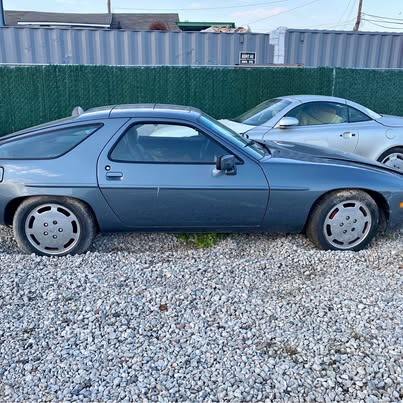
Values
The build's market block beneath this guide carries the current numbers — what is listed now and what recorded sales show — and this section's job is to teach you how to read them, because the 928 market is one where the spread between the cheapest and the dearest example of the same model is wider than the spread between models. Condition and documentation, not badge or year, are the primary currency — miss that and the numbers will mislead you into buying the cheap end of a market whose cheap end is cheap for structural reasons.
The condition spread works like this. At the bottom sit the projects: cars that run poorly or not at all, with overdue belts, tired interiors and silent decades in their histories. They are priced attractively and they are, for anyone paying workshop rates, the most expensive 928s in the world, because the cost of recommissioning one properly — belt service, cooling, electrics, chassis bushes, tyres, interior — routinely exceeds the cost of buying a sorted car outright. At the top sit the exceptional cars: low mileage with proof, full histories, originality down to the tools and books. In the middle sit the drivers — honest, maintained, cosmetically imperfect cars usable immediately — the market's centre of gravity and, for most buyers, its best value. The exceptional cars sell to collectors.
Variant premiums follow logic you can test. Manual gearboxes carry a premium everywhere, growing stronger the later the car, because the build numbers shrink — a manual GTS and a manual GT sit in a different market from their automatic siblings. The GTS carries the flagship premium as the last and rarest of the line. Originality premiums are rising fastest at the very top: an unrestored car with sound original paint, original trim — Pasha velour included — and its books and tools will outrun a restored car of the same model, because restoration quality varies and originality cannot be re-created.
Asking prices and achieved prices part company predictably on this model. Sellers of mid-market cars routinely ask top-market money on the strength of the badge and a respray, and those cars sit; cars priced by owners who understand the belt-and-history arithmetic sell. When you read the recorded-sales block below, compare like with like on the three axes that matter — variant, gearbox, documented condition — and treat any single high sale of an exceptional car as evidence about exceptional cars only.
The project-versus-driver gap is therefore the number to internalise before you shop. Price the recommissioning list from the inspection section — belt service, mounts, cooling refresh, tyres, electrical sorting — and add it to any cheap car's price before comparing it with a maintained car. The exception is the buyer who does their own work to a high standard: for that buyer the project market is a genuine opportunity, because the labour that makes projects uneconomic at workshop rates is the labour they supply themselves. Know which buyer you are before you decide which end of the market is cheap. Negotiation, finally, is unusually factual on this model — the faults are known, the job costs are estimable, and the documentation either exists or does not — so negotiate from your inspection list and the receipts file, and expect a knowledgeable seller to do the same.
Parts and ownership
Owning a 928 is a specialist-supported exercise, and the support is better than the car's rarity might suggest — with sharp edges to know about before you buy. Porsche's own classic programme continues to supply a meaningful range of parts, and a mature independent ecosystem exists around the car: marque specialists who break cars and remanufacture the unobtainable, rebuilder services for the electronic units, trim specialists who can reproduce the interior materials, and an owners' community whose collective knowledge of part numbers, cross-references and fixes is genuinely deep. A Mercedes-derived automatic gearbox, Bosch injection components shared with other cars of the era, and standard Brembo brake hardware on the late cars all widen the supply base beyond Porsche alone.
The sharp edges are specific rather than general. Model-specific trim, interior plastics, dashboard components and late-car body and lighting parts are the scarcity frontier: a cracked instrument pod surround, a GTS-specific panel or an unmarked set of original interior plastics can take months to source and will not be cheap when found. Mechanical service parts — belts, pumps, filters, mounts, bushes, brake consumables — are readily available and sensibly priced for a car of this class. The 32-valve cars' electronic control units are a solved problem only because rebuilders exist; budget a refurbishment into any late car's early ownership if it has not already been done. Tyres for the wide late cars are a real ownership cost and an availability check worth making before purchase, as the inspection section directs.
Running costs follow the pattern set throughout this guide. Routine servicing at a specialist — fluids, filters, plugs, inspections — is in line with any premium car of the era, a few hundred dollars a year in parts and labour for a car in regular use. The costs arrive in the known lump sums: the five-to-six-year belt and pump service, chassis bush refreshes, air-conditioning work, and the gradual renewal of everything rubber. Fuel consumption is what a large V8 of the period delivers — expect figures in the mid-teens in town and low twenties on a cruise in American miles per gallon — and insurance through classic-car policies is generally reasonable because the owner profile is mature and mileages are low. Keep the car dry and used: a 928 left damp or standing deteriorates everywhere at once, in its electrics, seals, fuel system and brakes.
The ownership community is one of the model's real assets. National and regional clubs, model-specific forums and registers, and a strong tradition of technical writing mean that almost every fault you will ever meet has been met, diagnosed and written up by someone else. The 928 rewards the engaged owner disproportionately: its reliability in service is almost a direct function of the owner's understanding, which is another way of saying that the sorted cars stay sorted because their owners know what the car is asking for.
Finally, choose your specialist before you need one, and choose them on model knowledge rather than marque badge alone: its diagnostics — fuel pressures on early cars, control-unit behaviour on late ones, end-float measurement on automatics — are model-specific crafts. A workshop that knows the model will save you its fees in avoided misdiagnosis within the first year.
Which one to buy
There is a 928 for most briefs, provided the brief is honest about budget for maintenance as well as purchase. The picks below assume the standing rule that governs every variant equally: buy the car with the documented, continuous history and the in-date belt service, in the variant you can afford to run — a sorted lesser variant is always a better purchase than a neglected greater one. With that rule held, the range resolves as follows.
- The purist's car: an early 16-valve 928, ideally a European-specification car with its paperwork in order — the lightest, simplest and most original expression of the concept, and the easiest of the range to maintain at home to a high standard.
- The value buy: a well-documented American 1985–86 5.0-litre S or an honest early S4 automatic — the modern 32-valve engine and the developed chassis at the point where the market still prices the automatic discount in your favour, provided the belt service and control-unit history check out.
- The all-rounder: a 928 S4, automatic or manual, bought on history — the complete grand tourer, fast enough for any road use, equipped for distance, and supported by the deepest parts and knowledge base of the late cars.
- The driver's car: a 928 GT — manual only, the sharpest chassis and engine tune of the production range, and the late car that answers the sports-car question the 928 was never supposed to ask. Verify the specification completely; the premium demands it.
- The collector's car: a 928 GTS with low, documented mileage and full originality — the last of the line and the variant whose market is most clearly a collector market, where provenance paperwork is part of the asset.
- The project buy, with eyes open: a structurally sound 16-valve car with a known belt status and a complete interior, bought at a price that leaves the full recommissioning budget intact — a rational purchase only for the owner who supplies their own skilled labour.
Whichever you choose, choose the individual car over the variant. The 928 is a model where the best example of the lesser model beats the worst example of the greater one on every measure that matters — cost, reliability and pleasure — and the inspection in this guide exists to find that example. Find it, maintain it on the schedule the car asks for, and you own one of the most complete grand tourers ever built.
See the 23 928 cars currently listed.
For sale now
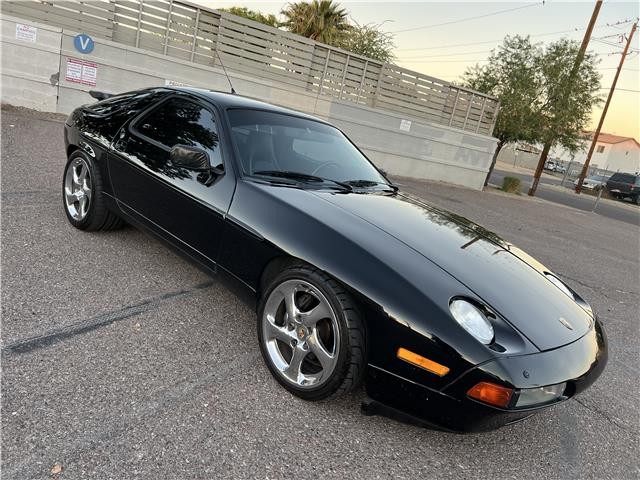 $59,993
Expand
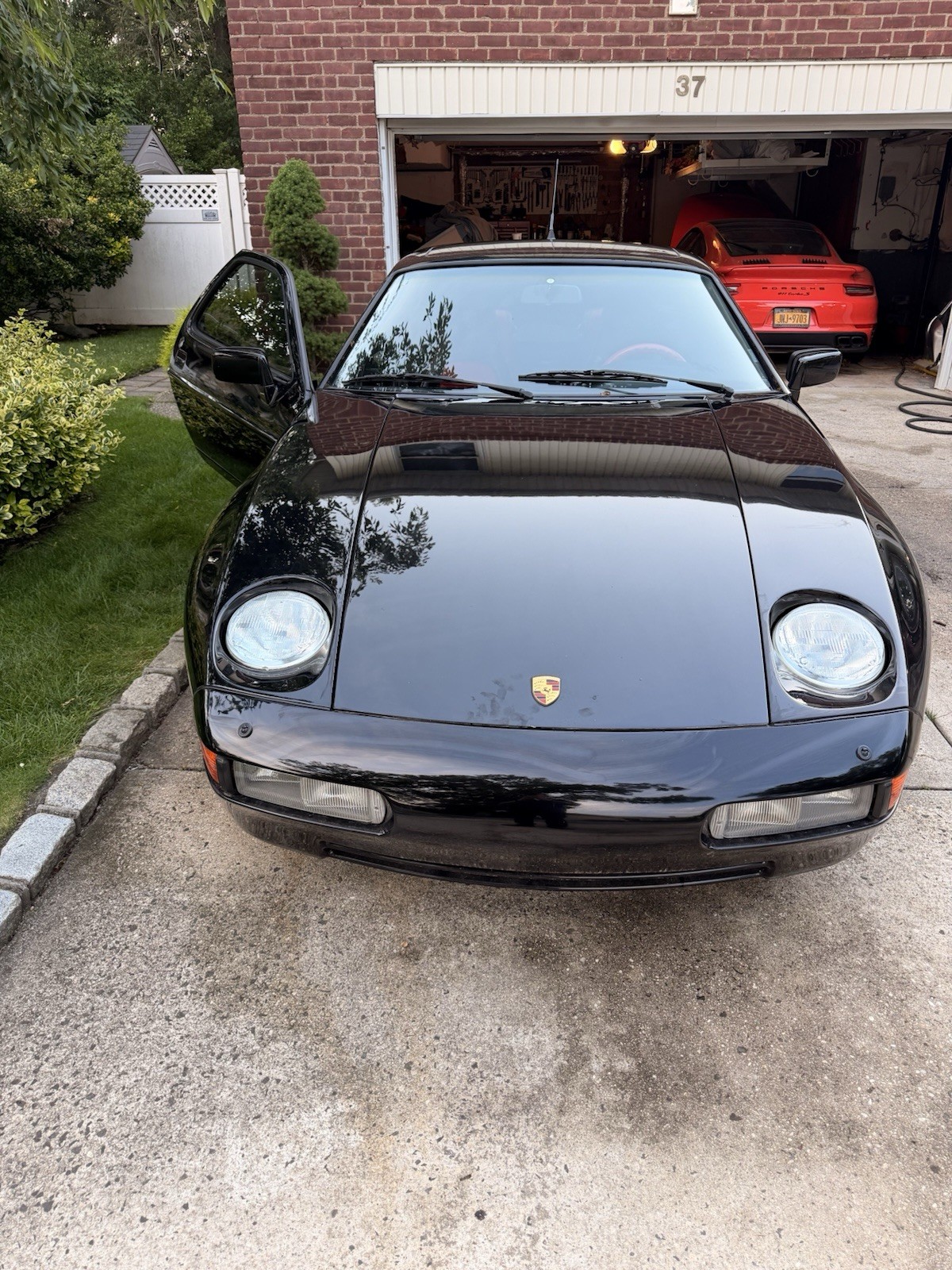 $24,999
Expand
 $55,589
Expand
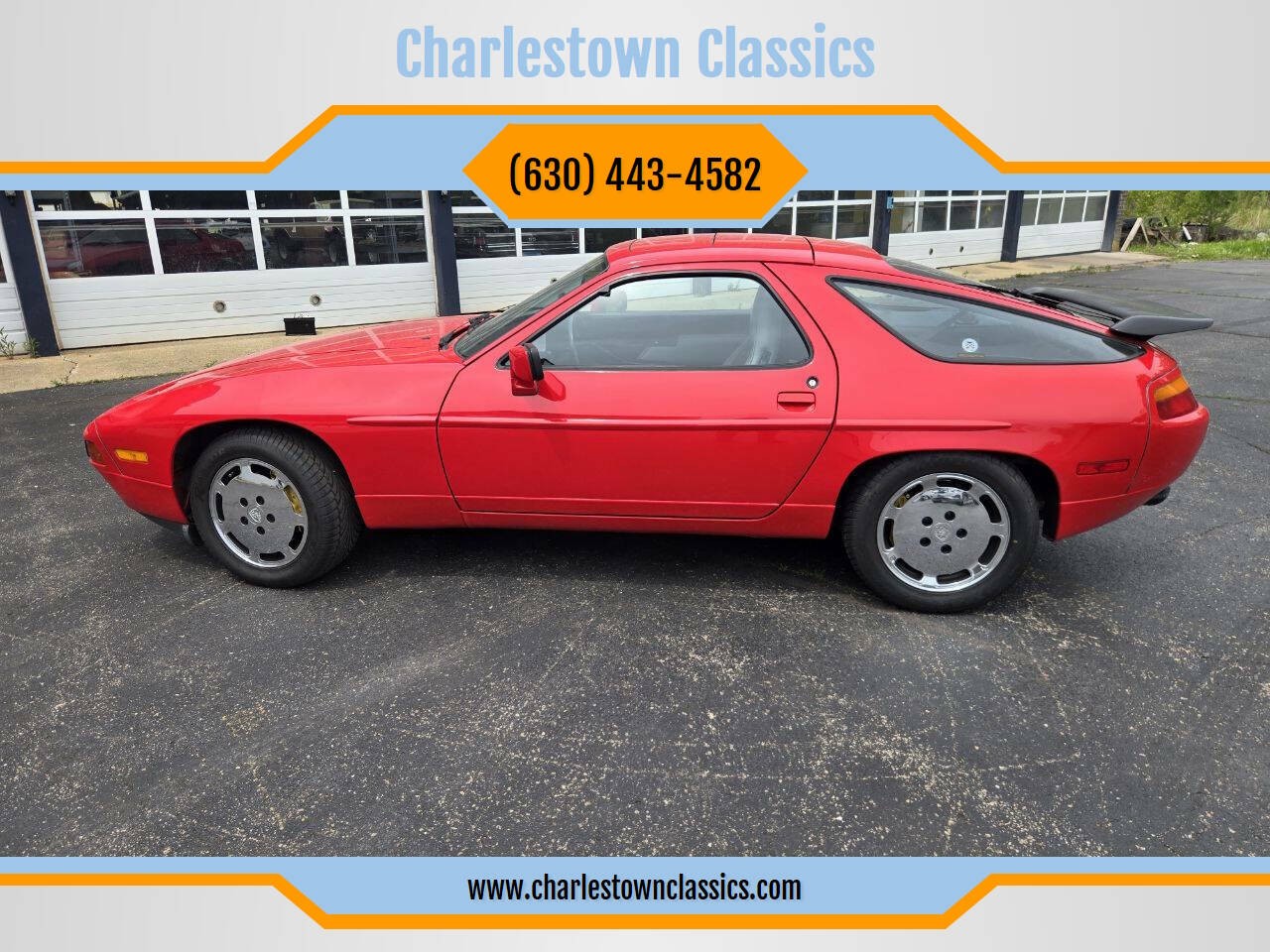 $25,990
Expand
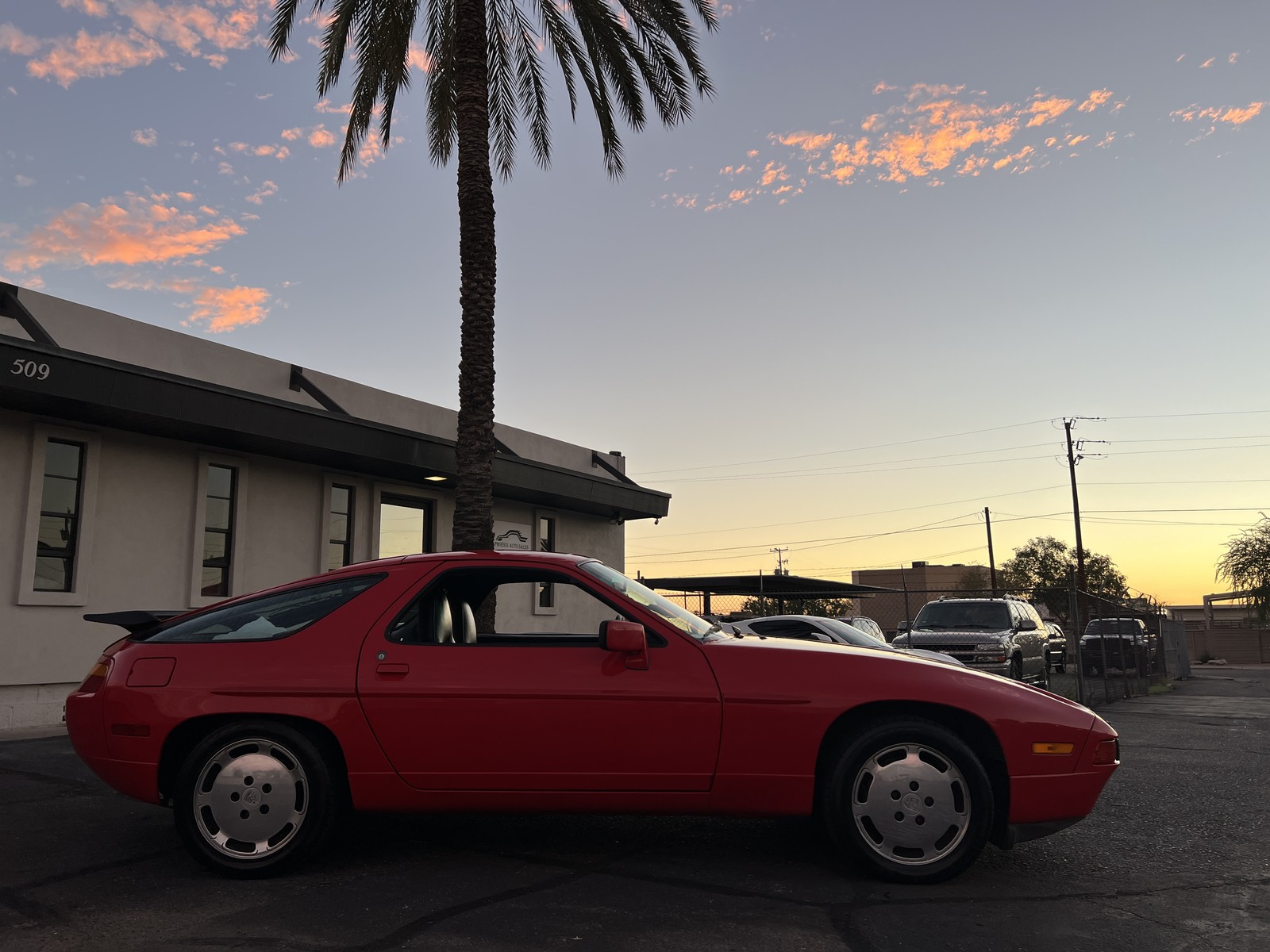 $24,995
Expand
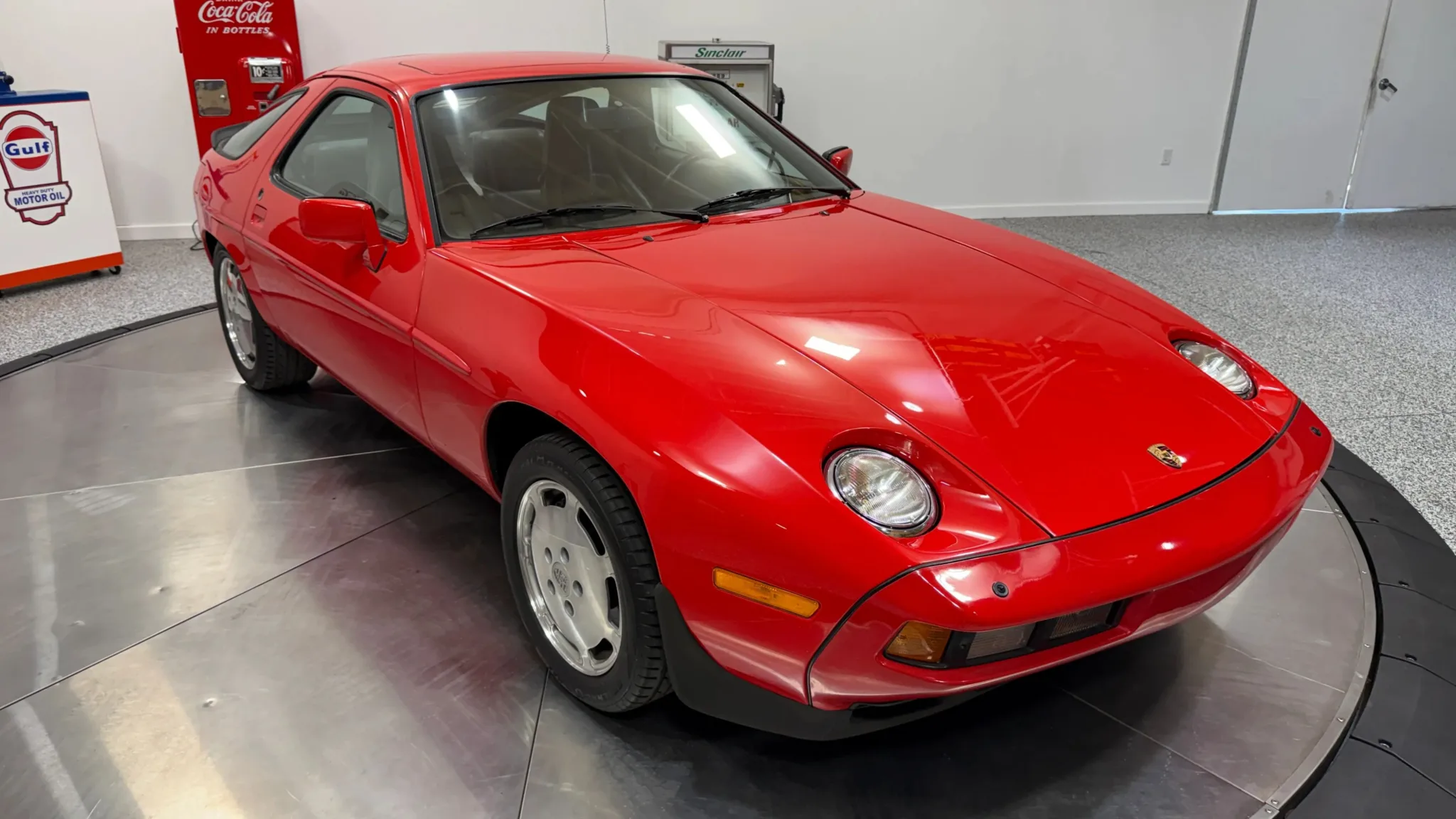 $25,995
Expand
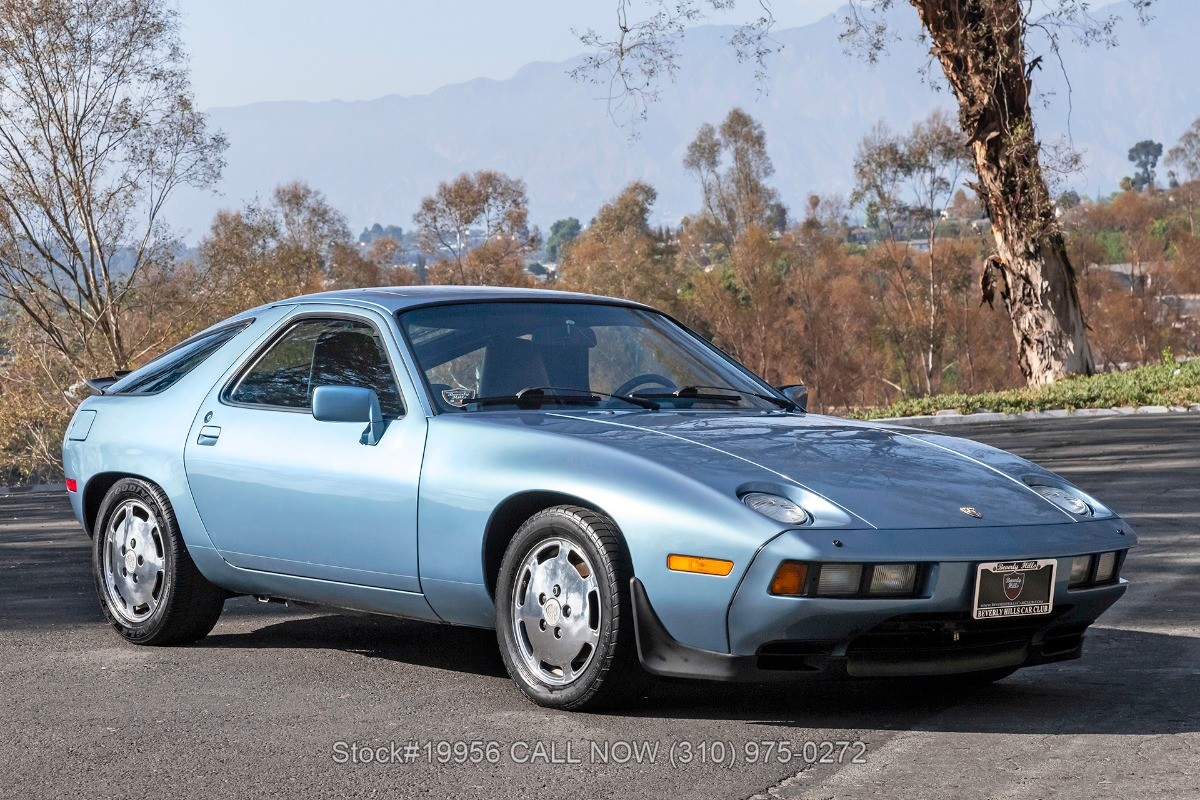 $39,950
Expand
 $89,900
Expand
What they sell for: 928 sale prices.