
Saab 900 buyer's guide
Saab 900 -- the model's own buyer's guide: variants, values and what to check.
Years listed: 1984-1997 · Series: 900
Overview and history
The Saab 900 is not one car but two, and learning to tell them apart is the first skill this guide teaches. The classic 900, built from 1978 to 1993 (the convertible ran a year longer), is the car the name means to most people: a Swedish hatchback with the engine mounted backwards and canted over at 45 degrees, a double-wishbone front suspension where its rivals used struts, a turbocharger offered when turbocharging was still exotic, and a shape — long nose, curved windscreen, kicked-up tail — that looks like nothing else on the road before or since. The NG900 that replaced it for 1994 is a General Motors car under the skin, built on the platform shared with the Opel Vectra, with transverse engines and conventional manners. It is a good car. It is not the same car, and it is not worth the same money. Everything below is weighted to the classic, because the classic is what the market hunts, but the NG900 gets its own treatment throughout, because you will meet it wearing the same badge — one of the five 900s in our current listings is a 1997 car, which makes it an NG900 whatever the advert calls it.
The classic 900 grew out of the Saab 99, and the family resemblance is not an accident: Saab stretched the 99's wheelbase, redesigned the front end for crash performance, and kept the 99's most distinctive engineering decision intact. The engine sits longitudinally but reversed, with the clutch at the front of the car and the crankshaft pointing forwards; power comes back under the engine through a chain primary drive to a gearbox mounted beneath it. The result is a front-wheel-drive car with its weight unusually well placed, double-wishbone front suspension with the springs and dampers mounted high, and a reputation for winter traction that Swedish winters earned and American snow-belt buyers paid for. The engine itself descends from the slant-four Saab developed with Ricardo from a Triumph design in the 99 era, revised into the lighter H engine for 1981 and doubled to sixteen valves for 1984.
What made the 900 matter was the turbo. Saab had pioneered the everyday turbocharger on the 99 Turbo in 1978, and the 900 carried the idea into the mainstream of the 1980s: first in eight-valve form, then, from 1982, with APC — Automatic Performance Control, a knock-sensing system that adjusted boost pressure in real time and let the engine run safely on varying fuel quality. That was genuinely advanced thinking in 1982, when most turbo engines managed detonation with low compression and crossed fingers. The sixteen-valve turbo of 1984, with an intercooler and 175 hp in European trim, made the 900 one of the quickest front-wheel-drive cars in the world, and the SPG (Aero in Europe) wrapped it in the body kit and lowered chassis that define the model's image today. The convertible, launched for 1986 and built for Saab by Valmet in Finland, completed the range and became an unlikely American status car — the thinking person's alternative to a BMW.
Underneath the headline cars sat a broad, sensible range: carburettor and injected eight-valve cars, a sixteen-valve naturally aspirated car that is the range's quiet sweet spot, three- and five-door hatchbacks, two- and four-door saloons, and, for America's last years, a 2.1-litre sixteen-valve. Production of the classic hatch and saloon ended in 1993 after about 909,000 cars; the convertible continued into 1994. Saab itself did not survive GM ownership — the company collapsed in 2011 — so the car's support rests entirely on specialists, clubs and the salvage stream, which the parts section covers.
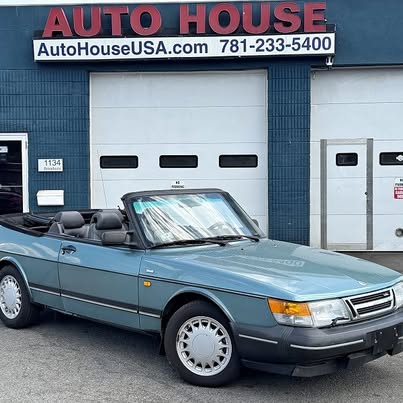
The five cars in our current listings sketch the range truthfully. They span 1984 to 1997 — an early flat-nose four-door saloon, a 1989 SPG, ordinary hatchbacks from 1990 and 1991, and the 1997 NG900 — and three of the five are automatics, the opposite of the enthusiast image, which is why this guide treats the ordinary cars as first-class citizens. The typical 900 offered today is not a pampered SPG. It is a thirty- to forty-year-old Swedish hatchback that has survived daily use and deferred maintenance. Buy the car in front of you, on the evidence of the checks below, and the 900 rewards you with one of the most characterful drives in the classic market. Buy the badge and the silhouette, and the same car will educate you expensively.
The models
Every classic 900 is front-wheel drive with the longitudinal reversed engine described above, double-wishbone front suspension and a beam rear axle located by links and a Panhard rod. The range divides by engine (eight-valve or sixteen-valve, carburettor, injected or turbocharged), by body (three- and five-door hatchback, two- and four-door saloon, two-door convertible) and by era: the flat-nose cars up to 1986, and the slope-nose facelift cars from 1987 with restyled lamps, bumpers and a revised braking system. The NG900 is transverse-engined, strut-suspended and entirely different in detail. A trim table follows, then the models in turn.
| Model | Years | Engine | Output | Built | Character |
|---|---|---|---|---|---|
| 900 (base, carburettor) | 1979–1989 | 2.0 eight-valve (B201), single carburettor | 100 hp | Not published by trim | The simple car: slow, honest, nearly extinct |
| 900i (eight-valve injection) | 1979–1989 | 2.0 eight-valve (B201), Bosch K-Jetronic | 118 hp | Not published by trim | The everyday eight-valve; K-Jetronic decides its health |
| 900 Turbo (eight-valve) | 1979–1985 | 2.0 eight-valve turbo (B201), APC from 1982 | 145 hp (Europe) | Not published by trim | The original turbo experience; laggy, charismatic |
| 900i 16 / 900S (sixteen-valve, NA) | 1985–1993 | 2.0 sixteen-valve (B202), Bosch LH-Jetronic | 126–133 hp | Not published by trim | The sweet spot: most of the car, none of the turbo bills |
| 900 Turbo 16 | 1984–1993 | 2.0 sixteen-valve turbo (B202), intercooled | 175 hp (Europe), 160 hp (US) | Not published by trim | The performance flagship of the ordinary range |
| 900 SPG (US) / Turbo 16S Aero (Europe) | 1985–1993 | 2.0 sixteen-valve turbo (B202) | 160 hp (US, early), 175 hp (US, 1990 on) | Low volume; no reliable trim split published | The collectible: body kit, lowered chassis, the premium car |
| 900S 2.1 (US) | 1991–1993 | 2.1 sixteen-valve (B212) | 140 hp | US market only | The torquier NA answer to American driving |
| 900 Convertible | 1986–1994 | Eight- and sixteen-valve, NA and turbo | 118–175 hp by engine | Built by Valmet, Finland | The lifestyle car; turbo convertibles carry the premium |
| NG900 (S, SE) | 1994–1998 | 2.0 / 2.3 NA, 2.0 turbo, 2.5 V6, transverse | 130–185 hp | Separate GM-platform production | The successor: newer, cheaper, a different proposition |
Outputs are period figures; American catalysed cars rate lower than European ones, which is why the same Turbo 16 is 175 hp in one market and 160 hp in another. Treat any single production figure quoted for an individual classic trim with suspicion — Saab published totals for the model, roughly 909,000 classic cars in all, not reliable trim splits — so this table gives build numbers only in aggregate.
The eight-valve cars (1979–1989). The base car ran a single carburettor and about 100 hp; the injected 900i used Bosch K-Jetronic mechanical injection for 118 hp; the eight-valve Turbo added the turbocharger and, from 1982, APC boost control for 145 hp in European trim. These are the flat-nose era's cars, increasingly also slope-nose cars after 1987 as the eight-valve engine continued in base models. They are simpler than the sixteen-valve cars and slower, and their survival rate is poor because their values sat at scrap money for two decades. An honest eight-valve is a charming period drive; a tired one is a parts car with a tax disc. The K-Jetronic system, not the engine's internals, decides whether an injected eight-valve is a runner or a riddle, and the problem-areas section explains why.
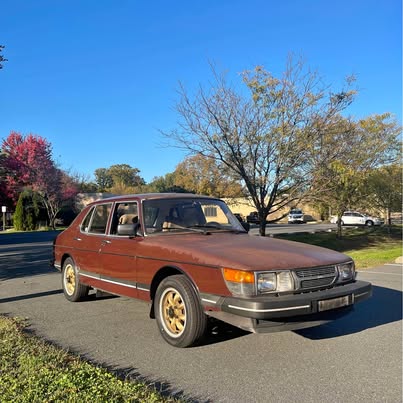
The sixteen-valve cars (1985–1993). The B202 engine doubled the valve count, added Bosch LH-Jetronic electronic injection and transformed the range. In naturally aspirated form it made 126–133 hp depending on market and year and powered the 900i 16 and the car badged 900S in America; turbocharged and intercooled it made the Turbo 16, the definitive fast 900 of the ordinary range. The American-market 2.1-litre B212 of 1991–1993 stroked the NA engine for torque rather than revs and is a genuinely pleasant road car. Sixteen-valve cars are the core of today's market: quick enough to use, modern enough to drive daily, and supported by the best parts supply in the range because they share so much with the 9000.
The SPG and Aero (1985–1993). SPG stands for Special Performance Group, and the car is a Turbo 16 with a factory body kit — deep front spoiler, side skirts, rear valance — lowered and stiffened suspension, distinctive three-spoke wheels and, in American trim, 160 hp in its early years rising to 175 hp from 1990. Europe's equivalent is the Turbo 16S, sold as the Aero in some markets. The SPG is the classic 900 the collectors want, and it carries the classic 900's biggest identity risk in proportion: because the premium over a Turbo 16 is real and the kit is bolt-on, Turbo 16s wearing SPG panels exist in numbers. The kit proves nothing. The VIN plate, the lowered chassis, the correct wheels and a specification that agrees with itself are what you are paying for, and a claimed SPG with standard ride height and no documentation is a Turbo 16 with a story.
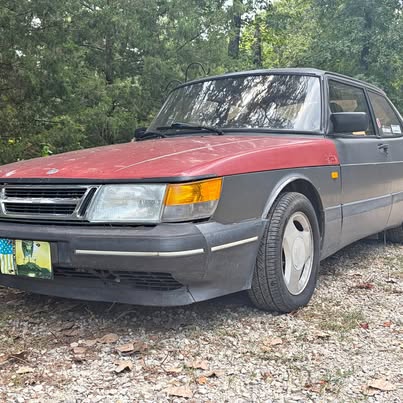
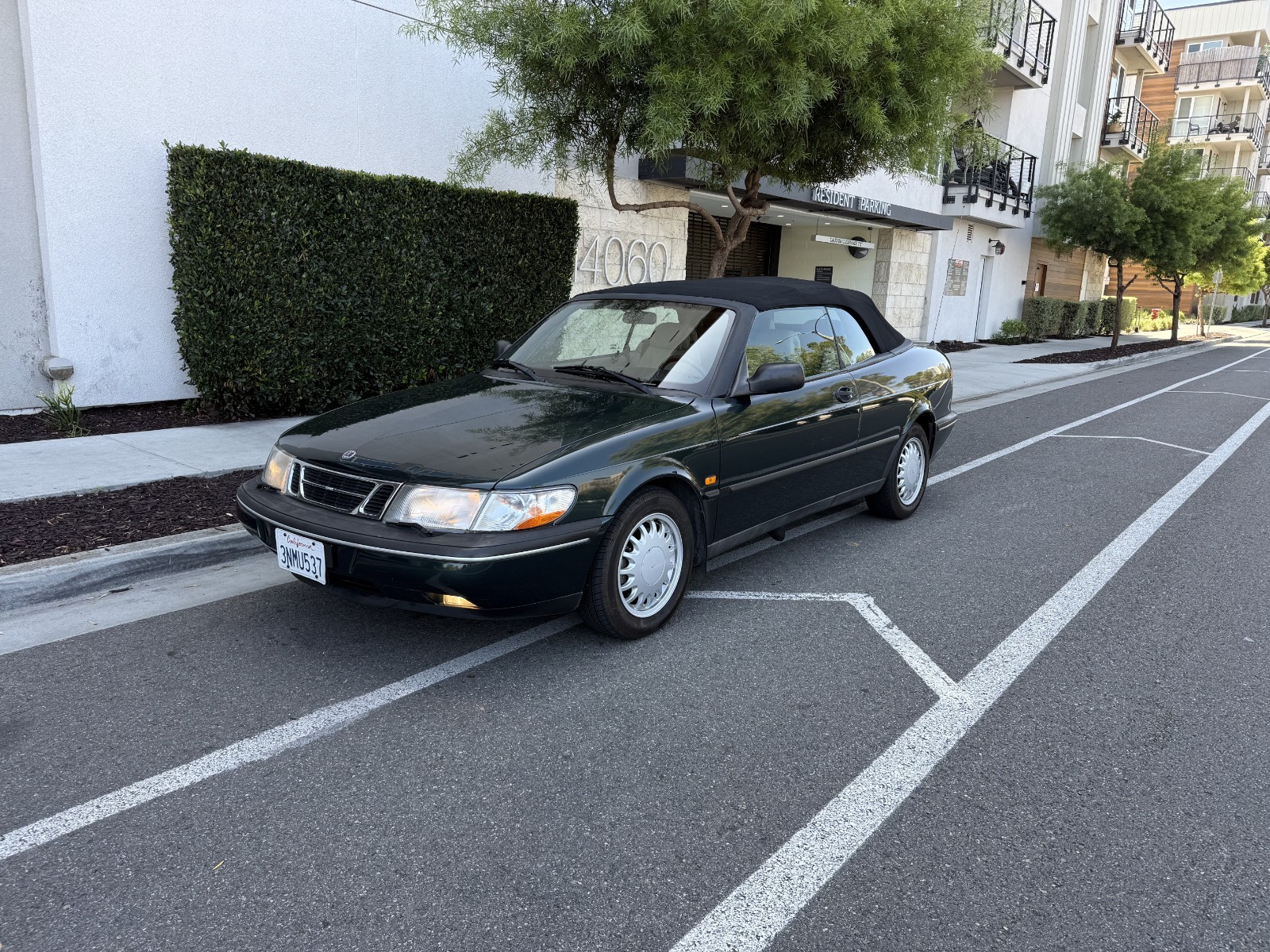
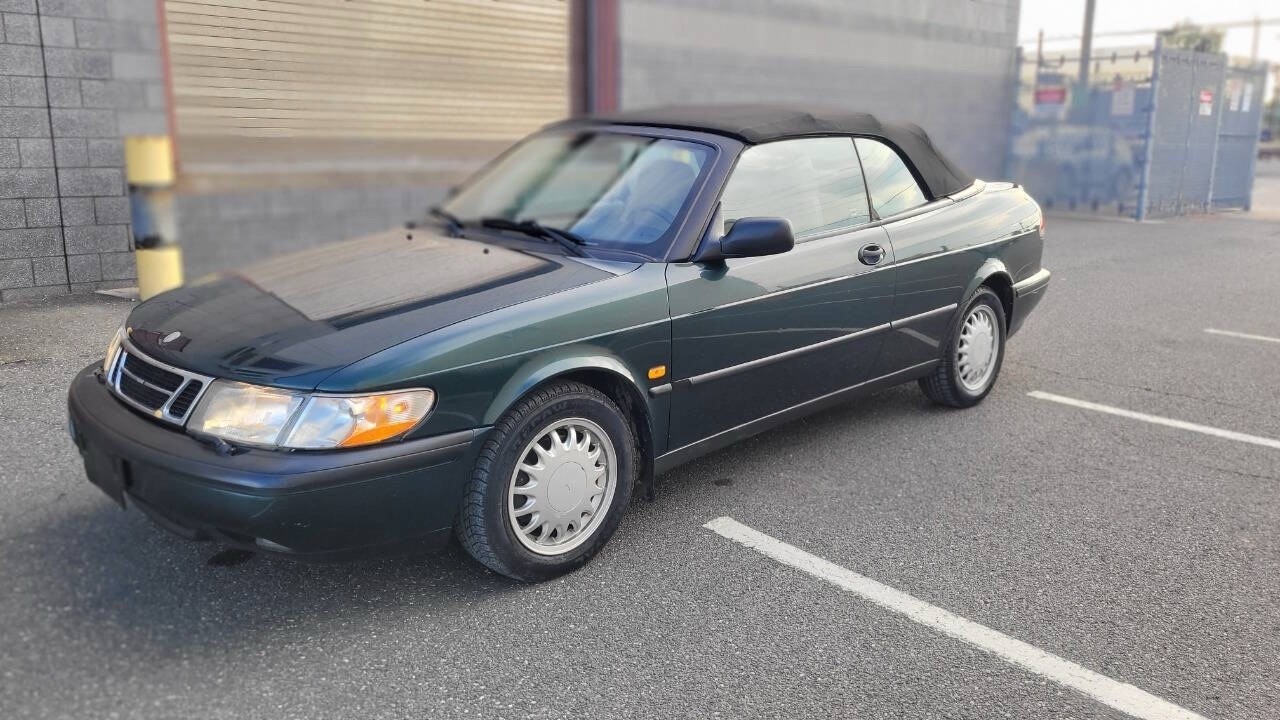
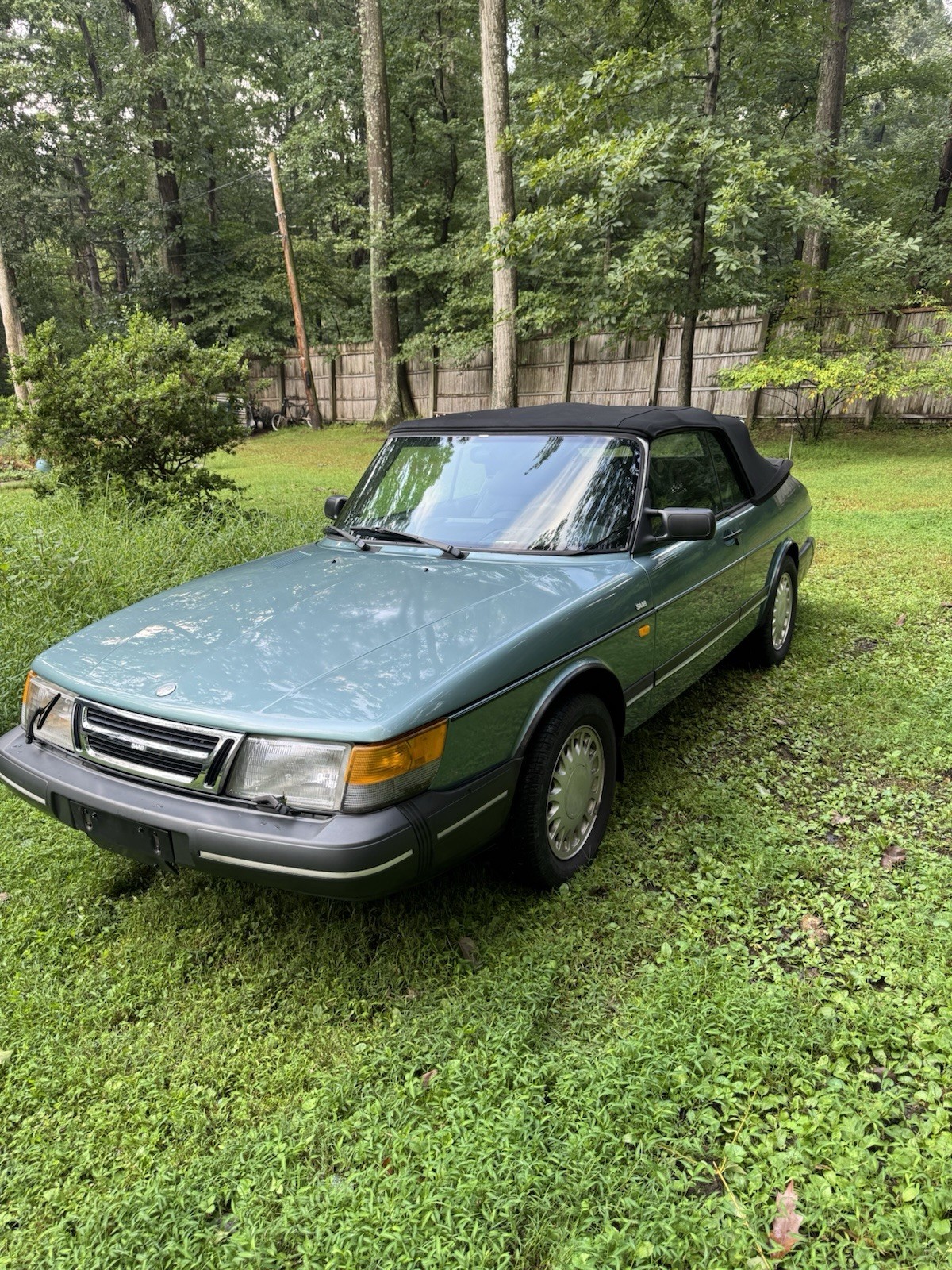
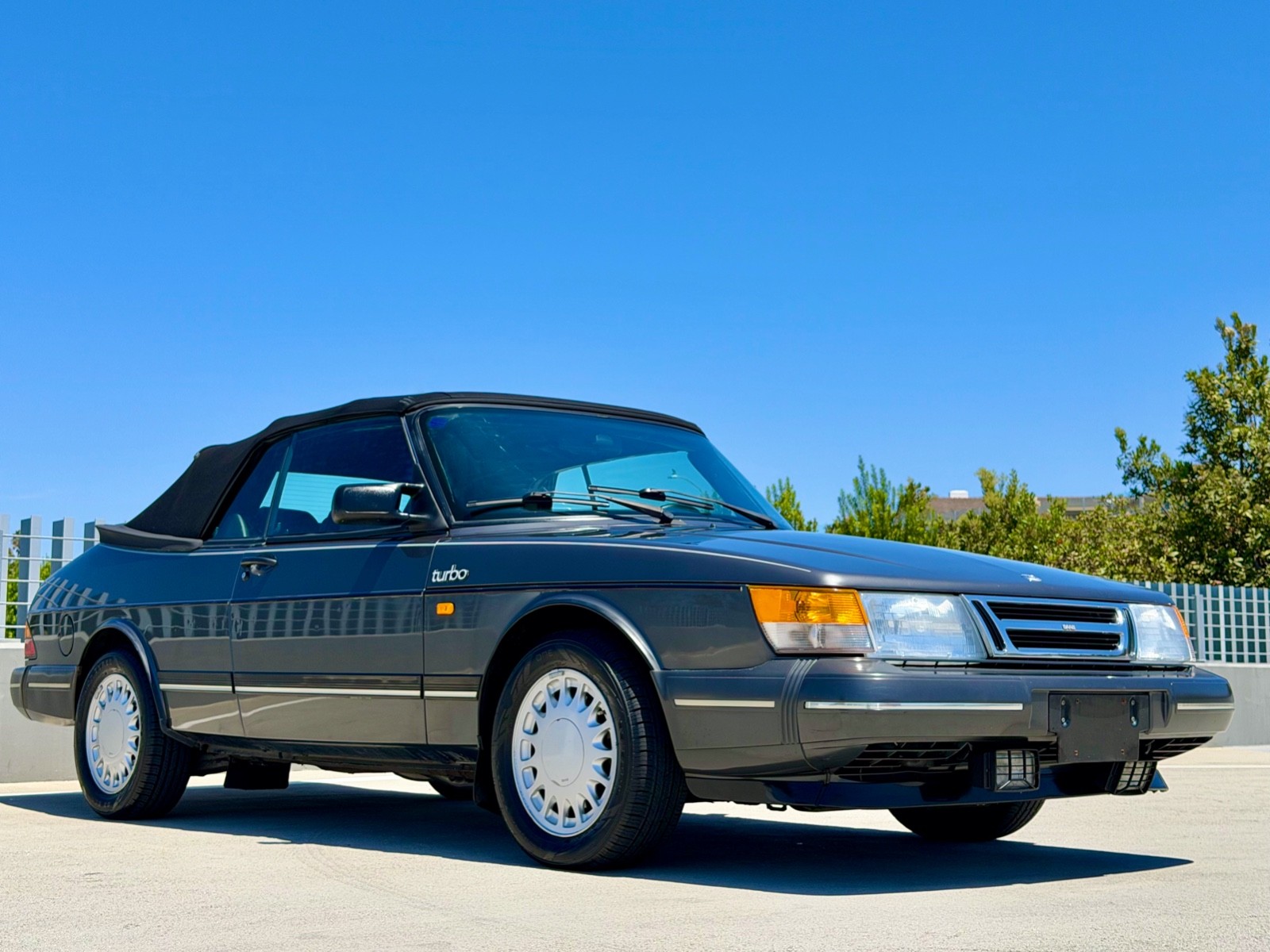
The convertible (1986–1994). Saab showed the convertible as a show car and built it because American dealers demanded it; production cars were assembled by Valmet in Finland, with a power-operated top, a heated glass rear window in later years and the full engine range from injected eight-valve to Turbo 16. It is a four-seat convertible with a proper boot and genuine touring manners, and in America it became a period status symbol that still colours its values. The convertible outlived the classic hatch and saloon by a year, built into 1994 alongside the NG900. Its specific costs are the top hydraulics, the top itself and the structural checks any open car demands, all covered below.
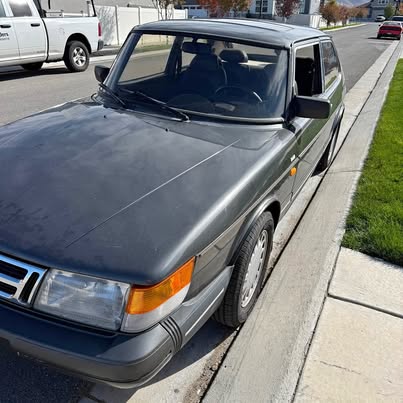
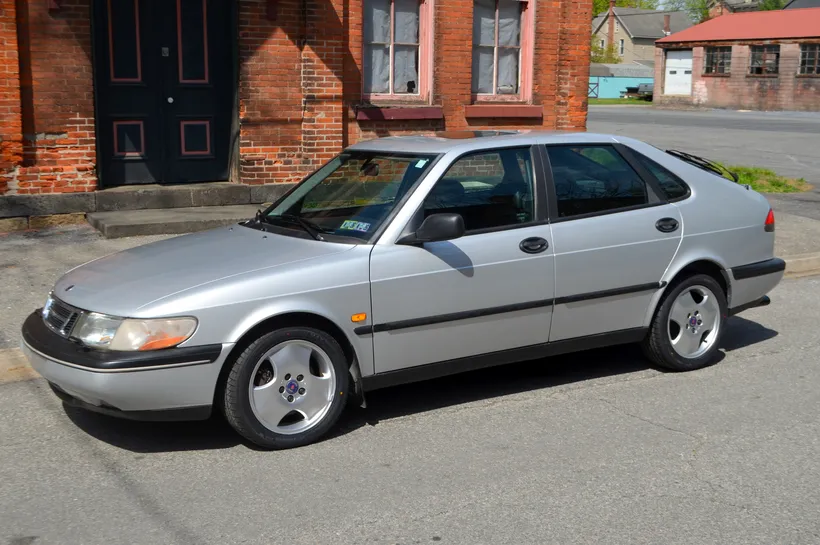
The NG900 (1994–1998). The new-generation 900 kept the hatchback silhouette and the ignition switch between the seats — a Saab signature the classic cars also carry — and changed nearly everything else. The platform is GM's, shared with the Opel Vectra; the engines sit transversely; the suspension is struts in front. Engines were a 2.0 and 2.3 naturally aspirated pair, a 185 hp 2.0 turbo running Saab's own Trionic 5 management with the red direct-ignition cassette, and a 2.5 V6 in the SE. A five-door hatch, a three-door, a saloon-adjacent notchback and, from 1995, a convertible made up the range, and there was even a Sensonic clutchless manual on some turbo cars, a period curiosity to avoid unless you enjoy orphan technology. The NG900 is newer, safer, cheaper and easier to live with than the classic; it is also less distinctive to drive and far less collectible, and its own fault list — bulkhead cracking, DI cassettes, cable clutches — is entirely different from the classic's. Buy it as a cheap modern-classic hatchback, not as a cut-price classic 900.
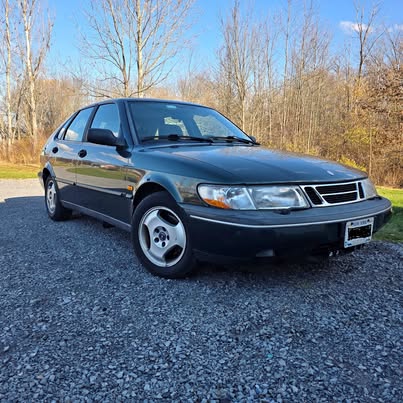
One naming trap covers both generations. Saab badging followed equipment and market, not a strict hierarchy, and thirty years of badge swaps, engine swaps and market imports sit between you and the truth. The data plate and VIN decode the car's original specification; the engine number confirms the engine is the one the badge claims. On any 900 where the price depends on the badge — SPG above all — those two checks come before the test drive, not after the deposit.
Engines and gearboxes
Three engine families carry the classic 900, and all of them are the same engine at root: the slant-four Saab developed for the 99, canted 45 degrees to the right, mounted backwards with the clutch at the front. Learn the family by its designation, because the designation tells you the fuelling, the ignition and the fault list. The eight-valve is the B201 in H-engine form. The sixteen-valve is the B202, with the stroked B212 derivative for America. The NG900's engines are a separate GM-era family and get their own subsection. Across the classic range the pattern is consistent: the bottom end is strong, the ancillaries and the management decide whether the car runs properly, and the gearbox — not the engine — is the drivetrain's weak link.
The eight-valve: B201, carburettor, K-Jetronic and the first turbos
The original 900 engine is a 1,985 cc single-overhead-cam eight-valve with an alloy head on an iron block, inclined at 45 degrees. In its first form it was the B engine inherited from the 99; from 1981 the H engine replaced it — lighter, with a revised head and detail changes throughout, and the engine every later classic 900 descends from. Fuelling defines the variants. The base car used a single Zenith-Stromberg carburettor and made about 100 hp; it is simple, slow and now rare enough that its simplicity is its whole appeal. The injected car used Bosch K-Jetronic — continuous mechanical injection, metered by an airflow plate and a fuel distributor, with a warm-up regulator shaping cold running. K-Jetronic makes 118 hp, starts and runs well when healthy, and generates the eight-valve car's signature faults when it is not: the system depends on correct control pressure, and a tired warm-up regulator or a fuel distributor with varnish from years of standing produces the hot-start failure and the rich, hunting idle that sellers describe as character. The cure is diagnosis with a pressure gauge, not parts-swapping; budget $400–900 for a specialist to go through a neglected K-Jetronic system properly, including the accumulator and injectors.
The eight-valve turbo added a Garrett turbocharger to the injected engine for 145 hp in European trim, and from 1982 the APC system: a knock sensor on the block, a control unit and a solenoid valve bleeding boost pressure, allowing the engine to run higher boost on good fuel and pull it back at the first sign of detonation. APC is why a Saab turbo of this era feels different from its rivals — boost that adapts rather than boost that is fixed conservatively — and its failure mode is benign: a dead solenoid, a perished hose or a failed knock sensor drops the car to base boost, noticeably slower but safe. Diagnose in that order — hoses first, solenoid second, electronics last — because the vacuum hoses that control the whole system perish with heat and age and cause most turbo faults on both eight- and sixteen-valve cars. Turbo hardware itself follows the period pattern: oil seals that smoke on the overrun when worn, wastegate actuators that seize, and a service life extended enormously by oil changes on schedule and a minute's idle before switch-off after hard use.
The sixteen-valve: B202 and B212
The B202 of 1984 is the engine the classic 900 is remembered by: the same 1,985 cc bottom end with a twin-cam sixteen-valve head, chain-driven cams, hydraulic tappets and Bosch LH-Jetronic electronic injection with a hot-wire air mass meter. Naturally aspirated it makes 126–133 hp by market; with the turbocharger and intercooler it makes 175 hp in European trim and 160 hp in catalysed American trim, with the American SPG at 175 hp from 1990. Some European-market cars used Lucas CU14 injection instead of Bosch LH; the cars run equally well, but the diagnostic knowledge and parts base favour the Bosch car, and it is worth knowing which system a car carries before you buy it. Ignition on the turbo cars is a distributor system with a Hall-effect trigger, working alongside the separate APC boost control; the NA cars run Bosch EZK ignition with its own knock sensing. The B212 of 1991–1993 strokes the engine to 2,117 cc for the American 900S, making 140 hp with a flatter torque curve — no more exciting on paper, genuinely nicer in traffic, and the NA engine to choose for a car you intend to drive rather than polish.
The sixteen-valve's virtues are torque, smoothness and a bottom end that shrugs off mileage; its known costs sit at the top of the engine and in the management. Head gaskets fail — the problem-areas section gives the mechanism and the tests — and the single-row timing chain and its guides wear audibly before they wear dangerously, rattling at cold start and at a steady cruise when the tensioner and guides are tired. The LH system's air mass meter is the classic running fault: a contaminated or failed hot wire gives a car that stalls at junctions, idles erratically or runs rich, and the distinguishing test is simple — unplug the meter and the car should settle into a clean, slightly rich limp-home idle; if it does, the meter, not the engine, is your problem. A rebuilt or good used meter runs $150–350. The idle control valve gums up and causes the hunting idle blamed on everything else; it responds to cleaning more often than to replacement. Distributor Hall sensors fail hot — the car cuts out when warm, restarts when cool, and the fault is misdiagnosed as fuel for months; a hand-held test at the distributor plug while cranking a hot, dead engine settles it in minutes.
The NG900 engines: B204, B234, Trionic and the V6
The NG900 turned the engine sideways and bought the hardware from the GM shelf, with Saab's own management on top. The 2.0 (B204) and 2.3 (B234) fours are Saab-designed engines with balance shafts, offered naturally aspirated at 130 and 150 hp; the 2.0 turbo (B204L) makes 185 hp under Trionic 5, Saab's combined ignition, fuelling and boost management, firing the plugs through the famous red direct-ignition cassette that sits in the cam cover and doubles as the knock-sensing system. The 2.5 V6 in the SE is a GM unit making 170 hp, smooth and entirely dependent on its timing belt being changed on schedule. The turbo four is the pick: strong, tuneable and recognisably Saab in character. Its signature failure is the DI cassette itself, which dies with age and heat, often suddenly and completely, leaving a car that cranks and will not fire; the test is substitution with a known cassette, the part costs $250–450, and experienced owners carry a spare in the boot — advice worth following literally. Timing chains and balance-shaft chains wear on high-mileage fours, and the V6's belt is a hard deadline, not a judgement call.
Gearboxes: the chain drive, the five-speed and the automatic
Every classic 900 gearbox lives in the same unusual architecture: the box sits beneath the engine and takes drive from the crankshaft through a primary drive of chains at the front of the engine. The chain drive is reliable but not immortal — a worn chain and sprockets rattle from the front of the engine at idle and are routinely mistaken for timing-chain noise; the distinction is location and behaviour, chain-drive rattle coming from low at the front and changing with clutch engagement. The standard gearbox for most of the production run is a five-speed manual (early base cars had four speeds), and it is the classic 900's acknowledged weak point. The design was adequate for the eight-valve's torque and marginal for the turbo's; pinion bearings wear and whine, synchromesh tires on second and third, and the casing and bearing seats suffer in cars that have been launched hard on boost. A full rebuild by a specialist runs $2,000–3,500, good used gearboxes are a gamble because the fault is mileage- and use-related rather than visible, and this single fact should shape how you buy: the gearbox's behaviour on the test drive is worth more than the paint. The three-speed automatic is a Borg-Warner Type 37, conventional, torque-converter, and tougher than its reputation — it suits the NA cars well, blunts the turbo, and fails mainly from fluid neglect; a fluid and filter service is $200–350 and a rebuild $1,800–2,800. Check its kickdown cable adjustment before condemning the box: a slack cable makes shifts late and lazy and costs nothing but knowledge to fix.
The NG900 uses a conventional transverse five-speed manual or four-speed automatic. The manual's period flaw is its cable clutch, fitted to most NG900s: the self-adjusting cable stretches and fails, the pedal grows heavier and heavier, and engagement creeps toward the floor until selection becomes a fight. A cable is cheap ($60–120 plus fitting); the lasting fix is the hydraulic conversion later cars received, at $400–700 fitted, and a car already converted is worth a small premium for it. The Sensonic clutchless manual — an automatic clutch on a conventional box — is orphan technology with failing actuators and almost no specialist support; price any Sensonic car as a conversion project.
Problem areas
A classic 900 fails in a specific order, and it is not the order sellers expect. The engine's bottom end is near the bottom of your worries; the structure where the front suspension mounts, the gearbox's bearings, the head gasket and the management ancillaries are the top. Read this section as a map of where the money goes, then use the inspection checklist to work the map on a real car. The NG900's faults are different and are flagged as such where they appear.
Rust: the map
Saab rustproofed better than most 1970s makers, which is why the survivors survive — but the classic 900 has one structural rust area that kills more cars than every other combined, and it is not the wheel arches. It is the front suspension tunnels: the box sections inside the engine bay, above and behind the front wheels, through which the driveshafts pass and into which the front control arms' loads feed. These tunnels collect road salt and mud behind the wheels, rot from the inside out, and by the time blistering shows on the visible faces the section is often perforated around the suspension mountings. Repair means engine-out or engine-lifted welding in a structural area, at $1,500–3,000 a side done properly, and a car with both sides gone is a parts car at any price that includes the word "project". Test it as the inspection section describes: hands and a torch inside the bay, a screwdriver's firm pressure on the tunnel faces, and deep suspicion of fresh underseal in exactly this area and nowhere else.
The rest of the map, in the order to walk it. The floor pans and the rear seat and boot floors rot at their seams and around drain holes, worst on cars that have leaked through the hatch seals and stored the water under the carpets. The rear wheel arches and the panel behind the rear wheels go at the lip and the lower corner. The hatch itself rusts along its lower edge and around the rear window aperture, and the saloon's boot lid follows the same pattern. Door bottoms blister from blocked drain holes. The windscreen surround rusts under the seal, worst on convertibles at the header rail and A-posts, where it is structural to the top's fit as well as ugly. The battery tray and the panel beneath it corrode from acid. Sills are generally better than period rivals but go at the jacking points and the rear ends. On the NG900, walk a different map: rear arches, the rear subframe and its mounts, the floor around the rear seat, and — the NG900's signature structural fault, covered under its own heading below — the bulkhead.
Engine and cooling: head gaskets, chains and hot-running
The sixteen-valve's head gasket is the classic 900 engine fault, and it has a mechanism worth understanding. The alloy head and iron block expand at different rates; the gasket lives a hard thermal life at the front of the engine, where coolant passages sit close to the edge; and neglected coolant — Saab specified changes that many owners skipped — corrodes the head's face and the gasket's sealing rings until combustion pressure or coolant finds a path. The failure presents three ways: an external coolant weep down the front corner of the block (the early, cheap stage), coolant loss with overheating and a pressurising cooling system (the middle stage), and oil in the coolant or coolant in the oil (the late stage, where continued driving starts to cost bearings). The tests are in the checklist: a cold radiator hose that is already hard with pressure before the engine warms, bubbles in the expansion tank at a fast idle, and a mayonnaise film under the oil cap on a car that does long runs (short-trip cars make innocent mayonnaise — context decides). A head-gasket job with the head skimmed, pressure-tested and refitted with new bolts runs $1,200–2,000; add a timing-chain kit while the top is off if the chain is noisy, because the labour overlaps. The eight-valve's gasket fails less often but identically in presentation.
Timing chains wear on both classic engines. The sixteen-valve runs a single chain with guides and a hydraulic tensioner; wear announces itself as a rattle for the first seconds after a cold start (tensioner bleeding down and refilling — a few seconds is normal on a high-mileage car, a rattle that persists is not) and as a sustained rattle or slapping at a steady 2,000 rpm cruise. A chain kit fitted runs $800–1,400, and a skipped chain on the sixteen-valve bends valves, so the rattle is a negotiation point with a deadline, not background character. Cooling faults beyond the gasket are conventional: radiators silt up, the electric fan's thermo-switch and relay fail so the fan never cuts in (the car is fine at speed and boils in traffic — the classic presentation), water pumps leak and grumble, and heater valves leak coolant into the cabin, announcing themselves with a sweet smell and a misting windscreen. On the NG900 fours, add timing- and balance-chain wear at high mileage and, on the V6, a timing belt whose failure is terminal for the engine.
Turbo-specific engine faults follow the pattern set out in the engines section: perished vacuum hoses first (a $30 assortment of hose cures more boost faults than any other purchase), the APC solenoid second, turbo oil seals smoking on the overrun third. A turbo that whistles loudly under boost or whose shaft has play you can feel at the compressor wheel is a rebuild or exchange unit at $600–1,200. Oil consumption on a high-mileage turbo car should be quantified before purchase — a quart in 1,000 miles on a hard-used Turbo 16 is tired but usable; a quart in 300 is a rebuild conversation.
Gearbox and driveline: the weak link, honestly assessed
The five-speed manual's faults deserve their own map because they decide more purchases than any engine fault. Pinion bearing wear produces a whine that rises with road speed — not engine speed — most audible in fourth and fifth on a light throttle, and it progresses over thousands of miles from audible to terminal. Distinguish it from wheel bearings (the noise changes as you load the car side to side in a gentle weave) and from the primary chain (which rattles at idle, at the front of the engine, and changes when you press the clutch). Synchromesh wear crunches on fast changes into second and third, cold worse than warm. A box that jumps out of gear on the overrun, or that cannot find reverse without a fight and a crunch, is telling you its bearings and selectors are done. None of these faults is visible on a ramp; all of them are obvious on a twenty-minute test drive that includes fifth gear at highway speed and a deliberate overrun in third. That is why the checklist insists on the drive. Budget against the figures in the gearbox section: $2,000–3,500 for a specialist rebuild, and treat a seller's "they all whine" as the admission it is — some do, at a price that reflects it.
The automatic fails differently: neglected fluid, shifts that flare between gears when hot, and a kickdown cable out of adjustment mimicking internal failure. Change the fluid and set the cable before pricing a rebuild. Driveshafts wear at the inner tripod joints and their driver cups in the gearbox output, producing a vibration under load that vanishes on the overrun — a classic 900 signature that is misdiagnosed as wheel balance for years; new drivers and joints run $300–600 a side fitted. CV boots split and take the outer joints with them if ignored. The clutch itself is conventional in operation but sits at the front of the reversed engine, which makes it one of the easier clutches of its era to change — a point in the manual car's favour, at $600–1,000 fitted.
On the NG900, the driveline faults are the cable clutch described earlier and, on automatics, a conventional GM-pattern box that fails from fluid neglect in the usual ways. The Sensonic's actuator faults — failure to select, clutch judder it cannot be adjusted out of — have no economical cure and should end the negotiation.
Suspension, steering, brakes and the NG900 bulkhead
The double-wishbone front suspension is a strength that wears in specific places. The lower ball joints are load-carrying and safety-critical: a worn one knocks over bumps and, ignored to the end, can separate. Upper control-arm bushes perish and let the geometry wander, and front springs break at the bottom coil, announced by a crack over a bump and a corner sitting low. Rear suspension is a beam axle that asks little beyond dampers, bushes and attention to its mounting points' rust. Steering racks wear their inner joints and leak from their seals — the rack sits low behind the engine and is a labour-heavy replacement at $700–1,200 fitted with an exchange unit — and power-steering pumps whine when the fluid is old or the pump is tired. Brake faults are period-standard except for two Saab specifics. Before the 1987 facelift the handbrake acts on the front discs, so front calipers carry the handbrake mechanism and seize in that role; facelift cars moved it to the rear with new hubs and calipers, one of several reasons the later cars are easier to own. From 1990 the ABS cars use a pressure-accumulator system whose accumulator and pressure switch age out: a pump that runs too often, a pedal that goes hard, and warning lamps that linger are the presentation, and the accumulator is a $200–400 part where the full hydraulic unit is a specialist rebuild.
The NG900's signature structural fault is bulkhead cracking. The steering rack and the clutch mechanism mount to the bulkhead, and the panel flexes and cracks around those mountings — worst on right-hand-drive cars, present on American cars too, and aggravated by the heavy cable clutch. The test is an assistant working the steering lock to lock, and pressing the clutch, while you watch the rack's mounting and the bulkhead around it for movement and hairline cracks. A cracked bulkhead is weldable ($500–1,000 with the rack disturbed) and reinforcement kits exist, but an unrepaired crack that has spread is a structural repair on a cheap car, which usually ends the arithmetic. Check it on every NG900, without exception.
Electrics, interior and the convertible top
Classic 900 electrics are Bosch-era conventional, and the faults are the era's: the distributor Hall sensor failing hot (covered in the engines section, and the single most misdiagnosed no-start on the sixteen-valve), the ignition amplifier beside it, earth points corroding where the looms meet the body — clean the earths before condemning any component — and the LH air mass meter and idle valve producing the idle faults described earlier. Window regulators slow and die, central locking actuators fail one door at a time, and the headlamp wiper motors on cars so equipped are a period charm that no longer matters. The NG900 adds the DI cassette (a sudden, total no-start; substitution is the only test), pixel failure in the SID information display as its ribbon cable delaminates (a $100–200 repair that restores a display sellers claim is a computer failure), and electric aerials and seat heaters ageing out.
The interior's signature fault is the headlining: the foam backing of the headliner fabric disintegrates with age and heat, and the cloth sags onto the occupants' heads in every classic 900 that has not already had the job done. It is not a reason to reject a car; it is a $400–800 retrim, cheaper if you remove and refit the board yourself, and its presence is a useful gauge of how the car's other age-related jobs have been handled. Dashboard tops crack in sun states. Seat foams collapse on the driver's bolster, leather splits on the seams, and the convertible's leather suffers worst. Switchgear is durable; the odour of a car that has leaked through the hatch seals and stored water under the rear carpet is not curable by valeting, so lift the carpets and smell the floors as part of the rust inspection.
The convertible top is a powered hydraulic system on classic cars. Cylinders leak with age — look for fluid misting and damp trim around the rams and a reservoir low in the boot — and a full reseal or cylinder exchange runs $800–1,500. The top fabric itself lasts fifteen to twenty years and costs $1,200–2,000 fitted in quality material; the heated glass rear window is a virtue worth checking for function. The NG900 convertible adds the tonneau cover motor, whose plastic gear strips and leaves the cover unlatched or the top cycle incomplete — a known, specific, few-hundred-dollar repair, and a top that stops mid-cycle on an NG900 is this gear until proven otherwise. On any convertible, run the top through two full cycles, watch for even movement and a header that latches without being pulled down by hand, and check the boot and rear footwells for the water that a tired top and tired seals let in.
How to inspect one
Work this list in order on any 900, classic or NG. It is written so the cheap, decisive checks come first and the test drive — where the gearbox and head gasket give their evidence — comes when you already know the structure deserves it. Take a torch, a magnet, a screwdriver for firm pressure on suspect metal, and a friend for the NG900 bulkhead test.
- Decode the car before you judge it. Read the VIN and data plate and confirm the car's original specification — engine, trim, market — against what is in front of you. On a claimed SPG this step settles the premium: correct specification, lowered chassis, correct wheels. A car whose plate and presentation disagree is priced as the lesser car, always.
- Work the rust map, tunnels first. Torch and screwdriver inside the engine bay: the driveshaft tunnels and control-arm mounting areas, pressed firmly, both sides. Fresh underseal confined to this area is concealment until proven otherwise. Then floors (lift the carpets), rear arches, hatch or boot-lid edges, door bottoms, windscreen surround, battery tray. Structural rust in the tunnels at $1,500–3,000 a side re-prices or ends the deal here.
- Cold start, from cold. Insist on it. Listen for timing-chain rattle and how long it lasts, primary-chain rattle low at the front that changes with the clutch, and watch for blue smoke (turbo seals or valve stems) versus white vapour that does not clear (coolant — see step 5). A car presented warm has had its evidence pre-heated away; note it and discount accordingly.
- Idle quality and the management. A sixteen-valve should idle evenly. A hunting or stalling idle points at the air mass meter and idle valve — mentally run the unplug test from the engines section. On an eight-valve K-Jetronic car, the real test is a hot restart: run the car to full temperature on the drive, switch off for ten minutes, and restart. Hot-start failure is the system's signature and a $400–900 diagnosis-and-repair budget.
- Head-gasket evidence. Before the drive: expansion tank level and colour, oil-filler cap (context-dependent mayonnaise), and the front corner of the block for the external coolant weep. After the drive, fully warm: squeeze the top hose — pressure is normal hot, but bubbles streaming in the expansion tank at a fast idle, a hose rock-hard within a minute of a cold start, or a temperature gauge that climbs in traffic and falls at speed each indict the gasket or the cooling system. Price the $1,200–2,000 job into any car that fails.
- The gearbox drive. Twenty minutes minimum: motorway or highway in fifth, listening for the road-speed whine of pinion bearings; a gentle weave to exclude wheel bearings; fast changes into second and third for synchromesh; a deliberate overrun in third for jumping out; reverse selected twice, from rest, for crunch and fight. This step is the purchase. A whining, crunching box is $2,000–3,500 of specialist work and no amount of clean paint offsets it.
- Turbo behaviour. On a turbo car, boost should build cleanly and the gauge (where fitted) should reach its proper zone. A car stuck at base boost is usually hoses or the APC solenoid — cheap, but confirm there is no smoke on the overrun (seals) and no loud whistle (a dying turbo) before treating it as a bargain fault.
- Automatic behaviour. Shifts clean and unflared, hot and cold; kickdown working; fluid pink-brown and not burnt-smelling. Set the kickdown cable mentally before pricing a rebuild — late, lazy shifts with a slack cable are an adjustment, not a $1,800 box.
- Steering, suspension and brakes. Knock over bumps (ball joints), wander (bushes, rack inner joints), rack leaks, a corner sitting low (broken spring). Brakes straight and strong; on pre-1988 cars confirm the front-acting handbrake holds, on ABS cars watch that the lamps go out and stay out and the pedal stays firm.
- Electrics and the hot restart. After the drive, switch off, wait five minutes, restart. A sixteen-valve that now cranks and will not fire is showing you the distributor Hall sensor's party trick — cheap part, miserable diagnosis if you do not know it. Work the windows, locking, fan (it must cut in as the car heat-soaks), and on an NG900 treat a dead DI cassette's history as a question to ask outright: when was it last replaced, and is there a spare?
- NG900-only checks. Bulkhead: friend at the wheel, steering lock to lock and clutch pressed, while you watch the rack mountings for movement and cracks. Clutch pedal weight and bite point (a heavy cable clutch is a conversion budget). Tonneau motor and full top cycle on convertibles. SID display pixels. A cracked bulkhead unrepaired is a walk-away at ordinary money.
- Convertible-only checks. Two full top cycles, even and complete; header latching without hand pressure; hydraulic fluid level and damp around the rams; rear footwells and boot dry; glass rear window demister working. A top that needs help is $800–2,000 of hydraulics and fabric in waiting.
- Paperwork and history. Service history that names the jobs this guide flags — head gasket, timing chain, gearbox work, DI cassette on the NG900 — is worth more than a thick file of oil changes. Cambelt evidence on the NG900 V6 is mandatory, not nice. Title, VIN and plate in agreement ends the inspection where step 1 began.
Values
The build below this guide carries the current listings and recorded sales for the 900, refreshed at every build; this section teaches you how to read them, because the 900's market is one where the spread between the cheapest and dearest car wearing the same badge is wider than almost anything else of its era, and the reasons are structural, not random.
Start with the two-car problem. A classic 900 and an NG900 are different cars with different buyers, and any average that mixes them is meaningless. Within the classic cars, the hierarchy is stable and logical: the SPG (and Europe's Aero) sits at the top, because it is the poster car and genuinely low-volume; the Turbo 16 follows; turbo convertibles carry their own premium as usable, four-seat, fair-weather classics; the sixteen-valve NA cars are the value heartland; and the eight-valve cars, saloons especially, sit at the bottom, where their charm exceeds their market. Body style moves money as much as engine does — the three-door hatch is the shape the market pictures, the saloon is the same car for less, and the convertible is its own market entirely. Condition then multiplies everything: the gap between a project classic 900 and a sorted one is not a percentage, it is a multiple, because the project's costs — tunnel welding, a gearbox rebuild, a head gasket, a headlining, a top — stack to more than the finished car's value, which is exactly why finished cars hold their money and projects are cheap. Read every asking price against that stack, using the job costs in this guide, and the market stops looking irrational.
Asking prices and achieved prices diverge on 900s in a specific way. Sellers of ordinary cars price from the SPG's halo; sellers of genuine SPGs price from rarity; and the long, slow sales in between are mostly ordinary cars wearing halo prices. Recorded sales — the block below — are the discipline: compare the car in front of you with achieved figures for the same generation, engine and body, then adjust for the big three condition items (structure, gearbox, head gasket) rather than for colour or wheels. The NG900's market is simpler and colder: it is a cheap used car with a classic silhouette, priced by condition and mileage like any 1990s hatchback, with the turbo and the convertible a step above the rest and no collector floor under any of it. Buy an NG900 because it is good value transport, never as an investment thesis.
Negotiation reality: the 900's faults are unusually legible — this guide's checklist produces specific, costed findings — and a seller who knows the cars expects them to be used. A whining gearbox, tunnel rust and a weeping head gasket are each worth their repair cost off a fair asking price, and a seller refusing all three adjustments is telling you to buy a different car. Conversely, a genuinely sorted car — documented gasket, quiet box, sound tunnels, working everything — is worth paying up for, because sorting one yourself always costs more than the premium. The cheapest classic 900 is the most expensive one; the market has understood this for years, and the recorded sales below show it.
Parts and ownership
Owning a 900 after Saab's death is a solved problem, but it is solved by a network rather than a factory, and you should join the network before you need it. Mechanical parts supply for the classic cars is genuinely good: the sixteen-valve engine shares heavily with the 9000, the service items — filters, brakes, suspension joints, clutch kits, gaskets — are reproduced or stocked by the Saab specialists who bought up the factory's remaining inventory and by Scandinavian aftermarket suppliers who still catalogue the car in depth. Head-gasket sets, timing-chain kits, water pumps, APC solenoids, air mass meters and gearbox bearings are all obtainable; a specialist rebuild of the gearbox is a known job at known shops, not an adventure. The NG900 is easier still on consumables — it is a 1990s GM-era car — with the DI cassette as its signature stocked part.
What is scarce is trim and body. Interior plastics, seat covers in the correct fabrics and leathers, dashboard tops, hatch seals, lamp units for the flat-nose cars and convertible-specific panels and trim are salvage-stream parts: findable, but on the network's timetable, not a dealer's. This shapes buying as much as the mechanical checks do — a mechanically tired car with a perfect interior is a better purchase than a sweet-running car with a ruined cabin, because engines are rebuilt in weeks and interiors are hunted for years. Breakers who specialise in Saabs, the owners' clubs (the Saab Club of North America and its local chapters, and their European equivalents) and the marque forums carry the knowledge as much as the parts: the diagnostic sequences in this guide — the air-mass-meter unplug test, the Hall sensor's hot failure, the tunnel rust map — are the community's accumulated knowledge, and an owner who asks there first rarely pays for a wrong diagnosis.
Running costs, beyond the big jobs already priced, are those of a well-built 1980s car: fuel consumption in the mid-20s mpg for a gently driven sixteen-valve, worse for a turbo used as intended; classic-policy insurance straightforward; tyres in sizes that still exist. The rhythm that keeps a 900 cheap is preventive and specific — coolant changed on schedule to protect the head and gasket, gearbox oil treated as a service item, vacuum hoses replaced as a set when the first one perishes — and the rhythm that makes it expensive is small symptoms deferred until they compound. Buy the car, join the club, find your specialist before you need him, and the 900 is among the most supportable classics of its era.
Which one to buy
- The all-rounder: a slope-nose sixteen-valve hatchback, 900S or Turbo 16, manual. The 1988–1993 cars have the better brakes, the mature engine management and the best parts support, and the NA 900S gives nine-tenths of the experience with none of the turbo's costs. This is the default recommendation.
- The value buy: a four-door saloon, either generation of engine. The market discounts the body it does not picture, and you get the same tunnels to check, the same gearbox to test and the same drive for noticeably less money. The 1984 car in our listings is the type specimen.
- The poster car: a genuine SPG. Buy it only when step 1 of the inspection — plate, specification, chassis — proves it is one, and pay the premium only for that proof. A Turbo 16 with the kit is a fine car at Turbo 16 money.
- The fair-weather car: a Turbo 16 convertible. The premium variant of the open car, bought on top hydraulics, dry footwells and structure, in that order. An NA convertible is the same sunshine for less if pace is not the point.
- The cheap modern classic: an NG900 turbo. Bought as transport with character, after the bulkhead test, with a spare DI cassette in the boot and the clutch cable's weight priced in. Never bought as a substitute classic 900.
- The brave buy: an eight-valve K-Jetronic car. Charming, simple and cheap, for a buyer who enjoys mechanical injection and will budget its specialist setup. Everyone else should let it be someone else's education.
The overriding rule: on a classic 900, buy structure and gearbox, and let everything else be negotiable — sound tunnels and a quiet five-speed in a shabby car beat a polished car that fails either test, every time.
See the 7 900 cars currently listed.
For sale now
 $6,700
 $6,700
Expand
 $6,500
Expand
 $6,000
Expand
 $12,000
Expand
$3,000Expand
What they sell for: 900 sale prices.