
Chevrolet Full Size buyer's guide
Chevrolet Full Size (1933–1954) — Master Deluxe, Special Deluxe, Stylemaster, Fleetmaster, Fleetline, Styleline, Bel Air, 150, 210, Deluxe, Sedan Delivery, Master, Master DA, Master Six, Standard, Series EC, EC Standard: what's listed, and what they sell for.
Years: 1933–1954 · Models: Master Deluxe, Special Deluxe, Stylemaster, Fleetmaster, Fleetline, Styleline, Bel Air, 150, 210, Deluxe, Sedan Delivery, Master, Master DA, Master Six, Standard, Series EC, EC Standard
Overview and history
"Full Size" is the catch-all for the mainstream Chevrolet cars built from 1933 to 1954 — everything that is not a Corvette, a truck, or one of the separately badged series that get their own guides. That sounds like a leftover category. It is not. These are the cars that made Chevrolet the best-selling make in America: the Master and Master Deluxe of the 1930s, the Stylemaster and Fleetmaster that restarted production after the war, the fastback Fleetlines, the Stylelines of 1949–52, and the 150, 210 and Bel Air lines that closed the era in 1953–54. If your grandfather drove a Chevrolet before the Tri-Five cars arrived, it was almost certainly one of these.
The through-line is a formula Chevrolet barely changed for two decades: an overhead-valve inline six — the famous "Stovebolt" — in a separate-frame car, with a three-speed manual gearbox, an enclosed torque-tube driveshaft, six-volt electrics and styling refreshed often enough to look new every couple of years while the engineering underneath stayed familiar. What changed, steadily, was everything around that core: independent front suspension arrived in 1934, hydraulic brakes in 1936, an all-steel body in the mid-thirties, the first all-new postwar body in 1949, an automatic gearbox (Powerglide) in 1950, and a proper full-pressure-lubrication engine in the early fifties. A 1934 Master and a 1954 Bel Air share a basic layout and almost no interchangeable parts.
The era divides into four blocks, and it helps to shop by block rather than by badge. The prewar cars (1933–42) are upright, separate-fender machines — running boards early on, integrated fenders and sealed-beam headlamps by 1940–42. The immediate postwar cars (1946–48) are the 1942 body carried over, because that is what Chevrolet had tooling for, and they sold every one they could build. The 1949–52 cars are the first genuinely modern Chevrolets: lower, slab-sided, with the fastback Fleetline running alongside the notchback Styleline and the Bel Air hardtop arriving in 1950. The 1953–54 cars restyle that platform once more, split the range into the plain 150, the mid-range 210 and the flagship Bel Air, and hand the Powerglide cars an engine with insert bearings and full-pressure oiling that finally retired the splash-fed design of 1929.
Why buy one now? Three reasons. First, honesty: these are simple, rugged cars that a competent home mechanic can maintain almost entirely, with a parts supply better than for any comparable Ford or Plymouth of the period. Second, variety: the same basic car exists as a business coupe, a town sedan, a fastback, a hardtop, a convertible, a station wagon and a sedan delivery, so there is a body style for every taste. Third, the social side: prewar and early-postwar Chevrolets sit at the friendly end of the hobby, welcome at everything from local cruise nights to AACA tours.
The cautions are equally clear, and our own photo checks underline them. We have examined the sellers' photo sets of 46 cars in this pool in detail; rust is mentioned in the notes for 28 of those 46 cars, and visible damage in 19. These were cheap cars when new, built in enormous numbers, and most were used up rather than preserved — so the survivors divide sharply between genuinely cherished cars and tired ones wearing fresh paint. Almost everything mechanical can be rebuilt with parts ordered today. The body and the frame are what you are really buying, and this guide is organised around that fact.
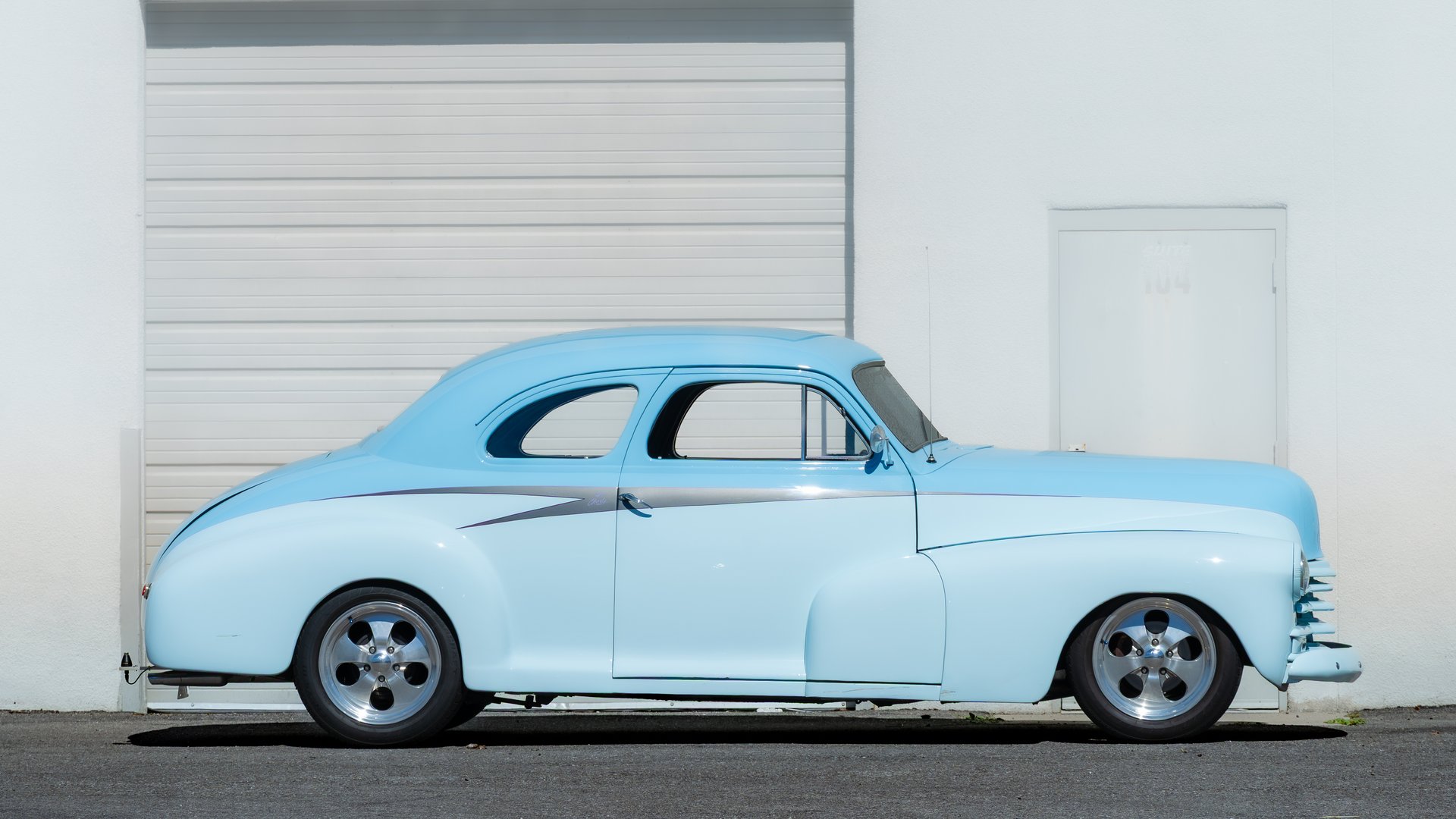

The models
Chevrolet's naming in this period confuses everyone, because the badge denotes a trim series, not a body — and the same name can sit on very different cars a decade apart. Read the range in its four blocks and it falls into place. Within each series, the body styles repeat: two- and four-door sedans, a business coupe and a sport coupe, and depending on the year a convertible, a wagon and the sedan delivery.
| Model | Years | Engine | Output | Built | Character |
|---|---|---|---|---|---|
| Standard / Master (incl. Master DA, Master Six) | 1933–1936 | 206.8 cu in six | 65–80 hp | — | The Depression-era core range; knee-action front end on Masters |
| Master Deluxe | 1935–1942 | 206.8, then 216.5 cu in six | 79–90 hp | — | The better-trimmed prewar car; the volume seller of the late thirties |
| Special Deluxe | 1940–1942 | 216.5 cu in six | 90 hp | — | Top prewar trim; the 1941–42 cars are the ones collectors chase |
| Stylemaster | 1946–1948 | 216.5 cu in six | 90 hp | — | The entry postwar series; the 1942 body restarted |
| Fleetmaster / Fleetline | 1946–1952 | 216.5, then 235.5 cu in six | 90–105 hp | — | Fleetmaster the trim, Fleetline the fastback — the postwar style leader |
| Styleline (Special and DeLuxe) | 1949–1952 | 216.5 or 235.5 cu in six | 90–105 hp | — | The first all-new postwar body; notchback counterpart to the Fleetline |
| Bel Air | 1950–1954 | 235.5 cu in six | 105–125 hp | 76,662 hardtops in 1950 alone | Debuts as a hardtop, becomes the flagship series for 1953–54 |
| 150 / 210 | 1953–1954 | 235.5 cu in six | 108–125 hp | — | The plain and mid-range series under the Bel Air; 150s are the trim-delete cars |
| Sedan Delivery | 1933–1954 | As the car line each year | As the car line | — | A panel-bodied commercial car on the passenger chassis; rare and collectible |
(Production figures are given only where a single, well-documented number exists; Chevrolet published series totals by body style and year in period, and modern compilations disagree at the margins, so treat any precise total quoted elsewhere with care. Period outputs are the factory gross ratings.)
The prewar cars (1933–42). The 1933 line split into the cheaper Standard (the CC and EC series) and the longer-wheelbase Master. For 1934 the Master became the Master DA, and the range settled into the pattern that lasted to the war: Standard below, Master in the middle, Master Deluxe on top. Styling moved fast — 1935 brought the all-steel "Turret Top" body, 1937 a much more modern car with a raked grille and fenders flowing into the doors, 1939 a facelift, and 1940 the running boards gone and sealed-beam headlamps in. The 1941–42 cars are the biggest and most refined of the prewar cars, and the Special Deluxe sat above the Master Deluxe as the flagship trim. Civilian production stopped in February 1942; the few 1942s built after that carry painted "blackout" trim instead of chrome.
The restart cars (1946–48). Chevrolet restarted with the 1942 body because it had to. The Stylemaster was the base series, the Fleetmaster the better one, and the Fleetline — a fastback two- or four-door (the Aerosedan and Sportmaster) — was the style flagship and the car everyone wanted. Demand so far outstripped supply that condition and originality varied wildly even when these cars were young: waiting lists, dealer mark-ups and grey-market resales were all part of 1946–48 Chevrolet life.
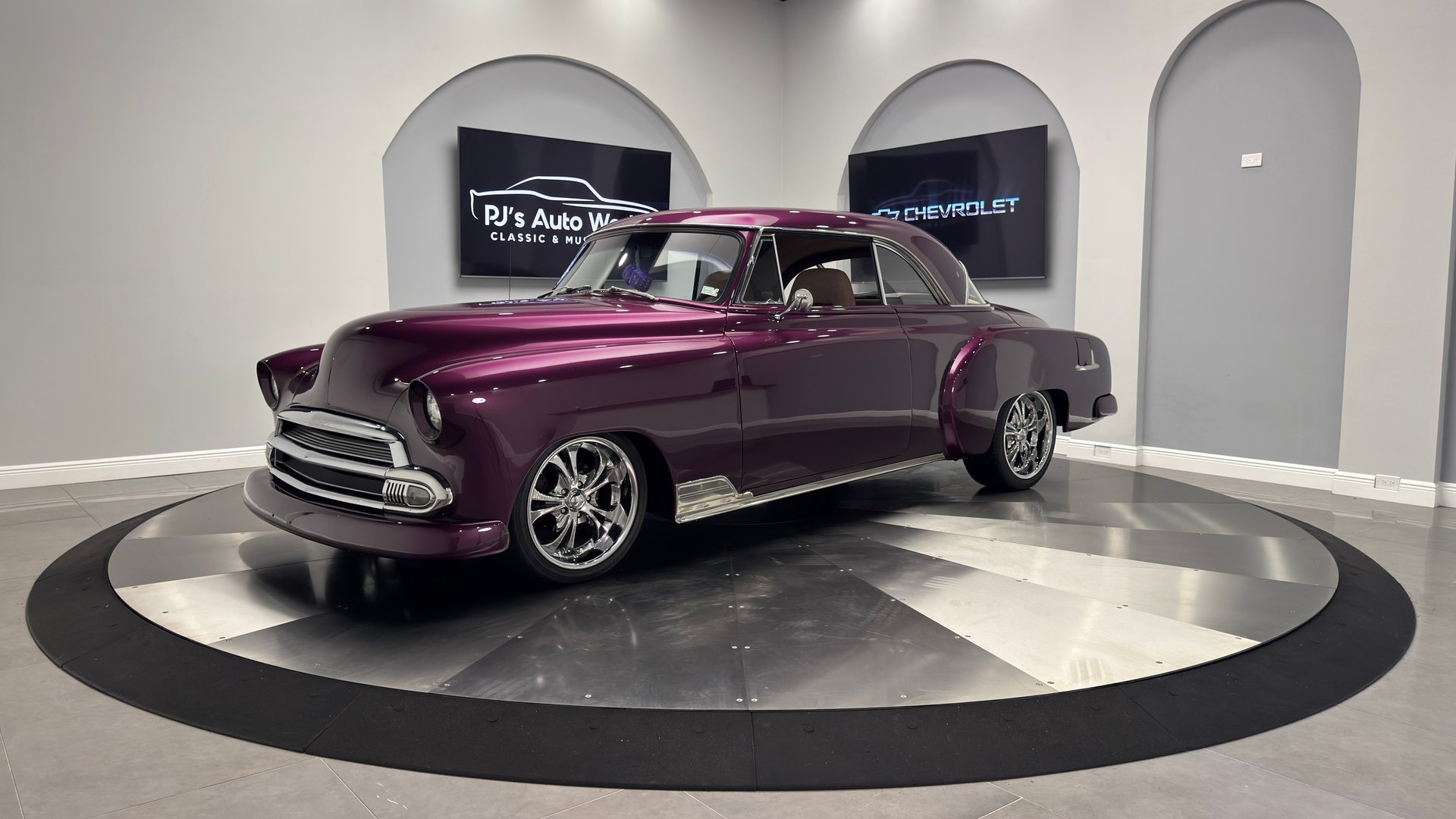
The new postwar cars (1949–52). The 1949 Styleline (notchback) and Fleetline (fastback) were all-new: lower, wider, with the fenders blended into the body and a curved one-piece windshield on most models. Trim split into Special (plain) and DeLuxe (better). The headline act arrived in 1950: the Styleline DeLuxe Bel Air, Chevrolet's first pillarless hardtop, launched with the Powerglide automatic in the same year. The fastback faded fast once the hardtop existed — Fleetline production dwindled after 1950 and the line ended in 1952.
The last of the line (1953–54). For 1953 the range was re-cut into three named series: the austere 150 (rubber floor mats, minimal chrome, aimed at fleets and the price-led buyer), the mid-range 210, and the Bel Air as a full flagship series with its own distinctive trim and interior. A one-piece curved windshield, a new grille and cleaner flanks made them look new; underneath, the chassis was the 1949 design evolved, and the Powerglide version of the 235 engine finally got the modern bottom end described in the next section. The 1954s are the same cars with trim and detail changes and a little more power — the end of the line before the small-block V8 rewrote Chevrolet in 1955.
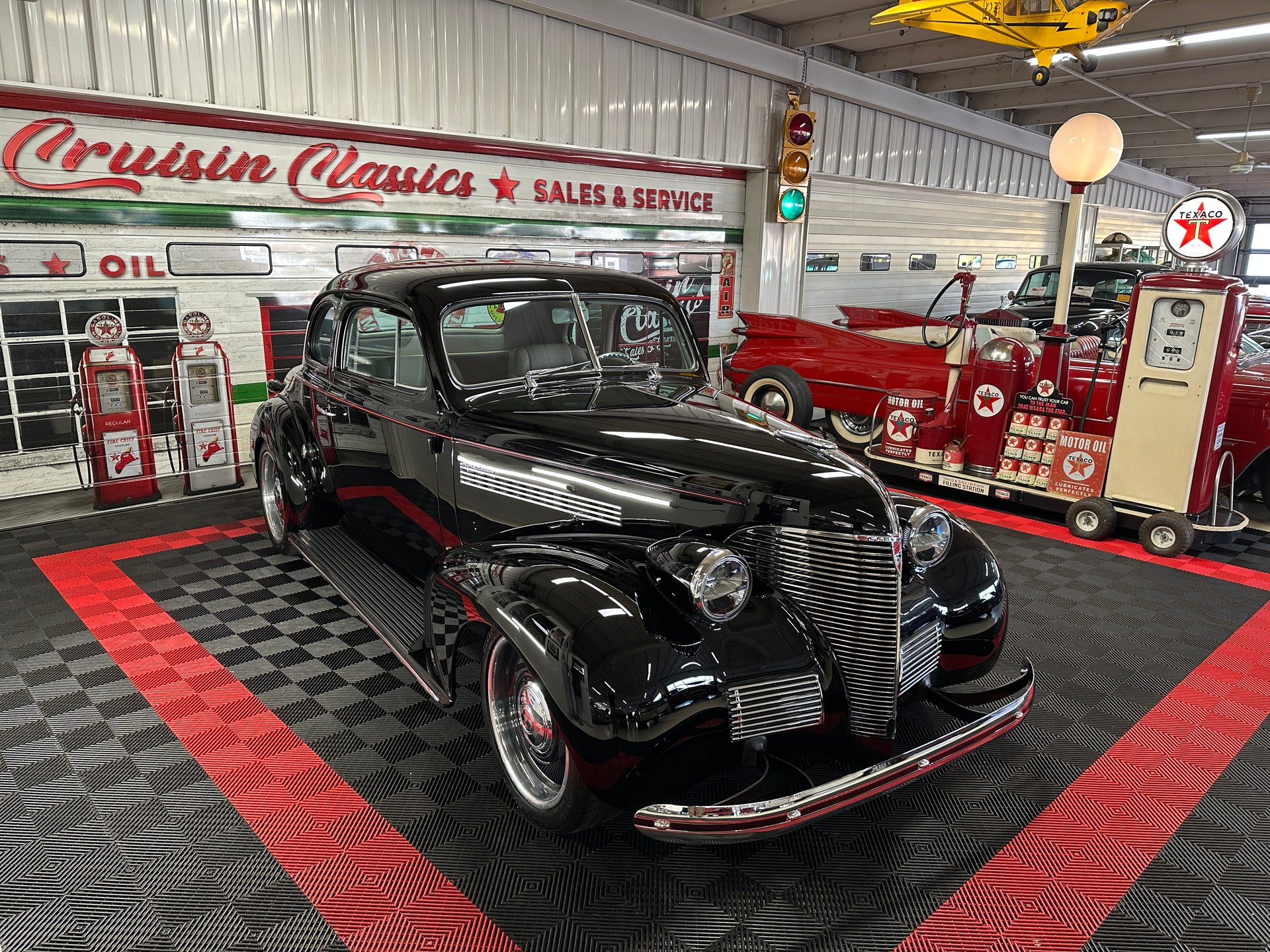

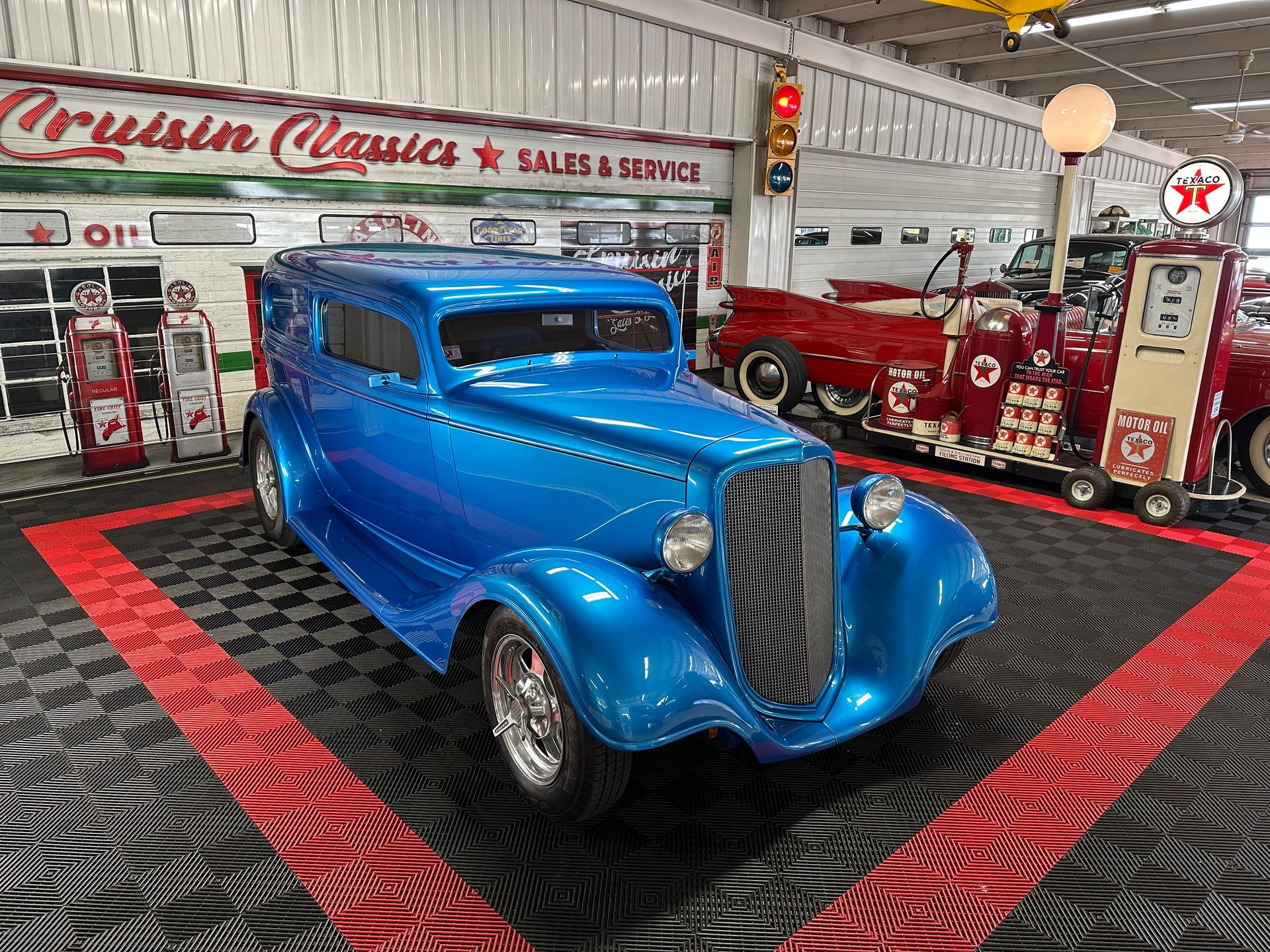
The Sedan Delivery deserves its own word. Built on the passenger-car chassis in every era of this guide, it is a sedan with the rear body replaced by a panelled cargo box and a single rear door. Fleets and tradesmen used them hard and scrapped them without sentiment, so survivors are genuinely rare — and a disproportionate number have been turned into street rods, which matters when you assess originality. A stock, unmodified sedan delivery is the hardest car in this guide to find and one of the easiest to overpay for in project form.
Engines and gearboxes
There is only one engine family in this entire guide — the overhead-valve Chevrolet six — but it exists in three capacities and, crucially, two completely different lubrication systems. Knowing which bottom end a car has is the single most important mechanical fact about it, because it decides how the engine wears, how it should be driven, and what a rebuild costs.
The splash-fed sixes: 206.8 and 216.5
The original "Stovebolt" — the nickname comes from the slotted bolts holding the valve and side covers, which resembled the fasteners on a wood stove — displaced 206.8 cu in (3.4 litres) in the 1933–36 cars, rated between 65 and 80 hp as the thirties progressed. For 1937 it was bored and stroked to 216.5 cu in (3.5 litres) and 85 hp, later 90 hp, and that engine powered the great majority of cars in this guide: every prewar car from 1937 on, all the 1946–48 cars, and the manual-gearbox Stylelines and Fleetlines through 1952 and 150/210 manuals into 1953.
Its defining feature is what it lacks. The connecting rods are not fed oil under pressure. Instead, dippers on the rod caps scoop oil from troughs in the sump, splash-lubricating the rod bearings, while the main bearings receive a modest pressure feed. The bearings themselves are poured babbitt — a soft white-metal lining cast directly into the rods and caps — not the replaceable shell inserts of a modern engine. This system is tougher than its reputation, provided two things: the oil troughs are at the correct level (the dipper clearance and trough height are set at rebuild and are not adjustable in service) and the oil is changed often. Its real limits are sustained high rpm, which can starve the rods, and wear, which shows as low oil pressure at a hot idle and a deep knock under load from a cold start.
Judging one is straightforward. A healthy 216 starts readily, idles evenly, and shows a steady oil-pressure reading that rises with revs. Oil pressure that collapses to near zero at a hot idle, a rhythmic knock that fades as the oil warms (worn mains) or sharpens under load (worn rods), and blue smoke on start-up that clears (worn valve guides and hardened seals) are the standard findings. Valve clearances are set mechanically — there are no hydraulic lifters on the splash engines — so a completely silent top end on a 216 is itself suspicious; expect a light, even tappet sound. Budget-wise, a full rebuild of a babbitt engine is specialist work: pouring and line-boring babbitt bearings runs the bill to roughly $4,500–7,500 for a complete engine rebuild at a shop that still does it, which is why a documented rebuild on a prewar or splash-fed car is worth a real premium, and why conversions to insert bearings are a common and accepted modification on cars that are driven hard.
The full-pressure 235: the Powerglide engine
When Powerglide arrived in 1950, Chevrolet needed an engine that could live at the higher sustained revs a two-speed automatic demands. The answer was a 235.5 cu in (3.9-litre) version of the six with the bottom end the design had always needed: full-pressure lubrication to rods and mains, replaceable insert bearings, and hydraulic valve lifters. In 1950–52 this engine — 105 hp — was fitted only to Powerglide cars; manual cars kept the 216. For 1953 the 235 became the standard engine across the range: manual-gearbox cars got a 108 hp version (115 hp for 1954), still with mechanical lifters and, in the earliest 1953 form, a hybrid lubrication arrangement, while the Powerglide "Blue Flame" version made 115 hp in 1953 and 125 hp in 1954 with hydraulic lifters and full-pressure oiling throughout.
The practical consequence for a buyer is simple: a Powerglide 1950–52 car, or any 1953–54 car, has the modern engine — easier to rebuild, happier at freeway speeds, with parts (insert bearings, lifters, pistons) that any machine shop understands. The identification traps matter here. Engines swap freely across the whole era, and a 235 in an earlier car is a common, sensible upgrade — but it should be priced as a modification, not passed off as original. Check the casting date and the stamped engine number on the pad beside the distributor against the year claimed. Conversely, be wary of a 1953–54 manual car still carrying a 216: it happens, it is not original, and it changes the value conversation.
The 235's own weak points are modest. Hydraulic lifters tick when the oil is old or the lifters are worn — a flush and an oil change is the first remedy, a set of lifters a few hundred dollars in parts. The engine is prone to oil leaks from the side cover and the rear main seal, more nuisance than threat. Like the 216, it rewards frequent oil changes; the full-pressure system simply tolerates neglect better.
Carburation, ignition and the six-volt system
Almost every car in this guide breathes through a single downdraft carburettor — a Carter W-1 on most prewar and early postwar cars, a Rochester Model B on the later ones. Both are simple, rebuildable units (a professional rebuild runs roughly $250–450), and both suffer the same modern ailment: ethanol fuel attacking old needle valves, accelerator-pump cups and gaskets, and leaving varnish in a car that sits. A car that has stood for years needs the tank cleaned, the lines blown out and the carburettor rebuilt before any other running fault is diagnosed — half the "engine problems" on long-stored cars in this era are fuel-delivery problems. The automatic choke on later cars sticks; the heat-riser valve in the exhaust manifold — which routes exhaust heat to the intake for cold running — seizes, usually open or shut, and a seized-shut riser cooks the carburettor and causes vapour lock in summer traffic, while a seized-open one gives a car that spits and stalls until warm.
Ignition is conventional points and coil, and the distributor's vacuum-advance diaphragm perishes with age — test it by sucking on the line and watching the points plate move; a dead diaphragm costs little but flattens performance and economy. All cars here are six-volt, negative ground. What matters practically is that six-volt systems are unforgiving of poor connections: a slow crank is far more often a corroded ground strap or an undersized modern battery cable than a dying starter. Before condemning any six-volt starter or generator, clean every ground, fit cables of the correct heavy gauge, and retest. Many "converted to 12 volts" cars have been converted badly — bulbs, gauges and the fuel sender all suffer if the conversion skipped the details, so a tidy, complete 12-volt conversion is a plus and a partial one is a deduction.
Gearboxes: Synchro-Mesh three-speed and Powerglide
The standard gearbox for the whole period is Chevrolet's three-speed manual with synchromesh on second and third, column-shifted on almost everything after 1939 (floor shift on the earliest cars). It is a strong, simple box whose wear shows in the classic places: jumping out of second gear on the overrun is the signature fault, worn synchromesh crunches on quick downshifts, and the column-shift linkage — a long chain of rods, bushings and levers — wears until changes become vague and the lever can jam between gates. Linkage bushings are cheap; a gearbox rebuild is roughly $1,200–2,500 at a transmission shop. From 1939 to 1948 many cars carry the optional vacuum-assisted shift, which uses engine vacuum to do the work of the gear change: charming when right, and a source of mysterious shift failures when its diaphragm and valves leak. Most survivors have had it disabled or removed; ask, and do not pay a premium for it.
Powerglide, from 1950, is a two-speed automatic with a torque converter — and almost nothing in common with the later aluminium Powerglide people know from the sixties. The 1950–53 unit is a heavy cast-iron gearbox with a distinctive character: no automatic upshift in early form in the modern sense — the driver selects Drive and the box starts in low or high depending on year and throttle, and Chevrolet's own advice treated it as a two-range transmission. It is famously durable but leaks from its seals with age, and a full reseal or rebuild runs roughly $1,500–3,000. It also defines the driving experience: leisurely, smooth, and paired only with the 235 engine. A Powerglide car that creeps, slips on take-off or shows burnt, dark fluid is telling you the bill is coming; one that shifts with a single clean change and holds on a hill is the gearbox at its best.
One drivetrain feature covers every car here: the torque tube. The driveshaft runs inside a rigid tube bolted to the gearbox and the rear axle, which locates the axle and carries the driving torque. It works well, but the universal joint lives at the front, inside the tube's ball housing, and is lubricated from the gearbox — a worn joint announces itself as a clunk on take-up and vibration at speed, and replacing it means dropping the tube. Rear axles are quiet and long-lived; the centre bearing and seals are the usual spend. Cars converted to an open driveshaft have been modified — again, fine if done well and priced as a modification.
Problem areas
Everything in this section follows the pattern of the cars themselves. Of the 46 cars in this pool whose sellers' photo sets we have examined in detail, rust features in the notes on 28 — three in five — and visible damage on 19. That is not a counsel of despair: it is the statistical reality of cars that were built cheaply, sold in the millions and mostly worked for a living. The skill in buying one is separating surface age from structural rot, and original wear from accident damage. Work through the car in this order: body shell first, frame second, running gear third, cosmetics last — because that is the order in which costs descend on you.
Rust: the map
Rust on a car of this era follows the water and the road dirt, and the map is consistent across all four blocks of the range.
Floor pans. The first place to look, on every car, without exception. Water enters past perished windshield and cowl-vent seals, sits under the rubber mats or carpet, and eats the pans from the top down — so a floor can look acceptable from underneath and be lace from above. Lift every mat. Surface rust is a wire-brush and treatment job; perforation means cutting out and welding in repair sections, available for most years at roughly $600–1,500 a side fitted and painted. Floors rarely rot alone: treat a holed floor as a promise to check everything below the waistline twice as hard.
Rocker panels and the lower body. The rockers trap mud thrown up by the front wheels and rot from the inside out; by the time the paint bubbles, the inner structure is usually involved. Press hard along the full length and look at the ends, where the rocker meets the front and rear fenders — the classic perforation points. On prewar cars, add the running-board aprons and the bottoms of the separate fenders; on 1949–54 cars, the lower rear quarters behind the wheels and the dogleg where the rear door meets the wheelarch.
The trunk floor and spare-wheel well. Rear window and trunk seals leak, and the water collects under the spare wheel where nobody looks. Lift the wheel and the mat on every viewing. Staining is a clean-and-seal afternoon; a perforated trunk floor is a panel replacement, roughly $500–1,200 done properly, and a reliable indicator of how the car has been stored for the last twenty years.
Fenders, and the fastback trap. Front fenders rot at the headlamp buckets and along the crown where the inner splash shield traps dirt; prewar rear fenders rot where they bolt to the body, along the joint. The Fleetline fastbacks have their own trap: the long sloping rear deck and its guttering channel water into the rear quarters and the panel below the rear window, and the Aerosedan's trunk lid is enormous, heavy and expensive to repair or replace. On 1950–54 hardtops, the equivalent trap is the roof rail and rear-quarter area, where the pillarless structure flexes and the seals age — water stains on the headliner edges and rust at the base of the rear window are the tells.
Doors, cowl and the small print. Door bottoms fill with water when their drain holes block — run a fingertip along the lower edge of every door and feel for bubbling. The cowl sides and the area around the cowl vent leak onto the front floors. The battery tray rots under the battery from acid, invisibly until the battery comes out. None of these alone kills a car; together they are the biography of how it has lived, and the repair bills add up at a few hundred dollars per panel.

Frame and chassis
These are body-on-frame cars, and the frame is a ladder design — with a substantial X-member or K-member on many years — that is strong but not immortal. The rot points are consistent: the side rails where the body mounts sit (the rubber pads hold moisture against the steel), the rear kick-up over the axle, and the spring hanger areas. Surface scale is normal; flaking, thinning or perforation around a body mount is structural work, priced per car, and on a cheap car it exceeds the car's value. Bring a small hammer or screwdriver and tap-test with the seller's permission; a seller who refuses has given you information.
Accident damage hides in the same inspection. Sight down each side of the frame for ripples or a diamond (one rail pushed back relative to the other), check that the front crossmember is straight, and look for fresh welds or a sectioned rail. A bent frame shows on the road as a car that crabs — tracking sideways — or eats front tyres unevenly no matter how it is aligned. Body mount rubbers perish and collapse with age, which is why so many of these cars sit slightly unevenly or creak over bumps; a full mount set is inexpensive in parts, and fitting it is a weekend-scale job on a lift, but budget for the bolts that snap.
Suspension, steering and brakes
Front suspension. The earliest Masters (1934–38) use the Dubonnet "knee action" independent front suspension — a sealed, oil-filled unit that combined the spring, damper and steering pivot in one forging. It was advanced in 1934 and is the prewar car's signature weakness today: the seals leak, the oil escapes, and the unit wears until the wheel wobbles and the car wanders. Rebuilding knee-action units is specialist work, roughly $1,500–2,500 a pair, and many cars have been converted to the later conventional layout — a modification to price, not to fear, if it has been done completely and symmetrically. From 1939 the cars use a conventional double-wishbone front end with coil springs and kingpins, and the wear items are the familiar ones: kingpin bushings (rock the wheel top-to-bottom to feel for play), threaded control-arm bushings, and tired coil springs that leave the car nose-down. A kingpin and bushing refresh runs roughly $600–1,200 a side fitted.
Steering. The worm-and-roller (later recirculating-ball) steering box wears at the straight-ahead position, because that is where it lives. Play at the wheel of more than a couple of inches, once the linkage is confirmed tight, is box wear; adjustment takes up some of it, and a rebuilt box is a few hundred dollars. Worn tie-rod ends and drag links are cheap and universal. A car that steers heavily at parking speed on correct tyre pressures usually has dry or worn kingpins, not a steering fault.
Rear suspension. Semi-elliptic leaf springs throughout, with the torque tube locating the axle. Springs sag, leaves crack (look along each leaf, especially the main leaf at the eye), and the rubber bushings perish. A car sitting low or lopsided at the rear is usually springs and mounts, all available, rather than anything structural — but measure both sides, because a single broken main leaf can mimic a sagging pair.
Brakes. Cars through 1935 have mechanical brakes — rods and cables, adequate when perfectly adjusted and unforgiving when not; budget for a full recommissioning of the linkage on any prewar car that has stood. From 1936 the cars have hydraulic brakes, Bendix duo-servo drums all round, on a single-circuit master cylinder. That last fact shapes the inspection: one failed hose or cylinder can take out the entire system, so the hydraulic refresh — master cylinder, wheel cylinders, hoses, and shoes — is not optional on a car of unknown history, at roughly $800–1,800 for parts and labour. Judge the drums as well as the pedal: scored or oversize drums add machining or replacement to the bill. A pedal that sinks slowly at a stop is a master cylinder or an internal leak, full stop — do not let a seller call it character.

Interior, chrome and trim
The cabin is where the difference between the trim series lives, and where restoration costs ambush the unwary, because upholstery and chrome are priced by the hour and the square foot, not by the part.
Upholstery. Base cars wear broadcloth or mohair (prewar and immediate postwar) and vinyl-and-cloth combinations later; Bel Airs got the plushest interiors of the range, and 1953–54 Bel Air trim is year- and model-specific. Seat springs sag and break, horsehair and cotton padding crumble, and headliners sag and stain at the edges — the stain pattern is also your leak map. A professional retrim of a sedan interior runs roughly $3,000–6,000 in correct-style materials, and a convertible top with pads and a rear window is a further $1,500–3,000 fitted. A sound original interior is therefore worth real money, and on the 150 — deliberately austere when new — "plain" is correct, not worn: learn what each series should look like before judging condition.
Chrome and stainless. Bumpers, grilles and brightwork define these cars visually, and re-chroming is the single most expensive cosmetic line: a full show-quality re-plate of a late car's bumpers and grille can run $3,000–6,000, and pot-metal pieces (grille surrounds, handles, ornaments) pit in a way that makes them expensive or impossible to restore perfectly. Count the pitted pot-metal pieces on any 1949–54 car and price them individually. The 1953–54 Bel Air's side trim and the Fleetline's stainless are model-specific and hunted; missing trim on a top-series car is a bigger deduction than the same piece missing from a 150, where there was less of it to begin with.
Glass and rubber. Flat glass is cheap to cut; the curved windshields of 1949–54 are reproduced but cost more, and hardtop and convertible side glass is specific. Every rubber seal on the car is available, and a car needing all of them needs a full set at $500–1,000 in parts plus the labour of fitting — and the fitting is where leaks are cured or created.


Electrics and instruments
Six-volt electrics fail at connections, not components. Dim headlamps, a lazy starter and wandering gauges are almost always voltage drop: corroded grounds, a tired battery, or modern thin cables fitted where the originals were heavy. The diagnostic order matters — battery load test, cable and ground clean-up, then generator output (roughly 30–40 amps at speed when healthy), then the starter itself. Generators and starters rebuild for a few hundred dollars each; a car where everything electrical works, including the clock, the radio and the dome light, has almost always been used and maintained, which is the best character reference a car can give.
The instruments themselves are simple and repairable. Fuel gauges lie for two reasons — a worn tank sender or a poor ground at the tank — and the test is to ground the sender wire and watch the gauge sweep. The ammeter and oil-pressure gauge on earlier cars are mechanical or direct-reading and rarely lie; temperature gauges on cars that have them should be cross-checked against an infrared thermometer on the thermostat housing during the inspection drive, because overheating on a splash-fed engine does damage quickly. Wiring harnesses are reproduced for most years, and a car with a brittle, spliced original harness is a rewire candidate at $400–800 for the harness plus fitting — not a disaster, but a line in the budget.
How to inspect one
Allow at least an hour, and bring a torch, a cloth-wrapped magnet, a tyre-pressure gauge, an infrared thermometer if you have one, and a friend to work the pedals and lights while you watch. Insist on a cold engine when you arrive. If the car passes your inspection, a lift inspection before money changes hands is money well spent on any car in this guide — the frame and floor checks below are the ones it settles.

- Paperwork and identity first. Match the title to the serial number plate — on most of these cars it is on the driver's door hinge pillar or the cowl, varying by year, so know where your year's plate lives before you go. Read the engine number stamped on the pad beside the distributor and sanity-check it against the year: a 235 in a 1951 manual car, or a 216 in a 1954, means a swap, and swaps are priced, not hidden. A thick history file, especially one with an engine-rebuild invoice on a splash-fed car, is worth real money.
- Cold start. A healthy Stovebolt starts with a few turns of choke and settles to an even idle. Blue smoke at start-up that clears points to valve guides and seals; smoke that continues is rings or bores. Listen underneath the tappet noise for a deep knock — the babbitt check from the engines section — and watch the oil-pressure gauge rise and hold.
- Floors before paint. Lift every mat and carpet you are allowed to lift. Prod the floor pans, especially the front footwells below the cowl vent and windshield seals. Perforation here is the most common structural finding on these cars and the one sellers' photographs most reliably avoid.
- Underneath: frame, rockers, mounts. Torch along both frame rails, tap-testing around the body mounts, the rear kick-up and the spring hangers. Press the rockers hard along their full length. Flaking or perforation around a mount is structural; surface scale is not. Sight along the rails for accident ripples while you are under there.
- Trunk and spare well. Lift the spare wheel and the mat. Water staining is a note; perforation is a panel. Check the rear window seal and, on a Fleetline, the panel below the rear window and the trunk lid's lower edge and hinges.
- The knee-action question (1934–38 cars). Bounce each front corner and watch the wheel for wobble as an assistant rocks it. A knee-action unit that leaks oil or lets the wheel flop is a specialist bill or evidence of a conversion — establish which, and whether the conversion was done on both sides with matching parts.
- Body and magnet work. Run the cloth-wrapped magnet over the rockers, lower fenders, door bottoms and rear quarters — filler announces itself where the magnet falls away. Check door bottoms for bubbling, the battery tray for acid damage (lift the battery if the seller allows), and panel gaps for accident history. On a hardtop, work the rear quarter windows and check the roof-rail seals and headliner edges for water staining.
- Brakes, decisively. Pedal first: it should be high and hard, and it must not sink under sustained pressure — a sinking pedal on a single-circuit system is a walk-away-until-fixed fault, not a negotiating point. On the drive, brake firmly from 40 mph: the car should stop straight, without pulling or judder. Ask when the hydraulics were last renewed; "unknown" means you budget the full refresh.
- The test drive. Fifteen minutes minimum, including a stretch at 50–60 mph if the car and the roads allow. A manual car should take second gear without crunching when shifted unhurriedly and must not jump out of second on the overrun. A Powerglide car should pull away smoothly, make its one change cleanly, and hold on a hill without creep or slip. Note vibration at speed (torque-tube joint), wander (front end or knee action), and any crabbing (frame).
- Heat and electrics. Let it idle hot after the drive. Cross-check the temperature gauge against the thermostat housing with the infrared thermometer; an engine that creeps up at idle has a radiator, water-pump or head-gasket conversation coming. Work everything electrical: lights, horn, wipers, heater fan, gauges, clock. Then test the charging: headlamps on at a fast idle should stay bright and the ammeter should show a charge.
- Stance and springs. Stand back and look. The car should sit level side to side. Nose-down is front springs or knee action; tail-down is rear leaves; a one-sided lean is a broken leaf or a collapsed body mount until proved otherwise. Photograph the car from the side and the rear — stance faults you talk yourself out of in person are obvious in a picture.
- Interior last, priced honestly. Sit in every seat and feel for broken springs and collapsed padding. Operate every window crank and, on a convertible, the top. Inventory the chrome and pot-metal piece by piece against the trim list for that series — remembering that a 150 is supposed to be plain. A sound original interior and complete brightwork outweigh a shiny repaint in value every time.
Values
The market block beneath this guide carries the current numbers — what is listed now, and what recorded sales have achieved — and it is refreshed as listings change, so this section deliberately teaches you how to read those figures rather than repeating them. Four things drive value in this range, in this order: body style, structural condition, series, and originality.
Body style is the great divider. Convertibles sit at the top of every year's market, followed by hardtops (1950 onward) and the fastback Fleetlines; four-door sedans are the softest sellers in every series, because supply is largest and the collector demand concentrates on the two-door shapes. Coupes sit between, with the business coupe pulled both ways — rarer than the sport coupe, but bought by fewer people. Sedans deliveries are their own market: thin, specialist, and very sensitive to originality, because so many have been rodded.
Condition spreads are wide — wider than for most classics — because the restoration arithmetic is unforgiving. A project four-door sedan can be close to worthless with a rusty frame, not because the car is unloved but because the welding, chrome and upholstery bills exceed any plausible finished value. The same money buys a running, driving car in a lesser body style. Read the project-versus-driver gap in the listings accordingly: on these cars, the cheapest example of a desirable body style is very often the most expensive way to own it, and the honest driver in the middle of the market is usually the best value in it. Asking prices also run ahead of achieved prices at the top of the market, where a freshly restored car is offered at a figure that reflects the restoration bill rather than the demand; the recorded-sales figures in the market block are the corrective — weight them more heavily than the asking prices whenever the two disagree.
Series premiums are real but modest compared with body style. A Bel Air out-earns the equivalent 210, which out-earns a 150 — except that the 150's austerity has acquired a following of its own, and a genuinely unmolested 150 two-door is no longer the bargain it was. Prewar, the Special Deluxe and the 1941–42 cars carry the premium; postwar, the Fleetline fastback out-earns the equivalent notchback Styleline. Powerglide divides opinion rather than value: it brings the better 235 engine in 1950–52, which informed buyers pay for, while manual cars attract the drivers. Originality premiums concentrate where modification is commonest: an un-rodded sedan delivery, a Fleetline with its correct engine, a hardtop with its original interior all earn their premium honestly.
Negotiation reality: these are numerous cars with a deep market, so patience is a strategy — another example of any mainstream body style will come along. The exceptions are the convertible, the sedan delivery and the best hardtops, where waiting for "another one" can mean waiting years. Buy the car in front of you when it is one of those and it passes the inspection; negotiate hard when it is a four-door sedan, because the seller's alternatives are as limited as yours.
Parts and ownership
This is one of the best-supported ranges in the entire classic hobby, and it is not close. Chevrolet built these cars by the million, the enthusiast base is enormous, and the reproduction industry has followed the demand. The honest summary: mechanical parts are a non-issue, sheet metal is good and improving, and the costs concentrate in chrome, upholstery and the specialist labour for the earliest engines.
Easy: engine service parts for the 235 (bearings, pistons, lifters, gaskets), carburettor kits for the Carter W-1 and Rochester B, ignition parts, brake hydraulics and shoes, suspension wear parts for the 1939-on front end, leaf springs, glass rubber and weatherstrip sets, wiring harnesses for most years, and exhaust systems. Order today, fit this weekend, at prices a modern-car owner would recognise.
Harder and dearer: babbitt work on the 206 and 216 (a shrinking pool of machine shops still pour bearings — find yours before you need it), Dubonnet knee-action rebuilds, vacuum-shift components, cast-iron Powerglide reseals done properly, curved 1949–54 windshields, hardtop and convertible-specific glass and trim, pot-metal chrome, and year-specific 1953–54 Bel Air trim. None of it is unobtainable; all of it rewards joining the clubs and learning which specialists the community trusts.
Running costs. A sorted car in this range is a realistic regular-use classic: expect fuel consumption in the high teens to low twenties mpg depending on era and gearbox, oil changes every 1,500–2,000 miles on a splash-fed engine (cheap insurance for babbitt bearings), and valve-clearance checks as routine service on the mechanical-lifter engines. The budget line that catches new owners is the same one the W108-style guides warn about everywhere: the first year of catching up. Recommissioning a car that has sat for years — fuel system cleaned end to end, full brake hydraulic renewal, tyres, every fluid and seal — honestly runs $3,000–6,000 at a shop before you improve anything, and a running car with deferred maintenance wants $1,500–3,500 of catching up. Cars that have sat also need their fuel tanks cleaned or replaced: ethanol varnish and rust scale will defeat a rebuilt carburettor within a tankful if the tank is ignored.
Using one. The 1949–54 cars, especially with the 235 and Powerglide, are the most usable: they keep up with modern traffic to about 60 mph comfortably, steer and stop adequately on renewed components, and tour happily. The prewar cars are slower, happier at 45–55 mph, and ask more of the driver — mechanical brakes on the earliest ones are a genuine skill. All of them run hot in modern summer traffic if the cooling system is marginal; a recored radiator and a clean block are the cure, not an electric fan bolted to a clogged core. Insurance and club support (the Vintage Chevrolet Club of America covers the whole range) are as friendly as the hobby gets.
Which one to buy
- The all-rounder: 1953–54 Bel Air or 210. The full-pressure 235, the best parts support in the range, hardtop, convertible, sedan and wagon body styles, and a car that tours in modern traffic. If you want one car from this guide to drive everywhere, this is it.
- The value buy: 1949–52 Styleline DeLuxe four-door sedan. The all-new postwar car at the softest price in the range, because collectors chase two-doors. Buy the best-kept example you can find and enjoy the same engineering for sedan money.
- The style pick: Fleetline Aerosedan (1947–48 or 1949–50). The fastback is the signature shape of the era and the car that turns heads at any gathering. Check the rear quarters and trunk floor twice — the silhouette that makes it is the one that traps the water.
- The prewar pick: 1941 Special Deluxe. The most developed prewar car — hydraulic brakes, conventional front suspension, sealed beams, the best trim — and the one the prewar market rewards. A 1939–40 car is the same idea for less money.
- The easiest automatic: any 1950–52 Powerglide car. You get the modern 235 engine as part of the deal, and the cast-iron Powerglide, once resealed, is a fit-and-forget gearbox. The driver's choice for parades, tours and traffic.
- The connoisseur's car: Sedan Delivery, stock. The rarest body in the guide, genuinely scarce unmodified, and a commercial vehicle that works for its place at any show. Verify originality ruthlessly — most have been rodded, and a de-rodded car is a project, not a survivor.
- The entry point: 1946–48 Stylemaster. The cheapest route into the range, mechanically identical to the Fleetmaster, with the plainest trim to maintain. The 1942 body in its final form, and better value than its image suggests.
And the rule that overrides all of the above: buy the soundest body and frame you can find, in the body style you actually want. Engines — even babbitt ones — gearboxes, brakes and electrics are all fixable at prices you can plan for. A rotten frame or a lacy floor costs more to put right than the finished car will be worth, and on cars built in these numbers, the right car is always out there if you wait for it.
Listed now
On Classic Listings today: 67 cars are listed here; 37 for sale and 11 marked sold; average asking price $27,368; asking range $2,500 to $79,500; sold cars average $45,641.
See the 67 Full Size cars currently listed.
The market — recorded sales
Recorded-sale figures: 12 recorded sales · median $32,500 · range $1,953 to $109,000 (Nov 2024 – Nov 2026)
Based on 12 recorded sales — too few for a benchmark value.
| Date | Car | Sale price | Source |
|---|---|---|---|
| Nov 19, 2026 | 1935 Master | $109,000 | Dealer |
| Nov 19, 2026 | 1950 Deluxe | $109,000 | Dealer |
| Nov 19, 2026 | 1947 Style Master | $45,995 | Dealer |
| Nov 19, 2026 | 1950 Fleetline | $39,000 | Dealer |
| Nov 19, 2026 | 1947 Stylemaster | $32,500 | Dealer |
| Nov 19, 2026 | 1951 Styleline “Business Edition” | $32,500 | Dealer |
| Nov 19, 2026 | 1939 Master Deluxe | $27,800 | Dealer |
| Nov 19, 2026 | 1939 Master Deluxe | $26,800 | Dealer |
| Nov 19, 2026 | 1953 150 | $14,990 | Dealer |
| Nov 19, 2026 | 1951 Deluxe | $9,500 | Dealer |
| Nov 19, 2026 | 1953 Bel Air | $1,953 | Dealer |
| Nov 8, 2026 | 1934 Coupe | $68,000 | Dealer |
Dates are the sale date where the source states one; otherwise the date the sale was recorded here.
For sale now
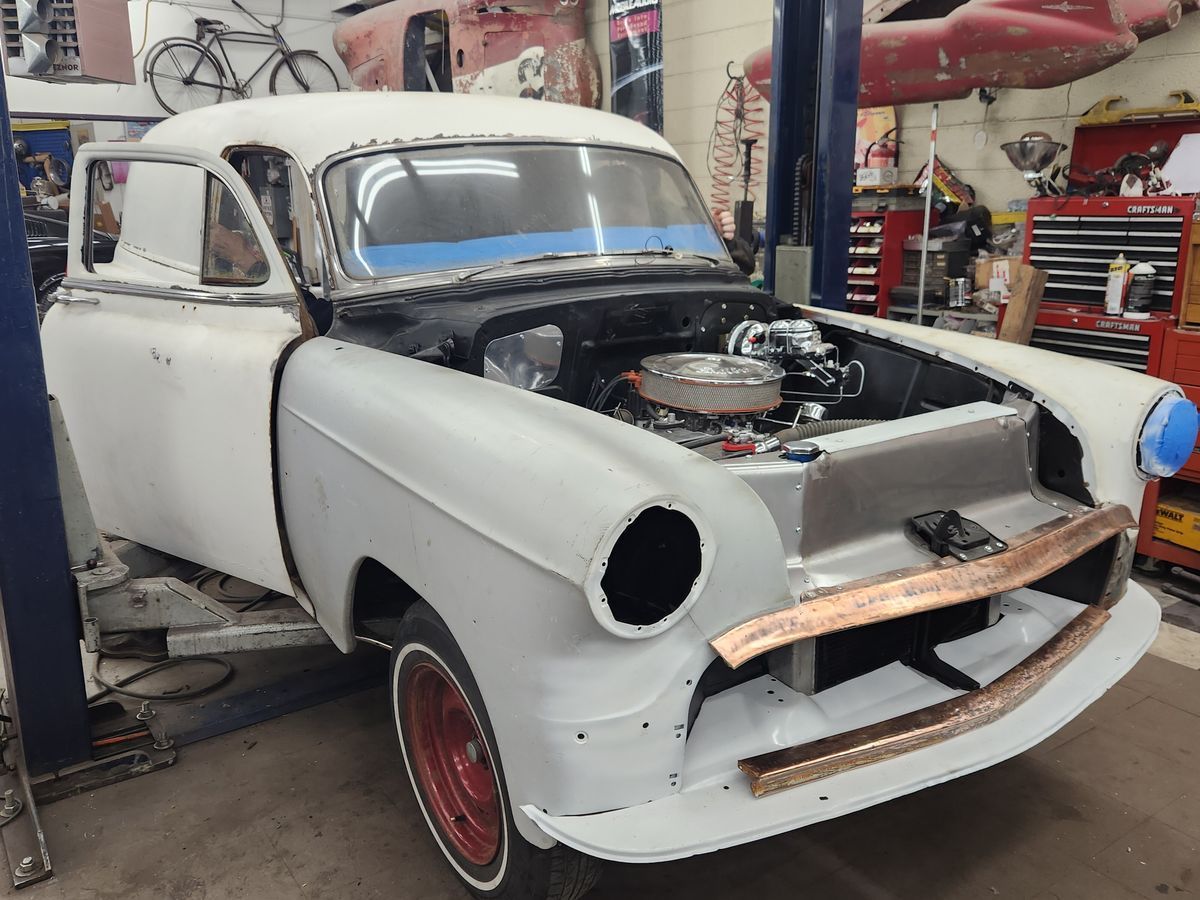 $10,950 · 65% below typical
Expand
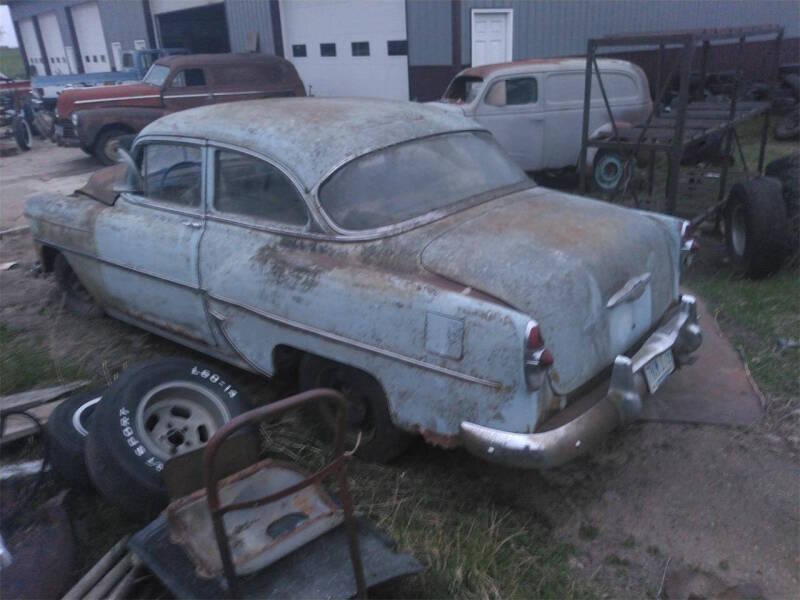 $2,500 · 95% below typical
Expand
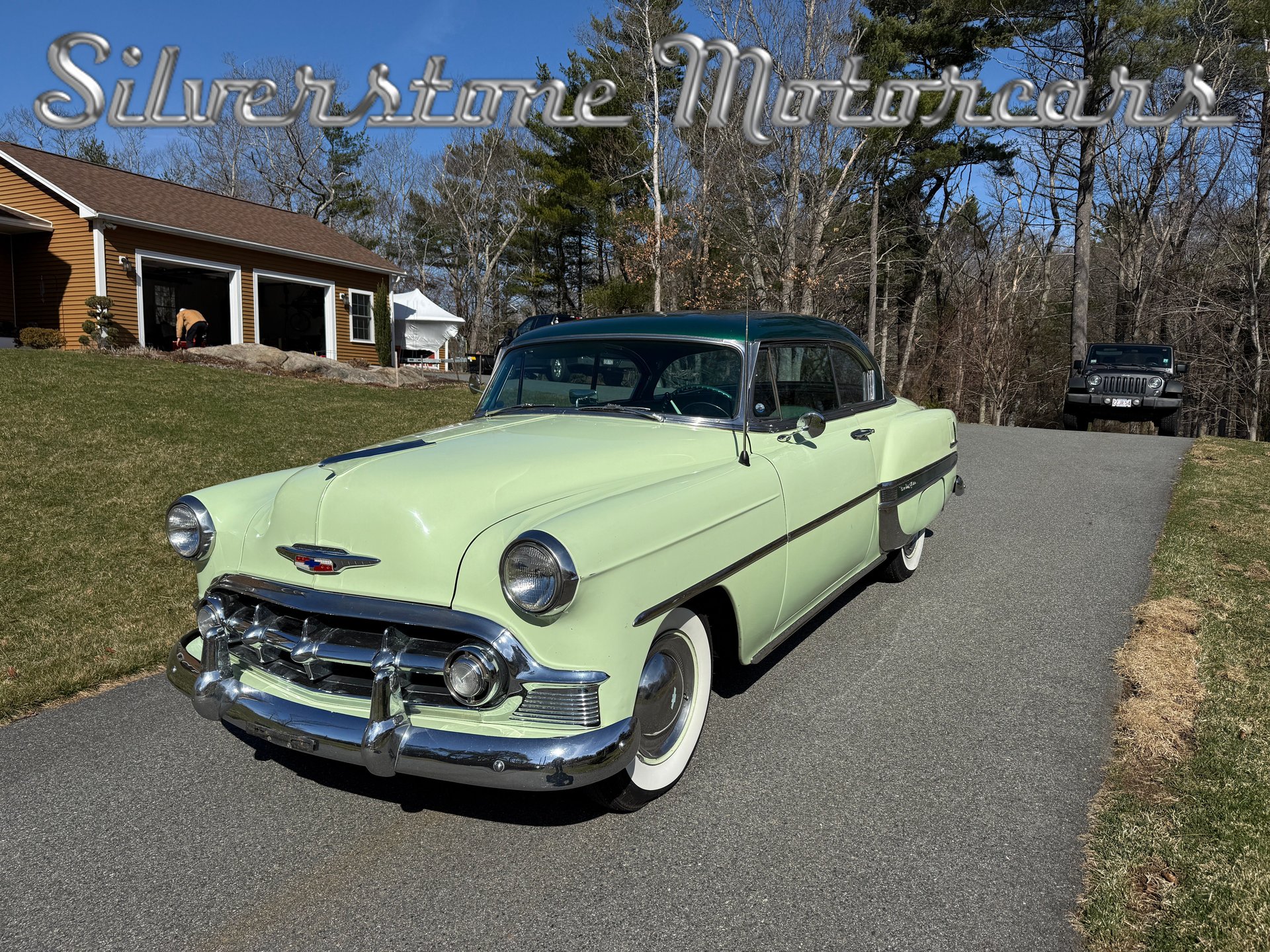 $21,500 · 66% below typical
Expand
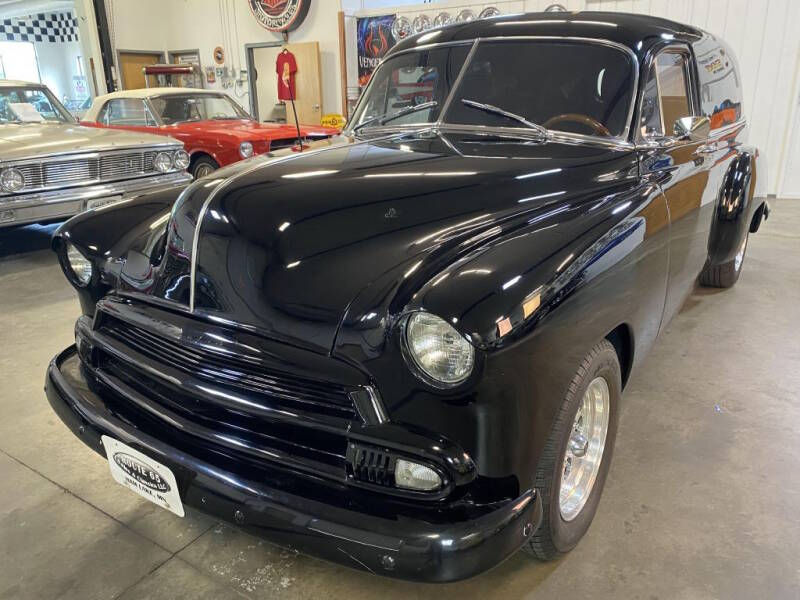 $28,990 · 7% below typical
Expand
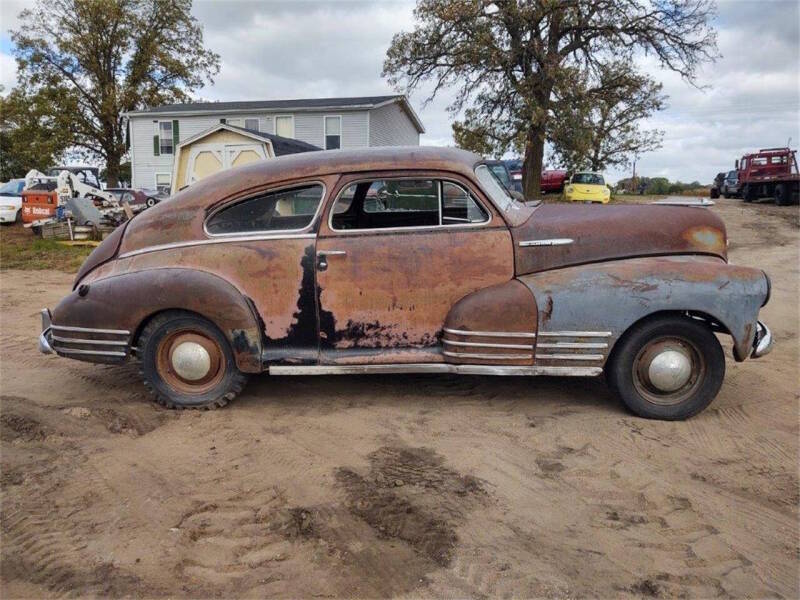 $4,800 · 75% below typical
Expand
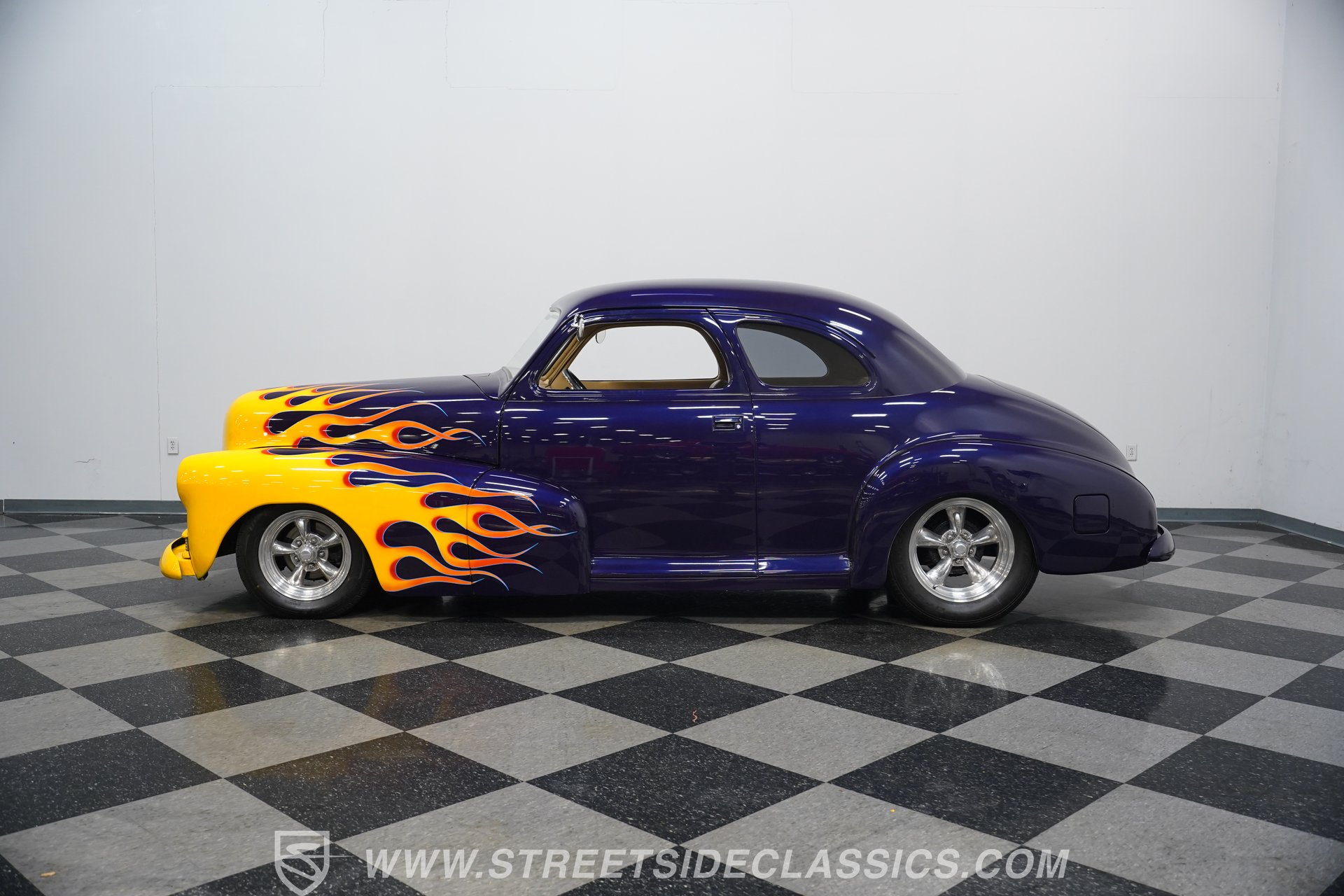 $36,995 · 6% above typical
Expand
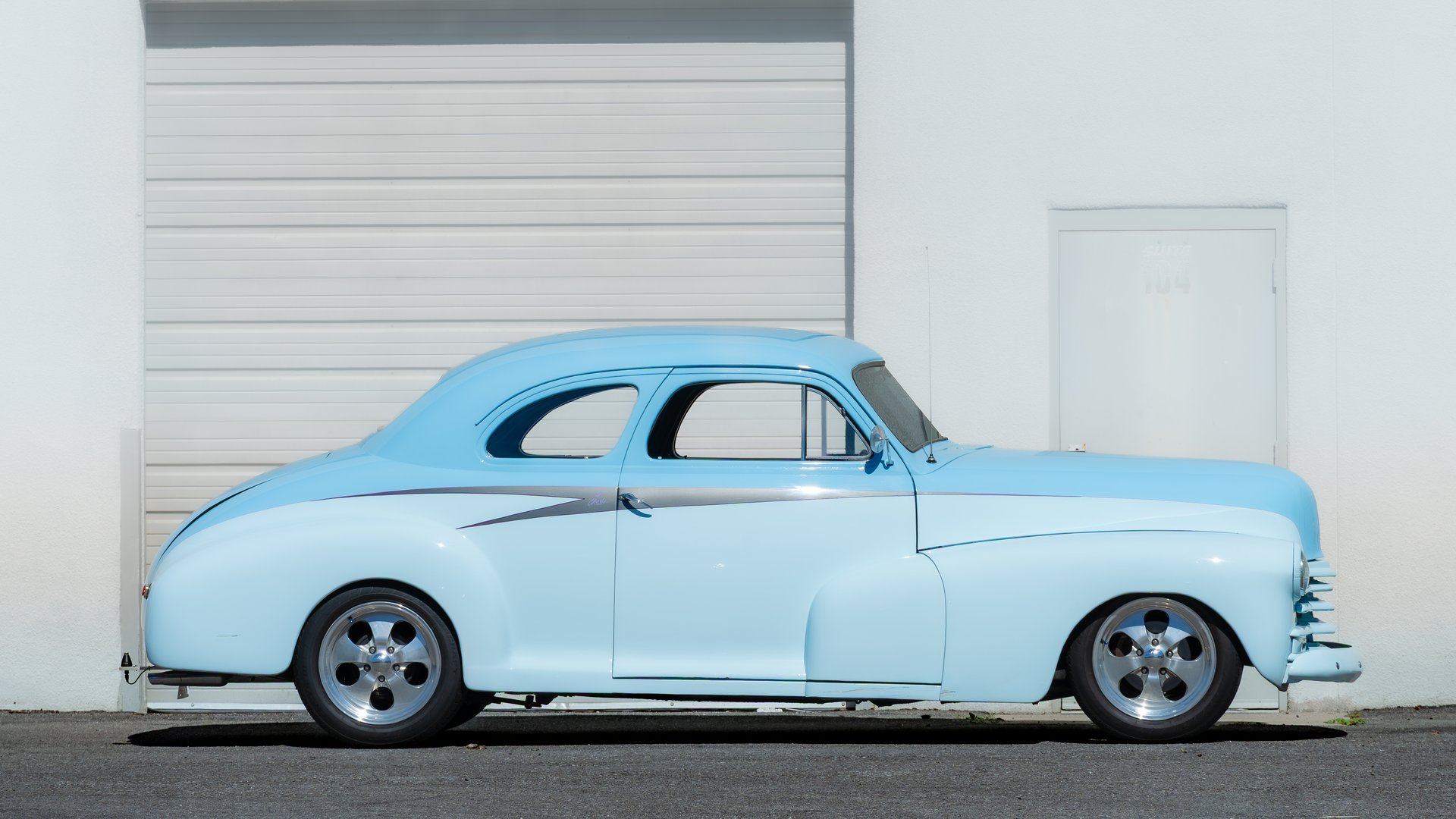 $32,995 · 70% above typical
Expand
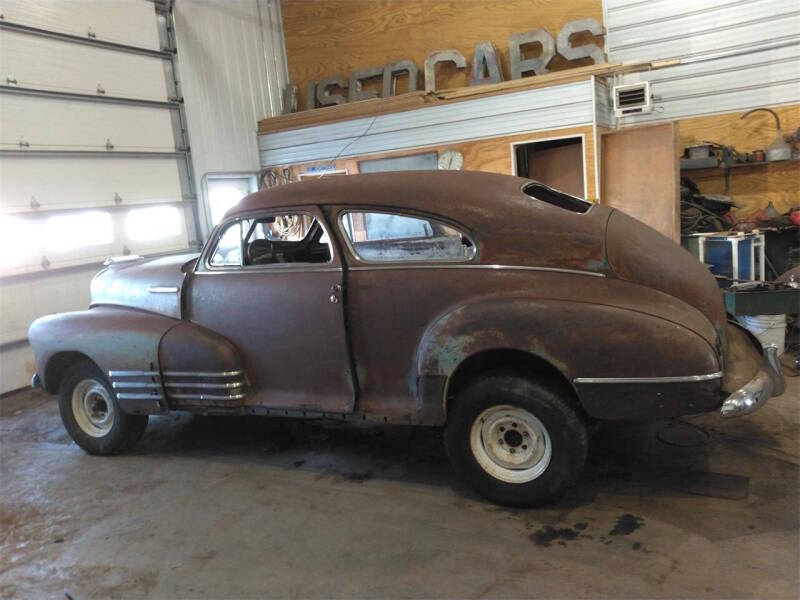 $4,000 · 79% below typical