
Honda Accord buyer's guide
Honda Accord (1976–2001) — Accord: what's listed, and what they sell for.
Years: 1976–2001 · Models: Accord
Overview and history
The Accord is the car that turned Honda from a maker of clever small cars into the default answer to the question "what should I buy?" It was launched in May 1976 as a three-door hatchback — in essence a larger, better-trimmed Civic, built on the same front-wheel-drive, transverse-engine layout, with Honda's CVCC stratified-charge engine that met US emissions rules without a catalytic converter when Detroit insisted it could not be done. A four-door sedan followed for 1979, and the car grew steadily from there: bigger, quieter and more upmarket with every generation, without ever losing the formula of a sweet engine, a slick gearbox and a cabin screwed together properly.
Two dates explain why so many survive in America. In November 1982 the first Accord rolled off Honda's new line at Marysville, Ohio — the first car built in the United States by a Japanese company — and from then on most Accords sold in America were built in America. And through the late 1980s and into the 1990s the Accord was, year after year, at or near the top of the US sales charts, the best-selling car in the country outright around the turn of the decade. Honda built them by the hundreds of thousands a year, fleets and families bought them, and a generation of mechanics learned their trade on them. That is the pool today's buyer fishes in.
The generations run like this. The first (1976–81) is the hatchback original. The second (1982–85) squared the styling off and added fuel injection at the top of the range. The third (1986–89) is the pop-up-headlight car, with double-wishbone suspension at both ends and a proper sporting streak. The fourth (1990–93) and fifth (1994–97) are the cars that made the Accord the default family sedan in America — the fifth adding a V6 for the first time. The sixth (1998–2002) grew again, into a car sized for America rather than adapted to it, and the seventh (2003–07) brought the K-series engine, a five-speed automatic and, briefly, a hybrid. Our listings file the Accord from 1976 to 2005, and this guide weights its coverage accordingly: the early cars get their history, but the buying advice concentrates on the third to seventh generations, which is where the market actually is.
The Accord's reputation is simple — it is the reliable one — and it is mostly earned. The engines are among the most durable ever put in a family car, the manual gearboxes are a pleasure, and the structure resists the kind of rot that kills contemporaries. But "mostly" is doing real work in that sentence. One generation's automatic gearbox failed so widely that Honda extended its warranty and settled a class action; the interference engines bend valves when a timing belt is skipped; and a car bought new as an appliance was often maintained like one, which means the cheap end of today's market is full of cars that have consumed their reliability already and are selling the reputation instead.
That is exactly the market on this site. We currently track 26 Accords, 23 of them for sale, every one via Facebook Marketplace from a private seller — no dealers, no auctions. The filed years run from a single 1989 car to 2005, weighted to the sixth and seventh generations; twenty are automatics and six are manuals. The colours are the honest palette of the era — silver leads, then white and grey, with gold, black, green, blue and tan behind — and the cars are scattered as private-sale Accords are: a few each in North Carolina, Florida, Kentucky, Alabama, Connecticut and Arkansas, and singles beyond. These are survivors of the most-produced sensible car in America, and the buyer's job is to find the one that was looked after.
The models
Honda sold the Accord in a trim ladder so consistent you can read any car from its badge: DX is the base car, LX the volume mid-trim, EX the top trim, and EX-L the EX with leather. Around that ladder sit the special editions — SE and, on the seventh generation, the VP (Value Package) that replaced the DX in some years. Equipment rose with the badge: the DX makes do with manual windows and no air conditioning on some years, the LX adds air conditioning, power windows and cruise, and the EX brings the stronger engine tune where one exists, a sunroof, alloy wheels, anti-lock brakes and the better audio. The letter matters mechanically as well as cosmetically, because on several generations the EX's engine is a different specification from the DX's — check which engine a car actually has, not just which badge it wears.
On this site the Accord is filed as a single model line spanning 1976–2005, and the current roster looks like this:
| Model | Years | Engine | Output | Built | Character |
|---|---|---|---|---|---|
| Accord (as filed on this site) | 1989–2005 in current listings | 2.0–3.0 fours and V6s | 98–240 hp | 26 cars tracked | The generations below are what you are actually choosing between |
The real choice is between generations and body styles, so that is the table that matters:
| Generation | Years | Engines | Output | Built | Character |
|---|---|---|---|---|---|
| First | 1976–1981 | 1.6/1.8 CVCC four | 68–75 hp | The hatchback original; US sales grew every year | A historic Honda now; a classic, not transport |
| Second | 1982–1985 | 1.8 four, carb or injected | 86–101 hp | First US-built Accord, from Marysville in 1982 | Squared-off and simple; the SE-i is the pick |
| Third | 1986–1989 | 2.0 A-series four | 98–120 hp | Pop-up lights; double wishbones all round | The enthusiast's early Accord; our oldest listed car is a 1989 |
| Fourth | 1990–1993 | 2.2 F-series four | 125–140 hp | Best-selling car in America in its day | The archetype: sedan, coupe and the first Accord wagon |
| Fifth | 1994–1997 | 2.2 four, 2.7 V6 | 130–170 hp | V6 arrives; sleeker CD body | A 1996 EX sits in our current listings |
| Sixth | 1998–2002 | 2.3 four, 3.0 V6 | 135–200 hp | The biggest seller of the classic-era cars here | The volume buy — and the gearbox-warning generation |
| Seventh | 2003–2007 | 2.4 K-series four, 3.0 V6, hybrid | 160–255 hp | Sharper, faster, five-speed automatic | The newest cars on the site; listings run to 2005 |
(Outputs are the period US-market SAE net figures, given as ranges across each generation's trims and years. Honda built Accords in the millions across these generations — well over a million in the US alone for each of the fourth, fifth and sixth — so no Accord of this era is rare in the way a low-production classic is rare. Scarcity today is about survival and condition, not production.)
Body styles. The sedan is the default in every generation and dominates our listings — most of the cars in the pool are four-doors wearing LX, DX or EX badges. The coupe, offered from the third generation on, is a genuinely different-looking car in the sixth generation, with its own rear styling, and it is the body the younger enthusiast market wants; two coupes sit in the current photo pool, a 1998 EX and a 2003 EX-L, plus a 2004 DX coupe. The wagon exists only in the fourth and fifth generations (1991–97), built in Ohio and exported worldwide from there — if you find one, it is a practical, increasingly sought-after thing, though none is listed as we write. The hatchback belongs to the first two generations and is now a collector's car in the same way an early Civic is.
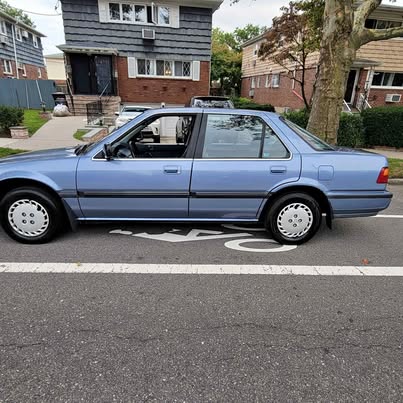
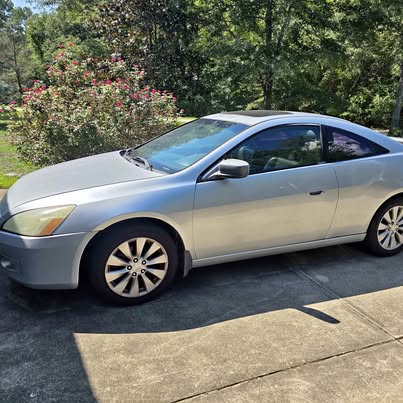
The trims in the metal. A DX is not a lesser Accord mechanically in the sixth and seventh generations so much as a barer one — the 2001 DX and the 2004 DX cars in our listings run the same basic structure and suspension as an EX, with less to go wrong electrically and, on the sixth-generation DX, a non-VTEC version of the 2.3 with a little less power. The LX is the sweet spot of equipment against price when the cars were new, which is why LX sedans anchor the listings — the filed display car for the whole line on this site is an LX sedan, and the pool's oldest car, the 1989 in New York, is an LX too. The EX and EX-L bring the sunroof (a leak and drain check), leather (a wear check) and, on the seventh-generation coupe in the pool, the strongest case for the Accord as a car you buy because you want it rather than because you need it.
One identity trap runs through the range: badges are cheap and trims are easy to upgrade with swapped parts, so a sunroof on a claimed DX or cloth seats in a claimed EX-L means the car has a story. The VIN settles trim and origin — the character codes in the middle of the VIN encode model, body and engine — and a decoder check takes two minutes. Do it before you fall for a car, not after.
Engines and gearboxes
The early fours: CVCC, the ES and the A-series (1976–89)
The first Accords run Honda's CVCC engines — a 1.6 in the early hatchbacks, a 1.8 from 1979 — making modest power (68–75 hp) by a clever route: a small pre-chamber with its own tiny intake valve and a rich mixture, ignited by the spark plug, which then lights the lean main charge through torch holes. It met the emissions rules of the day on carburettors alone, and it drives sweetly, but understand what you are buying: the CVCC head and its three-barrel Keihin carburettor, wrapped in a famous forest of vacuum hoses, is 1970s emissions engineering, and a first- or second-generation car that runs badly wants a specialist who remembers the system, not a generalist with a parts cannon. The second generation's 1.8 (the ES engine) simplified matters, and the 1985 SE-i replaced the carburettor with Honda's PGM-FI electronic injection for 101 hp — the early car to have.
The third generation (1986–89) uses the 2.0-litre A-series, and here the split is the whole story. The carburetted A20A1 in the DX and LX makes 98 hp and keeps a (simpler, single) carburettor and its cold-running quirks. The injected A20A3 in the LX-i — and the SE-i of 1989 — makes 110 hp, then 120 hp for 1988–89, starts on the button and pulls the pop-up-headlight car along with real enthusiasm. These are strong, simple, iron-block engines that tolerate mileage well; what kills them now is not wear but neglect of the timing belt (they are interference engines — a snapped belt bends valves) and the slow death of every rubber vacuum hose in the bay. Our pool's 1989 LX is a carburetted car, which prices its charm correctly: lovely, and a little more work to live with than the injected cars.
The F-series fours (1990–2002)
The fourth, fifth and sixth generations are one long F-series story, and it is the core of the Accord market. The F22 (2.2 litres) powers the 1990–97 cars in three tunes: 125 hp in the DX and LX, 130 hp with a better exhaust manifold in the early EX, and 140 hp in the 1992–93 EX and SE. The fifth generation splits into the F22B2 (130 hp, non-VTEC, DX/LX) and the F22B1 (145 hp, VTEC, EX) — the first VTEC Accord four. The sixth generation's F23 (2.3 litres) gives 135 hp in non-VTEC DX form and 150 hp with VTEC in the LX and EX. All of them share the family's character: an iron block, an alloy head, a single overhead cam, and a bottom end that is effectively unburstable on oil changes. These engines do 250,000 miles without drama when serviced, and the ones in our listings — the 1991 and 1996 EXs, the run of 1998–2002 cars — should be judged on maintenance evidence, not mileage.
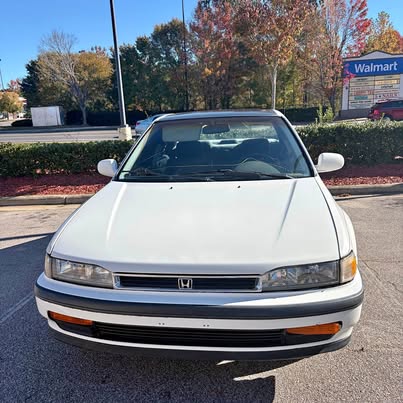
The details that separate a good F-series from a tired one are specific. The distributor carries the coil and igniter inside it on the 1990s cars, and its shaft seal leaks oil into the cap and down onto the heater hoses below — look for oil weeping at the distributor base and swollen coolant hoses beneath it. The main relay, which powers the fuel pump, cracks its solder joints with age and heat and gives the classic hot-day no-start: the car cranks, will not fire, and starts perfectly twenty minutes later. It is a cheap part and a five-minute swap, but it strands people, so ask. The fast-idle thermo valve and idle air control valve gum up and give a hunting or surging idle, worse cold. EGR ports in the intake manifold coke shut on the F23 (and the V6 below), setting the P0401 "insufficient EGR flow" code — the fix is manifold off and the ports cleaned or drilled per Honda's service bulletin, not a new EGR valve. And every F-series is a timing-belt engine with a belt-driven balance shaft as well: Honda's interval is around 105,000 miles or seven years on the later cars (shorter on the early ones), the water pump is driven off the same belt and is changed with it, and a belt failure bends valves. A documented belt, tensioner and pump job is worth real money on any of these cars; no history means you budget the job immediately, roughly $600–1,000 at an independent shop for the full belt service.
The V6s: C27 and J-series (1995–2007)
Honda was late to the V6 in the Accord and made up for it quickly. The fifth generation's 2.7 (the C27A4, 170 hp, 1995–97) is an iron-block design borrowed from the Legend programme — smooth and torquey but the least loved of the Accord sixes, with a reputation for oil leaks and a thirst that matches the later, stronger cars. The sixth generation's 3.0 J30A1 (200 hp) is the better engine by a distance: alloy, VTEC, eager to rev for a family-car six, and durable. The seventh generation's J30A4 lifts output to 240 hp and adds drive-by-wire throttle; the 2005–07 hybrid pairs a 3.0 with an electric motor for 255 hp combined and is a fascinating, complicated car whose battery is now old enough to be a budget line of its own. All the J-series engines are timing-belt, interference designs on the same roughly 105,000-mile belt discipline as the fours — the belt service on a V6 costs a little more, around $700–1,100 with the pump — and all of them drink from the same EGR-port and engine-mount wells as the fours. The J30's hydraulic engine mounts, the front one especially, collapse with age and pass vibration into the cabin at idle; a six that buzzes at a standstill and smooths out on the move is usually a mount, not a misfire.
The K-series four (2003–07)
The seventh generation's four is the K24 — 2.4 litres, a double-overhead-cam i-VTEC engine making 160 hp (166 hp in the 2006–07 facelift) — and it changes the maintenance contract: a timing chain instead of a belt, so the 105,000-mile belt service disappears from the budget. In its place, the K24 asks for oil discipline. The chain and the VTC (variable timing control) actuator live on oil pressure and clean oil; neglected cars stretch chains and rattle on cold start — a brief rattle from the top front of the engine on the first start of the day is the VTC actuator's known voice, annoying more than fatal, while a chain that rattles continuously is a real bill. K24s also use oil at high mileage more readily than the F-series did; a quart between changes on a 200,000-mile car is common and tolerable, a quart every few hundred miles is not. Coil-on-plug ignition ends the distributor era — no cap, no rotor, no internal seal to leak — and the individual coils are cheap and diagnostic-friendly. The 2003 and 2004 cars in our pool, and the 2005 that closes the filed range, are K24 cars in DX, LX and EX form, and for a buyer who wants the newest Accord this site files, this is the engine you get.
Gearboxes
Four gearboxes matter. The five-speed manual fitted across all these generations is one of the best ever put in a family car — light, precise, durable — and the six manual cars in our listings are disproportionately desirable for it. Judge it on second-gear synchromesh (the first to wear, felt as a crunch on a fast downchange), a clutch that bites mid-pedal without judder, and release-bearing noise that disappears when you press the pedal. A clutch replacement is a $700–1,200 job at an independent, and at the mileages these cars carry, a recent one is a selling point worth paying for.
The four-speed automatics split sharply by generation. The boxes behind the F-series fours in the fourth and fifth generations (1990–97) are Honda's own Hondamatic-lineage units — no torque converter lock-up clutch drama, generally long-lived on fluid changes. The sixth generation's four-speed (the BAXA/MAXA family, 1998–2002, behind both the F23 and the J30) is the infamous one, covered in full in the problem areas below: internal clutch-pack wear sheds debris that chokes the internal filter and fluid passages, and the box fails by slipping, flaring and harsh engagement. Honda extended the warranty on 2000–01 cars to seven years and 100,000 miles (later settlements pushed coverage further), which tells you the scale of it. The five-speed automatic of the seventh generation (2003 on) is better but not innocent: early V6 cars were recalled for inadequate lubrication of the second-gear set — fixed with an oil-jet kit — and a 2003–04 V6 automatic with no recall evidence wants a very careful road test. The rule for all of them: Honda automatics want Honda-spec fluid (ATF-Z1 on the older cars, DW-1 as the modern replacement), changed, not flushed by a machine that stirs up debris; dark, burnt-smelling fluid in a sixth-generation car is a negotiation, and glitter in it is a walk-away.
Problem areas
An Accord rarely dies of one big thing. It dies of accumulation — a gearbox that was never quite right, a belt that was never changed, rust that started in an arch while the engine was still sweet — and the cars in our listings, all private sales at the age where the first owner stopped caring years ago, need to be read as accumulations. Work through the systems in this order, because the first one can cost more than the car.
The automatic gearbox: the failure that defines the sixth generation
Between 1998 and 2002 Honda built an automatic gearbox that was not strong enough for the cars it went into, and it is the single most important thing in this guide. The four-speed automatic fitted to the sixth-generation Accord — behind the 2.3 four and, worse, behind the 200 hp V6 — wears its internal clutch packs prematurely. The shed friction material circulates in the fluid, the internal filter and the fine fluid passages choke, pressure falls, and the clutches that are already worn begin to slip and flare, which sheds more material. It is a death spiral with a recognisable script: shifts that flare (revs rising between gears) or come in with a bang, a delay engaging Drive or Reverse from cold, shuddering under light throttle, the D light on the dashboard flashing, and on a code reader, P0730 or P0740. Honda extended the warranty on the 2000–01 cars to seven years and 100,000 miles, and later settlements widened the net — an admission, in corporate language, that the failure was the car's, not the owners'.
The mechanism tells you how to test it. A box in the early stages behaves worst hot, after twenty minutes of driving, when the fluid is thin and the debris is circulating; a seller's cold five-minute loop around the block is designed, consciously or not, to hide it. So: drive the car properly, from cold, through every gear, including a full-throttle merge (a healthy box shifts firmly; a dying one flares on the 2–3 change), a long light-throttle cruise (watch for shudder and hunting), and several stops and restarts to feel the engagement delay grow as it warms. Then pull the transmission dipstick — it is on the gearbox, separate from the engine's — and look at the fluid: it should be red-pink and smell sweet; brown fluid that smells burnt in a 1998–2002 car means the clutch packs are already in it. A rebuilt or remanufactured box fitted by a proper shop runs roughly $2,000–3,500 installed, which on these cars is frequently the whole value of the vehicle — so a sixth-generation automatic with a documented replacement gearbox from a reputable rebuilder is, paradoxically, a safer buy than a low-mileage original that has not failed yet. The manual cars are immune, which is one reason the six manual listings punch above their weight. The seventh generation's five-speed automatic (2003 on) is a better box, but the early V6 cars were recalled for second-gear overheating from inadequate lubrication, fixed with an oil-jet kit fitted through the filler; ask for the recall paperwork on a 2003–04 V6, and apply the same hot road test regardless.
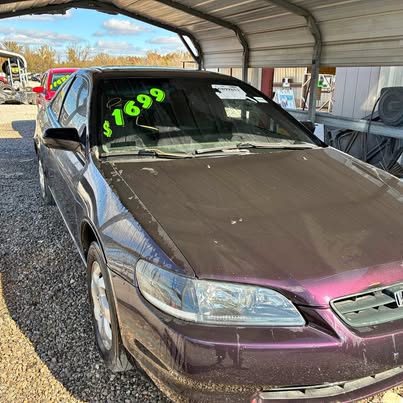
Rust: better than most, and specific about it
Accords rust less catastrophically than most of their contemporaries, and a Southern car — much of our pool sits in Florida, Alabama, the Carolinas and Arkansas — can be genuinely clean underneath at thirty years old. But the rust they do get follows a map, and Northern cars (our 1989 car lives in New York, and the pool reaches Connecticut and Michigan) follow it faithfully.
Rear wheel arches and quarter panels. The classic Accord rust, every generation from the third onward. The arch lip traps mud against the inner quarter, and the panel rots from the lip upward and inward; bubbling paint at the rear arch, especially just behind the door on sedans, is the start of it, and by the time the outer skin is holed the inner arch and the sill end behind it are usually involved. A proper repair is a cut-out and weld, roughly $600–1,500 a side painted; filler over the lip is a season's cosmetics. Sills and jacking points go next, fed by blocked drain holes and winter salt — press along the full length and look at the pinch weld for swelling and flaking. The front subframe on sixth- and seventh-generation cars corrodes where air-conditioning condensate drips on it — a known pattern, worst on the passenger side — and a perforated subframe is a replacement job, not a patch: budget $800–1,500 fitted with a sound used or new subframe, and put a torch on it during inspection. Underneath generally: brake and fuel lines along the floor, the fuel filler neck and its splash shield (a dirt trap that rots the neck and then smells of petrol), and the spare-wheel well, which collects whatever the trunk seal lets past. The sunroof cars add their own route: the sunroof drains block, water overflows into the headlining and down the A-pillars, and the first sign is a damp front footwell carpet in a car with a dry trunk — check the drains before you chase the windshield seal. None of this is W108-style structural terror; the Accord's shell is honest and the floors usually survive. But arch and subframe rust on a cheap car is exactly how a cheap car stops being cheap.
Engines: belts, relays and the small failures that strand you
The engines themselves are the strongest part of the car — the problem areas are the things bolted to them and the one service item that governs them all.
The timing belt is the Accord's mortality. Every four-cylinder from the CVCC cars through the F23, and every V6, is an interference engine on a belt. Skip the belt and you do not get a warning; you get a snapped belt at speed and a head full of bent valves, a $1,500–2,500 repair on an engine that was fine the day before — or, at these values, a scrapped car. The belt itself rarely shows its age on the outside, so this is a paperwork judgement: a dated invoice for belt, tensioner and water pump within the last seven years or 105,000 miles (shorter intervals on the pre-1998 cars — check the schedule for the year) is the evidence; a seller's "it was done a while back" is not. On a car with no belt history, the price of the belt service comes off the offer or you walk — roughly $600–1,000 for a four, $700–1,100 for a V6, pump included. The K24 (2003 on) ends the issue with a chain; its equivalent check is a cold-start rattle and evidence of oil changes.
The main relay is the F-series era's party trick: cracked solder joints in the relay that powers the fuel pump and ECU, failing when the cabin is hot. The car starts in the morning, refuses after a short stop on a hot day, and starts again once it cools. It is a cheap part and a classic misdiagnosis — owners have bought fuel pumps, distributors and ECUs chasing it. If a 1990s car has any version of this history, price in the relay and smile. Distributors on the 1990–97 cars carry the coil and igniter internally; heat kills the igniter (sudden cut-out, no spark, restarts when cool) and the shaft seal leaks oil into the cap. A car with a recent distributor is a car whose owner found the problem; a car with an oily distributor base and a misfire has it still. Idle faults — hunting, surging, a high cold idle that never settles — are the fast-idle thermo valve and idle air control valve gumming up on the F-series, cleanable before they are replaceable. EGR port clogging sets the check-engine light with a P0401 on the F23 and the V6 and is a manifold-off cleaning job, a few hundred dollars at a shop, endlessly misdiagnosed as a failed EGR valve. Oil consumption grows with mileage on the F23 and K24; check the level before the test drive and again after — a seller who tops up before viewings is telling you something with the dipstick. And on the V6s, engine mounts, the hydraulic front mount especially, collapse and buzz the cabin at idle; cheap parts, awkward labour on the front one.
Suspension, steering and brakes
The third through fifth generations ride on double-wishbone suspension at both ends — proper engineering that gives the cars their handling and gives the buyer a specific wear list. Lower ball joints are the safety item: the front lower joints carry the car's weight in tension on these layouts, they wear at high mileage, and a joint that separates drops the corner of the car. Any looseness, any torn boot, any knock over bumps from the front — the joints get replaced before the car is driven hard, roughly $150–300 a side fitted. Upper control arm bushings and ball joints creak and knock; wheel bearings hum, the rears on the 1990s cars especially, a drone that changes note when you weave gently at speed. The sixth and seventh generations keep double wishbones at the front and a multi-link rear, and add their own habits: compliance bushings in the front arms tear and give a clunk on braking and pull under power, and power-steering pumps whine when the suction-side O-ring hardens and lets air in — a whine that rises with revs and a reservoir full of foamy fluid is a pocket-money O-ring before it is a pump. Rack leaks on high-mileage cars weep from the boots; a rack is a $600–1,000 fitted job, so price it, don't panic about it.
Brakes hide the era's one genuinely annoying design. On the 1990–97 cars the front rotors are captive — mounted behind the hub flange, so changing a front rotor means pressing the hub out of the bearing, a shop job with a press, which turns a simple brake refresh into $400–700 and tempts owners into machining tired rotors or just living with warped ones. A 1990s car that judders under braking is showing you this bill. The 1998-on cars use conventional hat-style rotors and the problem vanishes. Handbrakes on the rear-disc cars are drum-in-hat and seize from disuse on automatics that live in Park; test that the handbrake holds and releases. ABS modulators on the 1990s EX cars fail electrically and are increasingly a used-part hunt — an ABS light on an early car is a negotiation point, and on any car the bulb check at ignition (the light must come on, then go out) tells you whether someone has solved the problem with tape.
Interior, electrics and the safety paperwork
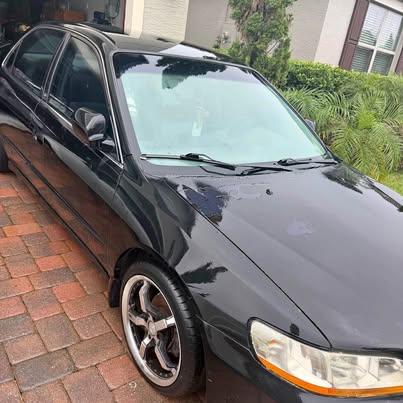
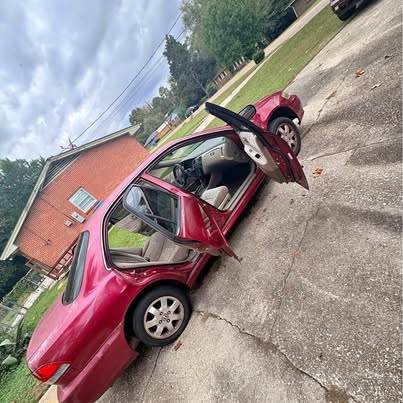
Accord interiors wear honestly: the cloth lasts, the leather on EX-L cars cracks on the driver's bolster first, and the dashboards of sun-belt cars crack across the top — look at the 2002 EX-L's cabin in the photo below and judge bolster, wheel rim and dash top in that order on any car. The clearcoat, not the colour coat, is the paint failure of the era: sixth- and seventh-generation cars in dark colours peel on the roof, hood and trunk first, and Honda extended paint warranty coverage on some seventh-generation cars years ago — long expired now, so peeling clearcoat is a cosmetic negotiation, not a claim. Electrically, the pattern faults are door lock actuators (a groan or a lazy lock on the 1998–2002 cars), window regulators (cable-type, they fail with the window down, of course), ignition switches on late-1990s cars — Honda recalled them for a stalling fault where the engine cuts and restarts; check completion — and air conditioning: compressors and clutch relays on the seventh-generation cars, condensers holed by road debris on all of them. An Accord with weak air conditioning in a Florida listing is not a small thing; a compressor job runs $700–1,200 fitted, and "just needs a recharge" on a system that leaks is a recharge you will buy twice.
Two items of safety paperwork outrank everything else in this subsection. First, the Takata airbag recalls cover huge numbers of 2001–07 Accords (and the era's Hondas generally) for inflators that can rupture; the fix is free at a Honda dealer, forever, but only if it has been done — run the VIN through Honda's recall lookup before you buy, and treat an uncompleted airbag recall as a first-week errand, not a reason to reject the car. Second, odometer honesty: these were the cars of a hundred commuters, mileages are high and clusters swap easily; the title history, inspection records and wear on the pedals and driver's seat should all tell the same story. SRS warning lights that stay on, on cars of this age, are usually a seat-belt buckle switch or a connector under a seat — but combined with an airbag recall outstanding, they are your cue to get the car to a dealer for the free work and a proper code read.
How to inspect one
Allow an hour, insist on a cold engine, and bring a torch, a code reader and a magnet for the rear arches. Every car here is a private sale, so the inspection is the whole warranty — do it in this order, and let the early steps kill a bad car early.
- Paperwork and the VIN first. Match the VIN on the title to the plate at the base of the windshield and the sticker on the driver's door jamb. Decode it — the middle characters encode the model, body and engine, and they settle badge claims (a DX wearing EX badges is common; the reverse also happens). Then run the VIN through Honda's recall lookup on your phone: you are looking for the Takata airbag recall and, on a 2003–04 V6 automatic, the transmission oil-jet recall. Both are free fixes, but you want to know.
- The service history, read for two jobs. You are hunting dated evidence of a timing-belt service (belt, tensioner, water pump) on any belt engine — everything except the 2003-on four-cylinder — and of automatic transmission fluid changes on a 1998–2002 car. Receipts beat stamps, stamps beat memory. No belt evidence on a belt engine means the belt service comes off the price, in full, today.
- Cold start. The engine should be stone cold when you arrive; a warmed-up car at a viewing is a choice the seller made. A healthy Honda four starts instantly and settles to a clean idle. Listen for a brief top-end rattle on a K24 (the VTC actuator's known voice — noted, not fatal) and for any continuous chain rattle (not acceptable). Watch the exhaust: blue smoke on start-up that clears is valve stem seals; smoke that stays is worse.
- Under the hood, fluids before cosmetics. Pull the engine dipstick: level low, oil black and gritty, or a level suspiciously overfull and fresh on an otherwise dirty engine all tell stories. On an automatic, pull the transmission dipstick too — red-pink and sweet is right; brown and burnt-smelling is the sixth-generation story from the problem areas, priced accordingly. Look at the distributor base on a 1990s car for oil weep, the coolant for oil contamination, and the power-steering reservoir for foam (the suction O-ring drawing air).
- The gearbox test, hot. This is the step that decides a 1998–2002 automatic. Drive at least twenty minutes: every gear, a full-throttle merge to feel the 2–3 change, a long light-throttle cruise for shudder, then repeated stops for engagement delay. Flaring, banging, shuddering or a flashing D light ends the negotiation unless the price already reflects a replacement box or the seller produces a rebuilder's invoice. On a manual, test second-gear synchromesh with a brisk downchange and feel the clutch bite point.
- Rust, in the map's order. Rear arch lips first — run a fingertip inside the lip and feel for roughness and filler; the magnet over the lower rear quarters tells you about previous repairs. Then sills and jacking points, the spare-wheel well (lift the spare), the fuel filler neck area, and, with the torch, the front subframe on a 1998-on car, passenger side first, where the air-conditioning drip rots it. Surface dust on a Southern car is fine; flaking, swelling or perforation is a price or a walk-away.
- Suspension and steering on the move. Over broken pavement at low speed, listen for front-end knocks (ball joints and bushings), then weave gently at 40 mph for the changing drone of a wheel bearing. Any suspicion of lower ball-joint play on a double-wishbone car is a replace-before-use item, not a monitor-it item. The steering should be light, straight-tracking and free of pump whine in parking manoeuvres.
- Brakes, honestly. Brake firmly from speed twice: straight stop, no judder, no pull. Judder on a 1990–97 car is the captive-rotor bill arriving. Check the handbrake holds on a slope and releases fully, and watch the ABS and SRS lights at ignition — they must light, then go out. A warning light that never lights has been disabled, which is information about the seller.
- Electrics and air conditioning, everything, once. Every window from every switch, every door lock, the sunroof through its full travel (then look at the headlining for drain stains), mirrors, wipers, washers, lights, horn, radio. Then the air conditioning, on full cold for five minutes: weak cooling on a car from the sun-belt listings is a compressor-or-condenser budget, not a recharge. Test the heater too — a car that cannot demist is a car you cannot use in November.
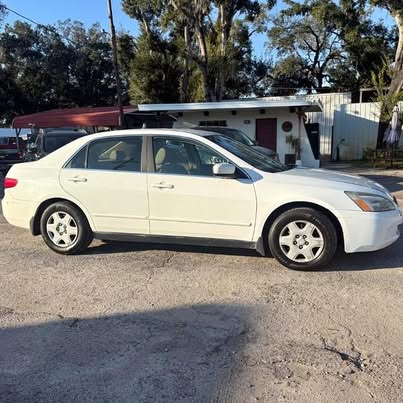
- Stance and panels from ten paces. Stand back and look: level ride height, even arch gaps, doors and hood sitting flush, paint shade consistent panel to panel in daylight. The side-profile photograph above is the view; take your own. A replaced front wing on a 1990s car is common and forgivable; ripples down a flank or a door in a different shade plus a story that does not match is not.
- The interior as a mileage witness. Driver's seat bolster and base, steering wheel rim, pedal rubbers, gear knob: they should agree with the odometer and with each other. Leather on an EX-L should be worn, not destroyed; a destroyed driver's seat in a "low-mileage" car is a contradiction. Smell for damp — then find it: front footwells (sunroof drains), trunk (seal and spare well).
- The decision arithmetic. Add up what the car needs in its first year: belt service if unproven, gearbox if suspect, tyres, brakes, the small list. On cars at this end of the market the arithmetic, not the car, is usually what kills the deal — a sound car at a fair price with a short list beats a cheap car with a long one every time. If the sums work, a pre-purchase inspection on a lift at an independent Honda specialist is the best money in the whole transaction.
Values
The market block beneath this guide carries the live numbers — what is listed on the site now, at what asks, and what has sold — and it is refreshed from the store, so read the figures there and use this section to understand what drives them. The Accord market has a shape unlike most cars in these guides: the supply is enormous, the cars are all private sales here, and the spread between the cheapest and the dearest example is explained less by rarity than by which of the big three bills — gearbox, timing belt, rust — a given car has already had paid.
Start with the condition spread. At the bottom sit the cars selling the reputation rather than the reality: high miles, no belt history, an automatic of the risky years, cosmetic tiredness — cars bought as transport by people who need transport this week. In the middle, and this is where the value lives, are the maintained cars: documented belt services, fluid changes you can see on paper, clean arches, everything working. At the top, two quite different premiums appear. The first is the survivor premium: an early car — a tidy third- or fourth-generation example, a good wagon, a manual coupe — bought by someone who remembers when these were simply the best cars you could buy and wants the best remaining one. The second is the specification premium on the late cars: a V6, a manual gearbox, a coupe, leather — the combinations that were a small share of production and are a smaller share of survivors.
Asking prices and achieved prices part company predictably here. Private sellers price against the reputation and against the newest car with the same badge; buyers price against the arithmetic in step 12 of the inspection. Cars with paperwork close the gap quickly, because the paperwork is verifiable. Cars without it sit, and the reductions come in the order of the seller's need to move, not the car's merit — a patient buyer can do well on a history-less car, provided the belt and gearbox questions get answered by evidence rather than optimism.
Variant premiums, in the order the market actually pays them: the manual gearbox first — on the risky automatic years it is both the enthusiast's choice and the risk-averse choice, a rare alignment — then the coupe body, then the V6 in the later cars, then the wagon's small but real following. Colour moves these cars less than it moves most classics, though the honest period palette in our listings (silver, white and grey dominate) means a genuinely good car in green, blue or gold stands out in a search. Trim, by contrast, matters mainly through the engine it brings: an EX's premium over an LX is really a premium for the VTEC tune and the equipment, and a DX with a documented life is worth more than an EX-L without one. The project-versus-driver gap is the width of the repair list: a non-running sixth-generation automatic is worth its weight in parts and scrap logic, because the two big jobs together exceed the finished car's value, while a driver with faults is worth driver money minus the specific, priced faults — which is why the sellers who do best in this market are the ones who fix the cheap faults and document the expensive ones before listing.
Parts and ownership
The Accord's great ownership advantage is arithmetic: Honda built these cars in the millions, most of them in Ohio, and the parts industry noticed. Almost everything mechanical for the third through seventh generations is available new, much of it from multiple manufacturers, at prices that belong to the car's original family-sedan mission rather than to the classic market.
Easy and cheap: service items (filters, plugs, belts, hoses), brake pads and — on the 1998-on cars — rotors, suspension wear parts (ball joints, bushings, control arms, wheel bearings), exhausts, radiators, alternators, starters, engine mounts, clutch kits, CV axles, window regulators, lock actuators, ignition coils for the K-series, and the F-series' known small parts — main relays, distributor caps and seals, idle valves. Order today, fit this weekend. The captive front rotors of the 1990–97 cars are the exception that proves the rule: the rotors themselves are cheap, it is the press work to reach them that costs.
Harder and dearer: automatic gearboxes, where the economics are a remanufactured unit rather than a repair (a quality remanufactured box with a warranty is the buy; a junkyard box of the risky years is a lottery ticket with the same failure already inside it), the hybrid's battery and electronics on the 2005–07 cars, ABS modulators for the 1990s cars, air-conditioning compressors, sunroof assemblies, and body panels and trim for the early cars — a straight rear quarter for a third-generation car or wagon-specific trim is a search, not an order. Paint, when the clearcoat has gone, is the usual repaint economics: a proper respray costs more than most of these cars, which is why original paint, even faded, carries its premium.
Running costs. A sorted Accord is among the cheapest classics to run, full stop. Fuel economy is era-honest: the fours return around 30 mpg on a highway run, the V6s several mpg less, the hybrid better than both in town. Insurance is family-car insurance, and servicing is any competent independent — a generic code reader covers the engine management — with two disciplines that are not optional: oil changes on schedule (the K24's chain and VTC system insist), and Honda-spec automatic transmission fluid, changed by drain-and-fill. Budget the first year honestly: catching up a neglected car's deferred maintenance — belt service, fluids, brakes, a set of tyres, the small electrical list — runs into four figures at a shop even on this most fixable of cars, and a car bought with the belt and gearbox questions already answered by paperwork is worth the premium that paperwork commands. Cars that have sat need the usual recommissioning: fuel system cleaned, brake hydraulics inspected end to end, every rubber hose and belt judged, and tyres replaced on age regardless of tread.
Which one to buy
- The all-rounder: a sixth- or seventh-generation four-cylinder with a manual gearbox. The sweet spot of the whole line: F23 or K24 durability, the gearbox problem designed out by your left leg, parts everywhere, and enough pace for modern traffic. If you want one Accord to use daily, this is it.
- The value buy: a 1998–2002 automatic with a documented replacement gearbox. The market prices these cars for the failure; a car where a reputable rebuilder has already done the work carries the receipt that removes the risk, and it is routinely cheaper than the equivalent manual. Verify the invoice, drive it hot, and buy the paperwork.
- The enthusiast's car: the third-generation LX-i or SE-i (1986–89), or a sixth-generation coupe with a manual. Double wishbones all round and pop-up headlights in the early car; the best-looking body of the volume years in the later one. Our pool's 1989 LX is the carburetted version — charming, and the injected cars are the sharper buy.
- The family classic: a fourth- or fifth-generation EX sedan or wagon (1991–97). The archetypal Accord at its best — the 1991 and 1996 EXs in our listings are the shape of it — with the belt service as the only serious question and the captive rotors as the only silly one. Wagons carry a premium and earn it in usefulness.
- The quick one: a seventh-generation V6 (2003–05), manual if you can find it. 240 hp in a family sedan is still genuinely quick, and the manual V6 coupe is the closest this line gets to a performance car. On an automatic, the oil-jet recall paperwork is part of the car.
- The newest classic: a 2003–05 K24 car, like the 2005 sedan that closes our filed range. Chain-driven engine, coil-on-plug ignition, the fewest age-related systems to recommission — the Accord for a buyer who wants the classic-era car with the modern-era maintenance contract.
And the rule that overrides all of the above: buy the paperwork, then the car. A documented timing-belt service and, on the risky years, a documented gearbox are worth more than low mileage, a rare colour or a higher trim — because on an Accord, the difference between the best buy in the market and the most expensive cheap car you will ever own is almost never the car itself. It is whether someone paid the two big bills.
Listed now
On Classic Listings today: 20 cars are listed here; 9 for sale and 11 marked sold; average asking price $3,298; asking range $1,234 to $8,000; sold cars average $5,934.
See the 20 Accord cars currently listed.
The market — recorded sales
Accord Classic Listings Index: $6,000 — based on 11 recorded sales, Nov 2024 – Nov 2026.
Change vs the prior 24 months: — not enough earlier sales to compute a change.
Recorded sales: 11 · Total recorded sale value: $65,275 · Lowest sale: $1,500 · Top sale: $9,000 · Most recent sale: $1,500 (Nov 14, 2026)
| Date | Car | Sale price | Source |
|---|---|---|---|
| Nov 14, 2026 | 2001 Honda Accord DX Sedan 4D | $1,500 | |
| Nov 14, 2026 | 2000 Honda Accord EX Sedan 4D | $1,800 | |
| Oct 7, 2026 | 2000 Accord Sedan | $8,600 | Cars & Bids |
| Jul 1, 2026 | 1991 Accord Sedan | $4,000 | Cars & Bids |
| May 18, 2026 | 1993 Accord Sedan | $4,500 | Cars & Bids |
| Apr 1, 2026 | 1992 Accord Sedan | $9,000 | Cars & Bids |
| Mar 2, 2026 | 2005 Accord Coupe | $8,500 | Cars & Bids |
| Feb 20, 2026 | 1997 Accord | $5,775 | Cars & Bids |
| Jan 28, 2026 | 1994 Accord Coupe | $7,000 | Cars & Bids |
| Nov 24, 2025 | 2003 Accord Coupe | $8,600 | Cars & Bids |
| Oct 30, 2025 | 1988 Accord Sedan | $6,000 | Cars & Bids |
Dates are the sale date where the source states one; otherwise the date the sale was recorded here.
For sale now
 $2,200
Expand
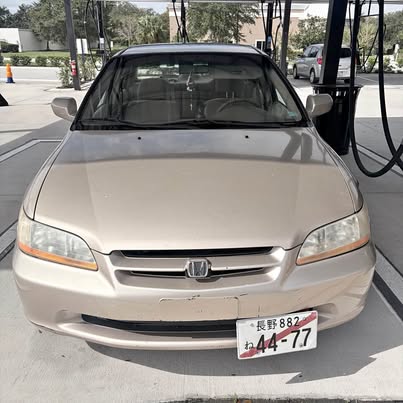 $1,234
Expand
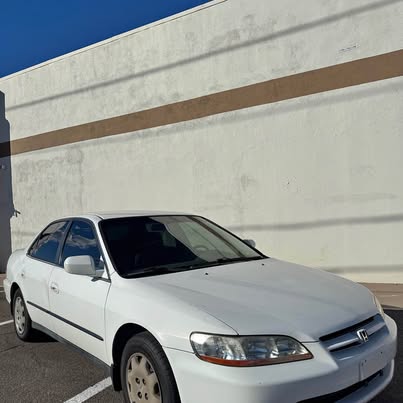 $2,800
Expand
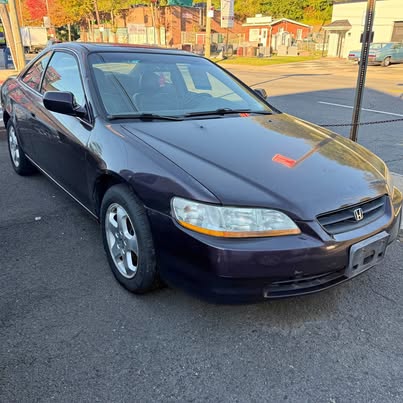 $2,200
Expand
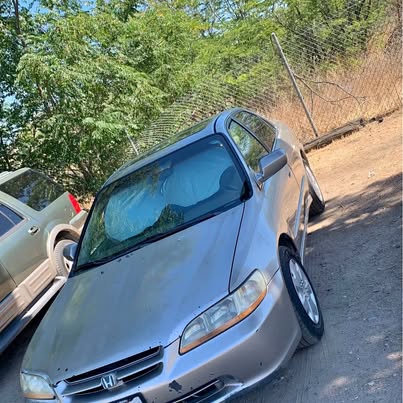 $2,300
Expand
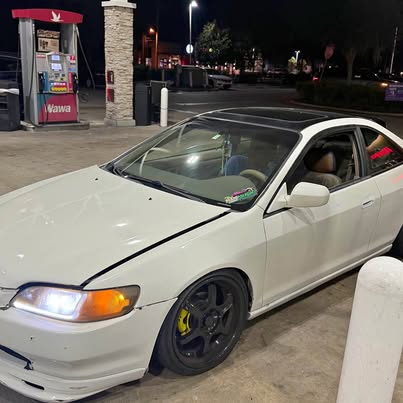 $2,650
Expand
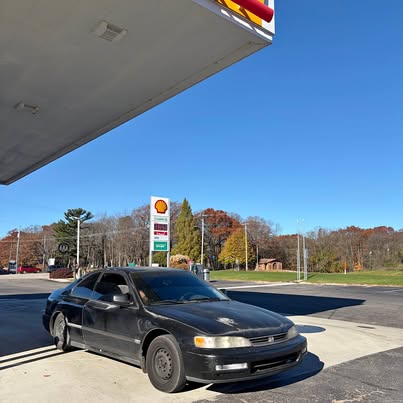 $5,000
Expand
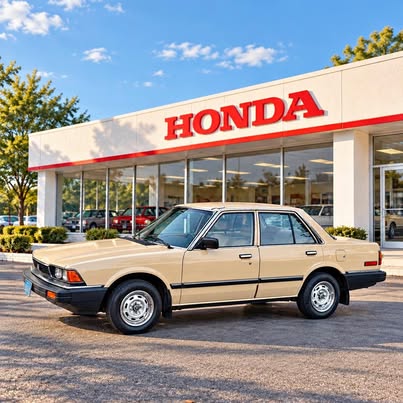 $9,500