
Ford Full Size buyer's guide
Ford Full Size (1935–1959) — Deluxe, Super Deluxe, Custom, Custom Deluxe, Customline, Mainline, Crestline, Ranch Wagon, Model 48, Model 68, Model 78, Coupe Victoria, Victoria 2 Door, Victoria 2Dr, Victoria Hardtop, Victoria Coupe: what's listed, and what they sell for.
Years: 1935–1959 · Models: Deluxe, Super Deluxe, Custom, Custom Deluxe, Customline, Mainline, Crestline, Ranch Wagon, Model 48, Model 68, Model 78, Coupe Victoria, Victoria 2 Door, Victoria 2Dr, Victoria Hardtop, Victoria Coupe
Overview and history
For the quarter-century covered here, there was no such thing as a full-size Ford range sitting above a smaller Ford range. There was simply the Ford — one basic car, built in enormous numbers, and everything else was trim, body style and engine choice laid over it. From the 1935 Model 48 to the 1959 Galaxie, the names in the listings — Deluxe, Super Deluxe, Custom, Custom Deluxe, Customline, Crestline, Mainline, Fairlane — are not separate models in the modern sense. They are rungs on one ladder: a 1950 Custom and a 1950 Deluxe are the same shoebox body, engines and chassis, separated by chrome, upholstery and a few hundred period dollars. Learn to read the ladder and the whole market opens up, because the car you are really buying is never the badge. It is the body style, the engine, the year’s engineering, and above all the condition of a steel body now between sixty-five and ninety years old.
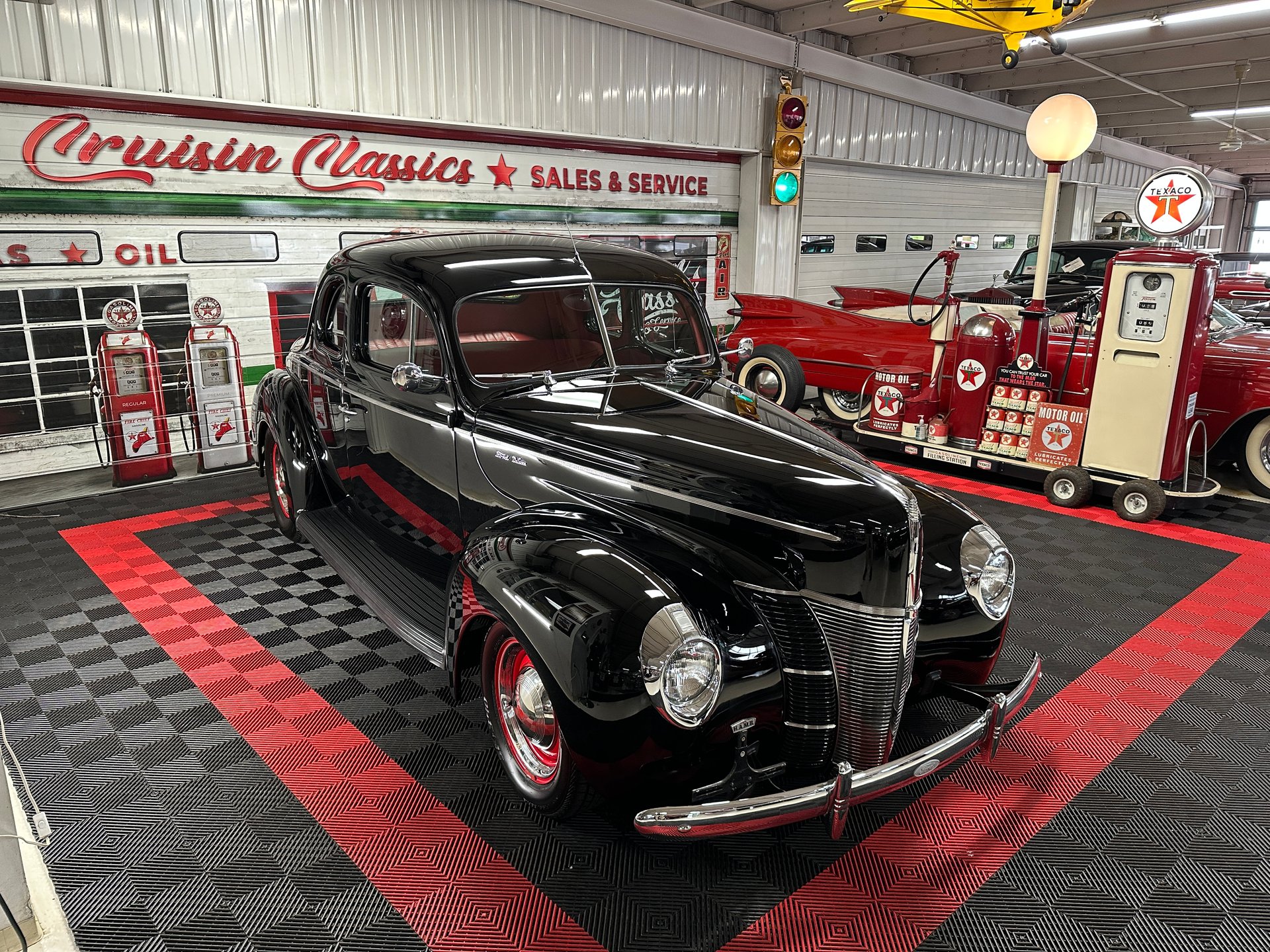
The starting point is the flathead V8. Ford put a V8 into a cheap car in 1932, when rivals offered fours and sixes, and by 1935 the formula had matured into the Model 48: a 221-cubic-inch flathead V8 making 85 hp, transverse leaf springs front and rear, a torque-tube driveline and mechanical brakes, under handsome new styling with the grille pushed forward over the front axle. The 1936 Model 68 refined the face. The 1937 Model 78 restyled the car again, split the range with a smaller economy engine — the 136-cubic-inch V8-60 — and began the move from rod-operated brakes to cable operation. Hydraulic brakes, the single most important safety step of the era, finally arrived for 1939. The 1940 Deluxe, with sealed-beam headlamps faired into the fenders, a column gearchange and the prettiest face Ford built before the war, is the car most collectors picture when they picture a pre-war Ford, and it earns the attention honestly.
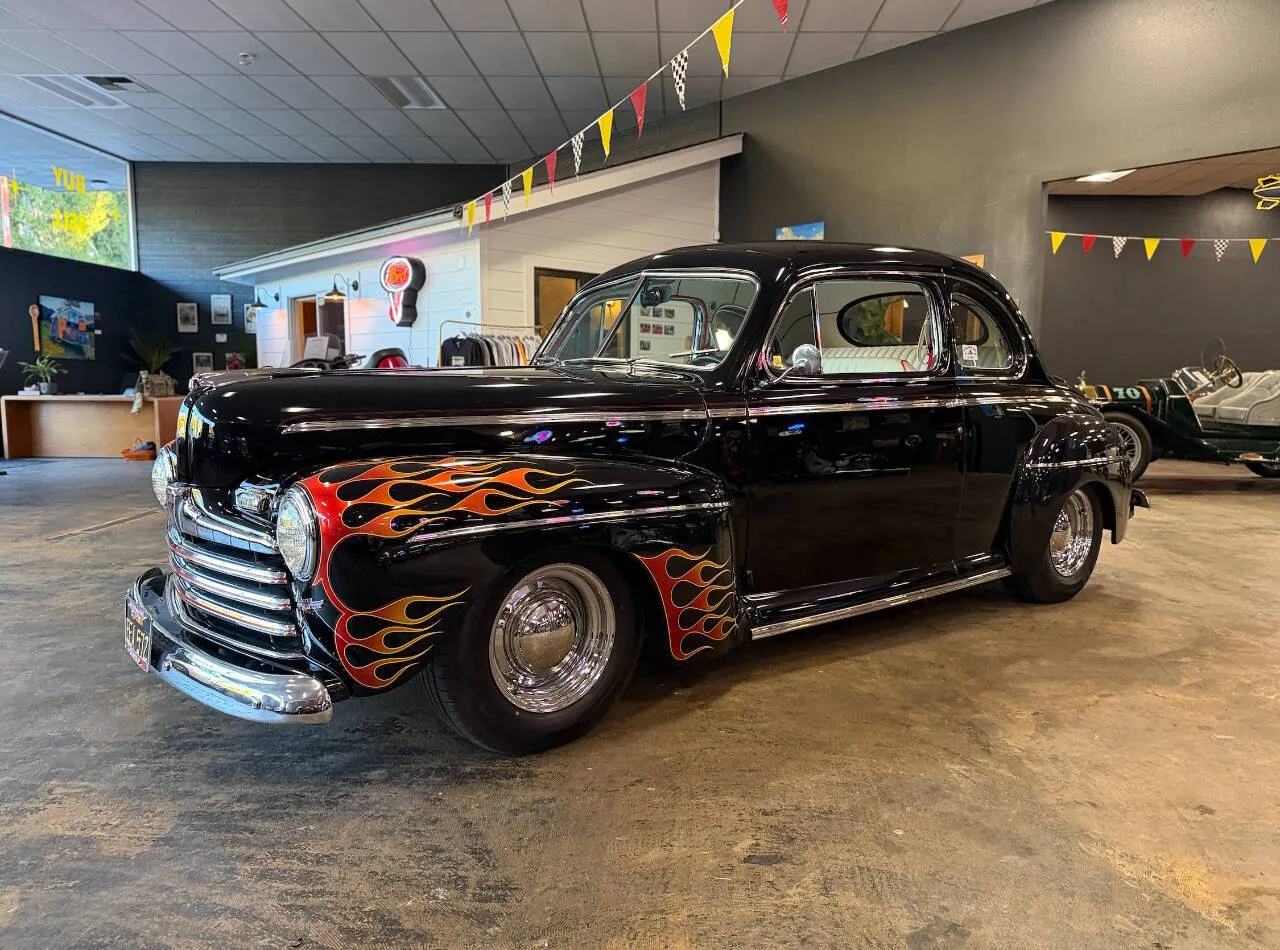
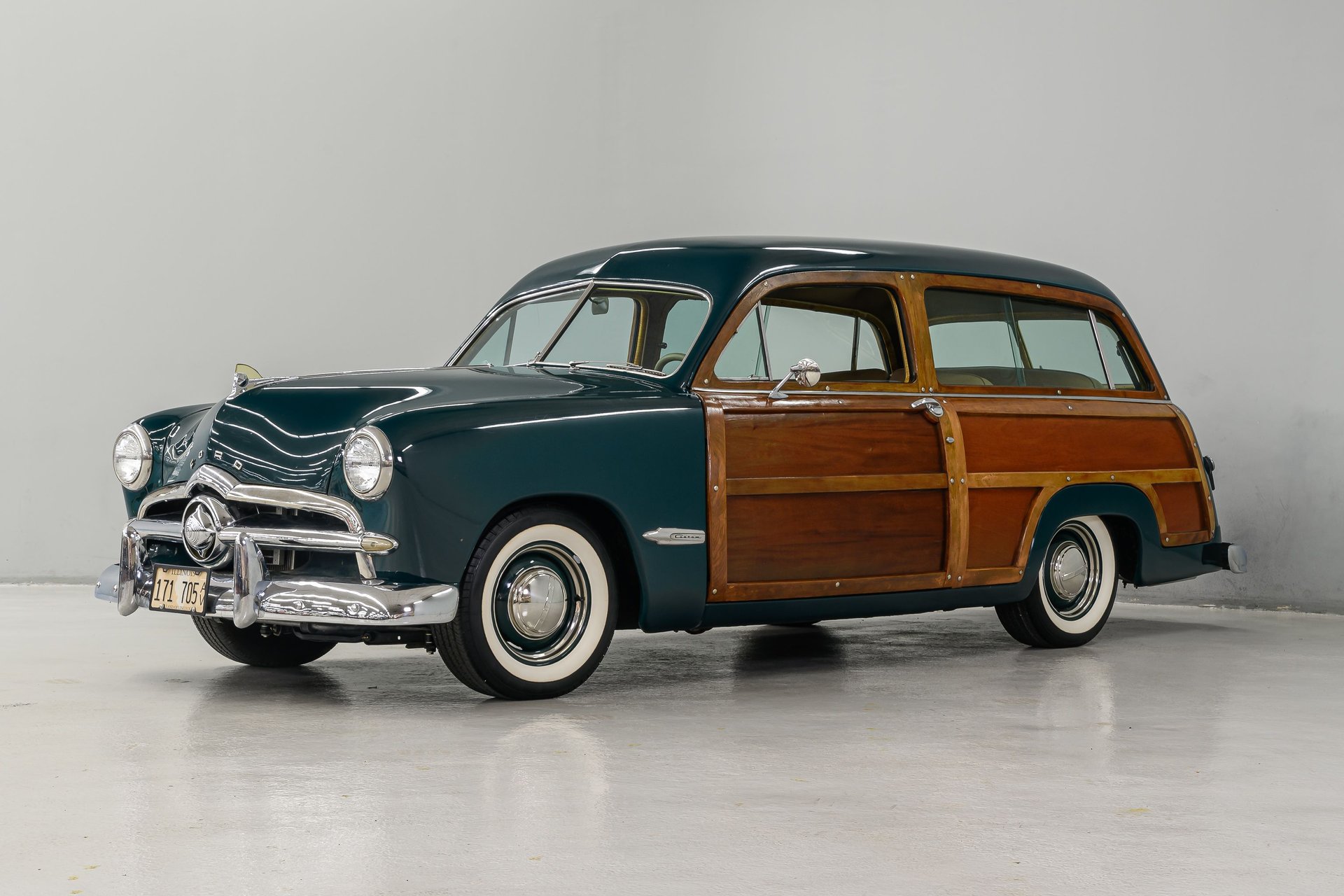
The revolution came in June 1948, with the 1949 cars — the famous shoebox. Ford’s first genuinely new post-war design brought slab sides with integrated fenders, coil-spring independent front suspension in place of the transverse leaf and solid axle, an open propeller shaft in place of the torque tube, and a proper trunk. It saved the company: Ford built well over a million 1949 cars. The Custom was the top trim, the Deluxe the base, and the line included a wood-bodied wagon and a convertible, with the Victoria hardtop and Fordomatic joining for 1951. The 1952 to 1954 cars restyled the shoebox, kept the flathead two more years, then replaced engine and front suspension in one stroke for 1954: the Y-block V8 arrived and kingpins gave way to ball joints.
The last act is the jet-age one. The 1955 cars brought the Fairlane name to the top of the range and the Crown Victoria with its stainless roof band. Twelve-volt electrics came for 1956. The 1957 car was all new — longer, lower, wider, finned, with Y-blocks up to a supercharged 312 — and outsold Chevrolet that year. Quad headlamps and the FE-series 352 arrived for 1958, and for 1959 the Galaxie name appeared at the top of the range — the point where this guide stops.
Our own listings trace that whole arc. We currently track 168 of these cars for sale or recently sold, spanning 1935 to 1959, with Deluxe the largest group at 44 cars, followed by Custom at 27 and Super Deluxe at 25. Coupes and convertibles dominate the surviving stock, which tells you what got saved and what got used up: the sedans and wagons that did the family work were driven into the ground, while the coupes were kept. For 86 of the tracked cars we have gone through the sellers’ photo sets in detail: rust appears somewhere in the photos of 43 of those 86 cars — exactly half — and visible damage in 31. Buy these cars with your eyes open and they are among the most usable and best-supported classics in America. Buy the badge and the shine, and the same car will educate you expensively.
The models
Read the range in four engineering generations, because the generation matters far more than the trim name. First, the transverse-spring cars of 1935 to 1948 — solid axles both ends, torque tube, flathead power, mechanical brakes until 1938 and hydraulics from 1939. Second, the shoebox generation of 1949 to 1954 — independent front suspension, open driveline, flathead power to 1953 and the Y-block for 1954. Third, the 1955 to 1956 cars — Y-block power, ball-joint suspension, 12-volt electrics from 1956. Fourth, the 1957 to 1959 cars — the big, low, finned flagships, with FE power from 1958 and the Galaxie arriving at the end. Within each generation, trim climbs a ladder: standard or Deluxe at the bottom, Custom or Customline in the middle, Super Deluxe, Crestline, Fairlane and finally Galaxie at the top, depending on the year.
| Model | Years | Engine | Output | Built | Character |
|---|---|---|---|---|---|
| Model 48 / Standard | 1935–1936 | 221 cu in flathead V8 | 85 hp | — | The mature early flathead car; rod brakes on the 1935 |
| Deluxe (Models 68, 78 and successors) | 1936–1940 | 221 cu in flathead V8; 136 cu in V8-60 option 1937–40 | 85 hp; 60 hp for the V8-60 | — | The pre-war sweet spot; 1939–40 cars get hydraulic brakes |
| Super Deluxe | 1941–1942, 1946–1948 | 239 cu in flathead V8; 226 cu in L-head six | 100 hp; 90 hp for the six | — | Top trim of the pre- and immediate post-war range |
| Custom and Deluxe (shoebox) | 1949–1951 | 239 cu in flathead V8; 226 cu in six | 100 hp; 95 hp for the six | — | The all-new 1949 car; Victoria hardtop and Fordomatic join for 1951 |
| Mainline, Customline, Crestline | 1952–1954 | 239 cu in flathead V8 to 1953, 239 cu in Y-block V8 for 1954; 215/223 cu in OHV six | 110 hp flathead; 130 hp Y-block; 101–115 hp six | — | Restyled shoebox; 1954 is the engineering step-change year |
| Fairlane, Customline, Mainline | 1955–1956 | 272/292 cu in Y-block V8; 223 cu in six | 162–200 hp; 120 hp for the six | — | Thunderbird-era styling; Crown Victoria is the showpiece |
| Fairlane 500, Fairlane, Custom 300, Custom | 1957–1958 | 272/292/312 cu in Y-block V8, 352 cu in FE V8 for 1958; 223 cu in six | 190–300 hp; 144 hp for the six | — | The big finned cars; the supercharged 312 tops the 1957 range |
| Galaxie and Fairlane 500 | 1959 | 292 cu in Y-block V8; 332/352 cu in FE V8; 223 cu in six | 200–300 hp; 145 hp for the six | — | Galaxie arrives as the flagship trim; the bridge to the 1960s cars |
| Ranch Wagon and Country wagons | 1952–1959 | Six or Y-block/FE V8 as per year | As per year | — | The working survivors; wood-bodied wagons run 1949–1951 in the Custom line |
Production figures for individual trim lines in this era were not published in a form that survives cleanly, so the Built column is left blank rather than filled with numbers we cannot stand behind. The scale is not in doubt: Ford built these cars in the hundreds of thousands a year — over a million in the peak shoebox year of 1949 alone — and that volume is why the parts and knowledge base today is so deep. Outputs above are period gross ratings, as Ford quoted them at the time.
The pre-war cars (1935–1942). The differences that matter are brakes, not badges. A 1935 or 1936 car stops on mechanical brakes operated by rods; the 1937 and 1938 cars use cables; only the 1939 and later cars have hydraulics. All three systems can be made to work, but they feel very different, and the earlier cars demand an owner who accepts period stopping distances as part of the experience. The V8-60, offered from 1937 as the economy engine, is the trap in this generation: a delightful little engine in period road tests and an underpowered one in a heavy sedan on modern roads. Drive one before you buy — many buyers who dreamed of the flathead burble find the 60 hp reality a disappointment, while the 85 hp 221 pulls a pre-war Ford along perfectly respectably. Body style drives value here more than trim: roadsters, phaetons, convertibles and coupes sit at the top, Tudor and Fordor sedans at the bottom, and the wood-bodied wagons in a world of their own, where the wood is the car and its condition is the price. The 1946 to 1948 cars that close this generation are 1942 cars with new grilles and the stronger 239 engine — the last transverse-spring, torque-tube Fords, and the affordable way into flathead ownership; the wood-panelled Sportsman convertible is their rare exception.
The shoebox cars (1949–1954) are the usability step-change. The 1949 to 1951 cars keep the flathead — the 239 at its best, 100 hp, with the 226 six below it — and add everything modern: independent front suspension, an open driveline, a real trunk and styling that still looks fresh. For 1951 the Victoria hardtop answered Chevrolet’s Bel Air hardtop, and Fordomatic arrived as the first automatic. The 1952 restyle brought the Mainline, Customline and Crestline ladder that ran to 1954, the overhead-valve six replaced the flathead six, and then 1954 replaced the flathead V8 itself with the 239 Y-block and swapped kingpins for ball joints. A 1954 Crestline is a much more modern car to own than a 1953, in ways the near-identical styling hides. Check the year, not the shape.
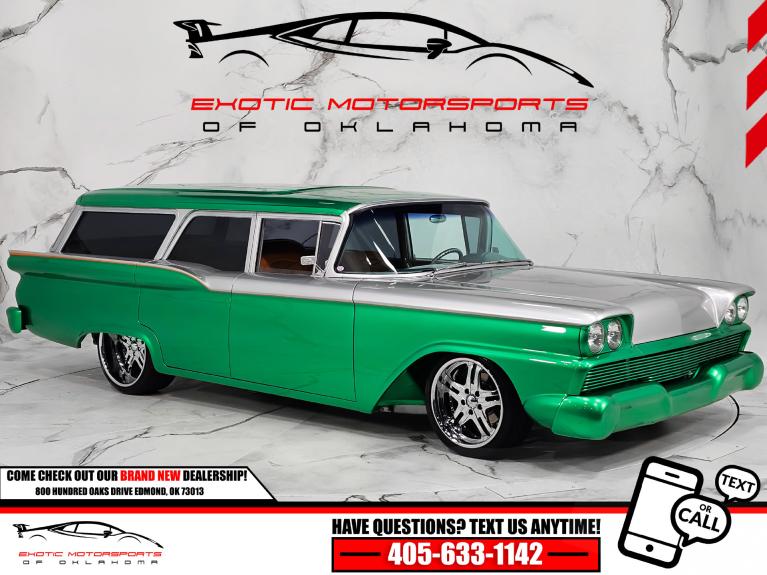
The 1955–1959 cars are where the range becomes the full-size Ford of legend. Fairlane replaced Crestline at the top for 1955, the Crown Victoria became the image car, and the Skyliner name became famous on the retractable hardtop of 1957 to 1959: a steel roof that folds into the trunk by motors and relays, covered under problem areas because a Skyliner whose roof cycle does not complete is a convertible that cannot close. The 1957 range is the collector peak of the late cars — Custom and Custom 300 at the value end, Fairlane and Fairlane 500 above, engines from the 223 six to a supercharged 312 rated at 300 hp. The 1958 cars added quad lamps and the FE option. The 1959 Galaxie — launched part-way through the model year as the top series — points straight at the 1960s.

Engines and gearboxes
The flathead V8: 221, V8-60 and 239
The flathead is widely misunderstood in both directions — romanticised as unbreakable, and dismissed as a kettle. The truth is specific. It is a side-valve V8 with the exhaust passages cast through the block, which is the root of both its character and its one real weakness: heat. Exhaust gas travels a long way inside the casting before it reaches the manifold, so the block carries heat a modern engine sheds in the head, and the cooling system — two water pumps, one per bank, a generous radiator and a fan — has to be genuinely right, not approximately right. A flathead in proper order runs at temperature all day. A flathead with a silted block, a tired radiator and retarded ignition boils, and then gets blamed for it.
Three sizes matter. The 221 powered the 1935 to 1942 standard cars, at 85 hp in most years. Early engines have poured babbitt main bearings; later 221s with insert bearings are the ones to own, and the casting tells you which you have. The V8-60 (136 cu in, 60 hp) of 1937 to 1940 is a scaled-down flathead built for economy: smooth, willing and simply too small for a full-weight sedan in modern traffic, with thinner parts support. The 239 began as the 1939 Mercury engine and became the Ford engine for 1946 to 1953, at 100 hp rising to 110 hp. It is the pick of the flatheads: stronger, torquier, best supported, and the engine a late shoebox should have. Identification is by casting numbers, not the seller’s description — flatheads have been swapped between Fords for eighty years, and a 221 in a 1950 car, or a truck engine in anything, is common. Truck flatheads are not inferior, but they are not identical, and the price should know it.
What actually goes wrong is a short, learnable list. Overheating comes first, and it is a diagnosis, not a verdict: check radiator flow, pump condition, thermostats, ignition timing and the state of the water jackets before anyone talks about cracked blocks. Silt accumulates in the rear of the block over decades, which is why so many flatheads read cool on the gauge and run hot in fact. Cracked blocks are the expensive failure — typically in the valve-seat area and between the valve pocket and the bore, often from freezing. Many cracks are stable, repairable by pinning, or harmless in a car that holds water and compression; some are fatal. The test is evidence: a cooling-system pressure test, compression and leak-down tests, and oil and coolant that stay uncontaminated over a proper run. Vapour lock and hot-start trouble are the summer complaint, caused by heat around the carburettor and mechanical fuel pump; the cures are period ones — correct fuel-line routing and insulation, a healthy pump, sometimes an auxiliary electric pump for priming. Oil pressure is modest by design and the gauge lies cheerfully on tired cars; judge the engine by its noises, smoke and compression, not by one number. Valve adjustment is mechanical — a specialist rhythm, not a Saturday job — and a quiet top end usually means someone competent has been there.
Carburation is downdraft, with Ford, Stromberg and Holley units in the period mix, and ignition on the early engines is by a distributor driven off the front of the camshaft — the famous crab and rabbit-ear distributors — moving to a conventional upright unit for 1949. Front-mounted distributors make points work an exercise in access; budget the labour.
The sixes: 226 flathead six and the overhead-valve 215 and 223
Ford’s six-cylinder story runs in two halves. The 226 L-head six (90 hp, then 95 hp in the 1949 to 1951 shoebox cars) is a flathead six in the same spirit as the V8: simple, torquey, quiet and unhurried. It was the taxi and fleet engine and the cheaper showroom option, and today it is the value engine — a six-cylinder shoebox costs less than a V8 car and gives away remarkably little in real driving, because the 226 makes its torque where you use it. Its failure modes are the flathead family’s: cooling neglect, sludge, cracked castings after freezing, and carburettor wear. Parts support is thinner than the V8’s but entirely adequate for a car that stays a six.
The overhead-valve six replaced it for 1952: the 215, growing to the 223 Mileage Maker for 1954, at 115 to 145 hp depending on year. A modern engine in period terms — overhead valves, insert bearings, full-pressure lubrication — and the unsung hero of the 1950s range: a 223 in a 1957 Custom 300 cruises at modern speeds without the Y-block’s thirst or rocker-oiling homework. Judge it on oil pressure, timing-chain rattle and start-up smoke. Six-cylinder cars were maintained cheap, so condition varies wildly; a documented six beats an undocumented V8 at the same money.
The Y-block V8: 239, 256, 272, 292 and 312
The Y-block, named for the deep-skirted block that gives its crankcase a Y profile in cross-section, replaced the flathead for 1954 and powered the range to the end of this guide and beyond. It is an overhead-valve V8 with the distributor at the rear, and its character is torque and smoothness rather than revs. The car line ran: 239 for 1954 only (130 hp), then the 272 (from 162 hp in 1955), the 292 (from 193 hp, and the Thunderbird’s standard engine), and the 312 for 1956 and 1957 (215 hp and up, 245 hp in high-output form, and 300 hp in the Paxton-supercharged F-code installation of 1957). For 1958 the FE arrived alongside (below), and the Y-block continued as the smaller V8 option to 1959 in 292 form.
The Y-block has one signature fault, and every buyer must know it: top-end oiling. The oil feed to the rocker shafts passes through passages in the block and heads that sludge up, especially on cars run on period non-detergent oils or left unserviced, and the result is starved rocker gear — clattering valve gear, worn rocker arms and scored shafts no adjustment cures. The period fix was an external oil line kit feeding the rockers directly; it is a legitimate, effective repair, not a bodge, but its presence tells you the engine has a sludge history. The test is to run the engine with a rocker cover off, or at minimum listen: a healthy engine oils both banks visibly and runs quietly once warm. Rocker-gear parts run to a few hundred dollars; the deeper question is what the sludge did to the bearings below, an oil-pressure and bearing-noise judgement. Other specifics: rear main seals leak as a matter of course on rope-seal engines, fixed by a modern seal conversion during other work; exhaust manifolds crack, and the crossover pipe on single-exhaust cars puts heat where the carburettor sits, so hot-start complaints often trace to exhaust heat and choke settings; and road-draft tube ventilation means these engines breathe oil mist by design, so judge leaks against period reality, not modern dryness. The engine rewards detergent oil and regular changes from the day you buy it — the cheapest Y-block insurance there is.
The FE V8: 332 and 352
For 1958 Ford added the new FE-series big-block as the top option: the 332 and the 352 Interceptor, the latter rated at up to 300 hp. The FE is a different ownership proposition from the Y-block — a newer, stronger design with hydraulic lifters and a conventional oiling system without the rocker-feed weakness, and the architecture that would power the 1960s Galaxies. In a 1958 or 1959 Ford the 352 gives effortless, understressed performance and is the engine to choose in the late cars if fuel consumption is not your first concern. Its checks are the big-block basics: cooling capacity in a heavy car, exhaust manifold bolts and cracks, and oil consumption that separates valve seals (smoke on start-up and overrun) from rings (smoke under load).
Gearboxes: three-speed manuals, overdrive, Fordomatic and Cruise-O-Matic
The standard gearbox across the whole period is a three-speed manual, floor-shifted on the pre-war cars and column-shifted from 1940 — the famous three on the tree. They are judged on second-gear synchromesh above all: a box that crunches into second on a brisk change, up or down, has a rebuild in its future, realistically a four-figure job once removal, parts and labour are counted. Clutch judder on take-up points to oil contamination or a tired pressure plate and flywheel face, not to your technique. Column linkages wear at every pivot, and a vague, wandering gate is linkage wear, curable with bushes and adjustment for modest money, long before it is a gearbox fault.
The option that transforms a manual car is Borg-Warner overdrive, offered from 1949 through the 1950s: a planetary unit behind the gearbox, engaged electrically through a solenoid, relay, governor and kickdown switch, dropping cruising revs by roughly a third. A car with working overdrive is a genuinely modern-road-usable car; a car with dead overdrive is a three-speed with extra failure points. Test it properly: it should engage above its cut-in speed when you lift off momentarily, hold under load, and kick down on full throttle. Electrical faults cause most failures and are repairable for hundreds, not thousands; mechanical failure inside the unit is rarer and dearer. Price a non-working overdrive as a repair to be diagnosed, not as a rounding error.
The automatics arrive in two generations. Fordomatic (1951 onwards) is a three-speed planetary gearbox with a torque converter that habitually starts in second unless you select low or floor it — a second-gear start is correct behaviour, not slip. Early units are air-cooled, later ones liquid-cooled, and the checks are fluid condition, band adjustment, delayed or flaring engagement, and leaks. A specialist rebuild is a substantial four-figure job, and the shops that know the early unit shrink every year — a documented recent rebuild is worth a real premium. Cruise-O-Matic (1958 onwards, the MX family) is the stronger three-speed offered behind the FE engines, with a dual-range selector that confuses first-time drivers into thinking the box faulty when it starts in second in one range by design. Read the owner’s manual before you diagnose the gearbox.
Problem areas
Everything in this section follows one rule: on a car of this age, the body is the car. Engines, gearboxes, brakes and electrics can all be rebuilt by known specialists for prices you can plan. A rotten shell, frame or wood body costs more to put right than the finished car is worth, and it is the one part that can never be made original again. Our own photo evidence underlines it: of the 86 cars we photo-checked in detail, 43 — half — showed rust somewhere in their photographs, and 31 showed visible damage. Those are the sellers’ own photographs, chosen to sell the cars. Assume the car in front of you needs a forensic examination, and be pleased when it passes.
Rust and the frame: the map
Work through the car in the order water does.
Floor pans and rocker panels. The universal Ford failure. Water enters past dried windshield and rear-window seals, past the cowl vent and through failed door seals, then sits under carpets where it eats the floor from the top down while road salt eats the rockers from outside in. Lift every carpet. Prod the floor at the footwells, seat mounts and rear seat base. Surface rust with solid metal beneath is a clean, treat and seal job you can do yourself; perforation is panel work — floor sections are available for the popular years and fitted repairs run roughly $600–1,500 a side — and floors rarely rot alone. Treat floor rust as a marker for the whole shell and go looking for the rest of it.
Body mounts and the frame. On the 1935 to 1948 cars the frame is a ladder with a deep X-member, and the traps are the X-member itself, the front horns, the spring-hanger areas and the body mounting points where dirt packs and stays wet. The 1949 and later box-section perimeter frame is stronger, but the same mounting points and the rear kick-up over the axle rot quietly. Perforation at a mount or hanger is fabrication work priced per car, and on a cheap car it ends the discussion. This is why a lift inspection is not optional: the underside is where the truth is, and the view sellers’ photographs most consistently avoid. Read the coating while you are under there — honest old underseal is patchy and chipped; a uniform coat of fresh black stone-chip blown over everything the week before the sale is a cover-up until the seller proves otherwise.
Cowl, door bottoms and trunk. The cowl sides and vent trough rot on the pre-war and shoebox cars and leak onto the front floors; a car with a sealed-shut cowl vent is telling you why. Door bottoms fill with water when their drains block — run a fingertip along every door’s bottom edge and feel for bubbling. The trunk floor and spare-wheel well collect what the rear window and trunk seals let in; lift the spare and the mat on every viewing. On the 1957 to 1959 cars add wagon tailgates and rear floors, headlamp eyebrows and fender tops that trap mud, and the fin pressings, where rust repair stops being flat-panel work and becomes shaping. Wagon sheet metal is far harder to replace than sedan metal, which is why wagon prices swing so hard on body condition.
The wood bodies. The 1949 to 1951 wagons carry structural wood — maple and birch framing with mahogany panels — and on these cars the wood is not trim, it is the body. Check every joint for movement, every lower rail for softness and black staining, the door frames for sag, and the tailgate’s lower edge for rot. Sound original wood is the value of the car; a wagon needing a full re-wood is a specialist project with a five-figure wood bill before paint, and should be priced as one.
Chassis, steering and brakes
The 1935 to 1948 chassis is a period piece and must be judged as one. Transverse leaf springs front and rear locate solid axles. Worn shackles and bushings, a sagging spring and perished shock absorbers make the car wander and crash over bumps in a way owners mistake for character; shackles and springs are all available, and a bush and shackle refresh is a few hundred dollars in parts — but check the perches and frame horns for rot while you are there, because that is the expensive version of the same job. Steering is by a worm-and-roller box that wears at centre; an inch or two of free play at the wheel rim is period-normal, a quarter-turn is a worn box, drag links and tie-rod ends, or all three. Kingpins wear and announce themselves as shimmy and uneven front tyre wear; a kingpin job is standard machine-shop work, a few hundred dollars a side fitted. From 1949 the independent front end uses kingpins until 1953, then ball joints from 1954 — and the inspection changes with the year: kingpin cars are judged by rocking the wheel for play, ball-joint cars by levering each joint and checking the boots, because a joint that has run dry is a safety item, not a noise. Idler arms, centre links and steering boxes wear across all the independent years and cause most of the vague steering these cars get blamed for.
Brakes divide the guide period in two. The 1935 and 1936 cars use mechanically operated drums by rod, the 1937 and 1938 cars by cable, and every car from 1939 has hydraulics. Mechanical brakes in perfect adjustment stop the car adequately at period speeds; in average adjustment they are the reason these cars have a reputation. Adjustment is a system — rods or cables equalised, drums true, linings arced to the drums — and a specialist set-up transforms the car for a few hundred dollars. Do not let anyone sell you a disc conversion as the cure for neglected mechanical brakes on an original car; it changes the car and its value. Hydraulic systems fail the modern way: seized wheel cylinders, perished flex hoses, a tired single-circuit master cylinder, drums worn oversize. A full hydraulic refresh runs roughly $800–1,800 fitted, and it is the first money to spend on any car that has sat. Note the single-circuit point: every hydraulic car here has one circuit, so a single hose failure is a total brake failure. Hoses are a service item — replace them on evidence of age, not of failure. Power boosters on the later cars add one failure mode: a hard pedal and a hiss is a booster or its vacuum supply, and the booster is rebuildable.
Cooling, fuel and the sitting-car syndrome
More of these cars are killed by standing still than by wearing out: the sitting-car syndrome. The fuel tank rusts from inside and sheds scale that blocks filters and jets; ethanol fuel attacks period rubber and leaves varnish through the system; pump seals weep after years dry; brake cylinders seize; tyres age out; mice colonise the headliner, seats and wiring. Recommissioning a car that has sat for years honestly costs $2,500–6,000 at a shop before you improve anything — tank, fuel lines and pump, carburettor, full brake service, all fluids, hoses, belts and tyres — and that figure belongs in your offer arithmetic on any long-stored car, however shiny the paint.
Vacuum wipers surprise every first-time owner: driven by intake vacuum, they slow to a stop when you accelerate and sweep furiously on the overrun. That is correct operation; slow wipers at a steady cruise point to a tired vacuum motor or a leaking hose.
Interior, trim, glass and the Skyliner roof
Interiors decide what a car costs to live with, because mechanical parts are reproduced and interior trim largely is not. Seat springs and pads sag and break, and a seat that looks presentable can sit like a hammock; sit in the driver’s seat, always, because it wears first and prices the retrim. Correct period cloth is available for the popular years, but a full professional retrim in correct materials runs into four figures quickly and five for a convertible or a Crown Victoria. Headliners, door cards and carpets follow the same rule: available for the volume models, scarce for the odd ones, always cheaper to preserve than to recreate. A sound, original, slightly worn interior is worth more than a cheap new interior in the wrong material, and it will stay worth more.
Chrome and stainless are the visible budget. Pre-war brightwork pits and peels, and re-plating a full car’s worth is a serious four-figure bill. The 1955 to 1959 cars add acres of stainless side trim, anodised inserts and complex grilles — stainless polishes back beautifully and is the cheap win, while blistered pot metal is the expensive piece, because it repairs and re-plates poorly. Count the bad pieces and price them individually; trim is where a cheap Fairlane 500 becomes an expensive one. Glass is flat and cuttable on the pre-war and shoebox cars — a genuine ownership advantage — and curved and model-specific from 1955, where a cracked wraparound windshield is a hunt, not an order. Rubber seals are reproduced for most years, and a full re-rubber is the best single cure for the leaks that rot the floors.
The Skyliner retractable roof (1957–1959) is a system, not a part: a steel hardtop that unlatches, folds and stows in the trunk, driven by motors through relays, limit switches, solenoids and flexible drives. When it works, it is theatre. When it does not, the failure is usually electrical and sequential — one switch or relay out of step stops the cycle wherever it stopped, sometimes half-open. A Skyliner must be demonstrated through at least two full cycles on your viewing, on the car’s own battery, without assistance or a helper holding a switch. A roof that does not complete its cycle is a specialist diagnosis priced in four figures, and a car sold with the roof up and a promise is a convertible you cannot open and a coupe you cannot close. Conventional convertibles are simpler — power tops on the later cars, manual on the early ones — judged on frame straightness, header seal, rear window condition and a system that runs the full cycle without groaning or leaks.
Electrics: six volts, twelve volts and fifty-year-old wire
Every car to 1955 is six-volt, positive earth, generator-charged, with a starter that turns slowly by modern standards and headlamps that are adequate rather than good. Six volts is not a defect: a healthy system with clean, heavy cables, sound earth straps and a charged battery starts a flathead reliably, because that is what it was designed to do. Most six-volt misery is resistance — corroded terminals, undersized replacement cables, a missing engine earth strap — and the cure is cleaning and correct cable, not conversion. Twelve-volt conversions are common and, on a driver, defensible; on an original pre-war car they cost originality and should cost price. The 1956 and later cars are twelve-volt, negative earth, and their problems are the conventional ones of age: generator brushes and regulators, tired solenoids, perished insulation, and earth points painted over during somebody’s restoration. Work every electrical item on the viewing — lights, indicators, horn, heater fan, radio, gauges, power windows and seat where fitted — because a car where everything works has usually been used and maintained, which is the best single predictor there is. Fuel gauges lie on these cars as a class; senders and dash regulators are the usual causes, and the fix is cheap. Price the pattern, not the item: one dead accessory is an item, five are a history.
How to inspect one
Allow two hours, not one, and bring a torch, a magnet wrapped in cloth and a friend to work the pedals and lights while you watch. If the car passes you, pay for a lift inspection before money changes hands: on a Ford of this age the underside decides the price, and the lift is the only honest way to see it.
- Start with the paperwork and the numbers. Match the title to the serial number — on the pre-war cars it is stamped on the frame rail by the steering box, and the frame stamping is the one that matters; on the later cars use the warranty plate and the frame and body stampings for the year. Then check the engine against the year. A 239 where a 221 belongs, a Y-block in a flathead car or a Chevrolet engine in anything changes the car’s market completely, whatever the seller calls it, and the casting numbers settle every argument.
- Cold start, from stone cold. Insist on it. A flathead should fire with choke and settle to a slow, even burble; a Y-block should start cleanly and oil its rockers quietly as it warms. Watch the exhaust: blue smoke that clears points to valve seals, blue smoke that stays is rings or bores, white vapour that does not clear is coolant where it should not be. Listen for Y-block rocker clatter that does not fade — that is the top-end oiling test from the engine section, done by ear.
- Temperature behaviour. Run the car until fully warm, then keep it idling. The gauge must settle and stay settled. A flathead that creeps upward at idle has a cooling system to diagnose — radiator, pumps, timing, silted jackets — and the diagnosis belongs to the seller’s price, not to your first month of ownership.
- Under the car, on the lift. Torch along the frame first: X-member and horns on the pre-1949 cars, body mounts, spring hangers and the rear kick-up on everything. Then floors, rockers and the trunk floor from below. Perforation in the frame or at a mount is structural and reprices or ends the deal. Read the underseal as you go — patchy and honest is age; a fresh uniform black coat over everything is a question, not an answer.
- Floors and trunk from inside. Lift every carpet and the trunk mat and spare. Look for water tracks from the windshield base, cowl vent and rear window, prod the pans at the seat mounts, and feel for damp. Wet carpets in a dry-stored car mean leaking seals and rust already started.
- Body, gaps and the magnet. Work the magnet over the rockers, lower doors, fender bottoms and, on the 1957 to 1959 cars, the fender eyebrows and fin pressings. Check door bottoms for bubbling and clear drains, panel gaps for accident history, and count the pitted chrome and pot-metal pieces and price them one by one. On a wagon, spend the time on the wood: joints, lower rails, door sag, tailgate edge.
- Steering and suspension, by year. Pre-1949: rock each front wheel for kingpin play, check shackles and spring eyes, look for a sagging transverse spring. Kingpin independent cars to 1953: the same rock test, plus idler and centre-link play. Ball-joint cars from 1954: lever every joint, check every boot, bounce each corner — a corner that bounces twice needs dampers. On the drive, the car should track straight with period free play at the wheel, not a quarter-turn of it.
- Brakes, honestly tested. Mechanical-brake cars: test from speed on an empty road, expect period distances, and judge even adjustment — pulling to one side is maladjustment or a seized adjuster until proven otherwise. Hydraulic cars: a firm pedal that does not sink, straight stops, and hoses you would trust with the single circuit the car has. A car that has sat gets a brake budget in the offer whether it stops on the day or not.
- The test drive, at least twenty minutes. Include a steady cruise, traffic and a hill. A manual car must take second gear cleanly up and down — second is the synchromesh test. An overdrive car must engage on the lift-off, hold under load and kick down on full throttle. A Fordomatic starting in second is correct; flaring, delay into reverse or burnt-smelling fluid is a rebuild conversation. Judge a Cruise-O-Matic in the right selector range before judging it at all.
- Heat, wipers and electrics. Run the heater and fan on every speed. Work the vacuum wipers at a steady cruise — slowing on acceleration is design, stopped at cruise is a fault. Then every lamp, indicator, the horn, gauges, radio and any power windows or seat. On a six-volt car, start it hot with the lights on; a healthy system manages, a resistive one confesses.
- Convertibles and Skyliners: the full cycle, twice. A conventional top must run up and down unassisted, latch evenly and show a straight frame. A Skyliner must complete two full cycles on its own battery with nobody helping or hurrying it. Anything less is a specialist repair priced into the offer — or a walk away.
- Interior last, and weight it heavily. Sit in every seat, the driver’s twice. Feel for broken springs and collapsed pads, look for mouse damage in the headliner and under the seats, and check that the trim hardest to replace — patterned cloth, Crown Victoria and Galaxie pieces, wagon trim — is present and sound. A good original interior is the hardest thing on the car to recreate, and the easiest to talk yourself out of valuing. Do not.
Values
The market block beneath this guide carries the current numbers — what is listed now, at what asking prices, and what recorded sales have achieved — and it is refreshed at every build, so this section teaches you how to read it rather than repeating figures that would age in a month. Read it with five things in mind.
First, body style is the market. Within any year, the spread between a four-door sedan and a convertible, roadster or wood-bodied wagon is not a percentage, it is a multiple — driven by survival and desire, not period price. The sedans did the work and were used up; the open and special bodies were kept. Compare a car against its own body style first and its year second.
Second, originality divides the pre-war market in two. A stock flathead car and a hot-rodded or engine-swapped car on the same body are different goods sold to different buyers, and neither price proves anything about the other. Documented original cars — original engine type, uncut chassis — have been appreciating on scarcity, because the rod world consumed the supply for decades. A swapped car is priced on the quality of its engineering and its usability, full stop.
Third, condition spread is enormous and mostly body-shaped. The gap between a project and a driver, and between a driver and a genuinely sorted car, is wider on these Fords than on most classics, because the expensive work is panels, paint, chrome and trim rather than mechanics. A car needing paint and chrome can absorb the price of a second car before it turns a wheel; a mechanically tired car with a sound body and good brightwork is usually the cheaper route to the same finished thing.
Fourth, asking prices ask. Dealer asking prices, which make up most of the listings you will see, sit above achieved prices as a matter of course, and the gap widens on the unusual cars — wagons, Skyliners, V8-60 and six-cylinder cars — where the seller is testing a thin market. Recorded auction results are the corrective: they show what a buyer actually paid, in public, on a day. Use asking figures to find the cars and sales figures to price them, and treat any single exceptional result as one car on one day rather than a new level.
Fifth, the value buys are structural, not secret. Six-cylinder cars, four-door sedans in every generation, the 1946 to 1948 cars between the pre-war favourites and the shoebox, and the 1958 cars overshadowed by 1957 and 1959 — all give the same engineering for less money because fashion, not merit, sets the premium. The rational premiums are for condition, for documented mechanical work — a rebuilt flathead with invoices, a Fordomatic with a recent rebuild, a Skyliner with a demonstrated roof — and for bodies that cannot be substituted. Pay those. Decline to pay for shine over rust, a badge over an engine number, or a story over a demonstration.
Parts and ownership
This is one of the best-supported classic ranges in the world, for the simplest of reasons: Ford built these cars by the million, and the hot-rod and restoration trades have lived off them for seventy years. The Early Ford V-8 Club, the marque specialists, the reproduction houses and the NOS dealers between them cover 1935 to 1959 more completely than almost any European classic of the same age.
Easy: service items for every engine; flathead wear parts including pistons, bearings, gaskets, water pumps and valves; Y-block service and rocker-gear parts; brake shoes, cylinders, drums for the common years and full hydraulic kits; kingpin and ball-joint kits, springs, shackles and bushings; exhaust systems; glass rubber and seals for most years; floor pans, rockers and patch panels for the popular body styles; and carburettor and fuel-pump rebuild kits. Most of it orders today and fits this month at prices close to modern-car money.
Harder and dearer: correct trim, and it is not close. Year-and-body-specific stainless and pot-metal pieces, grilles for the one-year faces (1937, 1942, 1958), Crown Victoria and Galaxie brightwork, patterned interior cloths for the low-volume bodies, curved glass from 1955, wagon sheet metal and tailgate hardware, and wood — a re-wood for a 1949 to 1951 wagon is specialist five-figure work. Skyliner roof components are a world of their own: switches, relays and drives are hunted used or rebuilt, and the expertise concentrates in very few hands. V8-60 parts are thinner than big-flathead parts across the board, and mechanical-brake knowledge for the 1935 to 1938 cars concentrates in the early-V8 world; find your specialist before you need him.
Running costs. A sorted car here is a realistic regular-use classic. The flathead wants its cooling system maintained, its valves in adjustment and oil changed on a short interval; the Y-block wants detergent oil, clean rocker feeds and the same intervals; both return fuel consumption in the mid-teens, worse for the FE. Budget the first year honestly: catching up deferred maintenance on a running car — brakes, hoses, belts, fluids, tyres replaced on age rather than wear — runs roughly $1,500–4,000 before you improve anything, and recommissioning a long-sitting car runs higher, as the problem-areas section sets out. Storage is the practical constraint: these are full-size cars in the literal sense, and a 1959 Galaxie is a long object in a modern garage. Measure the garage before the test drive, not after the purchase.
Which one to buy
- The all-rounder: a 1949–1951 Custom or Deluxe V8. The shoebox gives you the flathead at its best, modern suspension and brakes, all-weather usability and the deepest parts support in the range, in the body styles that hold value. If you want one car from this guide to drive everywhere, this is it.
- The value buy: a six-cylinder shoebox or a 1954 Customline. The sixes cost less, give away little in real driving and are cheaper to feed; the 1954 car adds the Y-block and ball joints a year before the styling tax of 1955 arrives. Buy condition, save the badge money.
- The pre-war pick: a 1939 or 1940 Deluxe. Hydraulic brakes, the prettiest faces Ford built before the war, and the 85 hp 221 doing its proper work. Pay the premium for a stock car over a converted one, and verify the engine and chassis numbers with twice the usual care.
- The cruiser: a 1957 Fairlane 500 with the 292 or a 1959 Galaxie with the 352. The big late cars are effortless distance machines with the best road manners in the guide. The 1958 equivalent is the same ownership for less money.
- The showpiece: a Crown Victoria or a Skyliner — bought on demonstration. The Crown Vic’s premium is trim and presence, so buy the best brightwork you can find. The Skyliner’s premium is a working roof, so buy two full, unassisted cycles witnessed in person, or do not buy the car.
- The connoisseur’s car: a wood-bodied 1949–1951 wagon, bought on its wood. Sound original wood is irreplaceable at any sane price; everything else on the car is a Ford part. Good wood and tired mechanics is a bargain. The reverse is a project with a five-figure first chapter.
- The brave buy: a V8-60 car or a 1935–1936 rod-brake car. Charming, narrower ownership propositions than they look, and cheap for reasons that will still be true when you sell. Buy one with your eyes open and it will delight you; buy one expecting the standard car and it will not.
And the rule that overrides all of the above: buy the least rusty car you can find, with the engine its year says it should have, in the body style you actually want. Gearboxes can be rebuilt, brakes renewed, interiors trimmed and flatheads made to run cool. A rotten frame, floor structure or wood body cannot be made original again at any price the finished car will repay — on a Ford of this age, the body is the car.
Listed now
On Classic Listings today: 87 cars are listed here; 81 for sale and 6 marked sold; average asking price $37,384; asking range $2,000 to $90,179; sold cars average $39,566.
See the 87 Full Size cars currently listed.
The market — recorded sales
Recorded-sale figures: 7 recorded sales · median $29,995 · range $1,946 to $59,500 (Nov 2024 – Nov 2026)
Based on 7 recorded sales — too few for a benchmark value.
| Date | Car | Sale price | Source |
|---|---|---|---|
| Nov 19, 2026 | 1947 Coupe | $59,500 | Dealer |
| Nov 19, 2026 | 1947 Super Deluxe | $48,900 | Dealer |
| Nov 19, 2026 | 1947 Super Deluxe | $29,995 | Dealer |
| Nov 19, 2026 | 1940 Tudor Sedan | $23,500 | Dealer |
| Nov 19, 2026 | 1938 2 door sedan | $15,999 | Dealer |
| Nov 19, 2026 | 1946 Pickup | $1,946 | Dealer |
| Nov 8, 2026 | 1940 Coupe | $59,500 | Dealer |
Dates are the sale date where the source states one; otherwise the date the sale was recorded here.
For sale now
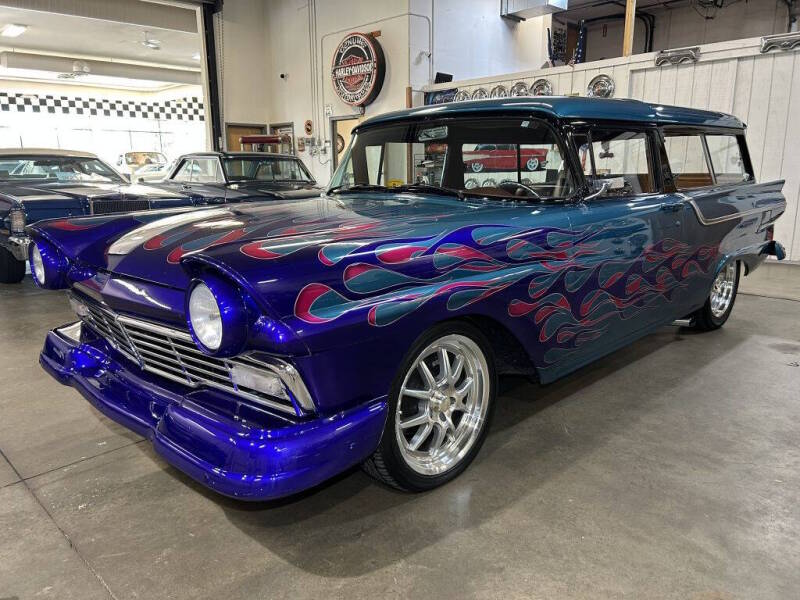 $34,990 · 47% below typical
Expand
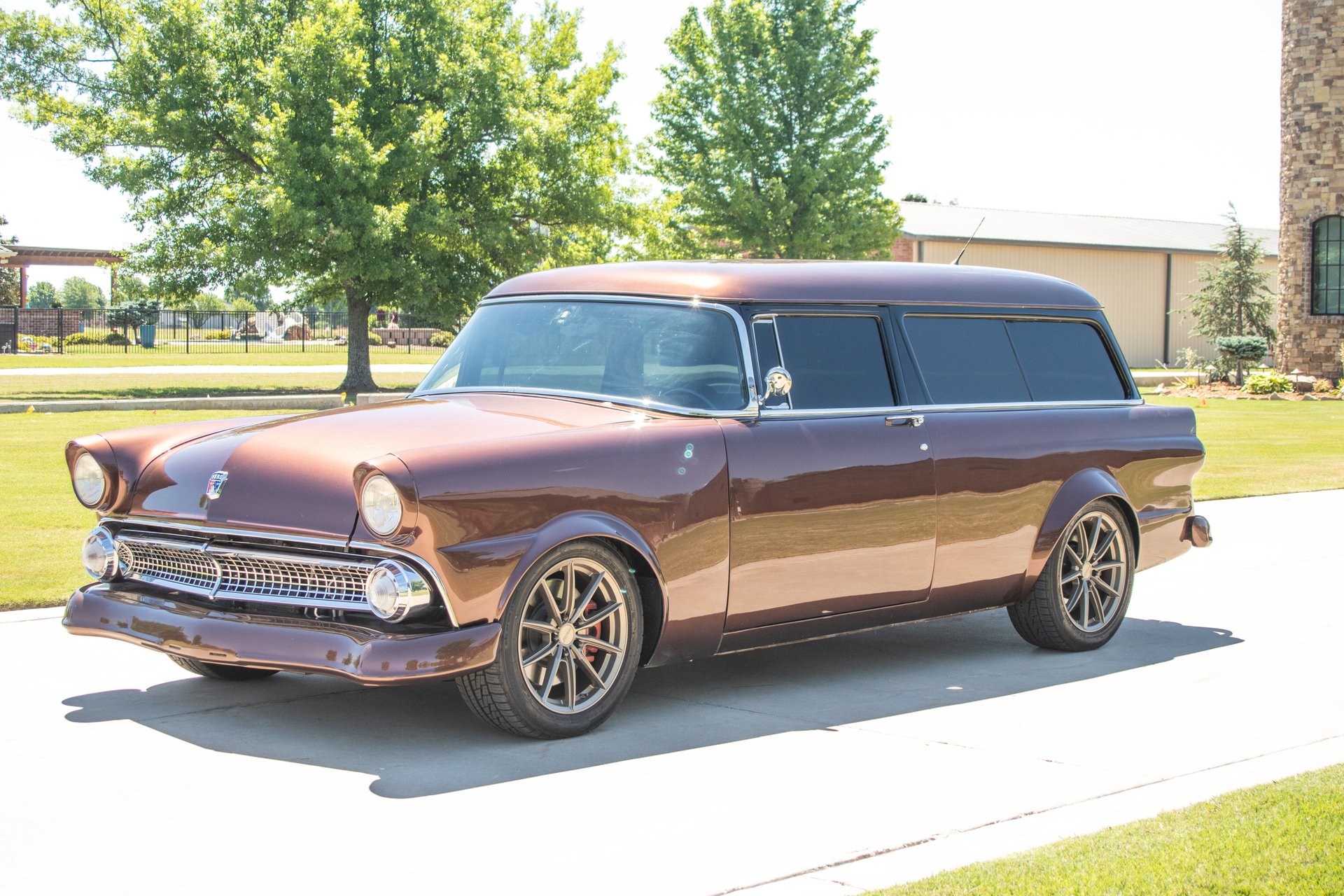 $38,900 · 41% below typical
Expand
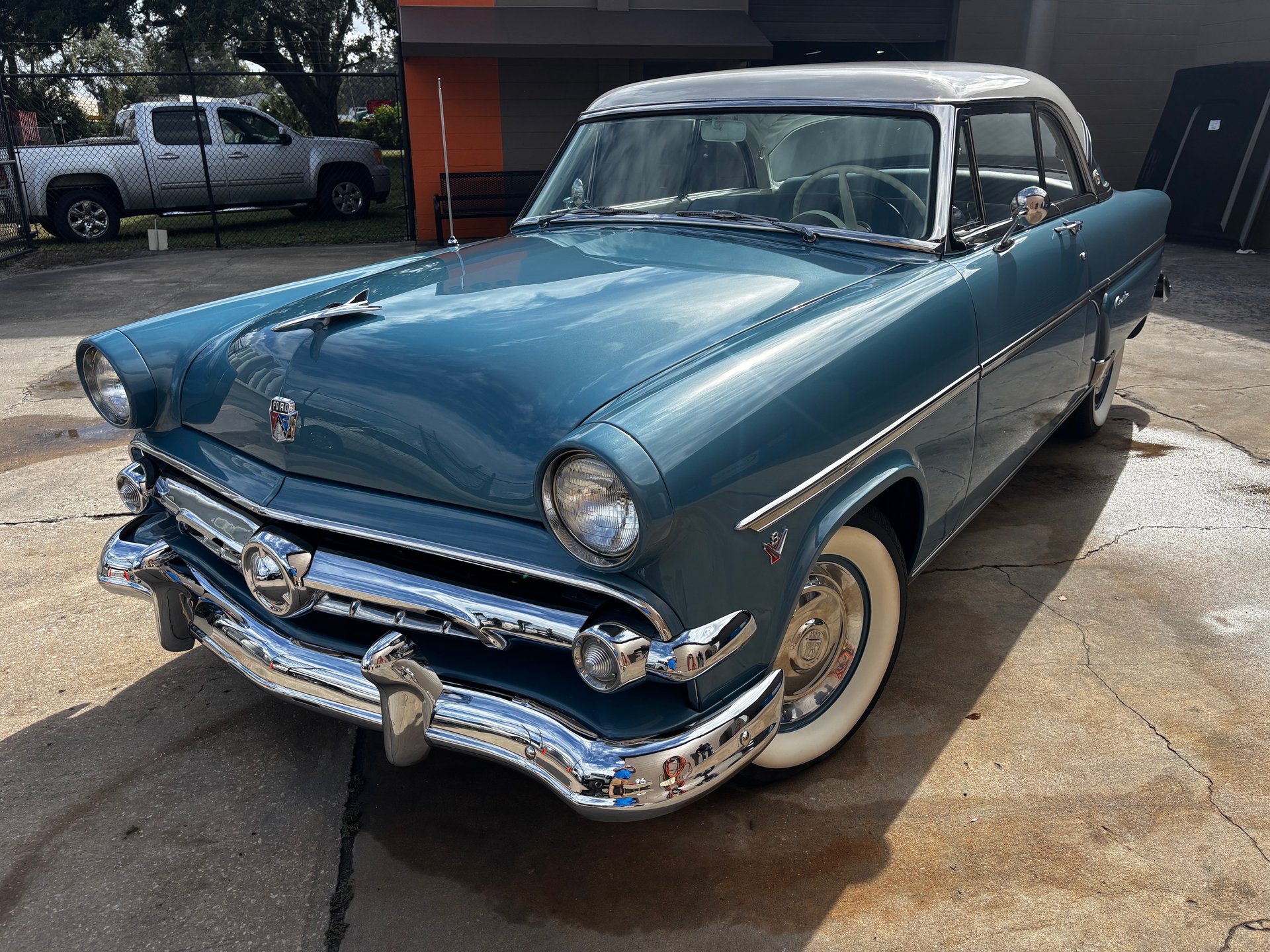 $35,000 · 88% above typical
Expand
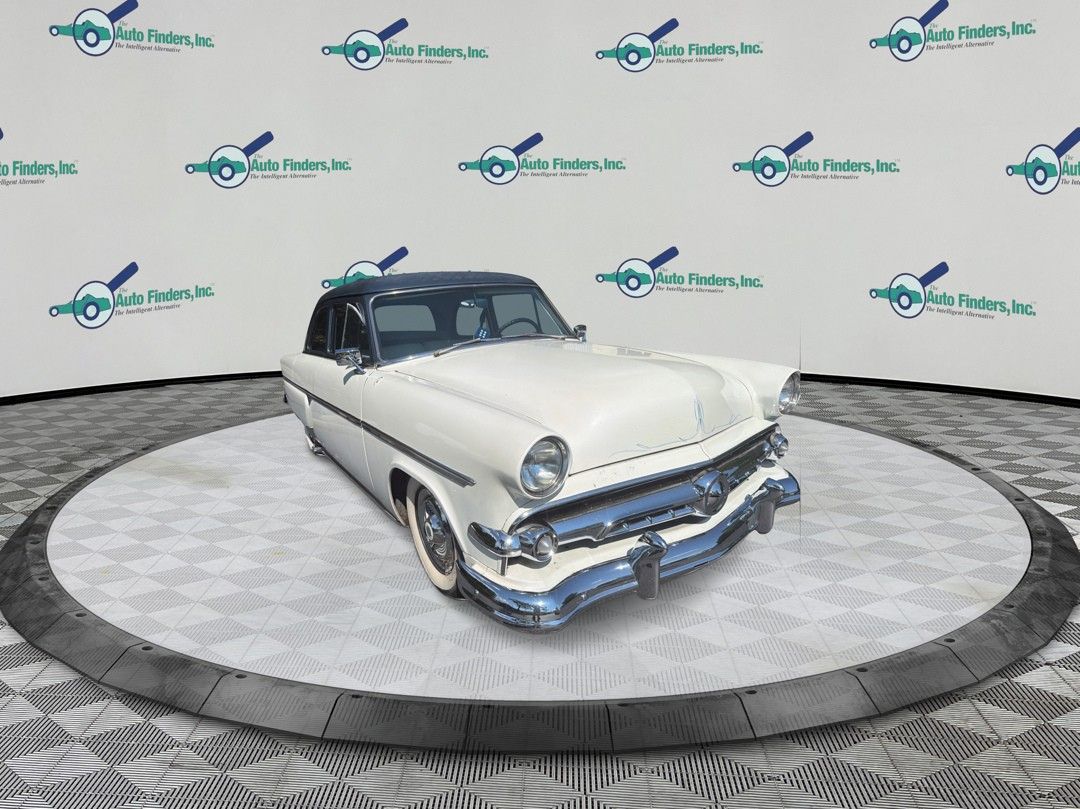 $17,998 · 3% below typical
Expand
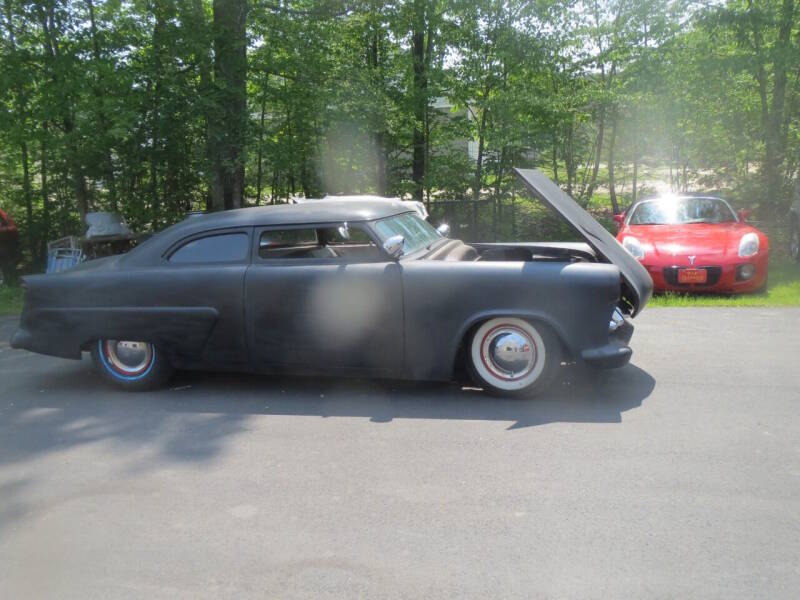 $7,500 · 60% below typical
Expand
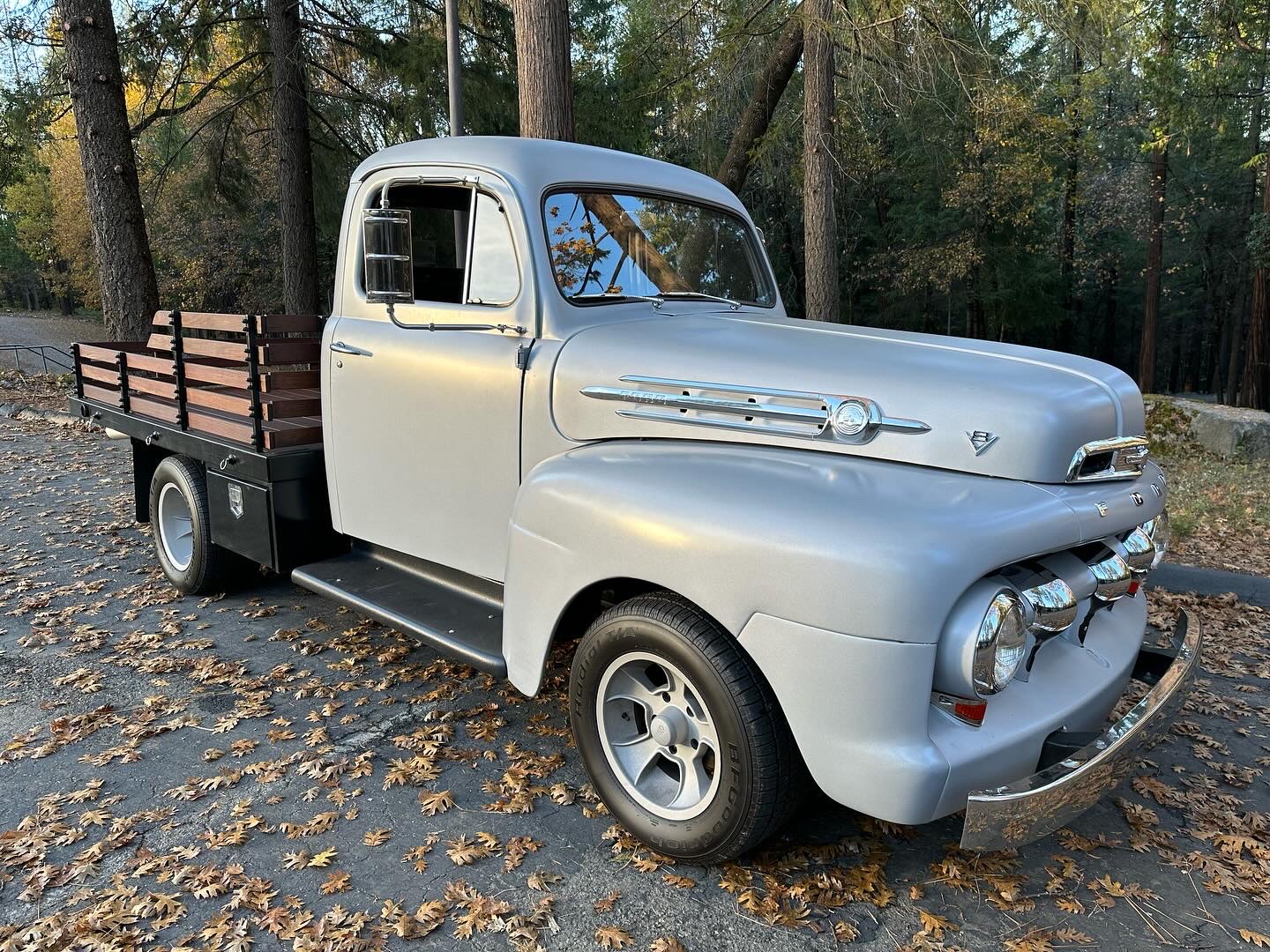 $25,500 · 50% below typical
Expand
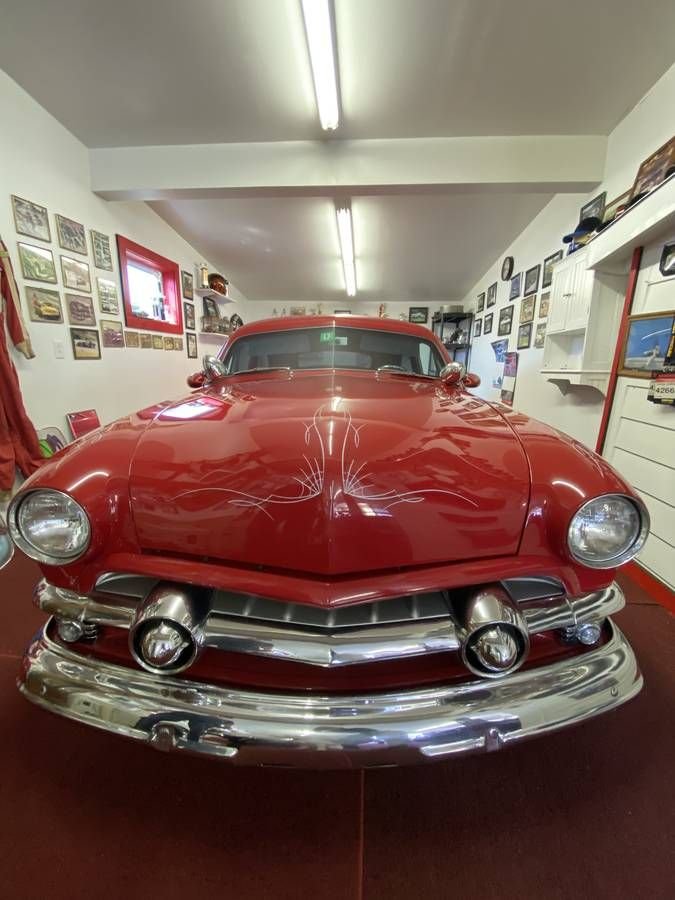 $39,000 · 23% below typical
Expand
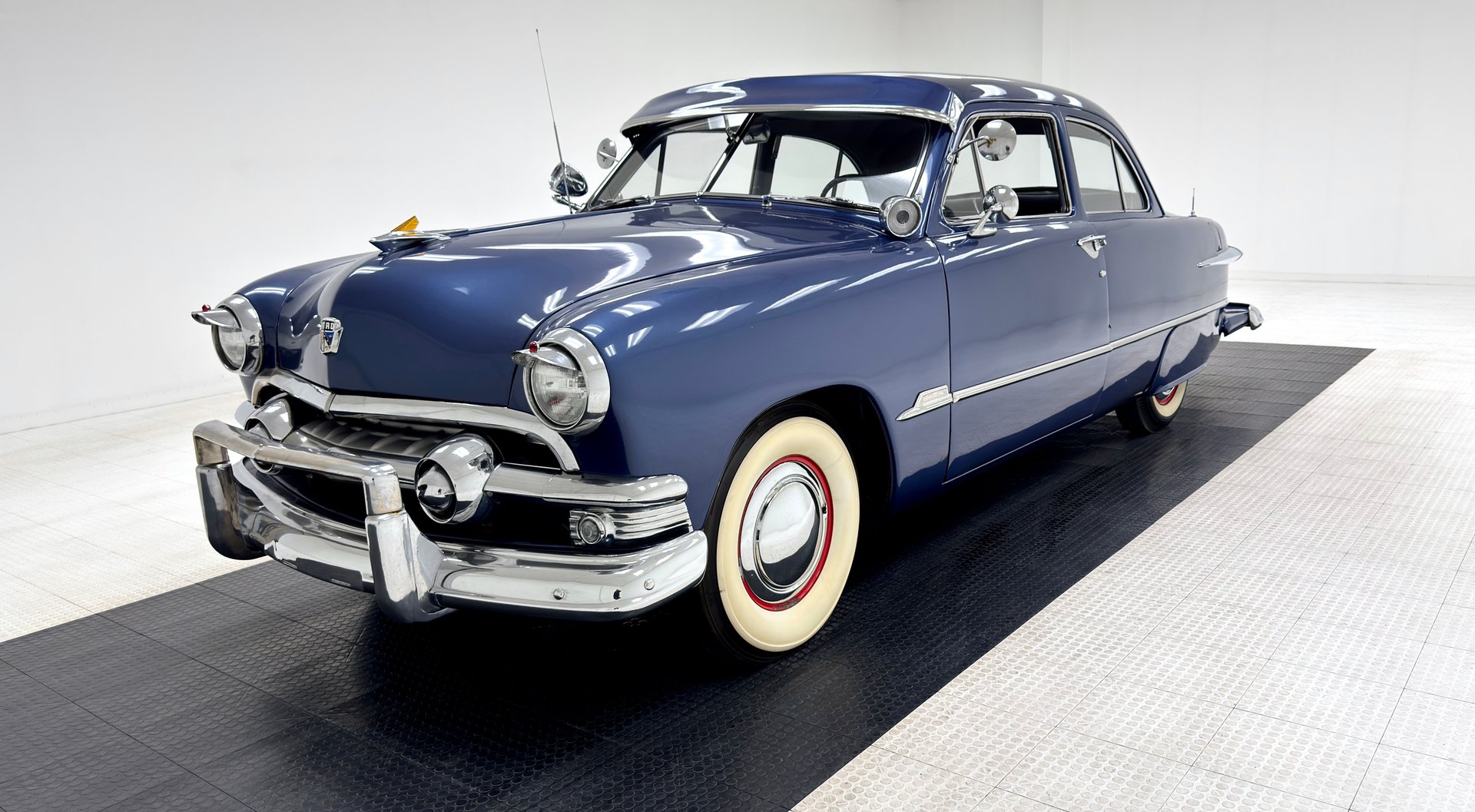 $14,900 · 15% above typical